

Plant Features
- Size: Up to about 3 m (10 ft) tall, typically spreading 2–3 m (6.5–10 ft) at maturity.
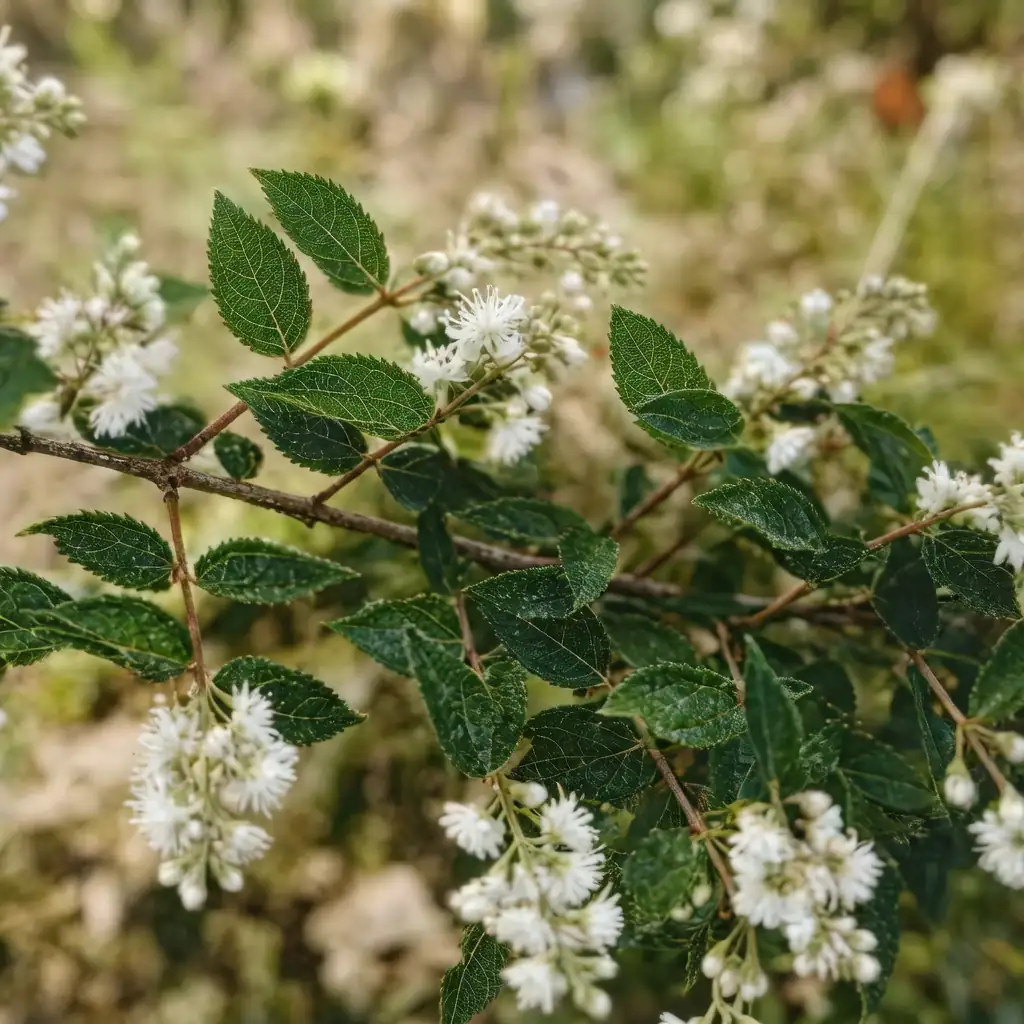
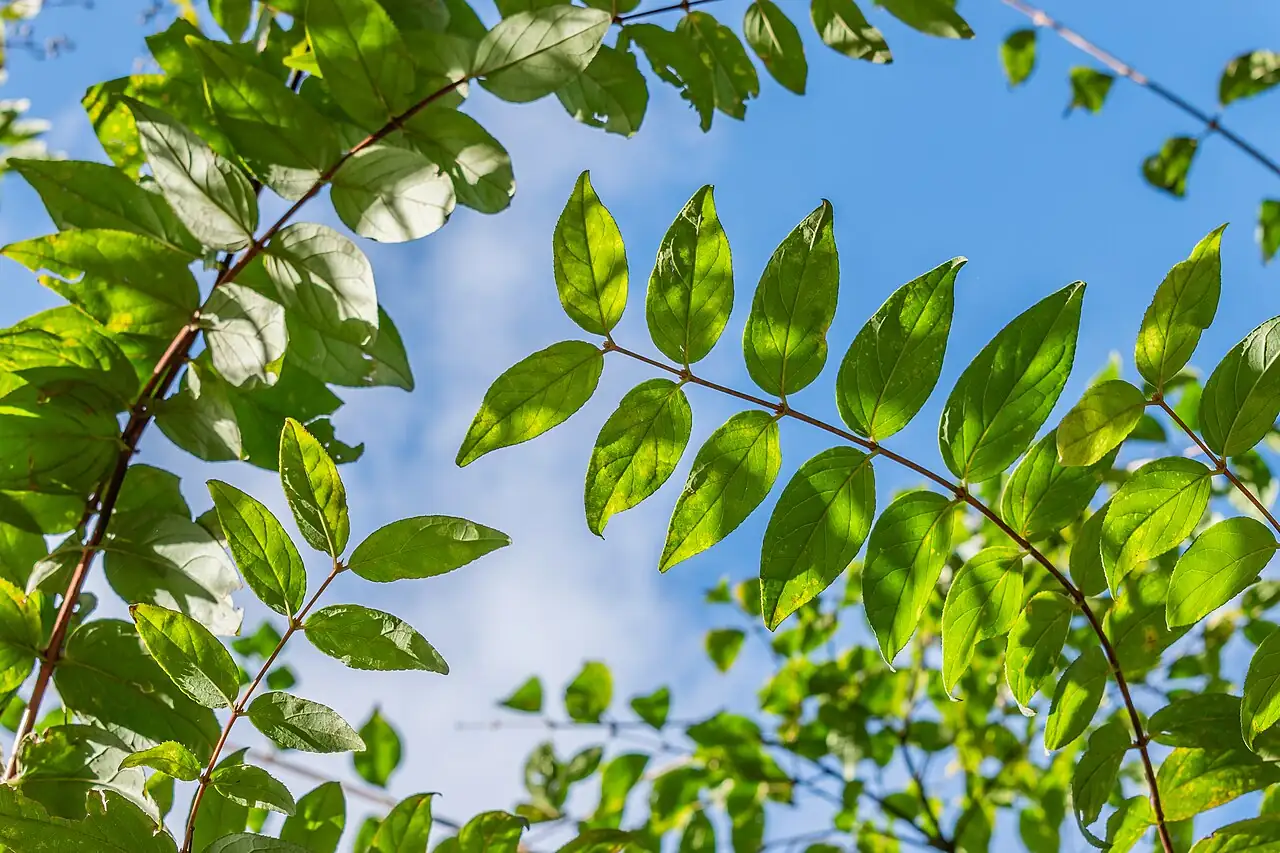
- Foliage: A multi-stemmed shrub with opposite, short-stalked leaves that are ovate to ovate-lanceolate. Young shoots can be reddish-brown and may feel slightly rough from tiny star-shaped hairs; with age they tend to smooth out. Older bark may peel in thin flakes, adding a bit of off-season texture.
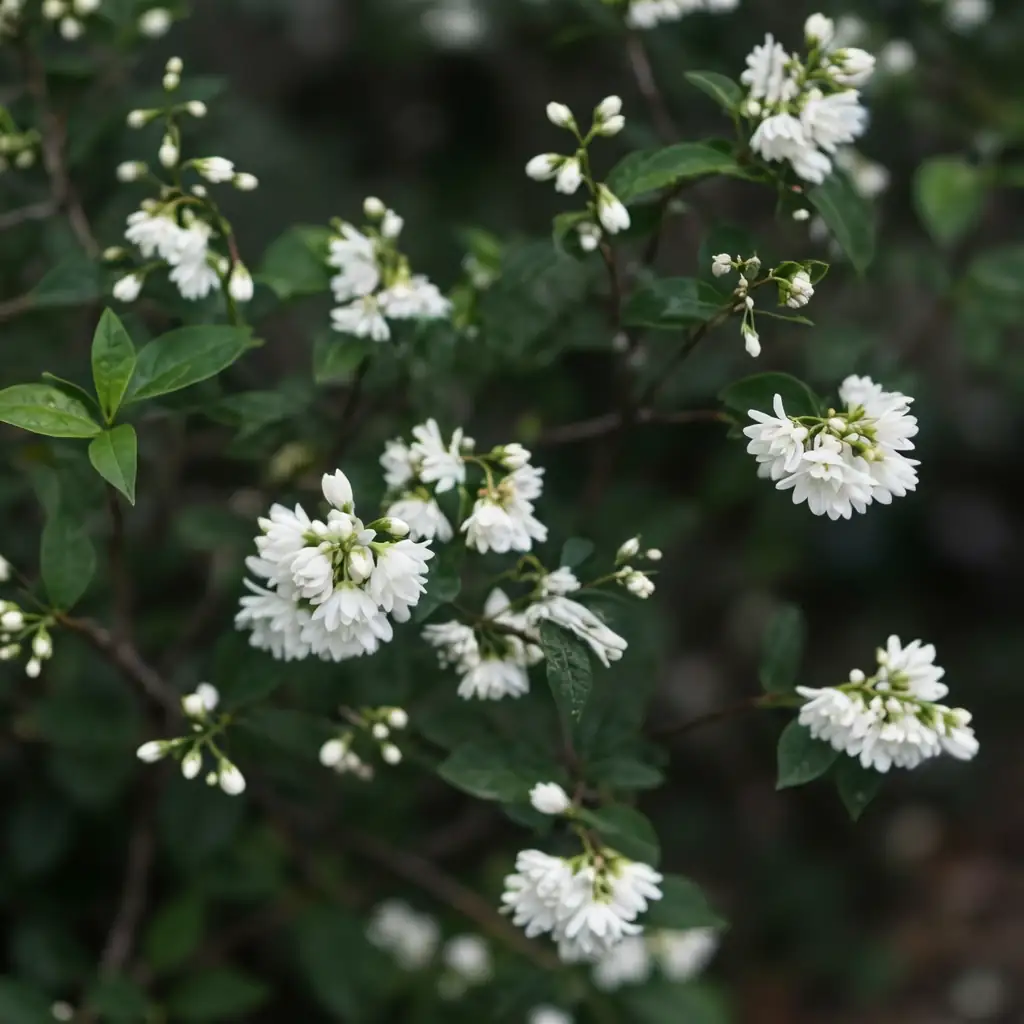
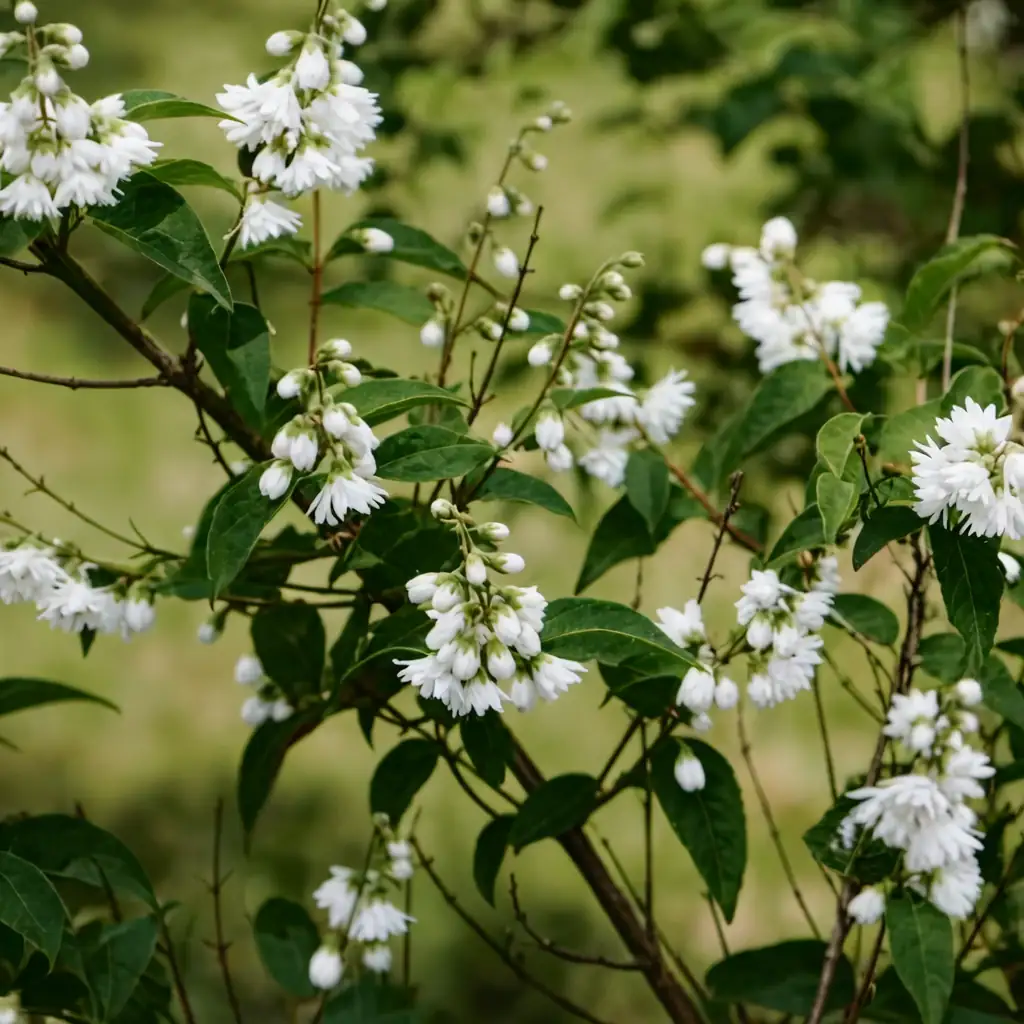
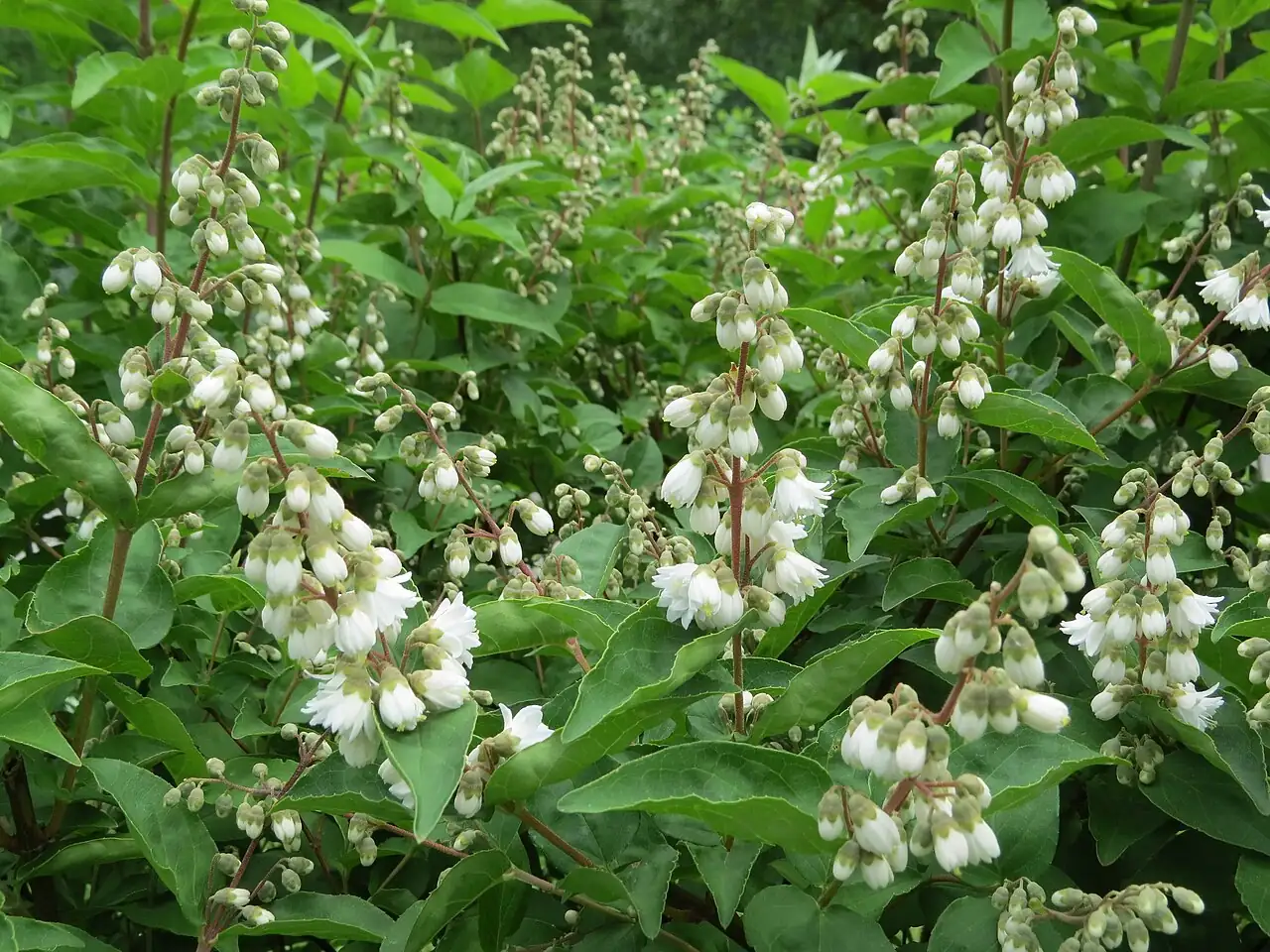
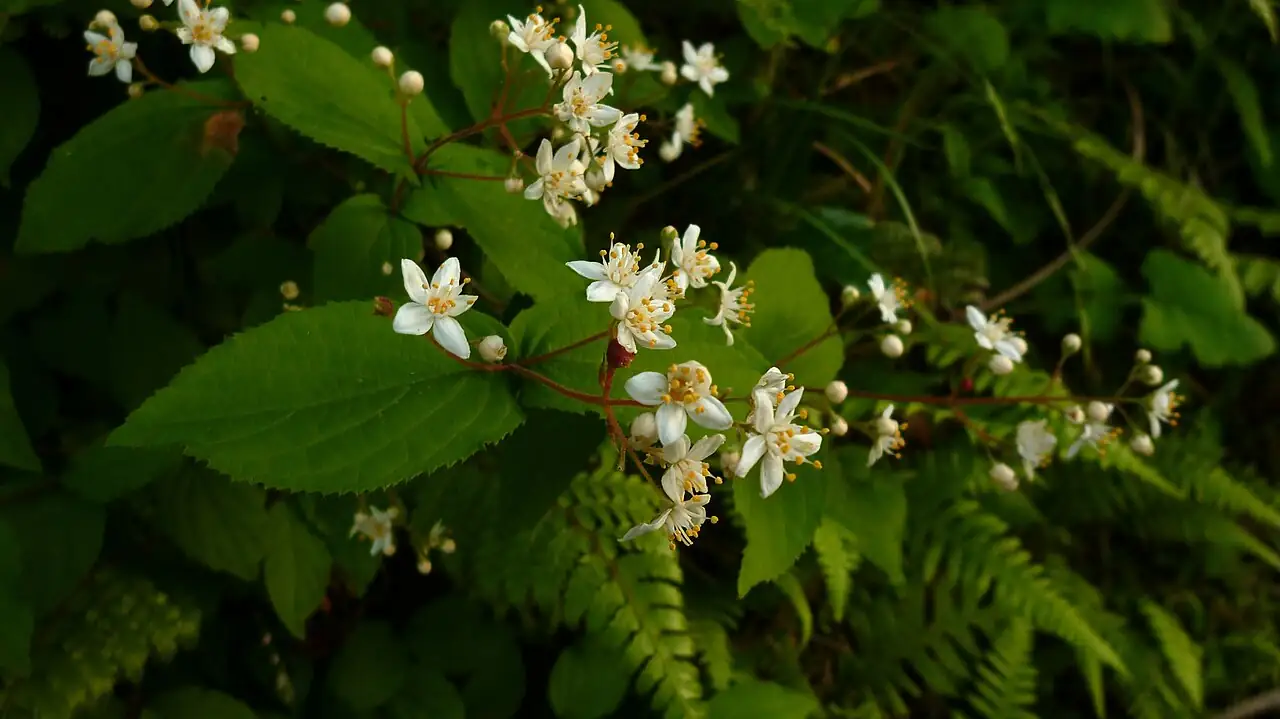
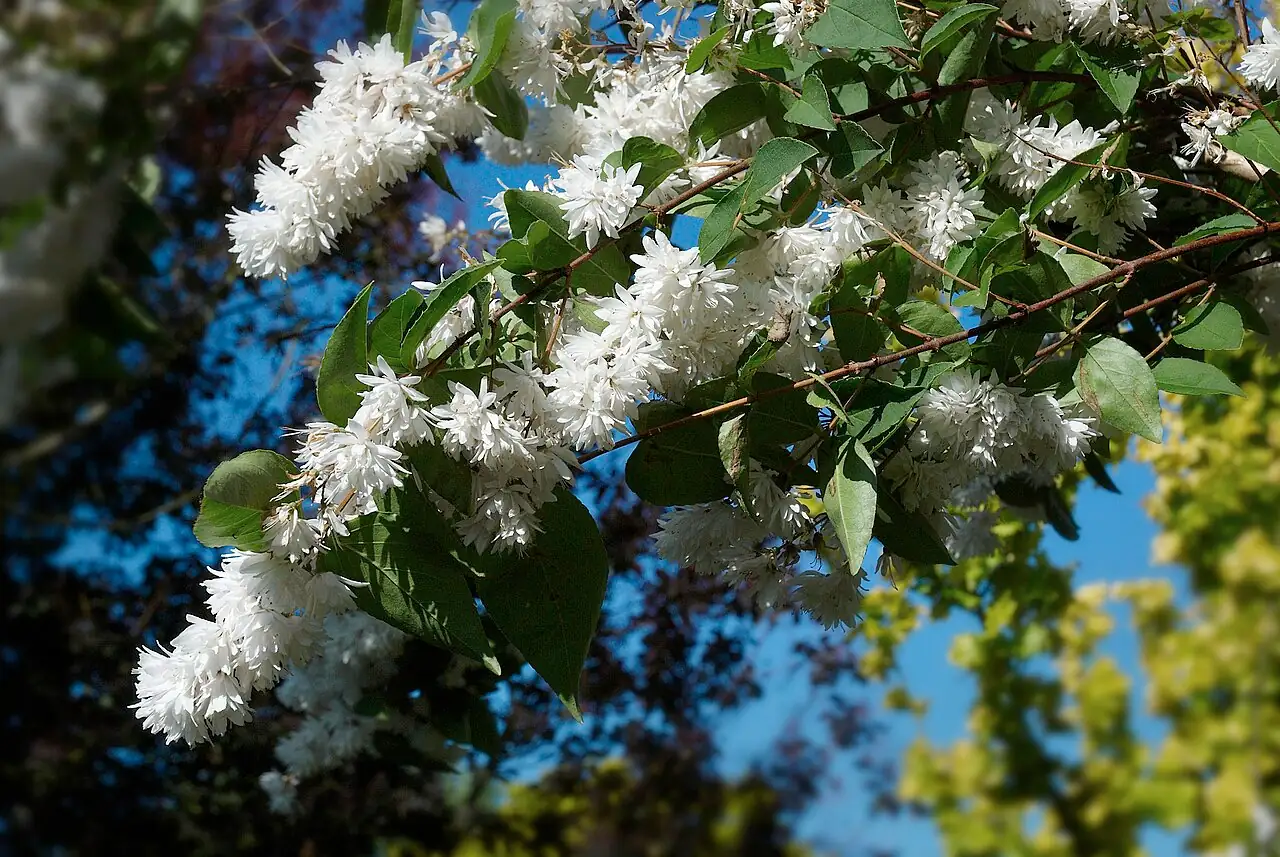
- Flower: Produces upright panicles packed with many small, star-shaped white flowers, sometimes lightly dotted or flushed with pink. After flowering, it forms a nearly spherical capsule-like fruit with a flattened top and a short beak-like tip.
- Flowering Season: May–June
- Growth Habit: Upright, vigorous, multi-stemmed shrub; regrows strongly from older wood and tolerates pruning very well.
Environment
Sunlight
Full sun to partial shade; flowering is heaviest in full sun.
Temperature
Prefers mild, not-too-dry conditions, but is notably cold-hardy and can cope with summer heat once established. A comfortable growth range is around 10–25°C (50–77°F).
Humidity
Does well in average to moderately humid air; avoid constantly stagnant, overly wet sites where airflow is poor.
Soil
Adaptable, but happiest in fertile, humus-rich, well-drained soil. Tolerates a broad pH range, roughly pH 6–8.
Placement
Great for slopes, lawns, roadsides, woodland edges, mixed shrub borders, and informal flowering hedges; also suits rock-garden style plantings. Flowering stems can be cut for indoor arrangements.
Hardiness
Cold-hardy; approximately USDA Zone 5–8. Once established it can handle short dry spells, but prolonged drought reduces flowering and vigor.
Care Guide
Difficulty
Easy: a resilient, forgiving shrub that responds enthusiastically to pruning and generally thrives with basic care.
Buying Guide
Pick a plant with multiple sturdy stems and firm buds. Avoid shrubs with blackened or shriveled canes, mushy roots, or major dieback. If buying in leaf, choose plants with evenly colored foliage and minimal spotting or distortion.
Watering
Water regularly during the first growing season to help roots establish. After that, water during extended dry spells—deep, thorough watering is better than frequent light sprinkling. In garden beds, let the top few centimeters of soil dry slightly between waterings.
Fertilization
In spring, top-dress with compost or use a balanced slow-release fertilizer once. Go easy on high-nitrogen feeds, which can push lots of soft leafy growth at the expense of flowers.
Pruning
Prune soon after flowering: remove spent flowering shoots and thin out some of the oldest stems at the base to encourage strong new growth. Avoid heavy pruning in late winter/early spring if you want maximum bloom, since it flowers mainly on older wood.
Propagation
Best propagated from softwood cuttings in late spring to early summer, or semi-ripe cuttings in summer. Layering also works well for plants growing in the ground.
Repotting
If container-grown, repot every 2–3 years into fresh, well-drained mix, or root-prune and refresh the top layer annually. Use a pot large enough to reduce rapid drying.
📅 Seasonal Care Calendar
May–June: peak flowering; prune right after bloom. Spring: feed with compost or a balanced slow-release fertilizer. Summer: water more during drought, especially for young plants. October–November: fruiting period.
Pests, Diseases & Safety
Common Pests & Diseases
Usually trouble-free. Aphids may appear on soft new growth, and leaf spot can show up in humid conditions with poor airflow. Improve ventilation, avoid late-day overhead watering, and remove heavily affected leaves when needed.
Toxicity
No well-documented toxicity to humans or pets in common horticultural references. As with any ornamental, avoid ingestion and keep trimmings away from curious children and pets.
Culture & Symbolism
Symbolism: Often linked with fresh beginnings and early-summer brightness, thanks to its abundant white bloom.
History & Legends: A long-cultivated ornamental shrub in East Asia, appreciated for dependable flowering, landscape toughness, and its willingness to be shaped into hedges.
Uses: Primarily ornamental: excellent for mass plantings on slopes and lawns, along roadsides, at woodland edges, and in mixed shrub borders; also used as an informal flowering hedge. Flowering stems can be cut for light, airy vase arrangements.
FAQ
When does it flower?
Typically May–June (early summer).
When does it set fruit?
Usually October–November.
How tall can it grow?
Up to about 3 m (10 ft) tall, with a spread often around 2–3 m (6.5–10 ft).
Where is it found in the wild and what habitats does it prefer?
It’s widespread in China—especially in the southwest—and often grows in valleys, along roadsides, in rock crevices, and in shrubland on low hills and mountains.
What growing conditions does it like best?
Full sun to partial shade (more sun = more flowers), with well-drained soil and regular moisture while establishing. Once settled, it’s quite hardy and tolerates some drought.
When should I prune Rough Deutzia?
Right after it finishes flowering. That timing helps preserve next year’s blooms because it flowers mainly on older wood.
Fun Facts
- Its bark can peel in thin flakes, adding subtle texture in winter.
- The “rough” feel comes from tiny star-shaped hairs that may appear on young shoots.
- Flowers are usually bright white, but some show delicate pink speckling.
- It forms rounded capsule-like fruits with a flattened top and a tiny beak.
- Because it regrows vigorously after pruning, it’s a dependable shrub for flowering hedges and renovation pruning.


