Plant Features
- Size: Typically 60–150 cm (2–5 ft) tall and 60–120 cm (2–4 ft) wide. In the ground, mature plants can reach about 180 cm (6 ft) tall and 120–150 cm (4–5 ft) wide in ideal conditions. In containers it’s commonly kept around 60–90 cm (2–3 ft). Upright and trailing/prostrate forms exist.
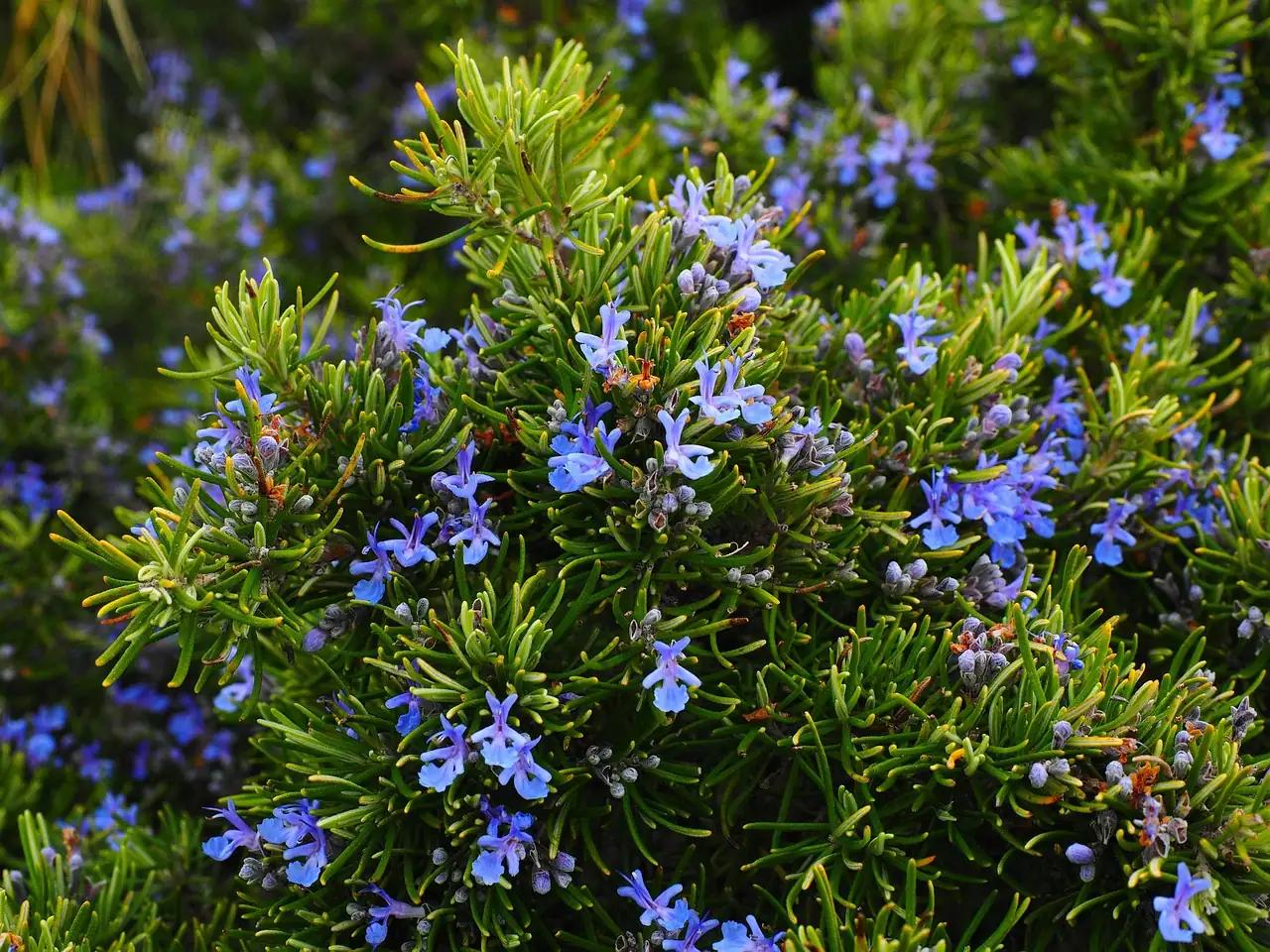
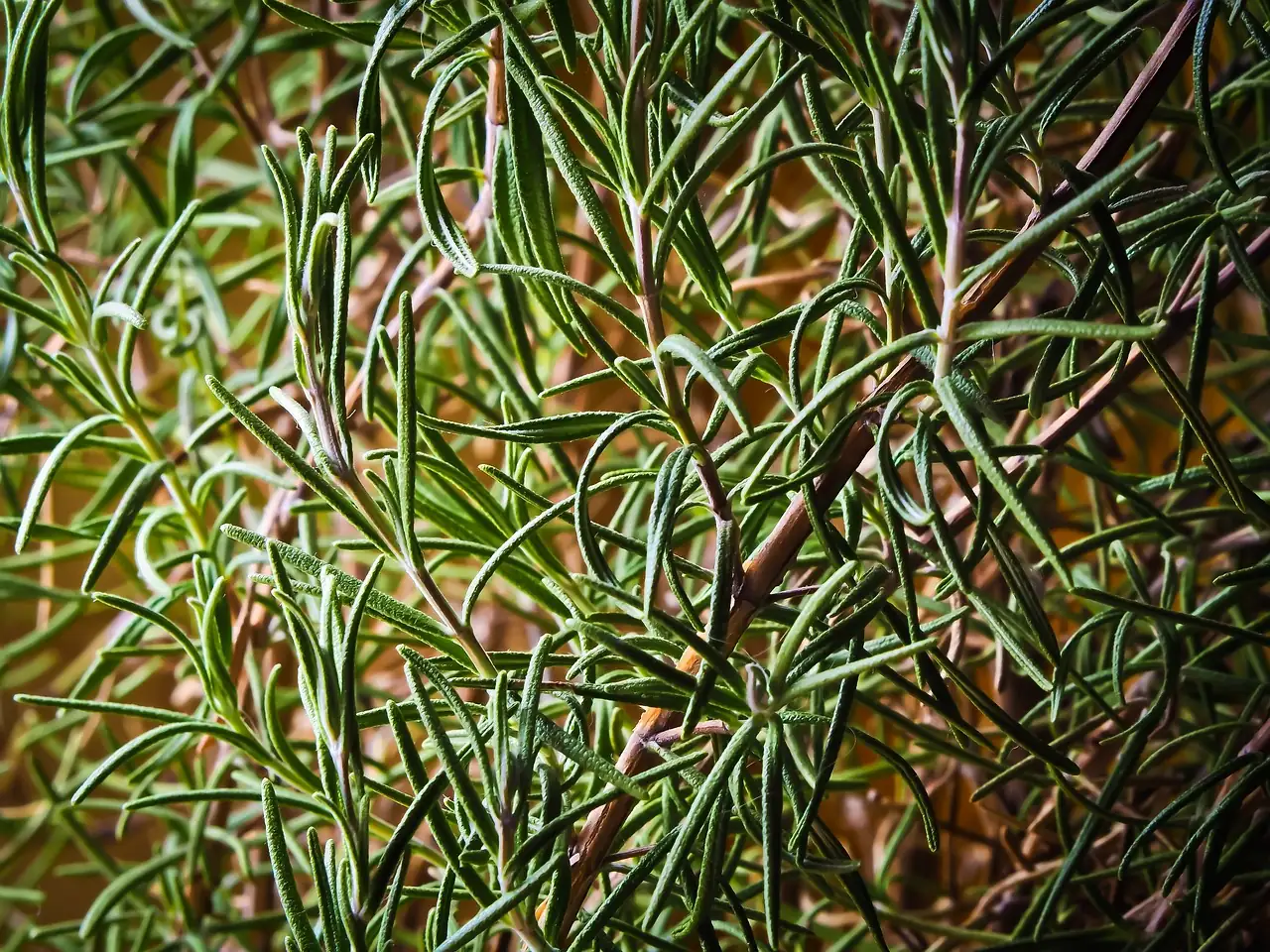
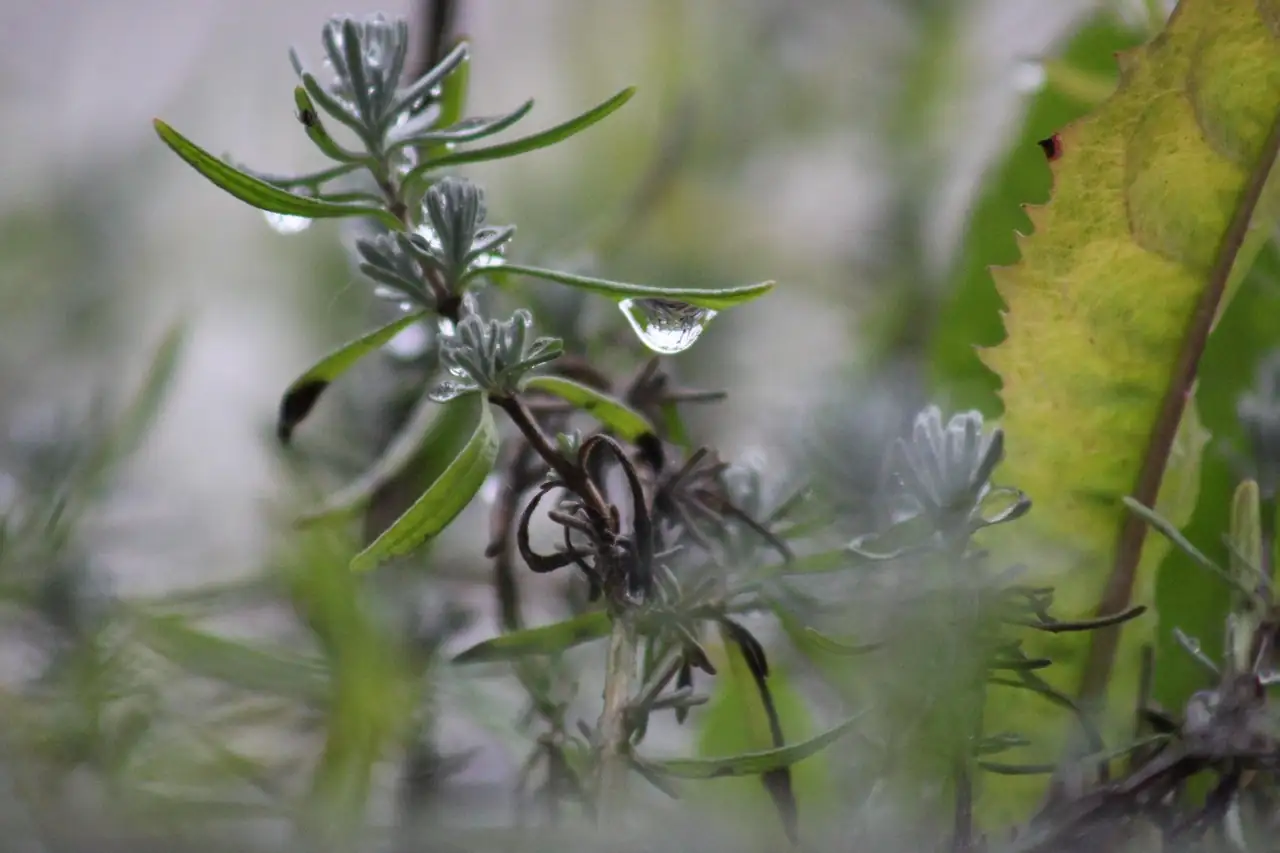
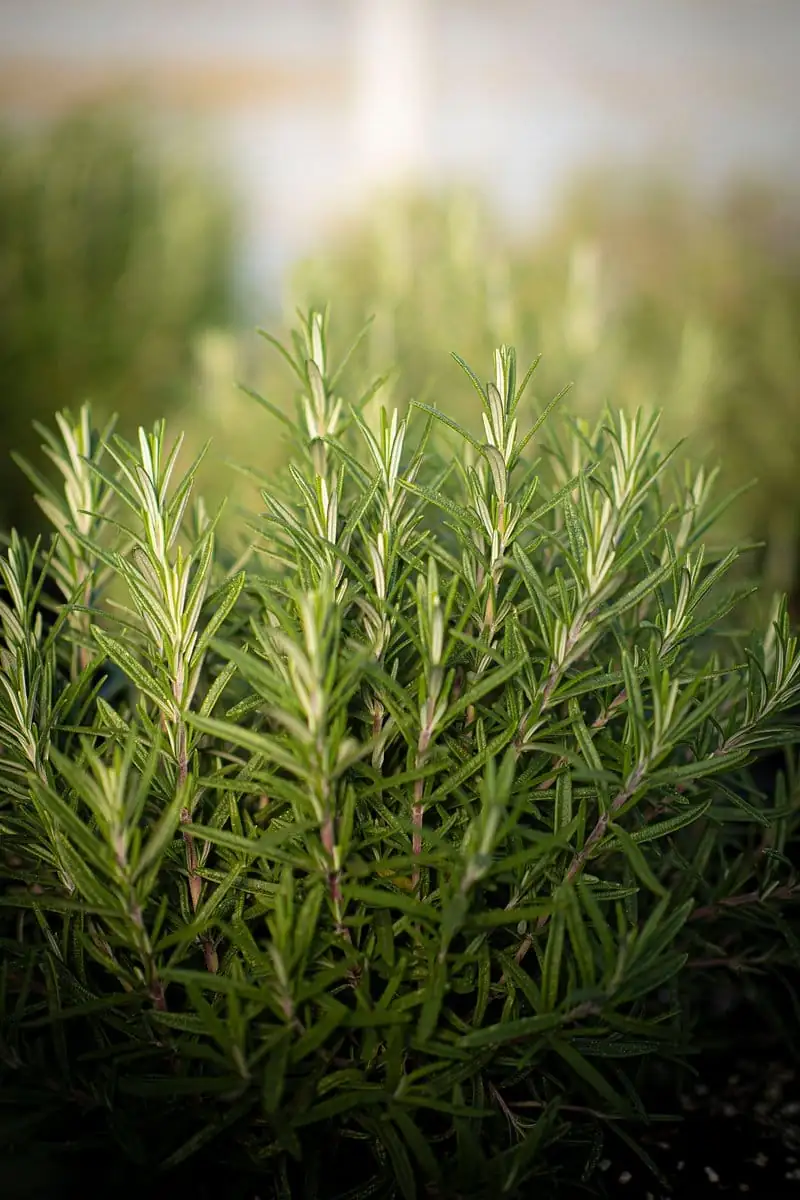
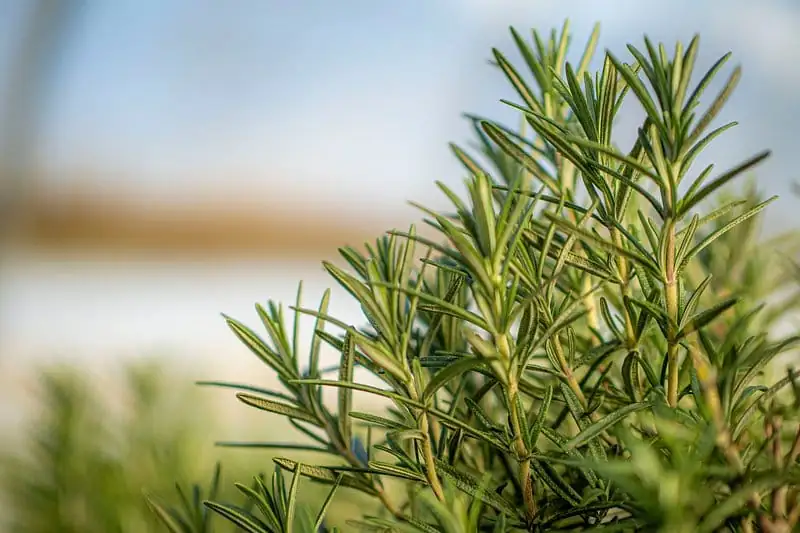
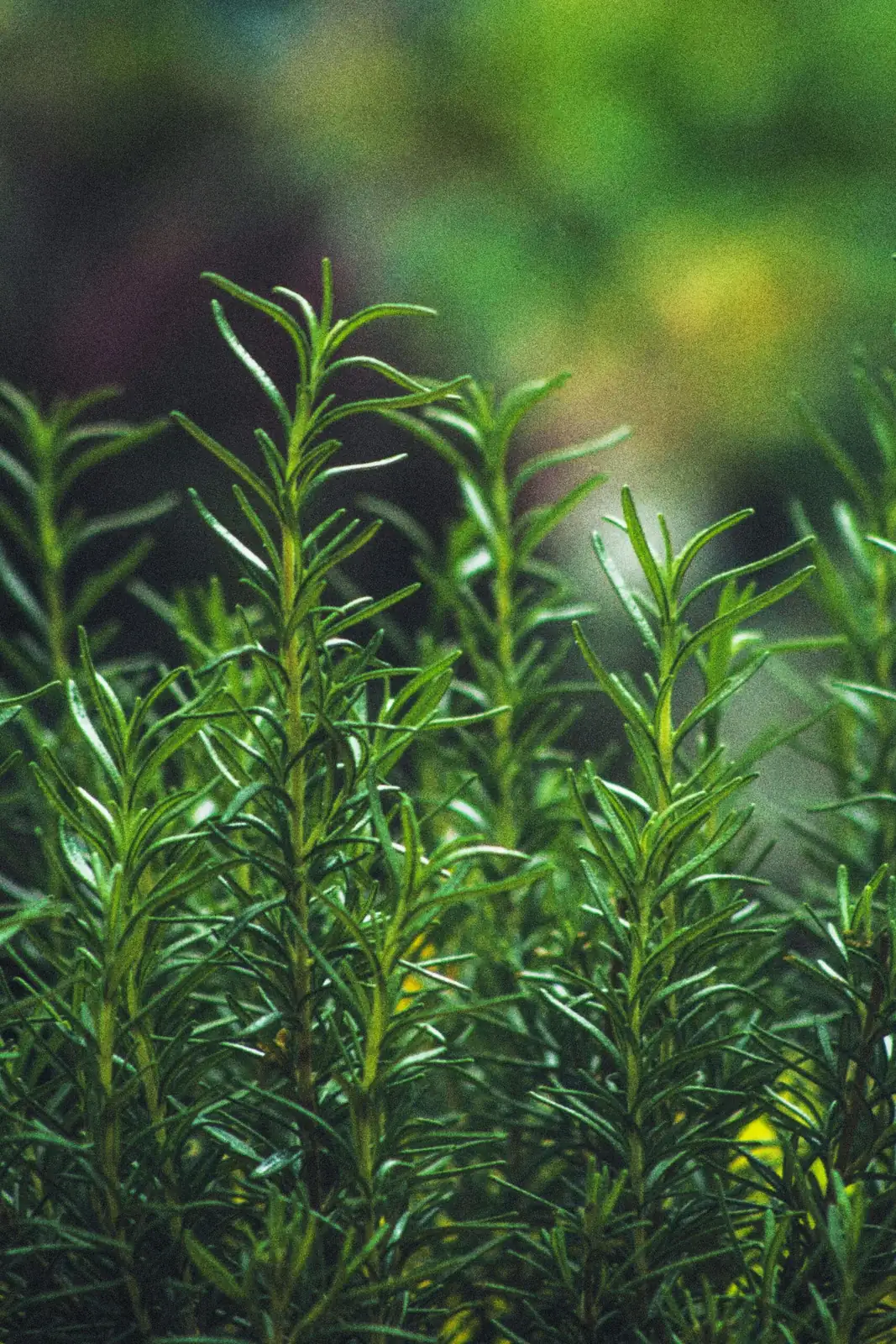
- Foliage: Dense, woody stems with narrow, leathery, needle-like leaves. Leaves are usually deep green above and paler beneath, often with fine whitish hairs on the underside; strongly aromatic when crushed, giving a crisp, resinous, pine-like fragrance.
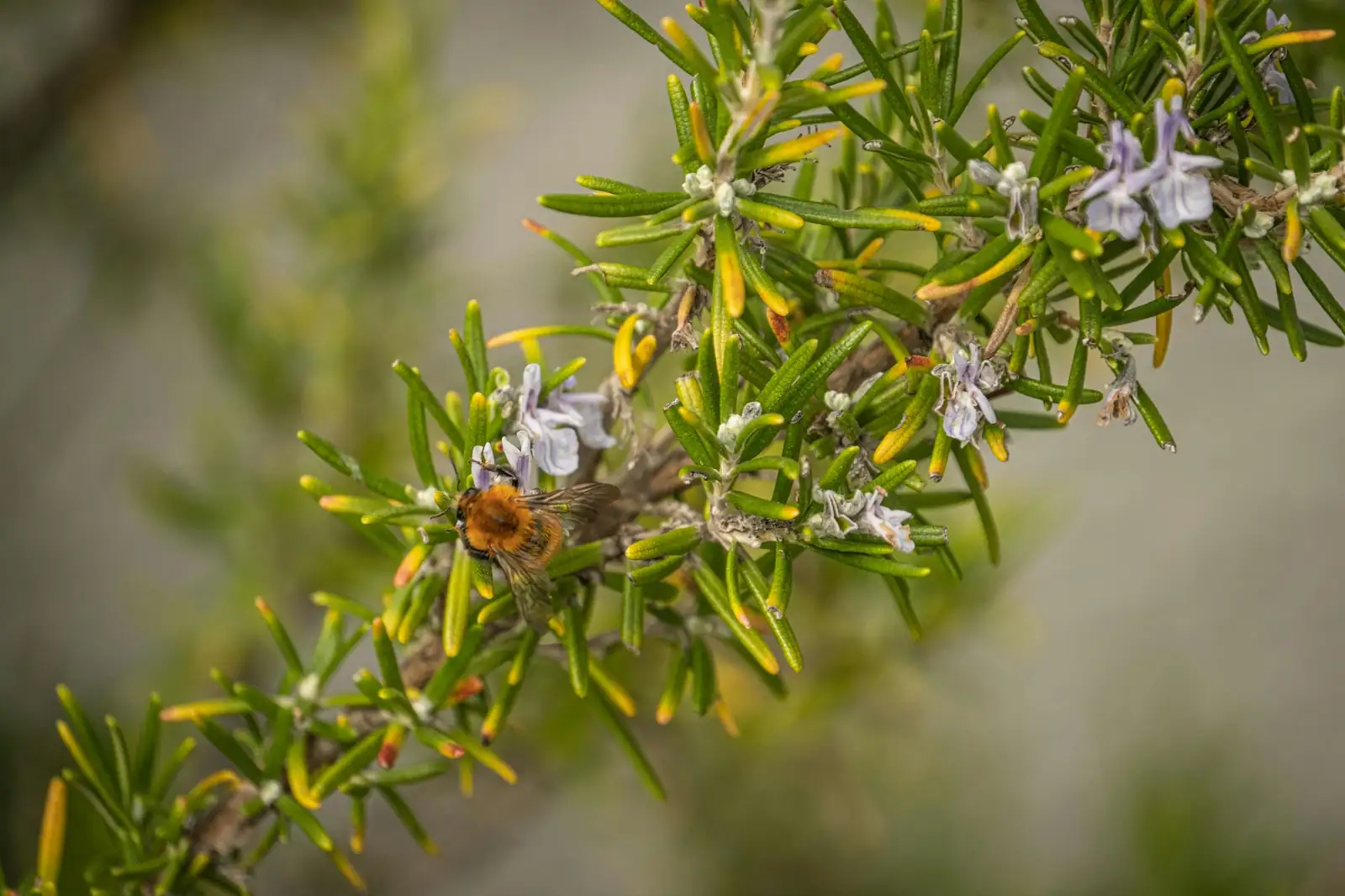
- Flower: Small, tubular, two-lipped flowers held in clusters along stems or at branch tips. Most commonly blue to lavender/violet, but some cultivars bloom pink or white. Flowers are beloved by bees and other pollinators.
- Flowering Season: Spring to summer is most typical; in mild climates it may flower in winter and spring and can repeat-flower at times.
- Growth Habit: Evergreen woody perennial shrub. Habit varies by cultivar from upright and bushy to trailing/groundcover; regular tip-pruning encourages branching and a compact shape.
Environment
Sunlight
Full sun is best—aim for at least 6–8 hours of direct light daily. Tolerates light shade but becomes looser/leggier; in extreme summer heat, light afternoon shade can help prevent scorch in hot microclimates (especially in pots). Indoors, place at the brightest window (ideally south-facing).
Temperature
Grows best around 15–30°C (59–86°F). Established plants can handle brief cold snaps if kept on the dry side; many are damaged by prolonged hard freezes or cold, wet winter conditions. As a general guide, protect below about -5°C (23°F); some well-established, cold-hardy selections may survive colder (down to about -9°C / 15°F) with excellent drainage and shelter.
Humidity
Prefers low to average humidity and good airflow. Consistently damp, stagnant air increases risk of fungal problems (and wet soil is the fastest route to failure).
Soil
Very well-drained, gritty/sandy or rocky loam is ideal. Tolerates poorer soils as long as drainage is fast. For containers, use a free-draining mix (potting mix amended with coarse sand/perlite or horticultural grit). A slightly acidic to neutral pH is fine (roughly pH 6.0–7.5).
Placement
Outdoors: a sunny, airy patio/balcony or raised bed with excellent drainage (Mediterranean-style, gravelly spots are perfect). Indoors: the brightest windowsill you have plus good ventilation; avoid dim rooms and avoid keeping the pot constantly moist.
Hardiness
Generally USDA Zones 8–11 (some sources list 8–10 depending on cultivar and winter wetness). Not reliably hardy where winters are both cold and wet; container-growing and overwintering in shelter is often easiest in colder regions.
Care Guide
Difficulty
Easy to moderate. Rosemary is low-maintenance once established, but it strongly dislikes “wet feet.” The biggest success factors are maximum light, fast drainage, and not overwatering.
Buying Guide
Pick a sturdy, bushy plant with dense branching and rich green foliage. Gently rub a leaf—healthy rosemary should smell strongly aromatic. Avoid plants with yellowing foliage, soft stems, or a potting mix that smells sour/wet (a common sign of overwatering/root trouble).
Watering
Water thoroughly, then let the soil/potting mix dry well before watering again. In the ground, water more during the first year while roots establish; afterward it’s quite drought-tolerant and usually needs only occasional deep watering during prolonged dry spells. In pots, water when the mix is dry a couple inches down (about 5 cm / 2 in). Summer may require more frequent checks, but never let the container sit in a saucer of water. Winter: keep much drier—especially in cool conditions—to prevent root rot.
Fertilization
Rosemary doesn’t need rich feeding. In the ground it often needs little to none. In containers during active growth, feed lightly about monthly with a balanced fertilizer; alternatively, a single light application of a general-purpose fertilizer in late spring/early summer is often enough. Stop feeding in winter.
Pruning
Pinch or trim tips to encourage branching and keep plants compact, especially upright types that get leggy. A light prune after flowering helps maintain a dense shape. Avoid cutting hard into old, leafless wood, which may not resprout. Remove no more than about one-third of the plant at a time. Older shrubs can become woody and less productive over many years, so regular gentle shaping is better than drastic renovation.
Propagation
Cuttings are the most reliable: take softwood cuttings in late spring/summer or semi-ripe cuttings in summer to autumn, about 8–12 cm (3–5 in) long. Strip lower leaves and root in a gritty, free-draining medium; roots often form in about 3–4 weeks under warm conditions. Layering also works well—peg a low stem to the soil and it may root on its own. Seeds are possible but can be slower and less reliable than cuttings.
Repotting
Use a container with excellent drainage—terracotta is especially helpful because it “breathes” and dries faster. Common home sizes are about 20–30 cm (8–12 in) wide, depending on plant size. Refresh the mix and check roots in spring; repot as needed (often every 1–3 years—annually for fast-growing potted plants, or every 2–3 years once established).
📅 Seasonal Care Calendar
Spring: repot if needed, resume light feeding, pinch/prune after flowering, and start cuttings as growth speeds up. Summer: give maximum sun, water only when dry, and ensure rain drains freely (raise pots so water can run out). Autumn: reduce watering and feeding; take semi-ripe cuttings; prepare protection for wet/cold weather. Winter: keep on the dry side, stop feeding, protect from hard frost and especially from cold, wet soil; move containers to a sheltered bright spot if necessary.
Pests, Diseases & Safety
Common Pests & Diseases
Usually quite tough. The most common problems trace back to excess moisture: root rot and fungal issues in warm, humid, poorly ventilated conditions. Potential pests include rosemary beetle, spittlebugs, and spider mites (often worse indoors). Prevention: fast drainage, bright light, and good airflow. Remove affected growth and treat appropriately if infestations or fungal symptoms persist.
Toxicity
Generally safe for people and pets in normal culinary amounts. Large quantities or concentrated rosemary essential oil can cause irritation or stomach upset, and it’s best avoided/used cautiously during pregnancy or for people with seizure disorders. Keep essential oils out of reach of children and pets (cats in particular are sensitive to many essential oils).
Culture & Symbolism
Symbolism: Rosemary is famously linked with remembrance—plus love, loyalty, fidelity, and friendship. It’s often given as a meaningful “remember me” plant or used to symbolize enduring devotion.
History & Legends: Rosemary has been cherished around the Mediterranean for thousands of years as both a household herb and a ceremonial plant. Ancient Greeks wore rosemary garlands while studying, believing it helped memory. In European traditions it became tied to fidelity and remembrance—showing up in weddings, home-protection customs, and later literature (including Shakespeare’s famous nod to rosemary “for remembrance”). A popular medieval legend says the plant’s flowers turned blue after the Virgin Mary laid her cloak upon it, inspiring the nickname “Rose of Mary.”
Uses: Culinary: a cornerstone herb for roasted potatoes, breads, soups, and especially lamb, pork, and chicken—fresh or dried. Herbal/home fragrance: dried sprigs for sachets, herbal pillows, and potpourri; also used as an herbal tea with a crisp aroma. Aromatherapy and personal care: essential oil and extracts are used in soaps, perfumes, and hair care (though oils should be handled with care). Ornamental: an attractive evergreen shrub for pots, hedges, borders, and pollinator-friendly gardens.
FAQ
How often should I water potted rosemary?
Water deeply, then wait until the potting mix has dried well (check about 5 cm / 2 in down). In many homes that’s roughly every 1–2 weeks, faster in hot weather. The key is never letting the pot sit in water and never keeping the mix constantly damp.
Can rosemary grow indoors?
Yes, but it’s happiest with very strong light—ideally 6–8 hours of direct sun at a south-facing window (or a bright grow light) plus good airflow. Indoors, overwatering and low light are the main reasons it struggles.
Why does my potted rosemary often die in summer?
Usually because the roots stay too wet—often after heavy rain or in a dense, water-holding potting mix. Use a very free-draining, gritty mix, make sure drainage holes are unobstructed, and raise the pot so water can run out freely.
Why is my rosemary turning brown?
Common causes include root rot from overwatering, winter damage from frost or cold/wet soil, and low light (especially indoors). Check drainage first, then light levels, and trim away dead tips once you’ve corrected conditions.
How do I harvest rosemary without hurting the plant?
Snip sprigs from soft, leafy growth—spring and summer growth is usually the most flavorful. Avoid taking more than about one-third of the plant at once, and don’t cut back into old leafless wood.
Fun Facts
- Many modern plant references now accept the name Salvia rosmarinus; the older Rosmarinus officinalis is still widely used as a synonym.
- Rosemary flowers are a favorite for bees, making it a great pollinator plant for sunny gardens.
- The nickname “Dew of the Sea” comes from the plant’s historic coastal Mediterranean association.
- Terracotta pots often make rosemary easier because they dry out faster than plastic containers.
- Rosemary can be trained into topiaries, including little “Christmas tree” shapes for the holidays.