

Plant Features
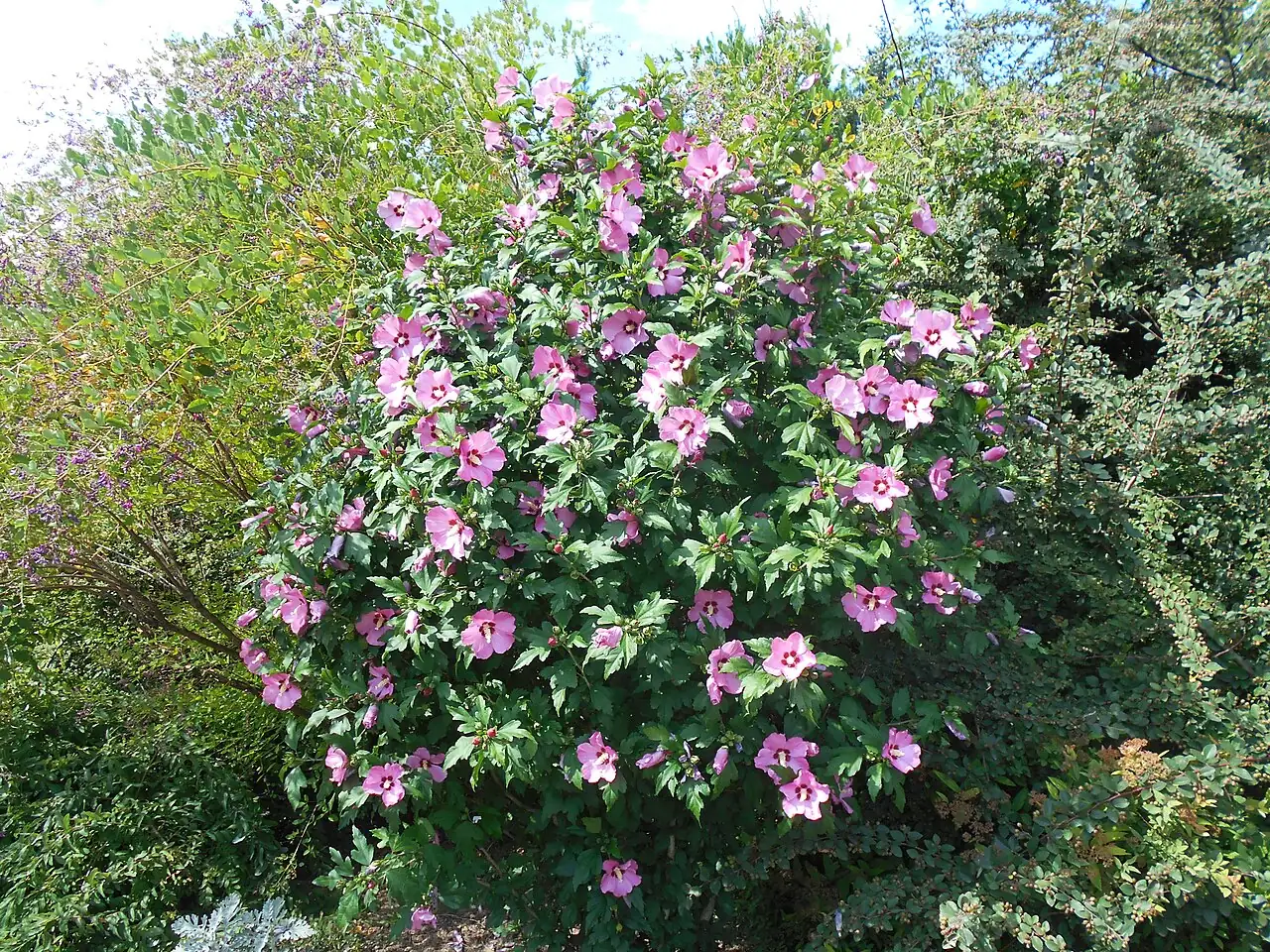
- Size: Typically 3–4 m (9.8–13.1 ft) tall, most often grown as a broad, multi-stemmed shrub that can be clipped into a dense screen or hedge.
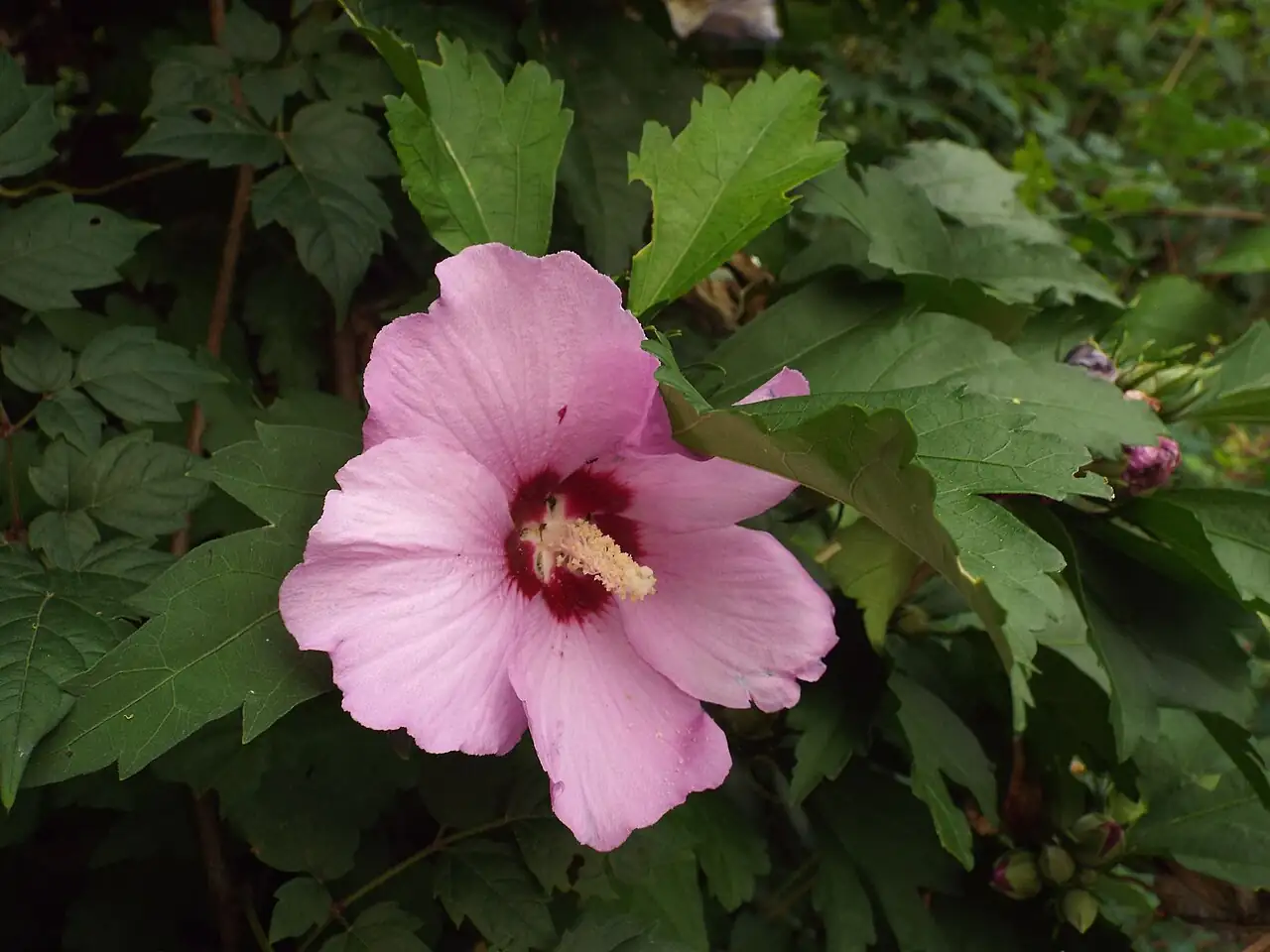
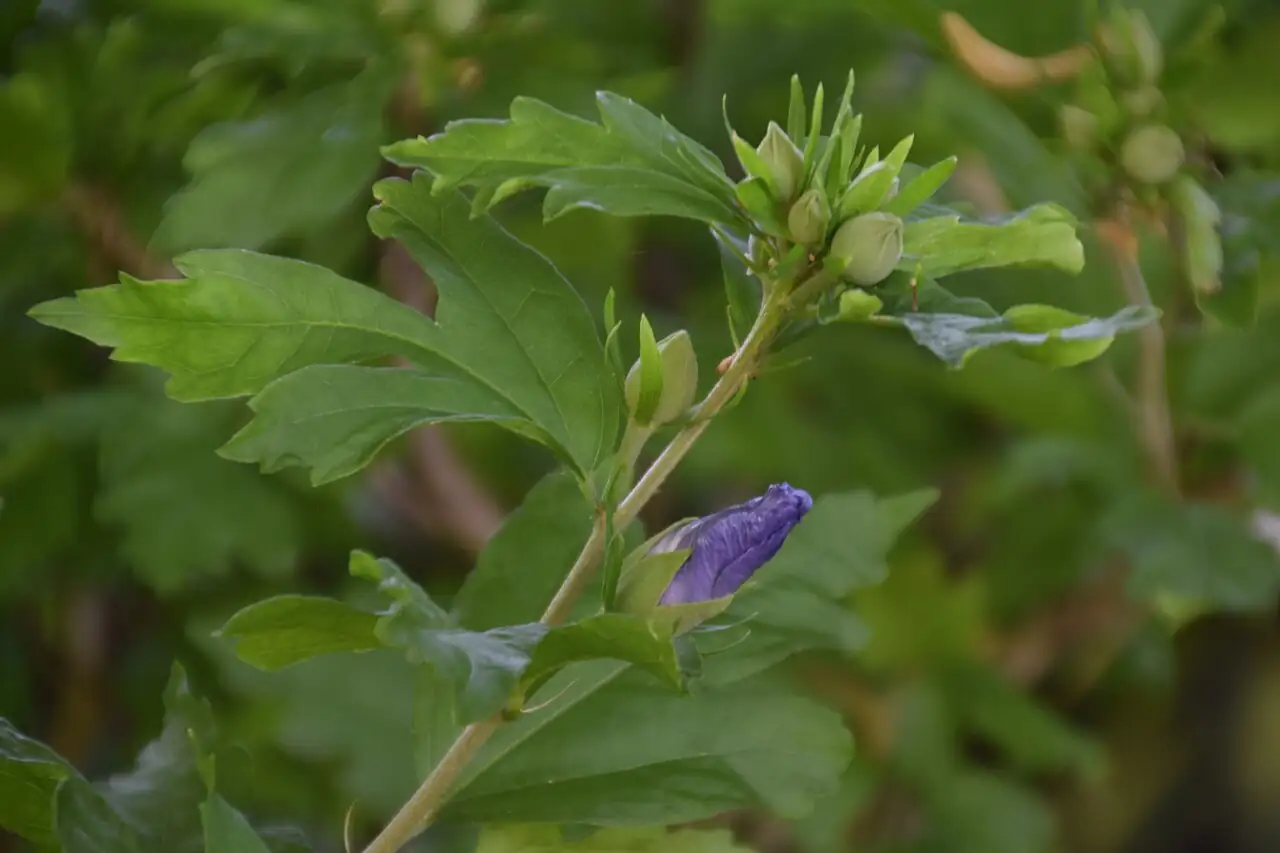
- Foliage: Leaves are rhombic to triangular-ovate, often with a shallow 3-lobed tip, irregular toothed edges, and three noticeable veins. Young shoots are characteristically covered in yellow, star-shaped hairs.
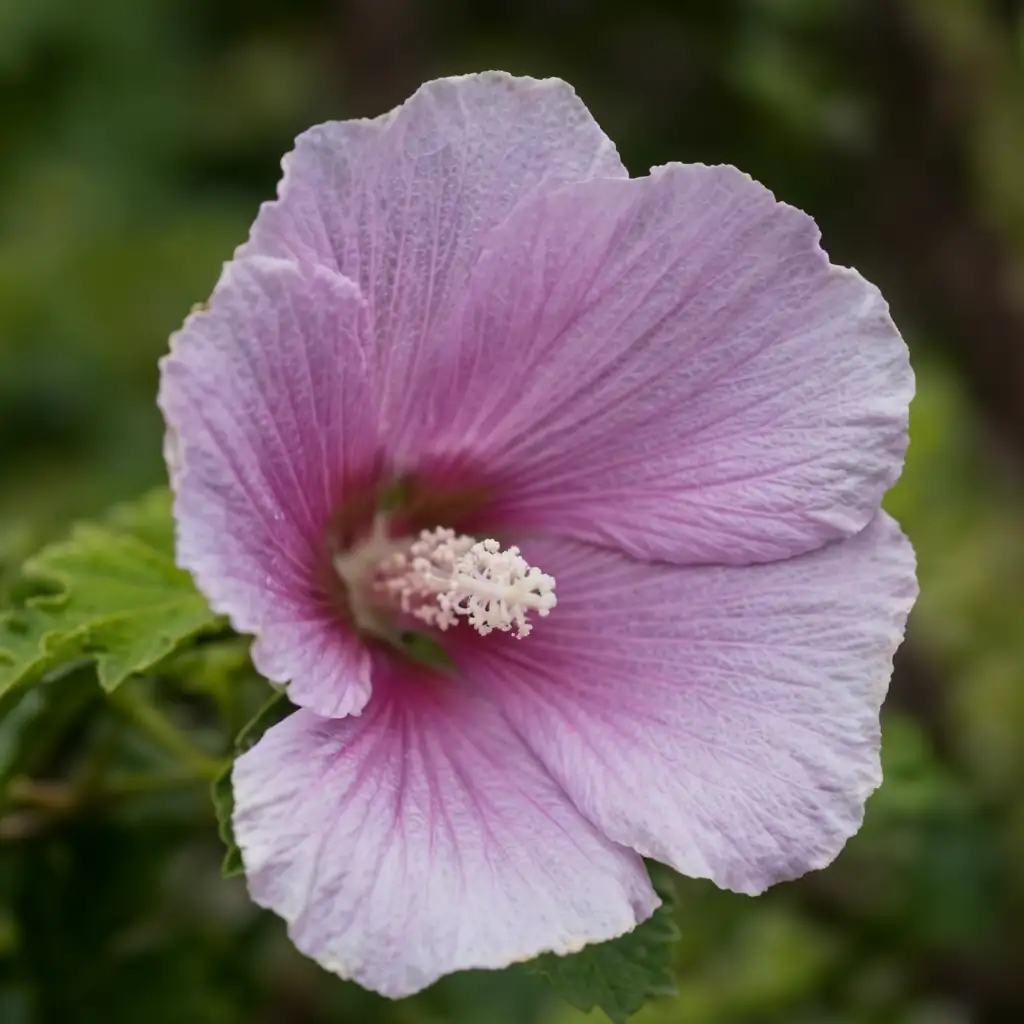
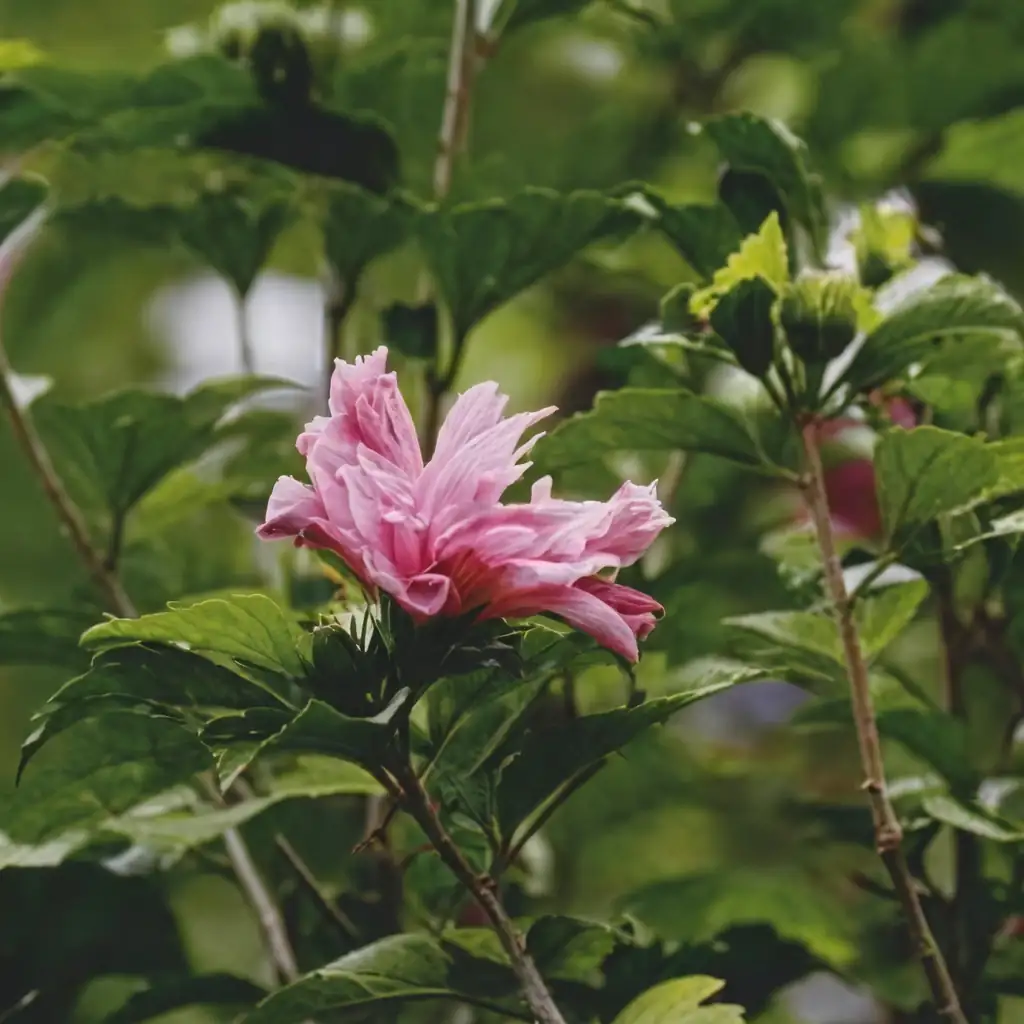
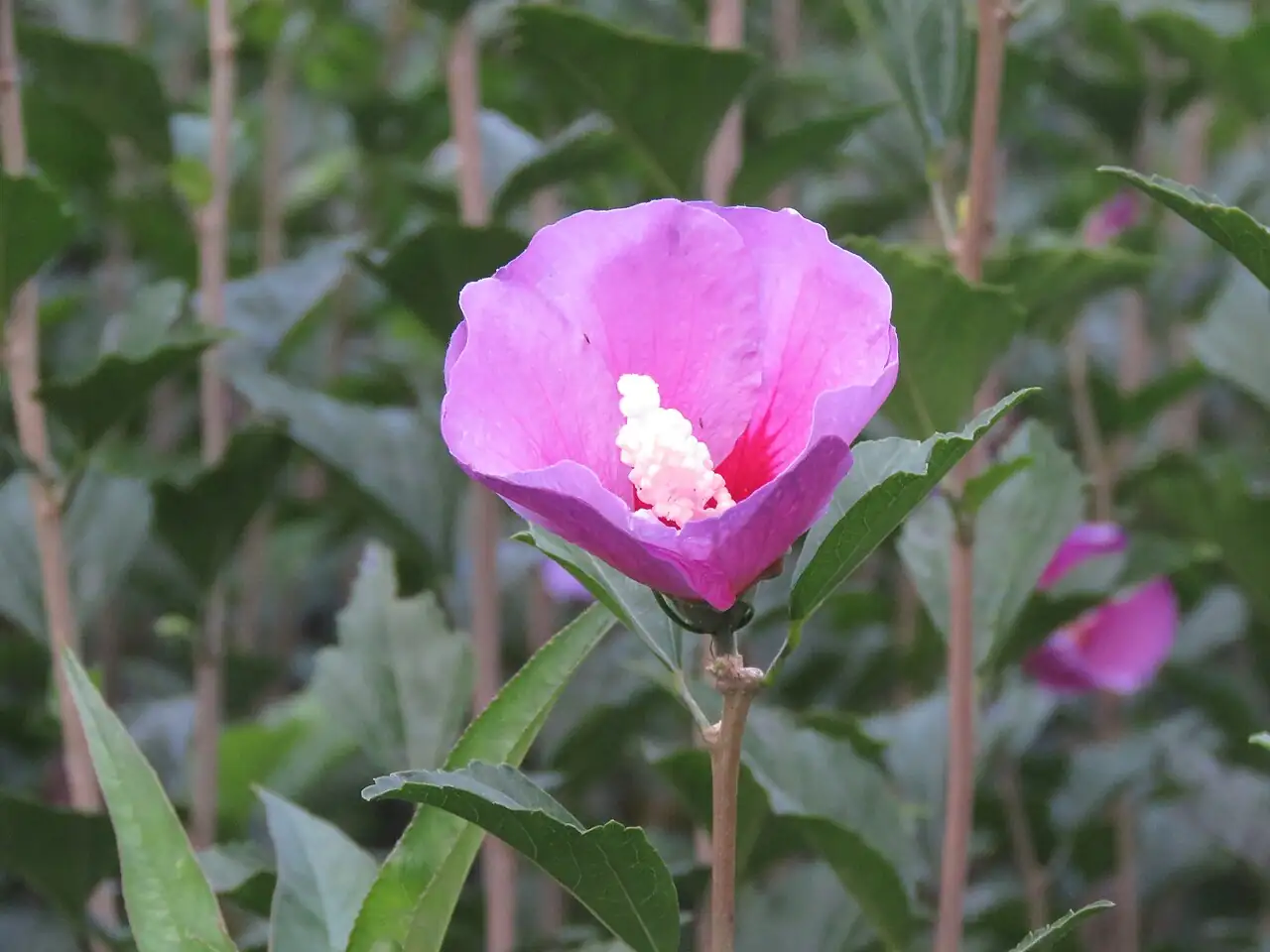
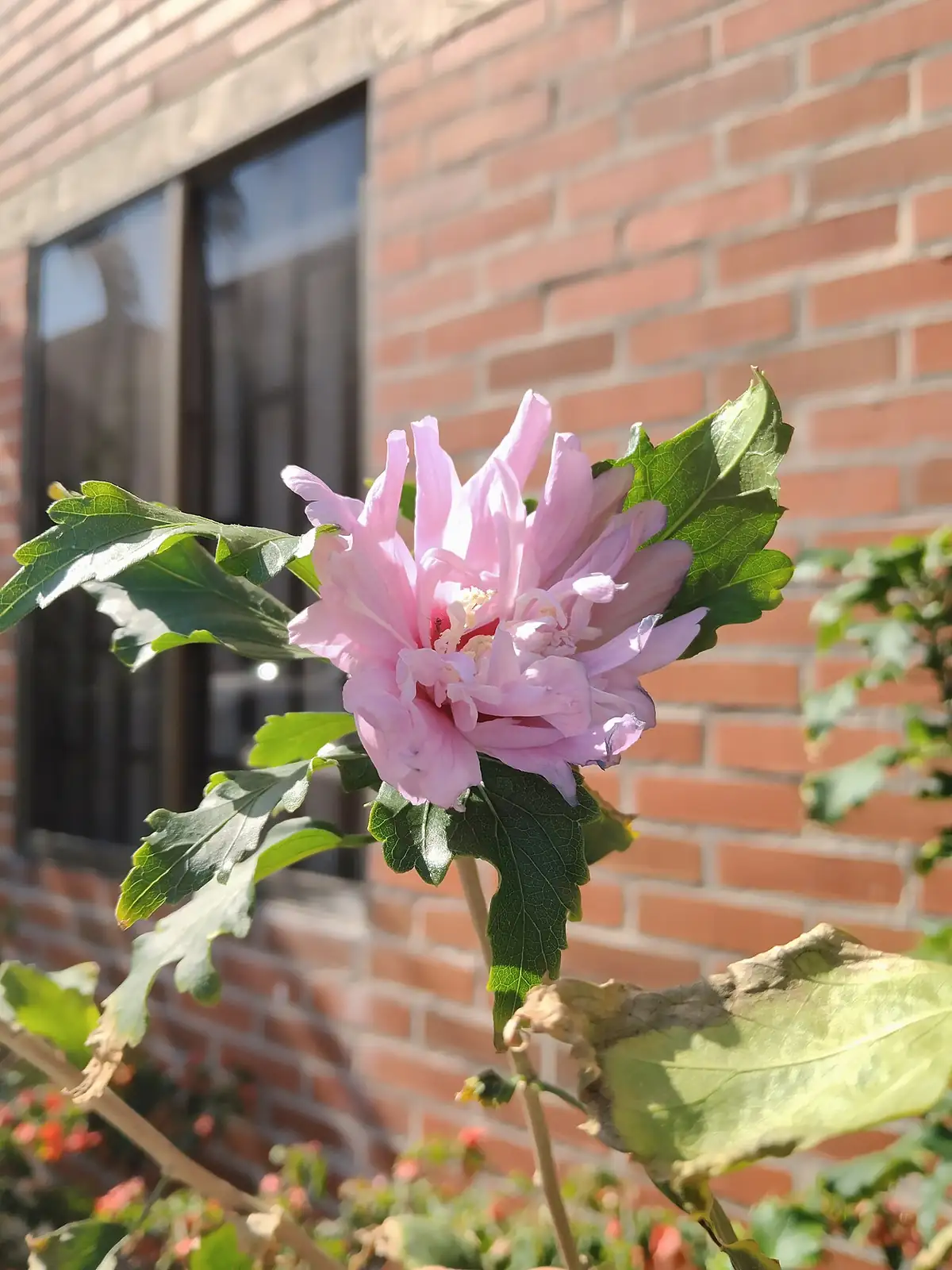
- Flower: Flowers are borne singly at shoot tips and in leaf axils. Blooms are bell- to trumpet-shaped, commonly pale lavender-blue, with cultivated forms ranging from white to pink, purple, and bicolors. After flowering, it forms an oval capsule (fruit) that is also densely covered with yellow, star-shaped hairs.
- Flowering Season: June–September (summer to early autumn)
- Growth Habit: Deciduous, many-branched shrub with strong resprouting ability; naturally thickens and can form a dense hedge when regularly pruned.
Environment
Sunlight
Full sun for best flowering; tolerates light partial shade but blooms will be fewer.
Temperature
Prefers warm conditions; best growth around 15–30°C (59–86°F).
Humidity
Enjoys warm, moderately humid conditions, but adapts well and is not fussy once established.
Soil
Adaptable to most well-drained garden soils, including relatively lean or poor soils; avoid waterlogged sites.
Placement
Outdoors in a sunny spot—excellent for hedges, screens, and courtyard planting. Also well-suited to city and industrial landscapes. In colder regions, it can be grown in a large container and managed with seasonal protection.
Hardiness
Cold-hardy and frost tolerant; suitable for USDA Zone 5–9 (approx.). Drought tolerant once established.
Care Guide
Difficulty
Easy—an adaptable, forgiving shrub that handles drought, average soils, and pruning very well once settled in.
Buying Guide
Choose plants with multiple healthy shoots and firm buds. Avoid blackened stems, soft/mushy roots, or persistent spotting on leaves. If buying in bloom, pick a plant with many unopened buds for the longest display and check leaf undersides for pests.
Watering
Water regularly during the first growing season to help it establish. After that, water deeply when the top few centimeters of soil are dry—especially during hot spells. Don’t keep the soil constantly soggy.
Fertilization
Feed lightly in spring with compost or a balanced slow-release fertilizer. Avoid heavy nitrogen feeding, which can push leafy growth while reducing flowering.
Pruning
Prune in late winter to early spring (before new growth) to shape the plant, remove dead or weak stems, and encourage strong flowering shoots. It tolerates hard pruning and resprouts readily.
Propagation
Propagate by semi-ripe cuttings in summer or hardwood cuttings in winter. Named cultivars are best propagated vegetatively to keep flower color and form true.
Repotting
For container plants, repot every 2–3 years in spring into a slightly larger pot with fresh, well-draining mix. In years you don’t repot, refresh the top layer of soil.
📅 Seasonal Care Calendar
Flowers: June–September (summer to early autumn). Fruits mature around October. Prune in late winter/early spring. Keep moisture steady during the first season after planting for faster establishment.
Pests, Diseases & Safety
Common Pests & Diseases
Can attract aphids, whiteflies, scale, and spider mites (especially in hot, dry weather). In humid or crowded conditions, leaf spots and powdery mildew may appear. Improve airflow, avoid overhead watering, and treat early with insecticidal soap or horticultural oil if needed.
Toxicity
Generally considered non-toxic to people and pets as an ornamental shrub, though chewing or eating plant parts may cause mild stomach upset in sensitive individuals.
Culture & Symbolism
Symbolism: Often linked with perseverance and lasting beauty—because it keeps blooming reliably through late summer when many other shrubs are taking a break.
History & Legends: Long cultivated in East Asia and widely used in gardens and streetscapes. Over time, horticulture has produced many cultivars with a wide range of colors and flower forms.
Uses: A classic summer-to-autumn ornamental shrub for hedges, screens, specimen planting, and courtyards. Frequently used in urban and industrial landscaping for greening and dust-catching benefits; also works well in large patio containers.
FAQ
Why is my Rose of Sharon not flowering well?
Usually it’s too much shade, feeding that’s too rich (especially high nitrogen), or pruning at the wrong time. Give it full sun, fertilize lightly, and prune in late winter to early spring—not after it has started active growth.
Is Rose of Sharon drought tolerant?
Yes—once established. Water consistently during the first season; later, it can handle dry periods, though deep watering during prolonged heat improves flowering.
Can it be used as a hedge?
Absolutely. It branches well and tolerates clipping. A common spacing is about 0.6–1.2 m (2–4 ft) apart depending on how quickly you want a dense hedge, followed by annual pruning to maintain shape.
Fun Facts
- Young twigs and seed capsules are covered with distinctive yellow, star-shaped hairs.
- It typically blooms from June to September (summer to early autumn), with fruits maturing around October.
- It’s unusually tolerant of drought, poorer soils, and heavy pruning—and will resprout strongly after cutting back.
- It’s widely cultivated across many regions of China and used in both northern courtyards and southern hedges.


