Plant Features
- Size: In containers, typically about 1.0–2.0 m (3–6.5 ft) tall and 0.8–1.5 m (2.5–5 ft) wide when mature; many indoor specimens are closer to around 1.2 m × 1.0 m (4 ft × 3.3 ft). Commonly grown in a deep pot about 20–25 cm (8–10 in) wide and 30–40 cm (12–16 in) deep; sometimes 1–3 young plants are planted together for a fuller display.
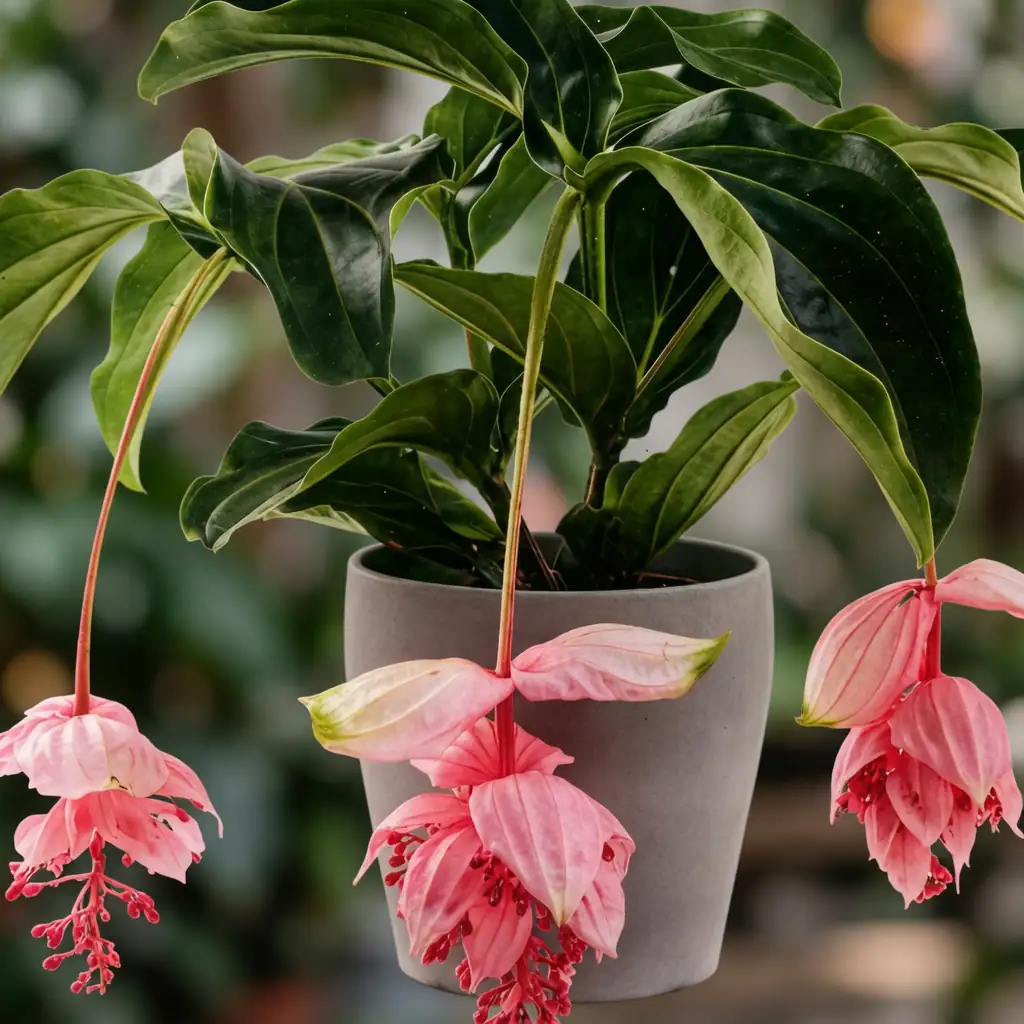
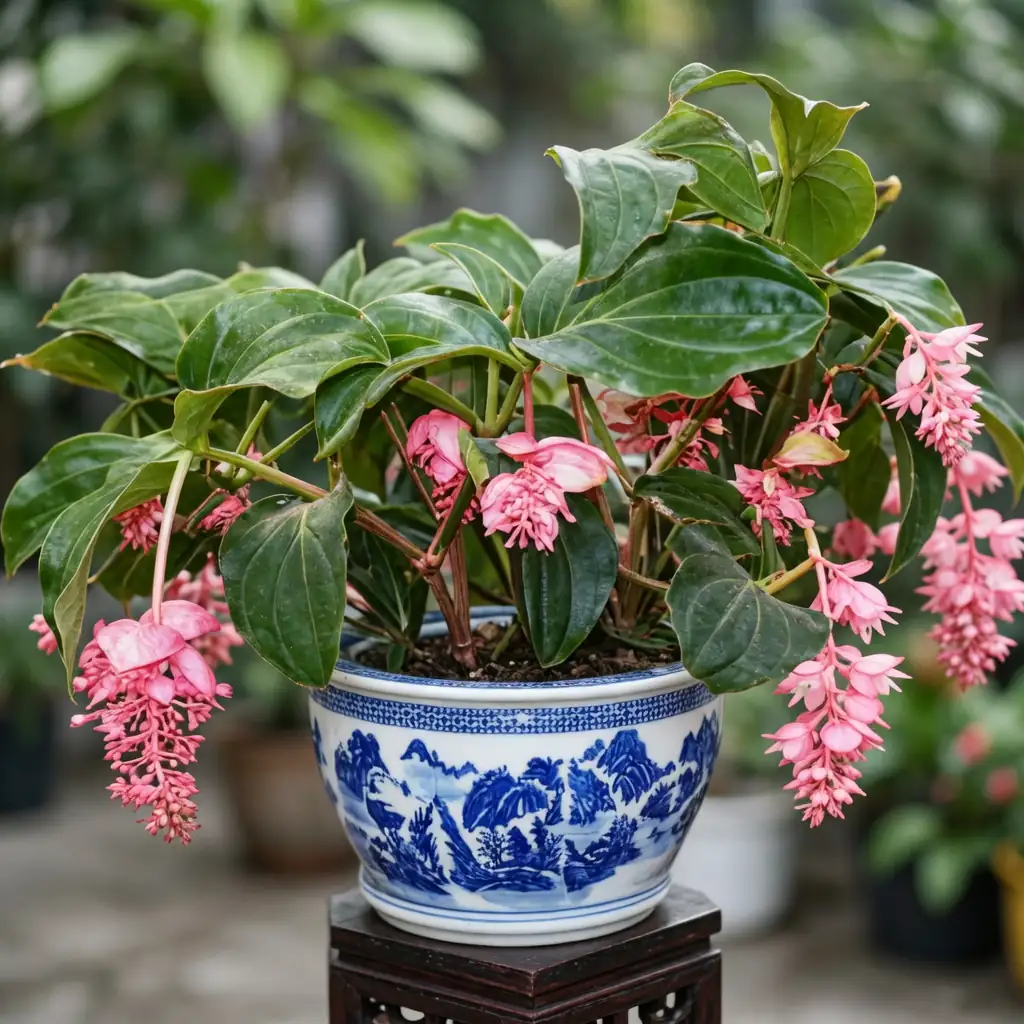
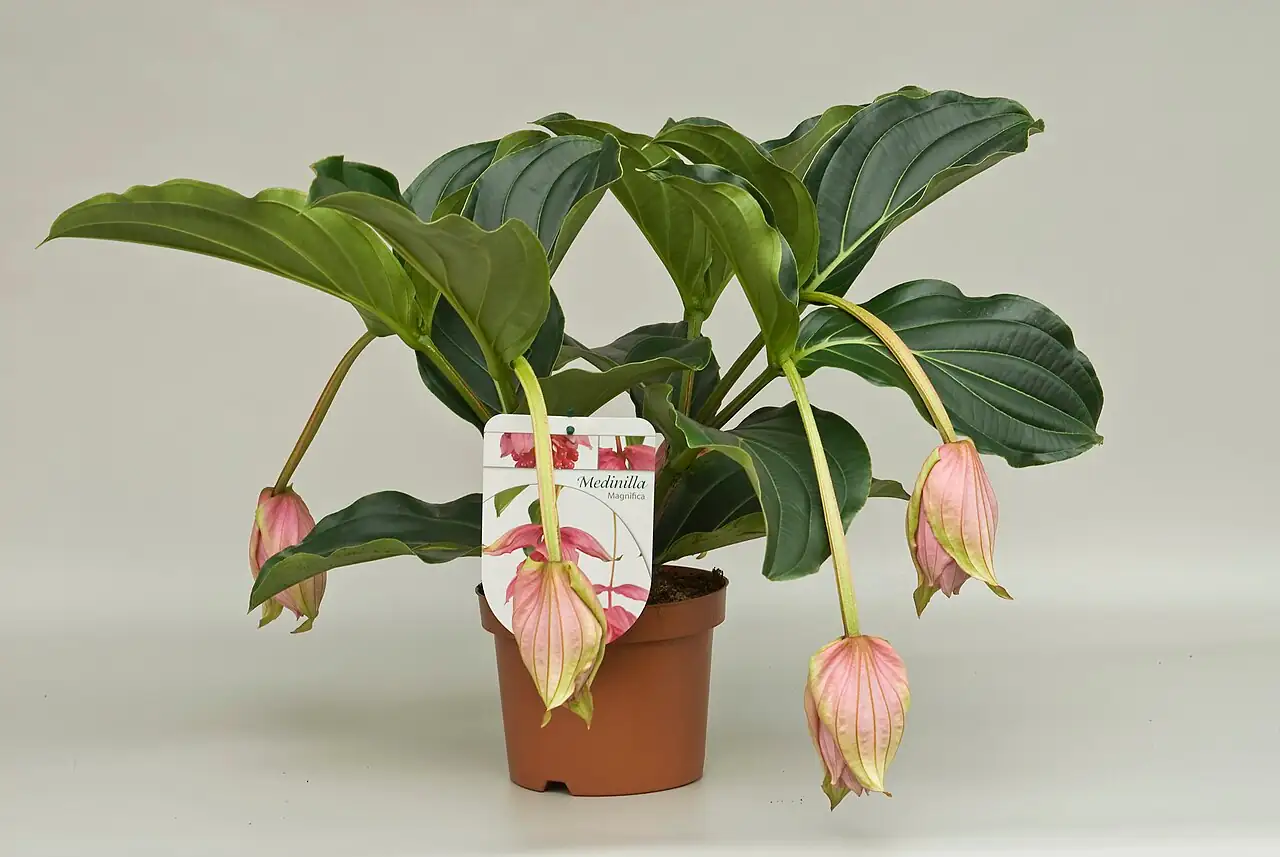
- Foliage: Leaves are large, thick, leathery, and glossy deep green—often oval with prominent raised veins that give a dramatic, architectural, tropical look. When buying, look for intact, unblemished foliage with no tears, spotting, or sticky residue.
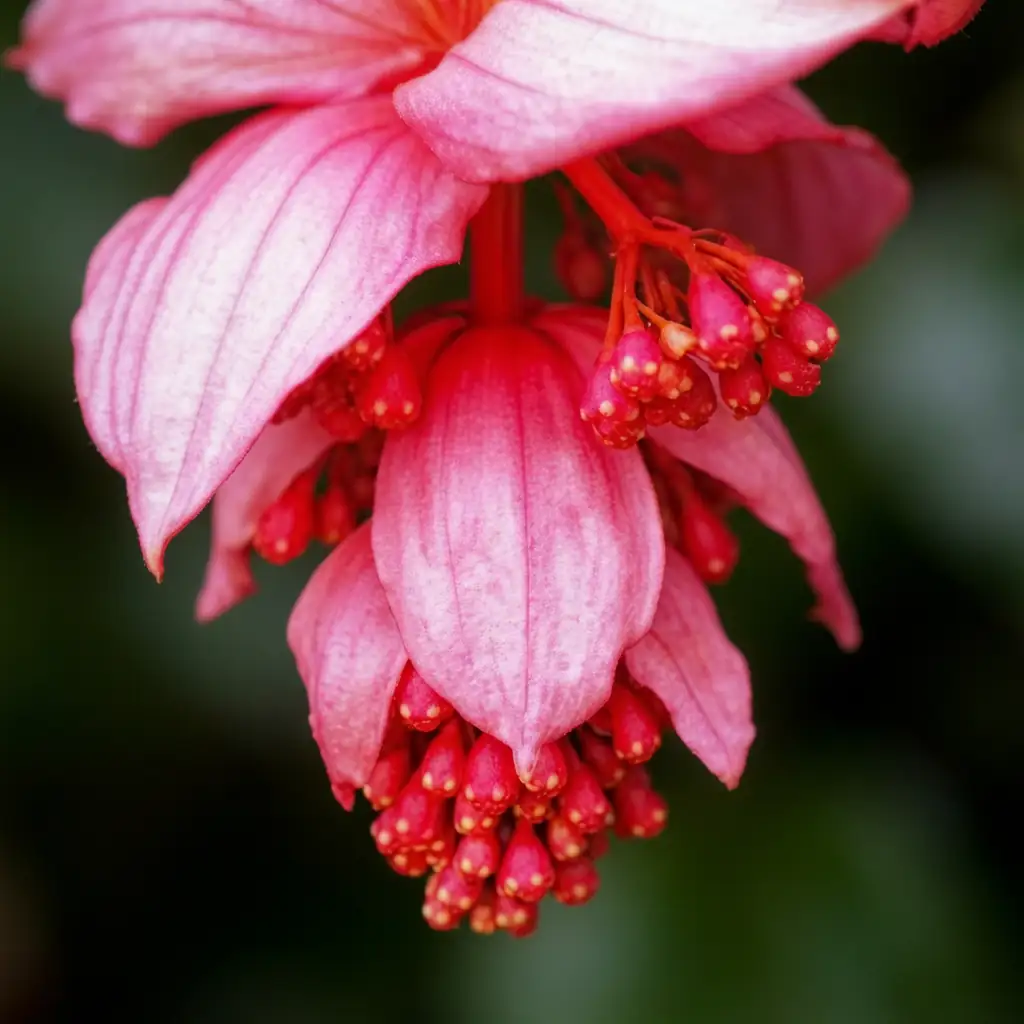
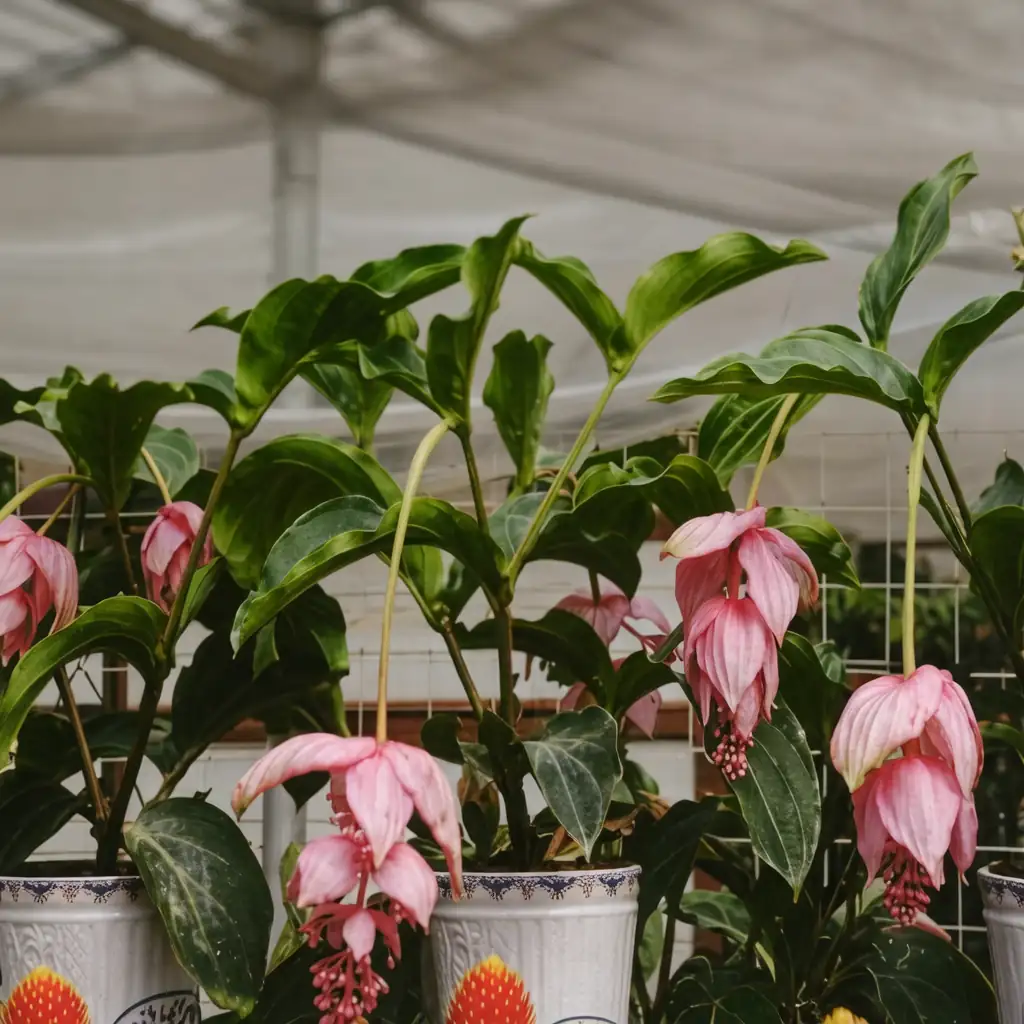
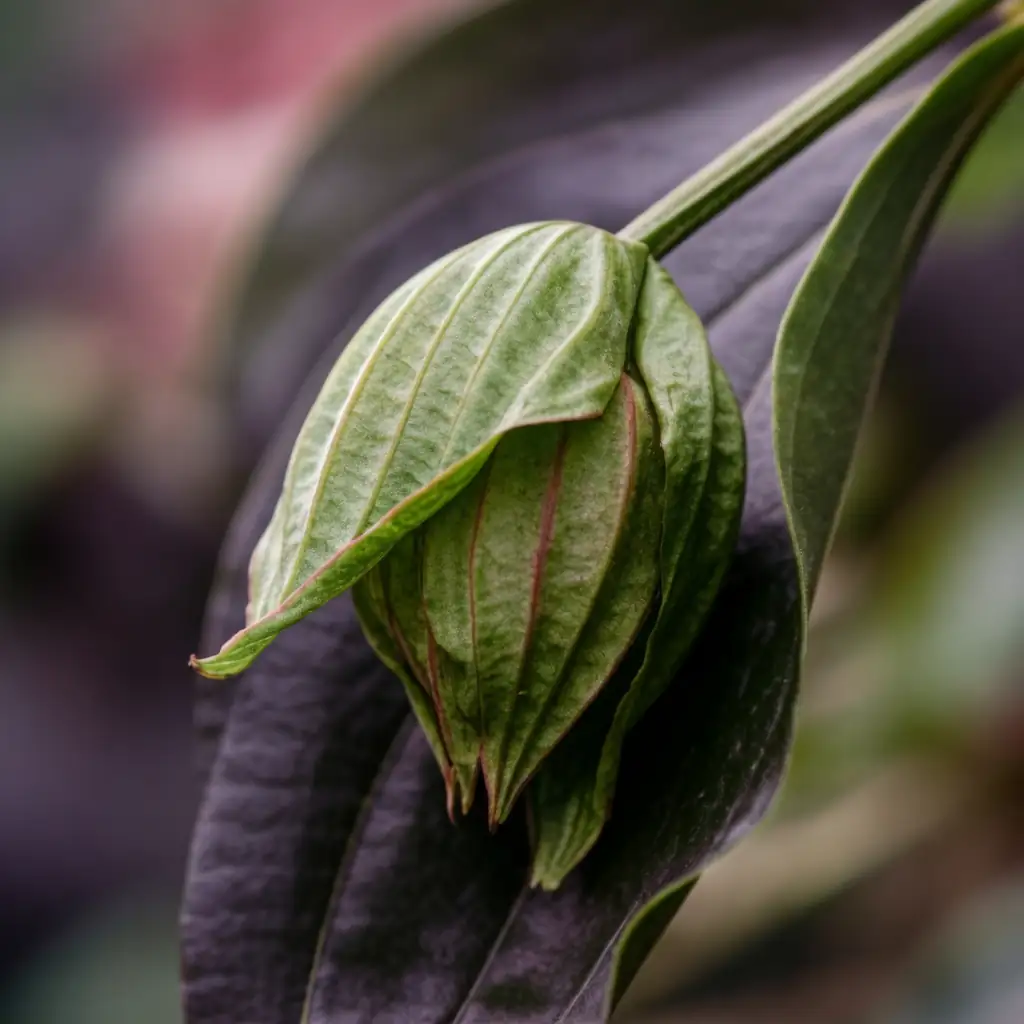
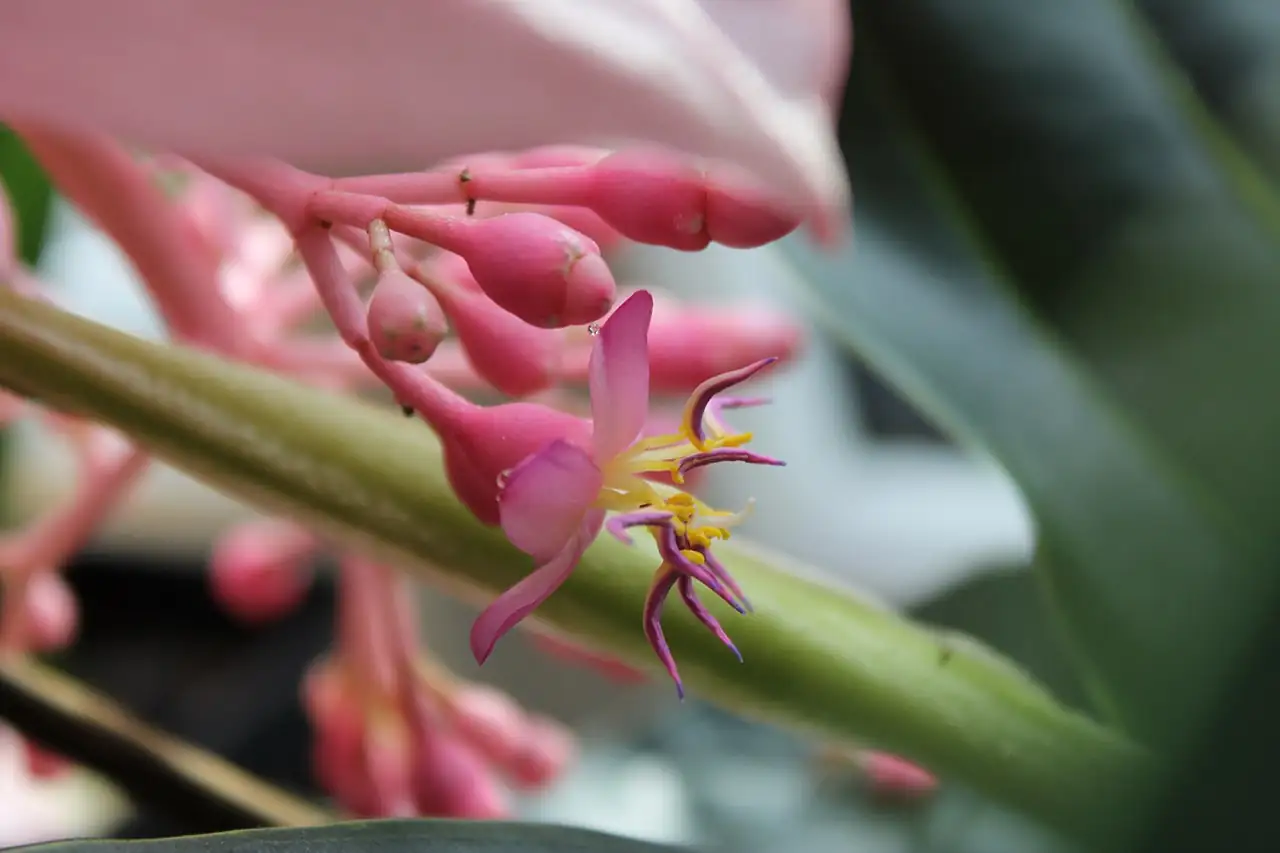
- Flower: Long, arching to drooping flower stems carry heavy pendant clusters made up of showy pink bracts (the most eye-catching part) and many smaller true flowers within the cluster, commonly described as pink to purple. Buds and blooms can drop if the plant is stressed by heat, cold drafts, harsh direct sun, poor ventilation, or uneven watering.
- Flowering Season: Spring to summer (often late spring through summer indoors; commonly described as a summer bloomer).
- Growth Habit: Evergreen tropical shrub with stout stems and long, arching, sometimes pendulous flowering branches. Because the inflorescences are heavy and hang below the foliage, the plant often looks best elevated (on a stand or in a tall planter) and may benefit from gentle support/tying when in bloom.
Environment
Sunlight
Bright, filtered/indirect light; tolerates partial shade. Avoid prolonged harsh direct sun (especially midday), which can scorch leaves and damage buds. A bright east window or a south window with a sheer curtain is ideal.
Temperature
Warm and stable is best: about 22–28°C (72–82°F) for strong growth. It can manage around 17–25°C (63–77°F), but protect from chills and aim to keep it above 16°C (61°F) (some guidance notes above ~15°C/59°F). Avoid heat spikes plus stagnant air during blooming, which can trigger flower drop.
Humidity
Prefers medium-high to high humidity; aim for about 50–70%+ at minimum, with 70–80% ideal for best bud set and flowering. Mist around the plant and use a humidifier or pebble tray as needed (try not to wet the flowers).
Soil
Airy, rich, free-draining mix. Many growers use an “orchid-style” chunky mix (fine bark with perlite/charcoal), while others succeed with a humus-rich potting mix (leaf mold/compost-based) lightened with coarse sand, perlite, or vermiculite. The key is excellent drainage and oxygen at the roots—never let it sit in waterlogged media.
Placement
Indoors: a very bright spot with filtered light (bright living room; near an east window; or a south window with a sheer curtain). In winter, move closer to the brightest window. Display it high on a stand so blooms can cascade. Outdoors in warm climates: bright shade, sheltered from harsh sun, rain, and drying winds; avoid dim, stuffy corners with poor airflow.
Hardiness
Frost-tender tropical; outdoors year-round only in USDA Zone 11–12 (approx.). For indoor culture, protect from cold drafts and keep above about 16°C (61°F) for best performance.
Care Guide
Difficulty
Moderate to challenging (often considered high). It’s not hard because it’s fragile—it’s picky: it needs steady warmth, higher humidity, bright light without scorching sun, and careful watering. When conditions are off, it may grow leaves well but fail to set buds, or it may drop buds/flowers during bloom.
Buying Guide
Choose a full, well-shaped plant with firm, deep-green, unblemished leaves and no sticky residue. Check leaf undersides and stems for mealybugs/scale. Ideally pick a plant with developing buds or 3–5 strong flower clusters, with at least one cluster beginning to hang and partially open so you can judge quality and color. Avoid plants with blackened/browned bracts, soft stems, or obvious spotting (possible stress, cold damage, or disease).
Watering
During active growth and flowering, keep the mix evenly moist but never soggy. Many growers do well with bottom-watering: stand the pot in a tray of lukewarm rainwater/distilled water for about 20 minutes, then let it drain completely. In hot summer conditions, it may need very frequent watering (even daily if the mix dries quickly), but avoid extreme swings from bone-dry to soaking-wet—both can trigger bud/flower drop. In winter, reduce watering and let the mix dry slightly between waterings. Avoid splashing water onto the flowers and don’t leave the pot standing in water.
Fertilization
Feed during the growing season. Options that both work in practice: (1) monthly feeding with a balanced fertilizer (e.g., 20-20-20 at label rate), plus 1–2 extra bloom-supporting feeds when buds form (higher phosphorus/potassium); or (2) from spring to late summer, feed every 2 weeks with a half-strength high-potassium liquid fertilizer. Either way, don’t overfeed, and prioritize potassium support during bud and bloom development.
Pruning
After flowering, remove spent inflorescences promptly. Then cut back the shoots that flowered by about half to encourage fresh growth that can bloom next cycle, and shorten overly long stems to keep a rounded shape. During bloom, support or gently tie heavy, drooping stems if needed so they don’t flop or break and the display stays tidy.
Propagation
Most commonly by stem cuttings: take softwood cuttings in spring or semi-ripe cuttings in summer, about 8–10 cm (3–4 in) long; root them warm and humid (often about 20–25 days to 3–4 weeks). Air-layering is also used in spring/summer, typically rooting in about 8–12 weeks. Seed is possible but slower: sow fresh seed immediately after harvest or sow indoors in spring; germinate around 19–24°C (66–75°F), often in about 3–4 weeks.
Repotting
Repot about every 2 years (sometimes 2–3 years) in spring, keeping root disturbance minimal. Use a deep container around 20–25 cm (8–10 in) in diameter and 30–40 cm (12–16 in) deep with excellent drainage; some growers plant 1–3 young plants per pot for fullness. Replace exhausted mix with a fertile but very free-draining medium, and give light shade for a short period after repotting while it recovers.
📅 Seasonal Care Calendar
Spring: brightest filtered light, rising humidity, begin regular feeding; repot if due. Late spring to early summer: main bloom window—keep evenly moist, humid, and well-ventilated; avoid hot direct sun and heat buildup to prevent bud/flower drop. Summer: maintain frequent watering as needed and higher humidity (mist around the plant; avoid wetting blooms). After flowering: remove spent clusters and prune back flowered shoots. Winter: keep warm (ideally above 16°C/61°F), move closer to the brightest window, and water less—slightly on the dry side until new flower stems begin to appear again.
Pests, Diseases & Safety
Common Pests & Diseases
Common pests include spider mites (especially in dry air), scale insects, mealybugs, and whiteflies. Improve humidity and airflow, isolate affected plants, and treat early with insecticidal soap or horticultural oil (repeat as needed). Disease issues include leaf spot and stem/root rot, usually linked to poor ventilation, wet flowers, or waterlogged soil—use a free-draining mix, avoid keeping blooms wet, and remove affected tissue promptly.
Toxicity
Not widely documented as toxic to humans or pets. As with many ornamental houseplants, chewing or ingestion may cause mild stomach upset, so it’s best kept out of reach of pets and small children.
Culture & Symbolism
Symbolism: Often associated with tropical glamour, elegance, abundance, and “statement plant” beauty—an eye-catching gift that suggests refined taste and something memorably unusual.
History & Legends: A celebrated ornamental native to the Philippines, Medinilla magnifica became famous in conservatories and high-end indoor plant collections for its unusually large, pendant inflorescences—more like living floral chandeliers than typical houseplant blooms.
Uses: Primarily an ornamental container plant for bright indoor rooms, conservatories, and sheltered patios in warm climates. It’s frequently used as a centerpiece or focal point—especially when displayed high so the cascading flower clusters can drape naturally.
FAQ
Why won’t my rose grape bloom again after last year’s flowers?
The usual culprits are not enough bright (but indirect) light, humidity that’s too low, winter chills/temperature swings, or watering that’s too wet (or wildly inconsistent). Keep it warm and steady, raise humidity (aiming toward 70–80% if you can), give very bright filtered light, and after flowering prune back the flowered shoots by about half to encourage new blooming growth.
Why does it drop buds or flowers right as it starts blooming?
Bud/flower drop is a classic stress response: hot direct sun, overheating indoors with poor ventilation, cold drafts, or soil that swings between too dry and too wet can all trigger it. Keep conditions stable—bright filtered light, even moisture (not soggy), higher humidity, and good airflow—and avoid wetting the flowers.
Can I use tap water for watering?
It often performs better with rainwater or distilled water, especially where tap water is hard. If you use tap water, let it sit overnight and use lukewarm water rather than cold water.
Fun Facts
- Those big pink “petals” are actually bracts (modified leaves); the true flowers are the smaller blooms nestled inside the cluster.
- The flower clusters can be surprisingly heavy—displaying the plant on a stand (and occasionally supporting stems) makes a big difference in how dramatic it looks.
- It’s often treated more like a humidity-loving conservatory plant than an average, low-maintenance windowsill houseplant.