Plant Features
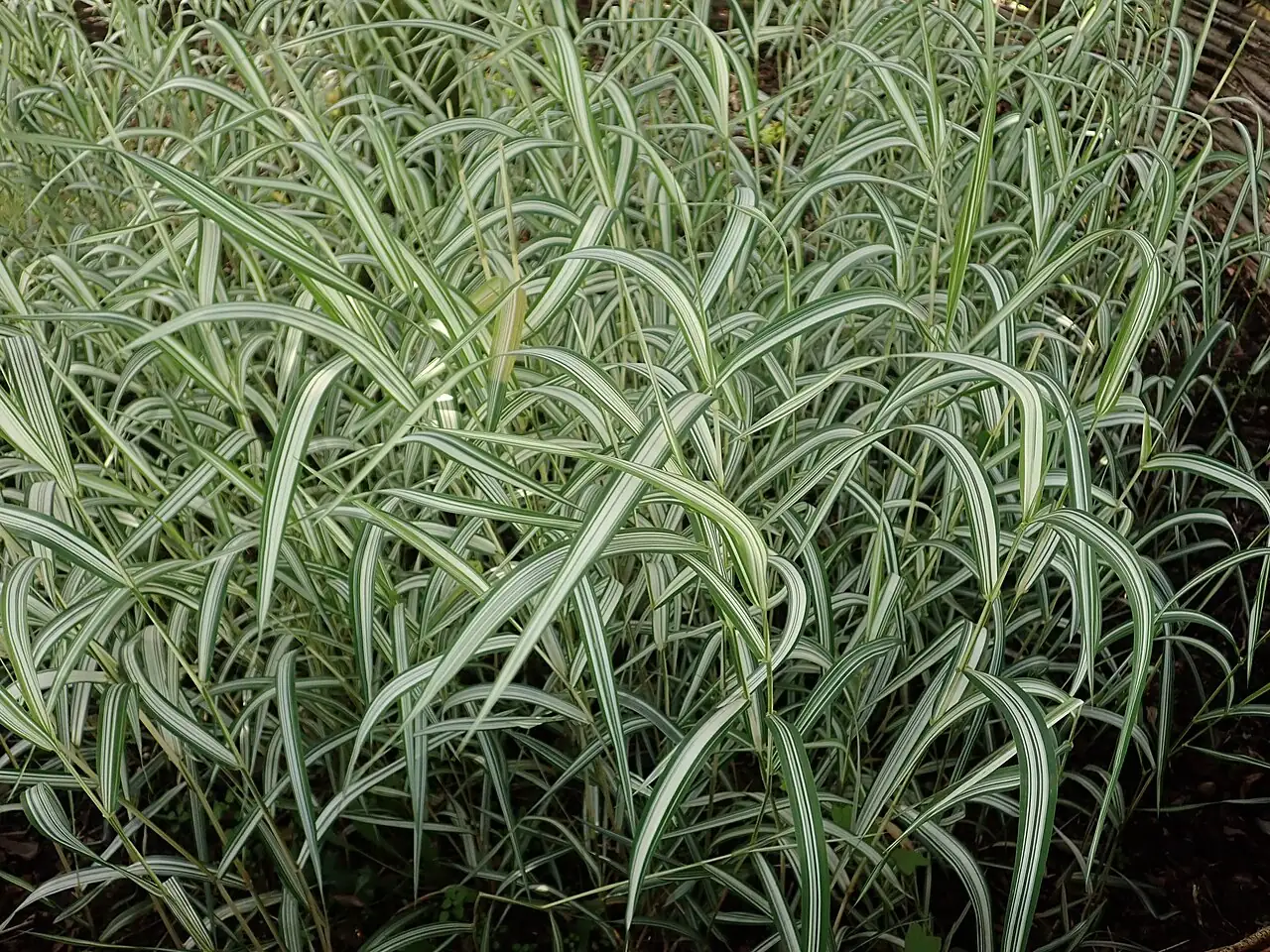
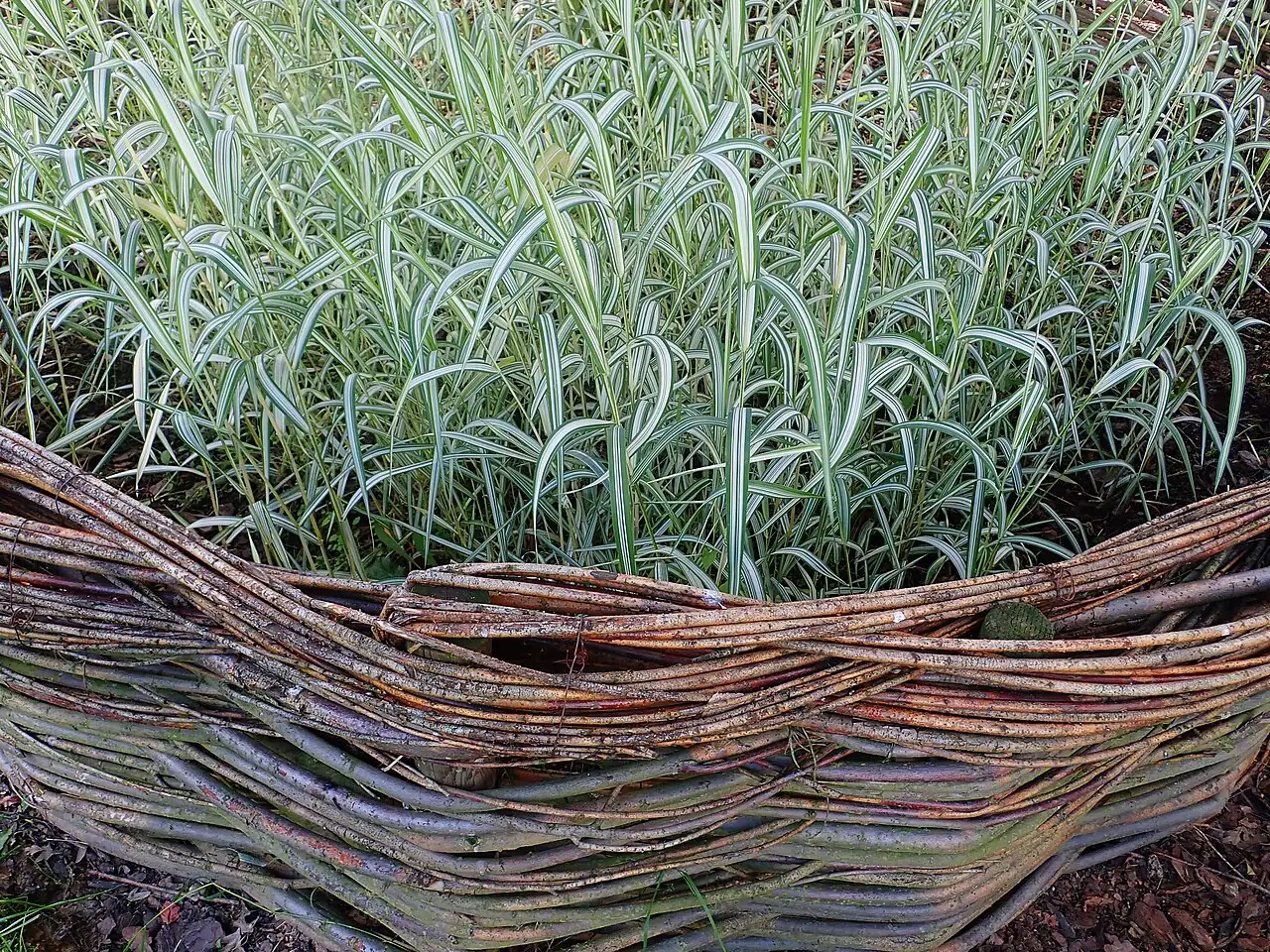
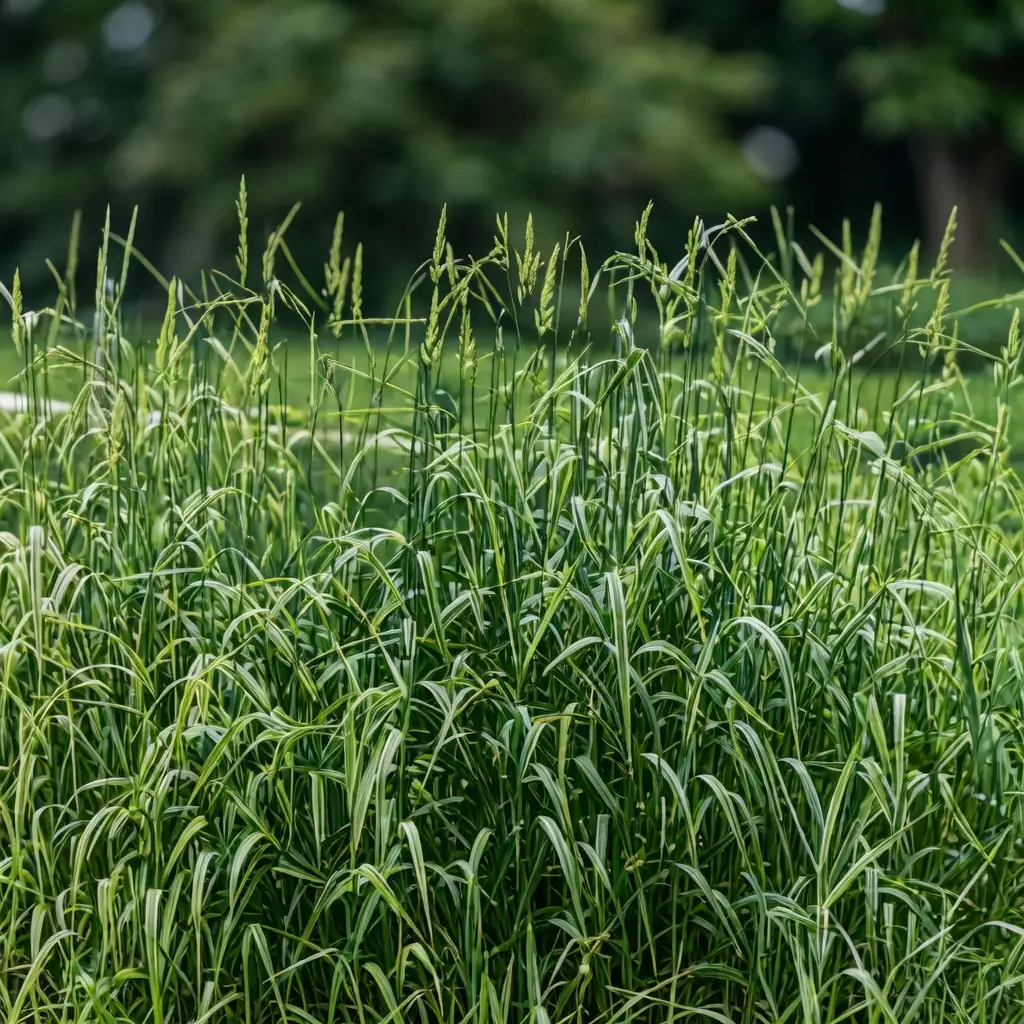
- Size: Typically 60–140 cm (24–55 in) tall; spreads by rhizomes and can form broad colonies.
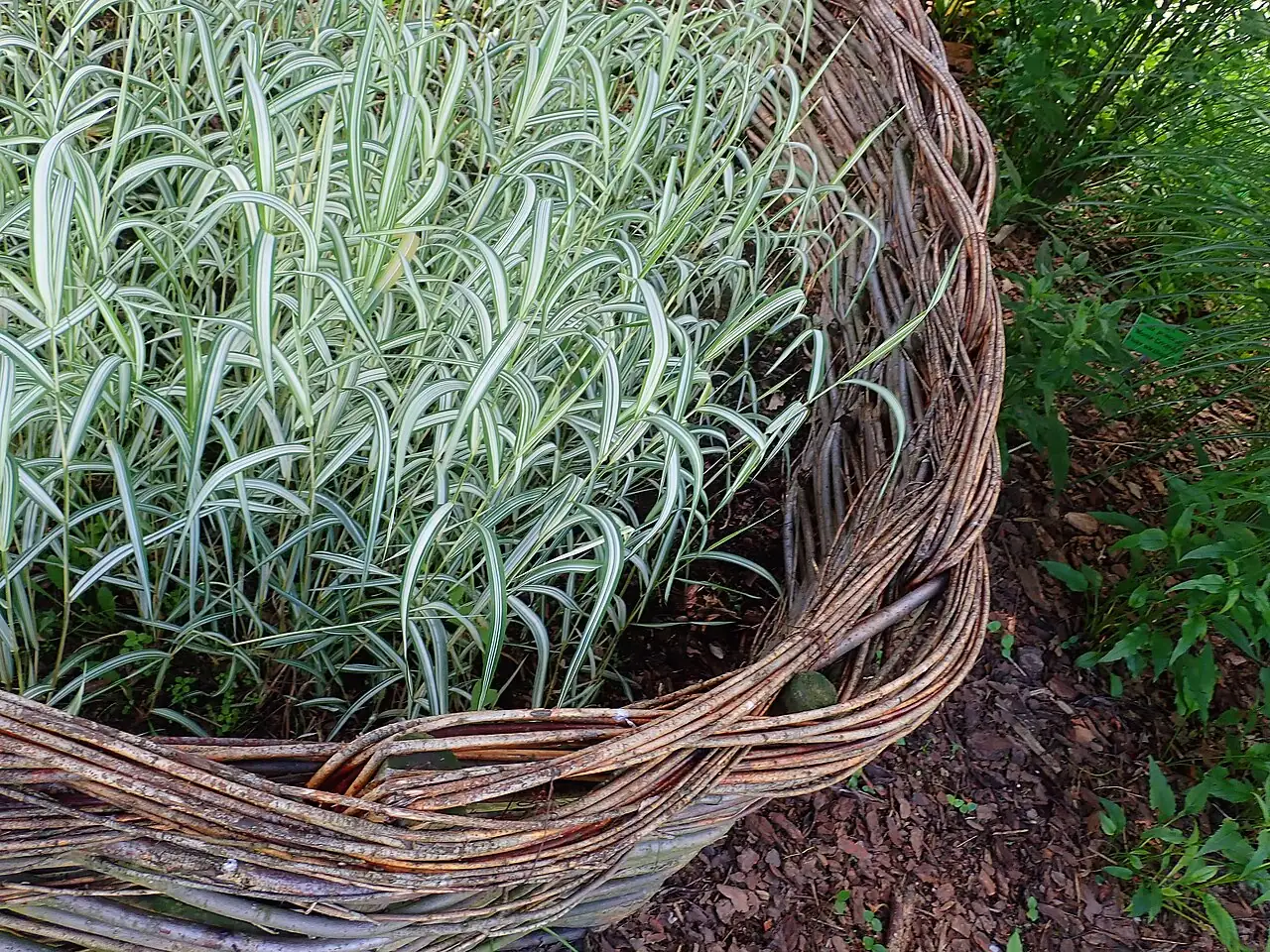
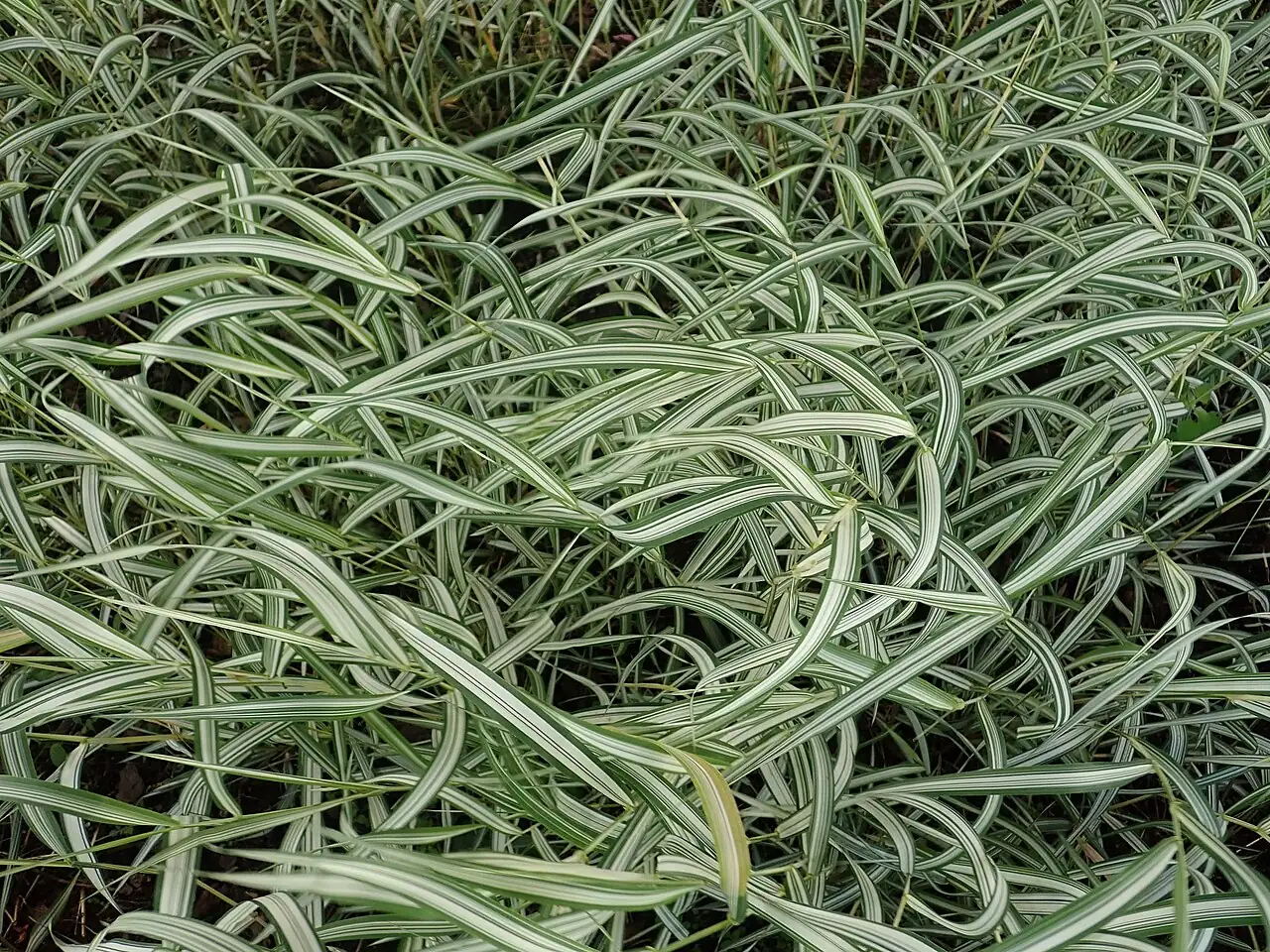
- Foliage: Flat, soft, ribbon-like leaves with crisp white striping on a green background. Leaf sheaths are smooth (hairless) with a thin, membranous ligule.
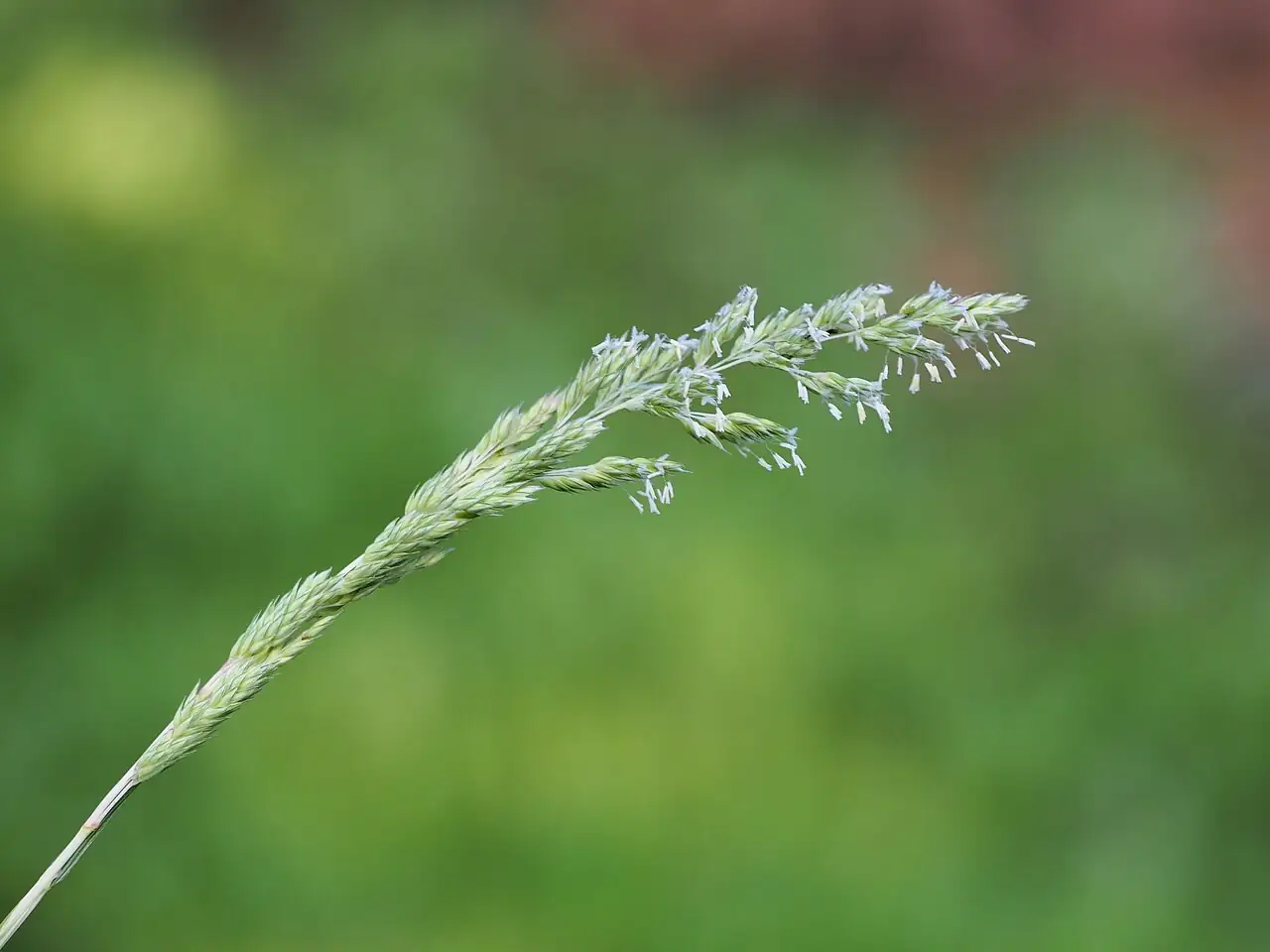
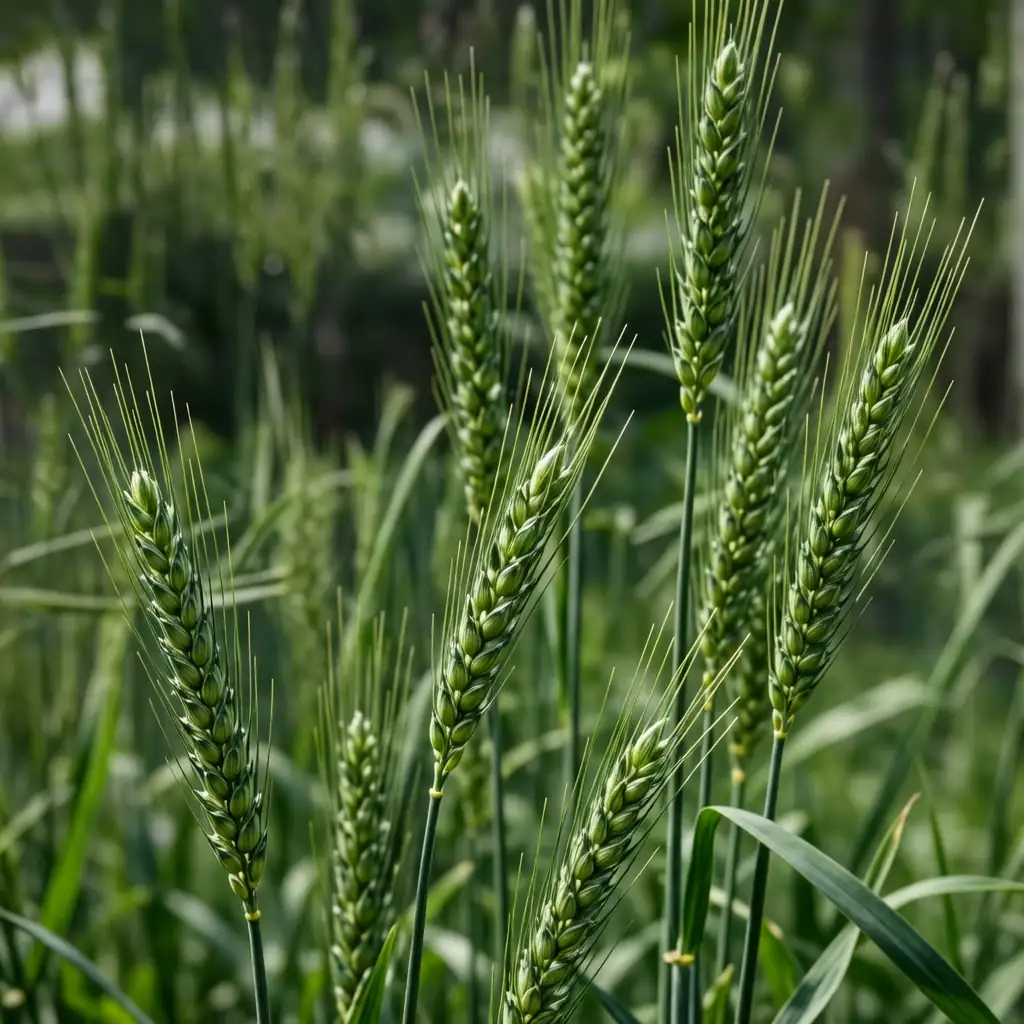
- Flower: Produces dense, narrow panicles typical of reed canary grass. Flowers are usually a minor feature compared with the showy variegated foliage.
- Flowering Season: June–August (Jun–Aug)
- Growth Habit: Rhizomatous, perennial grass forming spreading patches over time; stems are usually solitary or in small clumps that gradually expand into colonies.
Environment
Sunlight
Full sun to partial shade. Brighter light typically gives the best striping and color, though it tolerates light shade especially where soil stays moist.
Temperature
Prefers mild to warm growing conditions; broadly cold-hardy in temperate climates. During active growth, it commonly performs well around 10–30°C (50–86°F).
Humidity
Average to high humidity; particularly vigorous in consistently moist, sheltered sites.
Soil
Very adaptable. Thrives in moisture-retentive, well-drained soil, but also handles wet soils at pond/stream edges and ordinary garden soil if watered appropriately.
Placement
Ideal for pond edges, streamsides, rain gardens, and other water features; also works near rockwork or as a bright groundcover along woodland edges and under open tree canopies.
Hardiness
Cold-hardy perennial, commonly grown in USDA Zones 4–9. Tolerates waterlogged ground and can handle short dry spells once established, but spreads most aggressively in moist soils.
Care Guide
Difficulty
Easy to grow, but may become high-maintenance if you need to control its spread—its rhizomes are strong and persistent in moist ground.
Buying Guide
Pick plants with clean, well-defined white striping and minimal browning at the tips. Avoid severely root-bound pots unless you plan to divide right away, since the rhizomes can pack in densely.
Watering
For fastest, lushest growth, keep soil evenly moist. In garden beds, water when the top 2–5 cm (1–2 in) of soil dries. In waterside plantings, it may need little to no supplemental watering.
Fertilization
Light feeding is usually enough. In spring, use a balanced slow-release fertilizer at label rate or top-dress with compost. Avoid heavy nitrogen, which can encourage floppy growth and even faster spreading.
Pruning
Cut back old foliage in late winter to early spring to about 5–10 cm (2–4 in) before new growth begins. Remove any fully green (non-variegated) shoots promptly to keep the plant attractively striped.
Propagation
Best propagated by division of clumps/rhizomes in spring or early autumn. It also spreads naturally by rhizomes; small rooted pieces establish quickly in moist soil.
Repotting
In containers, repot or divide every 1–2 years. Use a roomy pot, refresh the soil, and trim congested roots/rhizomes; consider a rhizome barrier to limit runaway growth.
📅 Seasonal Care Calendar
Spring: cut back, divide, and feed lightly. Summer: maintain consistent moisture (especially in sun) and watch for green reversion. Autumn: divide if needed and tidy up. Winter: leave foliage for winter texture, then cut back in late winter before new shoots emerge.
Pests, Diseases & Safety
Common Pests & Diseases
Usually trouble-free. In crowded, damp conditions it may develop leaf spot or rust—improve airflow and avoid frequent overhead watering. Aphids may appear on tender growth; rinse off with water or treat with insecticidal soap if needed.
Toxicity
Not commonly listed as toxic to people or pets. Like many grasses, chewing a lot of foliage may cause mild mouth or stomach upset.
Culture & Symbolism
Symbolism: Often linked with a fresh, calming waterside feel and a sense of “ribbon-like” elegance in garden design.
History & Legends: Grown widely in temperate gardens as a variegated form of reed canary grass, prized for its bright striped leaves and its ability to thrive in moisture-rich, naturalistic plantings.
Uses: Mainly ornamental—excellent beside ponds and streams, in rain gardens, around rockwork, or as a bright groundcover along woodland edges.
FAQ
Is ribbon grass invasive?
It can be very aggressive because it spreads by rhizomes, especially in moist soils. Use containers, root barriers, or regular division to contain it, and avoid planting where it could escape into natural wetlands.
Why is my ribbon grass turning solid green?
That’s reversion. Remove solid-green shoots at the base as soon as you spot them; if left, they can outgrow the variegated parts and the plant may lose its striped look.
Fun Facts
- Its standout feature is foliage—soft, arching leaves striped like green-and-white ribbons.
- It tolerates wet ground and can be planted right at the water’s edge, yet still performs in normal garden beds with occasional watering.
- Because it spreads by rhizomes, a small planting can become a broad patch surprisingly quickly—great for coverage, but something to plan for.