Plant Features
- Size: Typically about 60 cm (24 in) tall in bloom; flower scapes 30–60 cm (12–24 in).
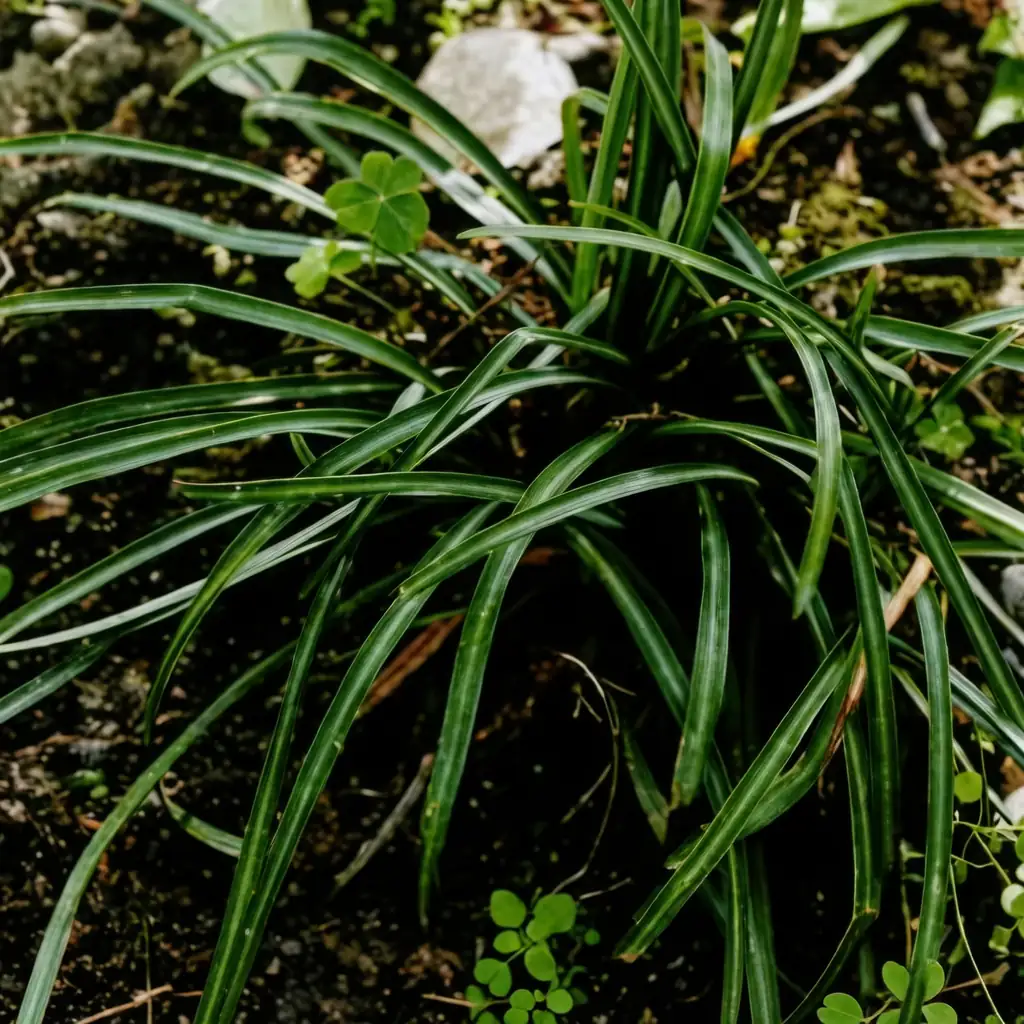
- Foliage: Leaves form a basal clump; narrow, strap-like to linear, deep green, often with a paler midline. Foliage usually emerges after flowering in autumn and persists through cooler months.
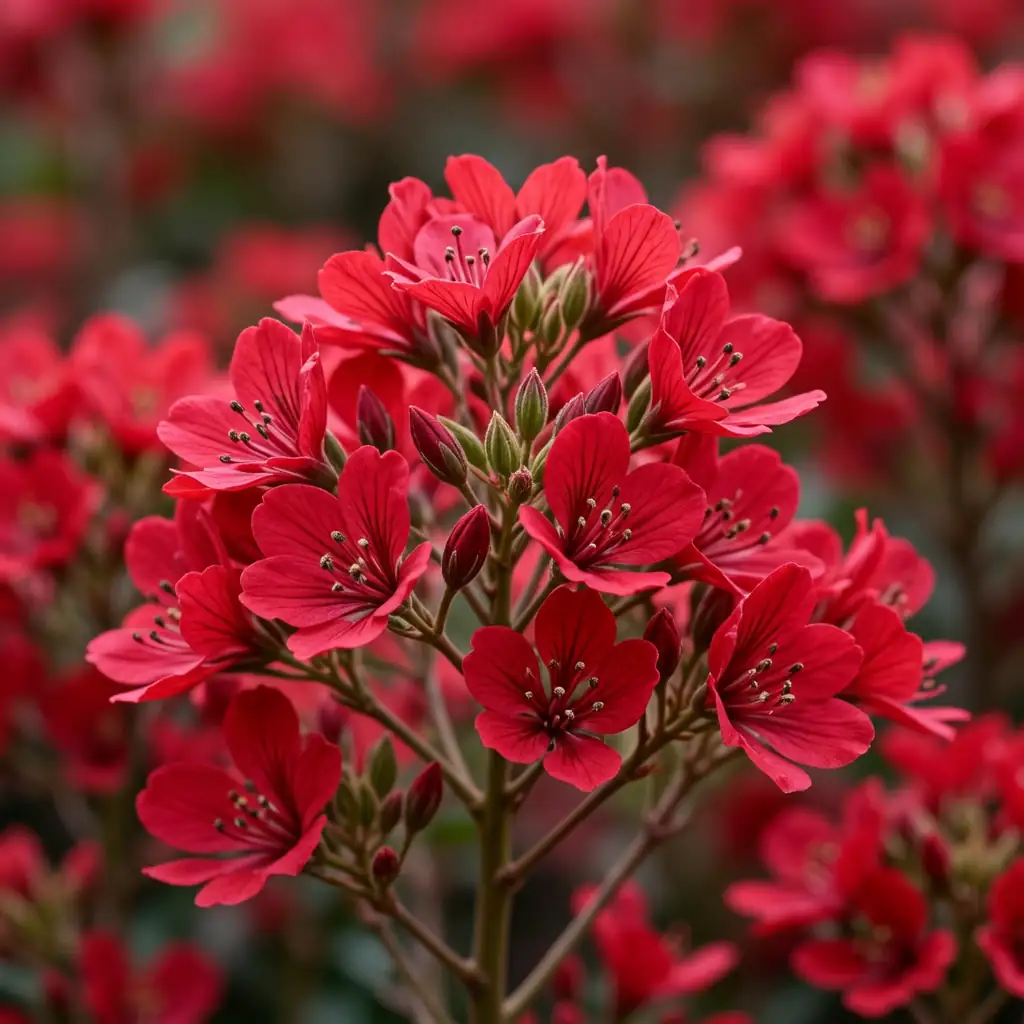
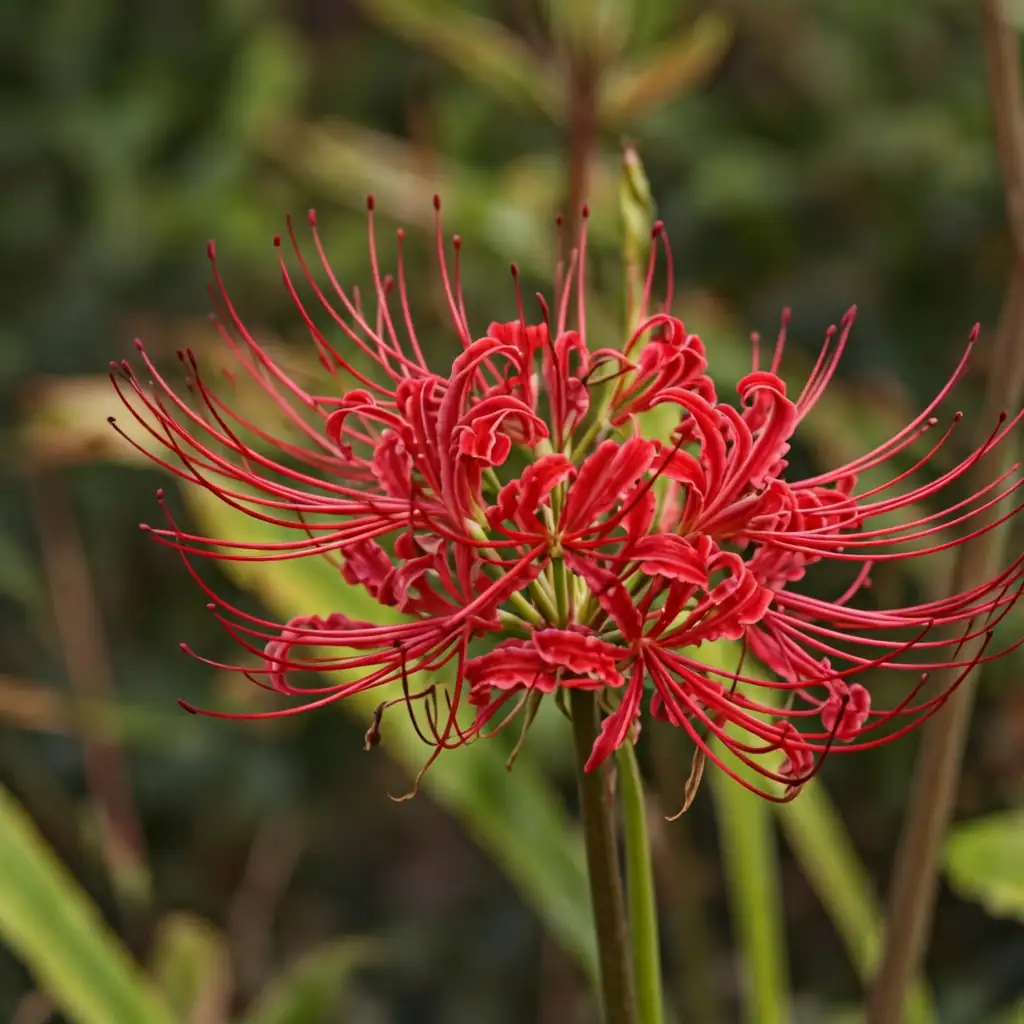
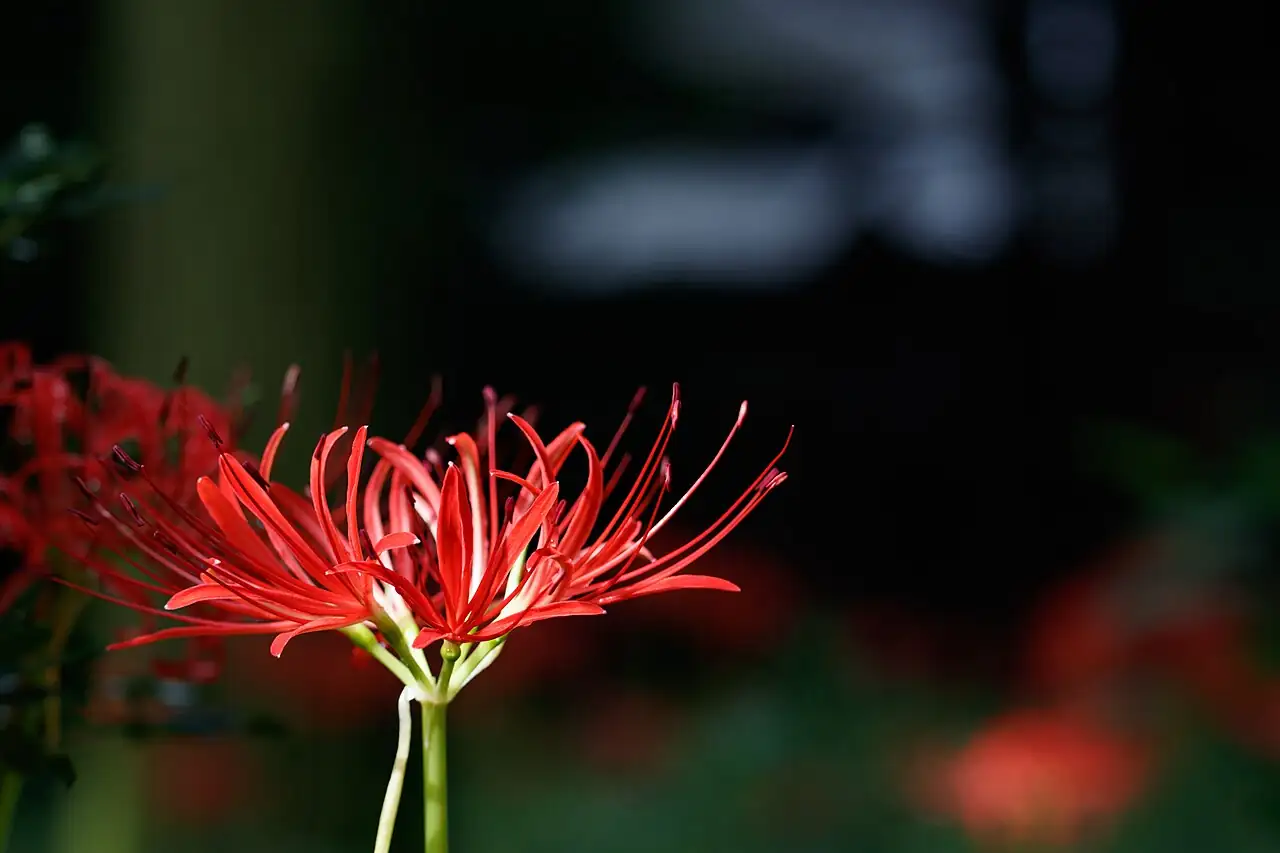
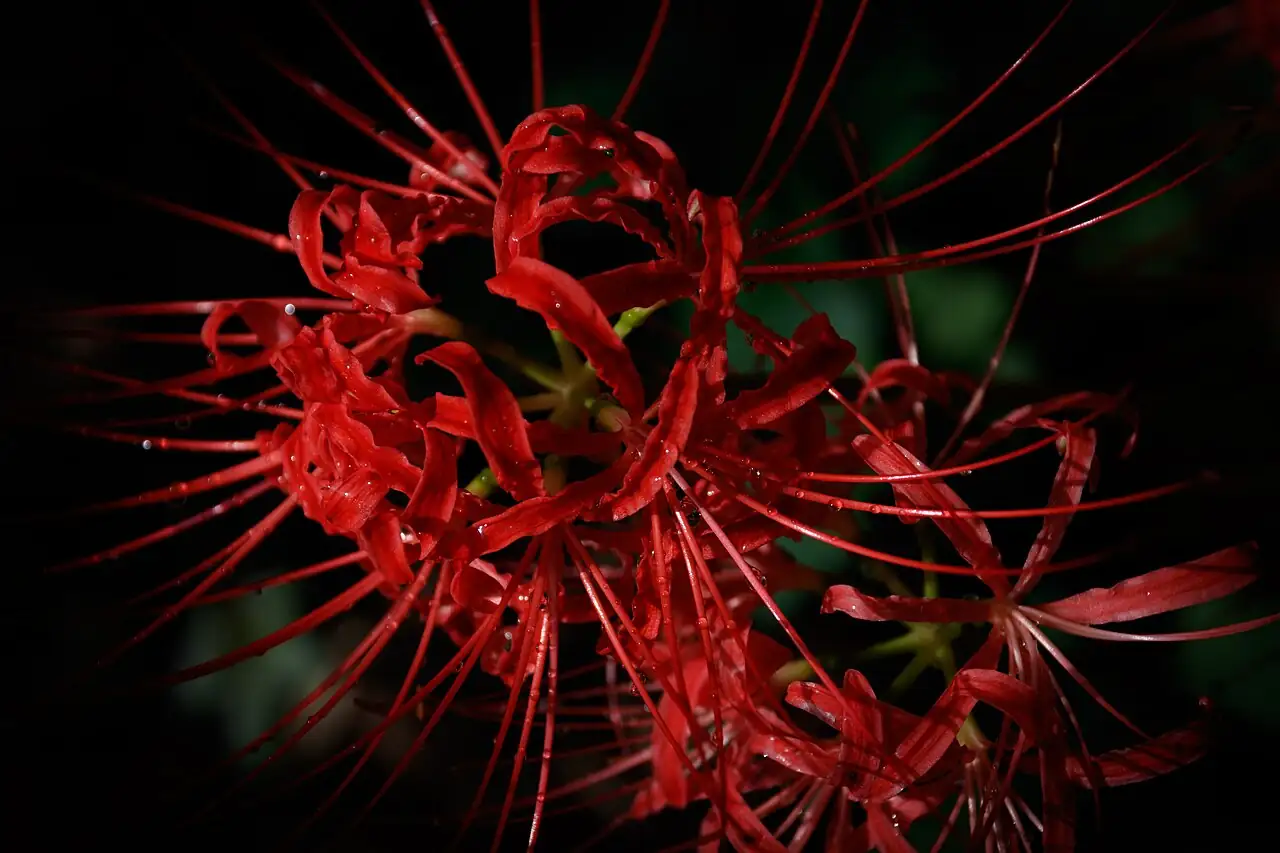
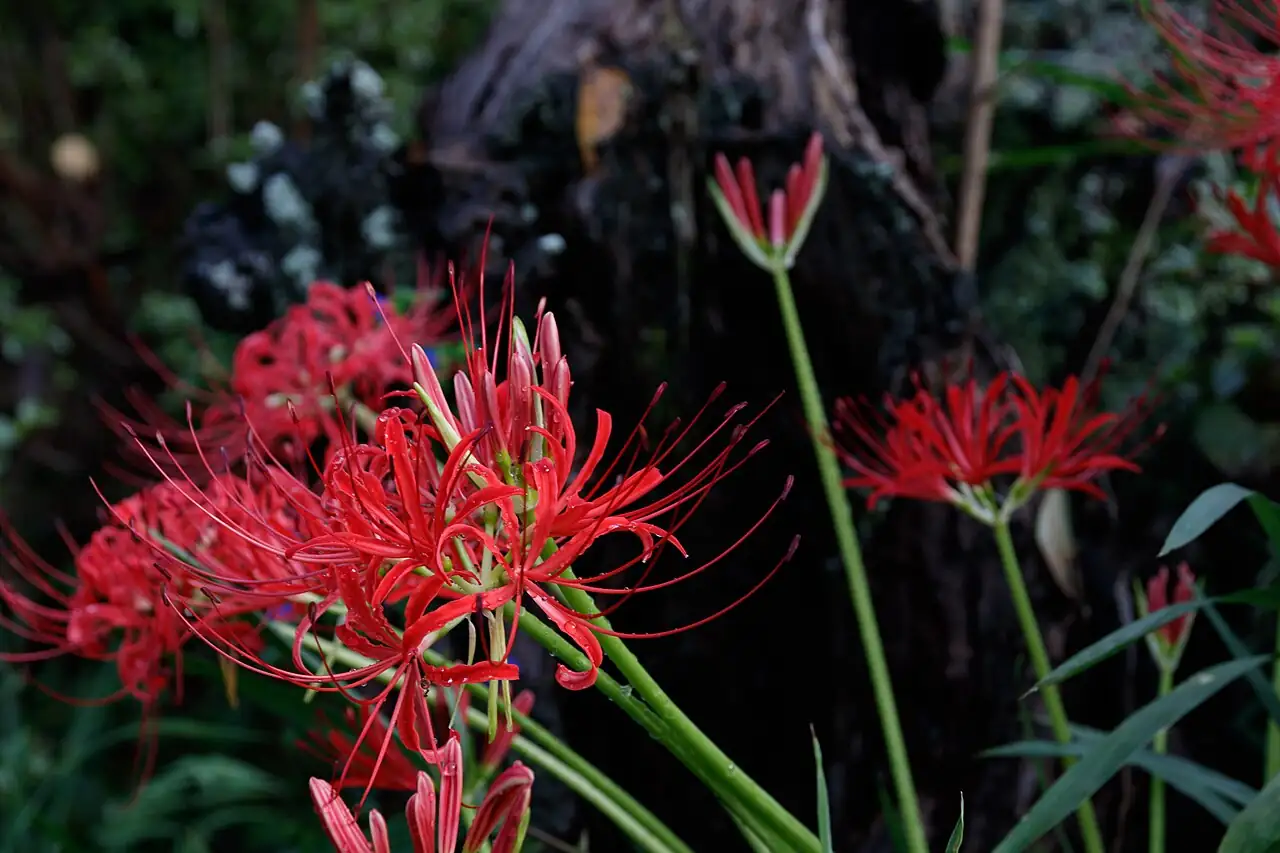
- Flower: Umbels of about 5–12 flowers per scape. Flowers are bright red with narrow, wavy-edged tepals that curl strongly backward; stamens and style extend well beyond the petals, giving the classic “spider” look. White-flowered forms are also known.
- Flowering Season: August–September (late summer to early fall).
- Growth Habit: Perennial bulb (geophyte) forming clumps; upright, leafless flowering stems followed by basal foliage.
Environment
Sunlight
Full sun to light shade; best flowering in full sun.
Temperature
Prefers mild to warm growing conditions; tolerates winter cold in suitable climates. Some guidance notes it performs best when sustained daily average temperatures stay below about 24°C (75°F).
Humidity
Prefers evenly moist conditions but can tolerate short dry periods once established.
Soil
Well-drained soil that holds some moisture (loam or sandy loam). Avoid waterlogged sites, especially in dormancy.
Placement
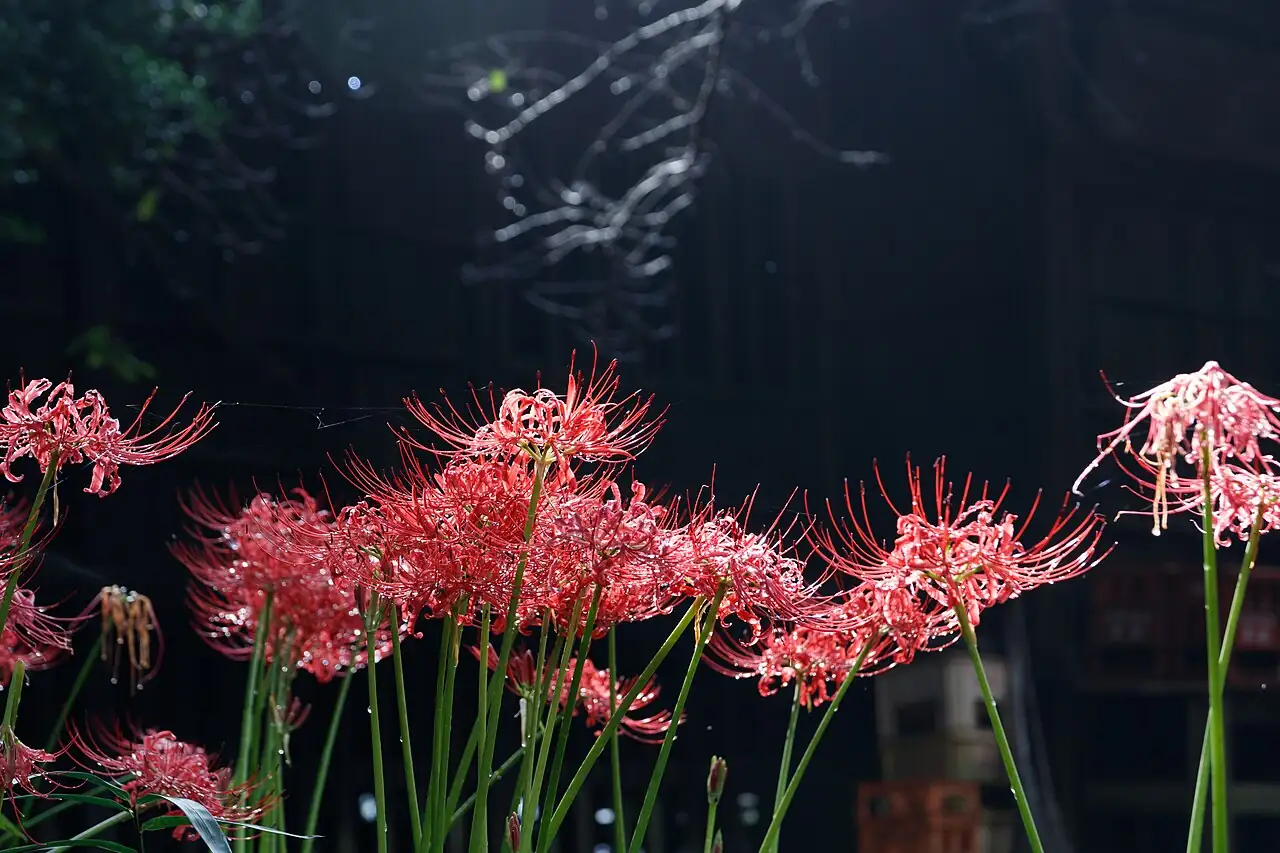
Outdoor garden beds and borders; effective in mass plantings/drifts, under deciduous trees, or along paths as a seasonal accent.
Hardiness
Cold tolerant; typically grown outdoors in USDA Zones 6–10 (approx.).
Care Guide
Difficulty
Easy to moderate. It’s fairly forgiving once established—sun-friendly and reasonably cold tolerant—but it rewards you most when moisture is steady during active growth. The biggest “don’t” is soggy soil in dormancy, which can lead to rot. In very hot climates, avoid prolonged stagnant heat; some sources cite ~24°C (75°F) sustained averages as a comfort guideline.
Buying Guide
Choose firm, heavy bulbs with intact skins and no soft spots, mold, or cuts. Prefer bulbs sold dry and dormant. Plant soon after purchase; avoid bulbs that have already sprouted excessively in packaging.
Watering
Water to keep soil lightly and evenly moist during active growth and flowering. Reduce watering when foliage yellows and the bulb goes dormant; do not keep dormant bulbs in soggy soil.
Fertilization
Feed lightly with a balanced fertilizer in early growth and again after flowering as leaves develop (to recharge the bulb). Avoid heavy nitrogen, which can favor leaves over blooms.
Pruning
Remove spent flower stalks after blooming. Leave foliage until it naturally yellows and dies back; cutting green leaves early can reduce next year’s flowering.
Propagation
Propagate mainly by dividing offsets (bulblets) when clumps become crowded. Separate and replant at the same depth. Seed is possible but slow and variable.
Repotting
In containers, repot or divide every 2–3 years after dormancy. Use a free-draining mix and a pot with drainage holes; keep bulbs slightly crowded for better flowering.
📅 Seasonal Care Calendar
Late summer: flowering period—water if dry and enjoy blooms. Autumn: leaves emerge—maintain light moisture and feed lightly. Winter: foliage persists in mild climates—protect from extreme freeze if needed. Late spring to early summer: foliage yellows—reduce watering and allow dormancy.
Pests, Diseases & Safety
Common Pests & Diseases
Generally trouble-free. Potential issues include bulb rot in waterlogged soils, snails/slugs on emerging leaves, and occasional aphids on flower stems. Prevent rot with sharp drainage and avoid overwatering during dormancy.
Toxicity
Toxic if ingested (especially the bulbs) and may cause gastrointestinal upset in people and pets. Keep bulbs away from children and animals, and wash hands after handling.
Culture & Symbolism
Symbolism: Often linked with farewell, remembrance, and seasonal change—partly because the flowers appear before the leaves.
History & Legends: Long cultivated and naturalized across East Asia. Its unusual “flowers first, leaves later” rhythm has inspired many local stories and seasonal associations.
Uses: Primarily ornamental—grown for its dramatic late-summer color in borders, mass plantings, and drift-style groundcover effects.
FAQ
Why does it bloom with no leaves?
Red spider lily typically flowers on leafless stems in late summer, then produces leaves afterward in autumn. Those leaves photosynthesize later to recharge the bulb for the next bloom cycle.
Will it come back every year?
Yes. In suitable climates with well-drained soil, it’s a long-lived perennial bulb and often increases into clumps over time.
What is the most common reason it fails to flower?
Too much shade, bulbs planted too deeply, frequent disturbance/division, or overly wet soil (especially during dormancy) are common reasons.
Fun Facts
- It flowers first, then leafs out—an eye-catching reversal that helps explain its strong cultural symbolism.
- The curled-back petals and extra-long stamens create the classic “spider” silhouette.
- Although bright red is iconic, white-flowered forms are also known.
- In the wild, it’s associated with damp slopes and stream edges in parts of central and southwestern China.
- Good drainage during dormancy is one of the biggest keys to keeping bulbs healthy.