

Plant Features
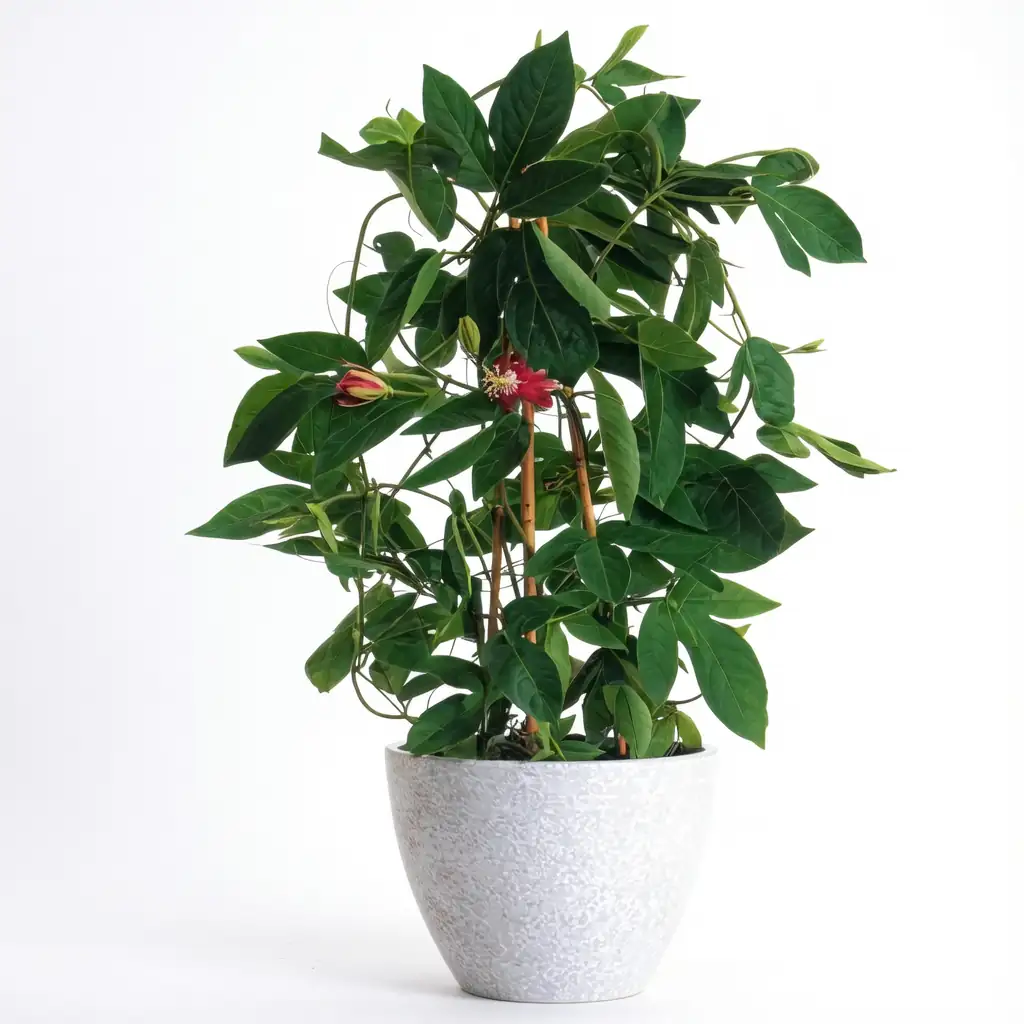
- Size: Up to 3 m tall × 1 m wide (10 ft tall × 3.3 ft wide) with support
- Foliage: Evergreen to semi-evergreen in mild conditions; glossy green leaves that are often 3-lobed (a classic passionflower look), forming a dense screen when trained over supports.
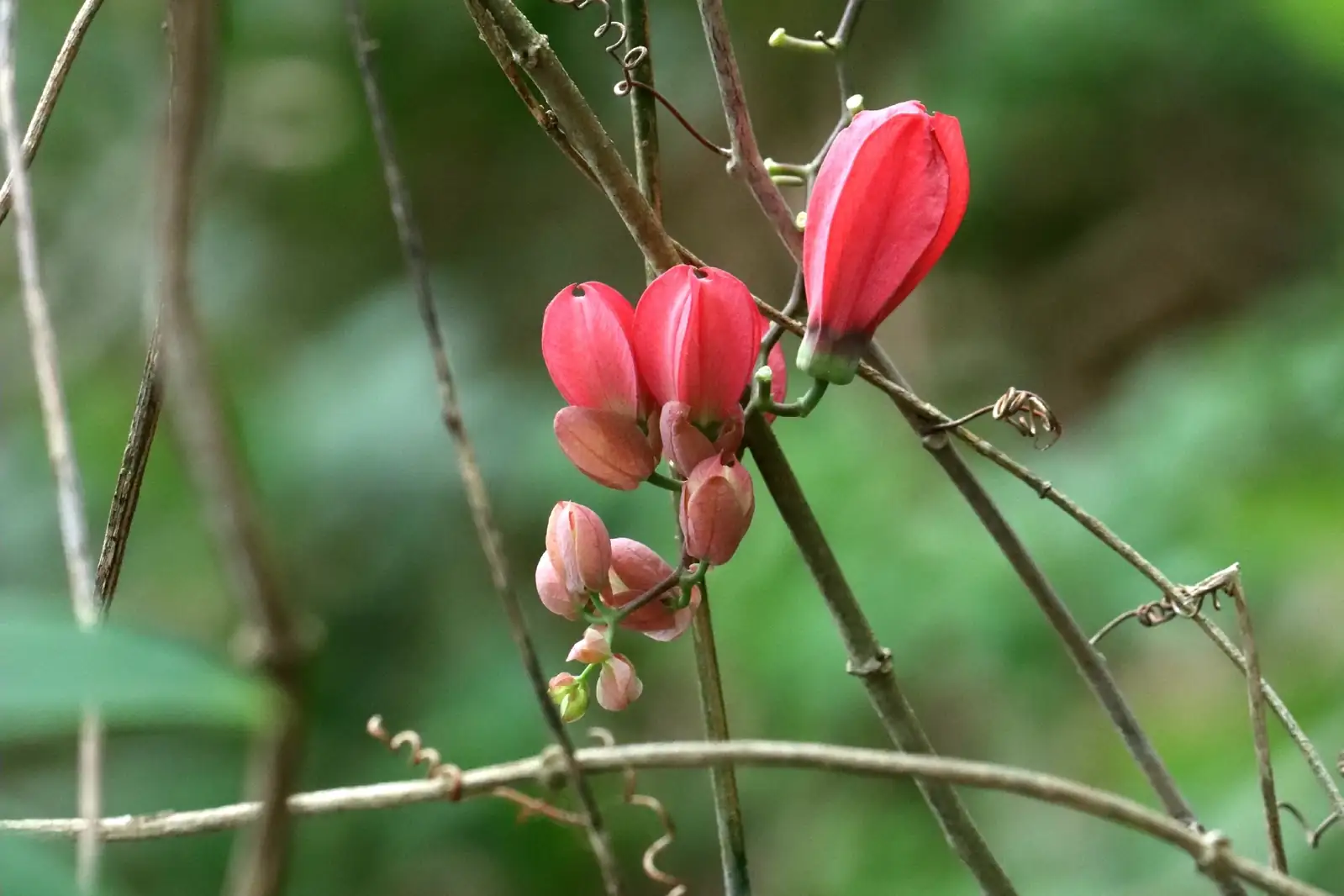
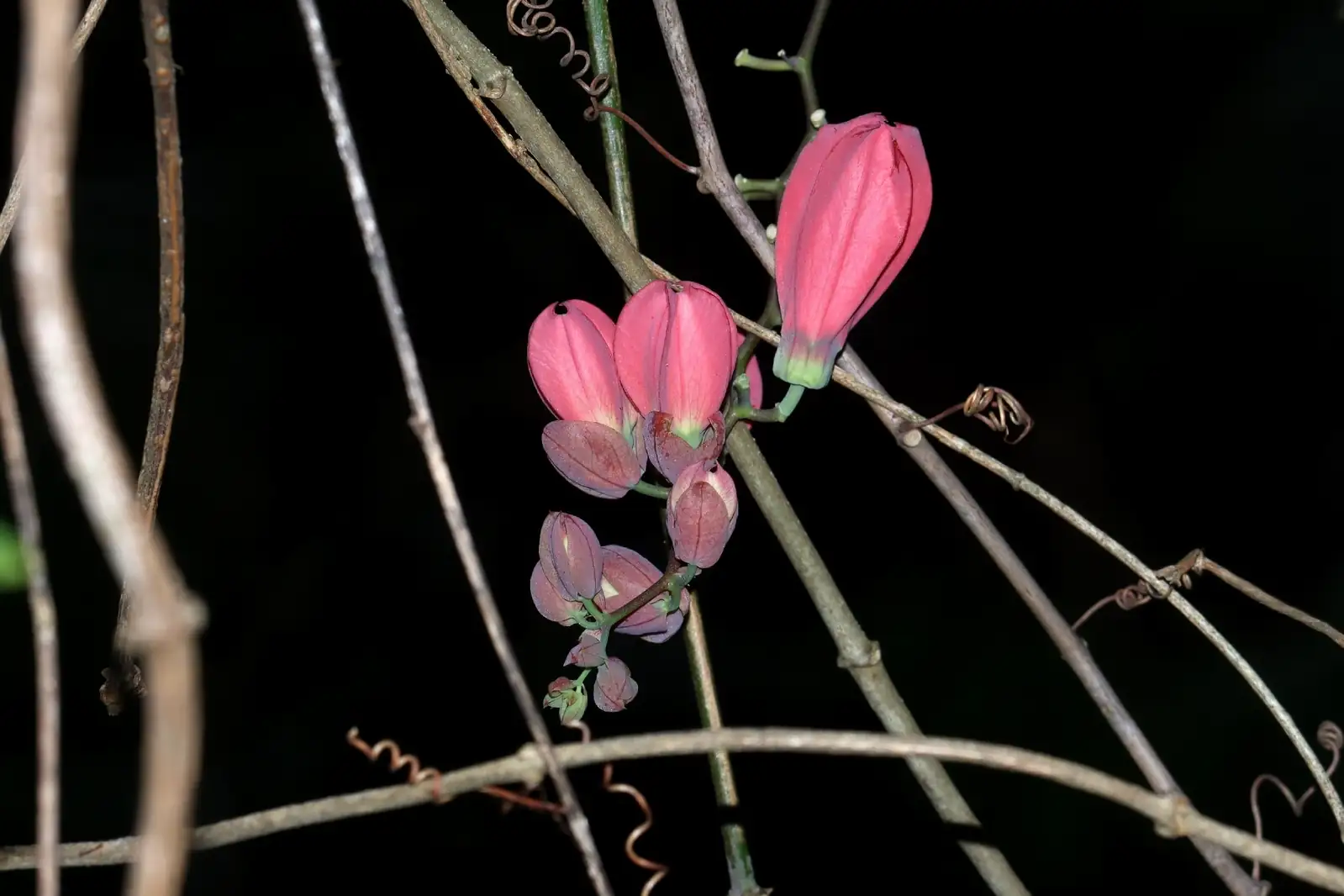
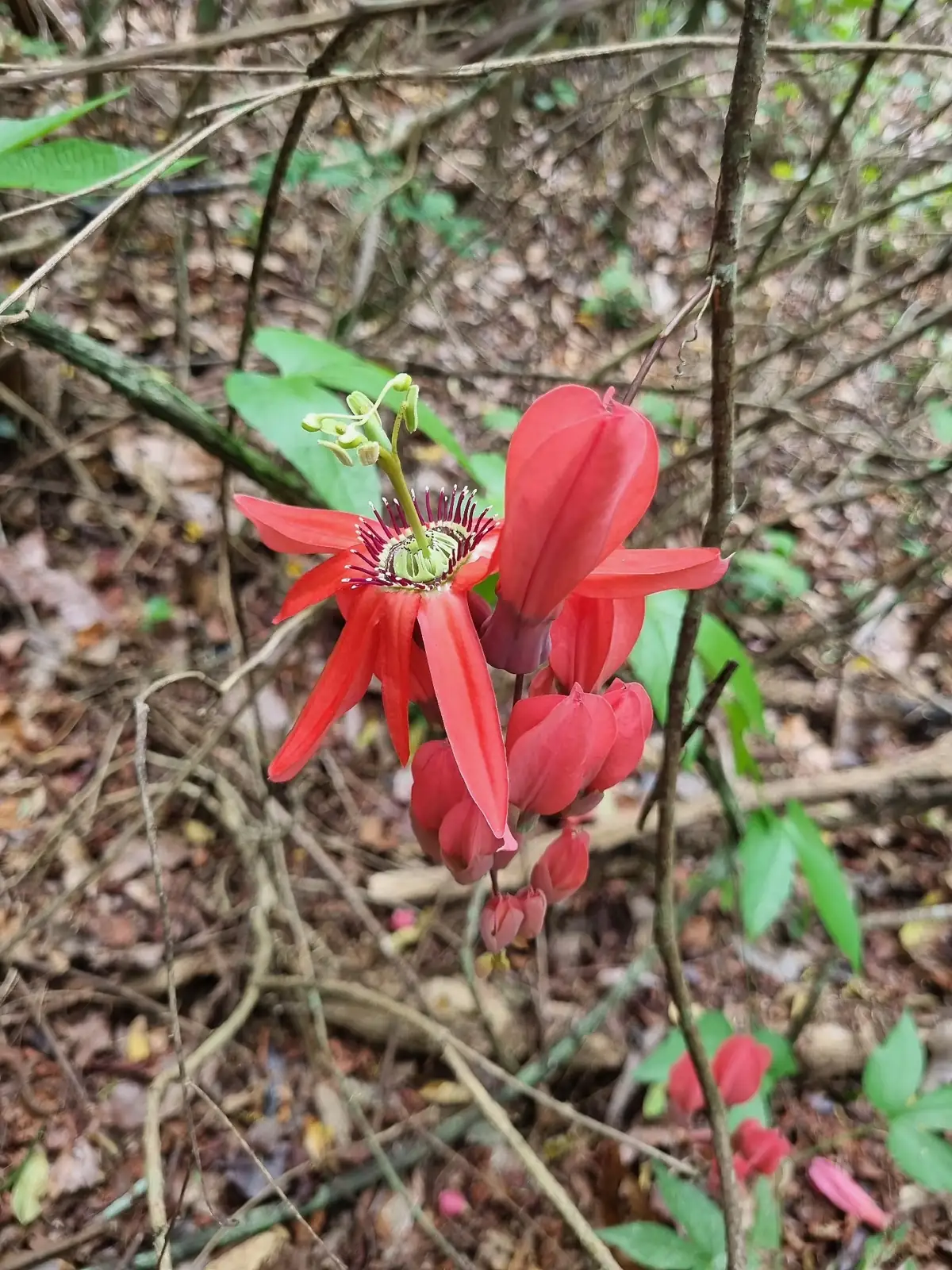
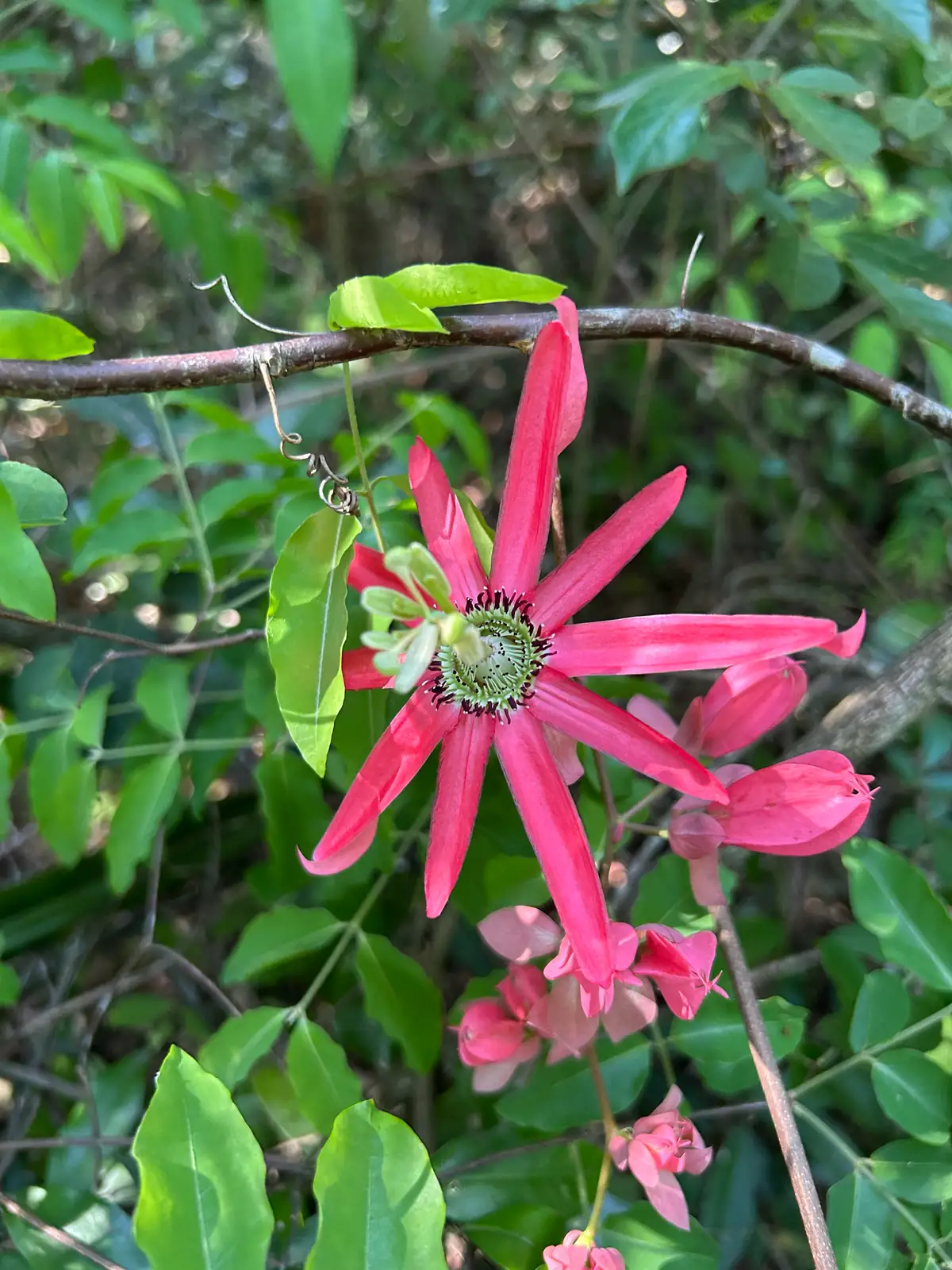
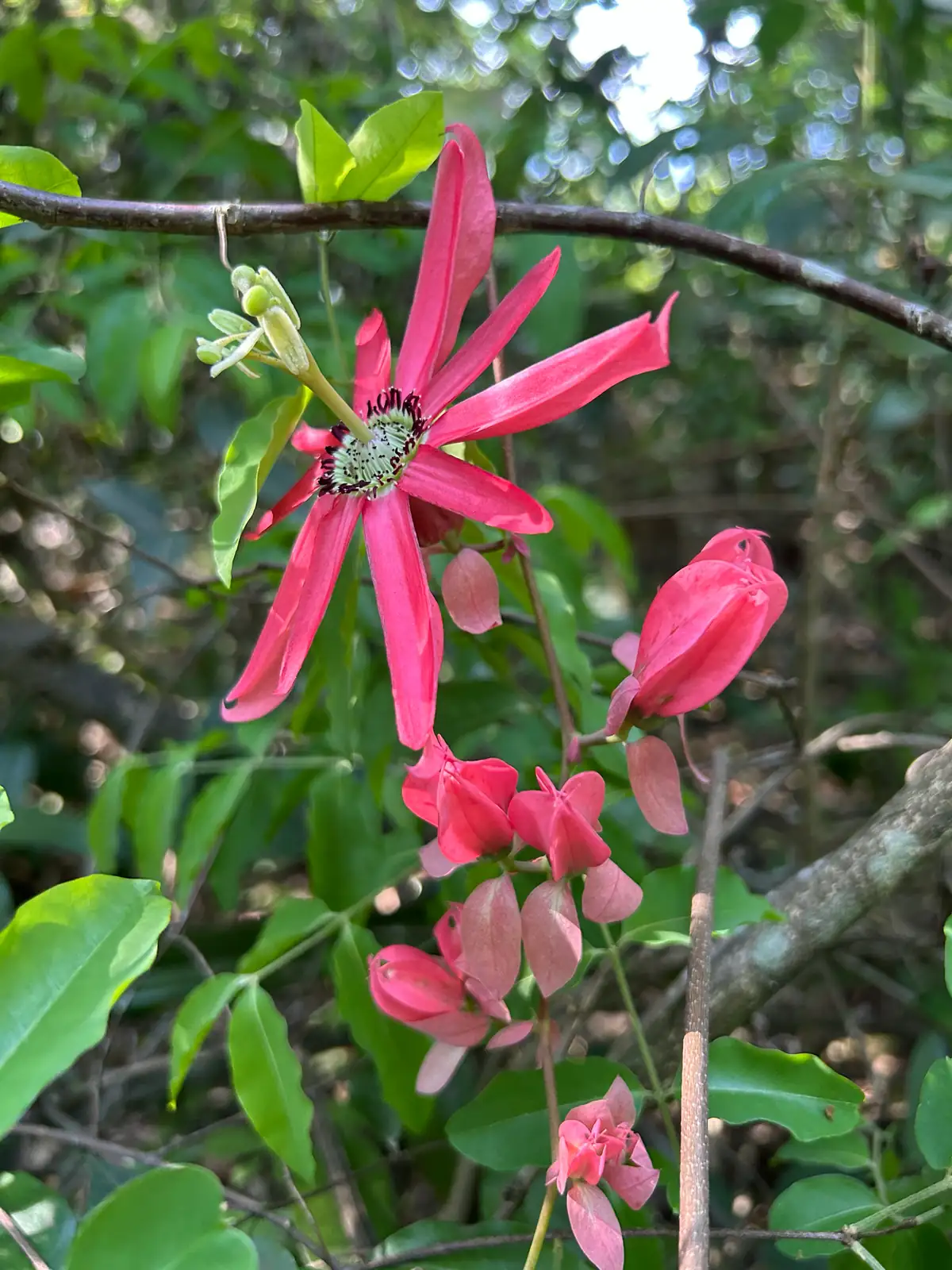
- Flower: Large, highly ornamental, bowl-shaped flowers in summer; commonly grown plants are red-flowering with prominent, decorative corona filaments that enhance the plant’s tropical appearance.
- Flowering Season: Summer
- Growth Habit: Fast-growing twining vine/climber that uses tendrils; needs trellis, wires, or other support and benefits from tying in new shoots.
Environment
Sunlight
Bright light to partial sun; aim for at least 4–6 hours of sun daily, or very bright filtered light indoors for best flowering.
Temperature
12–24°C (54–75°F) during growth; protect from cold drafts and frost. In winter, ideally keep above about 10°C (50°F).
Humidity
Moderate to high humidity; appreciates regular misting in hot weather plus good air circulation (especially indoors).
Soil
Rich but free-draining potting mix that stays evenly moist (not waterlogged). Use a pot with excellent drainage; commonly grown in a 20–30 cm (8–12 in) container.
Placement
Conservatory/sunroom, greenhouse, or an exceptionally bright indoor spot; outdoors only in a sheltered, sunny position in mild climates.
Hardiness
Tender; not reliably frost-hardy. Typically suited to frost-free to very mild climates only (roughly USDA Zone 10–11).
Care Guide
Difficulty
Moderate to difficult: it rewards attentive care—strong light, steady watering during active growth, regular feeding in season, and annual pruning to maintain flowering.
Buying Guide
Look for firm, green stems, clean leaves without sticky residue, and signs of fresh growth. Avoid plants with yellowing foliage, a bone-dry rootball, or visible mite damage. If you want to grow it outdoors, confirm the exact species/cultivar and its cold tolerance for your region.
Watering
Spring to autumn: keep evenly moist—water thoroughly when the top 2–3 cm (about 1 in) begins to dry. Winter: reduce; water only when the surface is dry and the pot feels noticeably lighter. To raise humidity in summer, mist daily or use a pebble tray—keep the pot base above the waterline so roots never sit in water.
Fertilization
Mid-spring to late summer: feed every 2 weeks with a balanced liquid fertilizer at label strength. Stop feeding in autumn and winter as growth slows.
Pruning
Early spring: remove weak, dead, or congested stems and shorten long shoots to encourage branching and better flowering. As new growth extends, tie shoots onto supports to shape a neat, well-lit framework.
Propagation
Most commonly by semi-ripe cuttings in summer, about 7–10 cm (3–4 in) long, rooted warm and humid. Seed is possible but slower and can be variable.
Repotting
Use a well-drained mix and a 20–30 cm (8–12 in) pot (or step up gradually as roots fill the container). Repot young plants in spring; once mature, top-dress yearly by replacing the top 3–5 cm (1–2 in) of mix instead of fully repotting every year.
📅 Seasonal Care Calendar
Spring–autumn: keep evenly moist. Mid-spring–late summer: fertilize every 2 weeks. Summer: increase humidity (misting/pebble tray) and watch for pests. Early spring: prune and re-tie. Spring: repot young plants; mature plants: top-dress annually. Winter: water sparingly and keep above ~10°C (50°F) when possible.
Pests, Diseases & Safety
Common Pests & Diseases
Spider mites are common indoors in dry air; aphids often gather on soft new tips; mealybugs and whitefly can also appear. Improve airflow, rinse foliage, and treat early with insecticidal soap or horticultural oil. Prevent root rot by using a free-draining mix and never leaving the pot standing in water.
Toxicity
Generally considered low toxicity as an ornamental vine, but do not assume any passionflower fruit is edible. Only eat fruit when the plant is reliably identified as an edible-fruited type and the fruit is fully ripe. Discourage pets/children from chewing leaves or unripe fruit.
Culture & Symbolism
Symbolism: Passionflowers are famously linked with Christian symbolism of the “Passion” of Christ, based on early interpretations of the flower’s unusual structures.
History & Legends: The common name arose during the missionary era, when the flower’s parts were interpreted as religious symbols. Later, many tropical American Passiflora species became treasured greenhouse and conservatory plants in Europe for their exotic blooms.
Uses: Primarily an ornamental climber for trellises, wires, greenhouses, and bright indoor spaces. Some Passiflora produce edible fruit, but fruit use depends on the exact species/cultivar and should not be assumed for this plant.
FAQ
Why isn’t my red passionflower blooming?
Most often it’s not getting enough light, isn’t being fed during active growth, or missed its early-spring prune. Increase sun/brightness, feed every 2 weeks from mid-spring to late summer, and prune plus tie in new shoots to keep a productive framework.
Can I grow Passiflora racemosa outdoors all year?
Only in mild, frost-free climates. In most places it’s best kept in a pot and moved indoors (or heavily protected) before temperatures drop near about 10°C (50°F).
What’s the safest way to raise humidity?
Use a pebble tray (water below the pot base), group plants together, and keep air moving. Misting helps briefly, but steady ambient humidity plus ventilation works better long-term.
Fun Facts
- It climbs with spring-like tendrils that rapidly curl around wires and trellis bars.
- The intricate “corona” filaments are a key part of the passionflower’s signature look and can help guide pollinators.
- Many passionflowers flower best with bright light and steady warmth, which is why they’re classic conservatory stars.


