

Plant Features
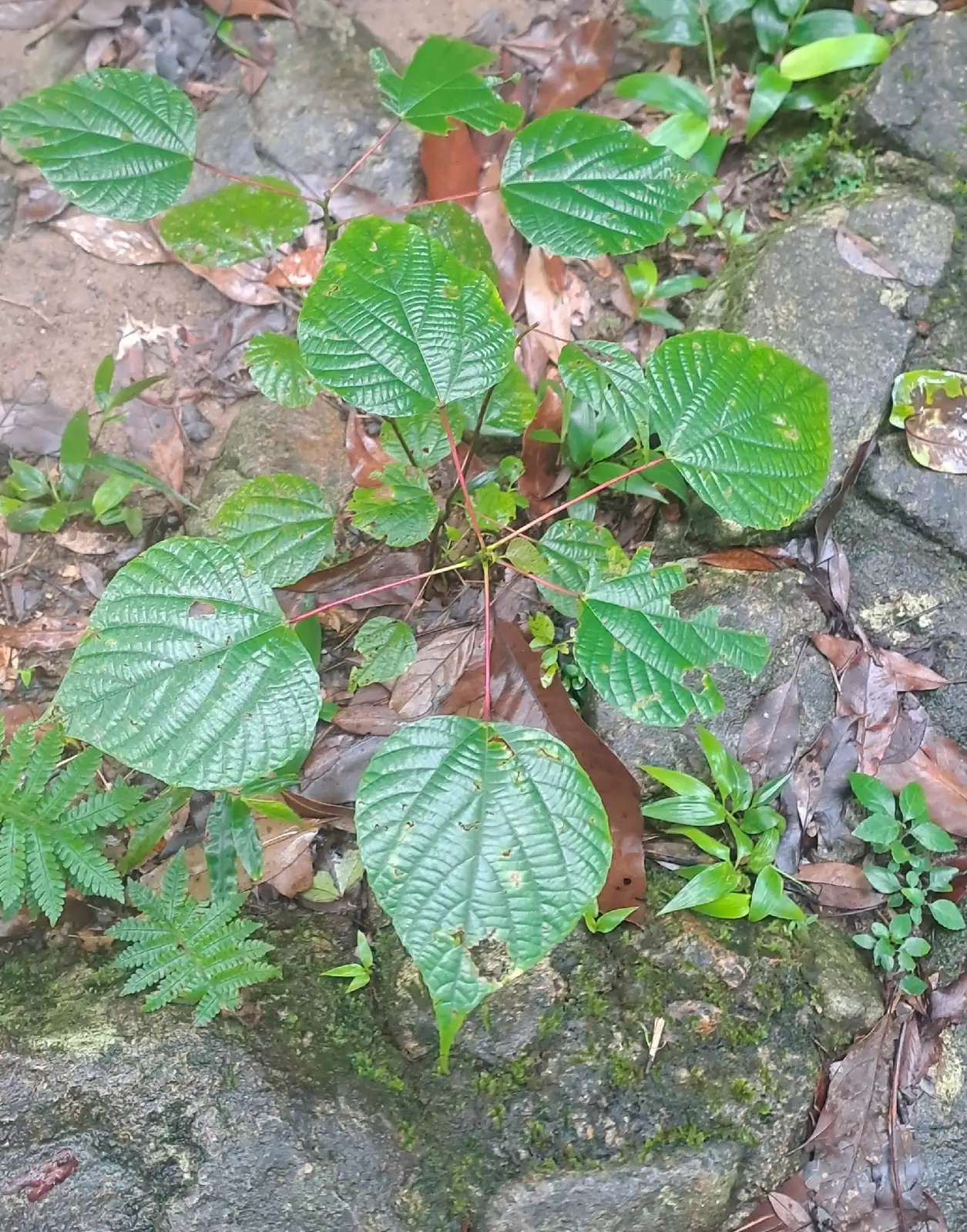
- Size: Typically 1–2 m (3.3–6.6 ft) tall.
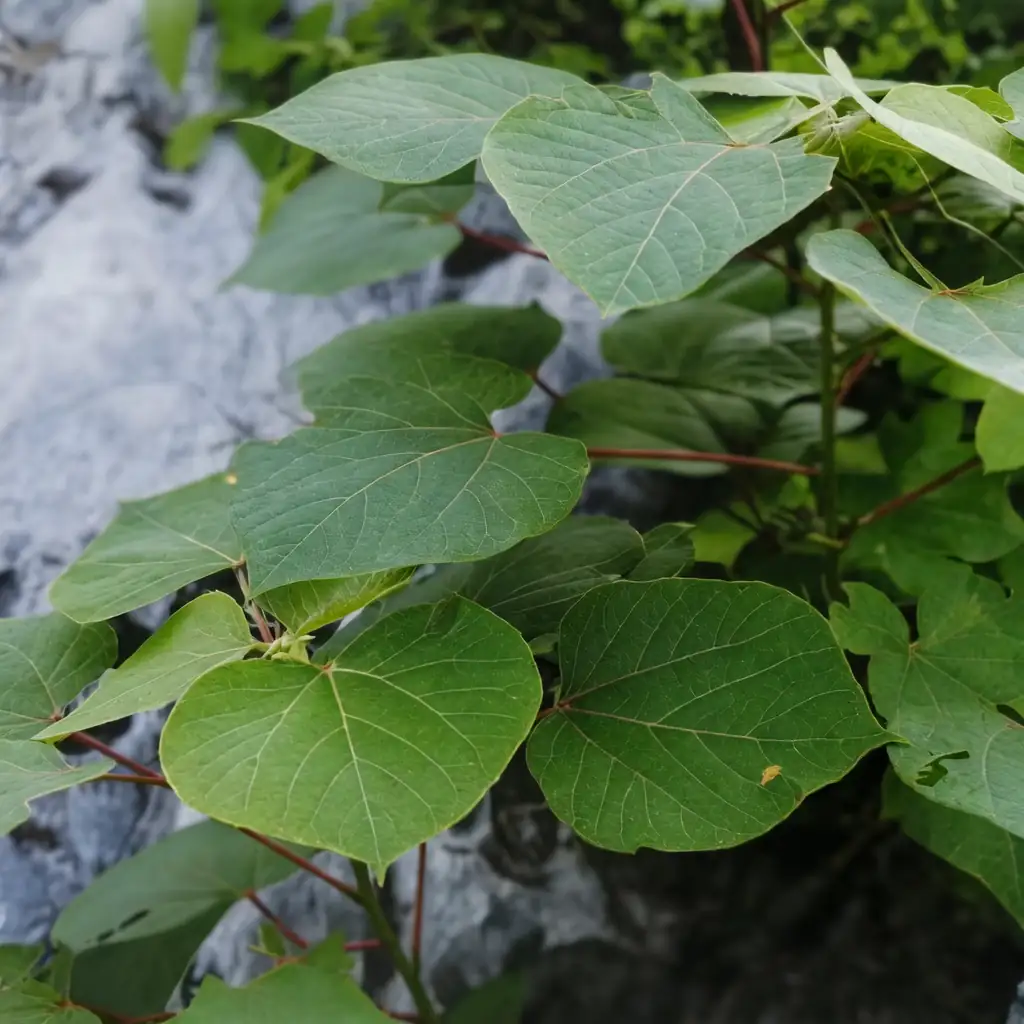
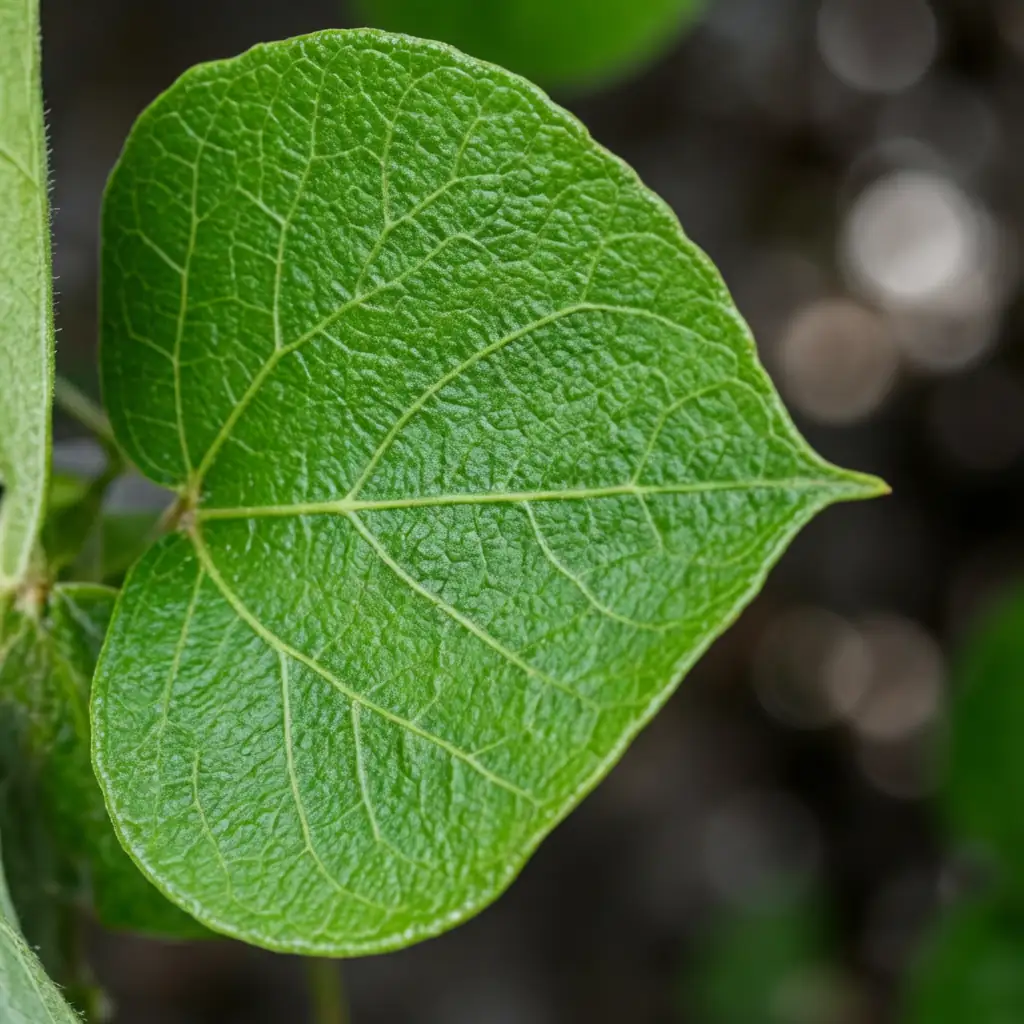
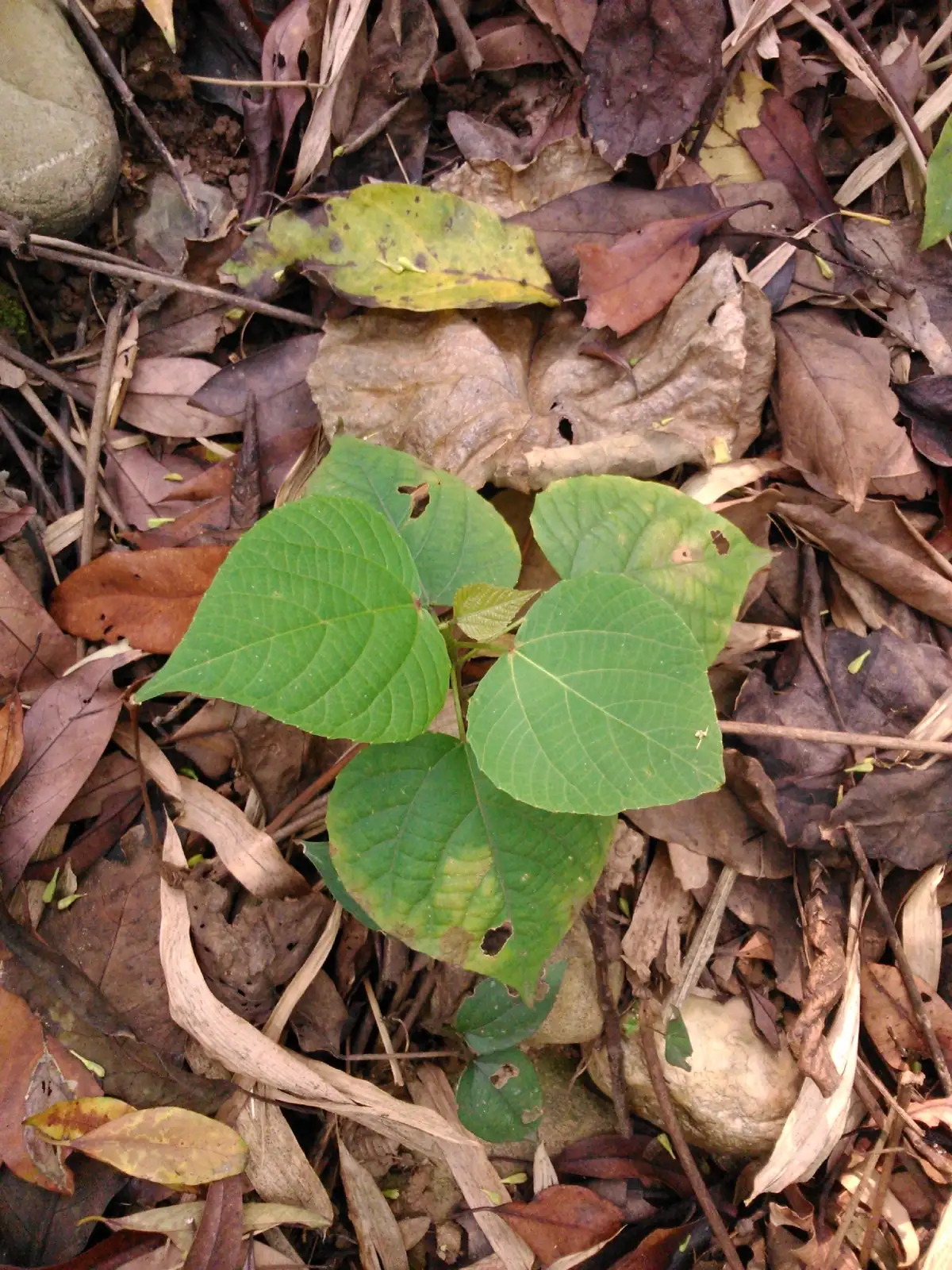
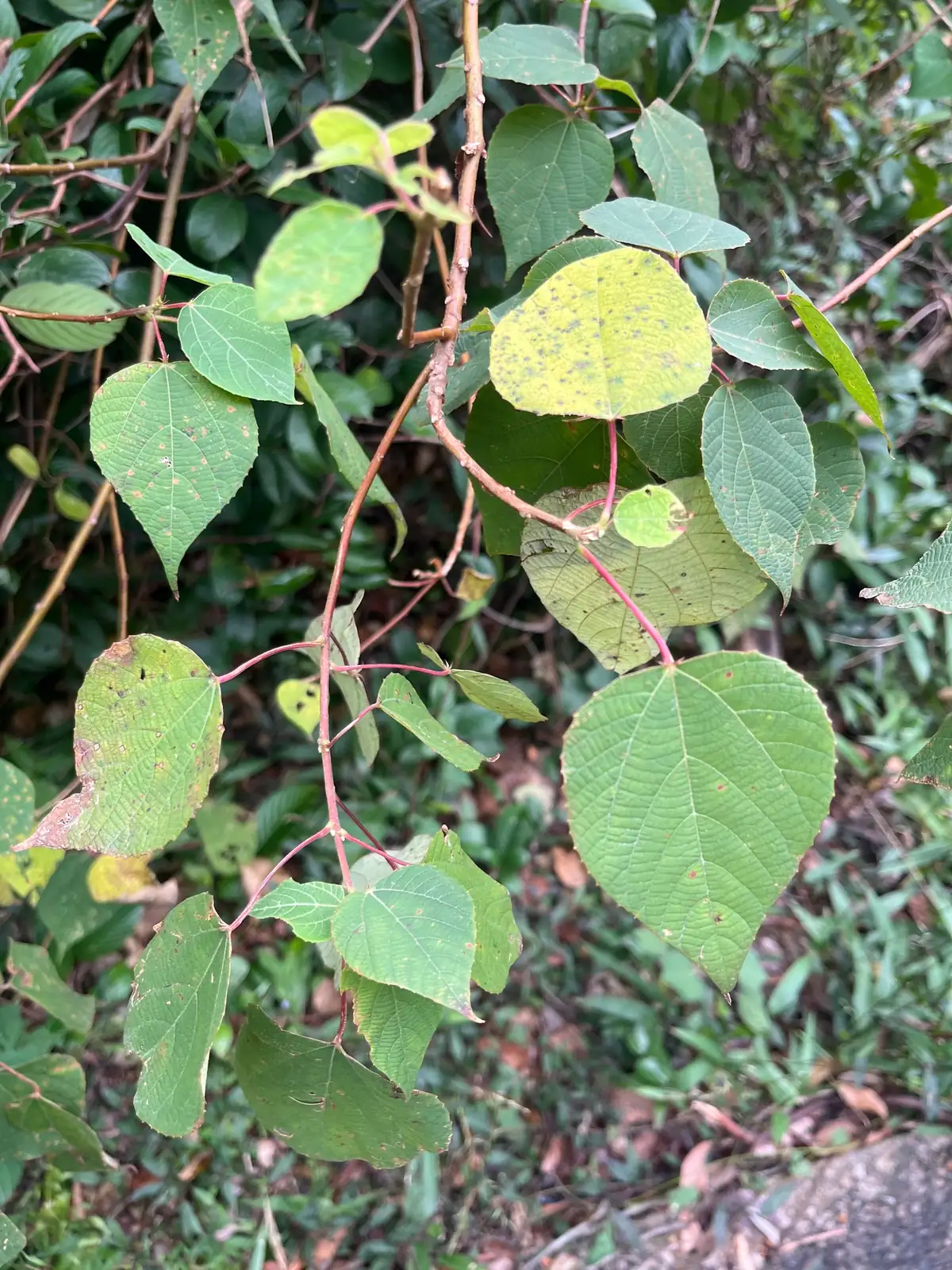
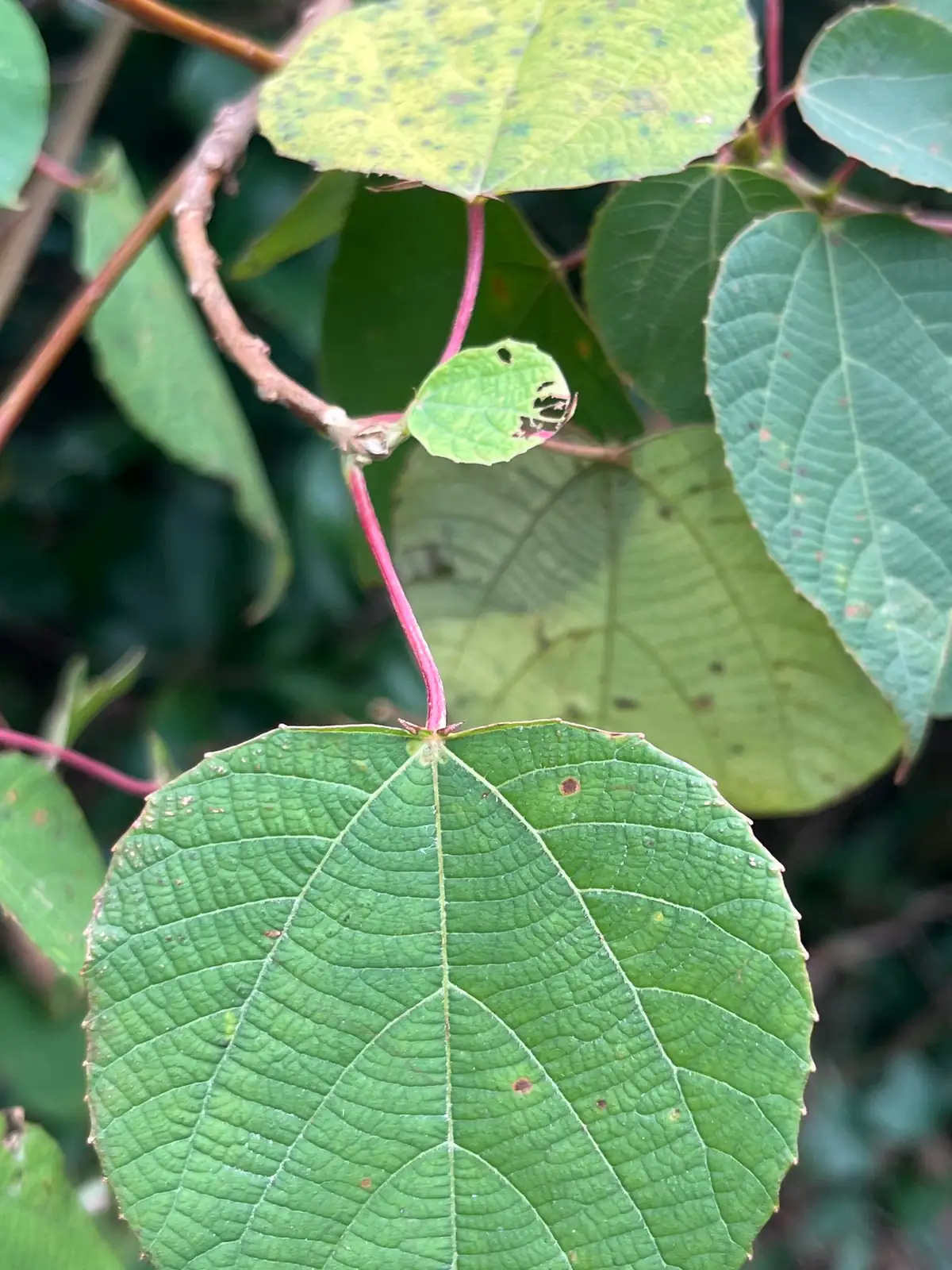
- Foliage: Leaves are thin and papery, broadly ovate, about 8–15 cm (3.1–5.9 in) long and 7–13 cm (2.8–5.1 in) wide. The upper surface is smooth and hairless; the underside is a noticeable pale reddish tone. Leaf margins have sparse, gland-tipped teeth. Young twigs may show a light gray hairiness, becoming almost hairless as they mature.
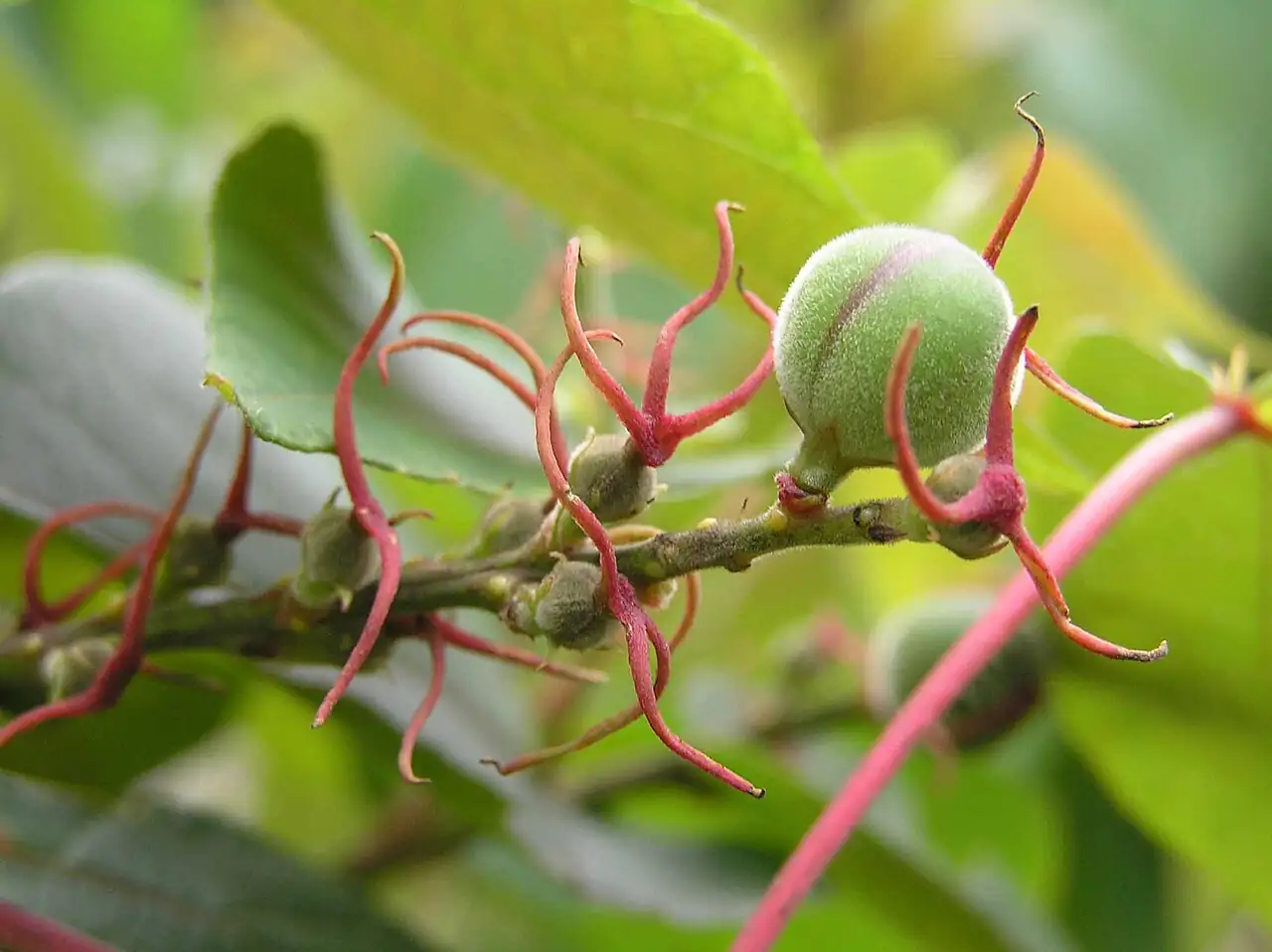
- Flower: Dioecious: male flowers are produced on slender, spike-like inflorescences (catkin-like). Female flowers are on separate plants and can develop into fruit. The fruit is a small, spherical capsule with three rounded angles, about 8–10 mm (0.31–0.39 in) in diameter.
- Flowering Season: March–May
- Growth Habit: Deciduous shrub; generally upright and bushy with light shaping.
Environment
Sunlight
Partial shade to dappled light. In hot climates, avoid harsh all-day direct sun; bright shade (such as under open trees) is ideal.
Temperature
Prefers warm conditions, with best growth around 18–30°C (64–86°F). Protect from frost and prolonged cold; stress can occur below about 5°C (41°F).
Humidity
Likes humid air; moderate to high humidity is ideal (roughly 50–80%).
Soil
Adaptable, but happiest in well-drained, humus-rich soil. Good drainage is important; in the wild it can occur in scrub and open woodland, including limestone-derived soils.
Placement
Outdoors in warm regions in bright shade (woodland edge, under light tree canopy). In cooler regions, grow in a container and overwinter frost-free in a bright, sheltered position.
Hardiness
Not frost-hardy; roughly comparable to USDA Zone 10–11.
Care Guide
Difficulty
Moderate—straightforward once you can provide warmth, humidity, and protection from cold.
Buying Guide
Pick a plant with firm stems and perky foliage, ideally with that clear reddish underside showing well. Avoid shrubs with limp growth, blackened shoot tips, or obvious pests (especially scale or mealybugs tucked along stems and leaf undersides).
Watering
Keep evenly moist during active growth. Water thoroughly when the top 2–3 cm (0.8–1.2 in) of soil feels dry, then let excess drain away. In cooler months, reduce watering—this shrub dislikes staying wet and can suffer root trouble in waterlogged soil.
Fertilization
In spring and summer, feed with a balanced fertilizer at half strength every 4–6 weeks. Stop (or greatly reduce) feeding in autumn and winter when growth slows.
Pruning
Lightly prune after flowering or in late winter/early spring to keep a tidy shape and encourage bushier growth. Remove dead, weak, or crossing stems to improve airflow.
Propagation
Most often propagated from semi-hardwood cuttings taken in warm conditions. Seed propagation is possible, but because plants are dioecious, you generally need both male and female plants for dependable fruit/seed production.
Repotting
For container plants, repot every 1–2 years in spring. Move up about one pot size and refresh with a free-draining mix; ensure drainage holes are not blocked.
📅 Seasonal Care Calendar
Spring: increase watering, restart feeding, and prune for shape if needed. Summer: keep moisture steady, boost humidity, and protect from intense midday sun. Autumn: taper off feeding and reduce watering gradually. Winter: keep frost-free in brighter light and water sparingly.
Pests, Diseases & Safety
Common Pests & Diseases
Possible issues include scale insects, mealybugs, and spider mites (especially where air is dry). Poor drainage can lead to root problems. Prevent trouble with good airflow and a well-drained potting mix; treat pests with insecticidal soap or horticultural oil as needed.
Toxicity
Toxicity is not well documented for this species. As a sensible precaution, prevent children and pets from chewing or ingesting any part of the plant.
Culture & Symbolism
Symbolism: Not widely recorded.
History & Legends: Not widely recorded.
Uses: Traditional local use: branches and leaves have been boiled to make a decoction used externally as a wash for skin rashes (including urticaria). This reflects folk practice and is not medical advice.
FAQ
When does it flower?
March–May.
When does it fruit?
Typically June–August, assuming a female plant is present and pollination occurs.
How tall does it usually grow?
About 1–2 m (3.3–6.6 ft) tall.
Where is it native to?
Southern China, including Fujian (south and west), southern Jiangxi, southern Hunan, Guangdong, Guangxi and Hainan; commonly in scrub, open woodland understory, and limestone scrub.
Does it have any traditional uses?
Yes—some local traditions use an external wash made from a decoction of branches and leaves for itchy rashes.
Fun Facts
- The “red-backed” look comes from the leaf undersides, which often show a pale reddish wash.
- It’s dioecious—male and female flowers are on different plants, which can surprise first-time growers who wonder why their plant never fruits.
- Its fruit is a tiny, three-angled, spherical capsule only about 8–10 mm (0.31–0.39 in) across.
- In the wild, it can grow from coastal lowlands up into inland hills, including limestone habitats, usually with some protective shade.


