

Plant Features
- Size: Up to 15 m (49 ft) tall; crown spread varies with site and pruning.
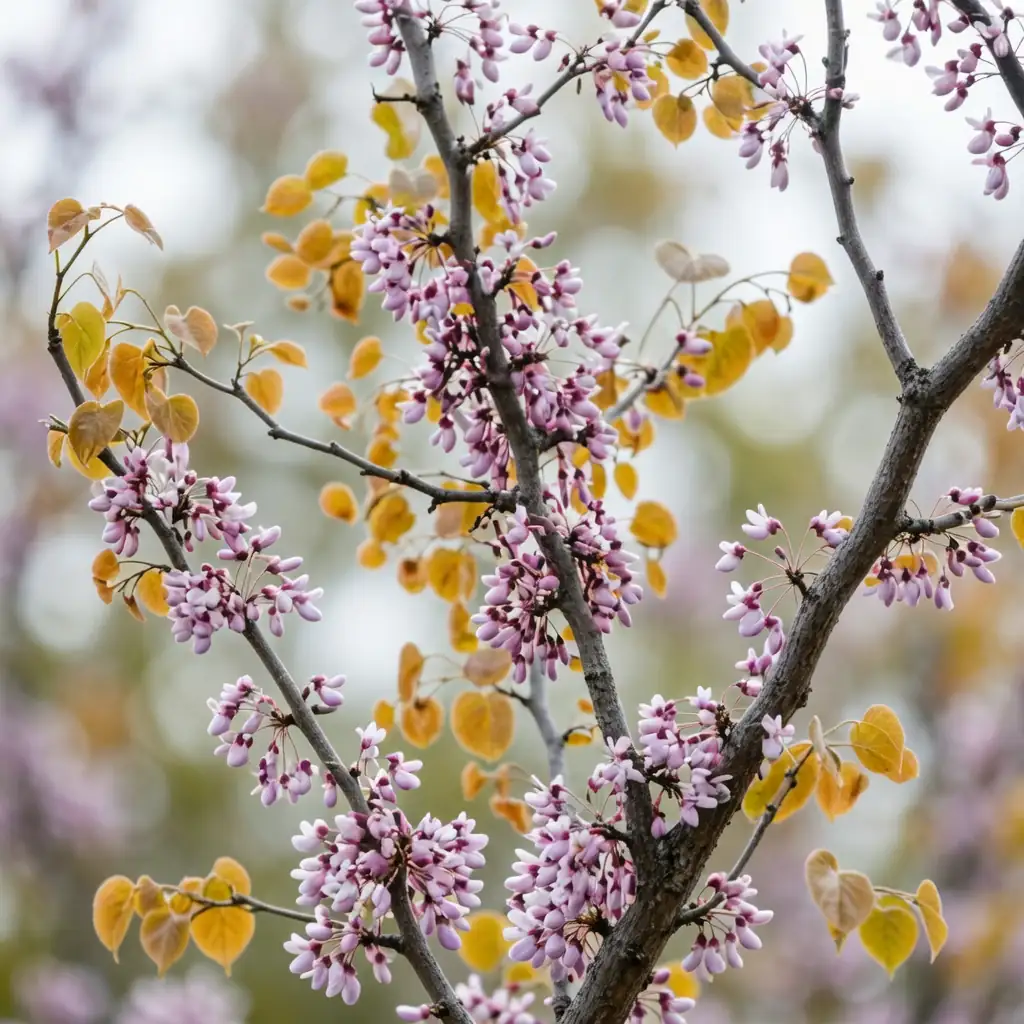
- Foliage: Leaves are broadly ovate with a pointed tip and a truncate to shallowly heart-shaped base. The undersides carry fine short hairs, and the netted veins are prominent on both surfaces. Petioles are relatively stout.
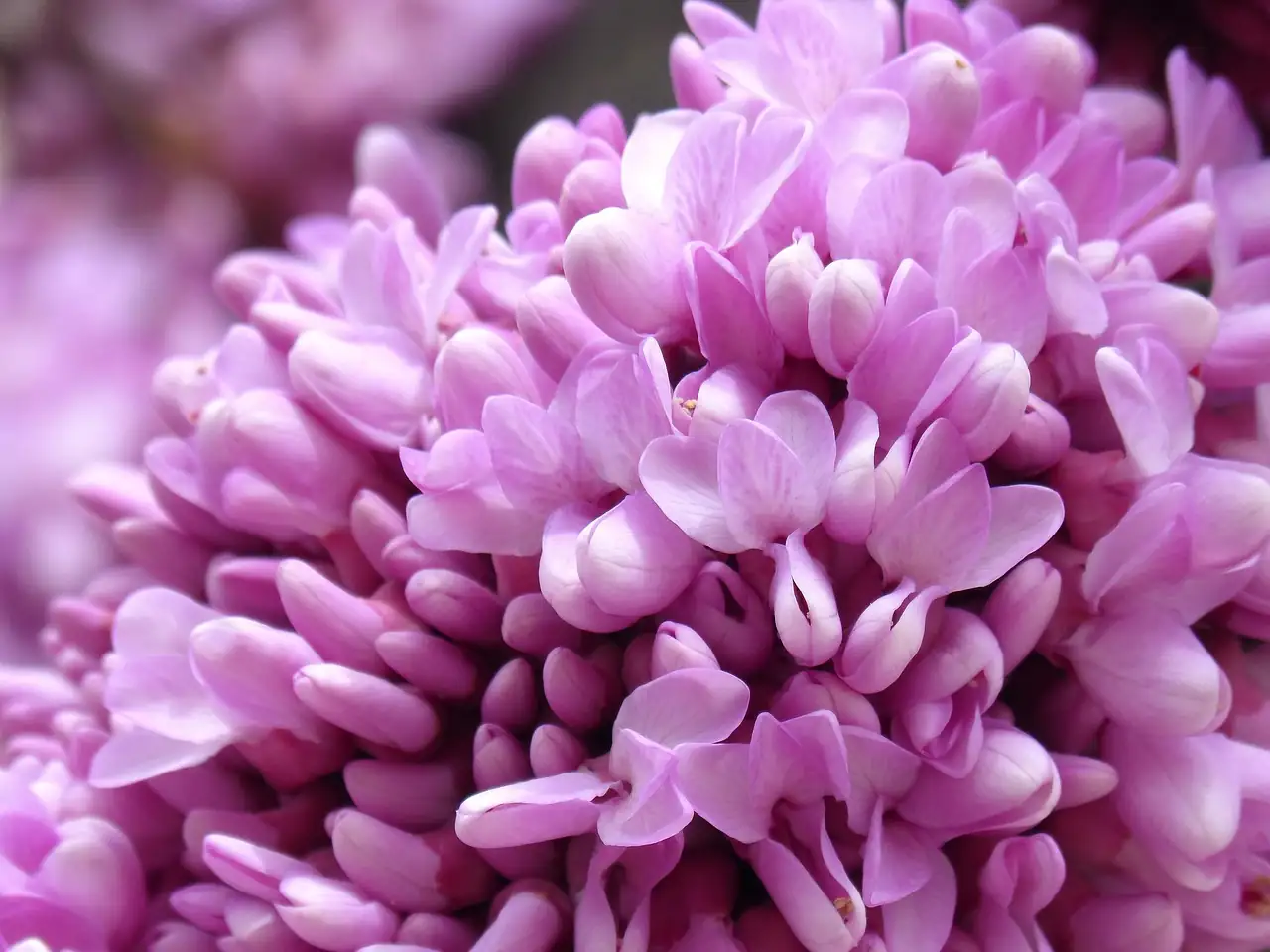
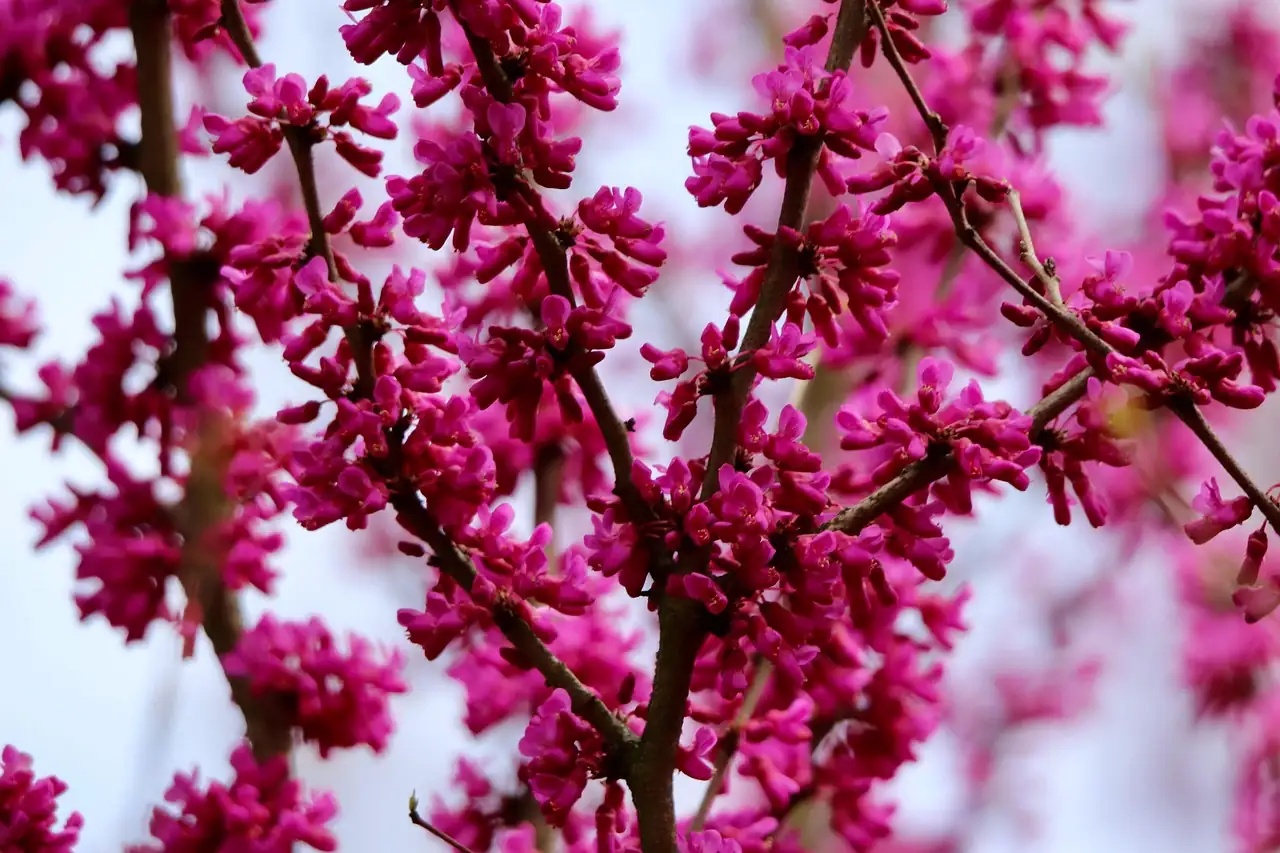
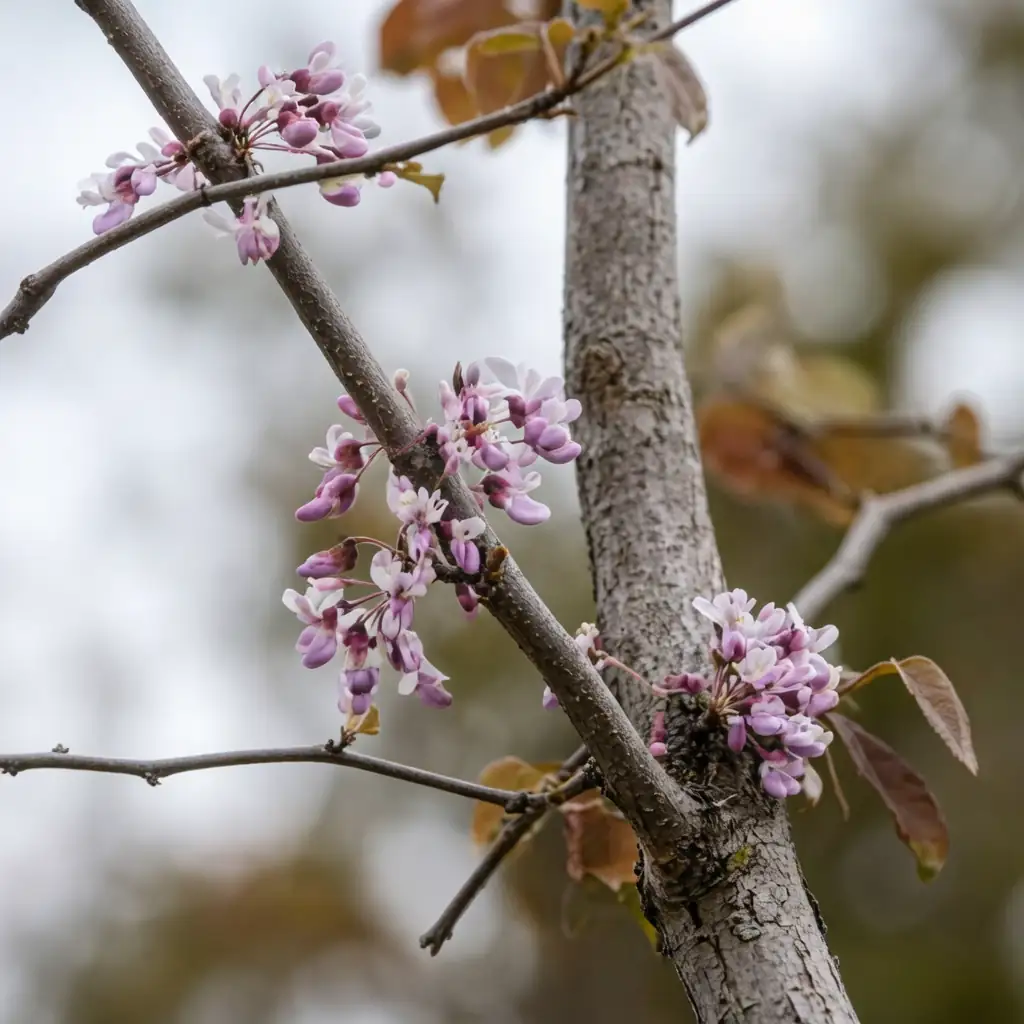
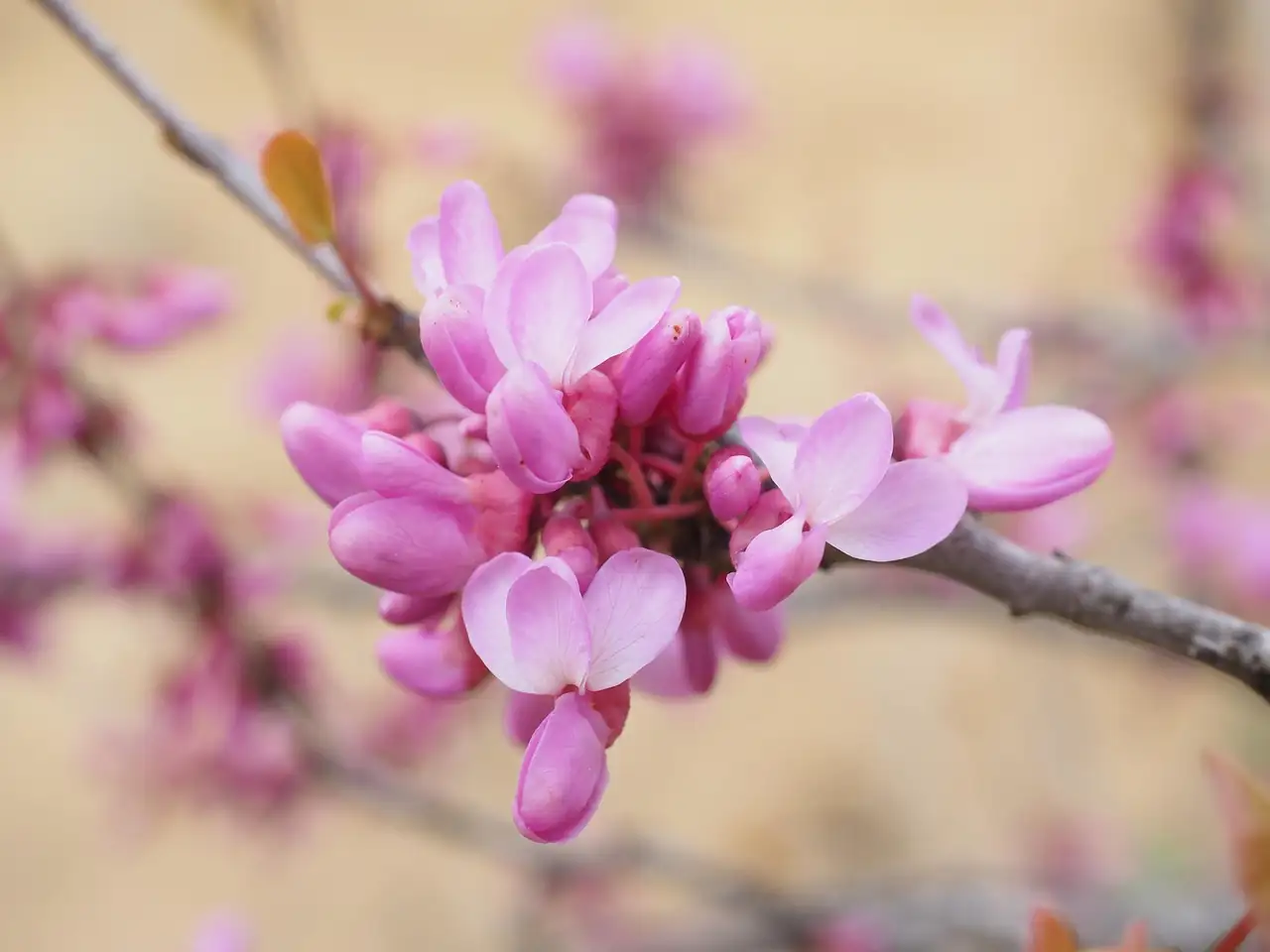
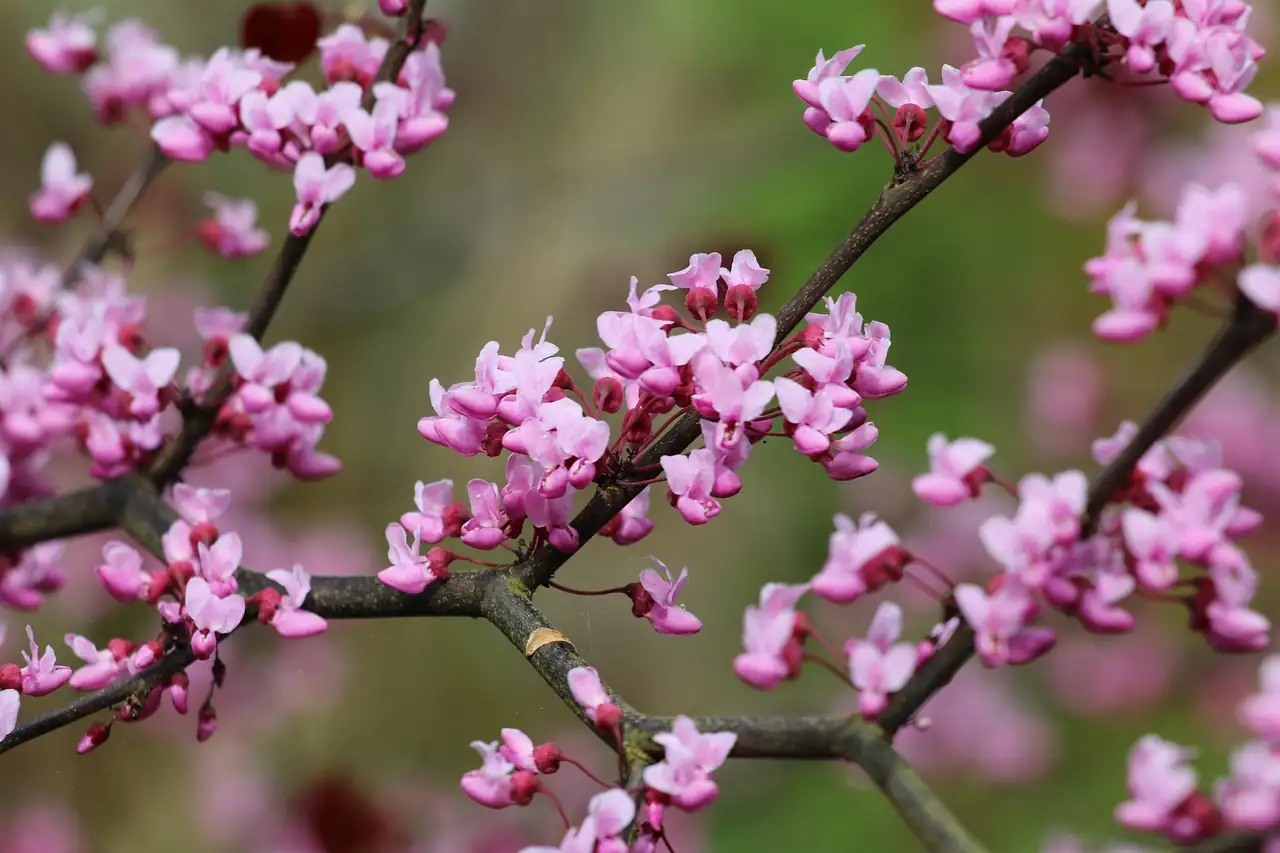
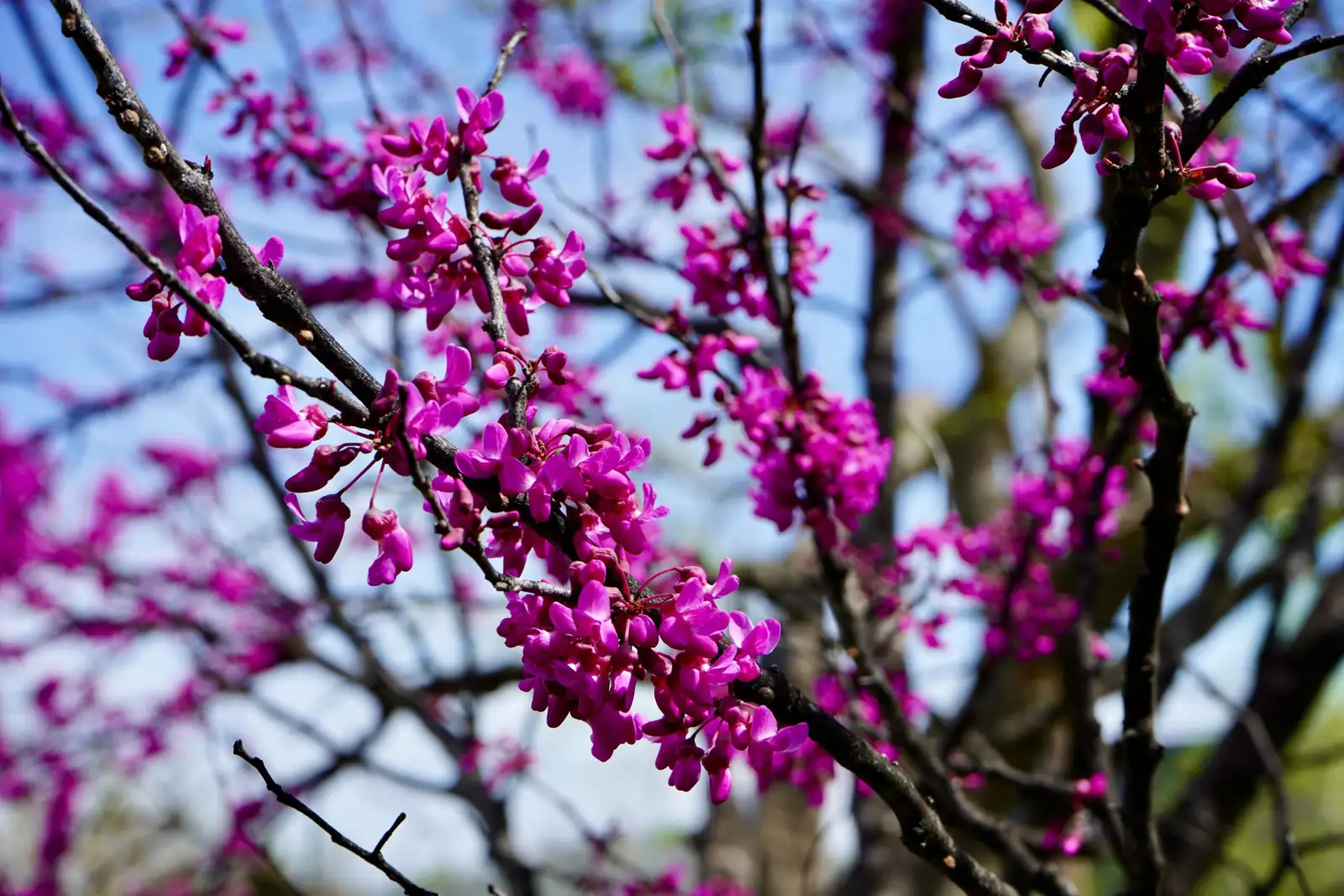
- Flower: Flowers are borne in dense, pendulous racemes on older wood, opening before or alongside the emerging leaves. Petals are rose‑pink, typically with darker red markings on the banner petal; the filament bases are hairy.
- Flowering Season: May (spring)
- Growth Habit: Deciduous, upright tree
Environment
Sunlight
Full sun to light shade; flowering is usually best in full sun.
Temperature
Prefers cool, moist conditions but is hardy in winter cold and becomes drought-tolerant once established. A practical active-growth range is about 5–25°C (41–77°F) when possible.
Humidity
Moderate to high humidity is ideal, though it adapts to average outdoor humidity if the soil doesn’t dry out excessively.
Soil
Well-drained soil is key. It can perform well in relatively shallow, slightly acidic soils, but dislikes waterlogged conditions.
Placement
Outdoors in a bright, open spot with good drainage—excellent as a specimen tree in gardens and parks, and also used along streets.
Hardiness
Cold tolerant; exact USDA zone varies by provenance, but it is generally suited to temperate regions and can handle winter temperatures below 0°C (32°F).
Care Guide
Difficulty
Moderate (outdoors). Once established it’s fairly resilient, but young trees appreciate steady moisture and protection from extreme heat and prolonged drought.
Buying Guide
Pick a tree with a straight leader, plump healthy buds, and clean, unscarred bark. Avoid plants with circling/girdling roots, a loose or swampy root ball, or any signs of dieback.
Watering
Water regularly through the first 1–2 growing seasons to help roots establish. After that, water deeply during extended dry spells. Let the top layer of soil dry slightly between waterings, and avoid keeping the soil constantly soggy.
Fertilization
If growth seems weak, feed in early spring with a balanced, slow-release fertilizer. Don’t overdo nitrogen—too much can push leafy growth at the expense of flowers.
Pruning
Prune lightly after flowering to shape the canopy and remove dead, damaged, or crossing branches. Avoid heavy winter pruning, which can reduce the next season’s bloom.
Propagation
Most often grown from seed; seeds commonly benefit from scarification and/or cold stratification to improve germination. Selected forms may be grafted, and cuttings can be attempted under controlled conditions.
Repotting
Not typically a long-term container plant. If started in a pot when young, pot up as roots fill the container, then plant out into the ground when size and climate allow.
📅 Seasonal Care Calendar
Flowers in May; fruits (seed pods) mature around October.
Pests, Diseases & Safety
Common Pests & Diseases
No species-specific problems were noted. As with other redbuds, keep an eye out for aphids and scale insects, plus occasional fungal leaf spots. Good airflow and avoiding frequent overhead watering help reduce disease pressure.
Toxicity
No clear toxicity information was provided for this species. Use sensible caution around children and pets, and avoid chewing on ornamental plant parts.
Culture & Symbolism
Symbolism: Not specified.
History & Legends: Not specified.
Uses: Primarily an ornamental flowering tree for gardens, parks, and streetscapes. Traditionally, its bark has been used as a source of coarse fibers for simple fiber products.
FAQ
When does raceme redbud flower and fruit?
It typically flowers in May (spring), and its seed pods mature around October (autumn).
What kind of site does it prefer?
Choose a well-drained spot in full sun to light shade (full sun usually gives the best bloom). Slightly acidic soil is fine, and it can even handle relatively shallow soils—just avoid waterlogging.
Fun Facts
- The rose‑pink blossoms often have darker red markings on the banner petal.
- Unlike many spring trees, it shows off with dangling flower clusters (racemes) on older wood.
- In good conditions it can grow to about 15 m (49 ft) tall.
- It naturally grows in Chinese montane forests and is also found near villages and roadsides.


