

Plant Features
- Size: About 30 × 50 cm (12 × 20 in) in height × spread.
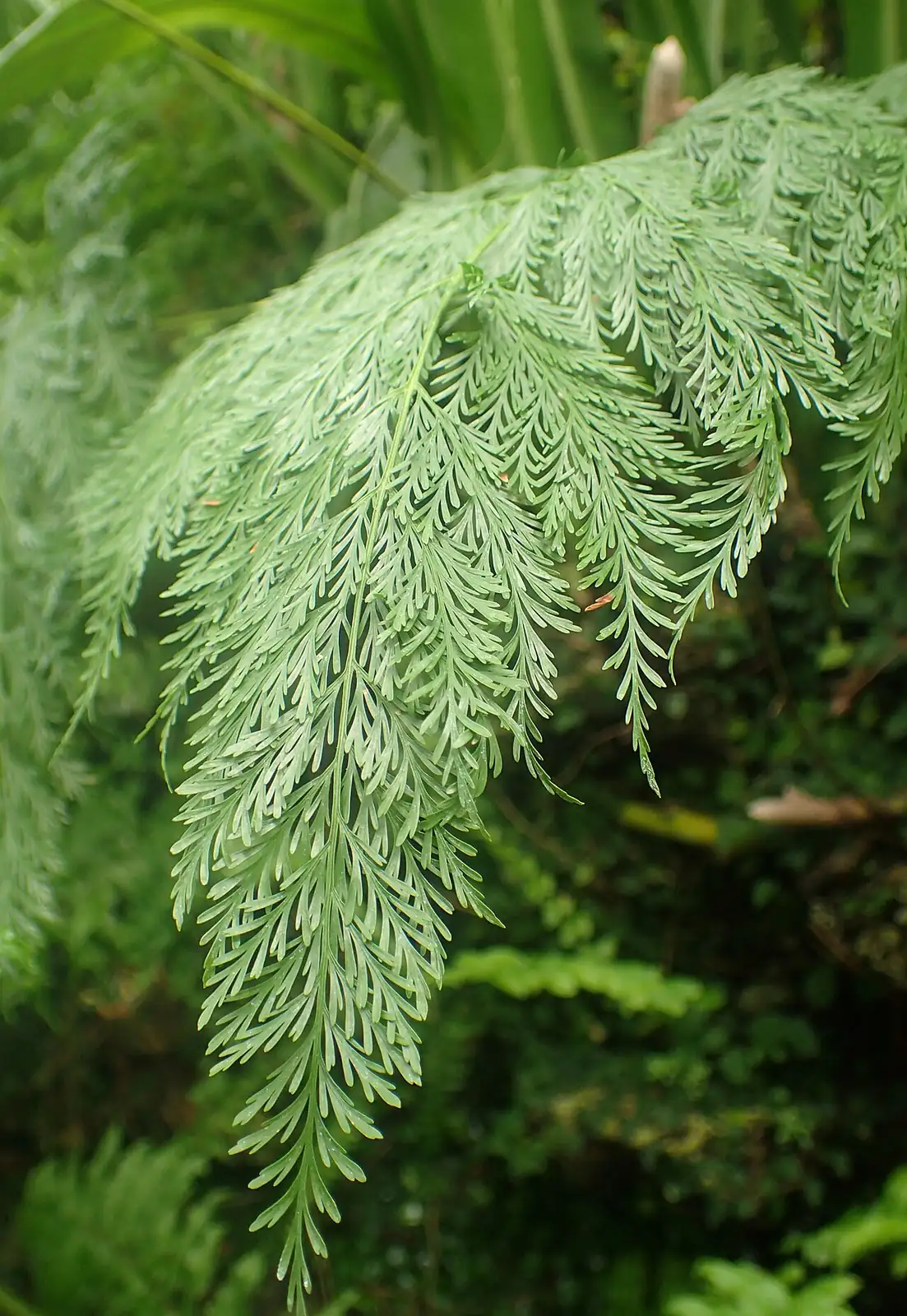
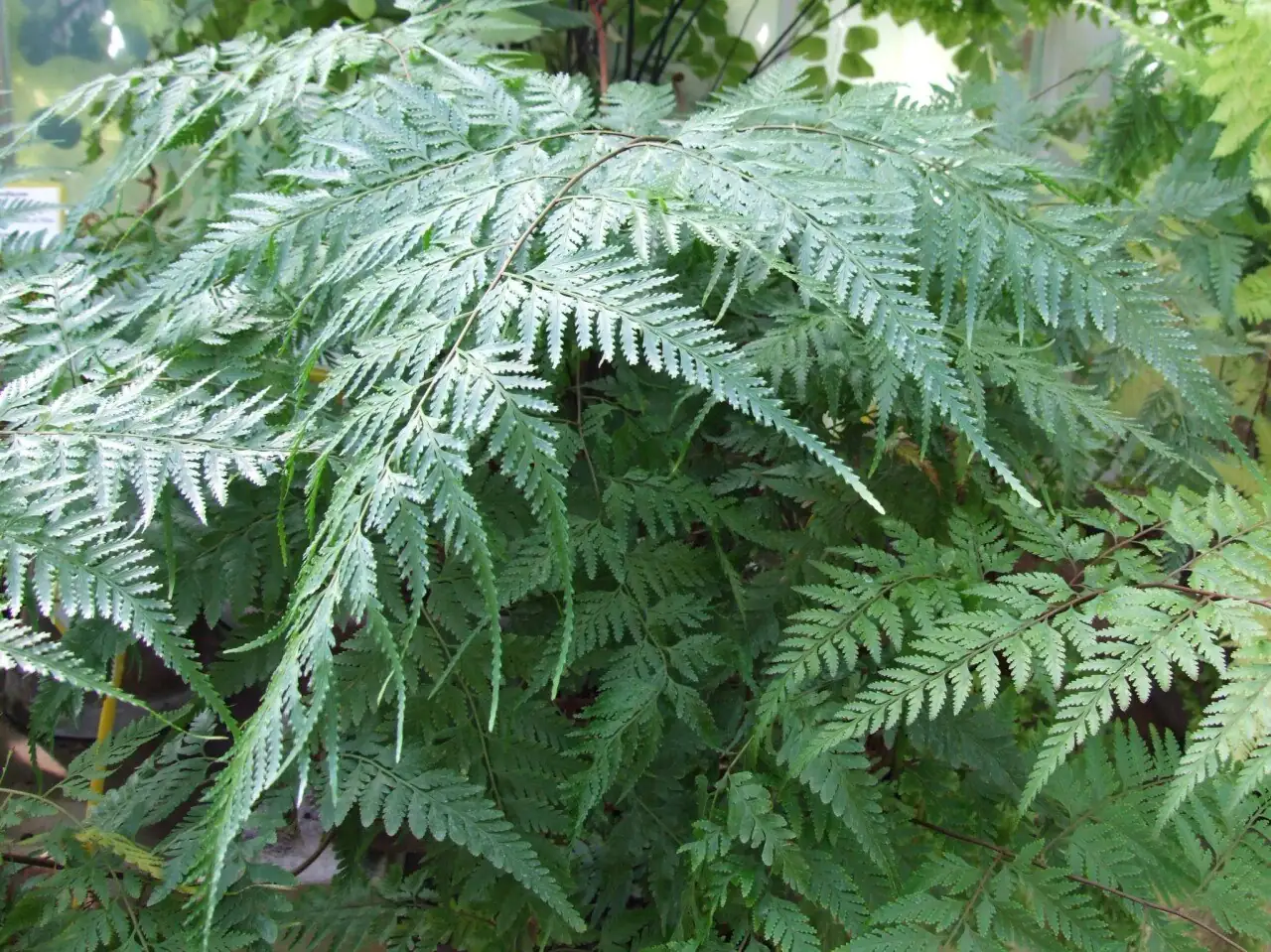
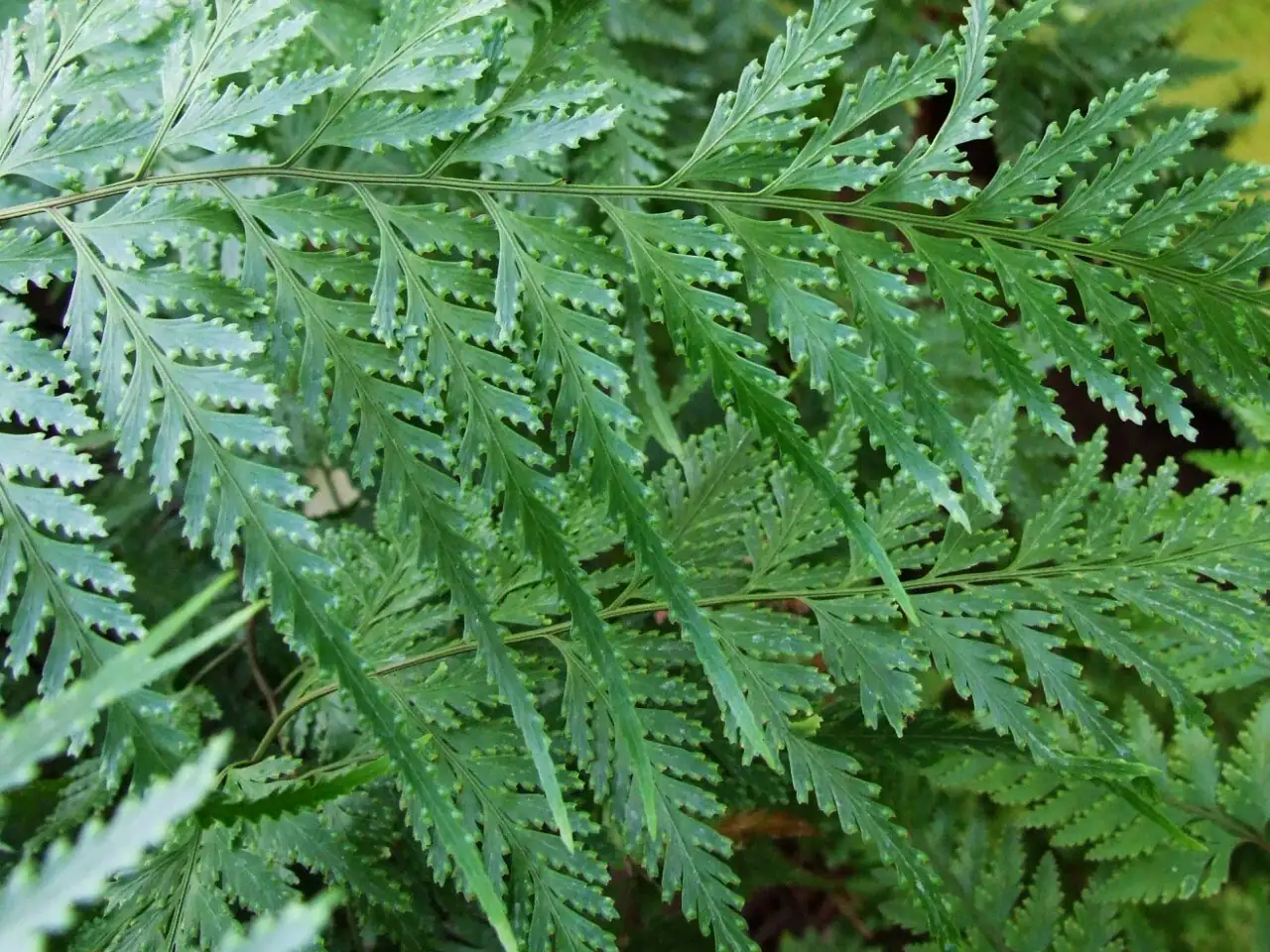
- Foliage: Deep green, finely divided, lace-like fronds that create a soft, feathery texture.
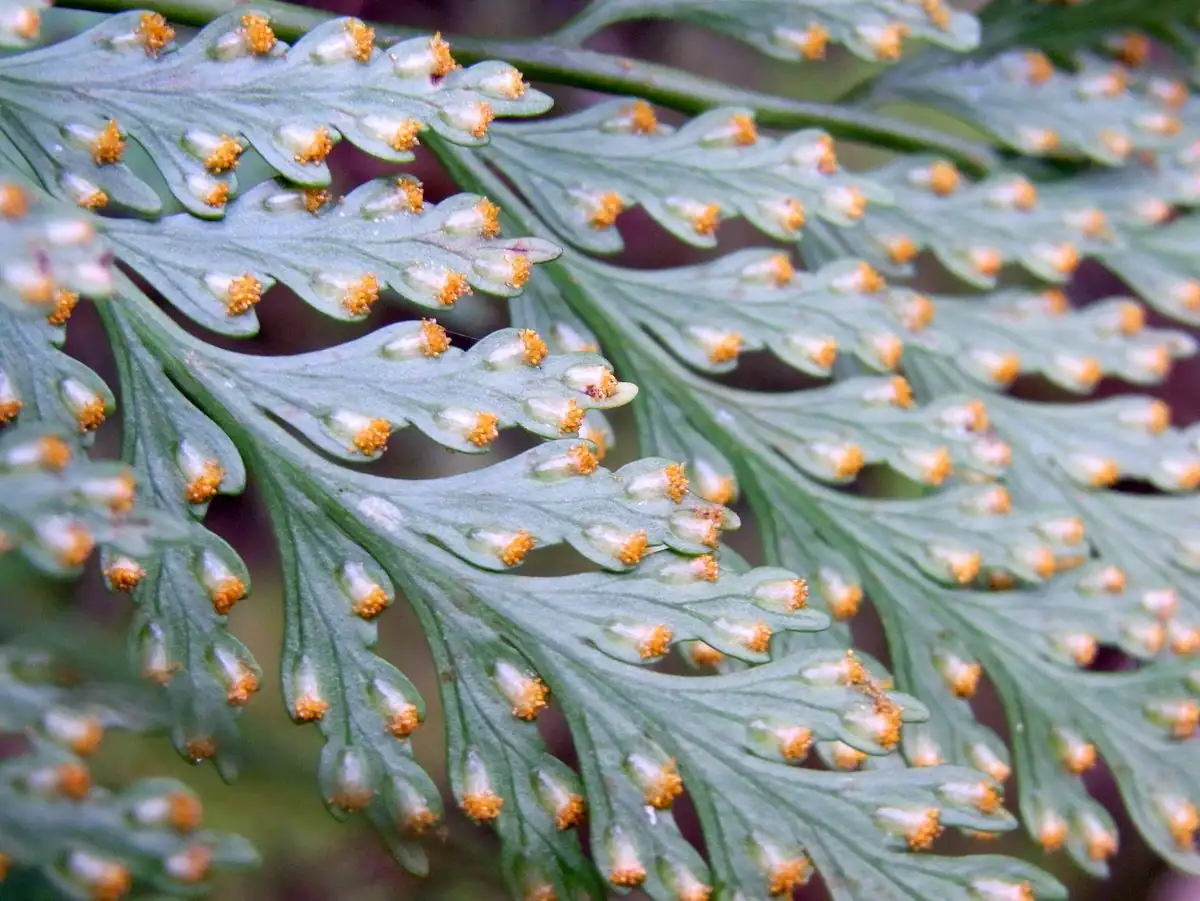
- Flower: No flowers; as a fern it reproduces by spores rather than blooms.
- Flowering Season: Not applicable (fern).
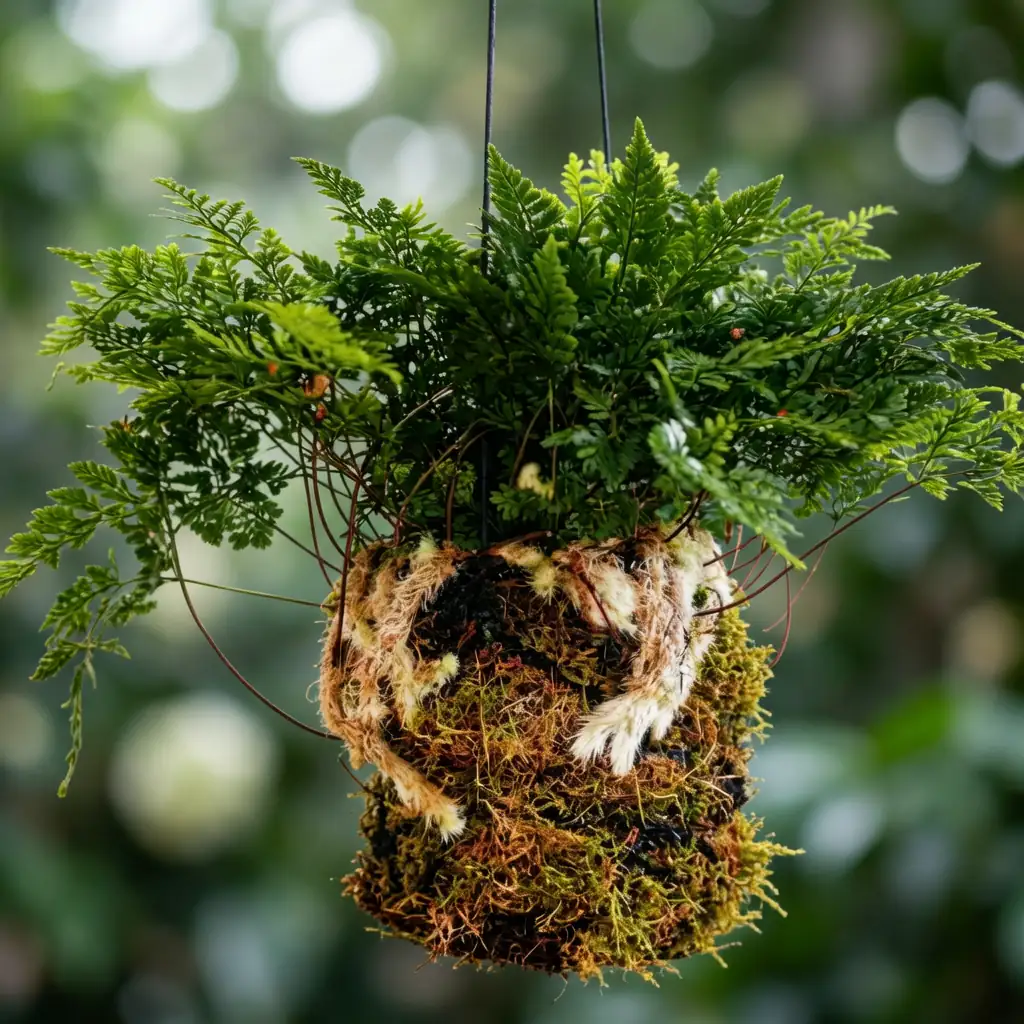
- Growth Habit: Clump-forming fern with creeping, woolly rhizomes that run over the soil surface and trail over pot edges—those “feet” are part of the plant’s normal growth, not a problem to hide.
Environment
Sunlight
Bright, indirect light to part shade; avoid harsh midday sun, which can scorch fronds and dry the rhizomes.
Temperature
13–24°C (55–75°F); protect from cold drafts and try to keep it above about 10°C (50°F).
Humidity
Medium to high humidity; looks best with 50%+ humidity if possible. Dry air encourages brown tips and pests.
Soil
Loose, moisture-retentive but well-drained mix. A practical option is a 1:1 blend of general-purpose potting mix and an acid-loving mix (azalea/rhododendron). Keep rhizomes on the surface (do not bury). Often grown in a 15–20 cm (6–8 in) pot or hanging basket.
Placement
Excellent in bathrooms or other naturally humid rooms; ideal for hanging baskets. In summer, place in dappled/filtered light and a slightly cooler spot indoors.
Hardiness
Not frost-hardy; outdoors year-round only in warm, frost-free climates (roughly USDA Zone 10–12).
Care Guide
Difficulty
Easy; most success comes from steady moisture, decent humidity, and keeping the furry rhizomes exposed rather than covered.
Buying Guide
Look for firm green fronds and plump, fuzzy rhizomes. Avoid plants with a sour smell from the pot, blackened rhizomes, or heavy browning (often linked to drought, sun scorch, or low humidity).
Watering
Spring through fall: keep the mix consistently moist but never waterlogged. Winter: water when the surface dries slightly—don’t let it dry out completely for long periods.
Fertilization
Spring to early fall: feed every 2 weeks with a balanced liquid fertilizer at 1/2 strength. Reduce or pause feeding in winter when growth slows.
Pruning
Remove old, yellowing, or damaged fronds at the base. Avoid cutting healthy surface rhizomes—these are the growth engines that produce new fronds.
Propagation
Best by division in spring: cut and pot sections of rhizome that include roots and at least one growing point; keep warm and humid until established.
Repotting
Repot in spring when root-bound, moving up only one pot size (commonly into a 15–20 cm / 6–8 in container). Use a well-drained mix and keep the furry rhizomes above the soil line.
📅 Seasonal Care Calendar
Spring–autumn: keep evenly moist; feed every 2 weeks at 1/2 strength. Summer: provide part shade and cooler conditions. Winter: water when the top dries slightly; stop or reduce feeding. Spring: repot or divide if crowded.
Pests, Diseases & Safety
Common Pests & Diseases
May attract scale insects, mealybugs, and spider mites—especially when humidity is low. Root/rhizome rot can occur if the potting mix stays constantly wet or drains poorly. Improve airflow, raise humidity, and treat pests with insecticidal soap or horticultural oil as needed.
Toxicity
Generally considered non-toxic to people, cats, and dogs, though nibbling may still cause mild stomach upset.
Culture & Symbolism
Symbolism: Often linked with resilience and gentle, calming greenery—an easygoing plant that happily “spills” over the edge of its pot.
History & Legends: A beloved Victorian-era house fern that remains popular today thanks to its distinctive furry rhizomes and its talent for hanging and mounted displays.
Uses: Primarily ornamental as an indoor foliage plant; great for hanging baskets, bathrooms, and kokedama/moss-ball or mounted displays in humid interiors.
FAQ
Why are the furry rhizomes important, and should I cover them with soil?
They’re the fern’s creeping stems and a signature feature. Keep them on the surface—burying them can encourage rot and also stops the plant from naturally spreading.
Why are the frond tips turning brown?
Most often it’s low humidity, underwatering, or too much hot direct sun. Increase humidity, keep the mix evenly moist, and move the plant to bright, indirect light.
Fun Facts
- The “rabbit’s foot” effect comes from woolly rhizomes that naturally crawl and drape over pot edges.
- It’s a classic choice for kokedama (moss-ball) displays because the rhizomes are meant to be shown off, not hidden.


