Plant Features
- Size: Typically 1–3 m (3.3–9.8 ft) tall; can be kept much lower and tighter when regularly clipped as a hedge.
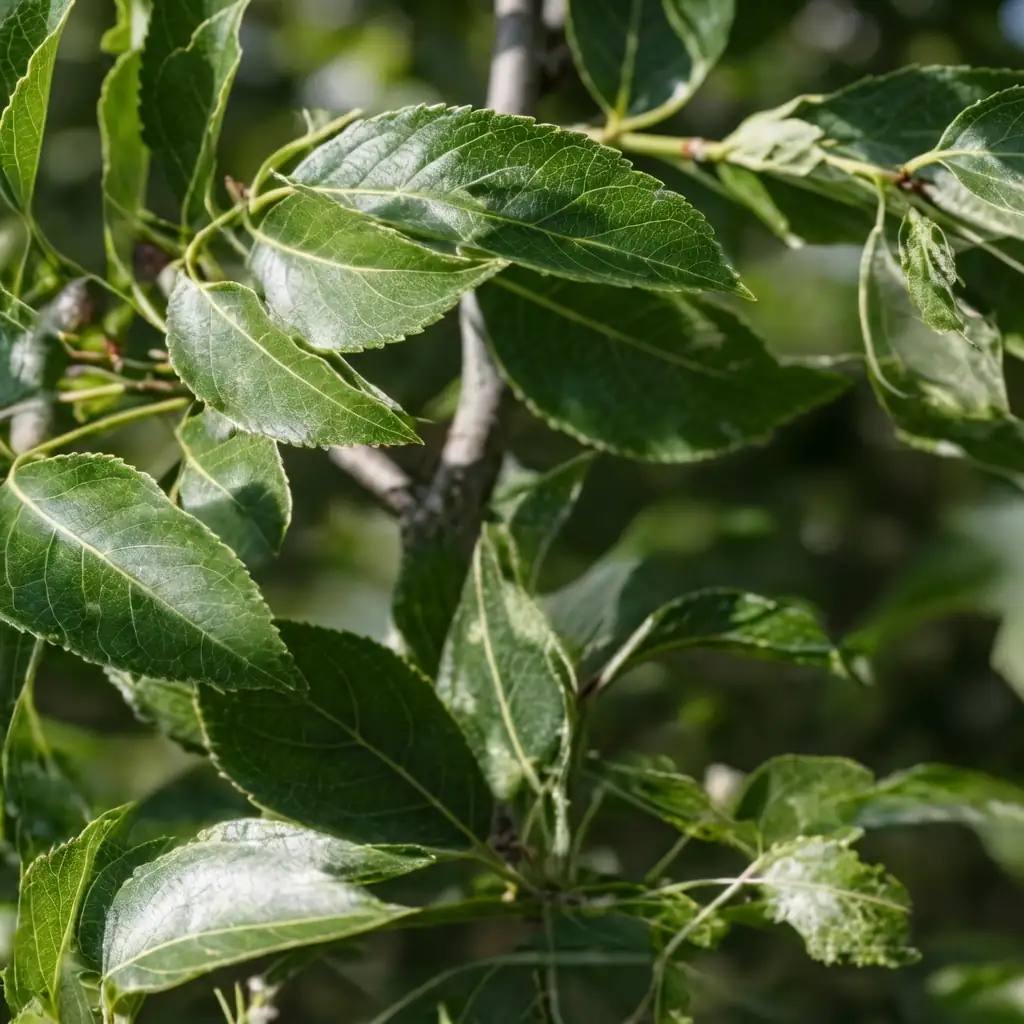
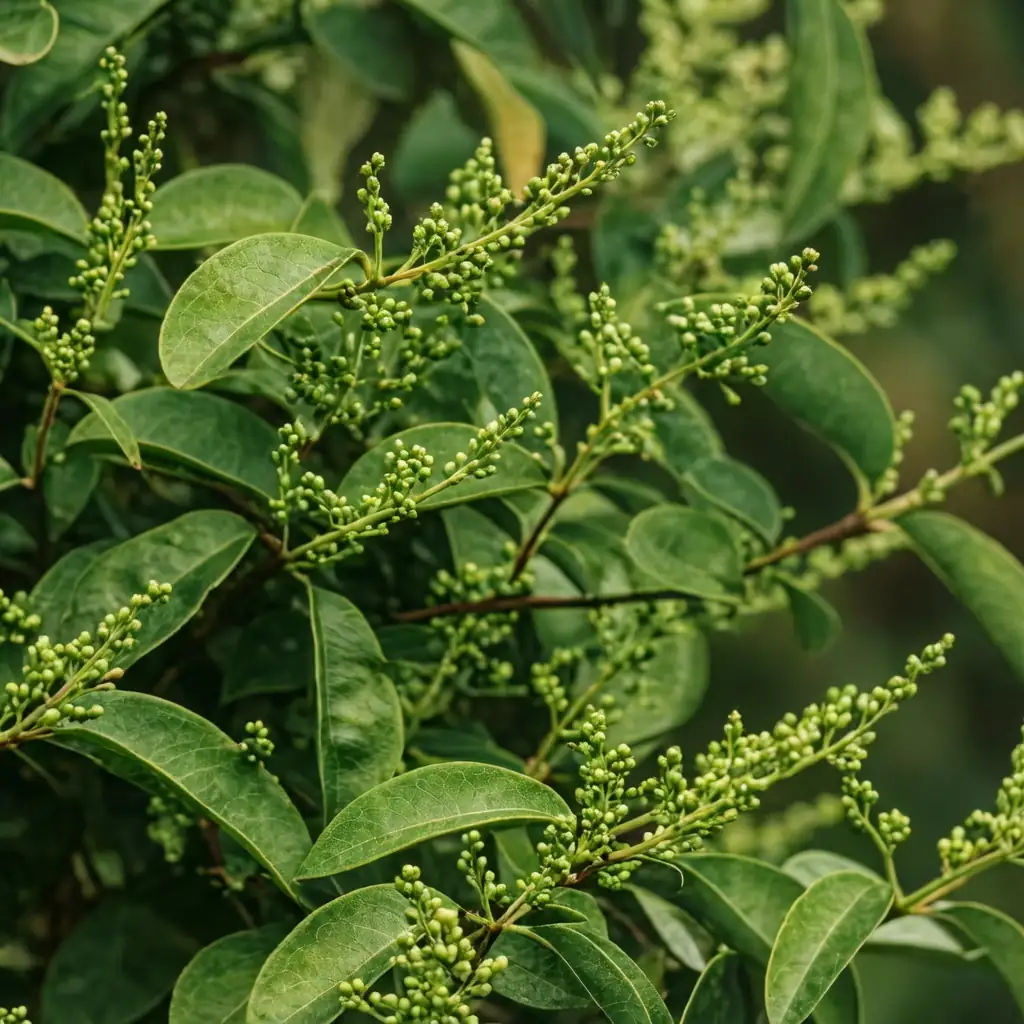
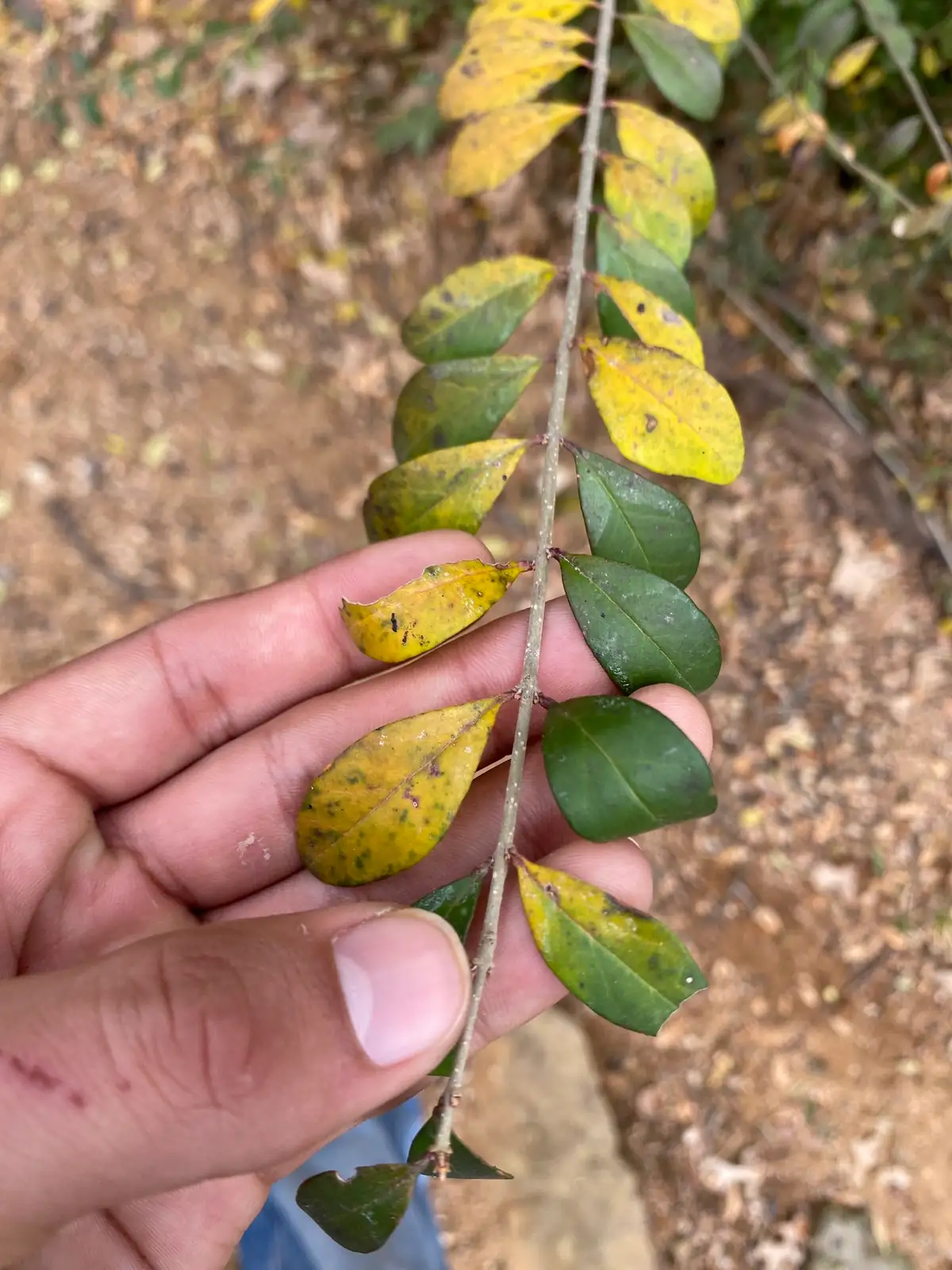
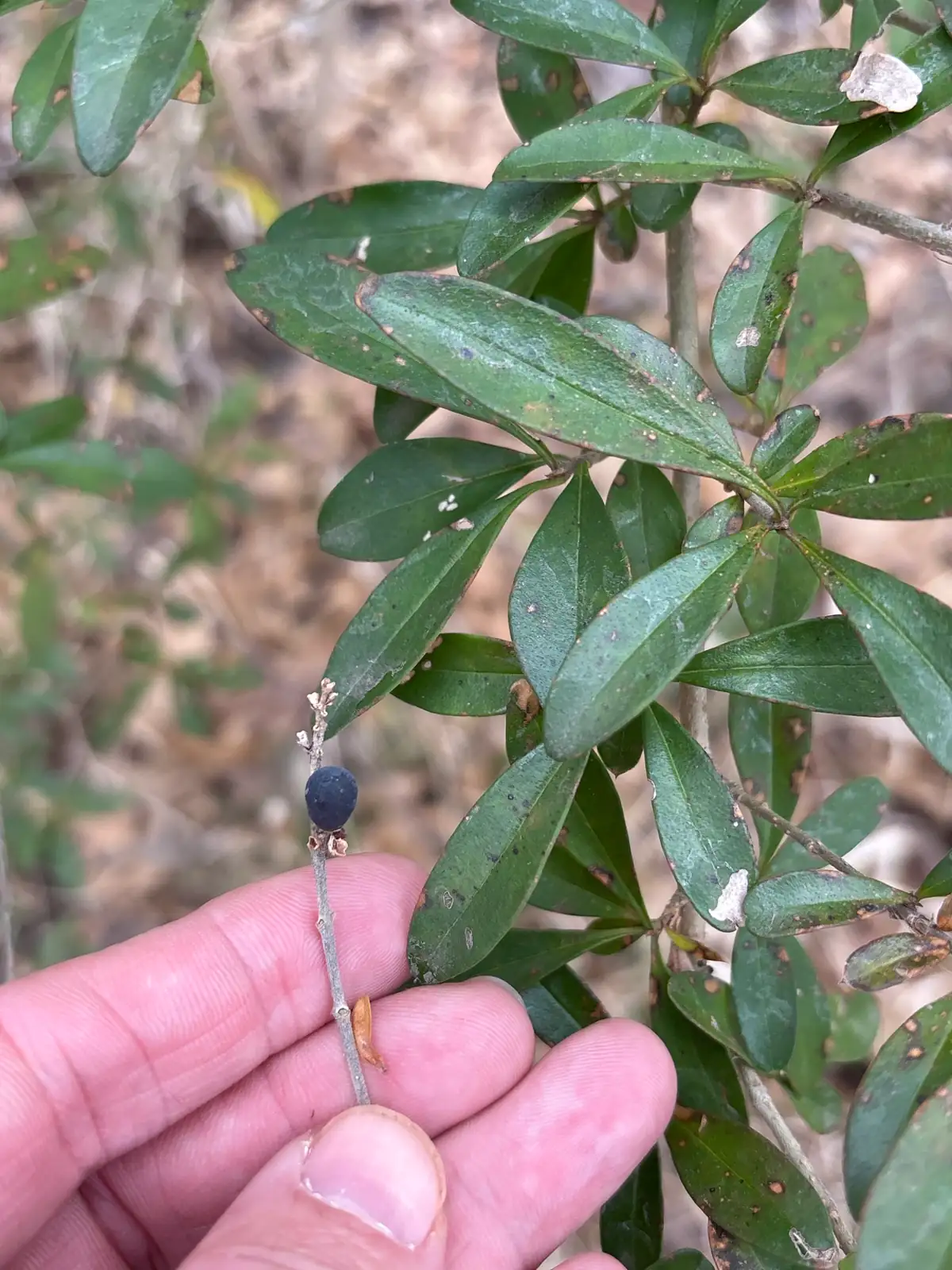
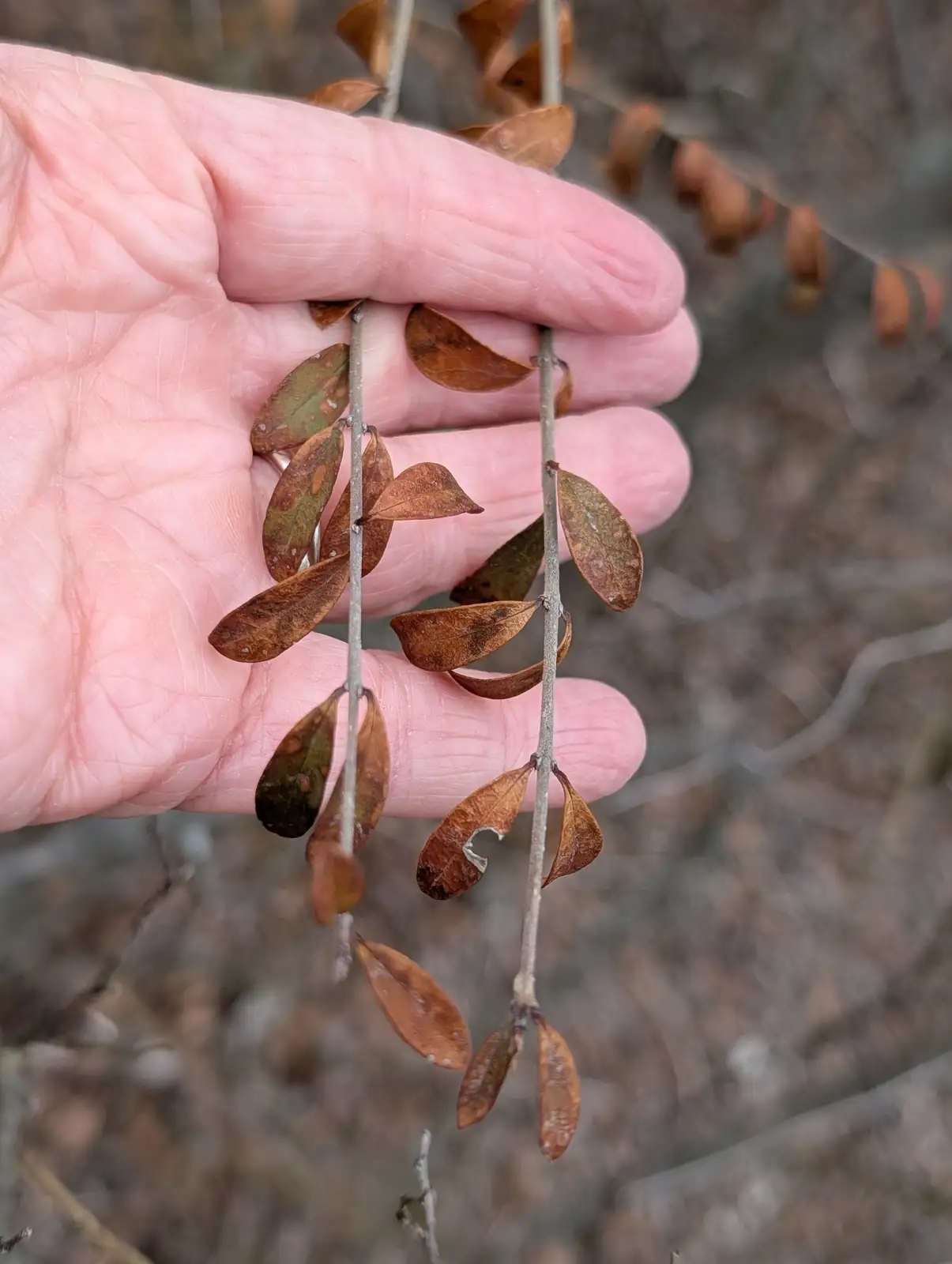
- Foliage: Small, oval to elliptic leaves that are usually smooth and hairless, with blunt tips and slightly rolled-back margins. Young twigs may carry fine short hairs, and the leaf stalks can be minutely hairy.
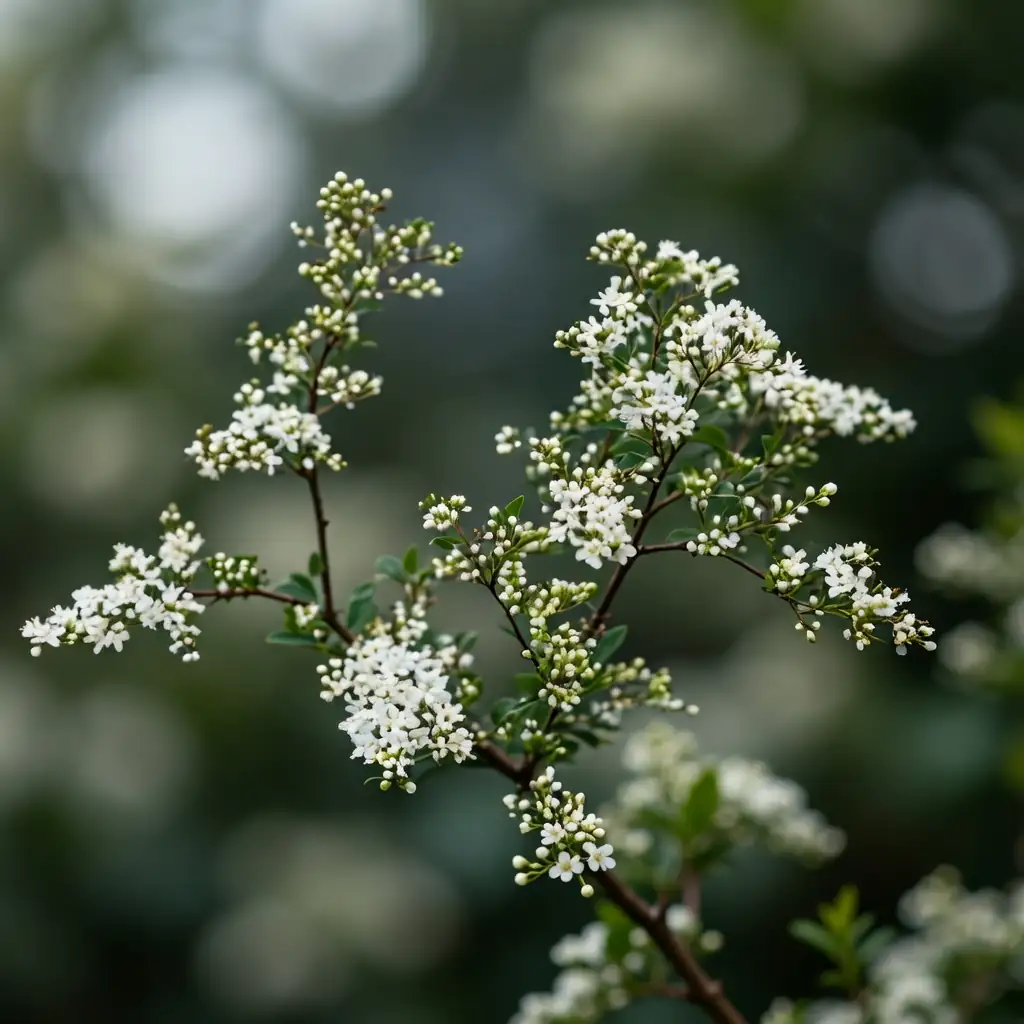
- Flower: Elongated clusters (panicles) of small white flowers that are strongly fragrant, typically about 7–21 cm (2.8–8.3 in) long. Anthers can slightly protrude beyond the corolla.
- Flowering Season: July–August (mid to late summer)
- Growth Habit: A resilient, open-branched shrub that may be deciduous or semi-evergreen depending on winter temperatures. Responds extremely well to repeated trimming and shaping, with strong regrowth from the base.
Environment
Sunlight
Full sun to partial shade; full sun usually gives denser growth and better flowering.
Temperature
Cold tolerant and suitable for many cool-temperate outdoor settings. During active growth it performs well around 10–30°C (50–86°F), and established plants typically handle winter cold without issue in many regions.
Humidity
Adaptable; average outdoor humidity is generally fine.
Soil
Adaptable, but happiest in moderately fertile, well-drained garden soil. Its natural habitat along waterways and on slopes suggests it tolerates varying moisture, as long as the soil doesn’t stay waterlogged.
Placement
Outdoors in gardens, courtyards, parks, and streetscapes—especially good for hedges, screens, borders, and mass plantings.
Hardiness
Cold hardy in many temperate climates; generally not frost-tender once established. Also known for tolerating certain urban air pollutants (including sulfur dioxide and chlorine-related pollution).
Care Guide
Difficulty
Easy. A forgiving, sturdy shrub that recovers quickly after trimming and tolerates a wide range of conditions.
Buying Guide
Pick plants with dense branching and healthy, evenly colored leaves. Avoid shrubs with obvious dieback, blackened/rotting roots, or visible scale insects on stems and leaf undersides.
Watering
Water regularly while establishing (the first growing season). Once established, water during long dry spells; let the top few centimeters of soil dry slightly between waterings. Avoid consistently soggy soil.
Fertilization
Feed in spring with compost or a balanced slow-release fertilizer. If you clip it into a hedge, a light extra feeding in early summer can help support fresh regrowth. In colder-winter areas, avoid heavy nitrogen late in the season.
Pruning
Exceptionally pruning-tolerant. Clip hedges about 1–3 times per year as needed. For a freer shrub form, prune after flowering to shape and remove weak, crossing, or dead wood.
Propagation
Usually propagated by cuttings: semi-hardwood cuttings in summer or hardwood cuttings from late fall into winter. It also resprouts strongly from the base after being cut back.
Repotting
Most often planted in the ground. In containers, repot every 2–3 years into a fresh, well-draining mix; step up one pot size at a time and refresh the top layer annually.
📅 Seasonal Care Calendar
Spring: fertilize; do structural pruning if needed. Summer: water during heat/drought; clip hedges; enjoy bloom (July–August). Autumn: fruits may ripen; reduce feeding. Winter: minimal care; take hardwood cuttings where appropriate.
Pests, Diseases & Safety
Common Pests & Diseases
Can attract common hedge pests like scale insects, aphids, and spider mites. Leaf spot may appear in humid, overcrowded plantings. Improve airflow, avoid overwatering, and use horticultural soap/oil when appropriate.
Toxicity
Privet leaves and fruits are potentially toxic if eaten and may cause gastrointestinal upset in people and pets. Keep berries away from children and animals; consider gloves if you have sensitive skin.
Culture & Symbolism
Symbolism: Because it’s so often clipped into crisp hedges, it’s closely tied to the idea of neatness, order, and defining boundaries in the garden.
History & Legends: A long-used practical shrub in East Asian and temperate landscaping, prized less for drama and more for its reliability, resilience, and willingness to be shaped.
Uses: Ornamental landscaping shrub—especially for hedges, screens, and urban greening where toughness and clipping tolerance matter.
FAQ
Why isn’t my quihoui privet flowering much?
Too much shade is a common reason, and frequent hard clipping at the wrong time can also remove developing flower buds. Give it more sun and do major shaping right after flowering rather than right before the bloom season.
Can it handle cold winters outdoors?
Generally yes once established. In colder climates it may behave more deciduously (dropping leaves), but it typically rebounds strongly in spring.
Fun Facts
- It’s noted for tolerating certain air pollutants such as sulfur dioxide and chlorine-related pollution, which is why it’s often used in urban plantings.
- It can be grown outdoors in northern China and other cool-temperate regions.
- Its flower clusters are surprisingly long for such a small-leaved shrub—about 7–21 cm (2.8–8.3 in)—and noticeably fragrant.
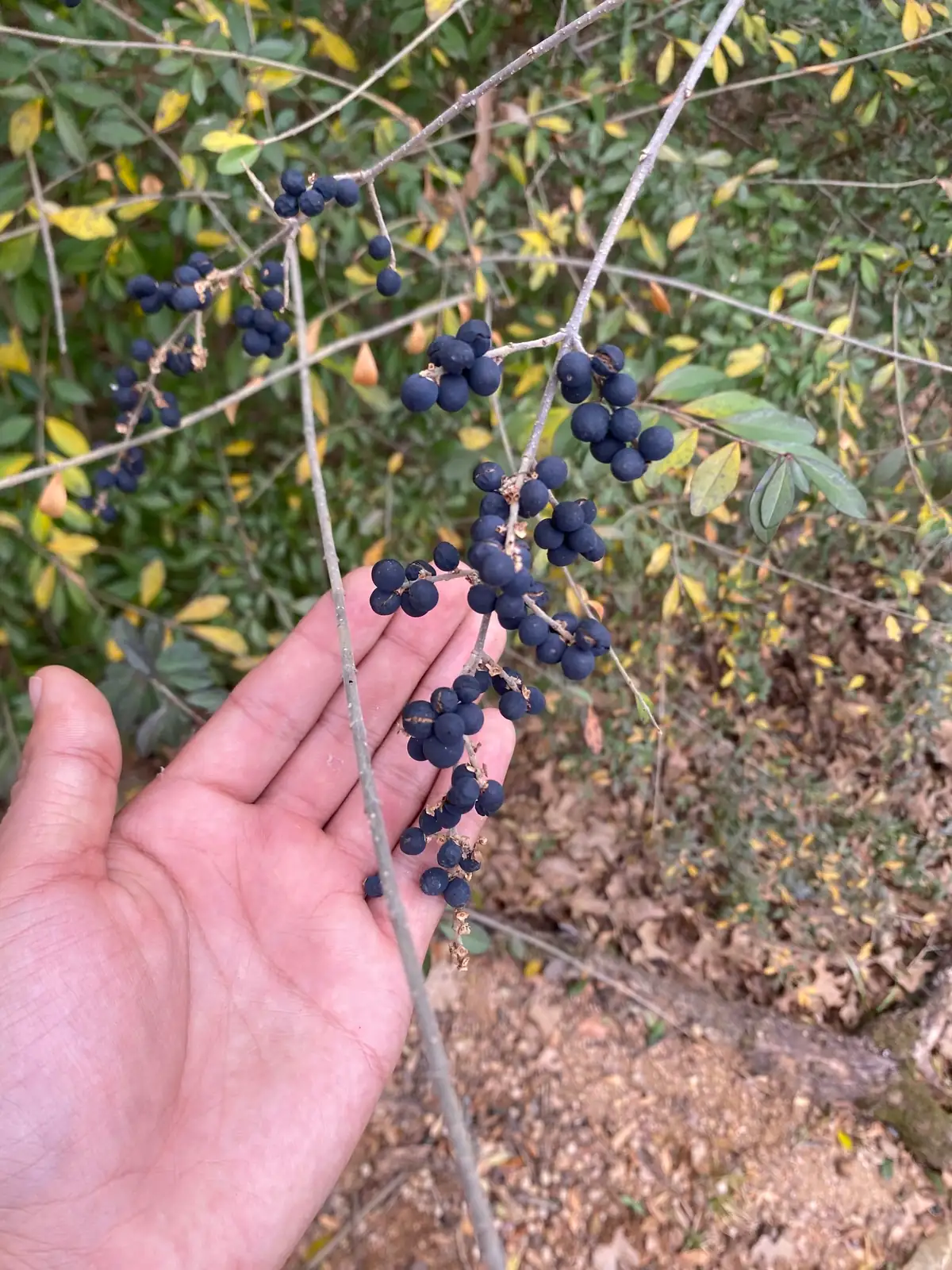
- The purple-black drupes typically ripen in October–November.