Plant Features
- Size: Typically 60–150 cm (24–59 in) tall; spread about 30–60 cm (12–24 in) depending on conditions.
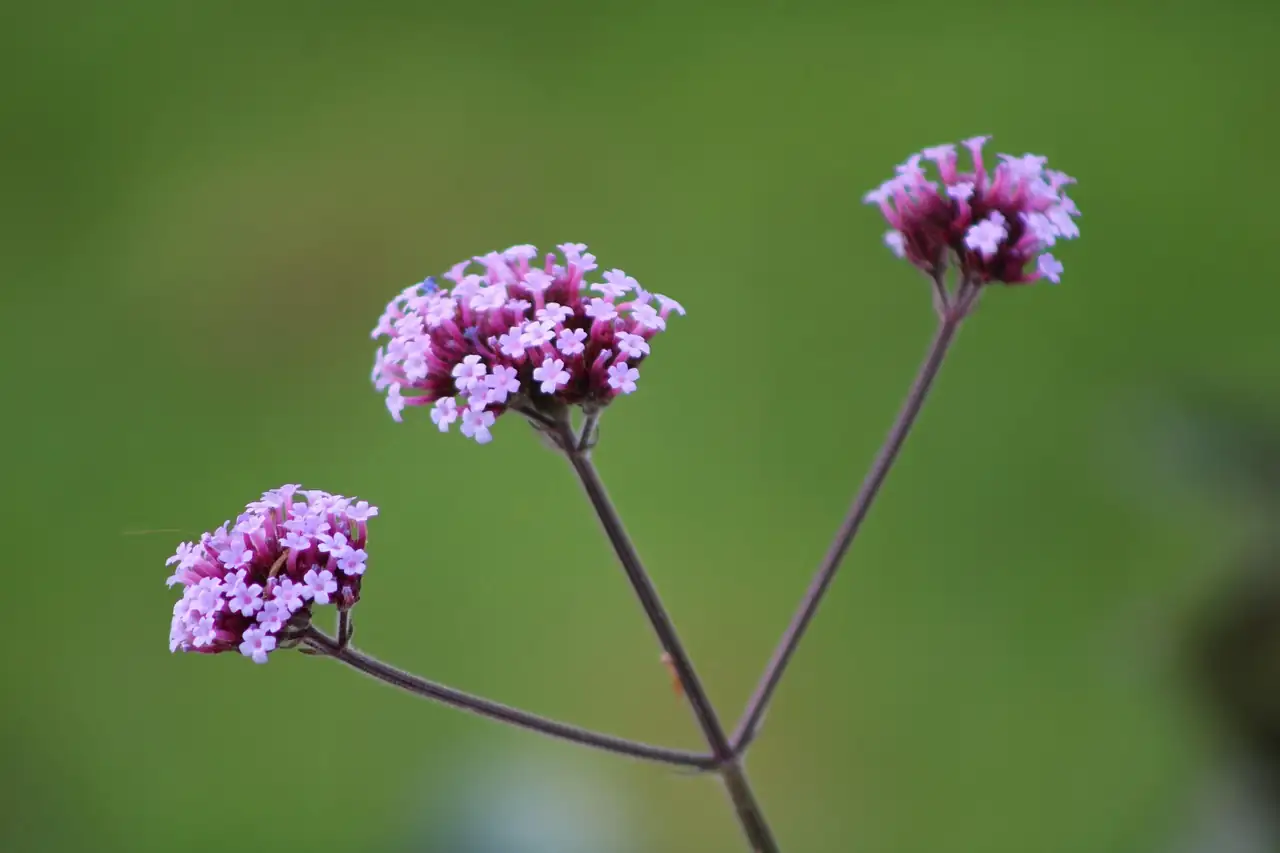
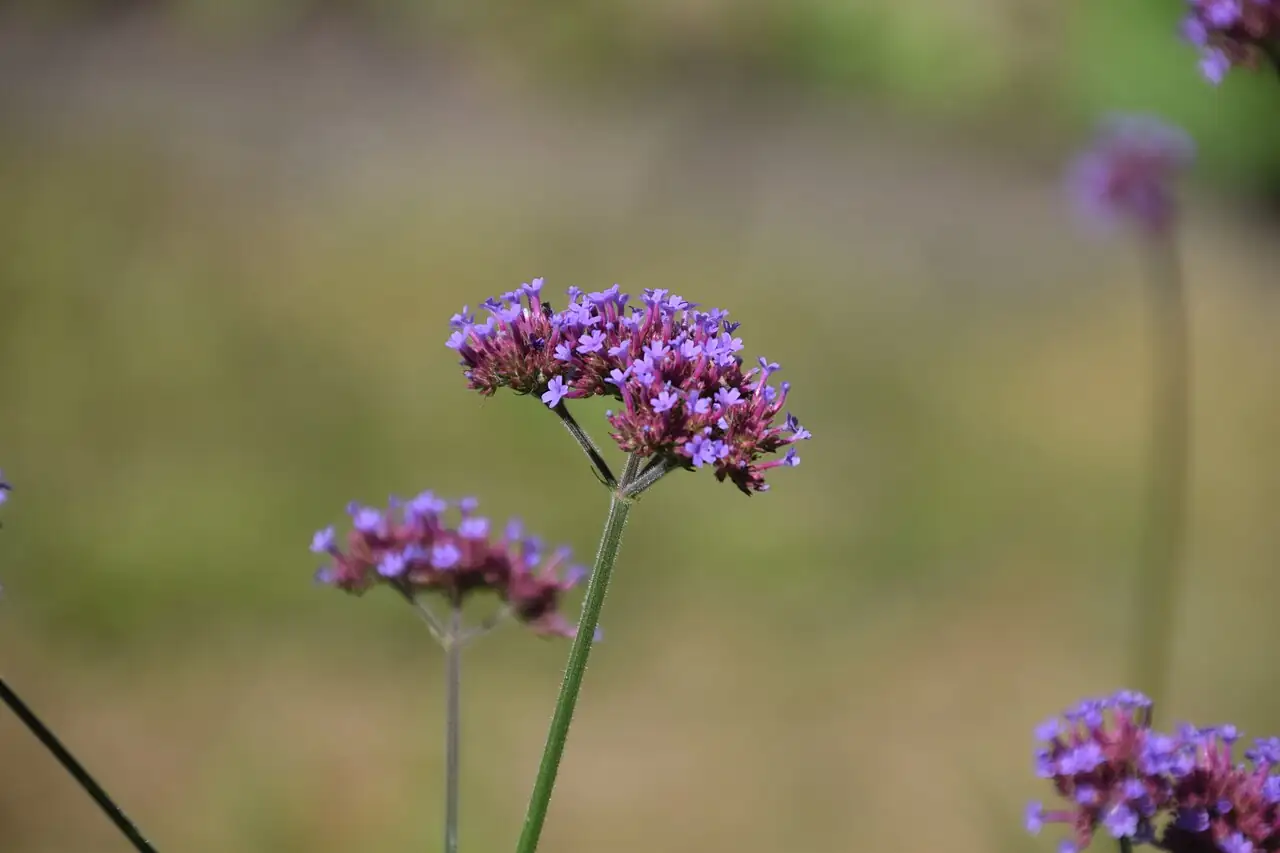
- Foliage: Stems are wiry, square in cross-section, and freely branched. Leaves are opposite; lower leaves tend to be more oval with coarsely toothed edges, while upper leaves become narrower and less noticeable as the flowering stems rise.
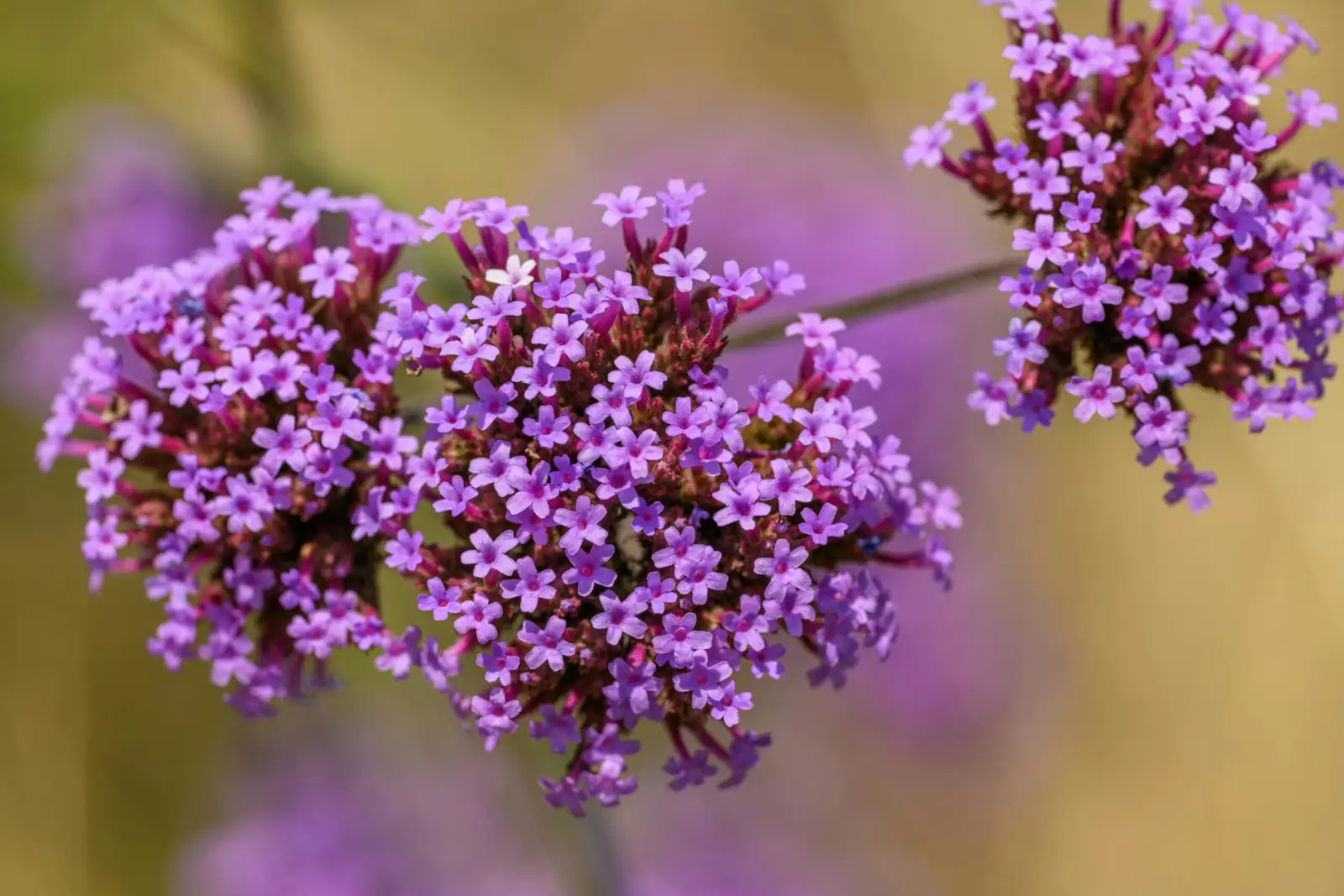
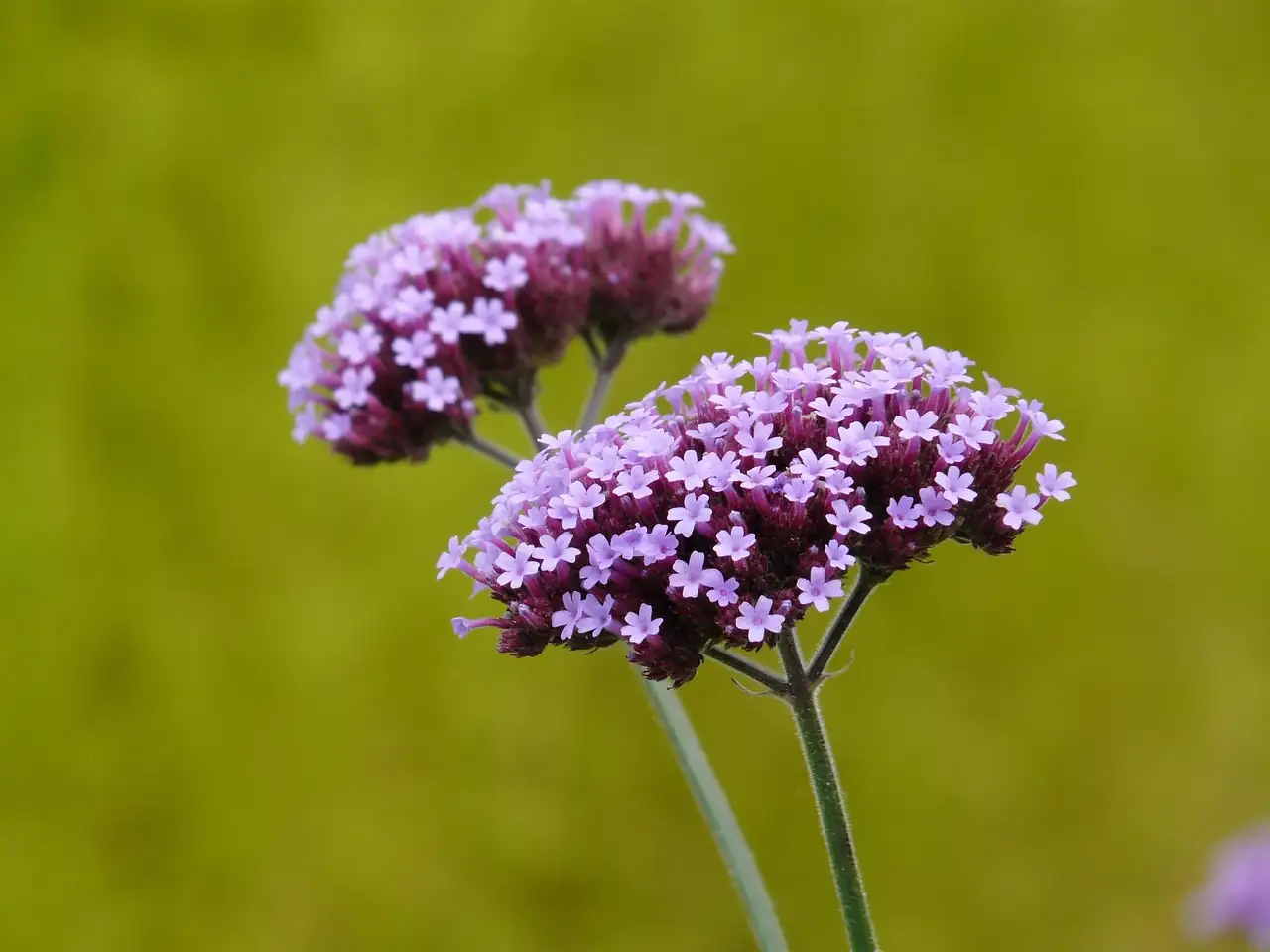
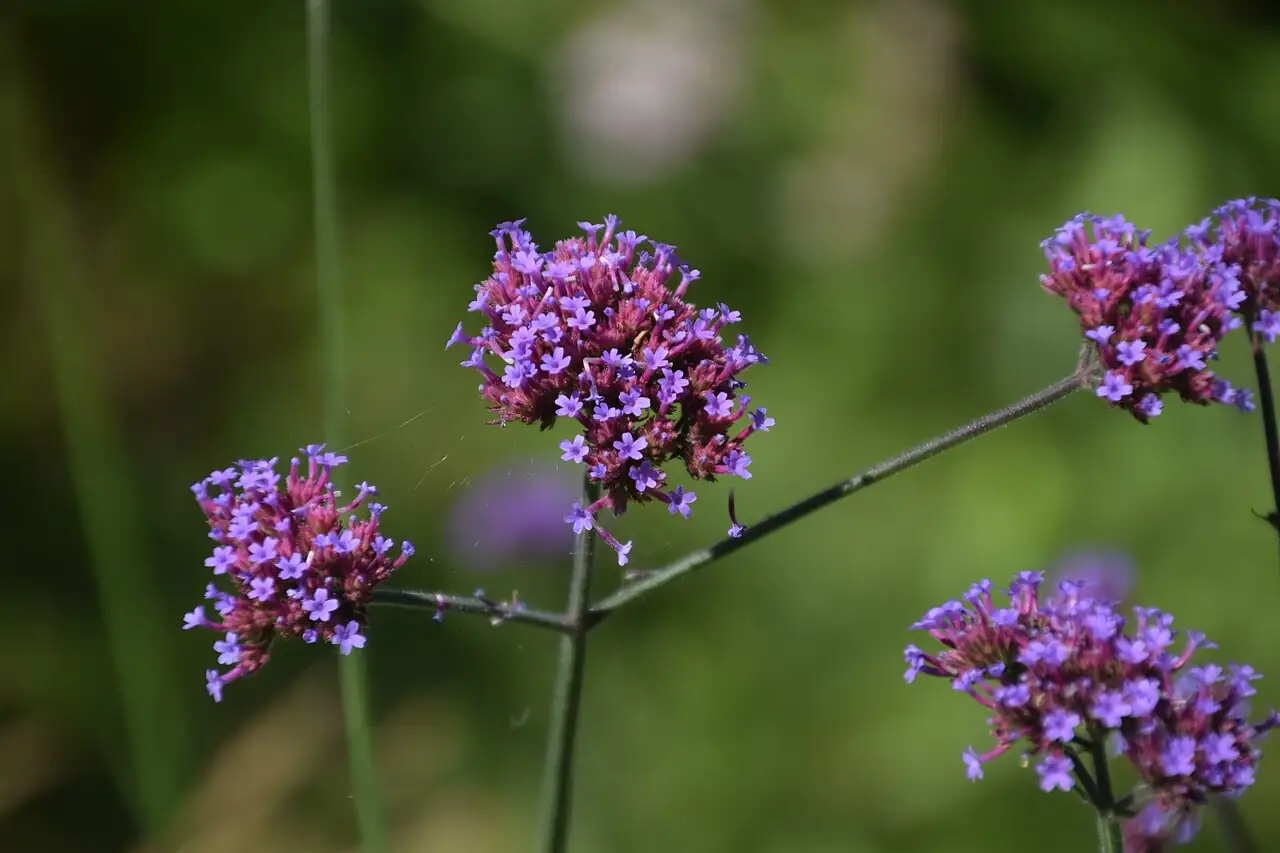
- Flower: Tiny tubular flowers packed into tight, rounded clusters, usually lavender‑purple to bluish. The clusters sit at the tips of tall stems above the leaves. After flowering, it forms dry fruit that breaks into small, nutlet-like segments.
- Flowering Season: Mid-summer to early autumn (commonly July–August; often longer in mild climates).
- Growth Habit: Upright, open, and airy branching herbaceous perennial; may self-seed readily in suitable conditions.
Environment
Sunlight
Full sun for best flowering (at least 6+ hours/day). In humid or rainy climates, pick an open, breezy spot to reduce issues linked to long periods of wet foliage.
Temperature
Best growth at 20–30°C (68–86°F). Growth slows below about 10°C (50°F). Not frost-hardy; prolonged freezing typically kills the plant.
Humidity
Prefers average to dry air. Avoid persistently humid, stagnant conditions; good airflow helps prevent mildew and leaf spotting.
Soil
Adaptable, but happiest in well-drained soil. Avoid waterlogged ground; drought tolerance improves once established.
Placement
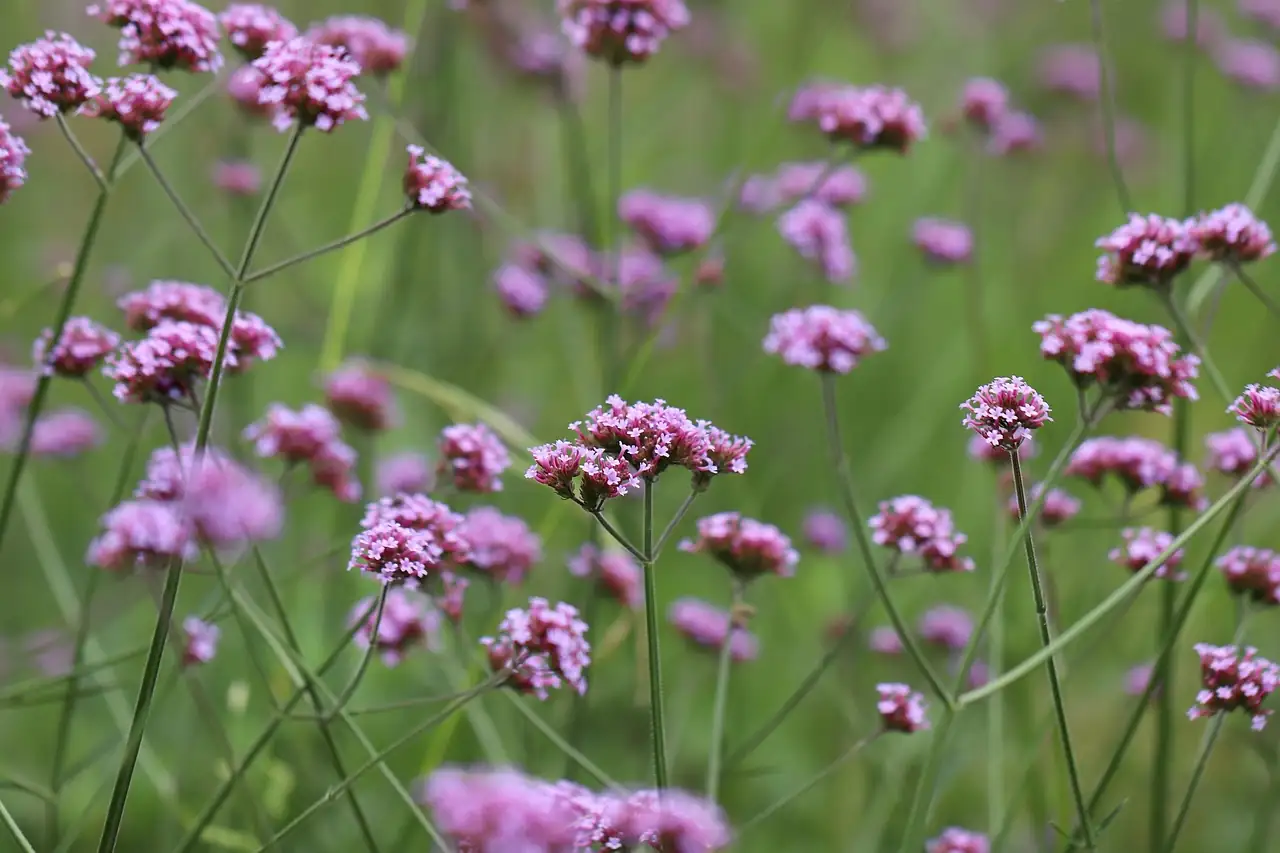
Sunny borders, meadow-style/prairie plantings, and large drifts. Also great along paths and on slopes, where the tall stems can weave through neighboring plants for a natural look.
Hardiness
Typically USDA Zone 7–11 (sometimes listed as 7–10). Often grown as an annual outside its hardiness range.
Care Guide
Difficulty
Easy. It handles poor soils and dry spells well once established; the main keys are plenty of sun, good drainage, and avoiding prolonged wet, still air.
Buying Guide
Choose sturdy, upright plants with firm stems and fresh green foliage. Skip plants that look stretched, floppy, or show black spotting/mildew—often signs of low light, stress, or poor airflow.
Watering
Water regularly during establishment. After that, water sparingly and let the top layer of soil dry between waterings. Avoid overhead watering and avoid sites/pots that stay soggy after rain.
Fertilization
Usually needs little feeding. If growth is weak, use a light, balanced fertilizer in spring/early summer. Avoid heavy nitrogen, which can make it lanky with fewer flowers.
Pruning
Deadhead to extend bloom time and to reduce self-seeding if you want it tidier. After a main flush, a light cut-back can encourage fresh flowering. Staking is rarely needed, but may help in very rich soil or very windy sites.
Propagation
Mostly by seed and often self-sows. Start seed indoors, or direct-sow outdoors after the last frost. Softwood cuttings can also work during warm, active growth.
Repotting
In containers, repot in spring into fresh, well-draining mix. Use a pot with strong drainage holes and enough room for roots to develop.
📅 Seasonal Care Calendar
Flowering is typically July–August, often continuing into early autumn in mild areas. Seed set commonly follows in September–October; collect seed when dry or remove spent flower heads to limit volunteer seedlings.
Pests, Diseases & Safety
Common Pests & Diseases
Usually quite trouble-free. In overly wet or poorly ventilated conditions, it may develop powdery mildew or leaf spot. Aphids can occasionally appear on tender new growth. Best prevention: full sun, airflow, avoid overhead watering, and remove affected foliage promptly.
Toxicity
Generally not considered toxic to people or pets in common horticultural references. Still, chewing or eating ornamental plants can cause mild stomach upset—best to discourage pets from nibbling.
Culture & Symbolism
Symbolism: Often linked with lightness and freedom—its floating flower clusters bring a relaxed, wildflower-meadow feeling to plantings.
History & Legends: A South American species that became a modern garden favorite because it adds height, movement, and long-season color without looking heavy—especially beloved in naturalistic and pollinator-friendly designs.
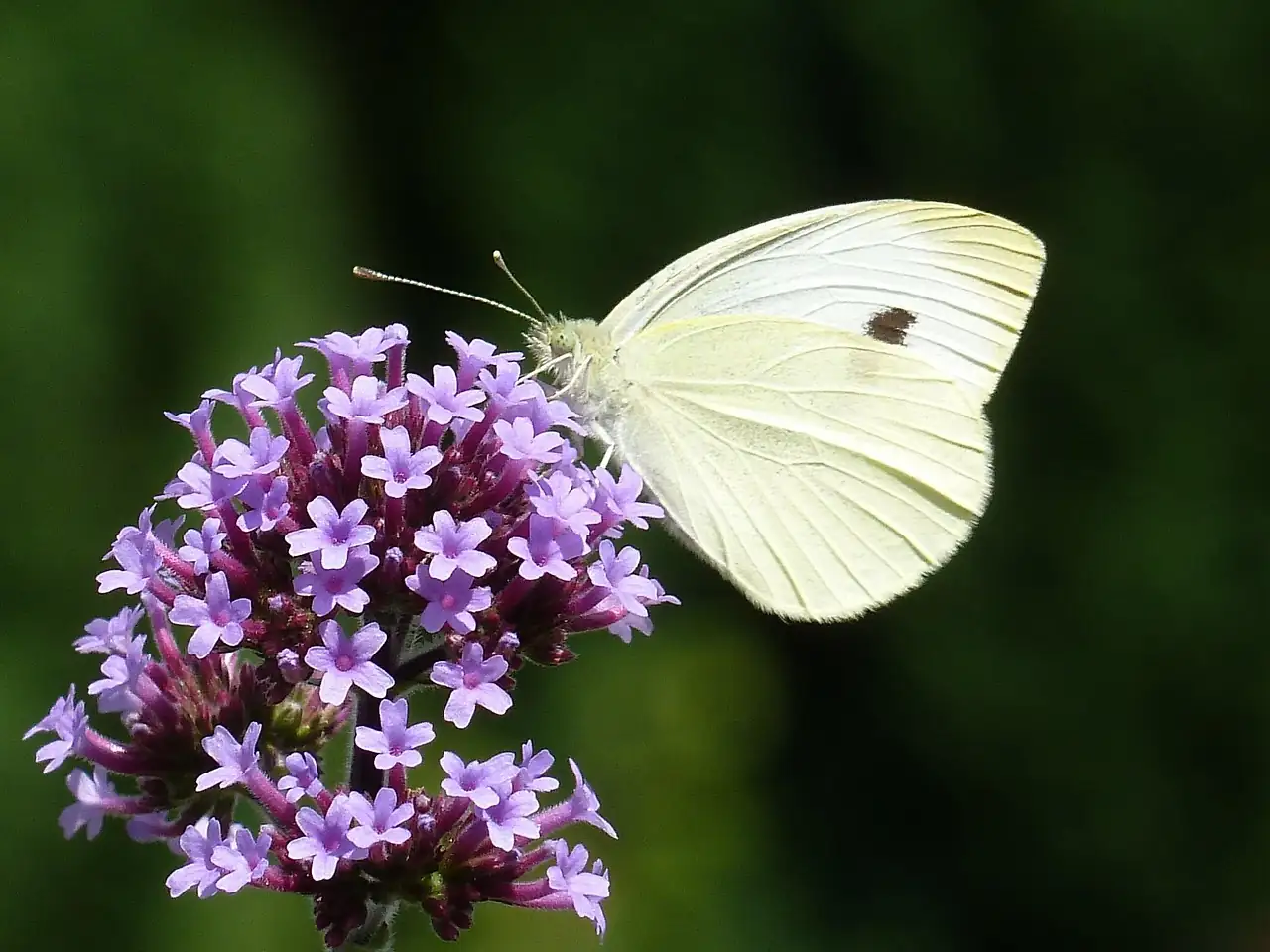
Uses: Primarily ornamental. Excellent for mixed borders, meadow/prairie styles, and mass plantings; prized for its long bloom season and strong pollinator appeal (especially butterflies).
FAQ
When does it flower?
Typically mid-summer (often July–August), and it can continue into early autumn in mild conditions.
When does it set seed?
Commonly September–October, after the main flowering period.
How tall does it get?
Usually about 60–150 cm (24–59 in), depending on growing conditions.
Where is it native to?
South America—especially Brazil and Argentina.
What temperatures does it prefer?
It grows best around 20–30°C (68–86°F). Growth slows below about 10°C (50°F), and it doesn’t tolerate frost well.
Fun Facts
- Even though it’s technically a perennial, many gardeners treat it as an annual because hard frost usually kills it.
- Its square stems and opposite leaves are classic family traits shared by many plants in the verbena family.
- Those tiny flower clusters perched on tall stems create a signature “purple haze” effect that looks like it’s floating above the border.
- In the right spot, it can self-seed and pop up again year after year with very little effort.
- Once established, it handles dry periods better than many summer bloomers.