Plant Features
- Size: Typically sold and grown in 12–15 cm (4.7–5.9 in) pots; a mature indoor plant is often about 20 × 20 cm (8 × 8 in) and may spread wider with age. For a fuller display, growers commonly plant 3 young plants together in one pot.
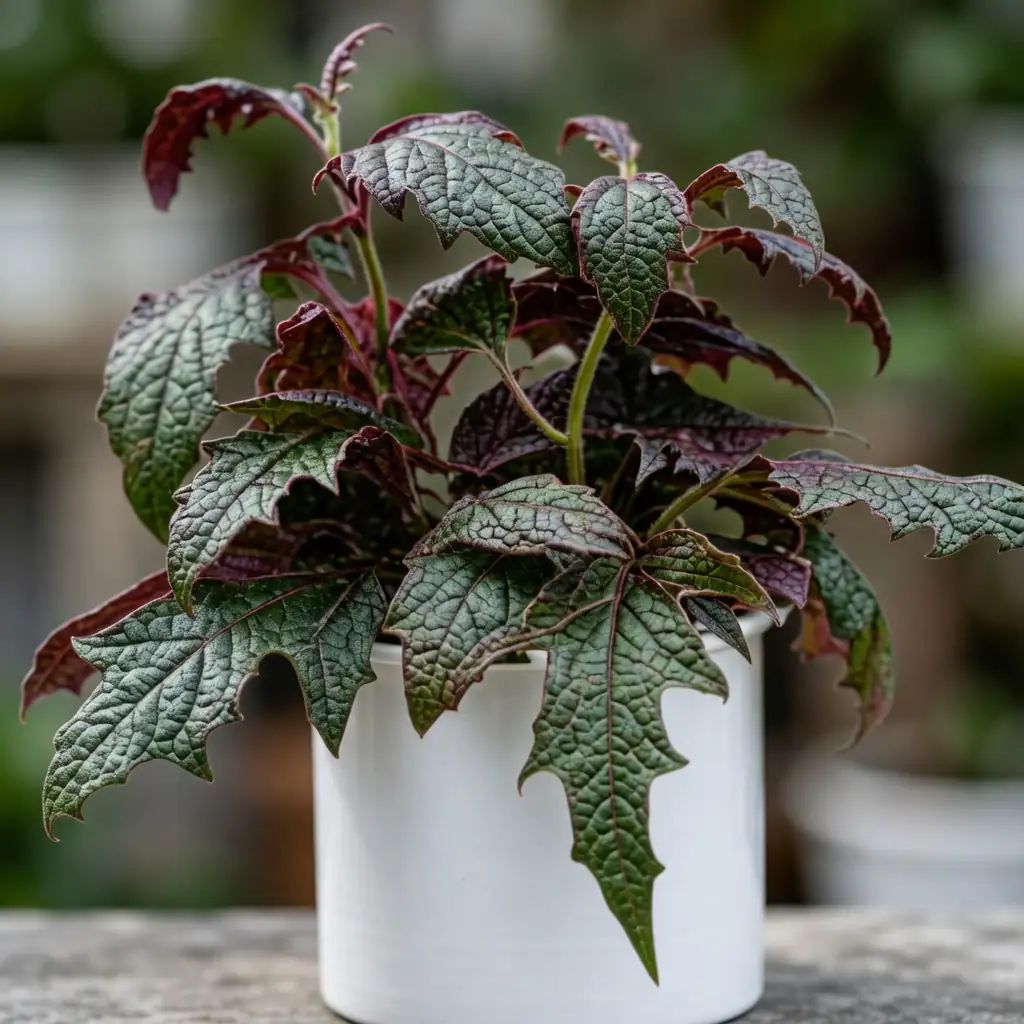
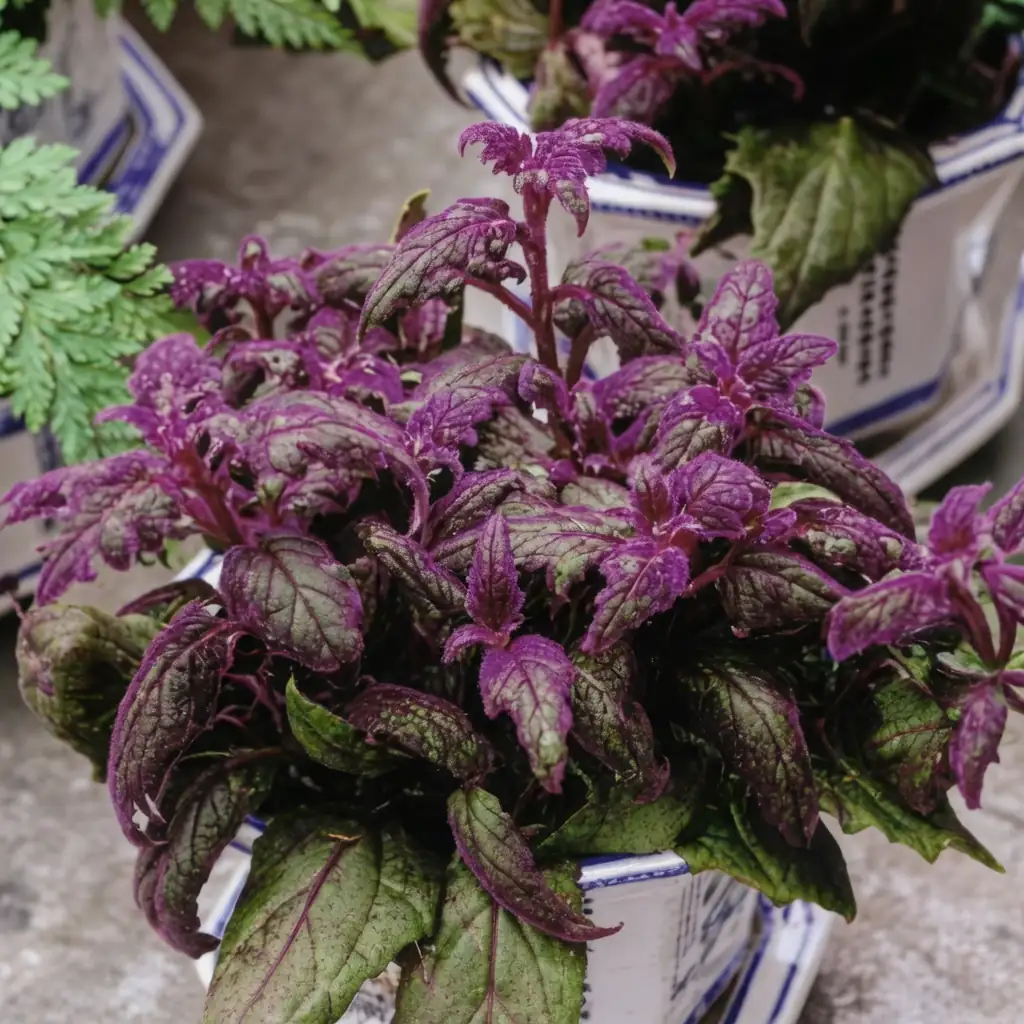
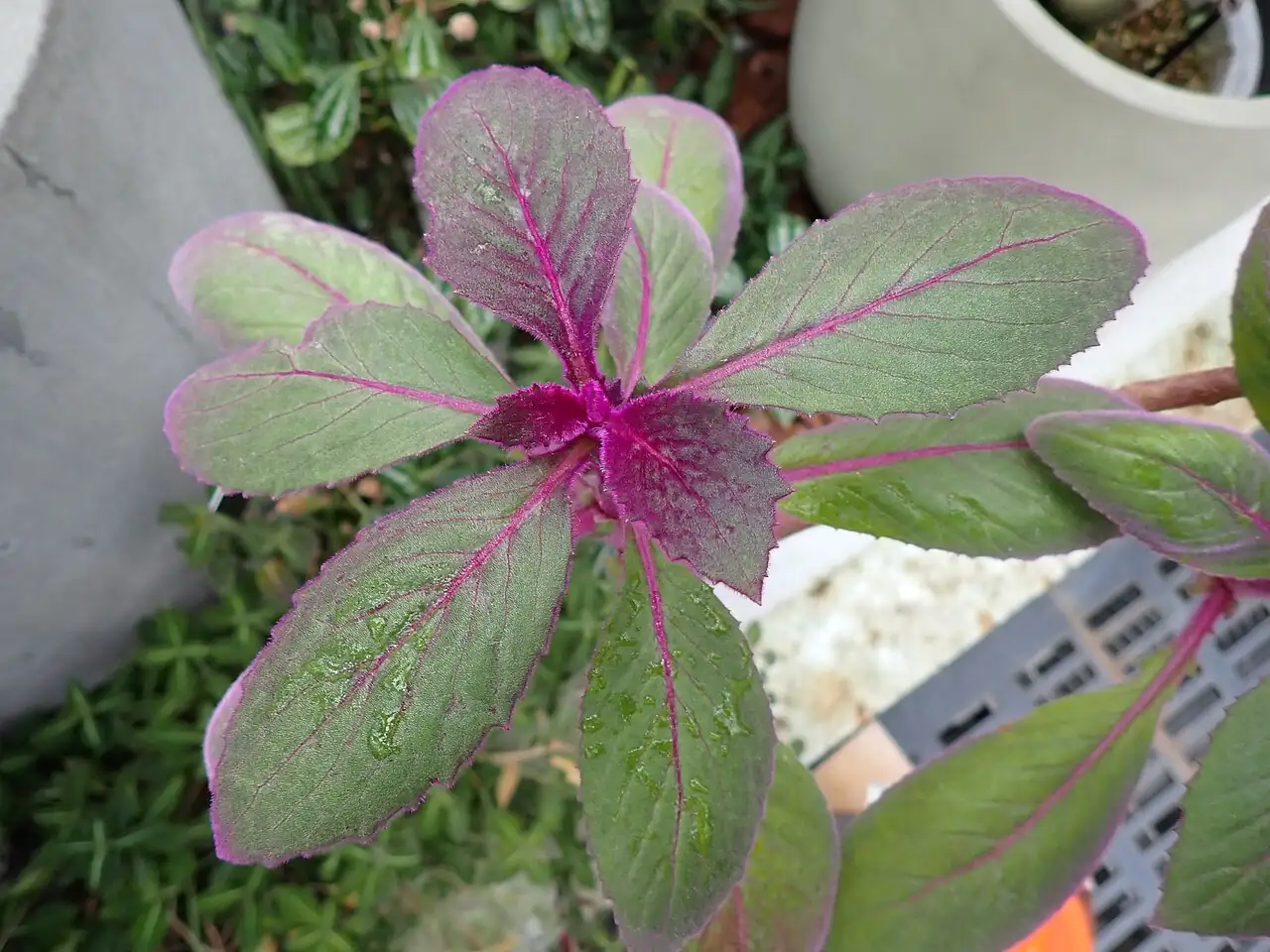
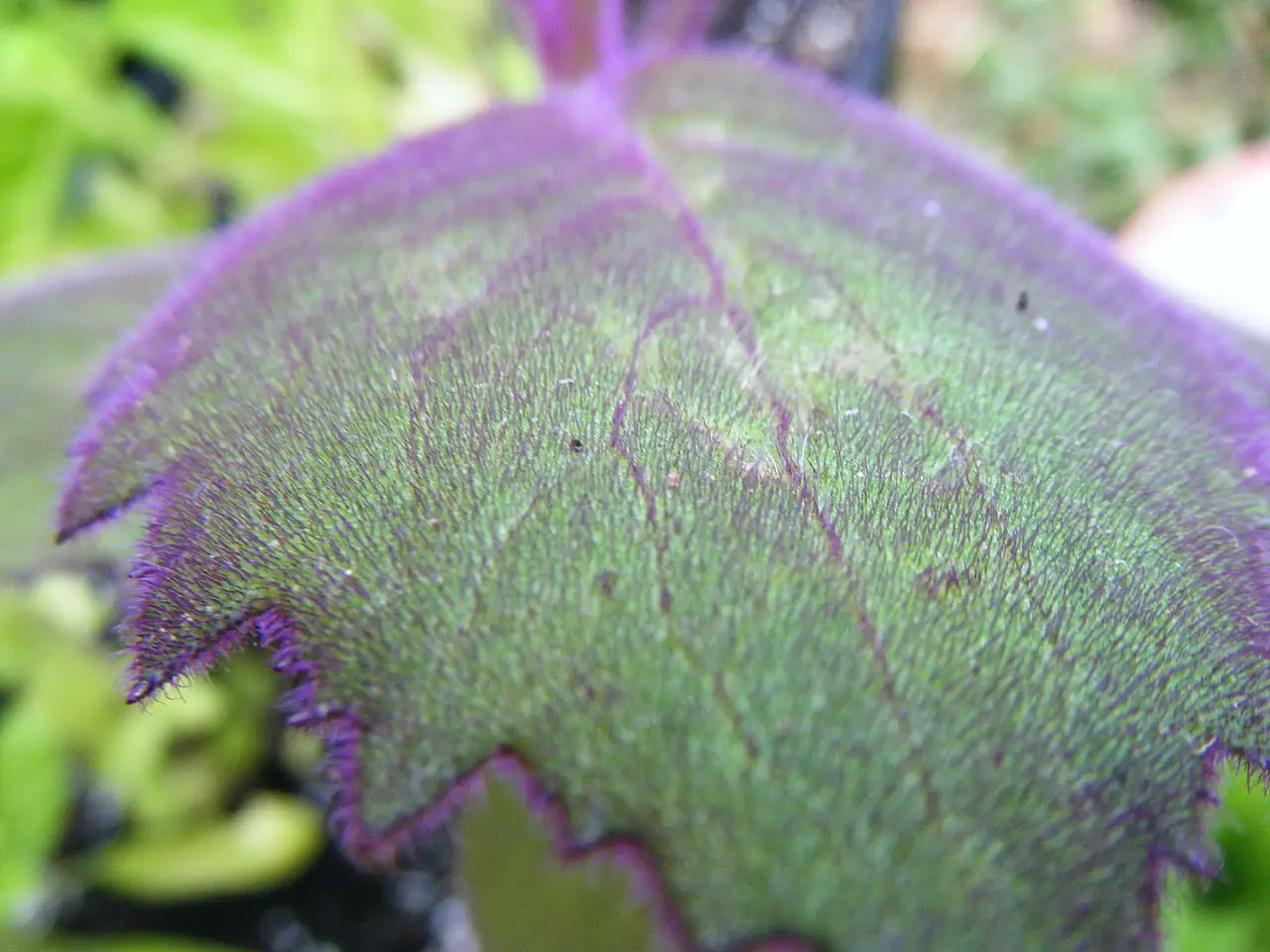
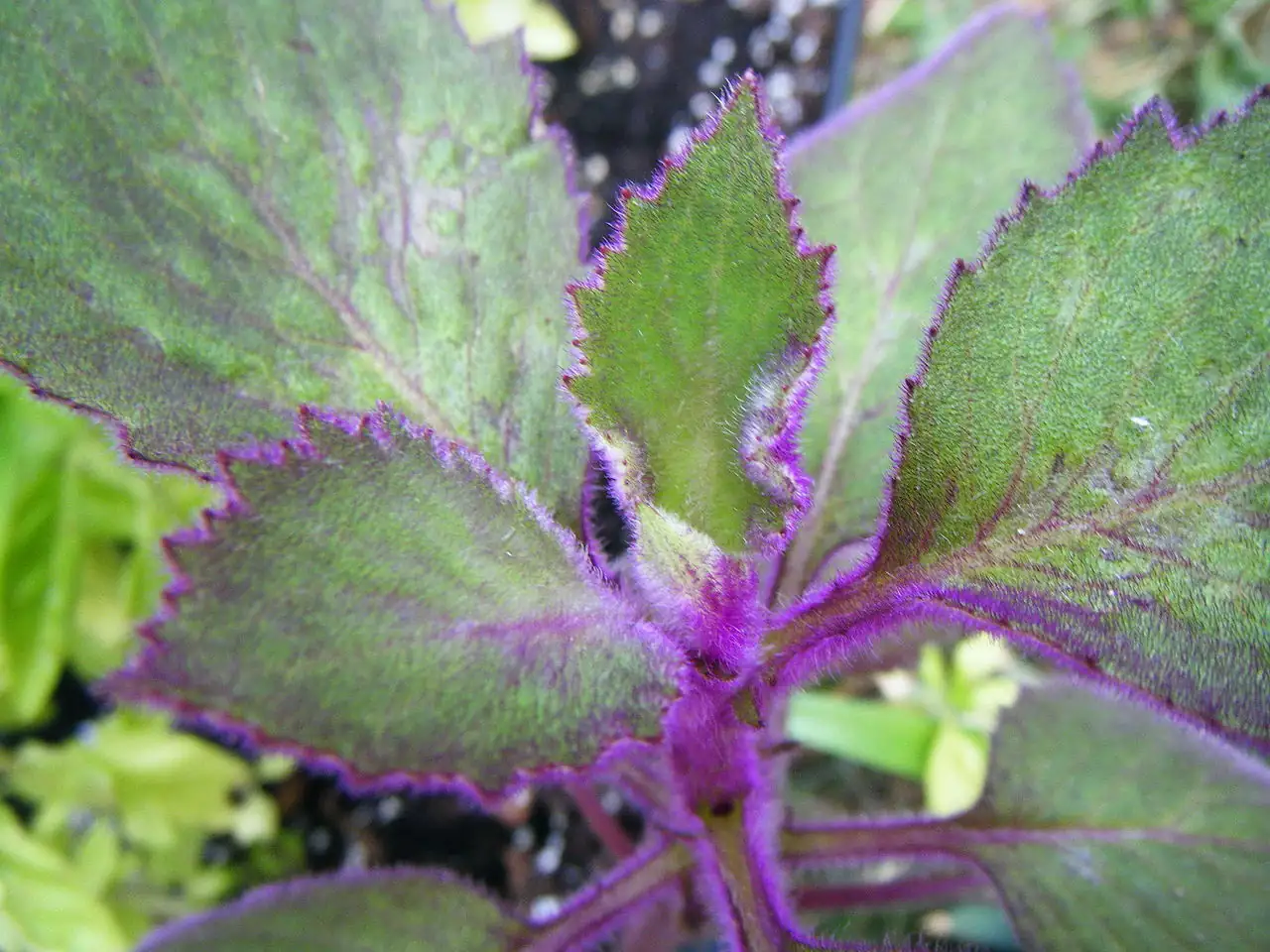
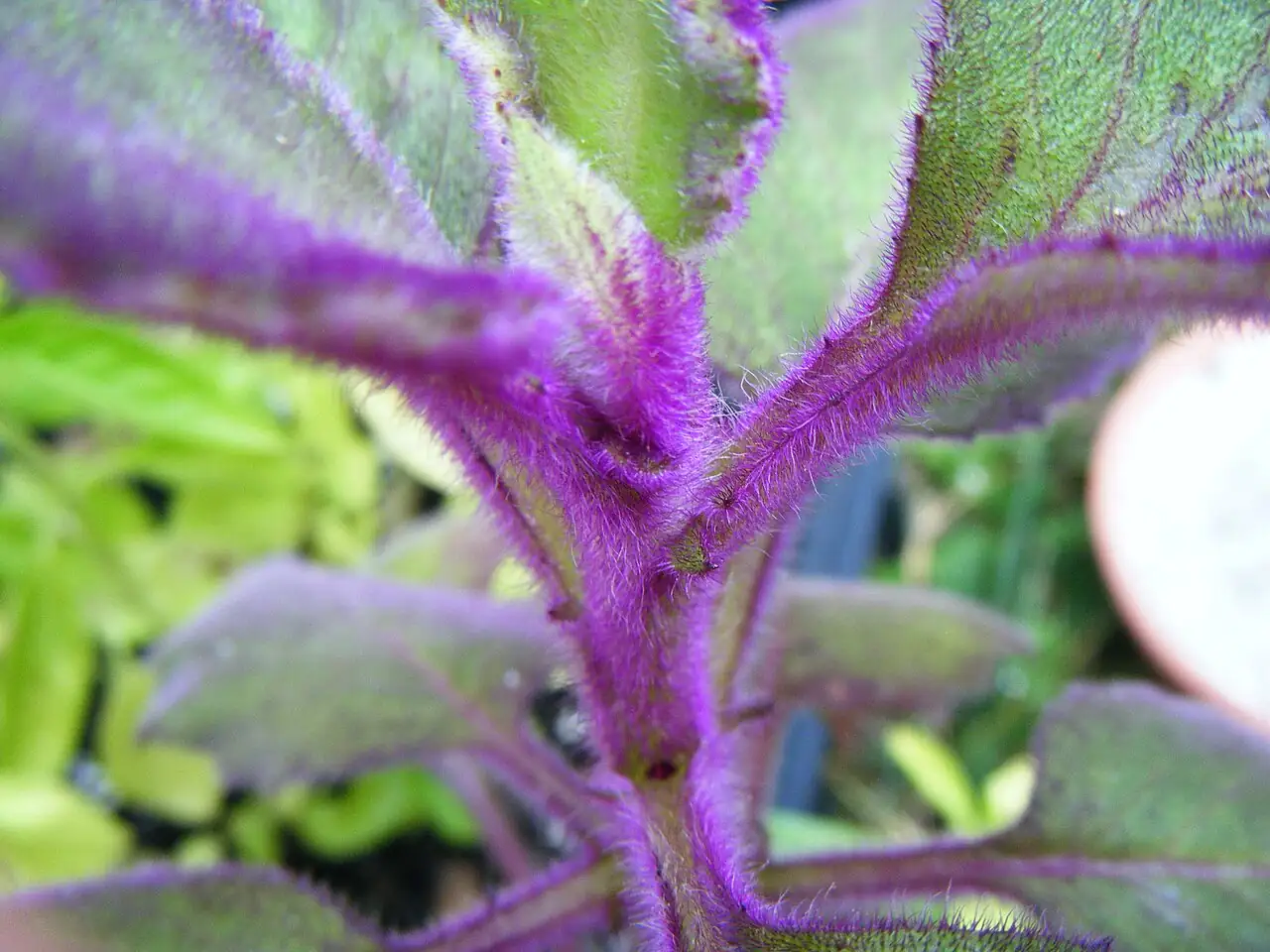
- Foliage: The leaves are soft and velvety, with shallow lobes and a plush coating of fine purple hairs over green leaf blades, creating a striking purple-green two-tone look. Stems and petioles tend to trail gracefully. Keep the foliage dry—water droplets cling to the hairs and can cause spotting or rot, dulling that signature velvet sheen. In low light or as leaves age, the purple effect can fade; below about 10°C (50°F) chilling injury may show up as yellowed edges and scorched-looking patches.
- Flower: Small daisy-like flower heads in yellow to yellow-orange. Indoors, buds are often removed because the flowers are usually less decorative than the foliage and can give off an unpleasant odor.
- Flowering Season: Late fall to winter (often winter indoors; timing varies with conditions).
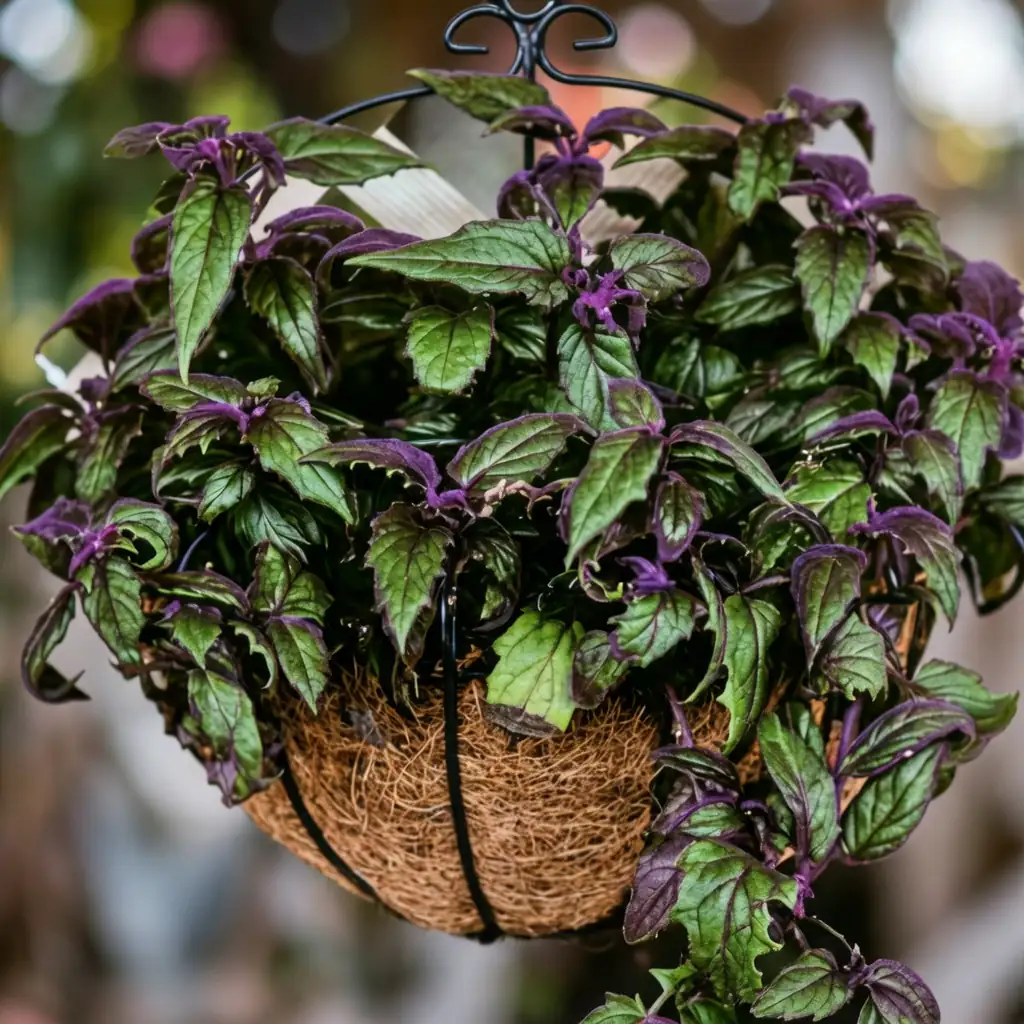
- Growth Habit: Compact when young, then semi-upright to trailing. Pinching the tips encourages branching and a denser, cascading shape—ideal for hanging baskets.
Environment
Sunlight
Bright, indirect light to light shade. An east or west window is ideal, or near a south-facing window filtered by a sheer curtain. Avoid harsh direct midday sun, which can scorch leaves and dull the purple fuzz; too little light causes greener, leggier growth and fading color.
Temperature
Best growth around 13–27°C (55–81°F), with many growers aiming for roughly 15–24°C (59–75°F). Protect from chills and keep above about 10°C (50°F), especially in winter.
Humidity
Moderate humidity is usually perfect—around 40–60% is a helpful target. Higher humidity can speed rooting and may encourage adventitious roots at nodes, but pair it with decent airflow to prevent issues like rust.
Soil
Loose, fertile, well-draining potting mix. A quality houseplant mix amended with perlite for drainage works well; adding a little compost/leaf mold can boost vigor. For cuttings, use a lighter rooting medium such as compost/leaf mold mixed with coarse sand or another airy amendment.
Placement
Indoors in a bright room with filtered light—windowsills, plant shelves near a bright window, or hanging baskets. For humidity, use a pebble tray rather than misting, and always water at the soil line to keep the leaves dry.
Hardiness
Frost-tender; outdoors year-round mainly in USDA Zone 10–11.
Care Guide
Difficulty
Easy to moderate: it’s generally forgiving if you keep it warm, out of harsh sun, and evenly moist—its main “rule” is to avoid wetting the velvety leaves. It’s also very easy to refresh by taking cuttings when older plants get tired or leggy.
Buying Guide
Pick a plant with dense growth, intense purple fuzz, and firm stems. Avoid stretched, bare stems (a sign of low light), soggy potting mix, leaf spotting from misting/overhead watering, or any soft/rotting patches.
Watering
Spring through fall: water when the surface begins to dry, keeping the mix evenly lightly moist (not waterlogged). Winter: reduce watering and keep it just barely moist, while maintaining bright light and warmth. Always water at the soil line—never pour over or mist the leaves. Water propagation also works well: root a cutting in clean water; once roots reach about 10 cm (4 in), you can add a diluted nutrient solution. In very hot summer spells, switch back to plain water and change it frequently; avoid adding fertilizer to the water during heat.
Fertilization
During active growth (spring to fall), feed with a balanced houseplant fertilizer. Depending on your routine, either fertilize about monthly at normal strength or every 2 weeks at 1/2 strength; reduce or pause feeding in winter. Avoid excessive nitrogen (it can cause weak, leggy growth). If following label guidance, a slightly higher-potassium “bloom” formula (e.g., 15-15-30) can be used cautiously.
Pruning
Pinch out stem tips regularly to keep the plant bushy. A good moment to pinch is when shoots reach roughly 20 cm (7.9 in) long/tall. Remove yellowing leaves anytime. If flowers appear indoors, many people remove buds/flowers due to their often unpleasant scent. After about 2–3 years, if the plant becomes sparse or weak, restart it from cuttings for a fresh, compact specimen.
Propagation
Very easy from stem cuttings. Take 7–10 cm (3–4 in) soft tip cuttings (often with 4–5 leaves), remove the lower leaves, and root in water or in a moist, airy mix. Keep at about 20–25°C (68–77°F) in bright, indirect light; rooting often takes around 2 weeks. In humid air, nodes may form adventitious roots—those rooted sections can be clipped and potted directly.
Repotting
Repot in spring to refresh the mix and encourage vigorous growth. Frequency can be yearly for best appearance, or every 2–3 years if growth remains strong (repot sooner if root-bound). Typical pot sizes are 12–15 cm (4.7–5.9 in) up to 15–20 cm (6–8 in). Planting 3 starts in one pot creates a fuller look.
📅 Seasonal Care Calendar
Spring: repot, refresh potting mix, and begin new plants from cuttings in late spring. Spring–summer–autumn: keep lightly moist (not soggy), fertilize regularly, pinch tips for fullness, and remove old leaves; for water-grown plants, change water often in hot weather and avoid fertilizing the water during heat. Winter: keep above 10°C (50°F), reduce watering, provide bright indirect light; flowering may appear—remove buds if you dislike the smell.
Pests, Diseases & Safety
Common Pests & Diseases
Common indoor pests include spider mites, aphids, mealybugs, and whiteflies (especially in dry air). Overwatering can cause root rot. Wet foliage can lead to spotting and dull patches; in humid, poorly ventilated conditions it may also develop rust—improve airflow, keep leaves dry, and remove affected parts. Treat pests early with insecticidal soap or horticultural oil, and isolate affected plants to prevent spread.
Toxicity
Not considered highly toxic, but ingestion may cause mild stomach upset, and sap/fuzzy hairs can irritate sensitive skin. Keep out of reach of children and pets and wash hands after handling if you’re prone to irritation.
Culture & Symbolism
Symbolism: Often linked with bold individuality and vibrant energy—hard to ignore, just like its purple glow.
History & Legends: Native to Indonesia (notably Java) and grown worldwide as a houseplant mainly for its unusual purple, velvety foliage. It’s a classic example of a plant loved for leaves more than flowers.
Uses: Ornamental foliage plant for indoor pots, bright windowsills, mixed container plantings, and especially hanging baskets.
FAQ
My purple passion plant was super purple when I bought it, but now it looks greener. What happened?
This is usually a light issue. In lower light, the plant produces less intensely purple fuzzy growth and can get leggier. Move it to brighter, indirect light (for example, an east/west window or filtered south light). New growth should regain stronger purple color; older leaves may stay duller.
Can I mist it to raise humidity?
It’s better not to. Water clings to the leaf hairs and can cause spotting, dull patches, or rot. Use a pebble tray, group plants together, or run a humidifier—aim for moderate humidity with good airflow.
How should I water it without ruining the velvet leaves?
Water at the soil line only. Keep the mix lightly moist in spring through fall, and reduce watering in winter. Avoid overhead watering, splashing, and misting so the leaves stay dry and plush.
Do the flowers really smell bad?
They can indoors. The small yellow to orange blooms are often described as unpleasantly scented, so many people pinch off buds and flowers to keep the plant focused on foliage.
How do I propagate it successfully?
Take a 7–10 cm (3–4 in) tip cutting, remove the lower leaves, and root it in water or a light, airy potting mix at around 20–25°C (68–77°F) in bright indirect light. It usually roots quickly, often in about 2 weeks.
Fun Facts
- That neon-purple look comes mostly from dense, light-catching hairs—not just purple pigment in the leaf.
- In humid air, stems can form little adventitious roots at the nodes, making it almost “self-propagating.”
- Many growers treat it as a “renewable” houseplant: when it gets leggy after a couple of years, they simply restart it from cuttings.
- Chilly temperatures below about 10°C (50°F) can quickly show up as damaged leaf edges and patchy spotting.