

Plant Features
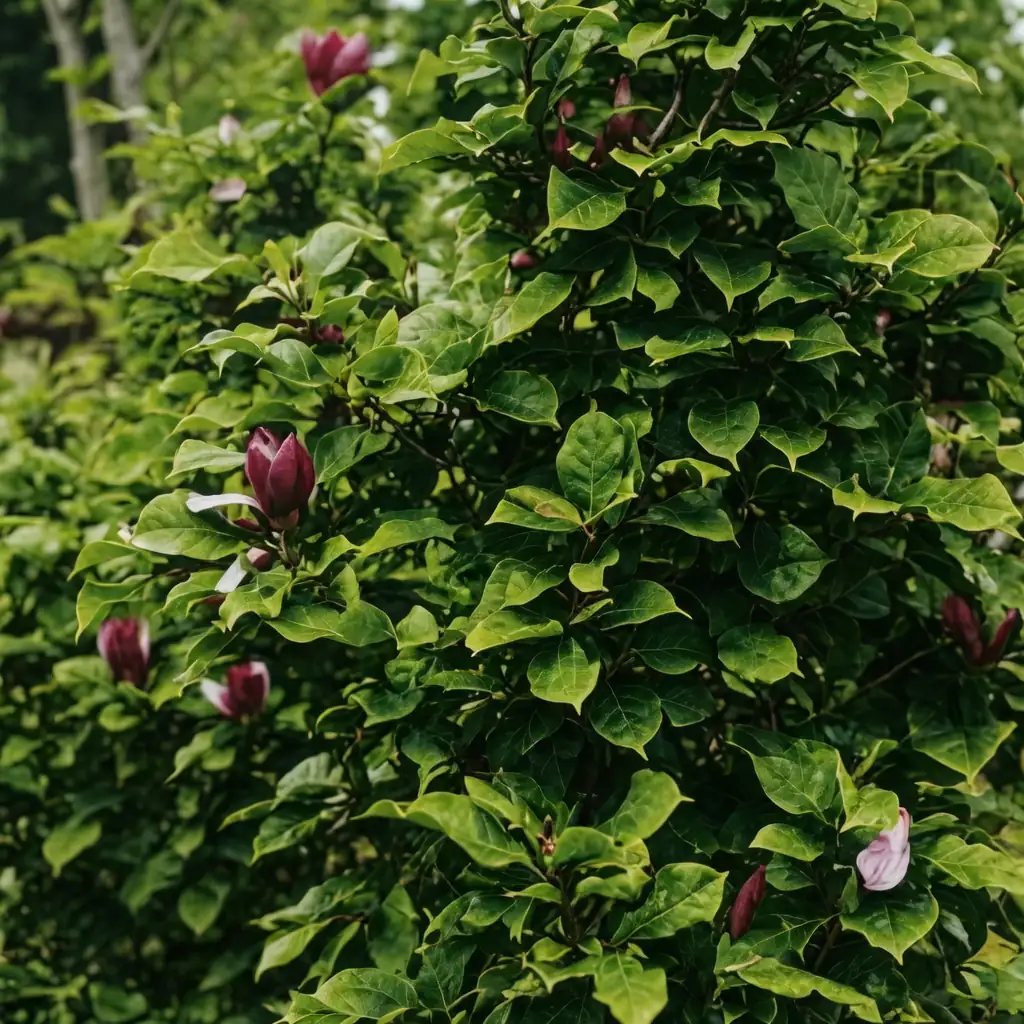
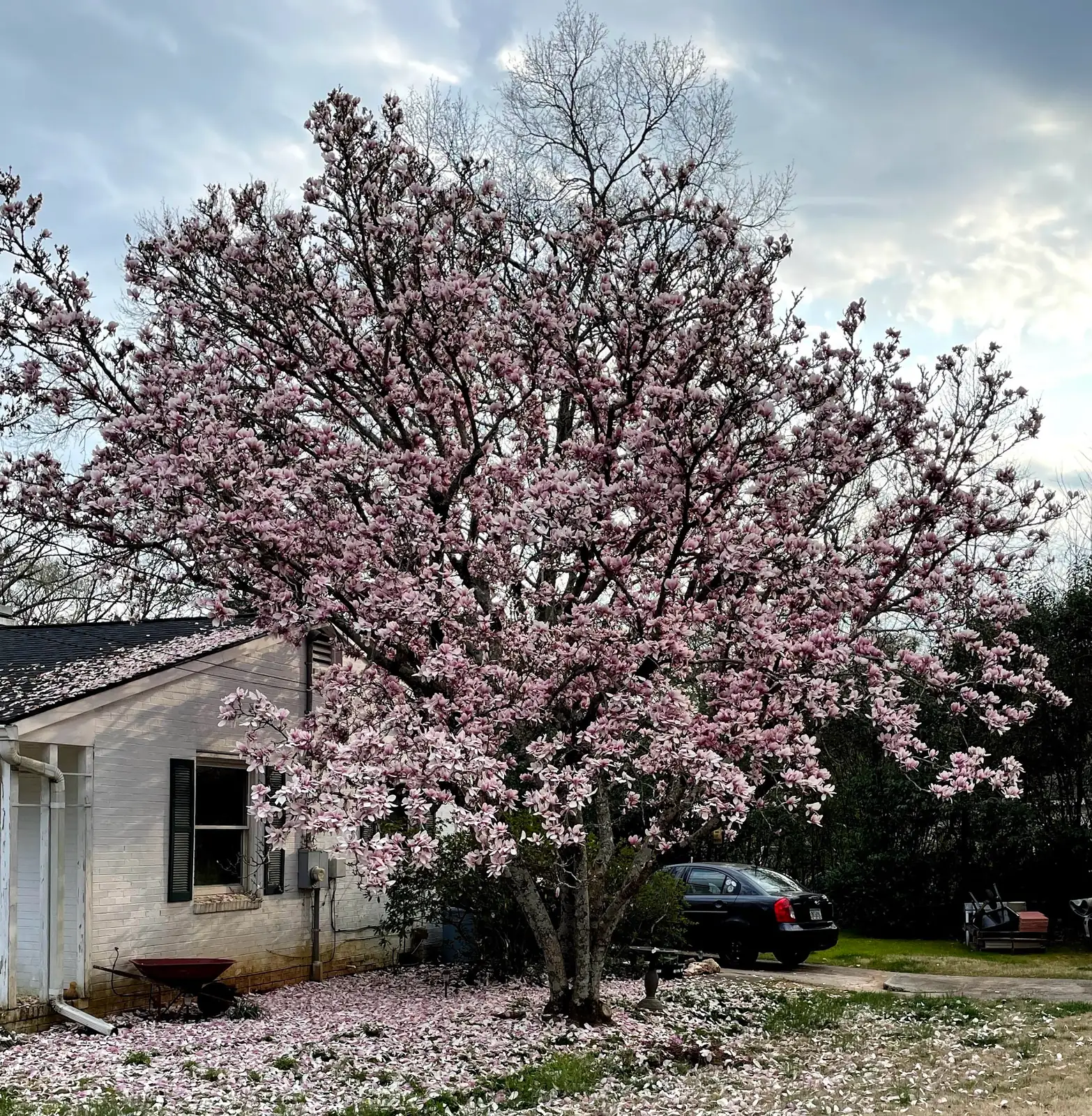
- Size: Typically 3–5 m (10–16 ft) tall, often with a similar spread as it matures depending on site and pruning.
- Foliage: Leaves are oval to elliptic with pointed tips. The leaf underside may show fine short hairs along the veins, and the stipule scars are often noticeable along the petiole—one of those small magnolia details plant lovers enjoy spotting.
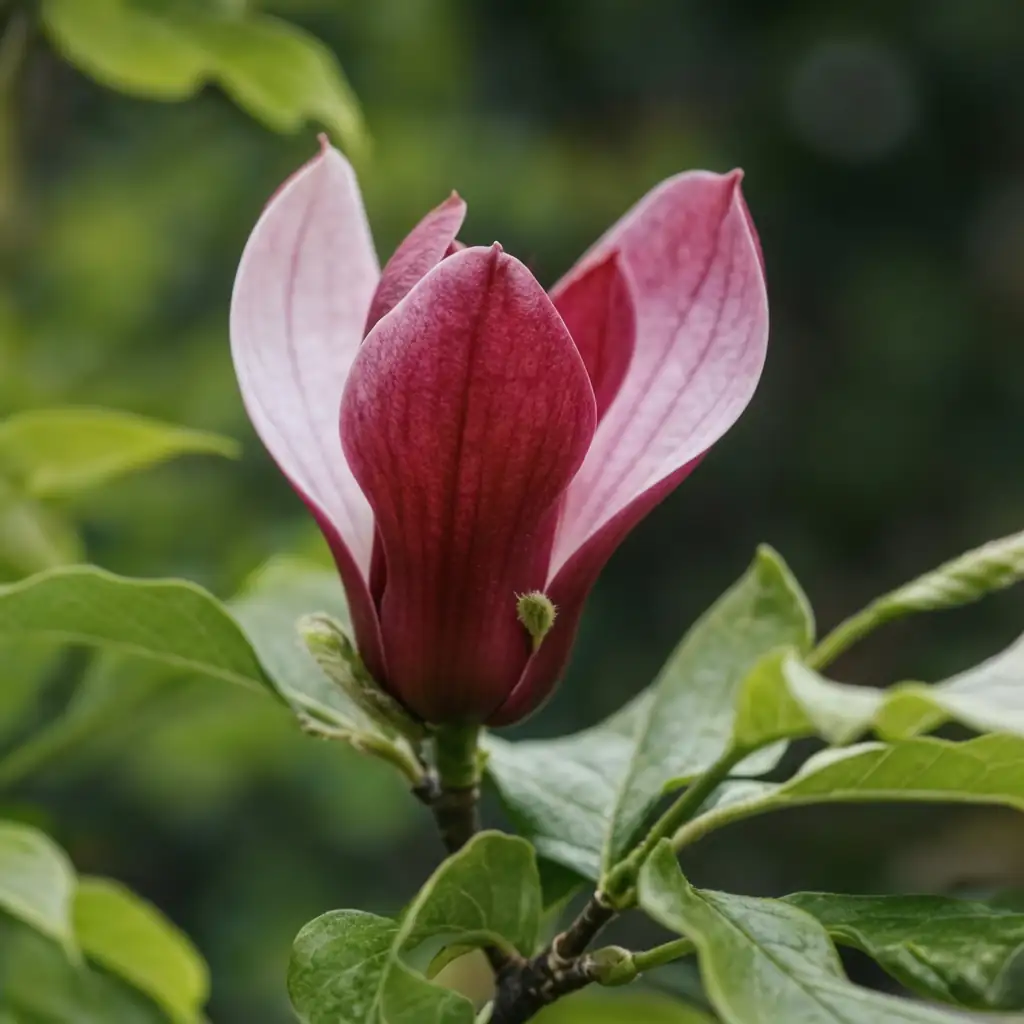
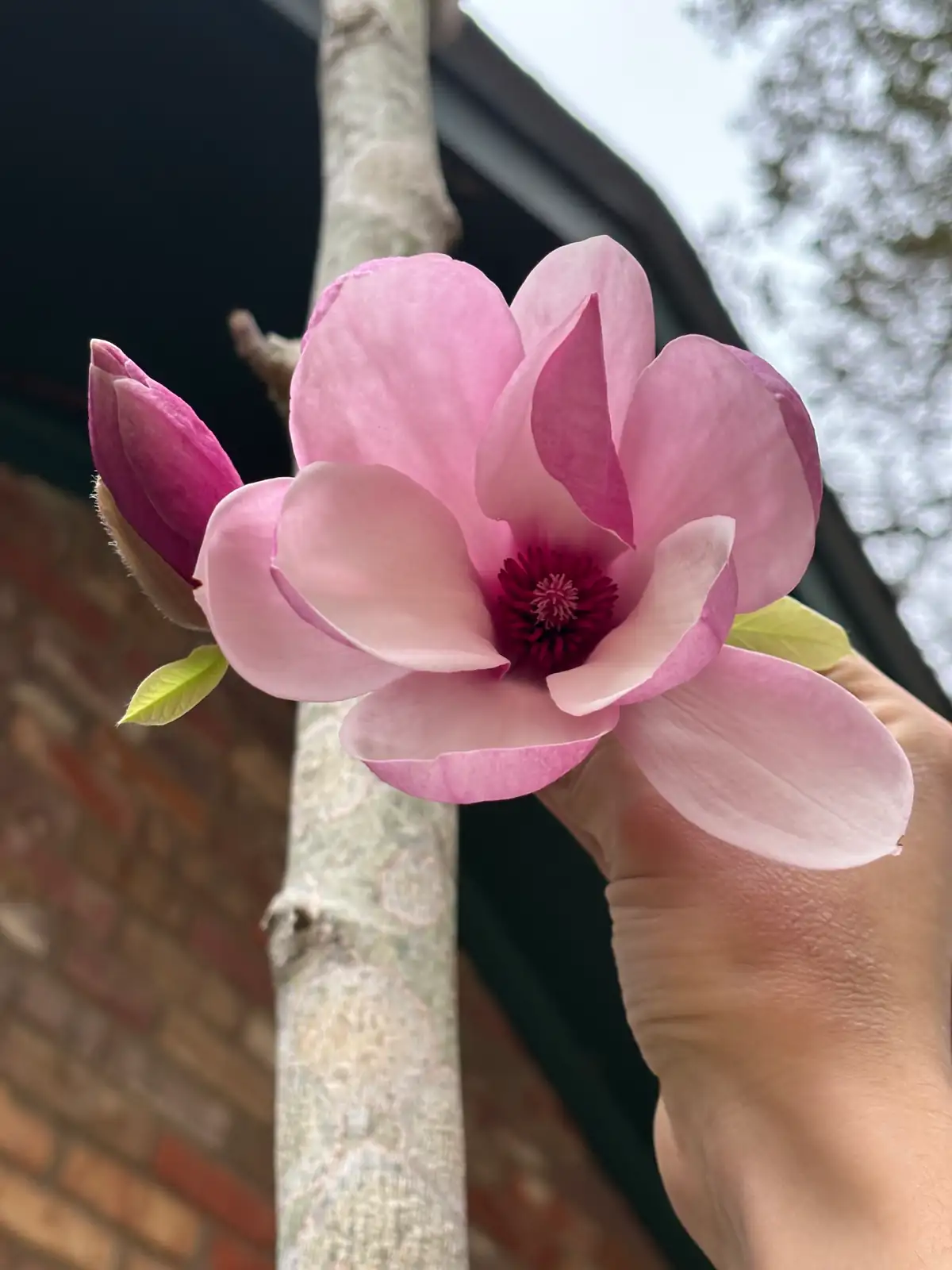
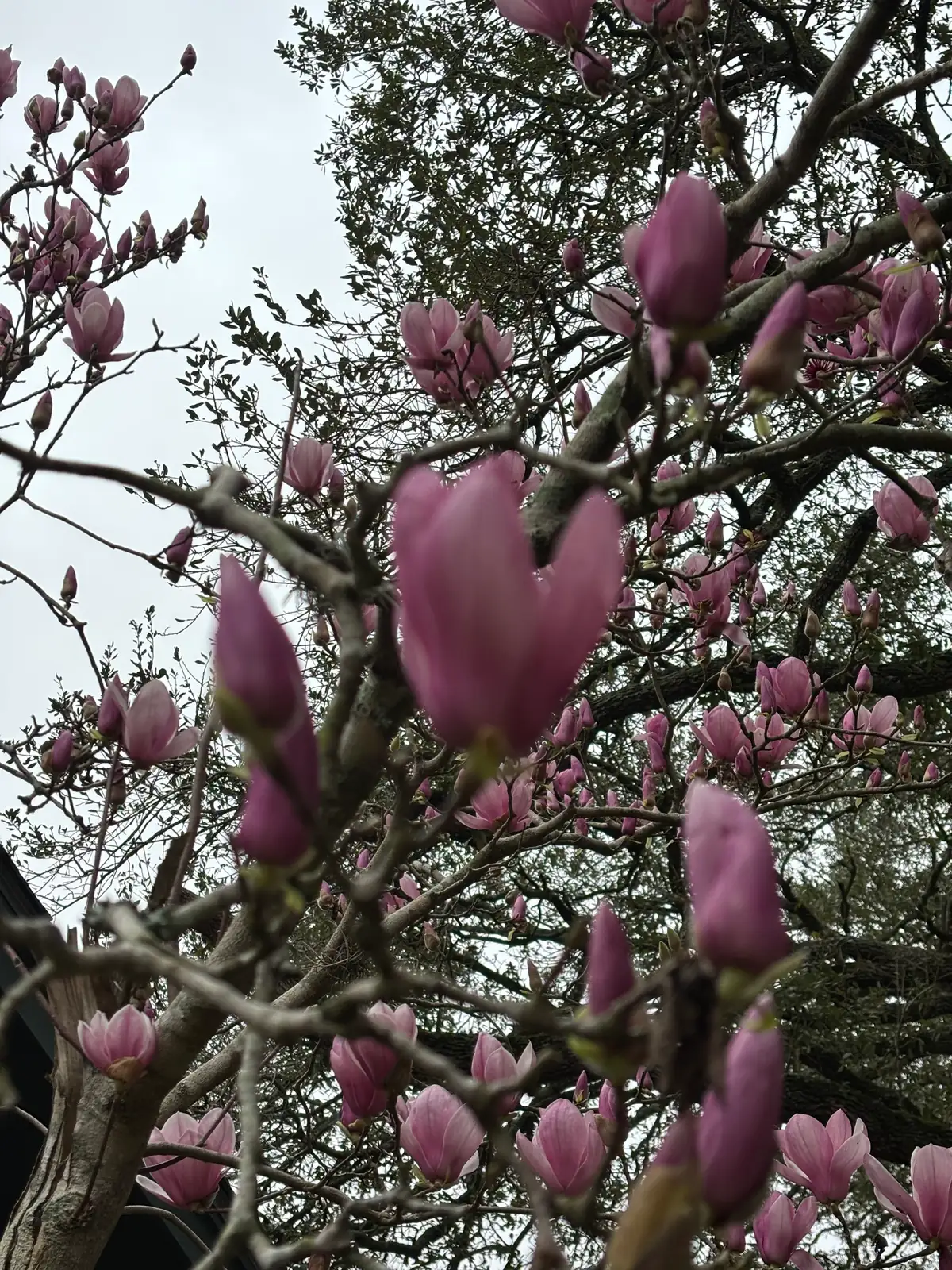
- Flower: Large, showy, upright cup- to goblet-shaped flowers that open with the tepals lifting together. The outside is a rich purplish-red, while the inner surface is much paler, often whitish—giving the bloom a dramatic, elegant contrast. A standout feature in early spring gardens.
- Flowering Season: Spring (typically April; varies with climate)
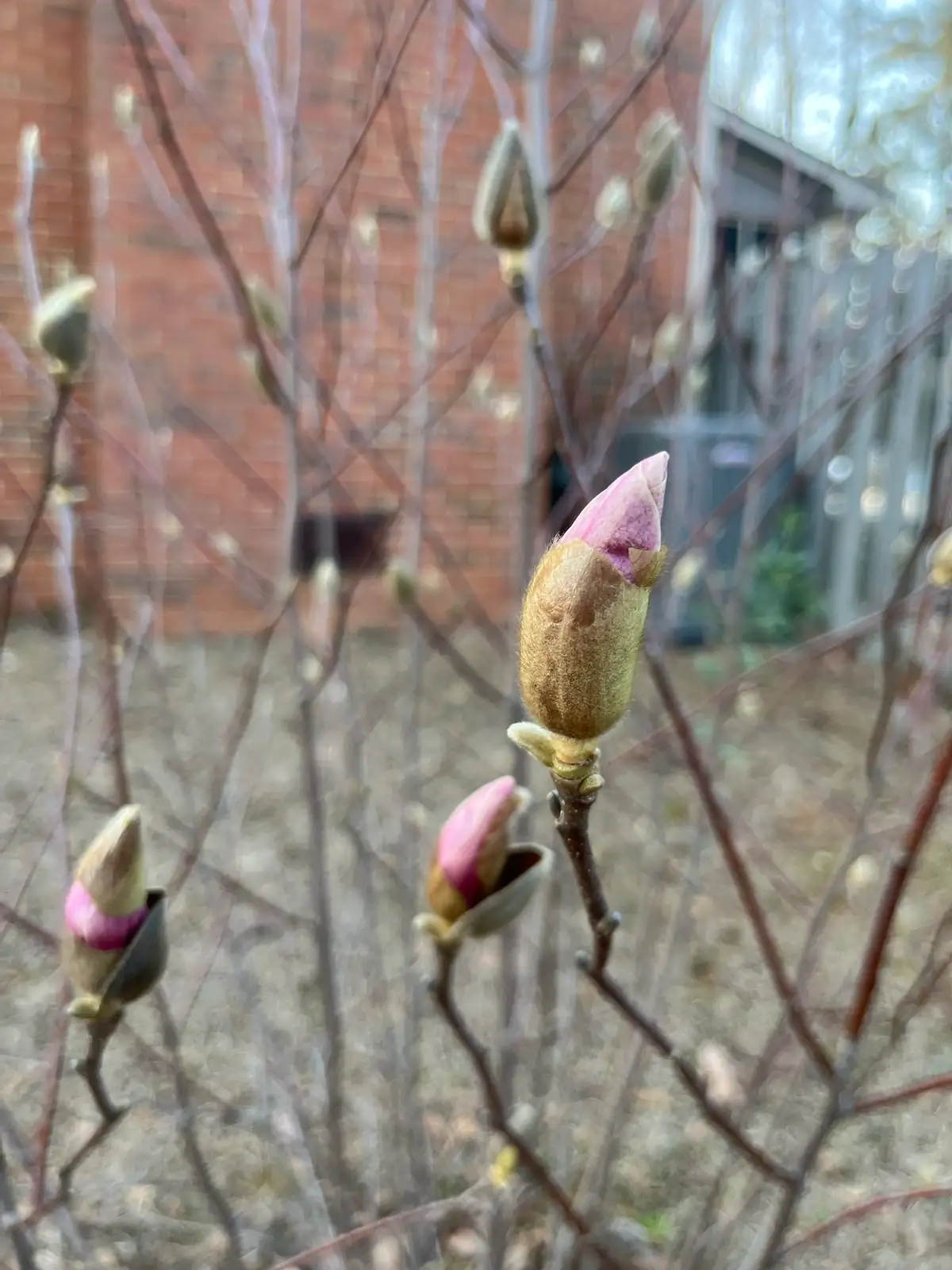
- Growth Habit: Deciduous, multi-stemmed shrub with purplish-brown young twigs. Develops a strong root system and readily produces basal shoots (suckers), which helps it recover well and form a full, shrubby shape.
Environment
Sunlight
Full sun to light shade. Young plants often do best with bright light and a bit of protection from harsh afternoon sun in hotter areas.
Temperature
Best in mild to warm temperate climates. Not ideal for severe cold; protect from hard freezes below about -10°C (14°F), especially when young or exposed to wind.
Humidity
Likes evenly moist conditions and is relatively tolerant of moisture compared with many magnolias. Avoid prolonged drought, which can stress the plant and reduce flowering.
Soil
Fertile, moisture-retentive but well-drained soil. Slightly acidic to neutral is ideal (about pH 5.5–7.0). Avoid waterlogged sites to prevent root problems.
Placement
A beautiful feature shrub near entrances, windows, patios, or along lawn edges where the early flowers can be enjoyed up close. Also works well in mixed borders with evergreens for contrast, near rock-garden features, or grouped with other magnolias for a ‘magnolia garden’ display.
Hardiness
Approximately USDA Zone 5–9 (cold tolerance varies by cultivar, microclimate, and exposure).
Care Guide
Difficulty
Easy to moderate. Usually straightforward once established, but flowering can be reduced by late frosts, drought stress, or heavy pruning.
Buying Guide
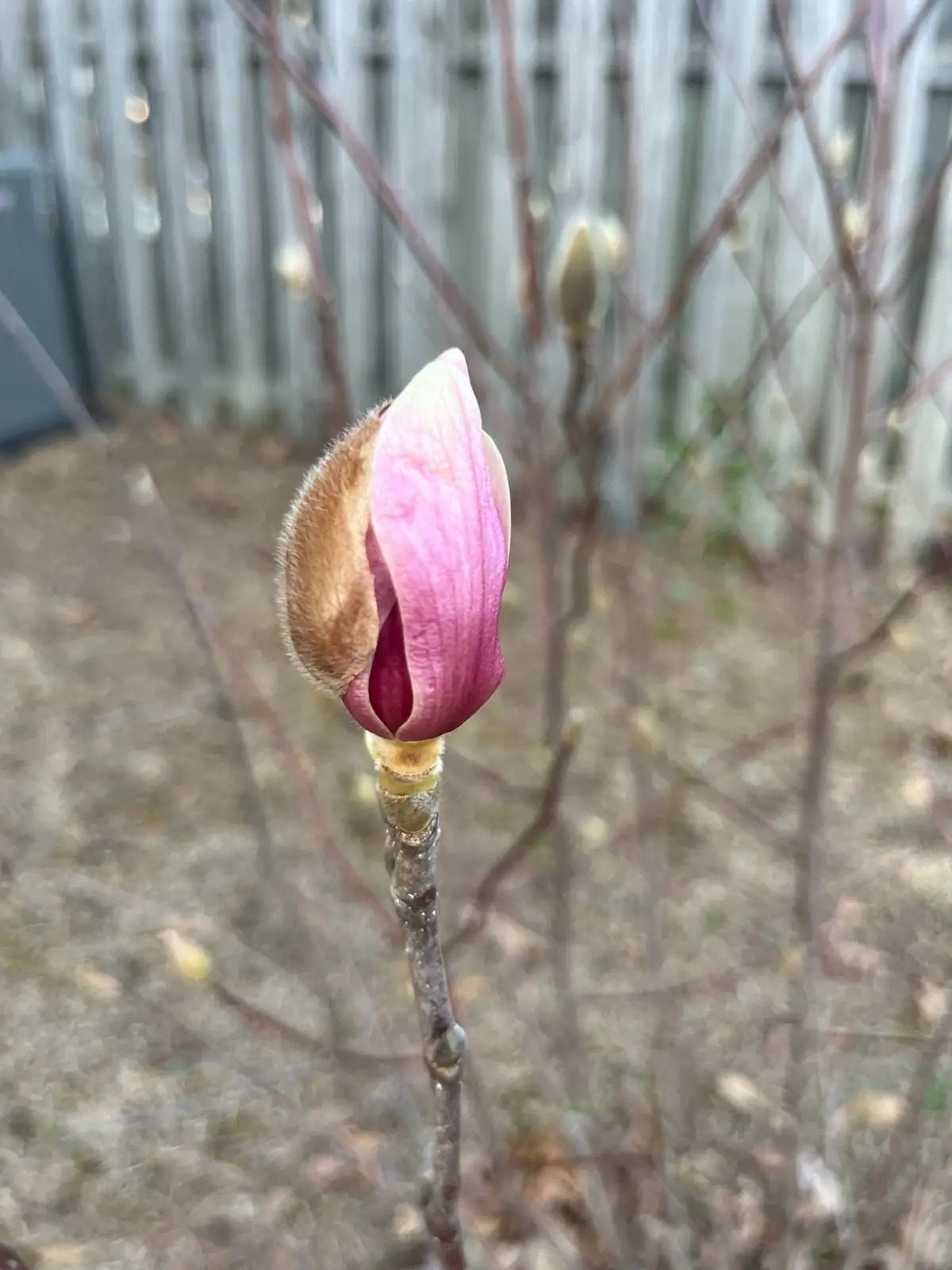
Pick plants with plump, healthy buds and bark free of damage. Avoid pot-bound specimens with circling roots. If flower color and bloom timing matter to you, choose a named cultivar for more consistent results.
Watering
Keep soil evenly moist, especially in spring and during the first 1–2 years after planting. Water deeply when the top 2–5 cm (1–2 in) begins to dry. Mulch 5–8 cm (2–3 in) to hold moisture, but keep mulch a little away from the trunk to prevent rot.
Fertilization
Feed lightly in early spring with compost or a balanced slow-release fertilizer. Avoid heavy nitrogen feeding, which can push leafy growth at the expense of blooms.
Pruning
Keep pruning minimal. After flowering, remove dead, damaged, or crossing branches. Avoid hard pruning in winter/early spring because it can remove flower buds and increase stress.
Propagation
Cultivars are commonly propagated by cuttings or grafting. The shrub often produces basal shoots, reflecting its strong resprouting/suckering tendency (though basal shoots are not a ‘true’ propagation method unless separated and rooted successfully under suitable conditions).
Repotting
If container-grown, repot every 2–3 years in early spring into a fresh, fertile, well-draining mix. Move up one pot size and keep moisture steady after repotting.
📅 Seasonal Care Calendar
Spring: water consistently; enjoy blooms; prune lightly right after flowering. Summer: mulch and irrigate during dry spells. Autumn: reduce feeding and keep moisture moderate. Winter: protect young plants from severe freezes and drying winds in colder regions.
Pests, Diseases & Safety
Common Pests & Diseases
Usually quite trouble-free. Watch for scale insects and aphids; occasional leaf spot can occur. Root issues are most likely in poorly drained or waterlogged soil. Improve airflow, avoid late-day overhead watering, and prioritize good drainage.
Toxicity
Not commonly listed as toxic to people or pets, but chewing or ingesting plant material may still cause mild stomach upset. It’s sensible to keep curious pets from nibbling.
Culture & Symbolism
Symbolism: Often linked with spring renewal, elegance, and refined beauty—perfectly matching its early-season, ‘dressed-up’ flowers.
History & Legends: A long-cultivated ornamental magnolia in China and a classic presence in traditional gardens, cherished for bringing color and fragrance-adjacent charm to early spring landscapes.
Uses: Primarily ornamental. Ideal as a specimen shrub for dramatic spring display, and widely used in courtyards, near doors and windows, at lawn edges, and in mixed plantings—especially alongside evergreens or other magnolias for a themed planting.
FAQ
When does purple magnolia bloom?
Most commonly in spring, typically around April, though local climate can shift bloom time earlier or later.
When does it set fruit?
If pollinated, fruits generally mature in late summer, around August–September.
How tall does it grow?
In typical garden conditions it often reaches about 3–5 m (10–16 ft), with a comparable spread over time.
What soil does it prefer?
Fertile soil that stays evenly moist but drains well, ideally slightly acidic to neutral (around pH 5.5–7.0).
Is it cold-hardy?
It handles moderate cold (often listed around USDA Zones 5–9), but harsh winds and hard freezes below about -10°C (14°F) can damage buds or young plants—protection helps in colder, exposed sites.
Fun Facts
- The bloom’s ‘two-tone’ look—deep purplish-red outside and pale inside—is its signature style in the spring garden.
- It’s native to central China and has been cultivated far beyond its natural range.
- Its tendency to send up basal shoots means it can bounce back well after minor damage or careful pruning.
- Garden designers often group it with other magnolias to create a dedicated magnolia display that peaks in early spring.
- As one of the earlier magnolias to flower, it can be among the first big floral highlights of the temperate-year garden year.


