Plant Features
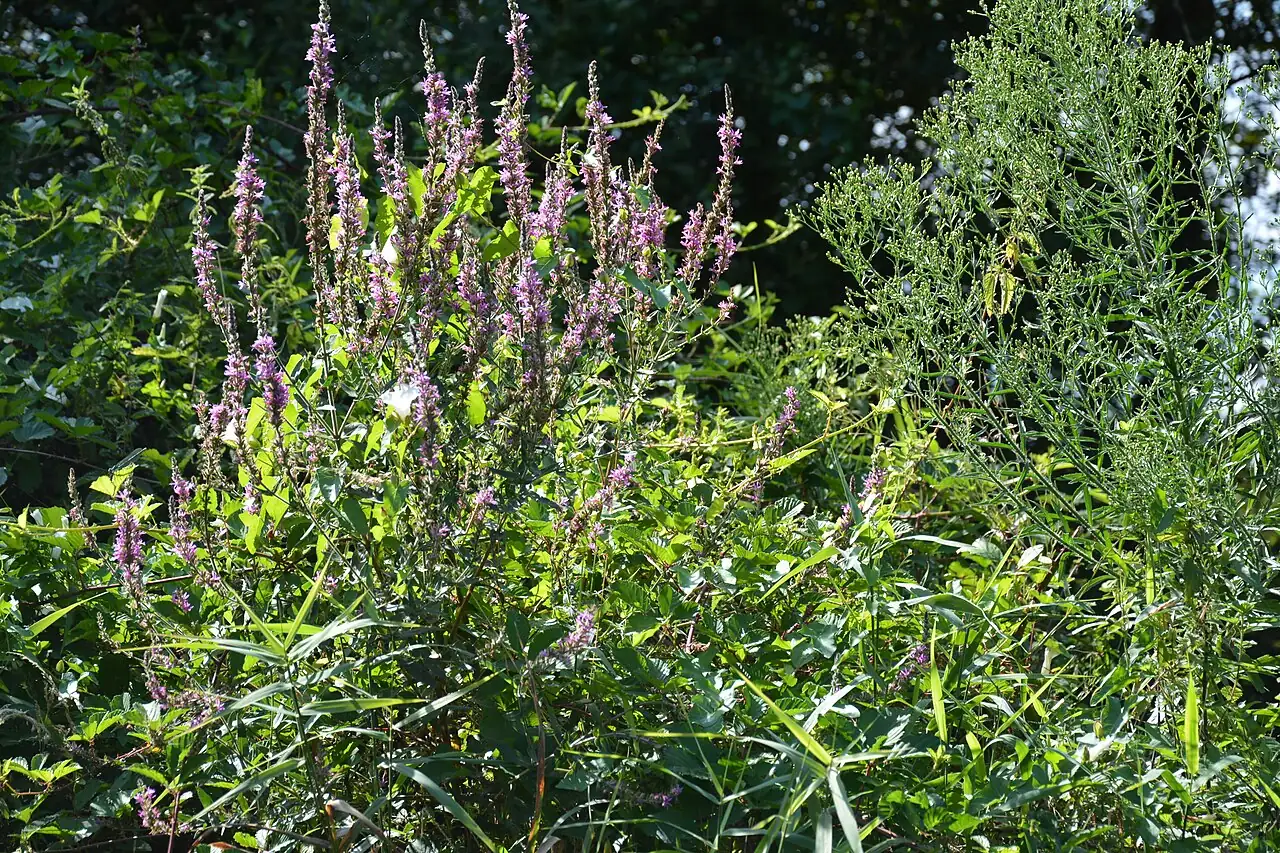
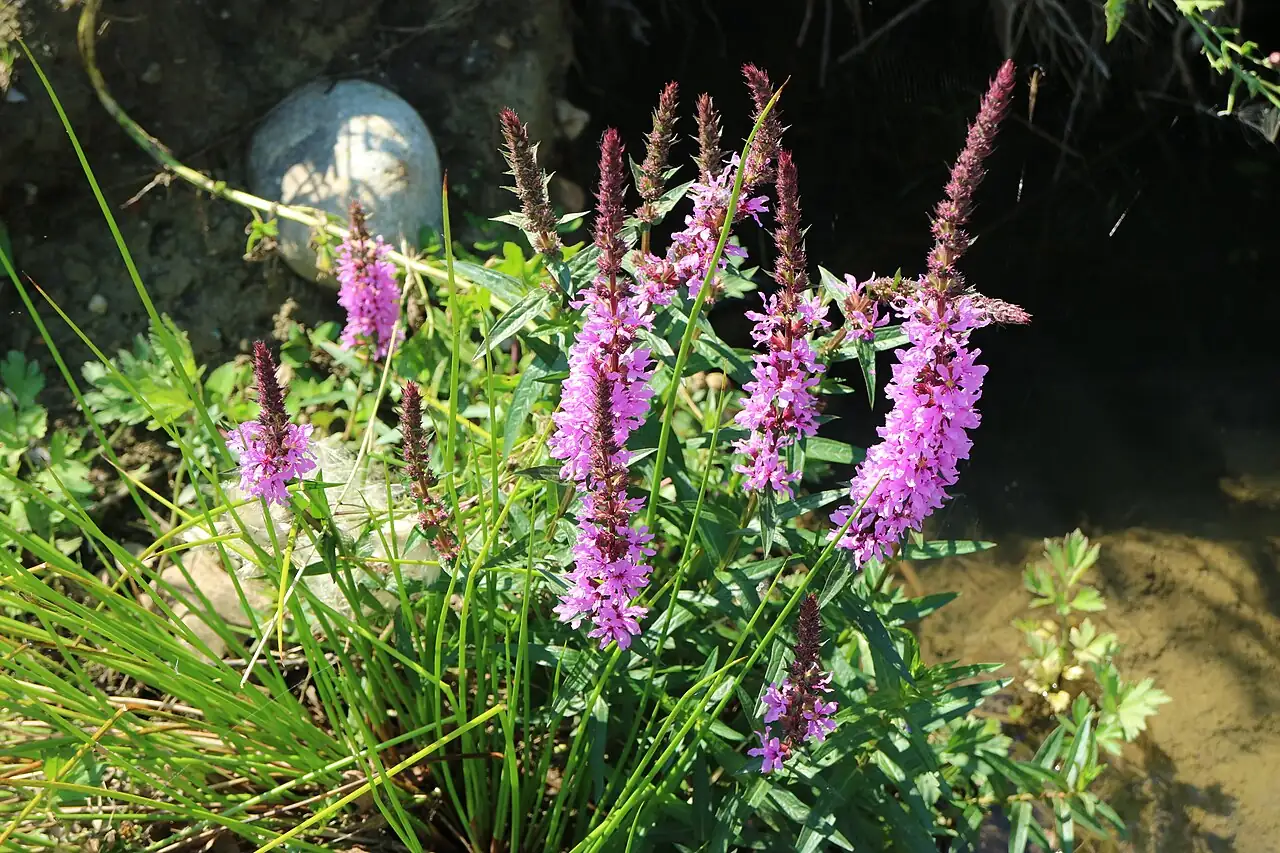
- Size: Typically 30–100 cm (12–39 in) tall; clump-forming, upright, and often branching.
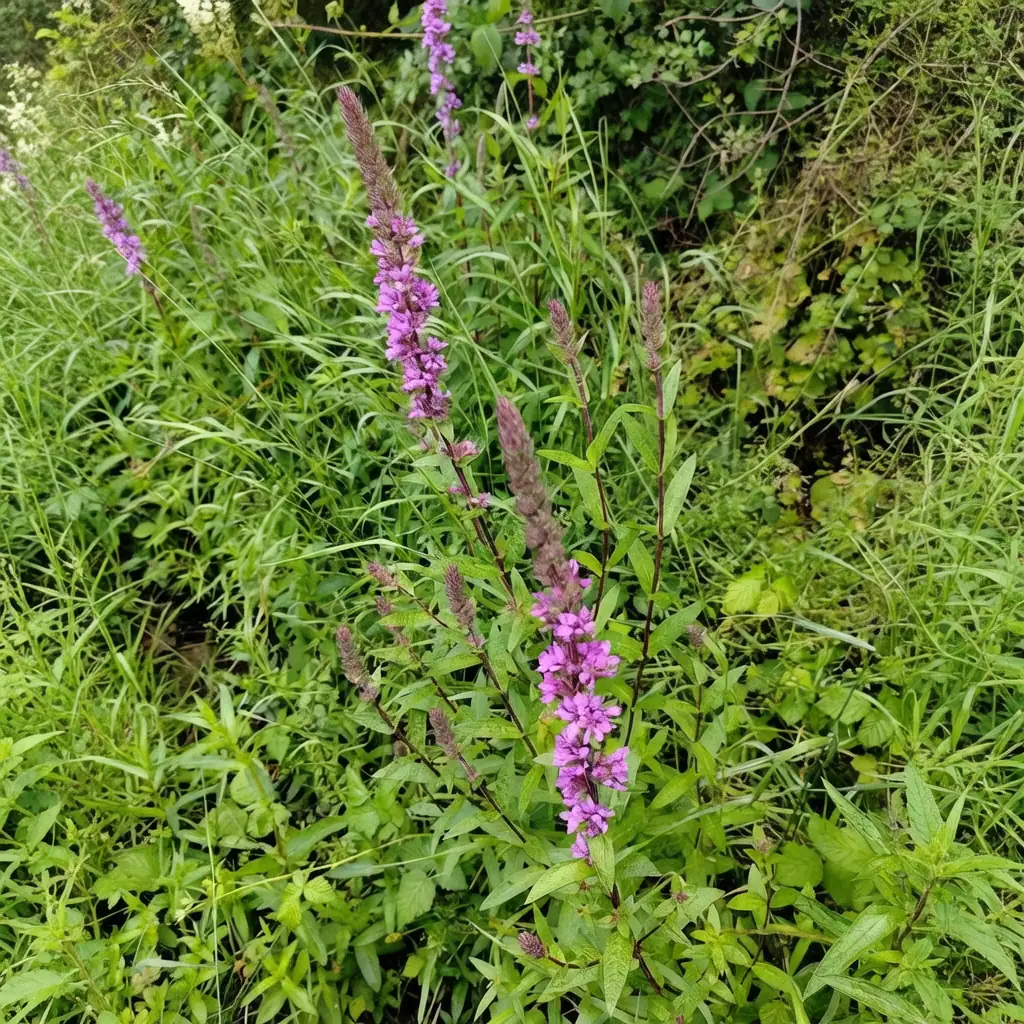
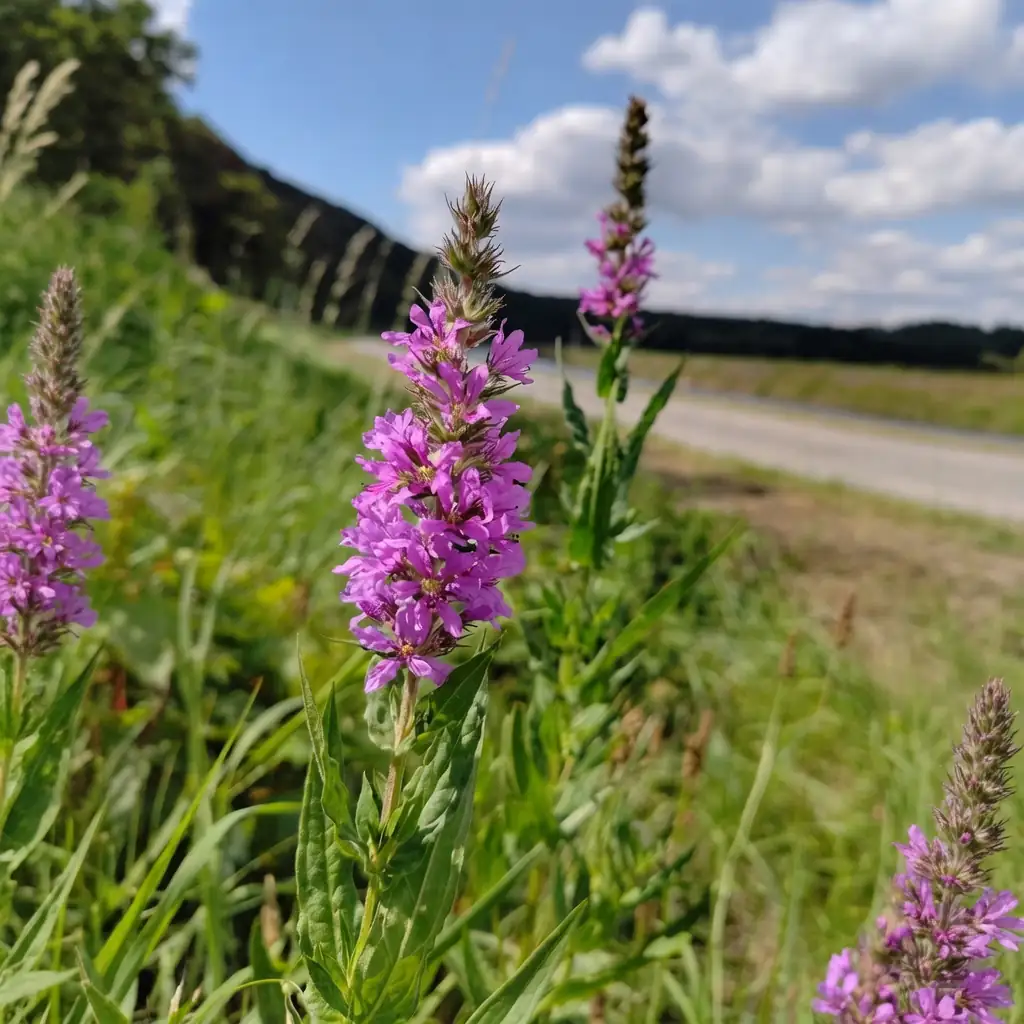
- Foliage: Leaves are lance-shaped and arranged opposite each other or in whorls of three along the stems, giving the plant a neat, vertical look.
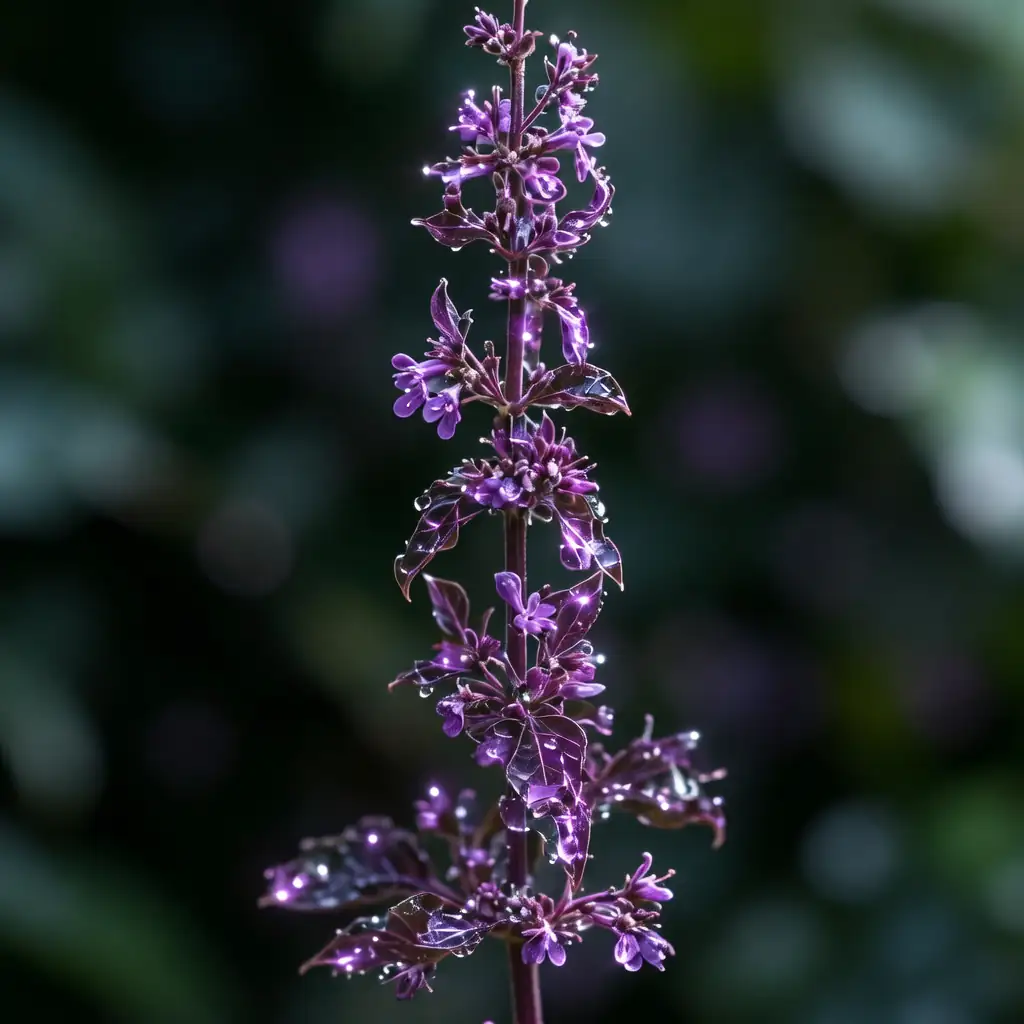
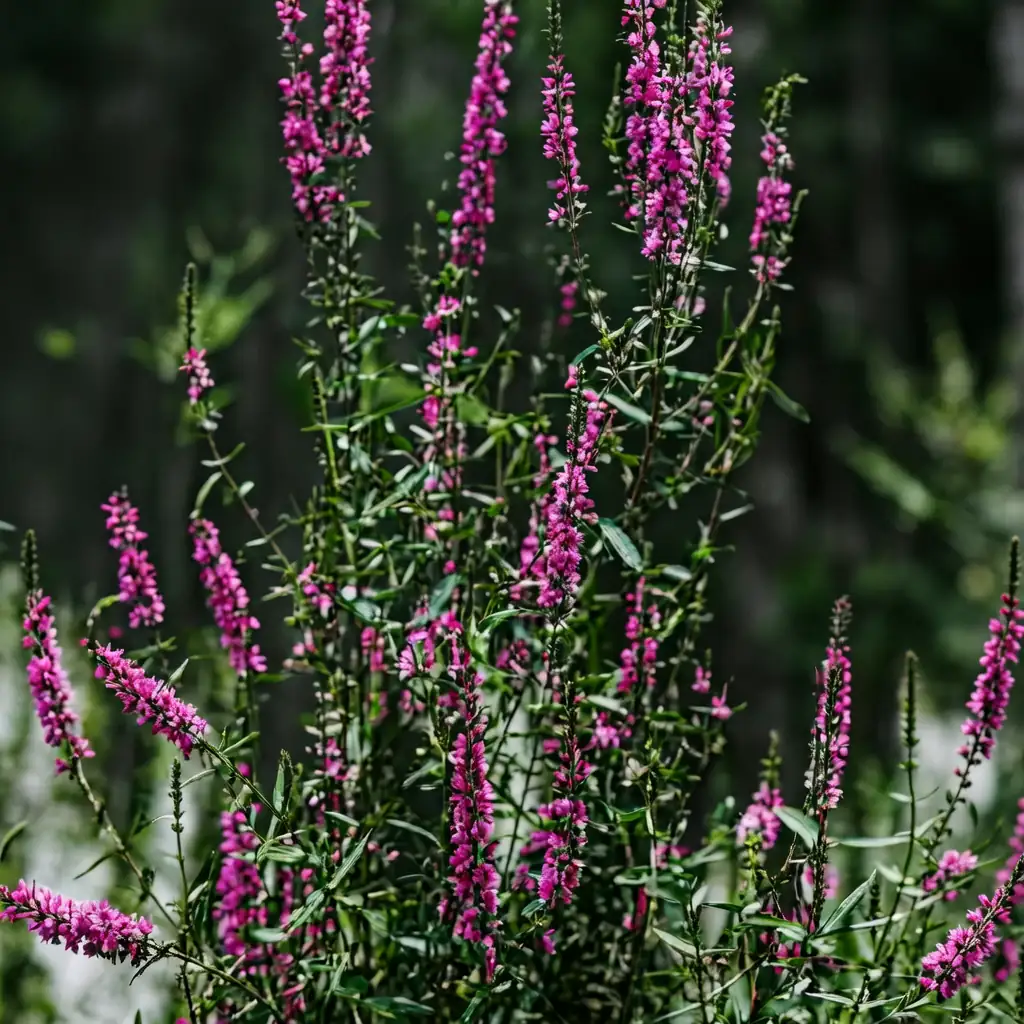
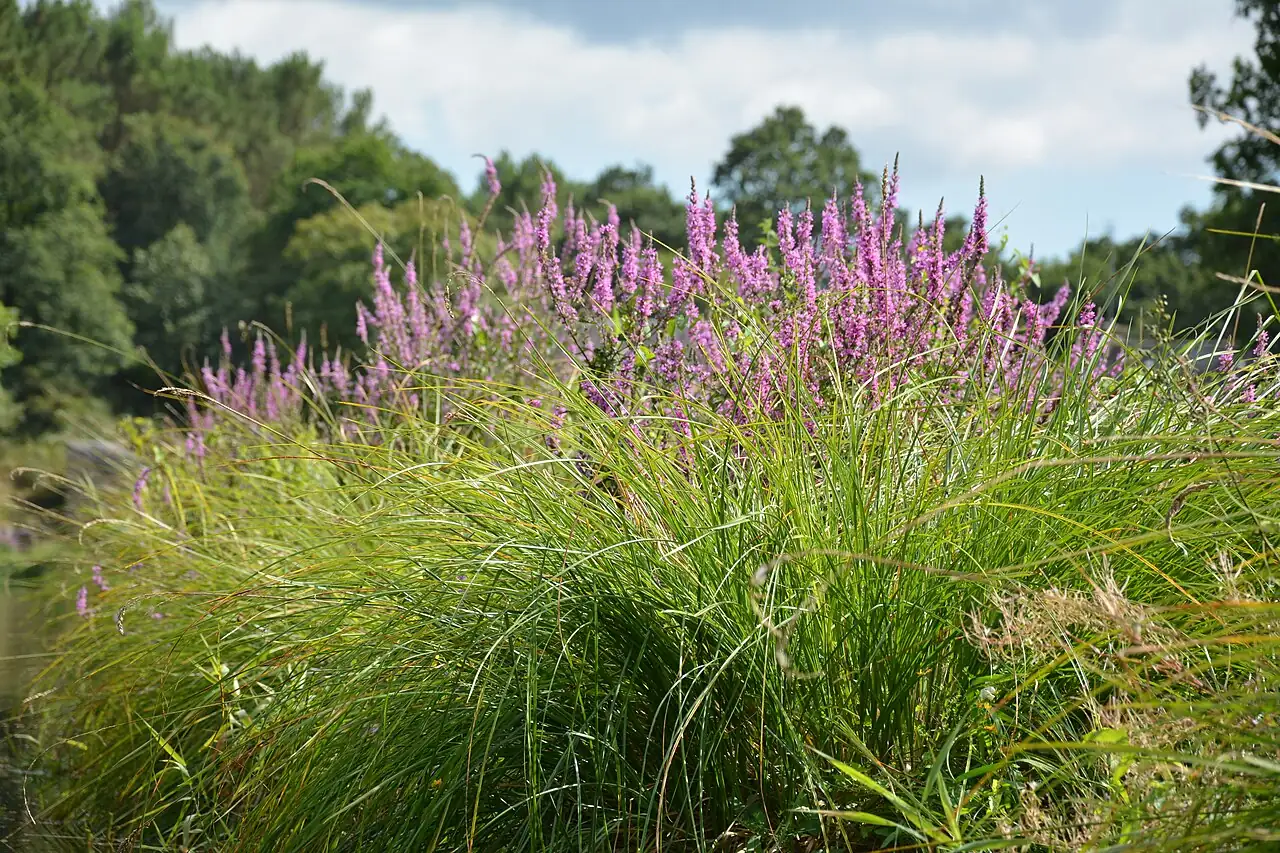
- Flower: Produces dense, terminal spikes packed with many small, six-petaled flowers in rose-to-purple shades. Cultivated forms may show larger flowers, hairier leaves, or deeper purple coloration.
- Flowering Season: July–September
- Growth Habit: Upright, clump-forming herbaceous perennial for wet soils and shallow water, with characteristically four-angled (square) stems and many-branched growth.
Environment
Sunlight
Full sun for the best flowering; tolerates light shade. Give it strong light and decent airflow to keep growth sturdy.
Temperature
Very cold-hardy; top growth dies back in winter and can be cut down. Generally overwinters outdoors in suitable climates.
Humidity
Likes consistently wet conditions rather than “humidity” in the houseplant sense. In pots, it performs best when kept standing in shallow water—about 5–10 cm (2–4 in) above the soil level—especially while flowering.
Soil
Moist to boggy, nutrient-rich soil is ideal (loam or clay that stays wet). Also happy at pond margins and in shallow water.
Placement
Pond edges, bog gardens, rain gardens, wet borders, and water-feature plantings; also suited to containers set in a water tray or on a shallow pond shelf in a bright, airy spot.
Hardiness
Typically USDA Zone 3–9 (local performance varies). Not drought tolerant; prolonged drying can weaken or kill it.
Care Guide
Difficulty
Easy and low-maintenance in reliably wet sites; the main challenge is simply preventing it from drying out. Also consider responsible planting because it can be invasive in some regions.
Buying Guide
Pick plants with firm, upright stems and fresh green leaves. Avoid pots that have dried out or show blackened, soft, or rotting crowns. If you’re planting near natural waterways, check local rules and invasive-species guidance first.
Watering
Keep soil constantly moist to wet. For container growing, stand the pot in about 5–10 cm (2–4 in) of water during the flowering period, and never let the root zone dry out.
Fertilization
Often unnecessary in rich, wet ground. In containers, a light dose of balanced slow-release fertilizer in spring can help support flowering; avoid heavy feeding that can make growth weak and floppy.
Pruning
Cut stems down to the base in late fall or winter after flowering and seed set. To reduce self-seeding, remove spent flower spikes earlier.
Propagation
Divide mature clumps in spring or early fall. Can also be grown from seed; sow on the surface of moist compost and keep warm and bright (do not bury deeply).
Repotting
For container plants, repot or divide every 2–3 years in spring. Refresh with heavy, moisture-retentive compost/loam, then return the pot to shallow water.
📅 Seasonal Care Calendar
Flowering: July–September. Seed/fruiting: September–October. During bloom, keep potted plants in 5–10 cm (2–4 in) of water. Before winter, cut back dead stems; in-ground plants in wet sites are usually straightforward to overwinter. In very cold areas, protect containers from freezing solid.
Pests, Diseases & Safety
Common Pests & Diseases
Usually trouble-free when kept in suitable wet conditions. Aphids may appear on soft new growth. Leaf spot or mildew can occur in crowded, poorly ventilated plantings—thin for airflow and remove affected material.
Toxicity
Not commonly listed as toxic to people or pets. Still, avoid ingestion and wash hands after handling if you’re sensitive.
Culture & Symbolism
Symbolism: Often linked with exuberance and bold late-summer color thanks to its vivid purple flower spikes.
History & Legends: A long-cultivated ornamental in Europe and Asia, especially valued for wet gardens. In some regions it has escaped cultivation and become a serious invasive wetland plant, so thoughtful planting matters.
Uses: Primarily ornamental for pond margins, bog gardens, wet borders, rain gardens, and water features; also effective in containers kept consistently wet.
FAQ
When does purple loosestrife flower?
Most commonly from July to September.
When does it set seed?
Typically September to October.
How tall does it grow?
Usually about 30–100 cm (12–39 in), depending on moisture, fertility, and sun.
What kind of habitat does it prefer?
Consistently wet places—riverbanks, lake edges, ditches, damp meadows, and marshy ground. In gardens, it thrives in wet soil or shallow water, ideally in full sun.
How should I care for it in a pot during flowering?
Keep the pot standing in roughly 5–10 cm (2–4 in) of water and place it in strong light with good airflow.
What do I do in winter?
Cut back the stems before or during winter. It’s cold-hardy and will resprout in spring; protect containers if they might freeze solid.
Fun Facts
- Its distinctly four-angled (square) stems are a handy identification clue.
- Each tiny flower typically has six petals, packed tightly into showy spikes.
- Standing a container in a few centimeters of water can noticeably improve flowering performance.
- Loved in water gardens—but notorious as an invasive species in some regions—so always check local recommendations before planting near natural wetlands.