

Plant Features
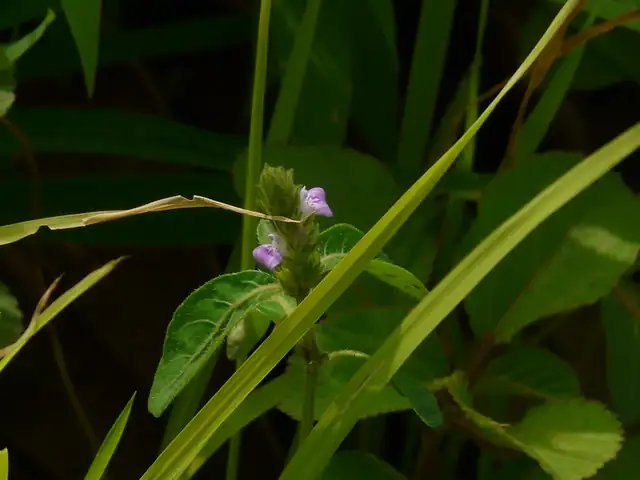
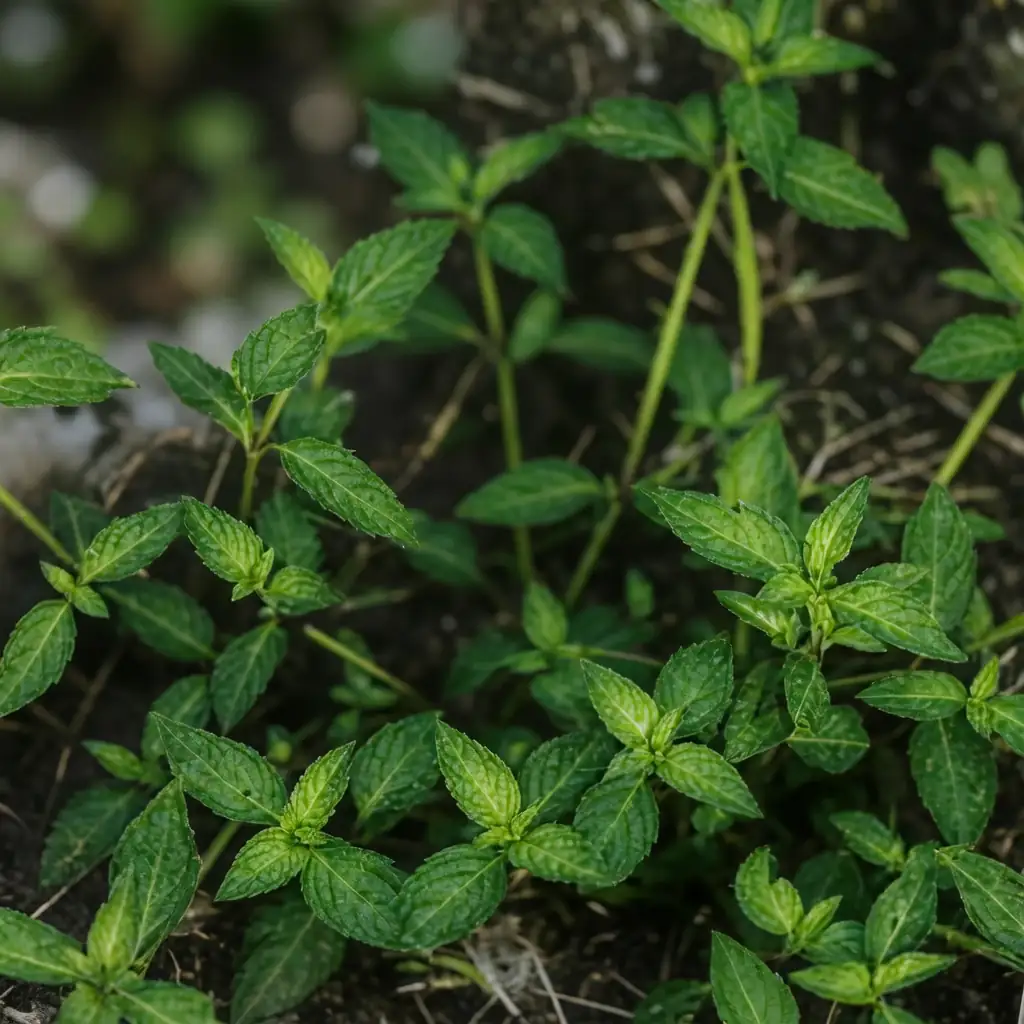
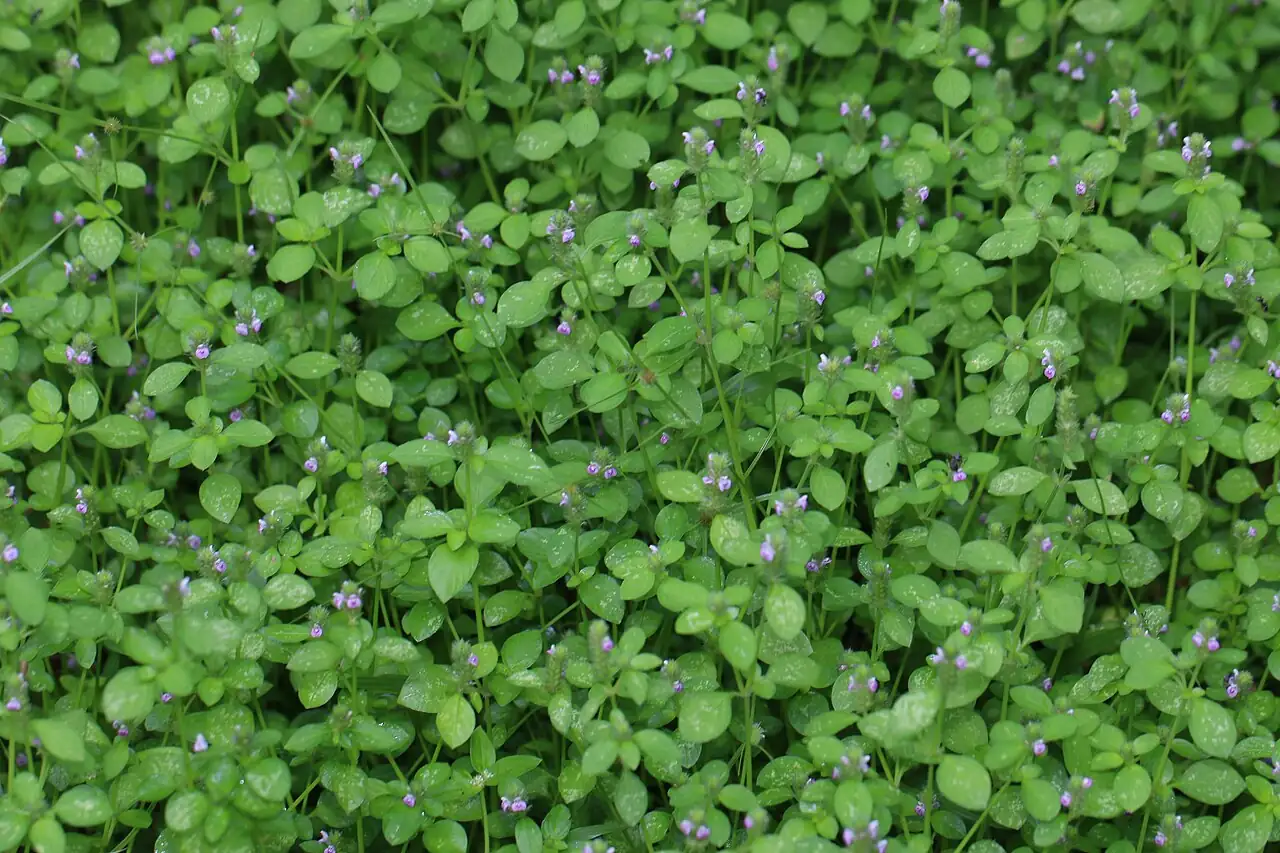
- Size: Typically 20–50 cm (8–20 in) tall, with a procumbent, creeping, spreading habit that can form a low mat.
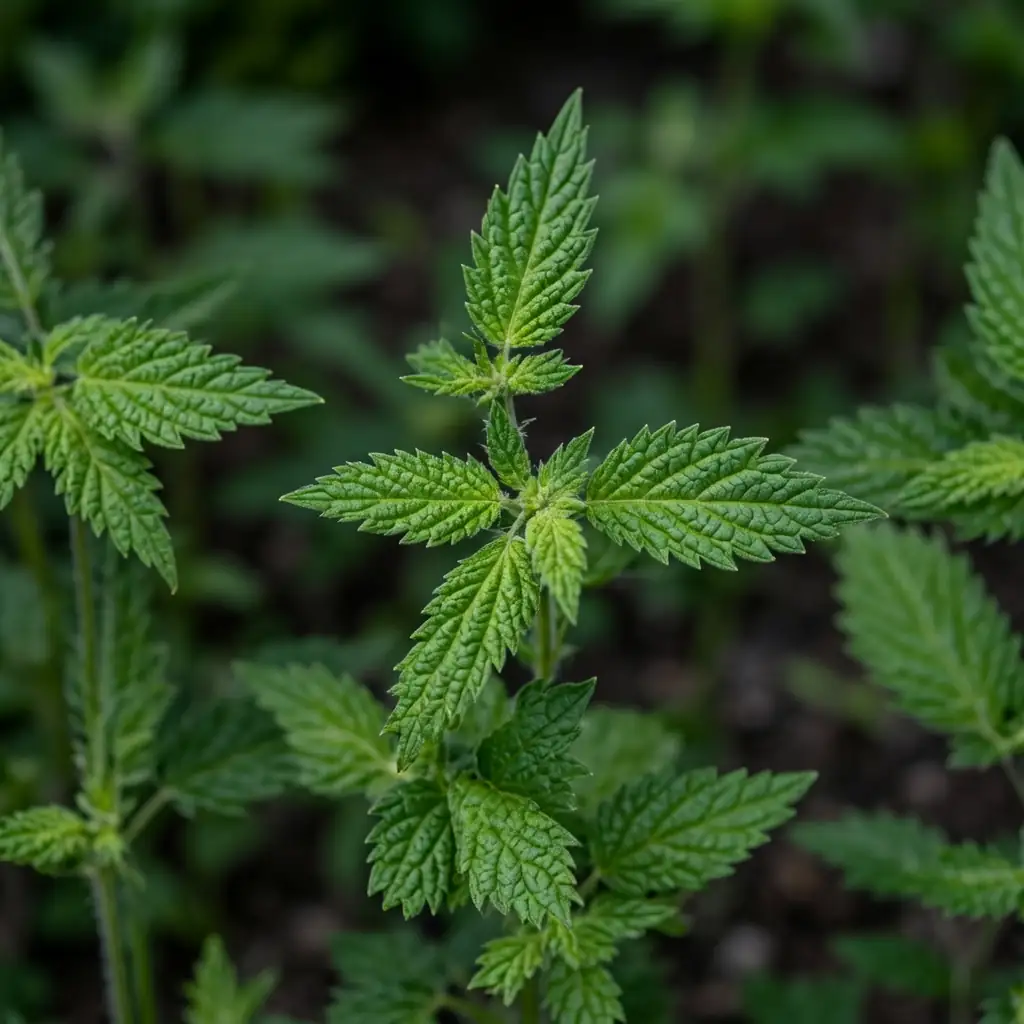
- Foliage: Leaves are opposite and noticeably variable in shape; commonly ovate to oblong or broadly lance-shaped. Foliage stays soft and herbaceous, suiting its groundcover look.
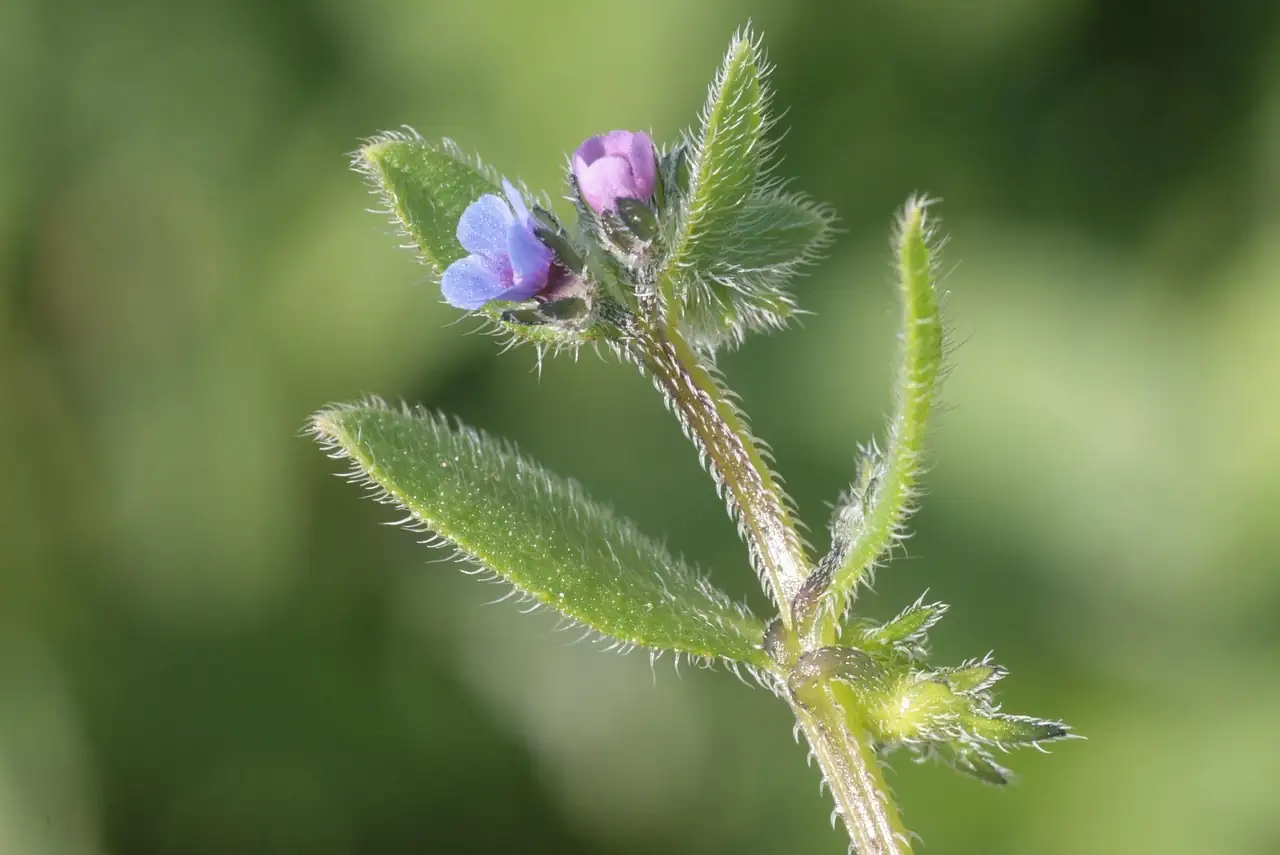
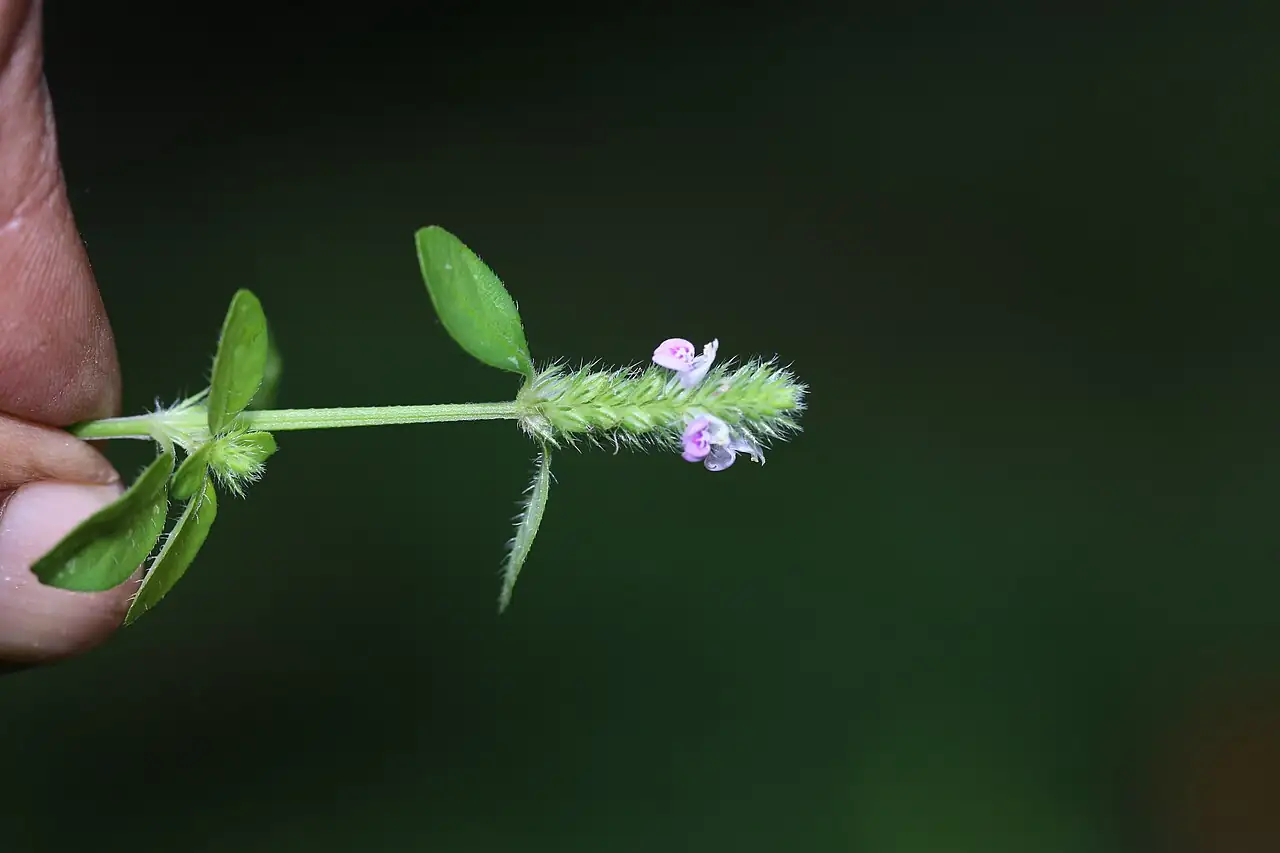
- Flower: Flowers are borne in slender spikes (terminal or axillary). Corollas are pale pink to pinkish‑purple. After flowering, seeds develop that are oval, slightly flattened, dark brown to nearly black, and marked by a raised net-like surface pattern.
- Flowering Season: August–November
- Growth Habit: Annual, procumbent (creeping) herb; ground-hugging and spreading rather than upright.
Environment
Sunlight
Part shade to dappled light (like stream edges and woodland margins). In hotter or drier sites, avoid intense all-day sun that can scorch and dry the plant.
Temperature
Prefers warmth and declines in cold. Not frost-hardy; best kept above about 5°C (41°F).
Humidity
Moderate to high humidity is ideal; likes evenly moist conditions and does poorly in very dry air. Avoid stagnant, overly wet conditions that can lead to rot.
Soil
Fertile, loose, well-drained sandy loam is ideal. Avoid saline or alkaline soils; steady moisture is helpful, but the mix should not stay waterlogged.
Placement
Woodland-style beds, shaded borders, and moist, sheltered garden corners; also works in containers where moisture and drainage can be controlled.
Hardiness
Frost tender; roughly USDA Zone 10–11 outdoors. In cooler regions it’s best treated as a warm-season annual or protected in a sheltered microclimate.
Care Guide
Difficulty
Easy to moderate: straightforward when warm and evenly moist, but it can struggle quickly with cold snaps, drought, or salty/alkaline soils.
Buying Guide
Look for fresh green, creeping shoots with no limp or yellowing growth. Avoid plants sitting in sour-smelling, waterlogged potting mix, and steer clear of pots with a white salt crust on the soil surface.
Watering
Keep soil evenly moist but never soggy. In warm weather, check often and water when the top 2–3 cm (0.8–1.2 in) begins to dry. As temperatures cool and growth slows, reduce watering to prevent root issues.
Fertilization
During active growth, feed lightly every 2–4 weeks with a balanced liquid fertilizer at diluted strength. Stop or greatly reduce feeding when temperatures drop and the plant slows down.
Pruning
Pinch or trim back leggy stems to encourage a tighter, denser mat and more flowering spikes. Remove spent flower spikes if you’d like to reduce self-seeding.
Propagation
Mainly by seed. Let seeds mature and dry, then surface-sow on moist medium and keep warm. In suitable garden conditions it may self-seed naturally.
Repotting
For container plants, refresh the potting mix at the start of the warm season. Use a free-draining mix and a pot with drainage holes to prevent waterlogging.
📅 Seasonal Care Calendar
Spring: sow/start plants as temperatures rise. Summer: keep evenly moist; feed lightly. Late summer–autumn (Aug–Nov): peak flowering; trim lightly to maintain a neat carpet. Late autumn: collect mature seed if desired; plants typically decline as temperatures cool.
Pests, Diseases & Safety
Common Pests & Diseases
Can attract aphids; spider mites may appear in dry air; occasional mealybugs are possible. Waterlogged soil and poor airflow can lead to root rot. Improve ventilation, avoid soggy conditions, and treat pests with insecticidal soap or horticultural oil when needed.
Toxicity
No well-documented toxicity is widely cited for this species. Still, it’s sensible to prevent pets and small children from chewing on any ornamental plant, as mild stomach upset is possible with accidental ingestion.
Culture & Symbolism
Symbolism: Not widely established in English-language flower symbolism; it’s mostly appreciated for its gentle, woodland-groundcover charm.
History & Legends: No widely recorded legends in commonly referenced English sources.
Uses: Primarily ornamental—used as a seasonal groundcover in warm, moist, lightly shaded gardens (especially woodland-style plantings) and in containers where moisture can be managed.
FAQ
When does it flower?
Typically from August to November.
When does it set fruit/seed?
Usually October–November, after flowering finishes and seeds mature.
How tall does it grow?
About 20–50 cm (8–20 in) tall, while spreading outward in a creeping mat.
Where is it found and what habitat does it prefer?
It’s recorded from several provinces in China and Taiwan, commonly along mountain streams, in valleys, and in open woodland through to dense forest.
What growing conditions does it like?
Warm, moist conditions with part shade or dappled light; fertile, loose, well-drained sandy loam; and protection from frost and saline/alkaline soils.
Fun Facts
- The seeds are dark, slightly flattened, and patterned with a raised net-like texture—surprisingly ornate for such a small plant.
- Its naturally creeping habit makes it behave like a living mulch in warm, moist, lightly shaded garden spots.
- In a friendly site, it can reseed itself and return the following warm season.


