Plant Features
- Size: Up to about 2 m (6.6 ft) tall; typically forms a tall, upright clump.
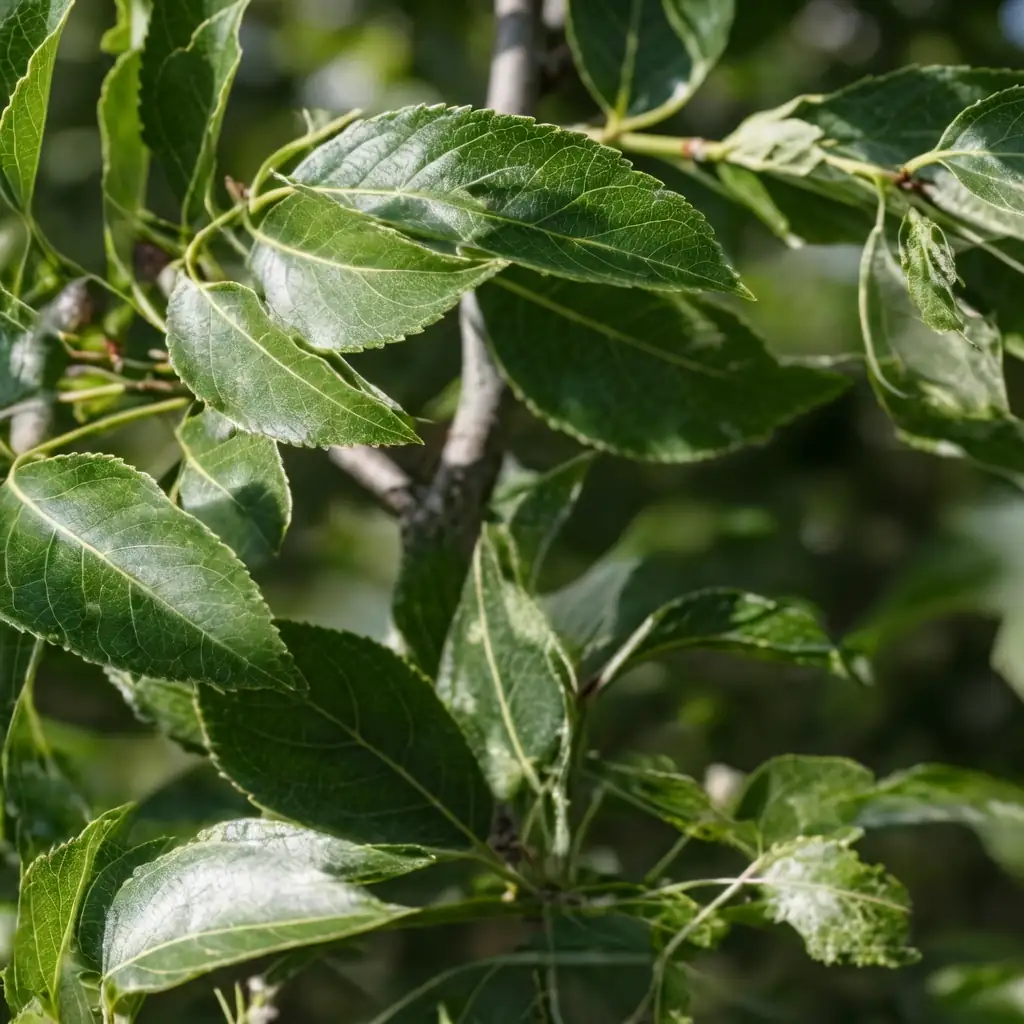
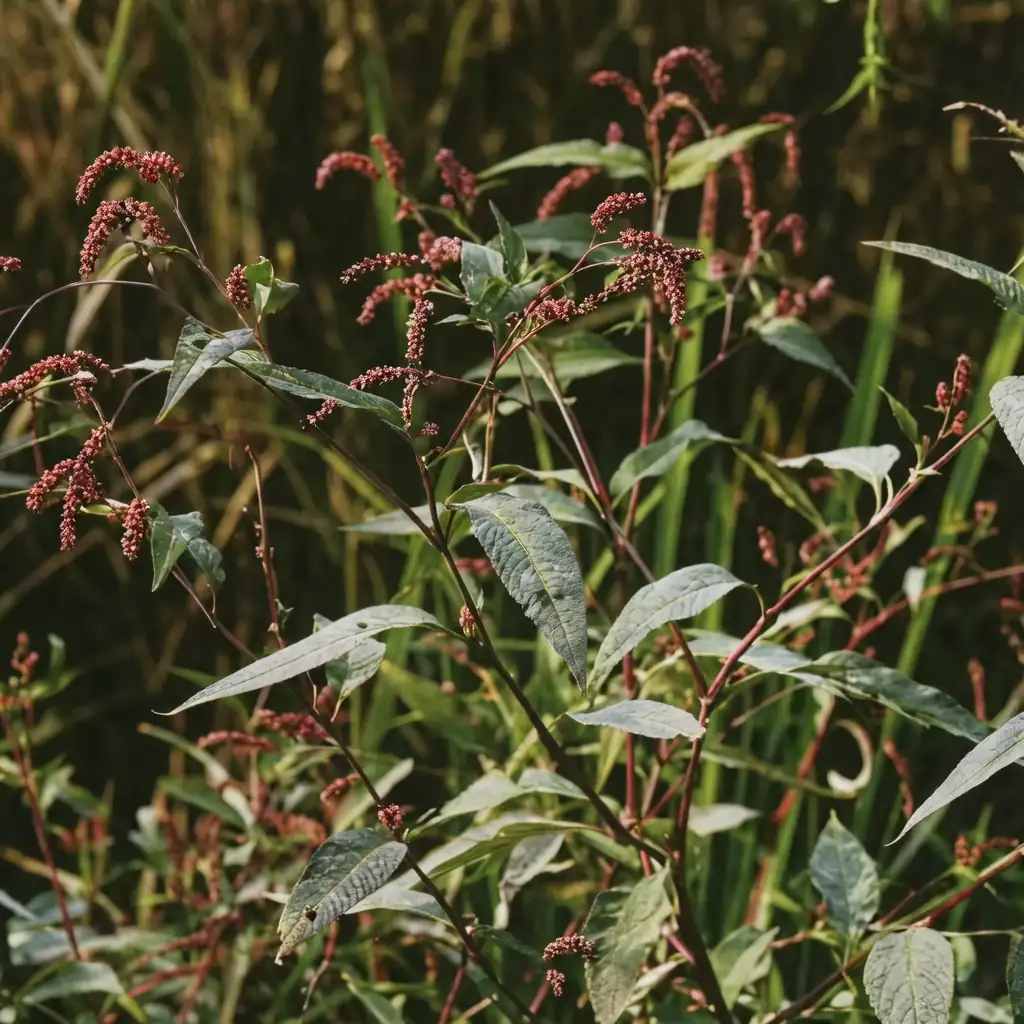
- Foliage: Leaves are broadly ovate with a gradually pointed tip and smooth margins. Both sides are softly hairy, with longer hairs along the veins, giving the foliage a gently textured, slightly fuzzy look.
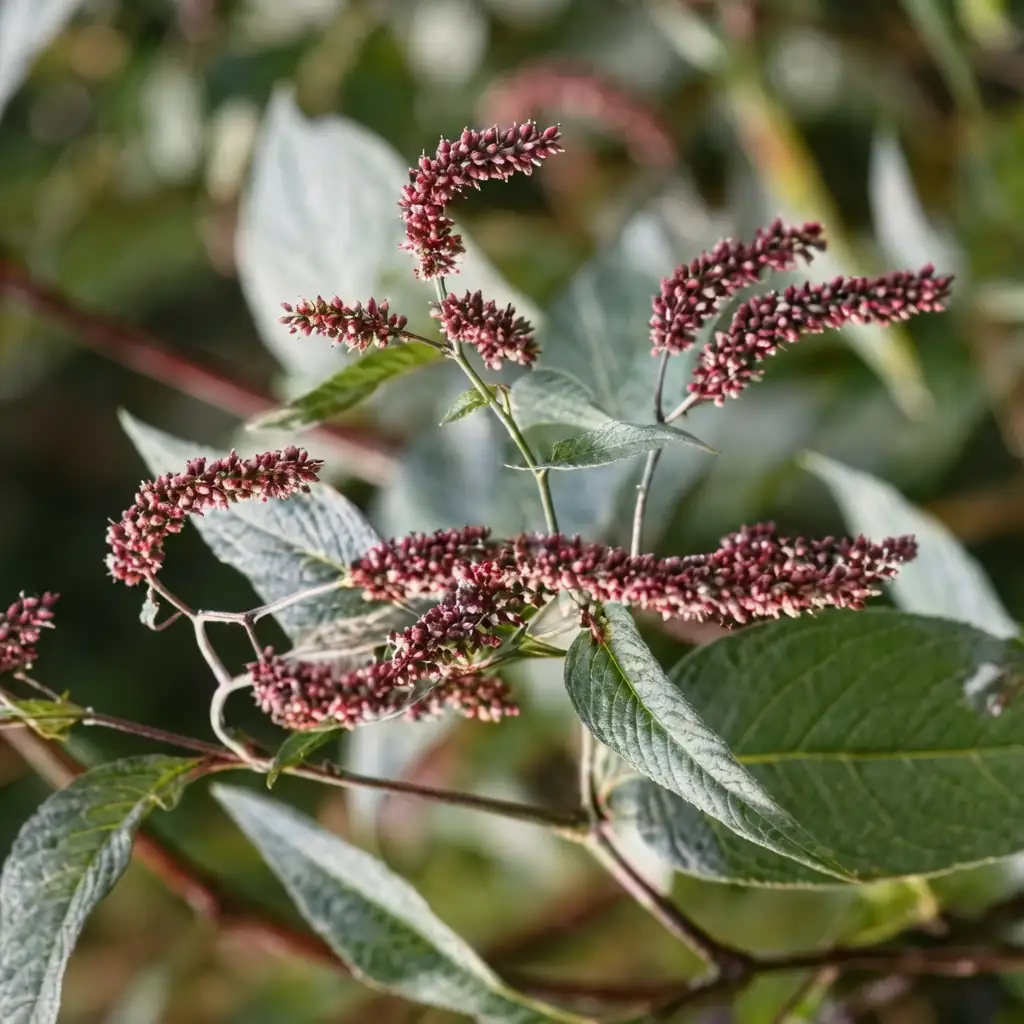
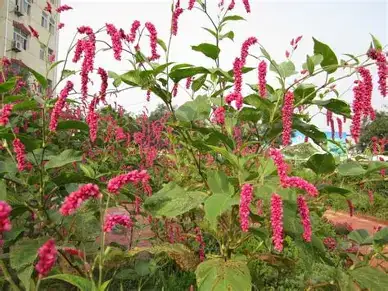
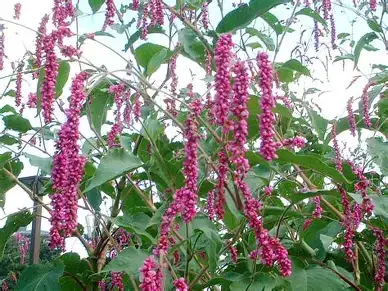
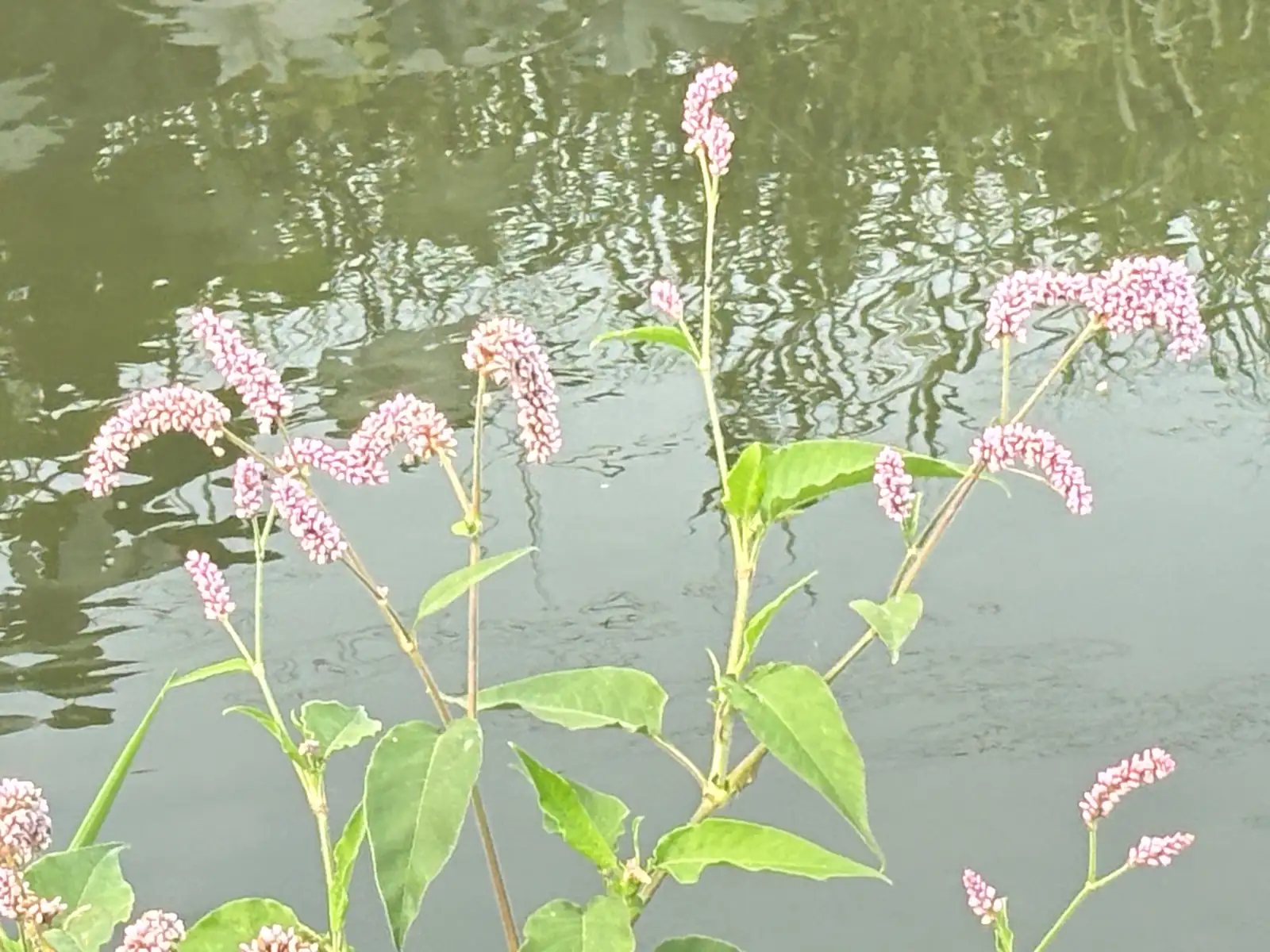
- Flower: Flowers are carried in dense, spike-like racemes at stem tips or in the leaf axils. The spikes often nod slightly and may be grouped into larger, branched clusters. Broad, funnel-shaped bracts (green and hairy, with long hairs along the edges) typically enclose 3–5 small flowers each. The flowers have a 5-lobed perianth and are usually pale pink or white. Fruits are small, nearly spherical, slightly indented, and glossy dark brown to almost black.
- Flowering Season: June–September
- Growth Habit: Upright, robust annual herb with strong stems; branches mainly toward the top and is notably hairy.
Environment
Sunlight
Full sun for the best flowering; tolerates light partial shade.
Temperature
Prefers warm conditions; best growth around 18–30°C (64–86°F). Frost-tender—protect from temperatures below 0°C (32°F).
Humidity
Moderate to high humidity is ideal; performs best when moisture is steady in both air and soil.
Soil
Fertile, loose, moisture-retentive soil is ideal. It can cope with poorer soils if moisture is available. In containers, keep the mix evenly moist but avoid stagnant, waterlogged conditions.
Placement
Sunny borders and damp edges (pond/ditch margins), courtyards, and along walls—especially anywhere that stays a bit moist. Can be displayed indoors short-term in water in a bright spot.
Hardiness
Frost-tender annual; generally grown as an annual in temperate climates and not winter-hardy where freezing occurs.
Care Guide
Difficulty
Easy—an adaptable, vigorous annual as long as it gets sun and reliable moisture.
Buying Guide
Pick plants with sturdy, upright stems and clean, healthy leaves. Avoid wilted plants, severely root-bound pots, or stems that look soft/dark at the base (possible rot).
Watering
Keep soil evenly moist. In beds, water during dry spells so the root zone never fully dries out. In pots, water when the top 2–3 cm (about 1 in) starts to dry; don’t let containers dry out for long stretches.
Fertilization
Often unnecessary in decent garden soil. In containers or poor soils, use a balanced liquid fertilizer at half strength every 2–4 weeks during active growth (spring through late summer).
Pruning
Pinch young plants to encourage branching for a fuller shape. Remove spent flower spikes for a tidier look and to reduce self-seeding if you don’t want volunteers next year.
Propagation
Primarily grown from seed. Sow in spring after frost danger: start indoors 4–6 weeks before the last frost, or direct-sow once nights stay above about 10°C (50°F). Keep the seed-starting mix consistently moist until germination.
Repotting
Usually grown seasonally, so repotting is minimal. If potting up, move to a larger container once roots fill the pot; use a rich, moisture-retentive mix and consider staking to support tall growth.
📅 Seasonal Care Calendar
Spring: sow seeds and transplant outdoors after frost. Summer: give full sun, steady watering, optional feeding; stake if plants lean. Late summer–early fall: peak bloom—deadhead for neatness or let seed develop. After frost: plants decline—remove and compost; save seed if you’d like to grow it again.
Pests, Diseases & Safety
Common Pests & Diseases
Usually trouble-free. Watch for aphids; spider mites can appear in hot, dry weather; leaf spots may occur with crowding and poor airflow. Improve spacing/ventilation, avoid wetting leaves late in the day, and rinse pests off or use insecticidal soap when needed.
Toxicity
No widely cited, well-documented toxicity for humans or pets, but it’s still best to discourage nibbling and avoid ingestion as a general safety habit.
Culture & Symbolism
Symbolism: Often linked with cheerful abundance and nostalgic cottage-garden charm thanks to its soft, tassel-like flower spikes.
History & Legends: A long-loved ornamental in East Asia, grown for generations for its dramatic drooping inflorescences and strong late-summer presence; it’s also found wild in moist habitats across much of China.
Uses: Primarily ornamental—excellent for adding height and a splash of soft color in summer borders, brightening damp corners, and planting along walls or near drainage channels. Cut stems can be displayed indoors briefly in water for a simple, fresh arrangement.
FAQ
Why is my Prince’s feather not flowering well?
It almost always comes down to not enough sun or soil that’s drying out too much. Move it into brighter light and keep moisture consistent; potted plants may also respond well to light, regular feeding.
Can I grow it in a pot?
Yes. Choose a larger container, use a rich mix that holds moisture, water frequently, and stake the plant if it gets tall. Full sun gives the best flower spikes.
Fun Facts
- It can rocket up to about 2 m (6.6 ft) in a single season, making an instant vertical accent.
- Each funnel-shaped bract typically shelters 3–5 tiny flowers—packed tightly into those signature tassel-like spikes.
- The fruits are glossy, dark, and almost spherical, with a subtle indentation on two sides.
- In China it’s widespread (except Tibet) and often appears naturally in moist places like ditch margins.