Plant Features
- Size: A compact plant often kept under 30 cm (12 in) tall in pots. For containers, a 12–15 cm (4.7–5.9 in) pot works well; plant about 3 tubers per pot, roughly 1.5 cm (0.6 in) deep. In the garden, plant tubers deeper—about 5–7 cm (2–2.8 in).
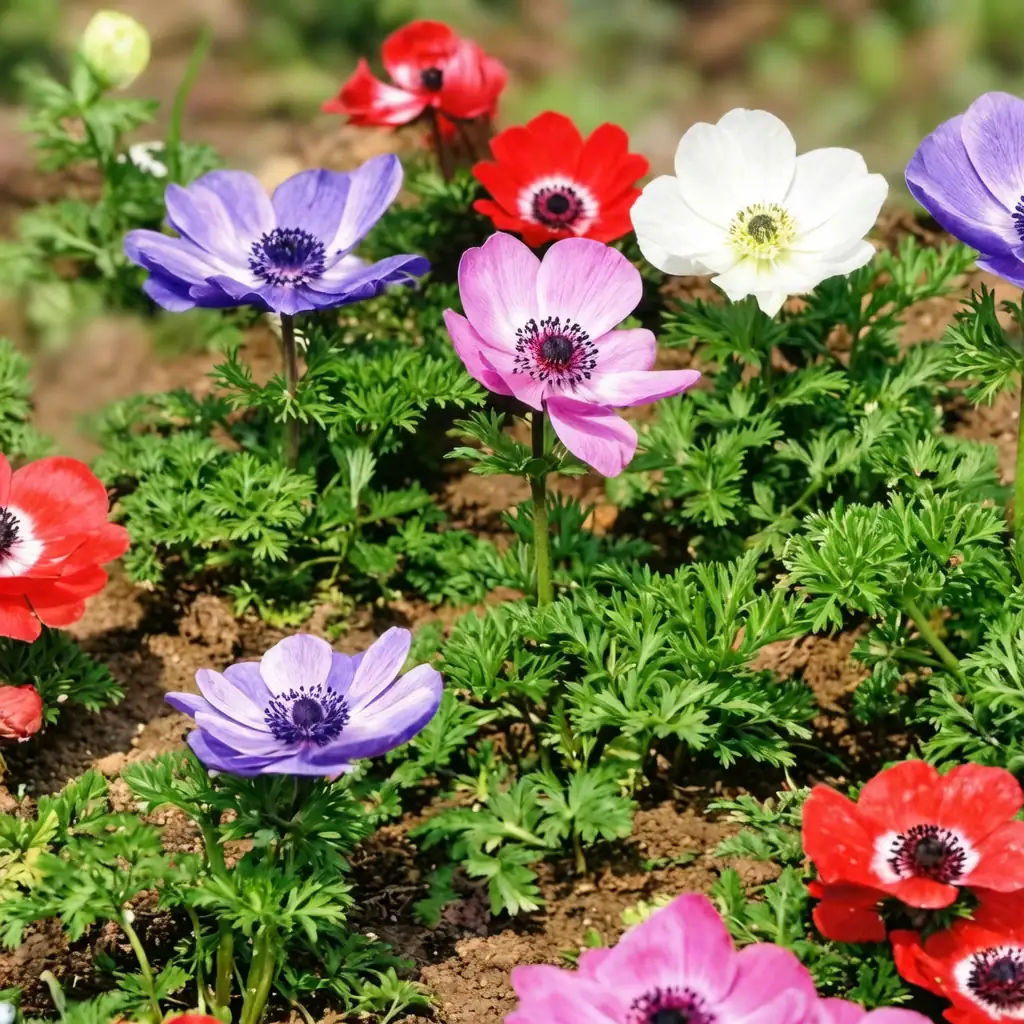
- Foliage: Fresh green, finely divided foliage. Healthy leaves look crisp and vibrant (yellowing can hint at stress, overwatering, or poor light).
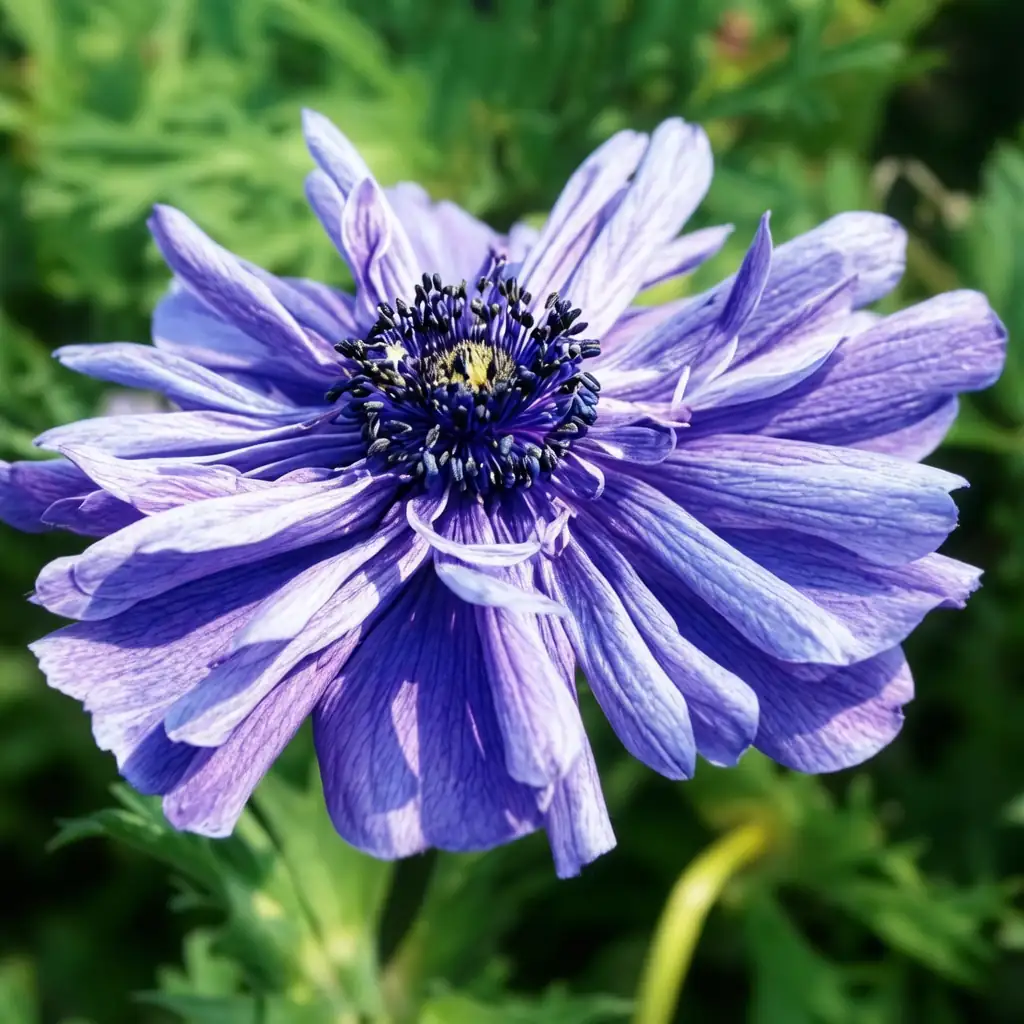
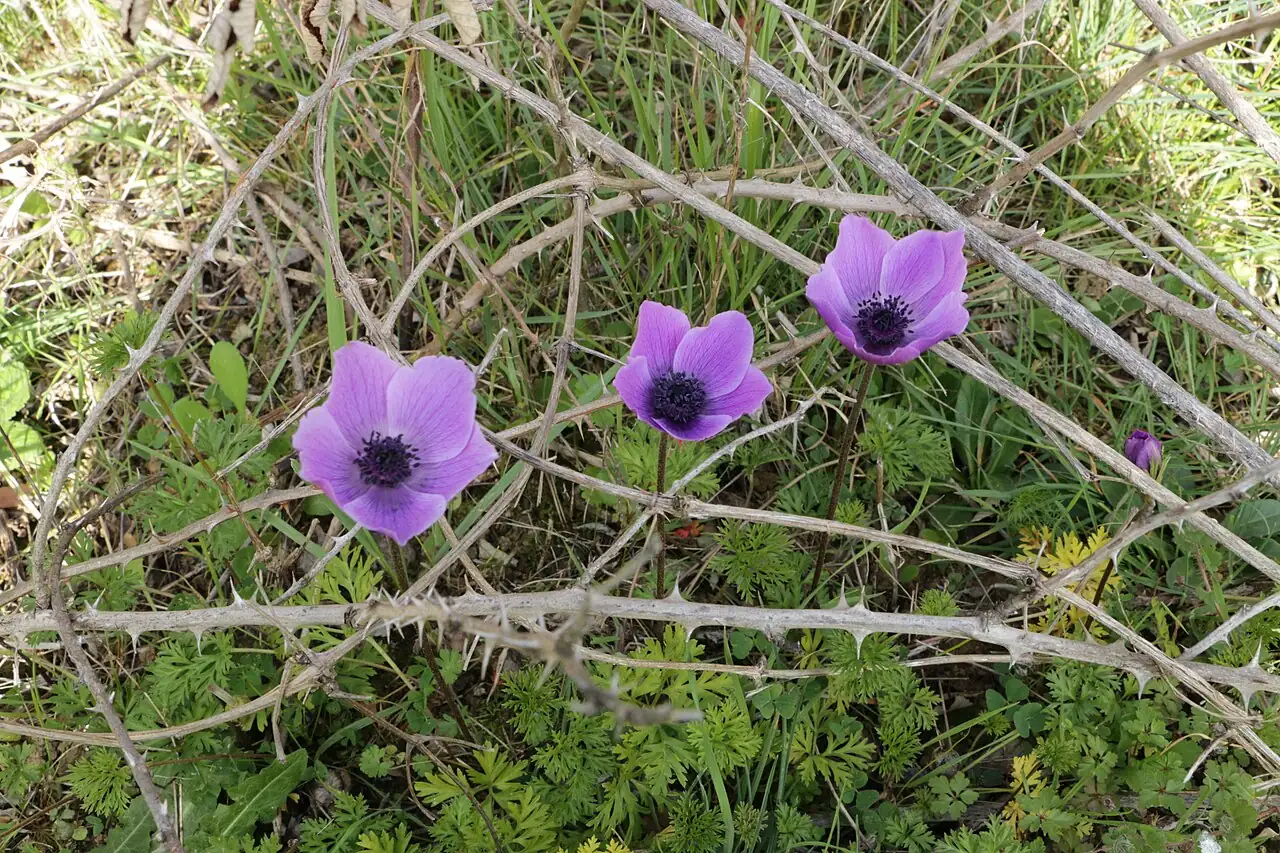
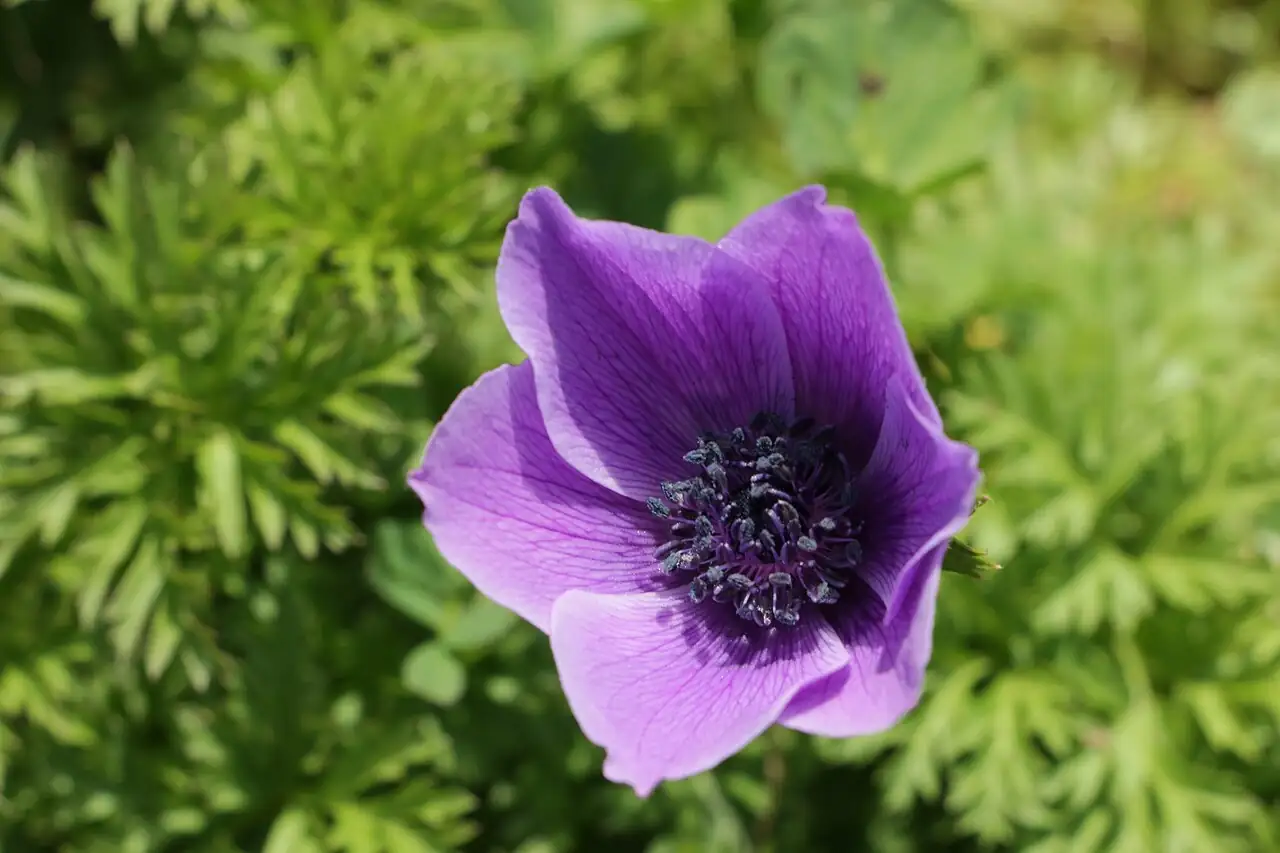
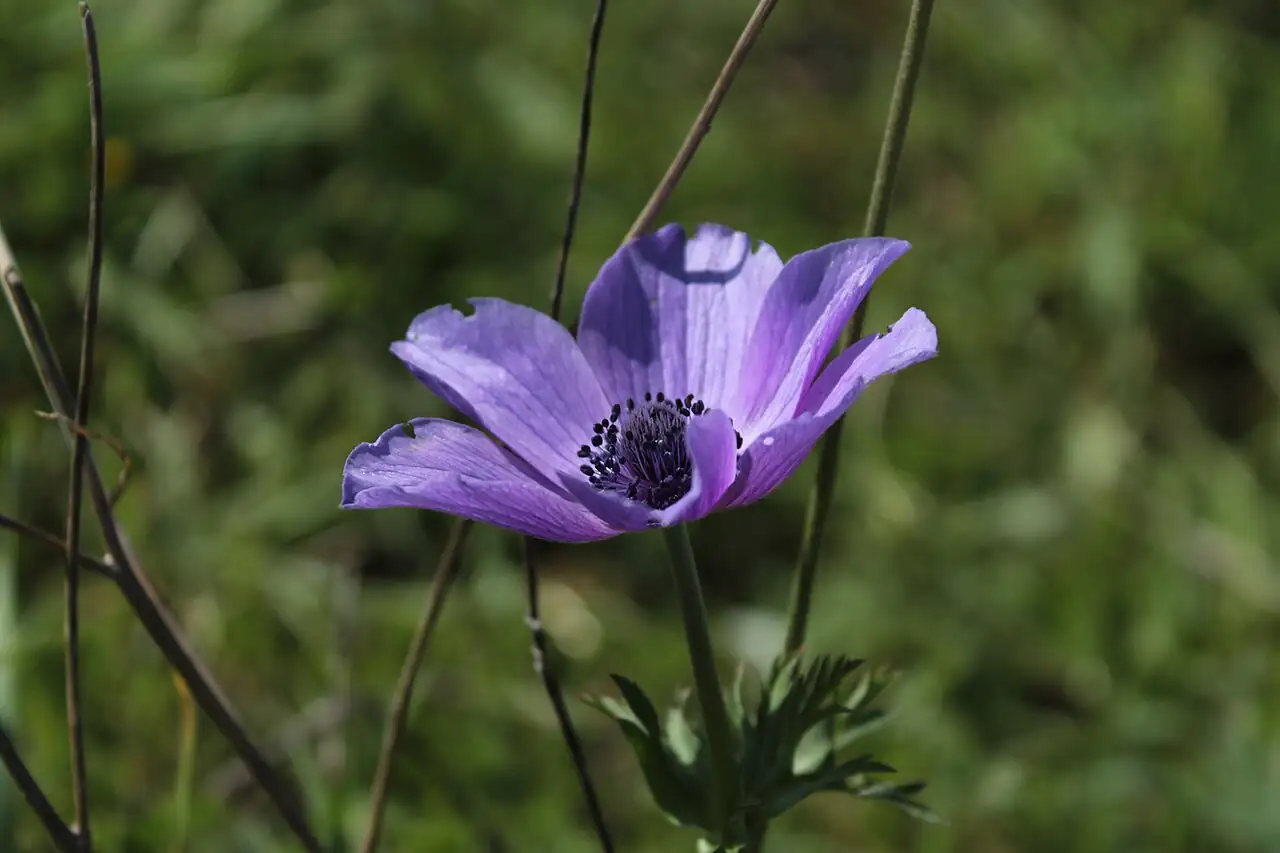
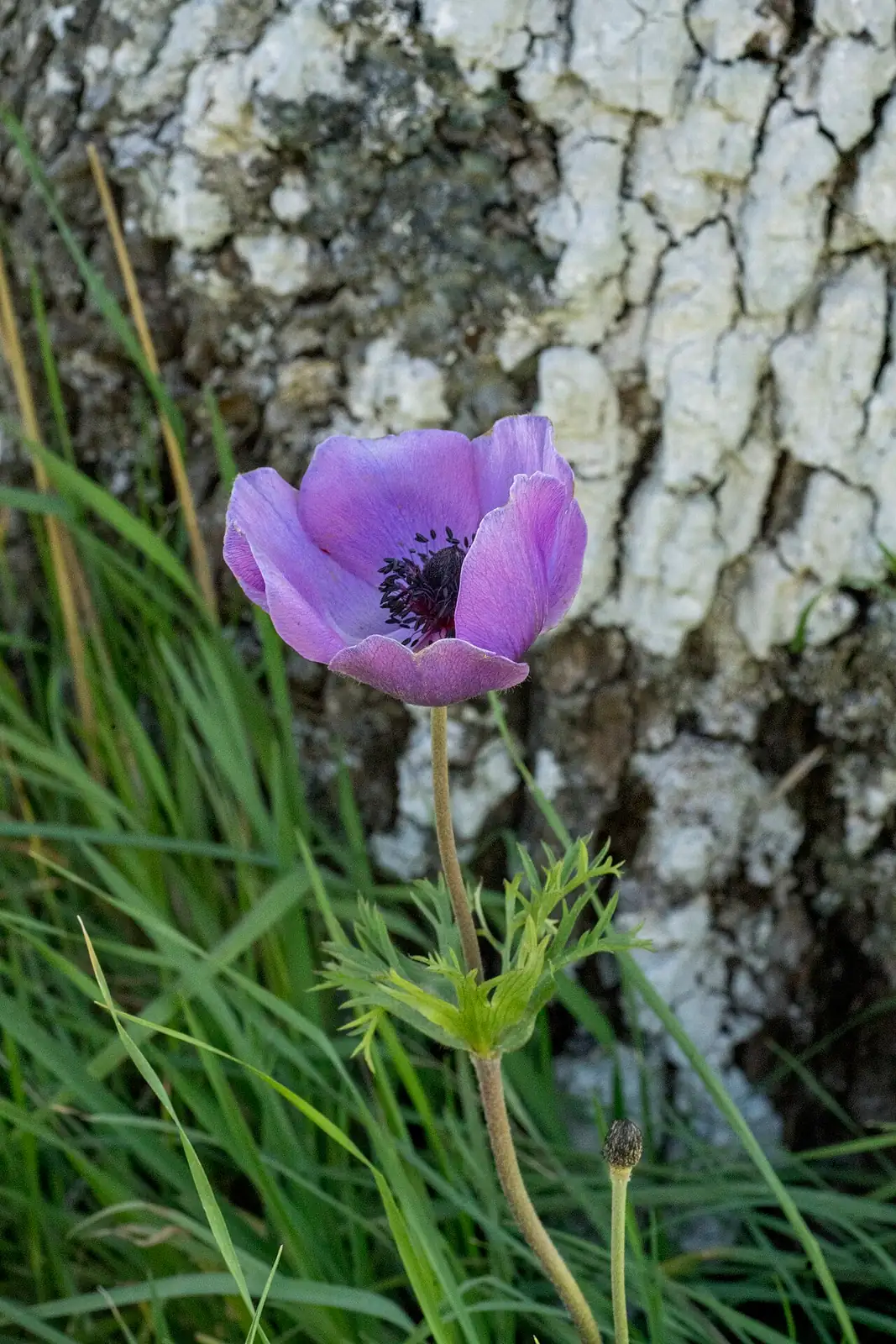
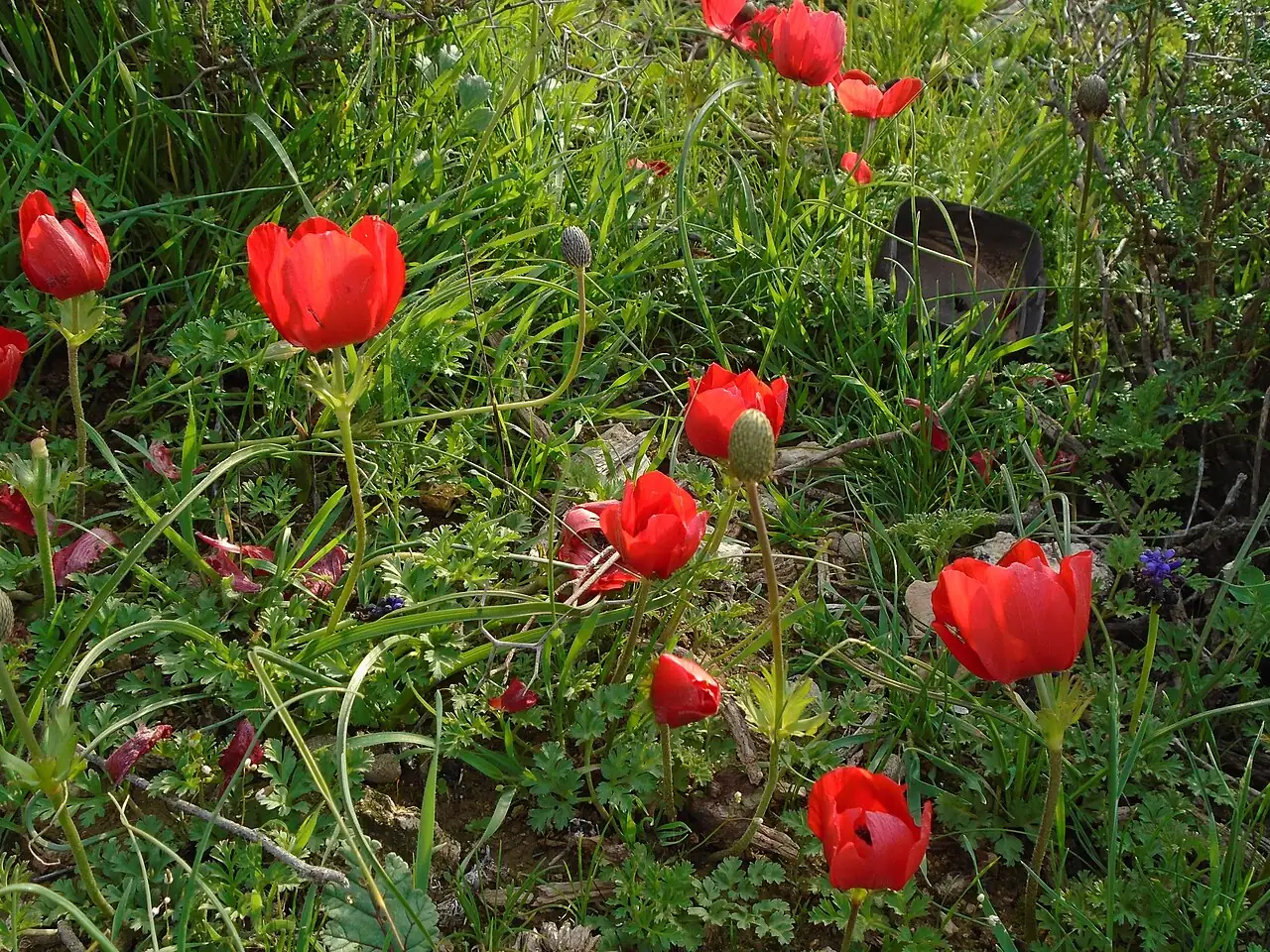
- Flower: Showy, wind-tossed-looking blooms (the reason for the nickname “windflower”) in red, pink, purple, blue, or white. For bouquets, cut stems when the flower is just beginning to open—when the petals are lifting from the center—for the best vase life.
- Flowering Season: Spring
- Growth Habit: A tuberous perennial often grown as a cool-season flowering plant. It produces leafy growth and upright flower stems during its active season, then the tubers go dormant in summer heat (and may also rest during very cold winters).
Environment
Sunlight
Full sun to bright light; tolerates part shade. In hot summer conditions, provide about 50–60% shade to prevent stress. Too little light can lead to weak, leggy growth and poor flowering.
Temperature
Best growth at 15–20°C (59–68°F). It tolerates cool weather but dislikes hot, humid conditions and drought. Dormancy is normal in summer heat and may also occur when winter temperatures are low.
Humidity
Prefers steady, even moisture during active growth. Water when the soil surface dries, keeping the mix consistently moist but not soggy. During winter or dormancy, keep much drier to avoid tuber rot.
Soil
Rich yet free-draining soil is essential—think compost/leaf mold mixed with fertile loam and coarse sand. Avoid heavy, waterlogged ground; standing water can quickly rot the tubers.
Placement
Sunny balcony, bright patio, or a well-drained garden bed; can also do well in lightly shaded spots. If grown for cutting, keep plants and vases away from ripening fruit (ethylene shortens flower life).
Hardiness
Often treated as a cool-season plant. Not reliably frost-hardy in severe winters, and it struggles in hot, humid climates. Excellent drainage is critical for survival.
Care Guide
Difficulty
Moderate. The main secrets are cool temperatures, bright light, steady moisture during growth, and sharp drainage. Avoid hot, humid weather and drought, and don’t be alarmed when the plant naturally goes dormant in summer (and sometimes in cold winter conditions).
Buying Guide
Choose compact plants under 30 cm (12 in) with deep green leaves (no yellowing), intact buds/flowers, and no mechanical damage. For cut flowers, pick stems at the first-open stage, when petals are just starting to lift from the center.
Watering
Water when the soil surface feels dry. During stem growth and flowering, keep the potting mix evenly moist. After heavy rain or snow outdoors, check that excess water drains away—tubers rot easily in standing water. After planting tubers, avoid soaking the pot immediately: water lightly to moisten the mix, then increase gradually as growth begins. In winter or dormancy, keep the mix on the dry side.
Fertilization
Feed about once a month during active growth using a dilute balanced fertilizer (or a gentle organic liquid feed). When buds appear, give one feeding higher in phosphorus and potassium to support flowering and tuber development (for example, a bloom formula around 15-15-30).
Pruning
Deadhead after flowering if you’re not saving seed, so the tubers can store energy for the next cycle.
Propagation
Primarily by handling/dividing tubers. After the foliage dies back (often around June), lift and store tubers dry (for example in dry sand) in a cool, shaded place. Before replanting (commonly by October), pre-soak tubers in water or damp sand to rehydrate for more even sprouting. Plant with the pointed side facing down (don’t invert). Under good conditions, new leaves may appear in about 20 days in the ground.
Repotting
For pots, use a 12–15 cm (4.7–5.9 in) container and plant 3 tubers about 1.5 cm (0.6 in) deep. In the ground, plant 5–7 cm (2–2.8 in) deep. Late planting can delay or reduce flowering; try to finish planting by late November.
📅 Seasonal Care Calendar
Grow in cool, bright conditions with steady moisture and excellent drainage during the active season. Provide 50–60% shade in hot weather. Expect dormancy in summer heat and possibly during cold winter conditions; reduce watering significantly during rest.
Pests, Diseases & Safety
Common Pests & Diseases
Can be troubled by rust, gray mold (Botrytis), and Sclerotinia, especially in damp, poorly ventilated conditions. Prevent issues with clean tubers, good airflow, and avoiding waterlogged soil. Aphids may attack stems and buds; manage early with gentle washing or appropriate controls following local guidance.
Toxicity
Like many buttercup relatives (Ranunculaceae), it can irritate skin and may be harmful if eaten. Keep away from children and pets, and consider gloves if you have sensitive skin.
Culture & Symbolism
Symbolism: Often linked with anticipation and hopeful expectation. The “windflower” nickname comes from blooms that look as if they were opened by a passing breeze.
Uses: A spring showpiece for containers and mixed borders, and a popular cut flower for arrangements. Florists avoid pairing it in the same vase with daffodils because daffodil sap can soften anemone stems. Also keep cut flowers away from ripening fruit, since ethylene gas can shorten vase life. Planting mixed colors together creates an especially lively spring display.
FAQ
Why won’t my newly potted tubers sprout?
Overwatering right after planting is a common cause. If the pot is soaked immediately, tubers can stay too wet and rot before they sprout. After planting, water lightly to moisten the mix, then increase watering gradually as growth begins.
How do I plant poppy anemone tubers in the garden?
Plant in October–November in a raised, well-drained, fertile spot. Before planting, soak tubers in water or damp sand so they fully rehydrate for more even sprouting. Plant 5–7 cm (2–2.8 in) deep with the pointed side down, water lightly, and make sure excess water can drain away. Under good conditions, new leaves may appear in about 20 days.
Fun Facts
- The nickname “windflower” comes from the way the petals can look as if they were opened by a gust of wind.
- Ethylene gas from ripening fruit can noticeably shorten the vase life of the flowers.
- Daffodil sap can cause anemone cut stems to soften, so florists avoid mixing them in the same vase.