

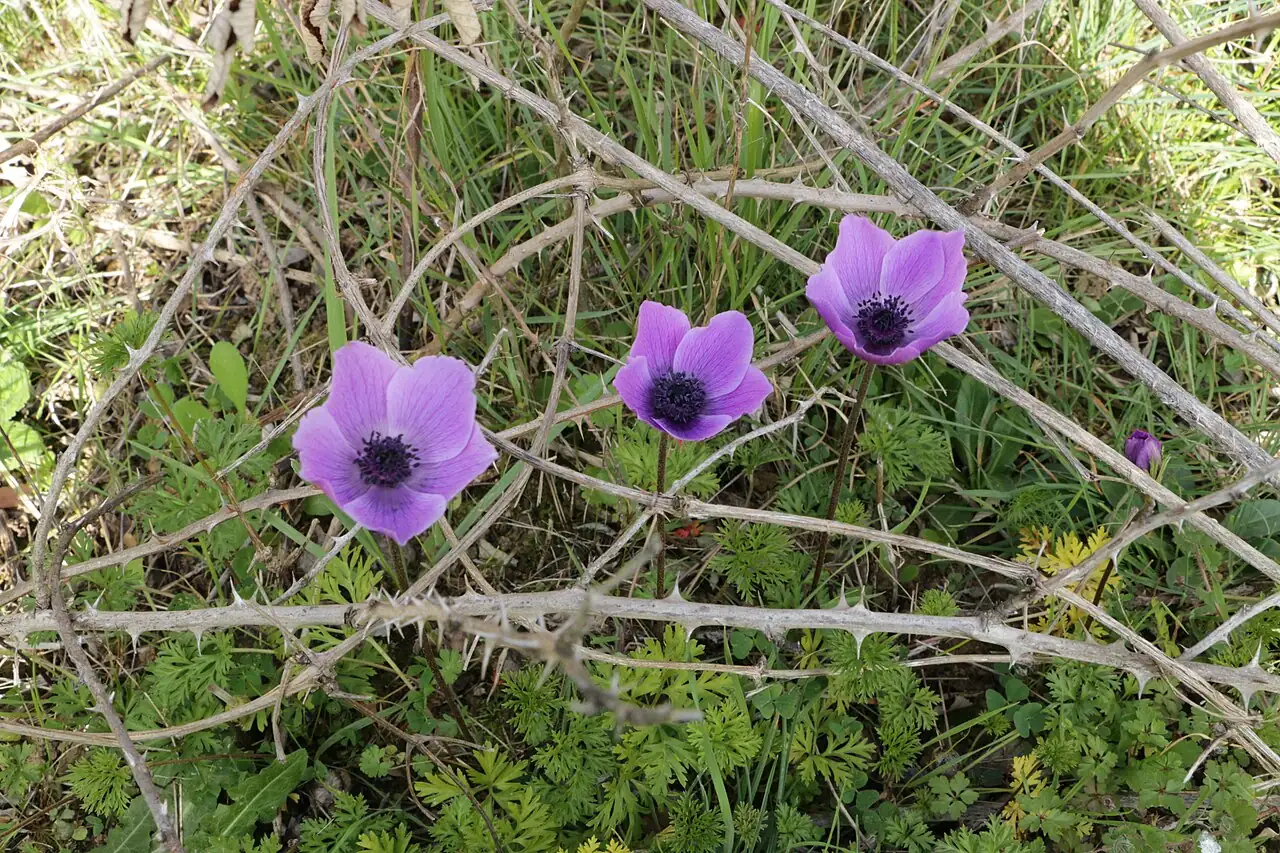
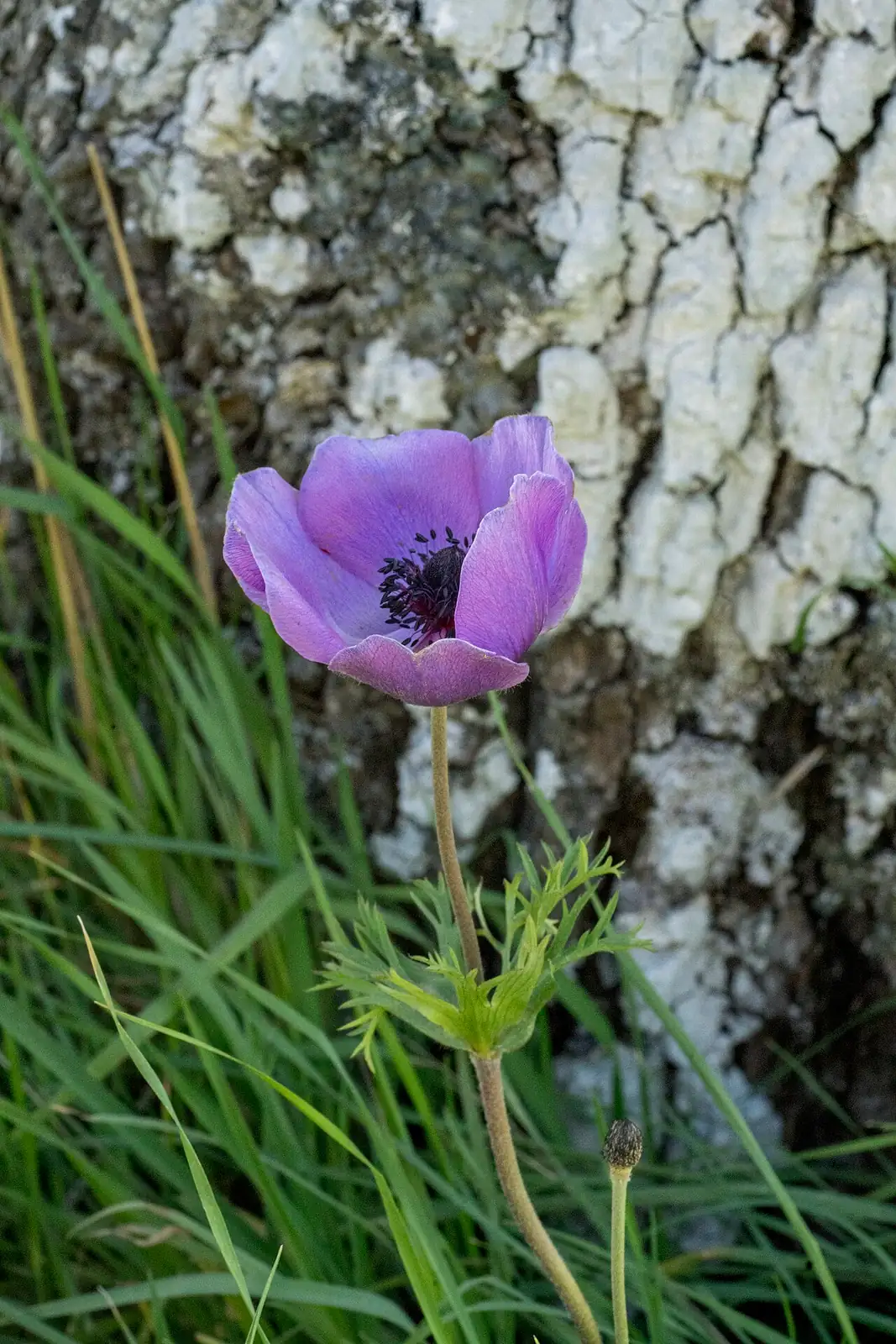
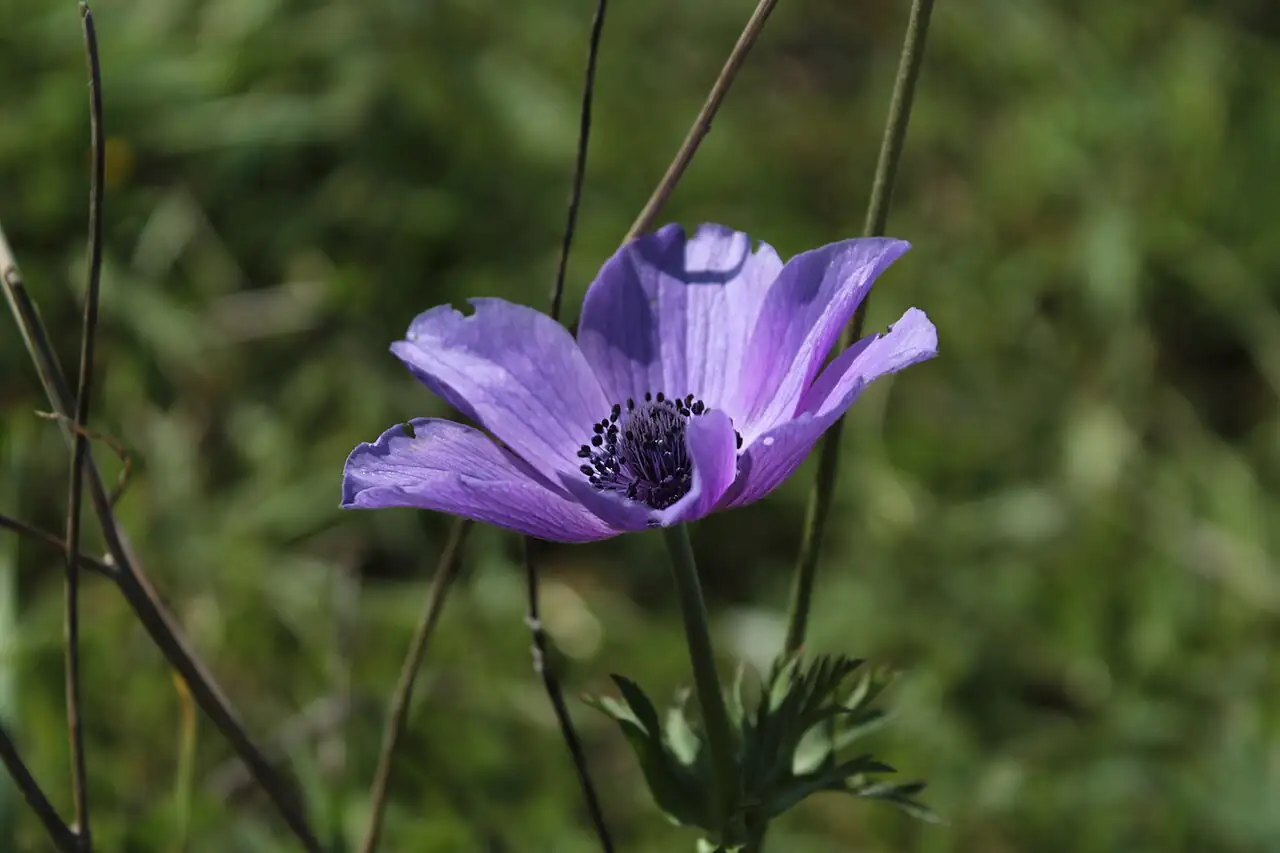
Plant Features
- Size: When buying potted plants, choose specimens no taller than 40 cm (16 in). For containers, a 12–15 cm (4.7–5.9 in) pot is commonly used, planting 3 tubers per pot.
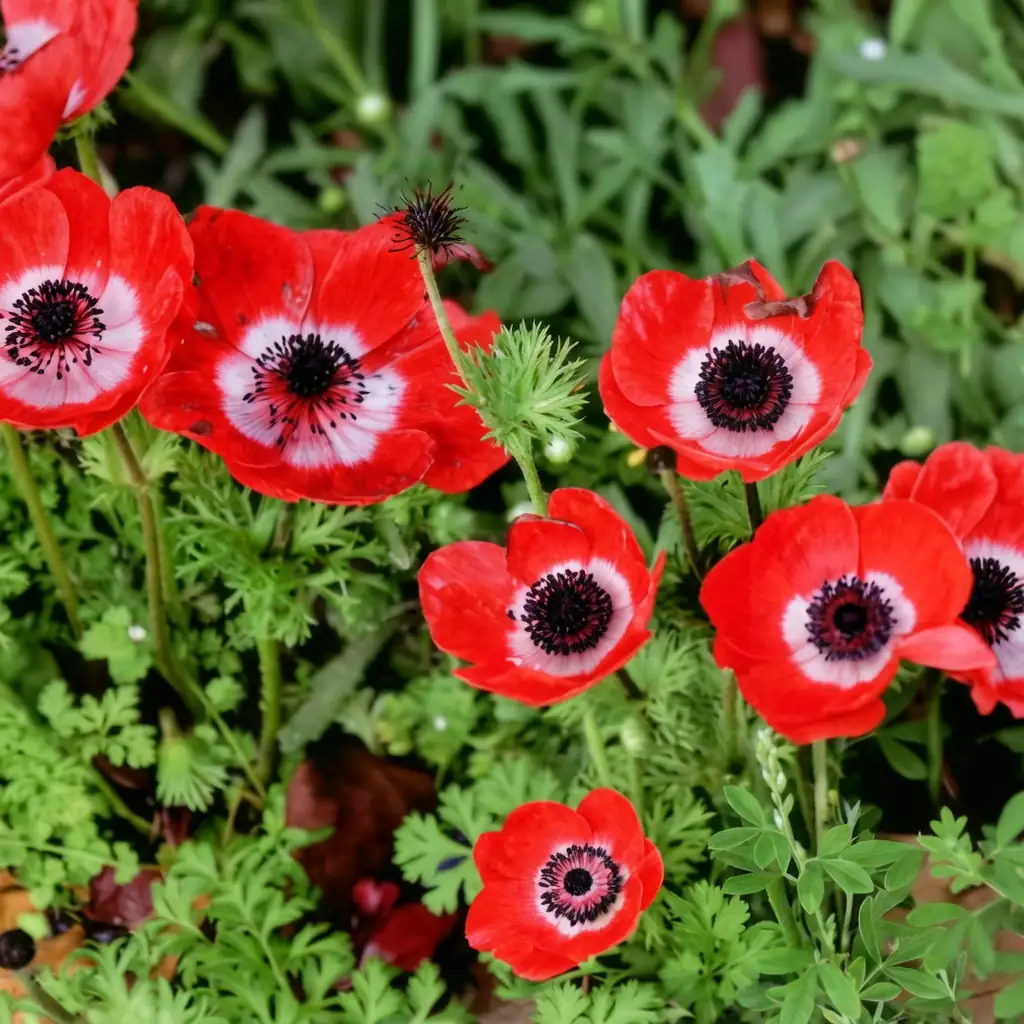
- Foliage: Graceful stems with rich green leaves; the overall look is neat, soft, and refined—perfect for adding a light, airy texture around bolder plants.
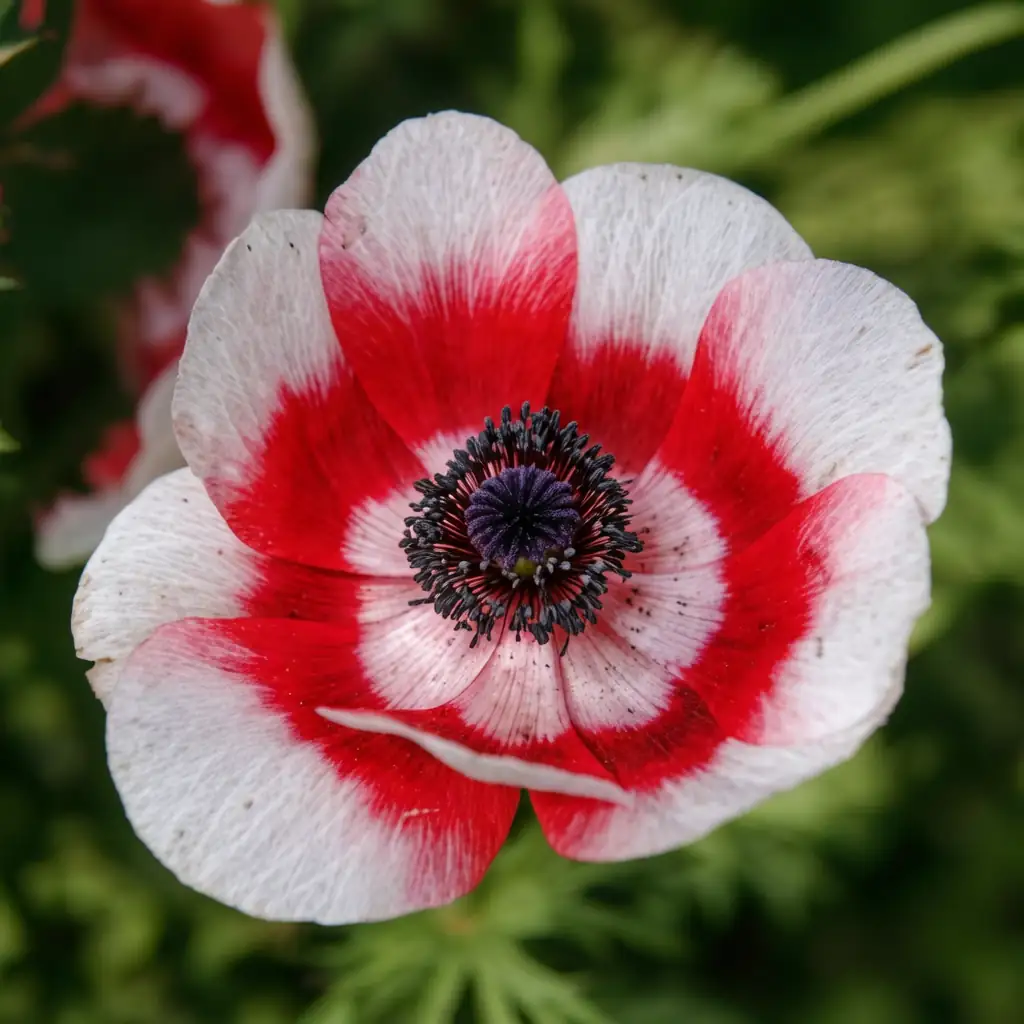
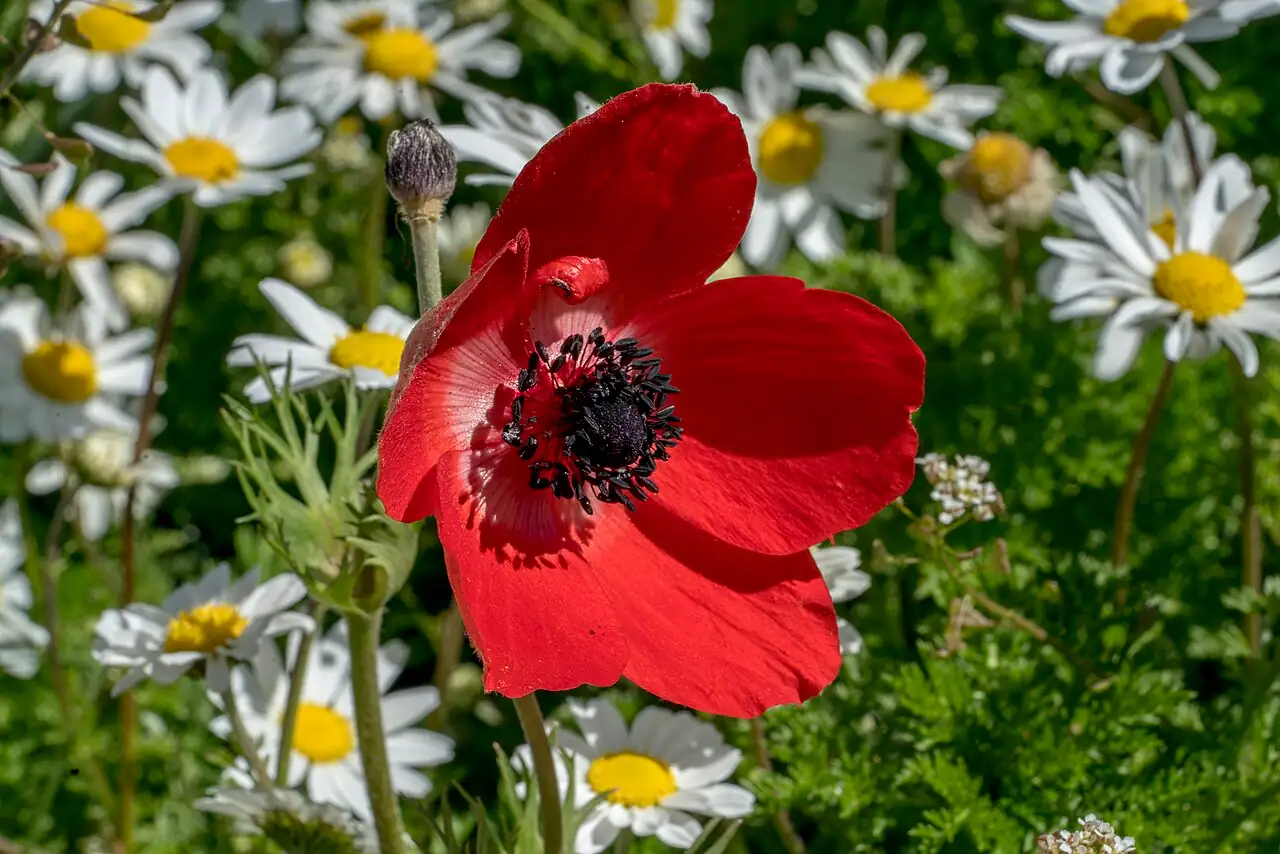
- Flower: Large, showy, vividly colored blooms; many cultivars have long stems and/or double flowers, making them especially good for cut arrangements and container displays. Avoid wetting open flowers to keep petals looking their best.
- Flowering Season: Spring.
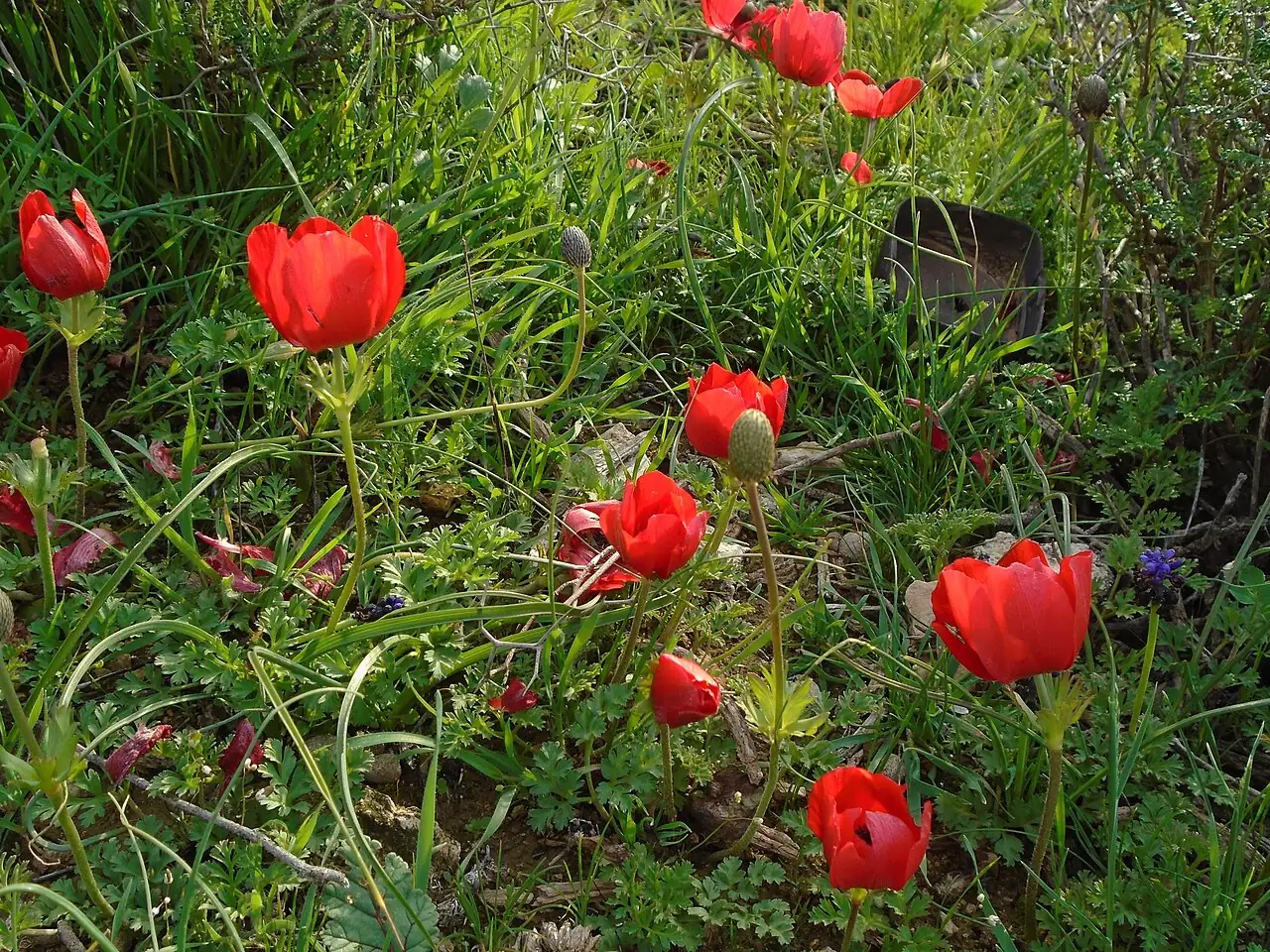
- Growth Habit: Herbaceous, tuberous perennial. Grows actively in cool, moist, bright conditions; tolerates partial shade. Tubers go dormant during hot summer weather and may also rest under unfavorable winter cold.
Environment
Sunlight
Full sun is best for sturdy growth and strong flowering; tolerates partial shade. In hot summer periods, provide about 50–60% shade. Indoors, place in bright light such as an east- or south-facing windowsill/balcony. Outdoors, choose a sunny, well-lit site—too little light often leads to stretched, weak stems and fewer flowers.
Temperature
Ideal growing range is 15–20°C (59–68°F). It handles cool conditions fairly well but dislikes hot, humid weather and drought. Tubers may go dormant in summer heat and during low winter temperatures.
Humidity
Prefers a cool, lightly moist environment. Mist foliage when the air is dry, but avoid spraying open flowers.
Soil
Fertile, free-draining soil is key (e.g., leaf mold/compost + rich garden loam + coarse sand). For seed sowing, use a fine-textured medium and cover seed only lightly.
Placement
Bright, airy spots with good ventilation: east- or south-facing windowsill/balcony indoors; sunny, well-drained beds and courtyards outdoors.
Hardiness
Generally a cool-season grower; performance and winter survival vary by cultivar and especially by winter wetness. Not tolerant of hot, humid conditions; may go dormant when temperatures are unfavorable. In cold/wet winters, tubers are more likely to rot if drainage is poor.
Care Guide
Difficulty
Moderate. The trick is balancing bright light, even moisture, and cool-to-mild temperatures with good airflow. Avoid hot, humid, stagnant conditions and waterlogging—tubers can rot. Seed growing requires patience (often 2–3 years to flower) and seedlings are sensitive to temperature swings.
Buying Guide
Choose sturdy plants no taller than 40 cm (16 in), with thick flower stems, lots of buds, some flowers already open, rich flower color, and deep green leaves. For seed, buy fresh, intact packaging from reputable suppliers (double-packed is a plus). For tubers, pick firm, plump, fresh tubers with a circumference of at least 6 cm (2.4 in).
Watering
Water when the surface of the potting mix has dried slightly. During stem extension and flowering, keep the mix evenly moist (not soggy). In rainy spells for in-ground plants, prioritize drainage to prevent standing water. In winter, don’t keep pots overly wet—cold + wet invites tuber rot. After potting dry tubers, water lightly at first; overwatering in the first one or two waterings can keep tubers too wet and lead to rot. Increase watering gradually as growth starts.
Fertilization
During active growth, feed once a month with a dilute, well-rotted organic liquid fertilizer (such as compost- or oilcake-based). When buds/flowers first appear, give one extra boost higher in phosphorus and potassium to support flowering and tuber development (for example, a bloom formula like 15-15-30).
Pruning
Deadhead promptly after flowering if you aren’t saving seed—this helps the tubers store energy and can extend blooming. Avoid spraying water onto open flowers.
Propagation
Division and seed. Division: after foliage dies back around June, lift tubers and store in dry sand in a cool, shaded place; before planting (by early autumn), pre-soak tubers in moist sand or water to rehydrate for more even sprouting. Seed: seeds ripen around June and are best sown fresh; because they can be slightly hairy and clump together, rub/mix with sand before sowing to spread them evenly. Sow in pots with a fine medium, cover lightly. Germinate at 15–20°C (59–68°F); seedlings usually appear in 3–6 weeks. High heat can stall seedlings, and seed-grown plants often take 2–3 years to bloom.
Repotting
For pots, use 12–15 cm (4.7–5.9 in) containers and plant 3 tubers per pot. Planting depth: about 1.5 cm (0.6 in) in pots; 5–7 cm (2.0–2.8 in) in the ground. Water after planting to settle the mix and encourage sprouting. Use a fertile, free-draining mix (leaf mold/compost + rich loam + coarse sand).
📅 Seasonal Care Calendar
Active growth: fertilize monthly with dilute feed. First buds/flowers: give one phosphorus-potassium boost. Spring: main flowering season. June: after dieback, lift/divide and store tubers; seeds mature and can be sown fresh. Summer: provide 50–60% shade; tubers may go dormant in heat—keep drainage excellent. Winter: tubers may rest in cold; keep potted soil on the dry side and never soggy.
Pests, Diseases & Safety
Common Pests & Diseases
Can be affected by rust, gray mold (Botrytis), and Sclerotinia, which damage foliage—good airflow and avoiding wet, stagnant conditions help a lot. Many growers disinfect tubers before planting by soaking in an appropriate fungicide solution (often used around 1:1000 dilution when labeled). If disease appears, treat with a suitable broad-spectrum fungicide according to label directions. Aphids may attack flowering stems; manage with integrated methods (rinse off, encourage beneficial insects) or a labeled insecticide such as imidacloprid where appropriate.
Toxicity
Potentially irritating/toxic if eaten, and sap may cause skin irritation in sensitive people (typical of many Ranunculaceae). Keep away from pets and children, and wear gloves if you have sensitive skin.
Culture & Symbolism
Symbolism: Often associated with anticipation and protection—its “windflower” nickname hints at blooms that seem to arrive with the changing spring breezes.
History & Legends: Long cultivated around the Mediterranean and widely bred into colorful garden strains. In European garden tradition it’s a classic spring bulb-and-tuber companion plant, valued for early-season color and cut-flower stems.
Uses: Ornamental for beds, borders, lawn edges, and rock gardens; long-stemmed and double-flowered types are popular for cut flowers and container growing.
FAQ
How do I choose a good poppy anemone plant or tuber?
Pick sturdy potted plants no taller than 40 cm (16 in) with thick stems, many buds, some open flowers, rich color, and deep green leaves. Buy seed that is fresh and well packaged from a reputable supplier. Choose tubers that are firm, plump, and fresh, with a circumference of at least 6 cm (2.4 in).
Where should I place a newly purchased plant, and how should I care for it?
Give it bright light and fresh air (an east- or south-facing window/balcony is ideal). Water well, then keep the mix evenly moist while it’s growing and flowering. Mist leaves if the air is dry, but don’t wet open blooms. Deadhead spent flowers to encourage more blooming and stronger tubers.
Why won’t my newly potted tubers sprout?
If the tubers are healthy, early overwatering is a very common cause. Right after potting, water only lightly—too much water in the first one or two waterings can keep tubers overly wet and cause rot. Keep the mix just barely moist until you see growth, then water a little more as it leafs out.
Fun Facts
- The tubers naturally go dormant in summer heat and may also rest during unfavorable winter cold.
- At 15–20°C (59–68°F), seeds often germinate in about 3–6 weeks, but seedlings are very sensitive to high temperatures.
- Seed-grown plants commonly take 2–3 years to reach flowering size.
- Because the seeds can be slightly hairy and clump together, rubbing them with sand before sowing helps distribute them more evenly.
- Long-stemmed and double-flowered cultivars are prized both in the garden and in bouquets.


