

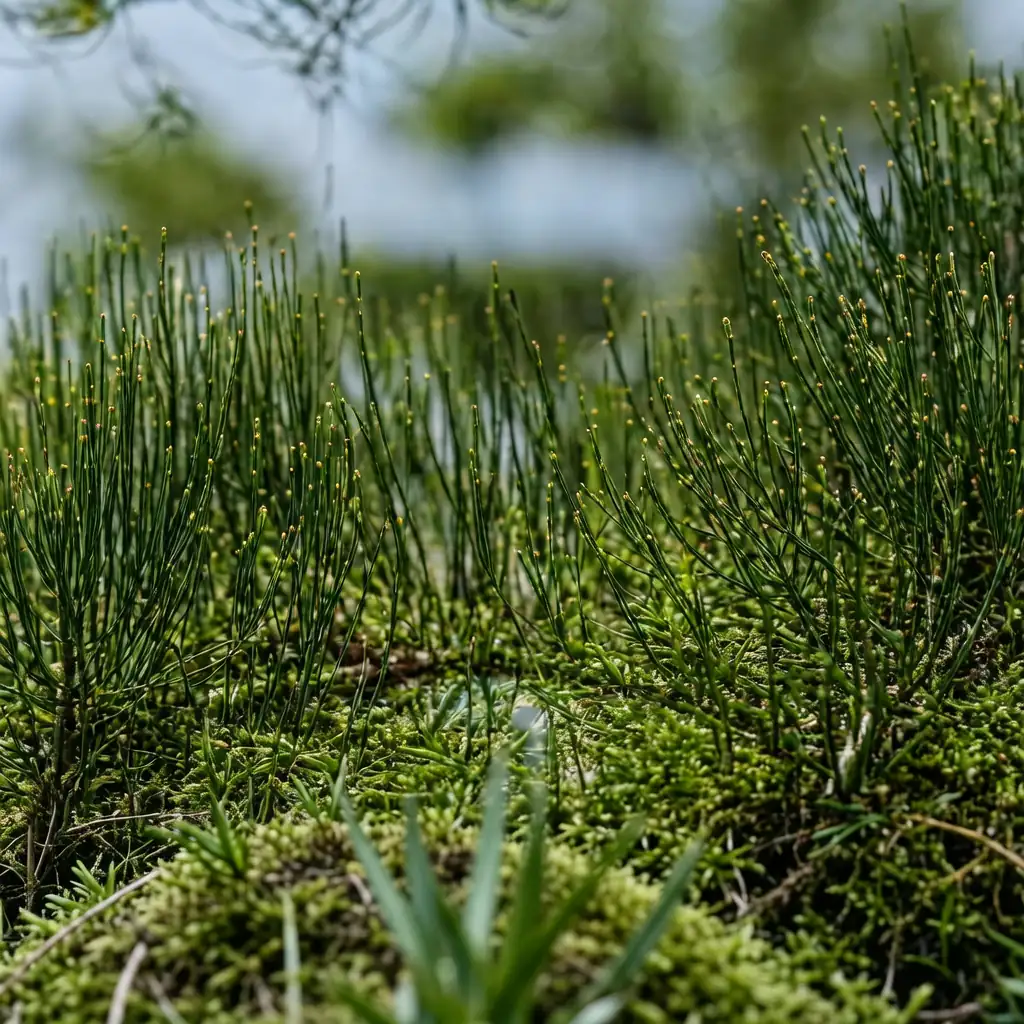
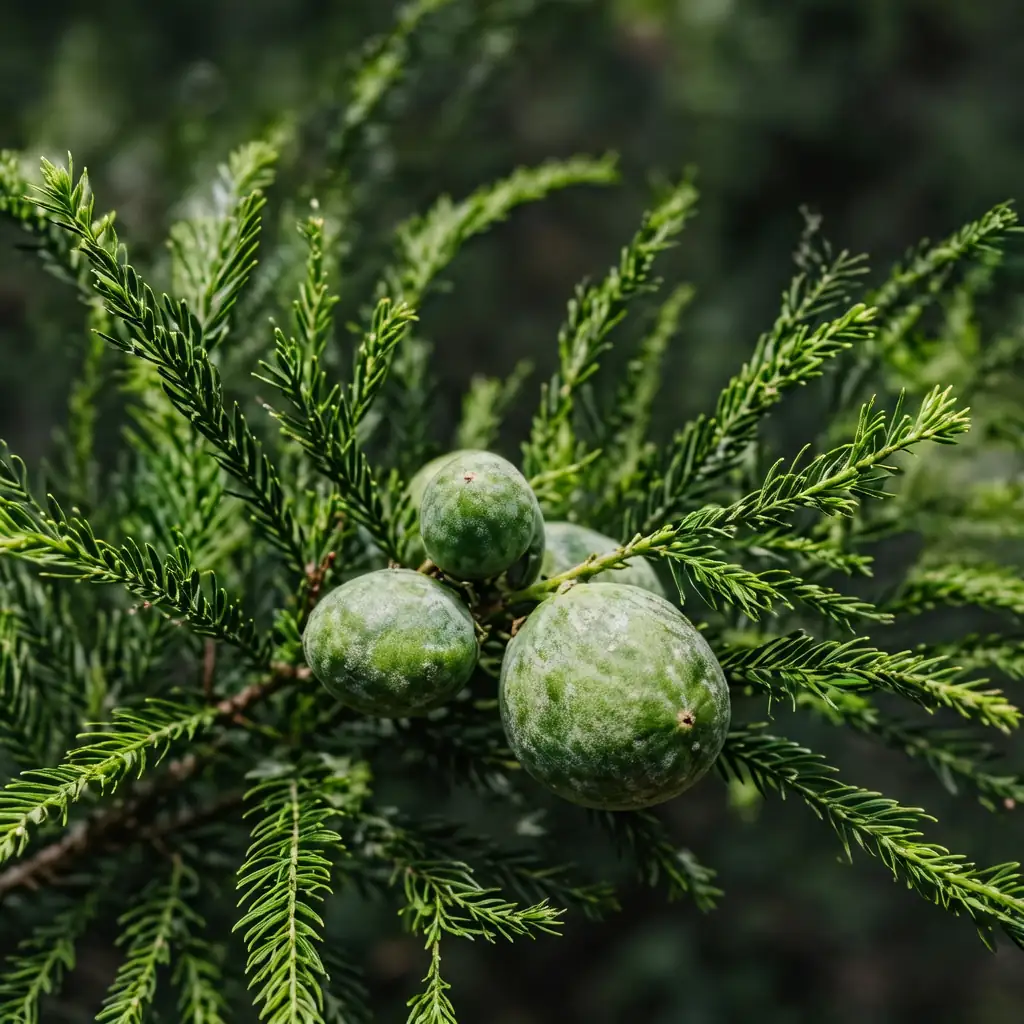
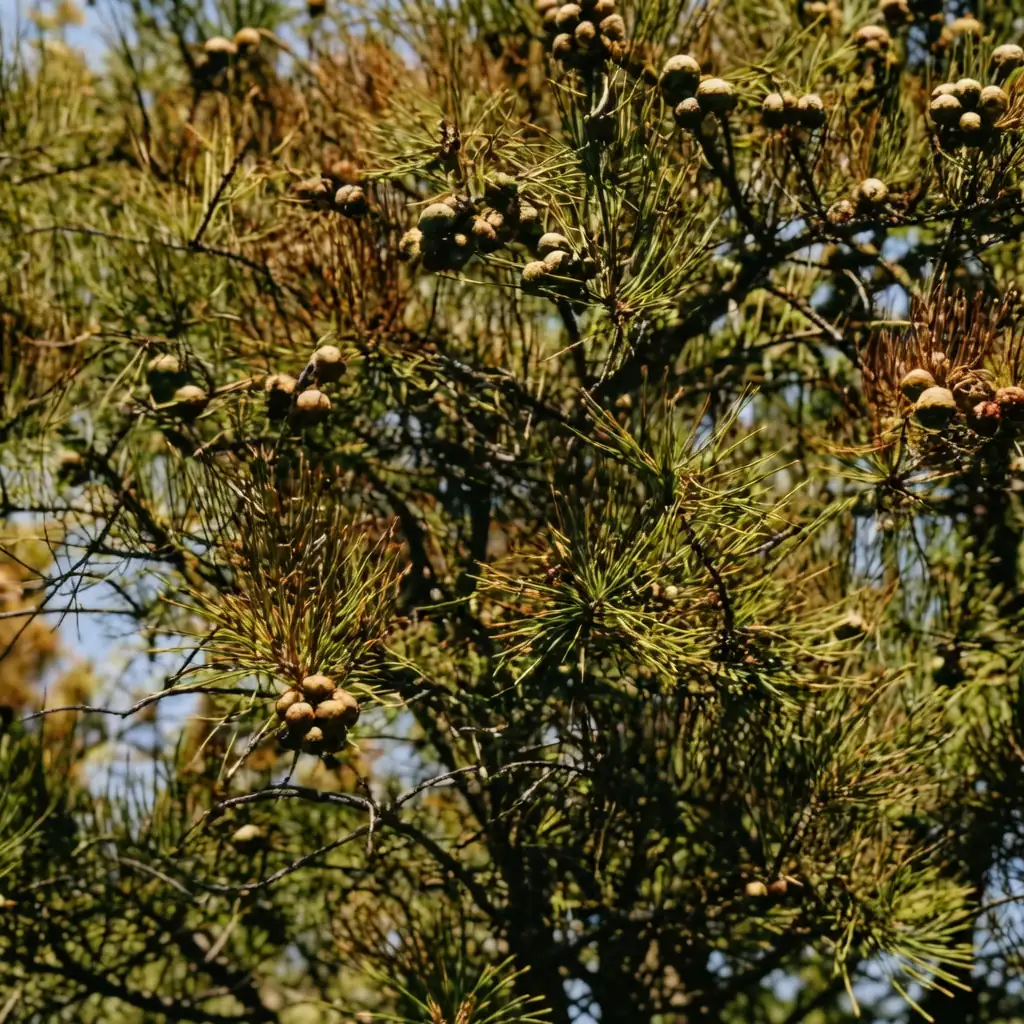
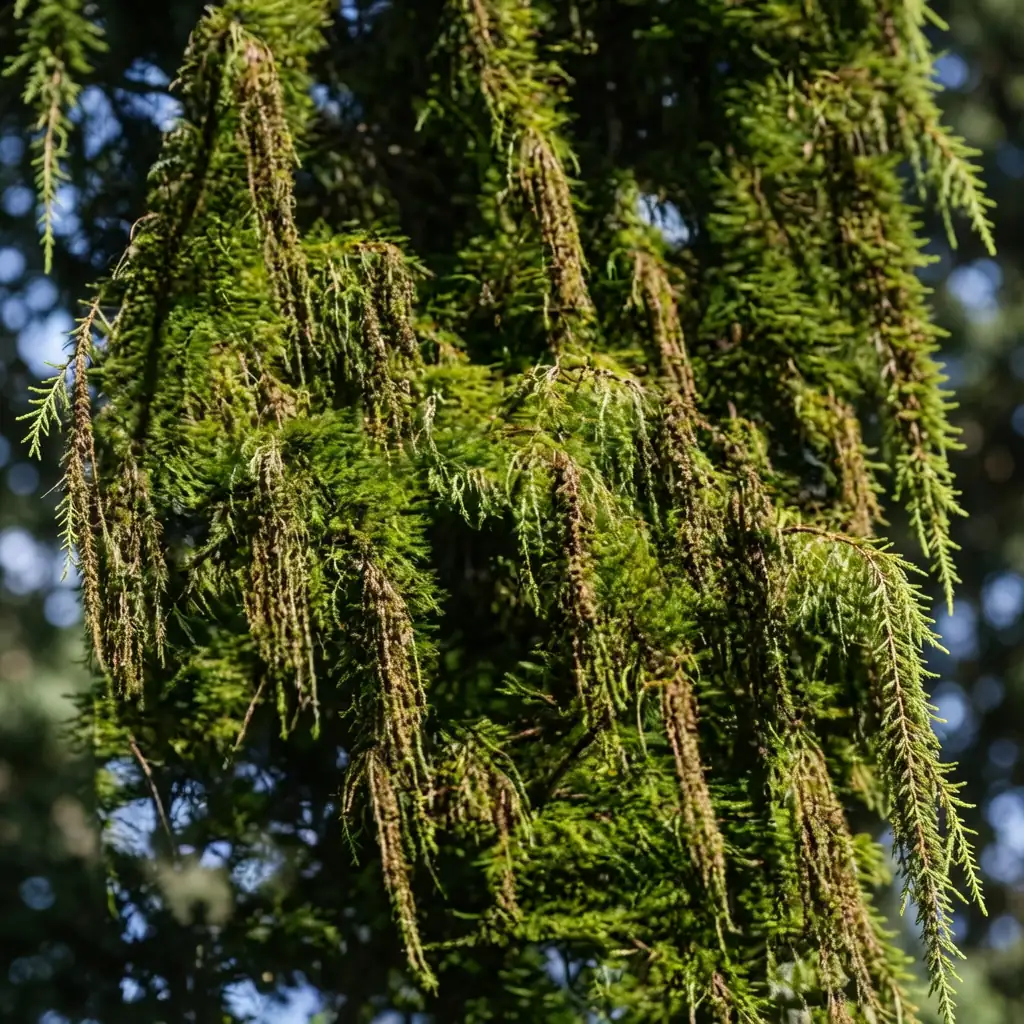
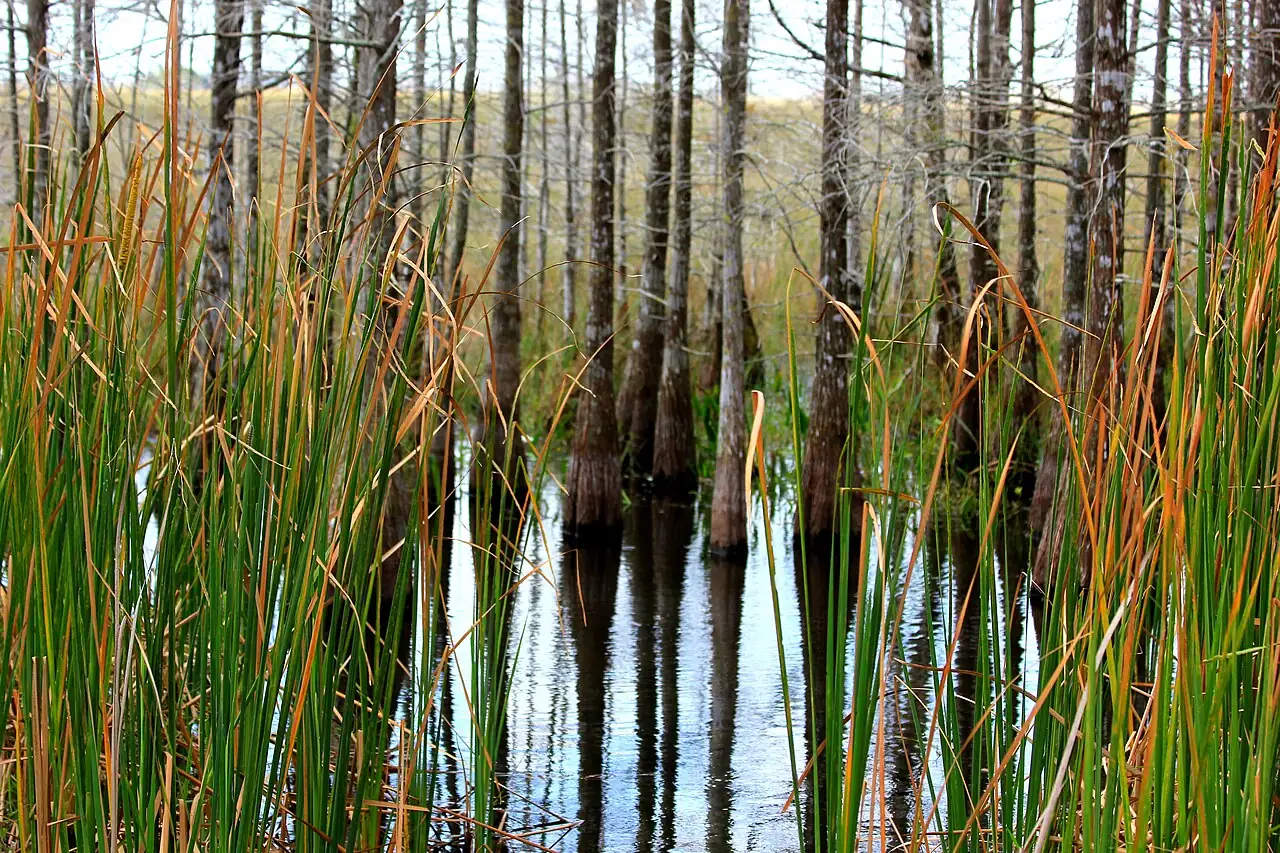
Plant Features
- Size: Up to about 25 m (82 ft) tall; typically forms a narrow, conical to pyramidal crown in cultivation.
- Foliage: Leaves are mostly awl-like, slightly flattened, and spirally arranged, hugging the twig closely. The foliage turns brown in fall before shedding (a distinctive look for a conifer).
- Flower: A conifer producing separate male and female cones. Seed cones are round to slightly oblong on short stalks, ripening to a brownish-yellow tone.
- Flowering Season: March–April (Mar–Apr)
- Growth Habit: A deciduous tree with a narrow pyramidal crown and generally ascending main branches; younger branchlets may droop slightly. The trunk base often flares, and “knees” may develop in saturated soils.
Environment
Sunlight
Full sun is best; it typically performs poorly in shade.
Temperature
Prefers warm, humid climates but tolerates winter cold in many regions; commonly grown in USDA Zones 6–10.
Humidity
Naturally adapted to humid wetlands; extremely tolerant of waterlogging and periodic flooding, yet can handle drier spells once established.
Soil
Best in deep, loose, well-aerated acidic to slightly acidic soil, but notably tolerant of wet, poorly drained sites.
Placement
Ideal for pond edges, lakesides, wetlands, rain gardens, and other low-lying areas; works as a specimen tree, in groves, or in mass plantings.
Hardiness
USDA Zones 6–10; highly flood-tolerant and reasonably drought-tolerant after establishment.
Care Guide
Difficulty
Moderate (outdoors): very adaptable once established, but needs full sun and enough space; young trees establish fastest with consistent moisture.
Buying Guide
Pick a plant with a straight central leader and evenly spaced branches. Avoid stock with circling/girdling roots, trunk damage, or thin, weak twig growth. For wet locations, choose container-grown or freshly dug stock that hasn’t dried out.
Watering
After planting, keep evenly moist through the first growing season. Once established, it tolerates flooded soils very well and can also cope with drought—but it looks and grows best with regular moisture during dry periods.
Fertilization
Usually minimal. If growth seems weak, use a balanced slow-release fertilizer in spring at label rates; avoid heavy nitrogen, especially on rich soils.
Pruning
Late winter to early spring is ideal. Remove dead/damaged/crossing branches and maintain a single leader; avoid heavy pruning during active growth.
Propagation
Most commonly grown from seed; sow fresh seed after cones mature. Named selections are typically propagated from cuttings under mist.
Repotting
Not a long-term container tree. If grown in a pot while young, up-pot in spring into a deeper container with good drainage, then plant out before it becomes root-bound.
📅 Seasonal Care Calendar
Spring: plant, mulch, and water to establish. Summer: watch moisture during dry spells. Autumn: enjoy the brown fall color; collect mature cones if desired. Winter: do structural pruning while dormant.
Pests, Diseases & Safety
Common Pests & Diseases
Generally low-maintenance. Potential problems include cypress canker, needle blights, and occasional scale insects or spider mites when stressed. Good airflow, proper siting, and avoiding drought stress reduce issues.
Toxicity
No well-documented toxicity to people or pets in typical landscape settings. It’s not a food plant—discourage pets from chewing foliage or cones in quantity.
Culture & Symbolism
Symbolism: Often linked with resilience and longevity—especially fitting for a tree that thrives where others struggle, right at the water’s edge.
History & Legends: A classic North American wetland tree valued for its distinctive form and remarkable tolerance of flooded ground; it has been widely introduced and cultivated as an ornamental in other regions, including parts of China.
Uses: Primarily an ornamental and ecological landscape tree for shorelines, wet gardens, park plantings, and naturalistic designs. Especially useful for challenging, waterlogged sites where its “knees” and buttressed base become a dramatic feature.
FAQ
What family and genus does it belong to?
It belongs to the cypress family (Cupressaceae) and the genus Taxodium.
What other names is it known by?
It’s commonly called Pond Cypress; it’s also seen as Swamp Cypress.
When does it flower?
Typically March–April (Mar–Apr). Like most conifers, the flowers are subtle—appearing as pollen and seed cones rather than showy blooms.
When do the cones mature?
Usually in autumn (often around October), depending on local climate.
How tall can it get?
Around 25 m (82 ft) under good conditions.
What conditions does it prefer?
Full sun, acidic to slightly acidic soils, and plenty of moisture—though it’s impressively tolerant of both flooding and, once established, periods of drought.
Fun Facts
- In saturated soils it may form “cypress knees,” woody root projections that are a signature identification feature.
- Its seed cones are round to slightly oblong and ripen to a brownish-yellow color.
- It’s one of the best landscape trees for waterlogged ground, which is why it’s so often planted around ponds and wetlands.
- A conifer with brown fall color is unusual—pond cypress makes that look feel intentional and elegant.
- Though native to the southeastern United States, it’s widely cultivated in many regions for its toughness and distinctive shape.


