

Plant Features
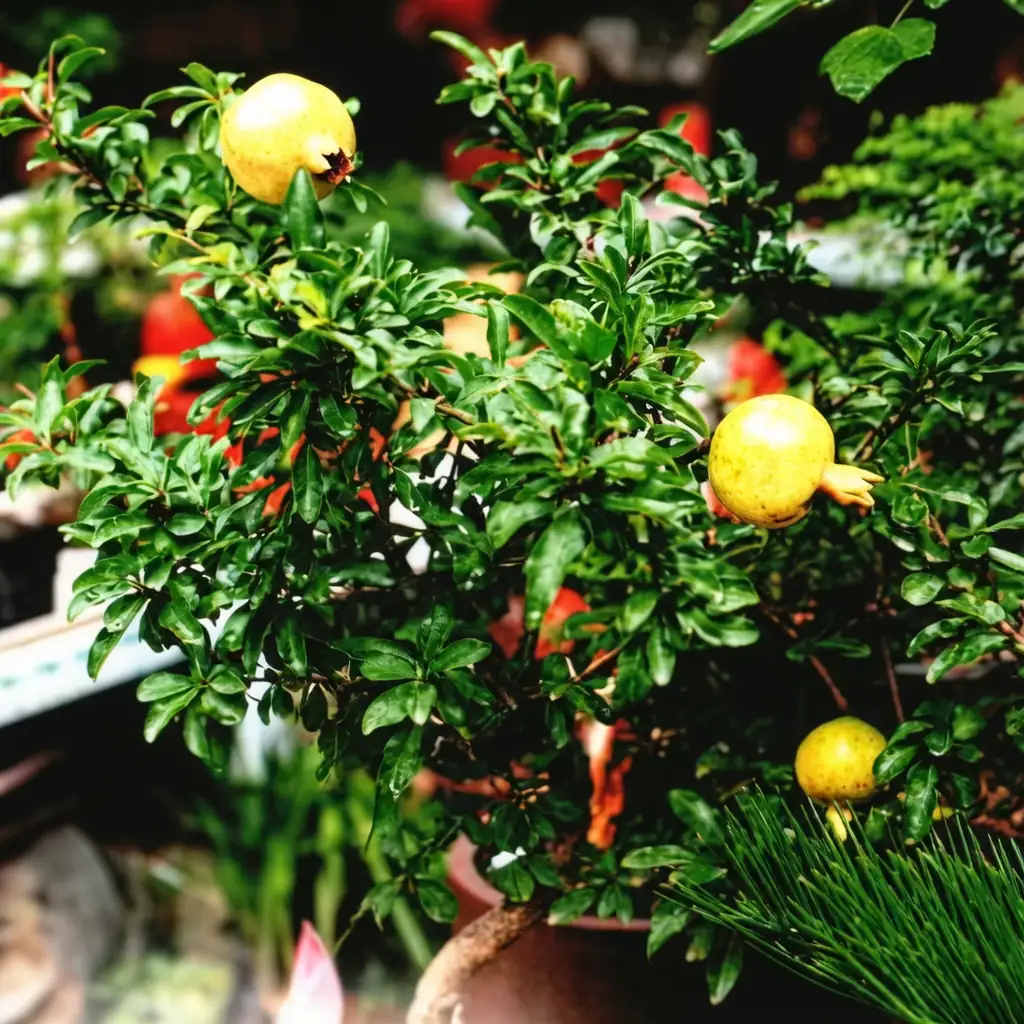
- Size: A multi-stemmed shrub or small tree. In mild climates it commonly reaches about 2 m x 2 m (6.6 ft x 6.6 ft), though size varies widely by cultivar and pruning. For garden planting, nurseries often sell (and gardeners often prefer) stock around 1.5–1.8 m (4.9–5.9 ft) tall. In containers, it’s frequently grown in pots about 15–40 cm (6–16 in) in diameter (young plants are often started in roughly 20–30 cm (8–12 in) pots and upsized over time).
- Foliage: Deciduous to semi-evergreen depending on winter temperatures. Leaves are narrow-oval to oval, smooth-edged, and glossy green; new growth may flush bronze before turning green. With potted/bonsai training, pinching (and occasional selective defoliation on strong plants) encourages compact growth and fresh leaf flushes.
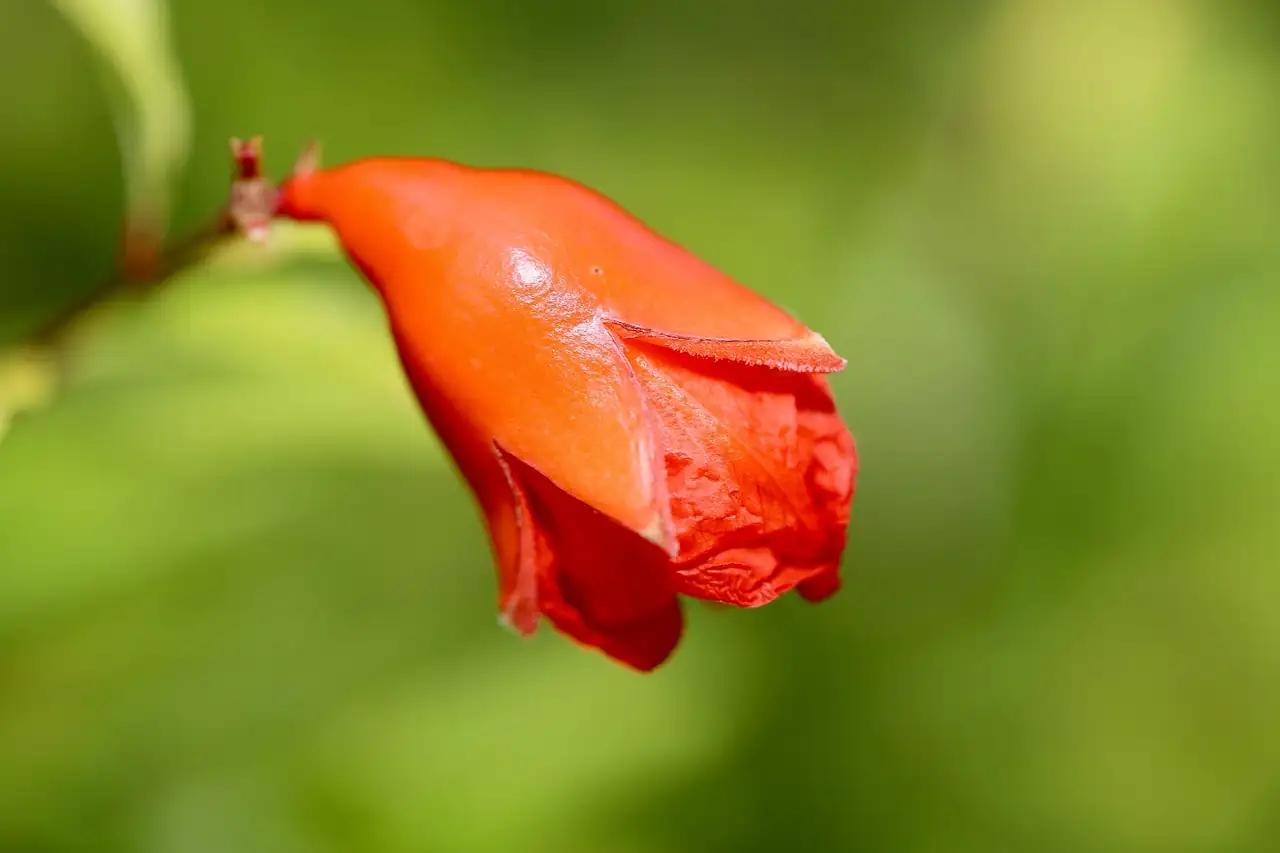
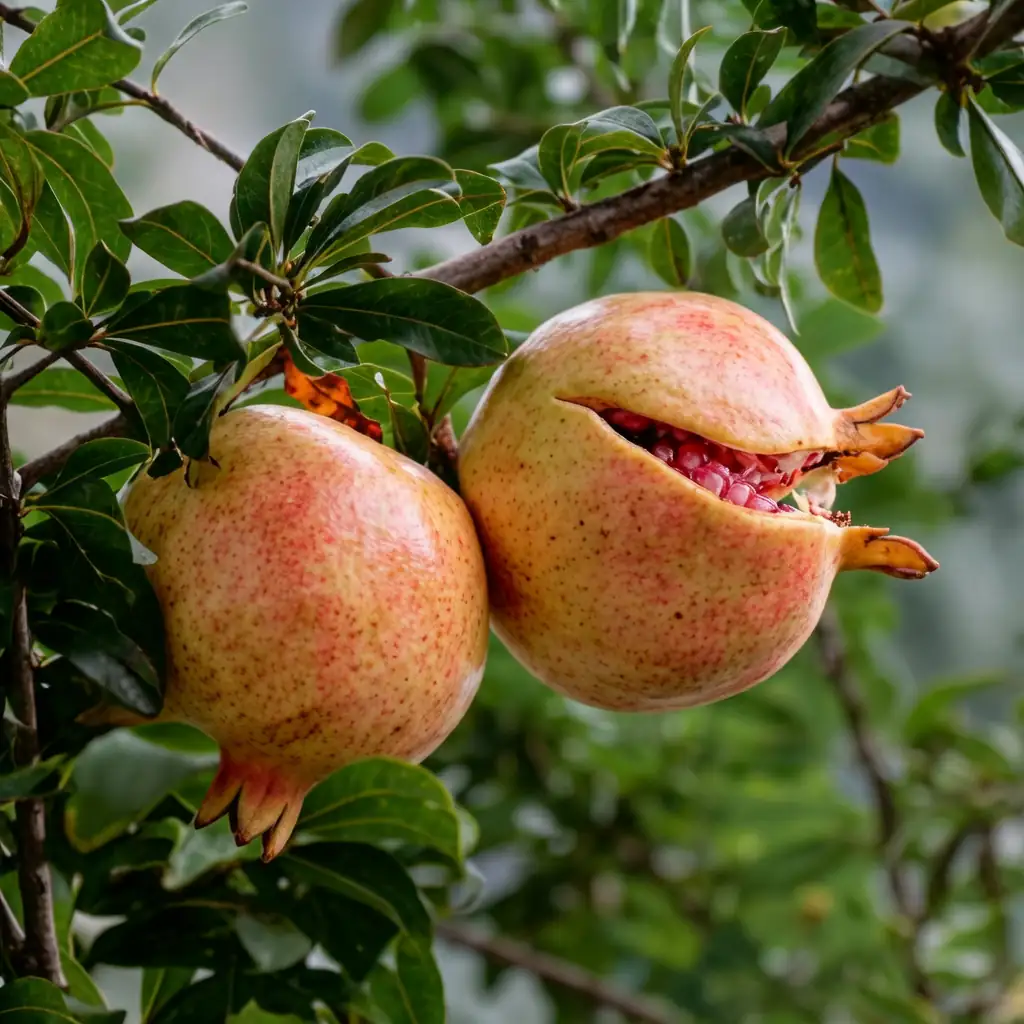
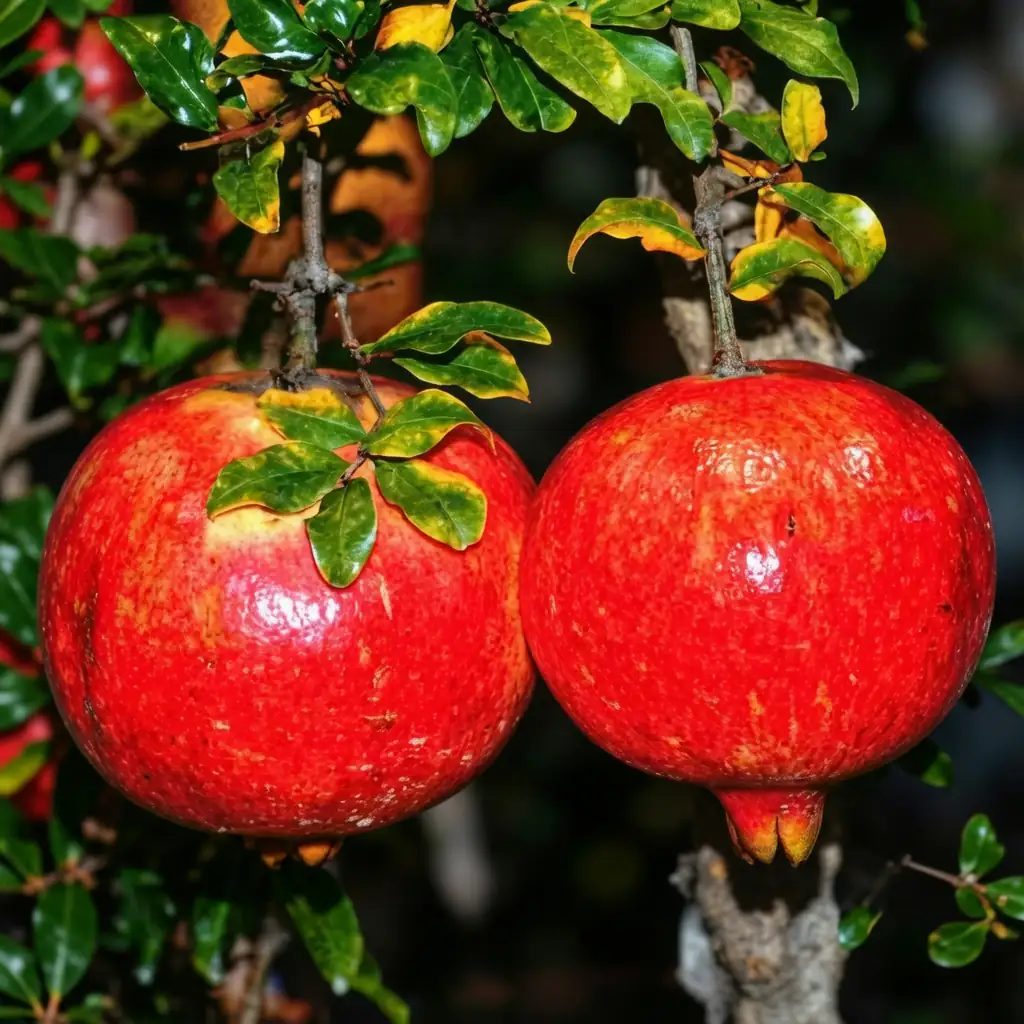
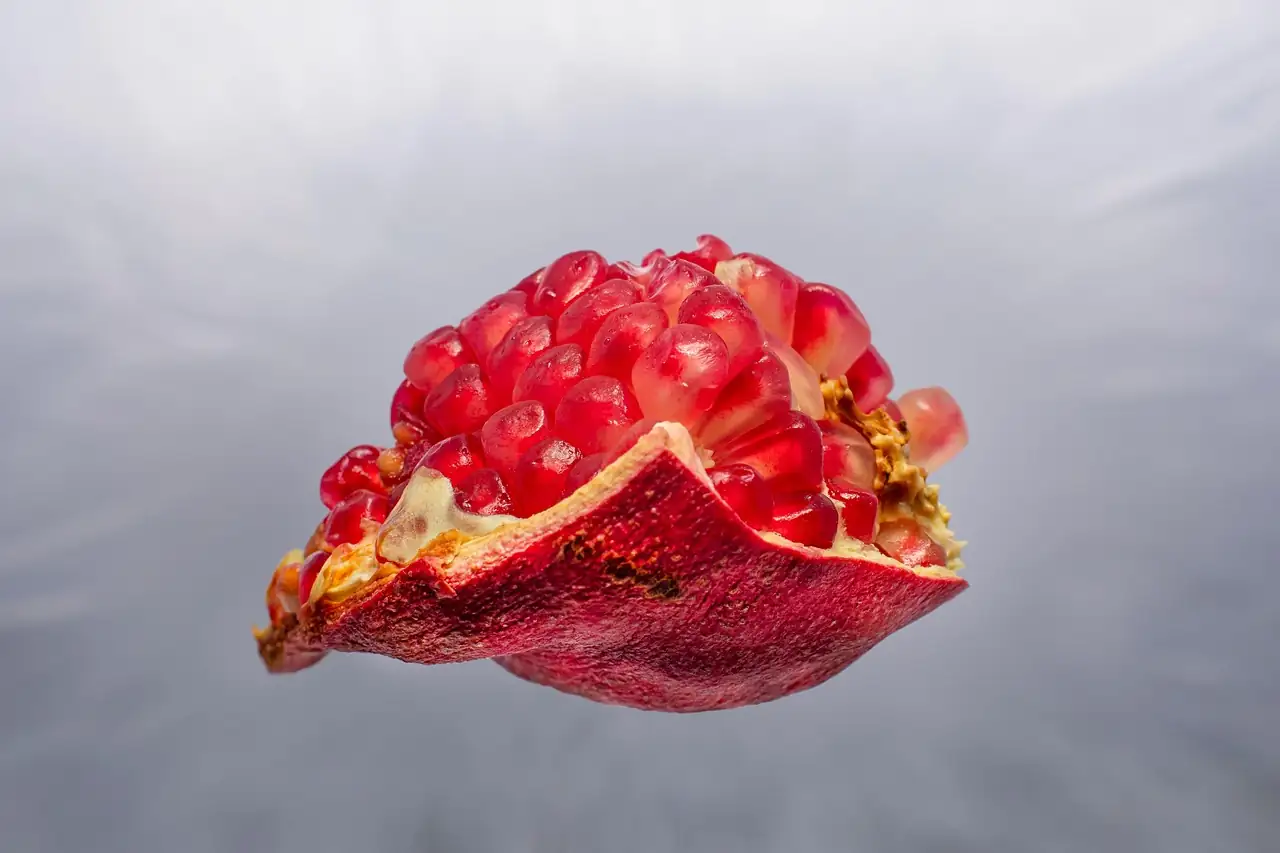
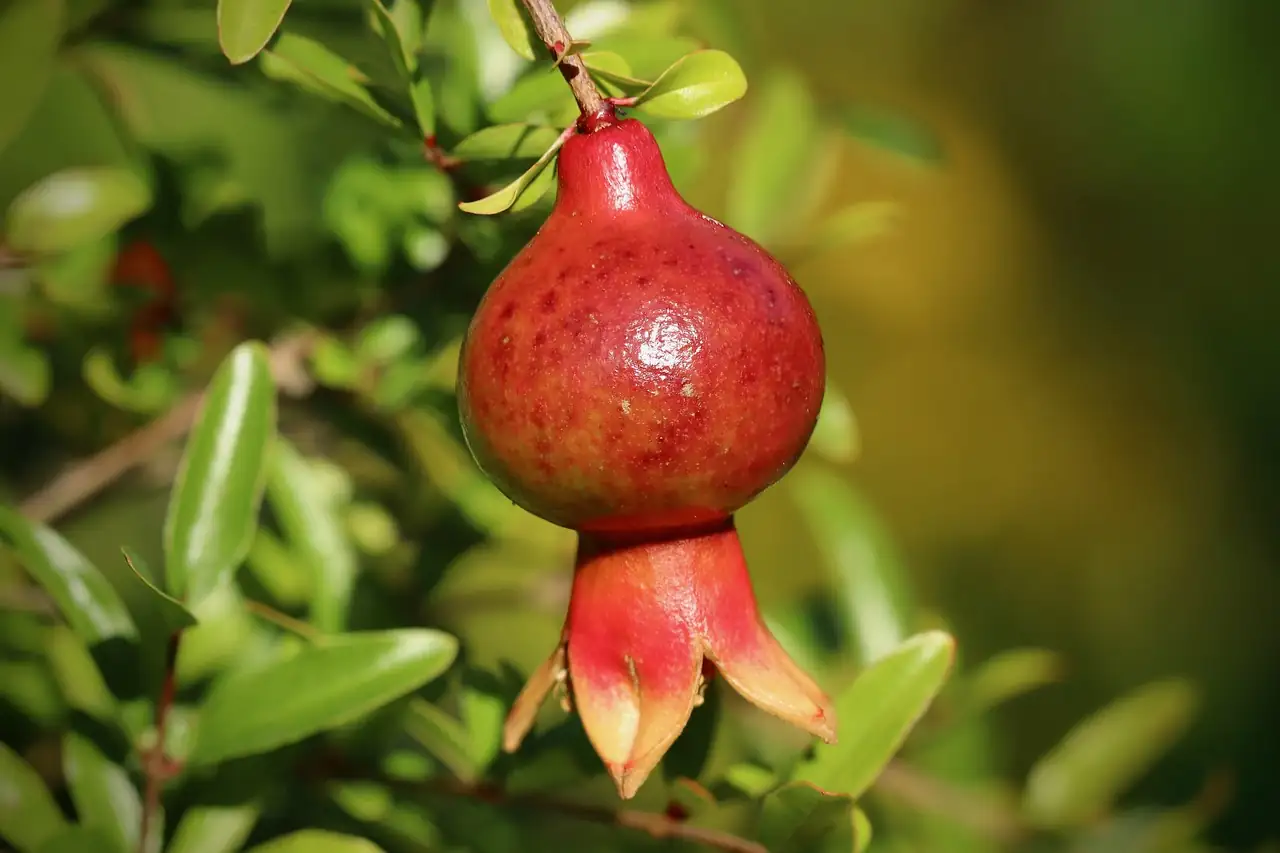
- Flower: Showy, funnel-shaped flowers with a crinkled, tissue-paper look—most commonly orange-red to red, though some cultivars can be pink or white. Flowers are followed by round fruits with a leathery rind (often red to yellow-red) and sparkling, juicy arils inside. Dwarf/ornamental cultivars may set fruit, but it’s often small, seedy, and not especially worthwhile to eat.
- Flowering Season: Typically late spring through summer; often described as peaking in late summer in some climates/cultivars. Fruit generally ripens from late autumn into winter in mild climates (ripening time varies by warmth and cultivar).
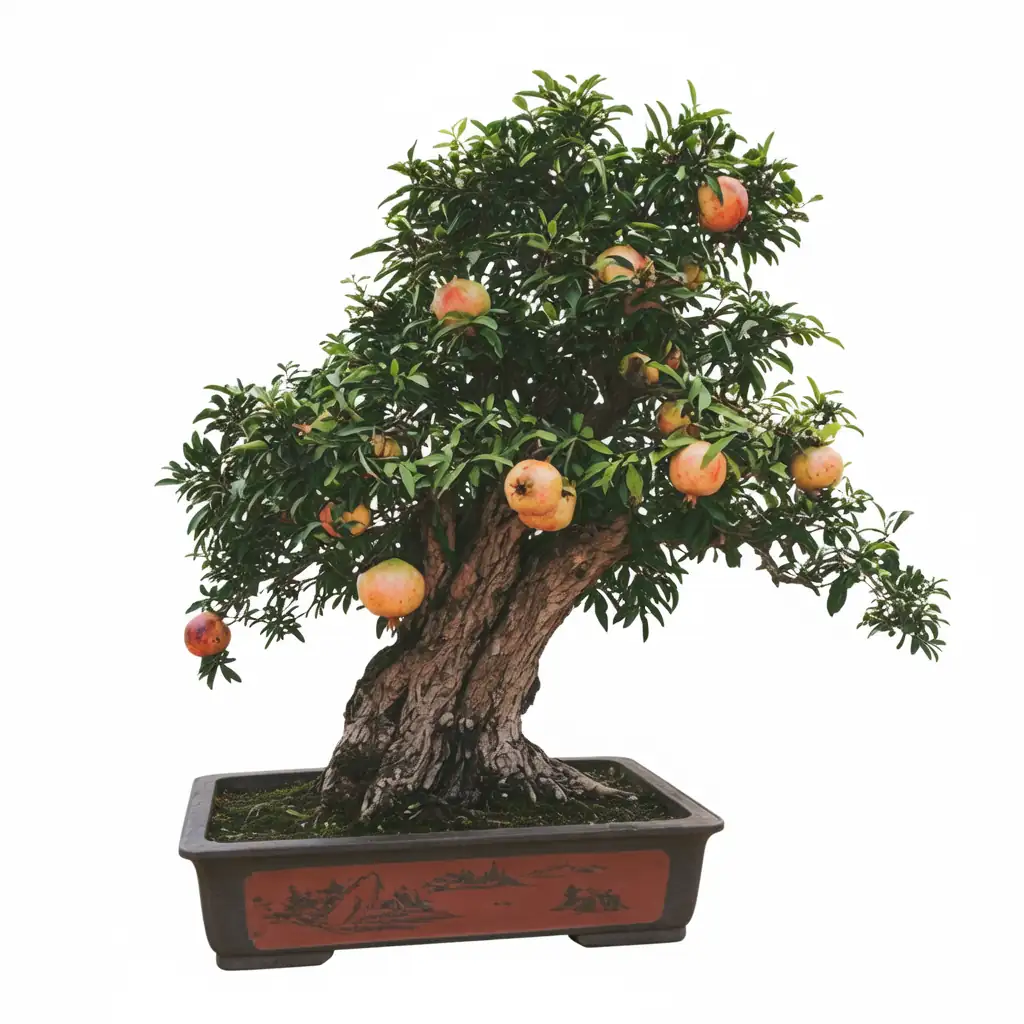
- Growth Habit: Upright to bushy, naturally branching shrub or small tree. Often produces basal suckers; it can be trained as a standard “tree,” hedge, or bonsai-style specimen, and responds well to shaping and thinning.
Environment
Sunlight
Full sun is strongly preferred for abundant flowers and reliable fruiting (aim for 6+ hours of direct sun). It tolerates light/partial shade, but flowering and fruit set usually drop noticeably. Indoors, give the brightest possible position (sunny east or south window, sunroom).
Temperature
Grows best around 10–25°C (50–77°F). Many established plants can tolerate winter lows around -15°C (5°F), but hard freezes can damage shoots and reduce flowering. Fruit ripening generally needs sustained warmth—often noted around 13–16°C (55–61°F) or higher during development.
Humidity
Prefers dry to average humidity with good airflow; tolerates dry air well. Avoid persistently damp, stagnant conditions, which can encourage fungal problems and root issues.
Soil
Free-draining, moderately fertile soil is ideal. In pots, use a loose, airy mix—commonly a loam/potting substrate amended with grit or coarse sand (one guideline is about 3:1 potting substrate to grit/sand). Avoid heavy, water-holding soils and never let containers sit in water.
Placement
Outdoors in the sunniest spot available—patio, balcony, or a warm garden position. Indoors: a very bright windowsill or sunroom. In winter (after leaf drop), move container plants to a cooler frost-free place; where possible, shelter pots from prolonged heavy rain in late summer/autumn to reduce waterlogging and fruit splitting.
Hardiness
Typically grown outdoors in USDA Zones ~7–11 depending on cultivar, site, and winter severity. Protect from hard freezes and especially from winter wet; container plants can be overwintered in a cool, frost-free, bright place after leaf drop.
Care Guide
Difficulty
Easy to moderate. Pomegranate is tough and forgiving once established, but it performs best when you nail the basics: maximum sun, sharp drainage, and seasonal watering (more during growth, less during dormancy). The most common “mistake” is keeping it too wet—especially during fruit ripening.
Buying Guide
Choose a compact, well-branched plant with firm stems, healthy buds, and clean foliage (no persistent spotting, blackened shoots, pests, or signs of mushy/rotting roots). For garden planting, mid-sized stock around 1.5–1.8 m (4.9–5.9 ft) often establishes well—avoid overly large, stressed transplants. Buying from autumn leaf-fall through early spring (before budbreak) is ideal. If you’re buying a dwarf/ornamental type, go in expecting flowers first; any fruit may be small and not very palatable. After purchase, plant or pot up promptly, firm the mix, water thoroughly, then give brief light shade while it settles before returning it to full sun.
Watering
During active growth (spring through summer), water thoroughly then let the surface/top layer dry slightly before watering again—aim for evenly moist but never soggy. In containers, excellent drainage is non-negotiable and the pot should never sit in a saucer of water. As fruits mature (late summer into autumn), keep conditions on the drier side and protect from prolonged heavy rain—excess moisture at ripening is a classic trigger for fruit splitting and drop. In winter dormancy (after leaf drop), water sparingly; in a cool rest around 3–5°C (37–41°F), this may be as little as about once a month—just enough to keep the rootball from fully drying out.
Fertilization
Feed about once a month during the growing season with a balanced fertilizer (many growers use organic feeds such as diluted, well-rotted oil-cake liquid). When flower buds are forming, a switch to a higher-potash (higher potassium) feed can help support flowering and fruit set. Stop fertilizing in winter.
Pruning
Prune in spring to shape and to remove dead, diseased, weak, or crossing stems. During the growing season, pinch or tip-prune overly vigorous shoots to keep growth compact and encourage flower bud formation. Thin lightly to improve airflow and light penetration. Remove basal suckers regularly if you want a tidy tree form (or keep some if you prefer a shrub). Older branches (around 3+ years) can be renewed gradually by cutting back to stimulate fresh replacement growth. Bonsai-style growers may defoliate once or twice a year on strong plants, but it’s optional and should be done conservatively.
Propagation
Commonly propagated by cuttings and also by suckers/division or layering. Cuttings: take 10–12 cm (4–4.7 in) pieces—either from 2-year-old wood in spring, semi-ripe/semi-hardwood shoots in summer, or hardwood in winter; in warm conditions, rooting can occur in about 2–3 weeks. Division/suckers: in early spring, separate strong basal shoots that already have roots. Layering: bury or mound a low shoot before budbreak (or in spring/autumn); once rooted (often by summer), sever from the parent and pot up or plant out by autumn.
Repotting
Repot when rootbound or about every 2–3 years for container plants, ideally in spring (before strong growth) or after leaf fall in autumn. Move up one pot size and refresh with a free-draining mix (loam/potting substrate plus grit/coarse sand); a small amount of well-rotted organic matter can be incorporated.
📅 Seasonal Care Calendar
Spring: move into maximum sun; resume regular watering; prune to shape; begin monthly feeding (balanced). Summer: keep in strong sun; water carefully (never waterlog); take semi-ripe cuttings; switch to higher-potash feed when buds appear; monitor pests. Autumn: fruit colors and ripens; reduce watering slightly and avoid heavy rain on pots to help prevent splitting. Winter: after leaf drop, keep cool, bright, and frost-free if potted; water very sparingly; no fertilizer. Repot in spring (or after leaf fall) as needed.
Pests, Diseases & Safety
Common Pests & Diseases
Pests can include aphids on soft new growth, scale insects, mealybugs, spider mites (especially indoors with dry air), and occasional caterpillars outdoors. Diseases commonly show up when it’s too damp or crowded: leaf spot/blight and gray mold (Botrytis). Prevention is mostly good culture—strong light, good airflow, and avoiding wet foliage late in the day. Use integrated pest management: inspect regularly, prune out badly infested growth, wash off small outbreaks, and use horticultural soap/oil or other appropriate controls. Root rot is a risk in heavy mixes or waterlogged pots—improve drainage immediately if leaves yellow and the soil stays wet.
Toxicity
Generally regarded as non-toxic to people and pets. Standard cultivars produce edible arils. Dwarf ornamental forms may produce fruit that’s technically not toxic but often isn’t pleasant to eat. As with many plants, chewing large amounts of rind/skin or other non-food parts may cause mild stomach upset.
Culture & Symbolism
Symbolism: Pomegranate is a classic symbol of abundance, prosperity, fertility, and “many blessings,” thanks to its many seeds—often given as a good-luck gift (especially for weddings and new homes) in various cultures.
History & Legends: Cultivated since ancient times across West and South Asia and the Mediterranean. It appears frequently in traditional art and folklore as a sign of fertility, wealth, and life’s richness—no surprise for a fruit that looks like it’s packed with rubies.
Uses: Grown for edible fruit and juice (in standard cultivars), as an ornamental flowering-and-fruiting shrub in gardens, and as a container feature for patios and balconies. It also suits bonsai-style training. In the kitchen, arils are eaten fresh, pressed into juice, and used in syrups, drinks, cocktails, marinades, preserves, and pickles; the tart-sweet flavor also works beautifully in desserts and sauces. Outdoors, flowers can support pollinators and plantings can be wildlife-friendly where climate allows.
FAQ
Why is my pomegranate flowering but setting very few fruits?
The top cause is not enough direct sun—pomegranates really want full sun (6+ hours) to set fruit well. Overly wet or poorly drained soil can also reduce fruit set and may cause flowers or small fruits to drop. If you’re feeding heavily with high-nitrogen fertilizer, you can also get lots of leafy growth at the expense of flowers and fruit—switch to a more balanced feed, and consider a higher-potash fertilizer when buds appear.
Why are my pomegranates splitting before harvest?
Splitting is most often triggered by uneven moisture during ripening—especially heavy rain or overwatering when fruits are coloring up. Keep drainage excellent, water more steadily (not in big swings), and shelter container plants from prolonged rain near harvest.
Do dwarf pomegranates produce edible fruit?
They can set fruit, but many dwarf ornamental types are bred mainly for flowers. The fruits are often small, seedy, and not very tasty—think of them as a decorative bonus rather than a real harvest.
Why won’t my pomegranate fruit indoors?
Indoors it’s usually a light-and-warmth issue. Give as much direct sun as possible (a bright south-facing window or sunroom), avoid overwatering, and aim for warm conditions during flowering and fruit development. Ripening is much harder without sustained warmth (often around 13–16°C (55–61°F) or higher) and strong light.
Fun Facts
- Punica is best known for one widely cultivated species: Punica granatum.
- New leaves often emerge with a bronze tint before turning green—so the plant can look colorful even before it flowers.
- Pomegranates are often grown in large containers in cooler climates so they can be protected from hard winter cold and (just as importantly) from soaking late-season rains that can split fruit.
- Basal suckers are common—handy for propagation, but worth removing if you want a clean, single-trunk ‘tree’ look.


