
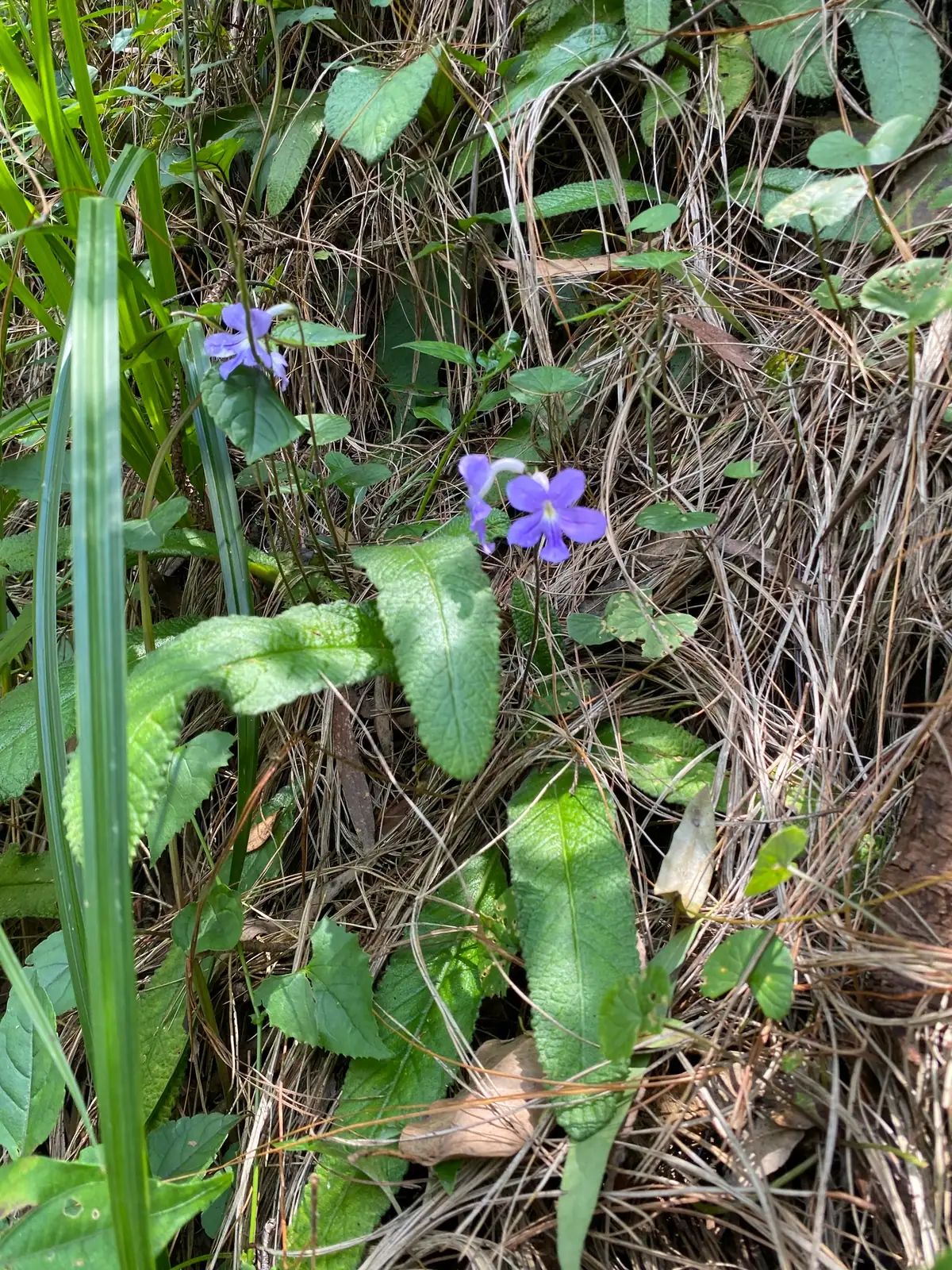
Plant Features
- Size: Typically 15–30 cm (6–12 in) tall with a spread of about 20–40 cm (8–16 in), depending on cultivar and pot size.
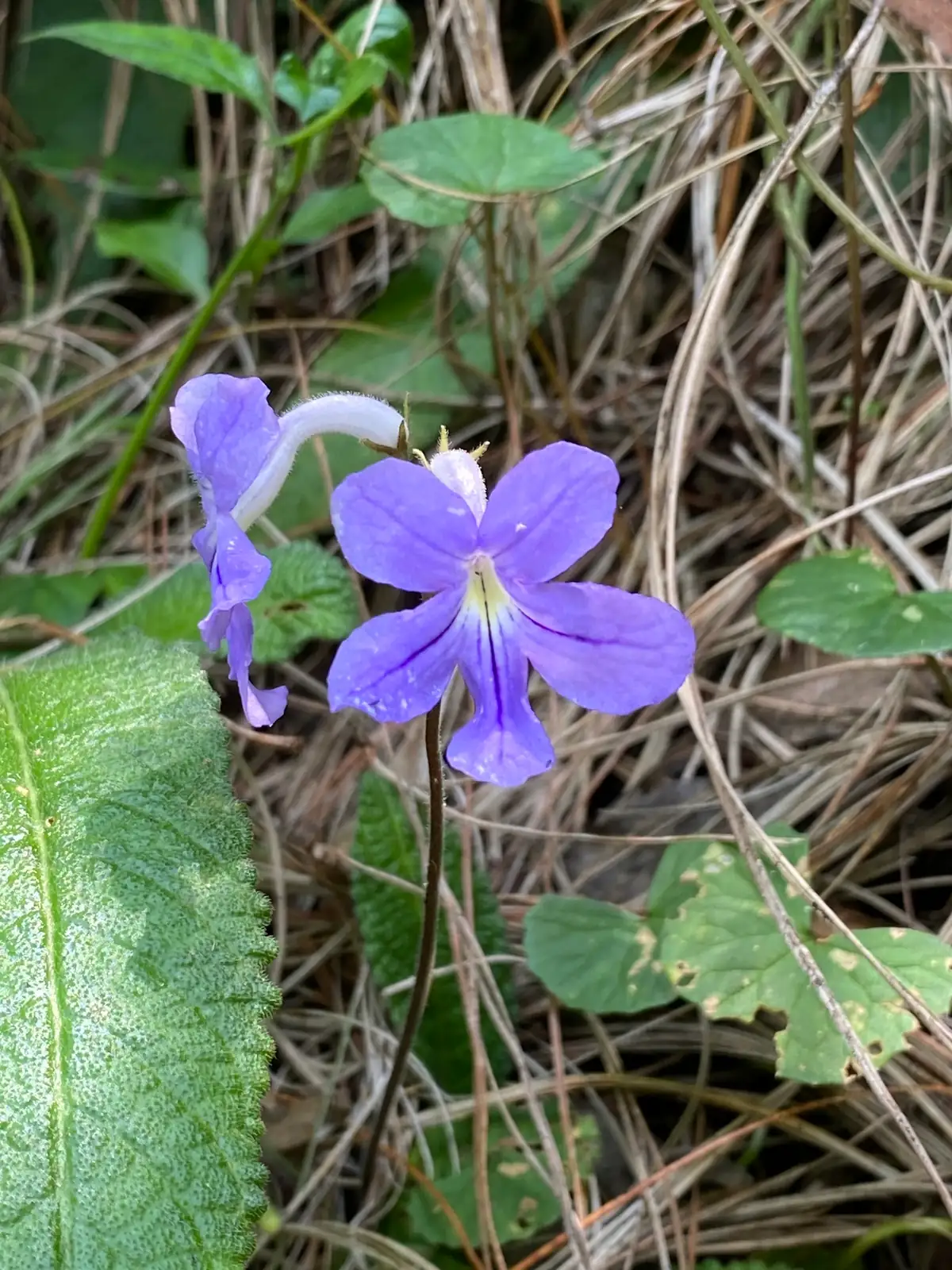
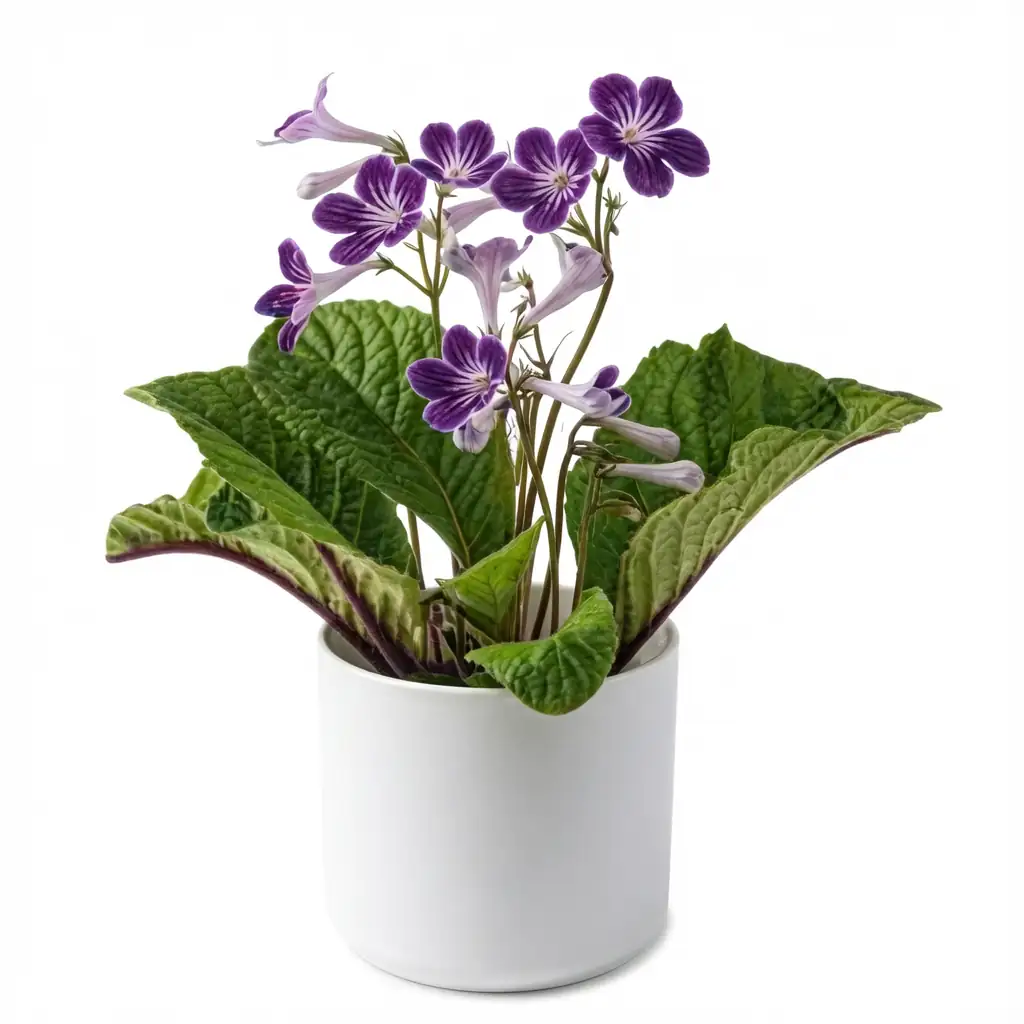
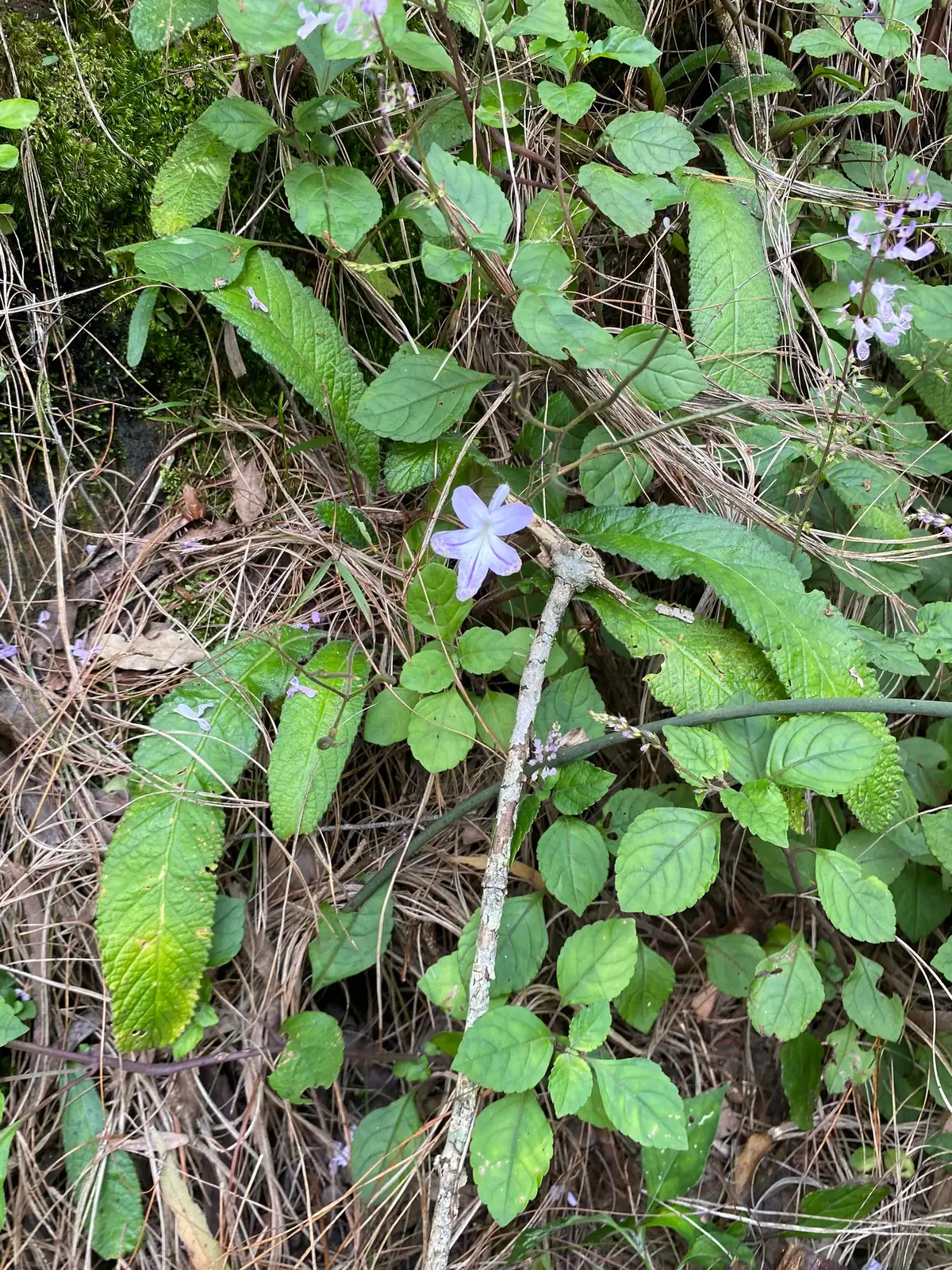
- Foliage: Soft, slightly fuzzy, strap- to oval-shaped leaves forming a low rosette; usually medium green with a lightly quilted texture.
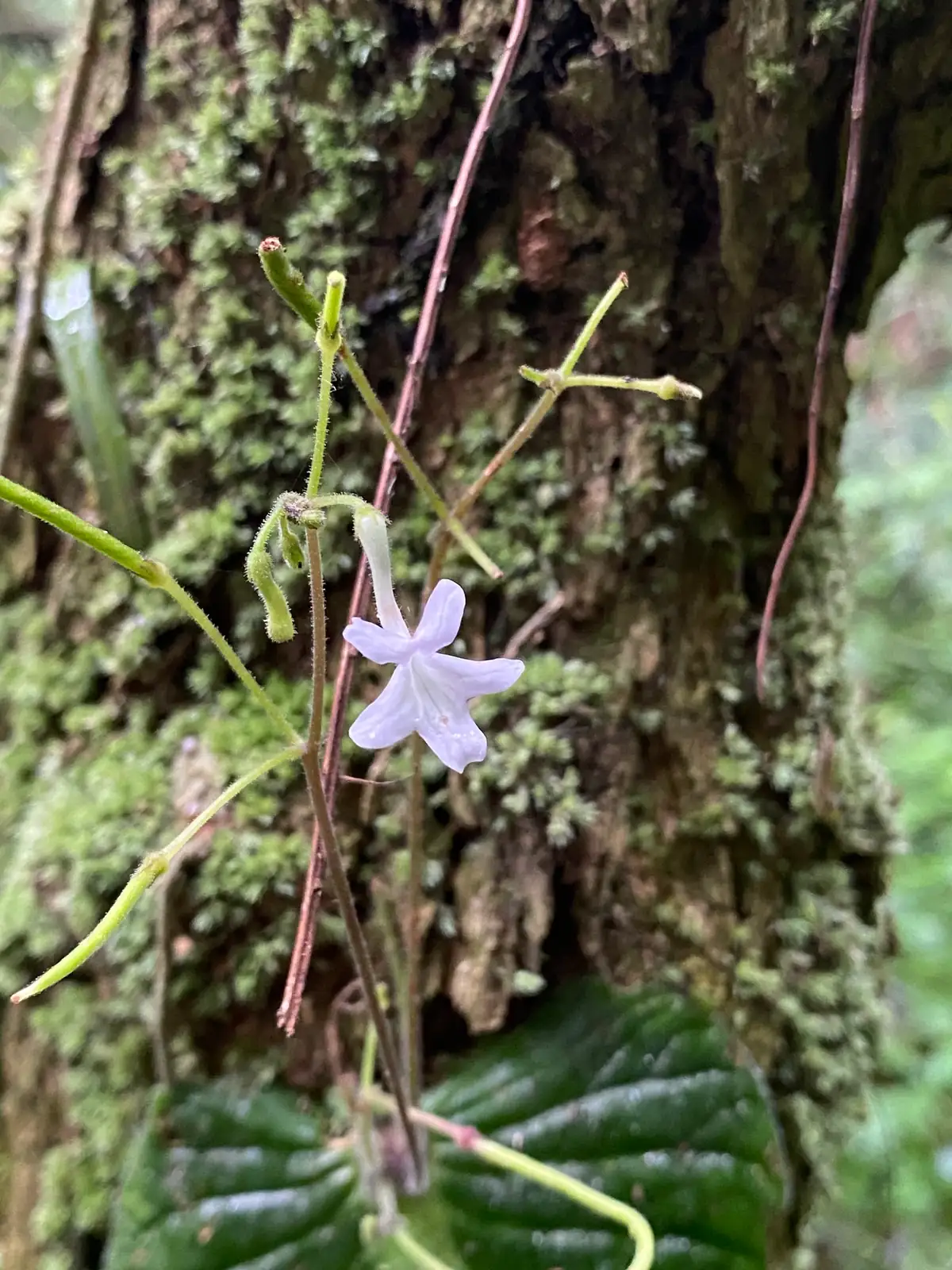
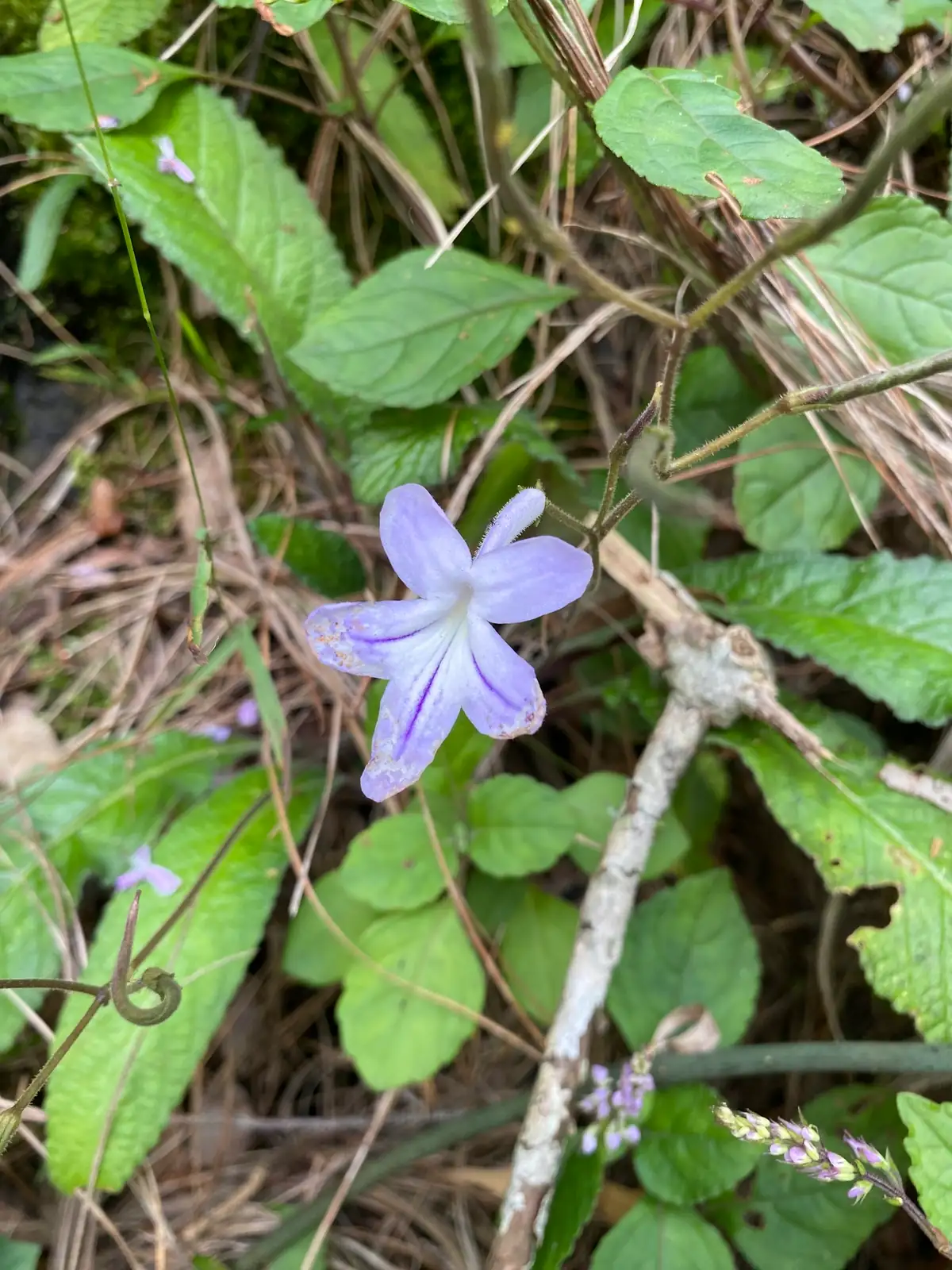
- Flower: White, trumpet-like flowers held on upright stems above the foliage, marked with distinctive purple lace-like veining and mottling that can look like fine polka-dots from a distance.
- Flowering Season: Indoors: can flower in flushes for much of the year; strongest from spring to autumn (March–October).
- Growth Habit: Compact, clump-forming rosette; produces upright flowering stems above the leaves.
Environment
Sunlight
Bright, indirect light; gentle morning sun is fine, but avoid harsh midday sun.
Temperature
18–24°C (64–75°F) ideal; try to keep above 12°C (54°F).
Humidity
Average home humidity is usually fine (40–60%); appreciates 50–70% if airflow is good.
Soil
Light, airy, free-draining mix (e.g., African violet mix) with added perlite; slightly acidic to neutral is suitable.
Placement
Indoors near an east- or north-facing window, or set back from a bright south/west window; great for shelves with strong ambient light.
Hardiness
Not frost-hardy; outdoors only in warm climates (roughly USDA Zone 11–12) or grown as a houseplant.
Care Guide
Difficulty
Moderate. Reliable in steady indoor conditions, but sensitive to waterlogging and harsh sun.
Buying Guide
Choose plants with firm, unblemished leaves and multiple buds. Avoid limp foliage, blackened crown growth, or persistently wet potting mix (signs of rot).
Watering
Water when the top 2–3 cm (0.8–1.2 in) of mix feels dry. Keep evenly moist but never soggy. Bottom-watering can help prevent water spotting on leaves; discard excess water after 10–15 minutes.
Fertilization
Feed in active growth/flowering with a balanced or bloom-leaning liquid fertilizer at 1/4–1/2 strength every 2–4 weeks. Reduce feeding in winter if growth slows.
Pruning
Remove spent flower stems and any yellowing leaves at the base to keep the crown tidy and reduce disease risk.
Propagation
Leaf cuttings are the standard method: root leaf sections in lightly moist medium at 20–24°C (68–75°F). Division is possible for mature clumps.
Repotting
Repot every 12–18 months, or when crowded, into a pot only 2–5 cm (0.8–2 in) wider. Refresh mix to maintain airiness and drainage.
📅 Seasonal Care Calendar
Spring–summer: brightest indirect light, regular feeding, consistent moisture. Autumn: taper fertilizer slightly. Winter: keep warmer than 12°C (54°F), water less often, and avoid cold drafts.
Pests, Diseases & Safety
Common Pests & Diseases
Watch for thrips (can damage flowers), mealybugs, aphids, and spider mites. Overwatering can lead to crown/root rot; improve drainage, avoid cold/wet conditions, and ensure airflow.
Toxicity
Generally considered non-toxic to cats and dogs, but ingestion may still cause mild stomach upset. Keep out of reach of pets that chew plants.
Culture & Symbolism
Symbolism: Often associated with gentle affection and everyday brightness thanks to its delicate patterned blooms and long, repeat-flowering habit.
History & Legends: Cape primroses (Streptocarpus) come from southern Africa and became beloved indoor bloomers because they flower generously in bright, indirect light. Many houseplant forms are hybrids and named selections bred for distinctive colors and patterning—so it’s common to see labels that simply say “Streptocarpus.”
Uses: Primarily ornamental: a compact, floriferous houseplant for windowsills, shelves, and indoor plant displays.
FAQ
Why are the leaves going limp even though the soil is wet?
This often points to root or crown rot from waterlogged mix. Let the pot dry slightly, improve drainage, remove damaged tissue, and repot into a fresh, airy mix if needed.
How can I get more flowers?
Provide brighter indirect light, keep temperatures around 18–24°C (64–75°F), feed lightly during active growth, and remove spent blooms to encourage new flower stems.
Fun Facts
- The “polka-dot” look is created by fine purple veining and net-like markings rather than true spots.
- Streptocarpus is closely related to African violets and often thrives in similar indoor conditions.
- Many Cape primrose houseplants are complex hybrids, which is why labels sometimes list only the genus name.