Plant Features
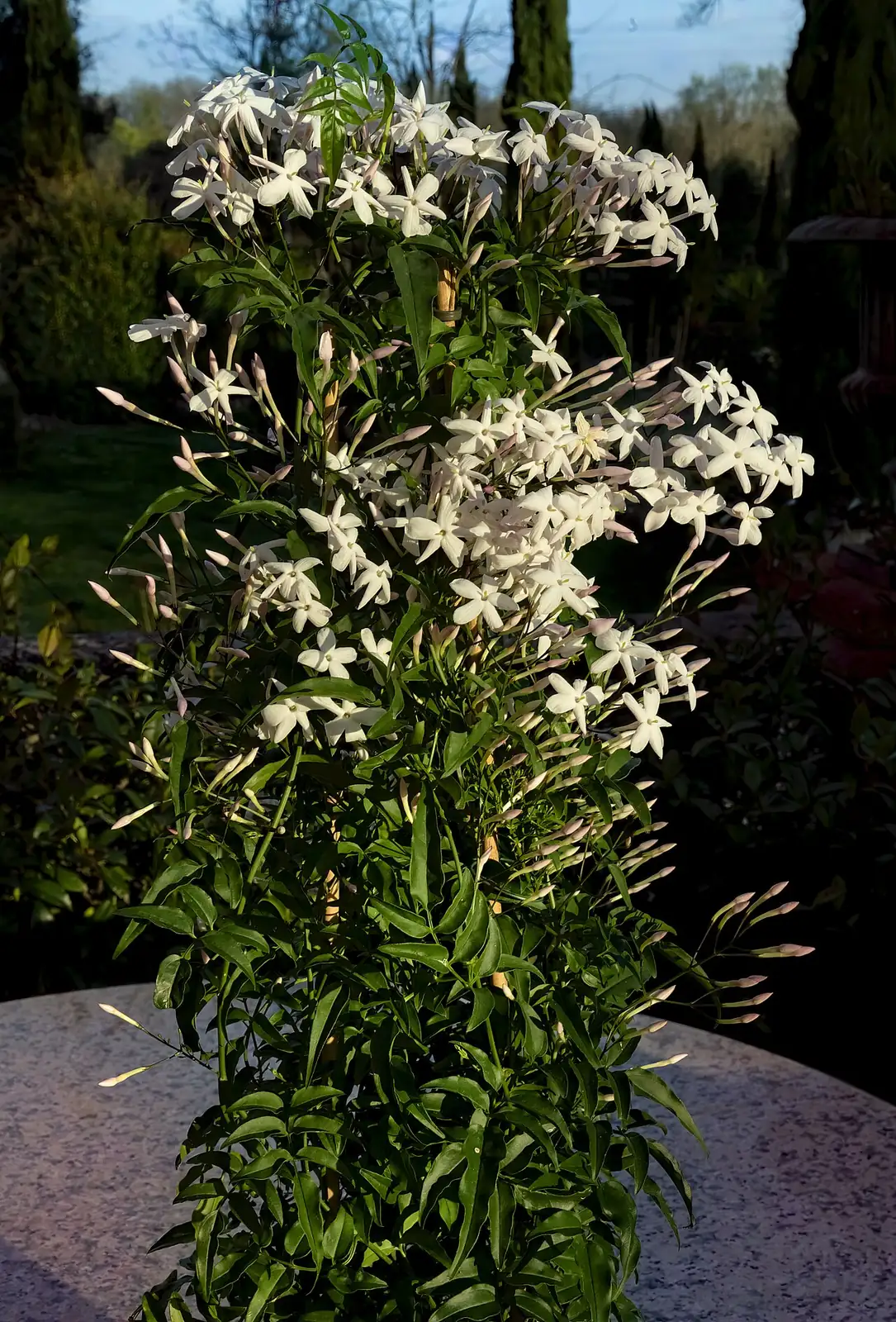
- Size: Up to about 3 m x 3 m (10 ft x 10 ft) with support
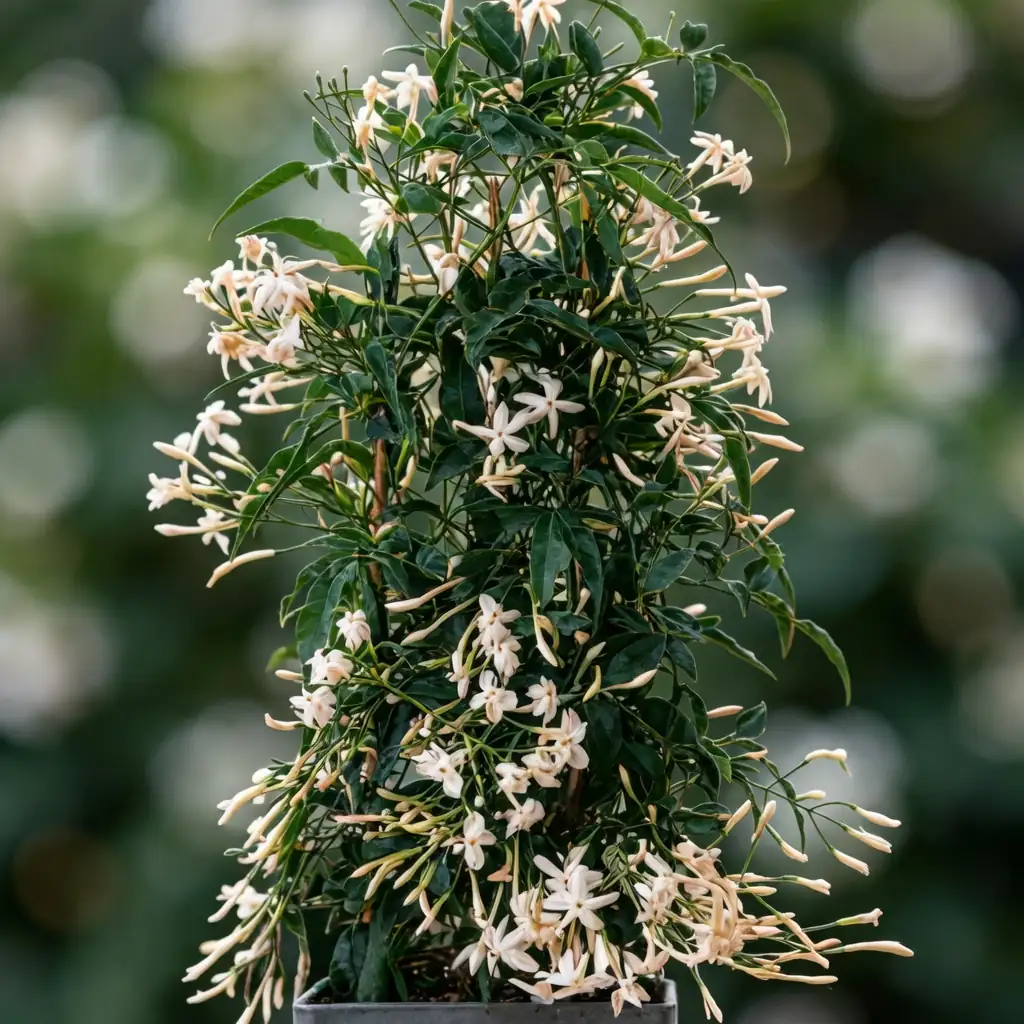
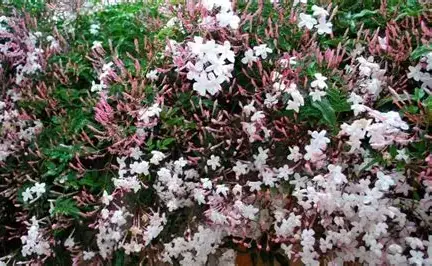
- Foliage: Evergreen to semi-evergreen in mild conditions, with deep green leaves that make a dense backdrop for the developing buds and flowers.
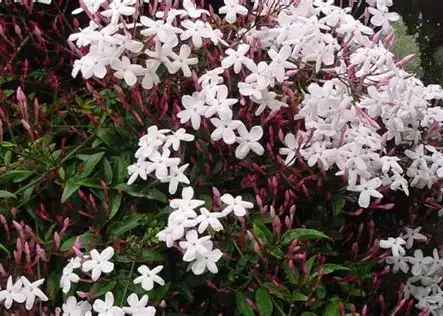
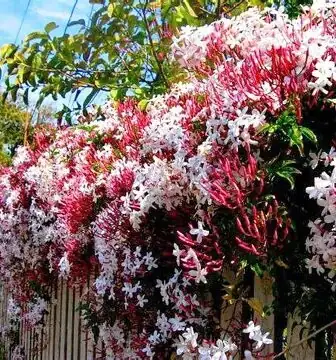
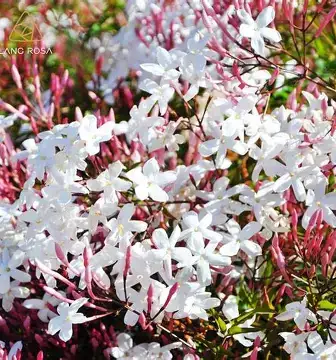
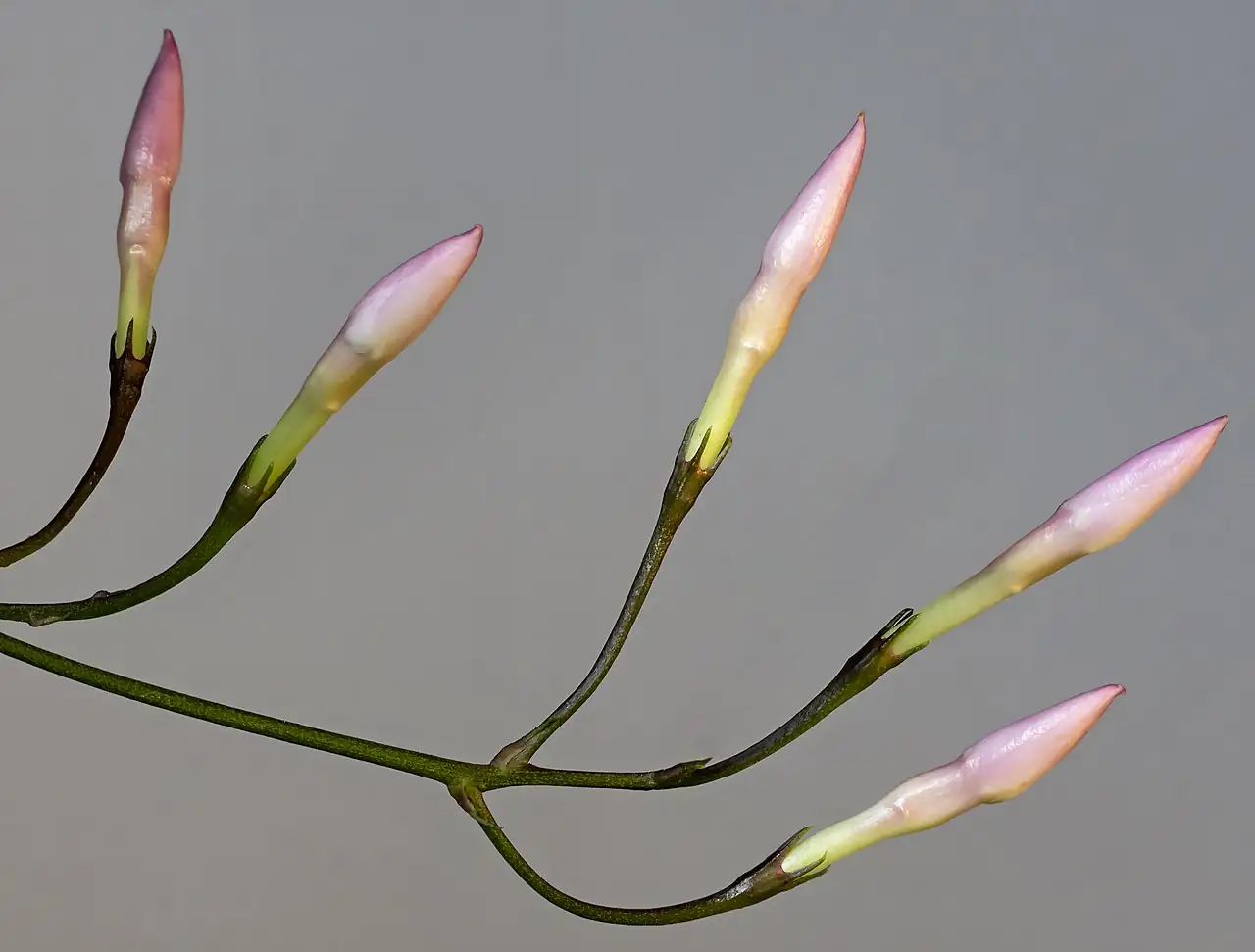
- Flower: Clusters of pink buds open into small, white, star-shaped flowers with a rich, sweet scent; flowering can last for many weeks in winter.
- Flowering Season: Winter (often midwinter to late winter indoors or in mild climates)
- Growth Habit: Fast-growing, twining/clambering climber. Train young plants onto canes; as it matures it does best on wires or a trellis with plenty of room to spread.
Environment
Sunlight
Part sun to bright light. A few hours of sun is ideal; indoors, give bright light with some shelter from harsh midday sun through glass.
Temperature
10–24°C (50–75°F). Prefers cooler conditions; often performs poorly in constantly warm, centrally heated rooms.
Humidity
Low to average indoor humidity is usually fine. Avoid persistently damp, stagnant air; warm, dry air can encourage spider mites.
Soil
Free-draining potting mix, ideally amended with perlite for extra air space and drainage. Use a pot that just fits the root ball to reduce the risk of waterlogging.
Placement
Bright, cool indoor spots such as an entryway, unheated sunroom, or cool room with part sun. Keep away from hot, dry air from heaters.
Hardiness
USDA Zone 8–11; protect from hard frost and cold winds (cold tolerance varies with local exposure and how established the plant is).
Care Guide
Difficulty
Easy, especially if you can provide bright light and cooler temperatures. Aim for steady moisture during active growth and flowering, and avoid hot, dry indoor conditions.
Buying Guide
Choose plants with lots of firm pink buds and healthy, deep-green leaves. Avoid specimens with widespread yellowing, limp growth, or sour-smelling, waterlogged potting mix.
Watering
Spring through late summer: keep the mix evenly moist but never soggy. Autumn/winter: water a little less, but don’t let the root ball dry out while buds are forming or during flowering.
Fertilization
Spring through autumn: feed every 2 weeks with a balanced liquid fertilizer at the label rate. Reduce or pause feeding in winter unless the plant is actively putting on strong new growth.
Pruning
Prune immediately after flowering. Cutting back fairly hard helps keep it compact and encourages strong new shoots that will carry next season’s blooms.
Propagation
Semi-ripe cuttings in summer are reliable; layering flexible shoots also works well. Provide support early so new growth can be guided upward rather than tangling.
Repotting
Repot young plants as needed (typically when roots fill the pot). Mature plants often do better with spring top-dressing—replace the upper layer of potting mix rather than moving to a much larger container.
📅 Seasonal Care Calendar
Spring–late summer: keep evenly moist; feed with balanced liquid fertilizer every 2 weeks; train new shoots onto support. Autumn: continue feeding every 2 weeks until late autumn; keep bright and cool to encourage bud set. Winter: slightly reduce watering, but keep evenly moist during bud and bloom; keep cool and bright. After flowering: prune back hard. Spring (mature plants): top-dress by replacing the upper layer of potting mix.
Pests, Diseases & Safety
Common Pests & Diseases
Watch for aphids, scale, and spider mites (especially in warm, dry indoor air). Improve airflow, rinse foliage, and treat early with insecticidal soap or horticultural oil. Root issues and leaf yellowing commonly trace back to poor drainage or waterlogged soil.
Toxicity
Generally considered non-toxic to people and pets, though chewing or ingestion may still cause mild stomach upset in sensitive individuals.
Culture & Symbolism
Symbolism: Often linked with love, warmth, and a feeling of welcome—perfect for a plant that scents the house in winter.
History & Legends: Native to Southwest China and long cultivated, pink jasmine became a classic winter-flowering plant for cool conservatories, porches, and bright entryways where its fragrance can be enjoyed up close.
Uses: A fragrant ornamental climber for trellises, wires, and frames—grown outdoors in mild climates or as a cool-room indoor plant to perfume winter spaces.
FAQ
How should I water it?
From spring to late summer, keep the potting mix evenly moist. In winter, water a little less, but keep the root ball moist while buds are forming and during flowering.
How often and what kind of fertilizer should I use?
From spring through autumn, apply a balanced liquid fertilizer every 2 weeks. Ease off in winter unless it’s still growing strongly.
What light and temperature does it need?
Bright light with some sun is ideal. Keep it on the cool side—about 10–24°C (50–75°F)—and avoid constantly warm, centrally heated rooms for best flowering.
How do I prune it to keep its shape?
Prune right after flowering and don’t be shy about cutting back hard. This keeps the plant tidier and encourages new shoots for next winter’s flowers.
When should I repot?
Repot young plants when they become root-bound. Mature plants usually prefer spring top-dressing (refreshing the top layer of potting mix) instead of frequent upsizing.
Fun Facts
- The flowers open white, but the buds are distinctly pink—one reason it’s widely sold as “pink jasmine.”
- Cool, bright conditions are one of the best triggers for heavy winter bud set; too much indoor heat often means fewer flowers.