

Plant Features
- Size: Typically 4–14 cm (1.6–5.5 in) tall; up to about 20 cm (7.9 in) in fruit.
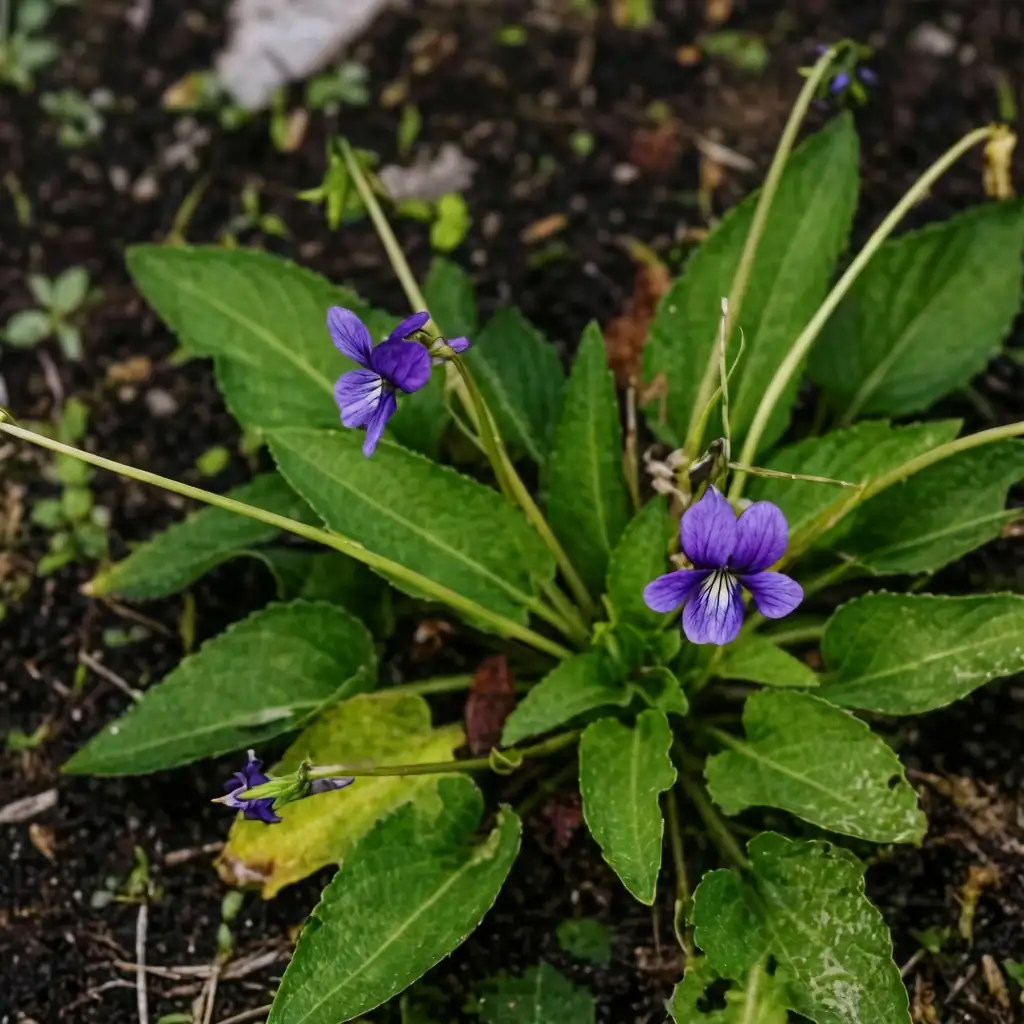
- Foliage: A stemless-looking violet with a short, upright rhizome and many leaves packed into a dense basal rosette (most growth stays close to the ground).
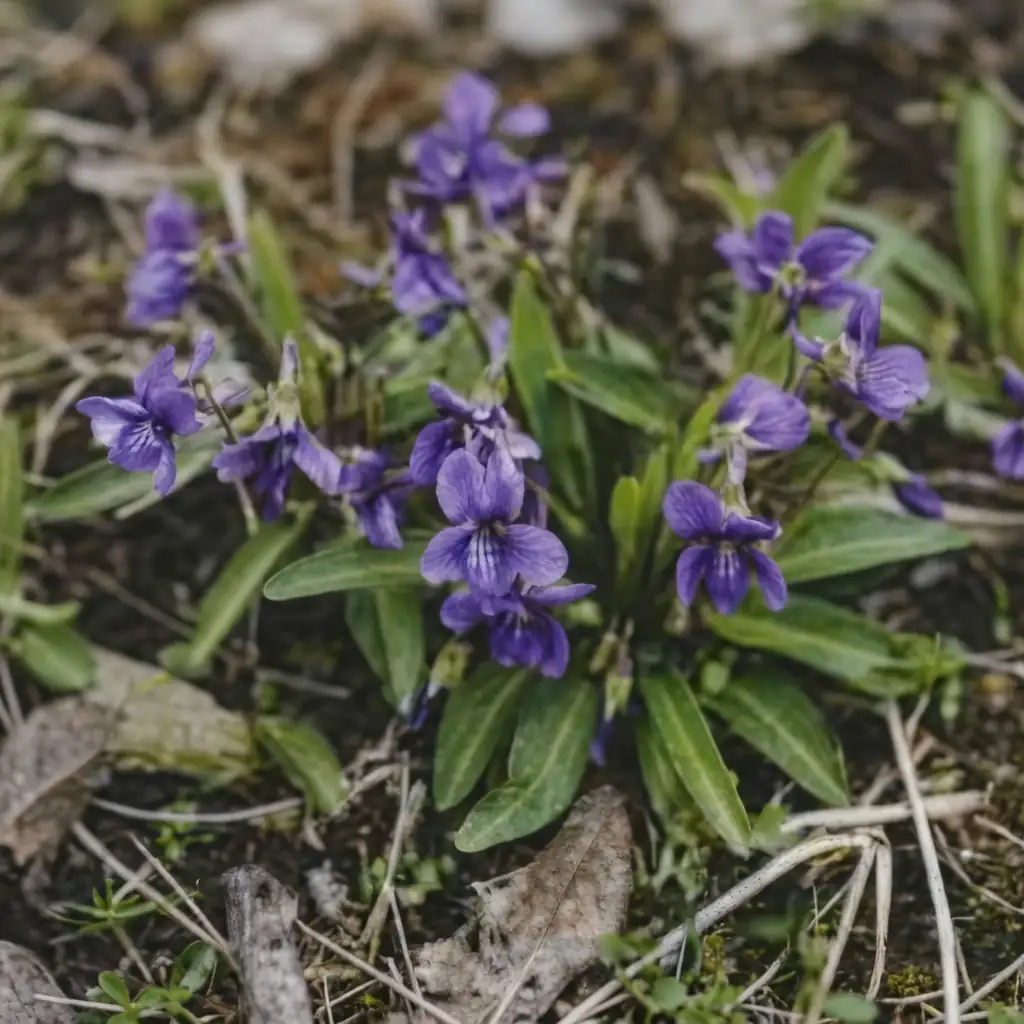
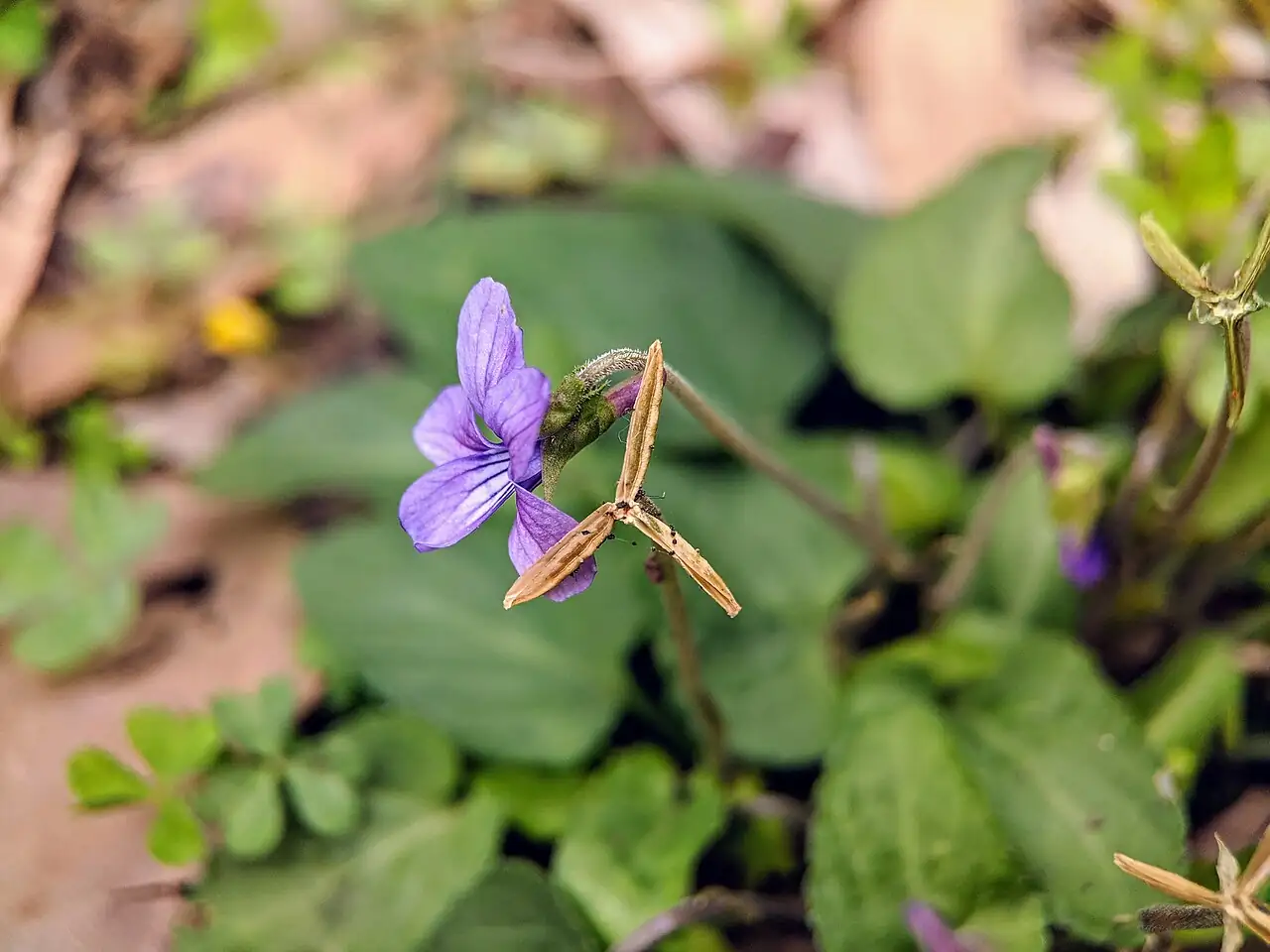
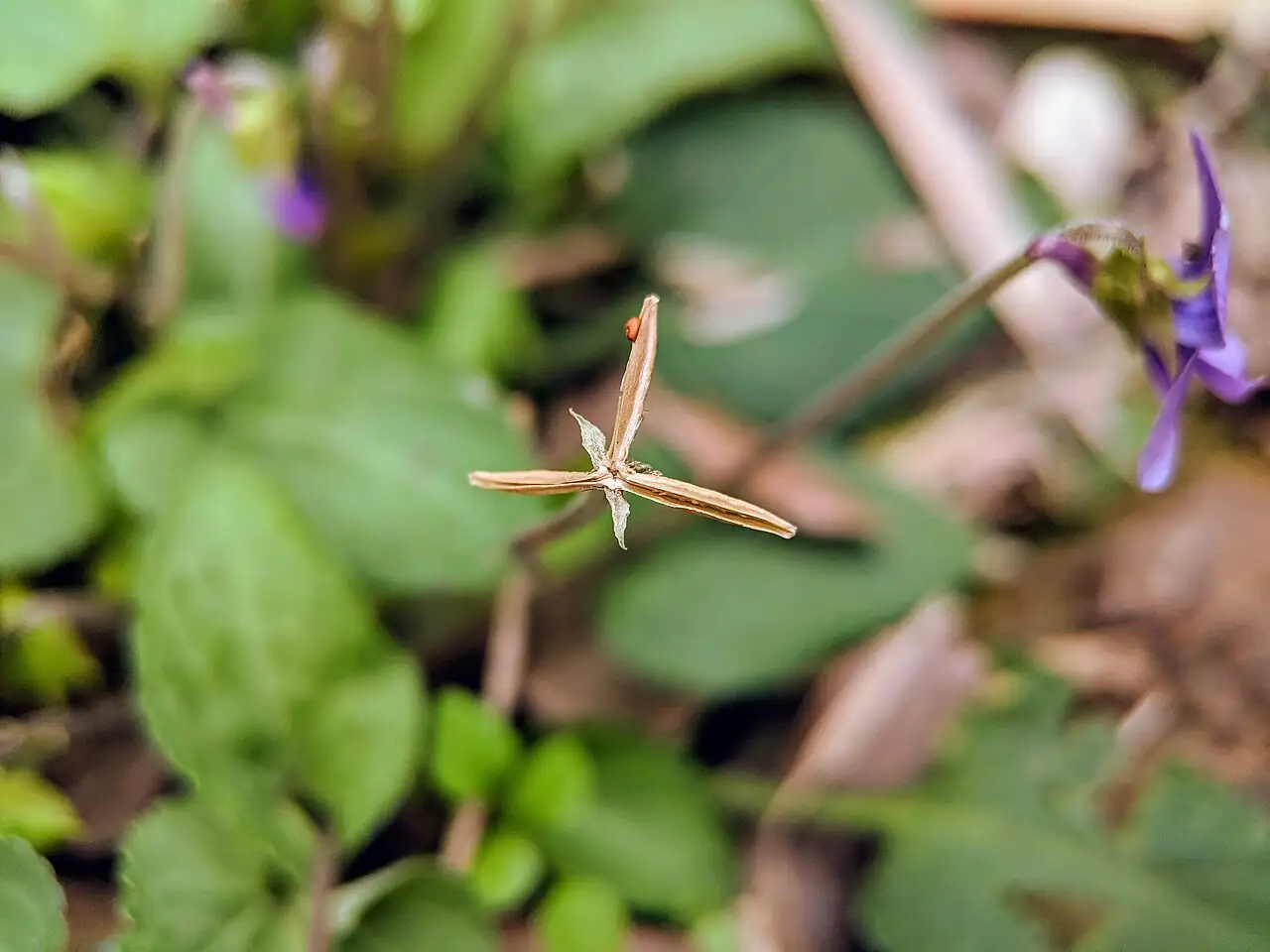
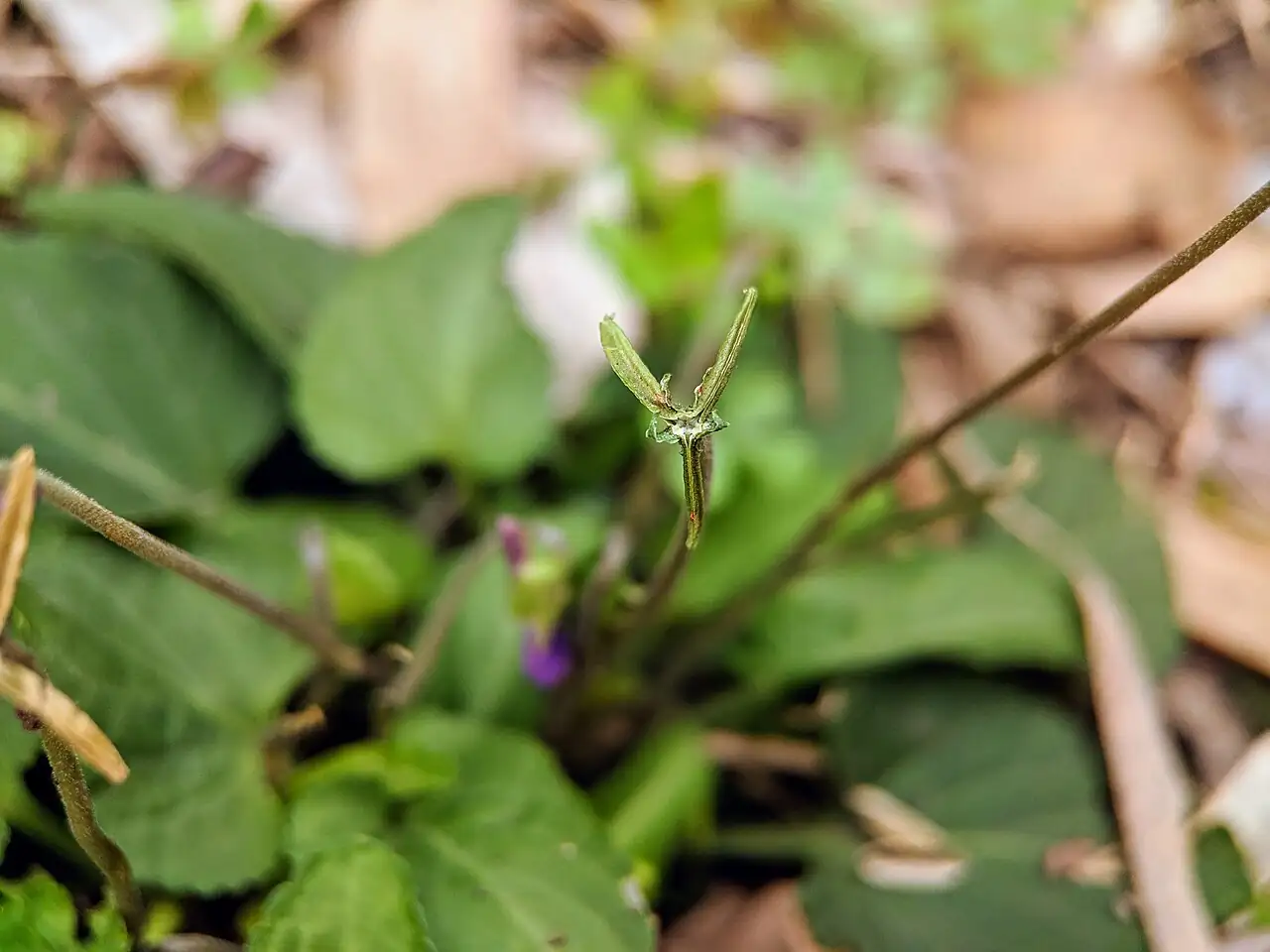
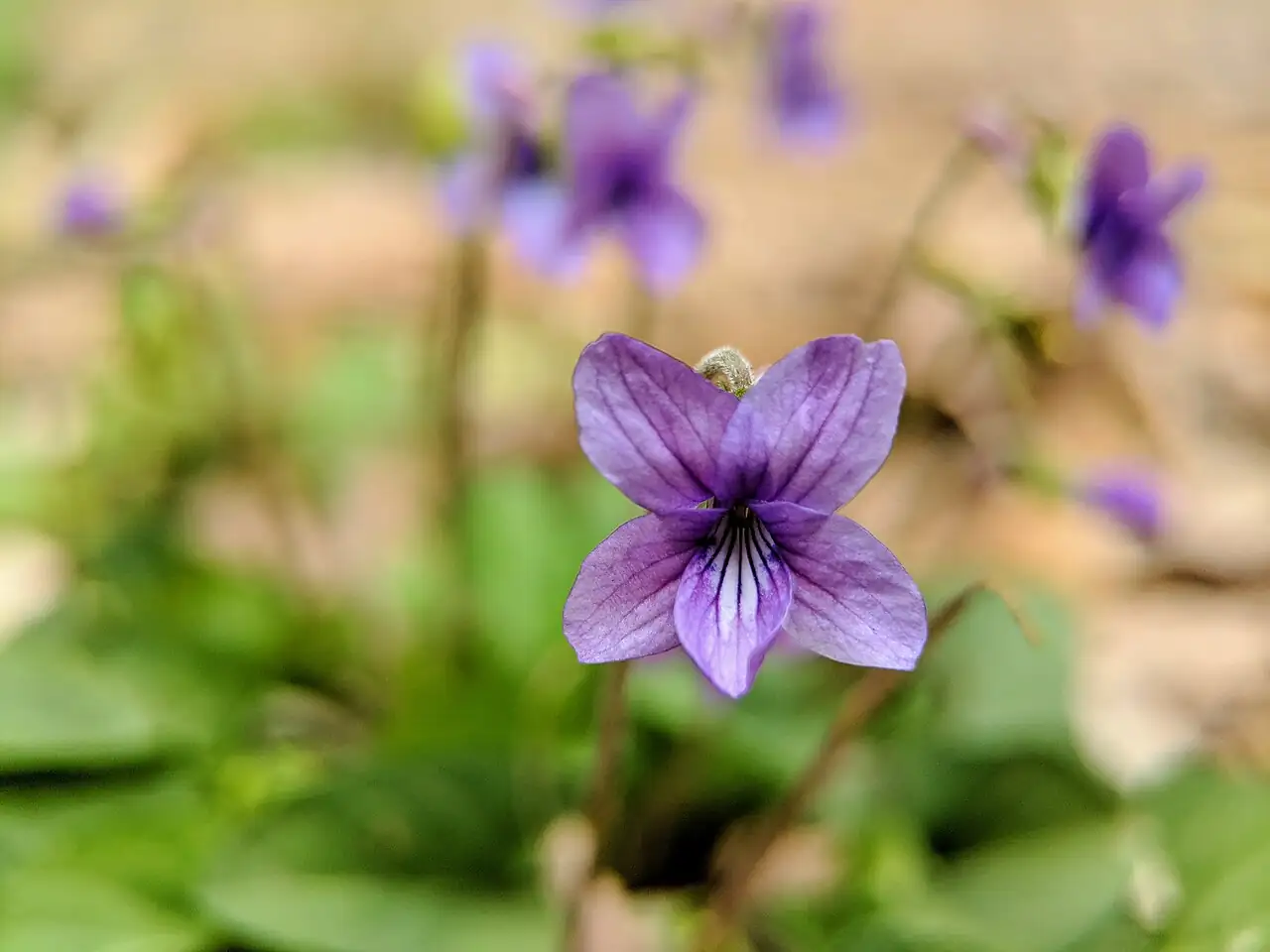
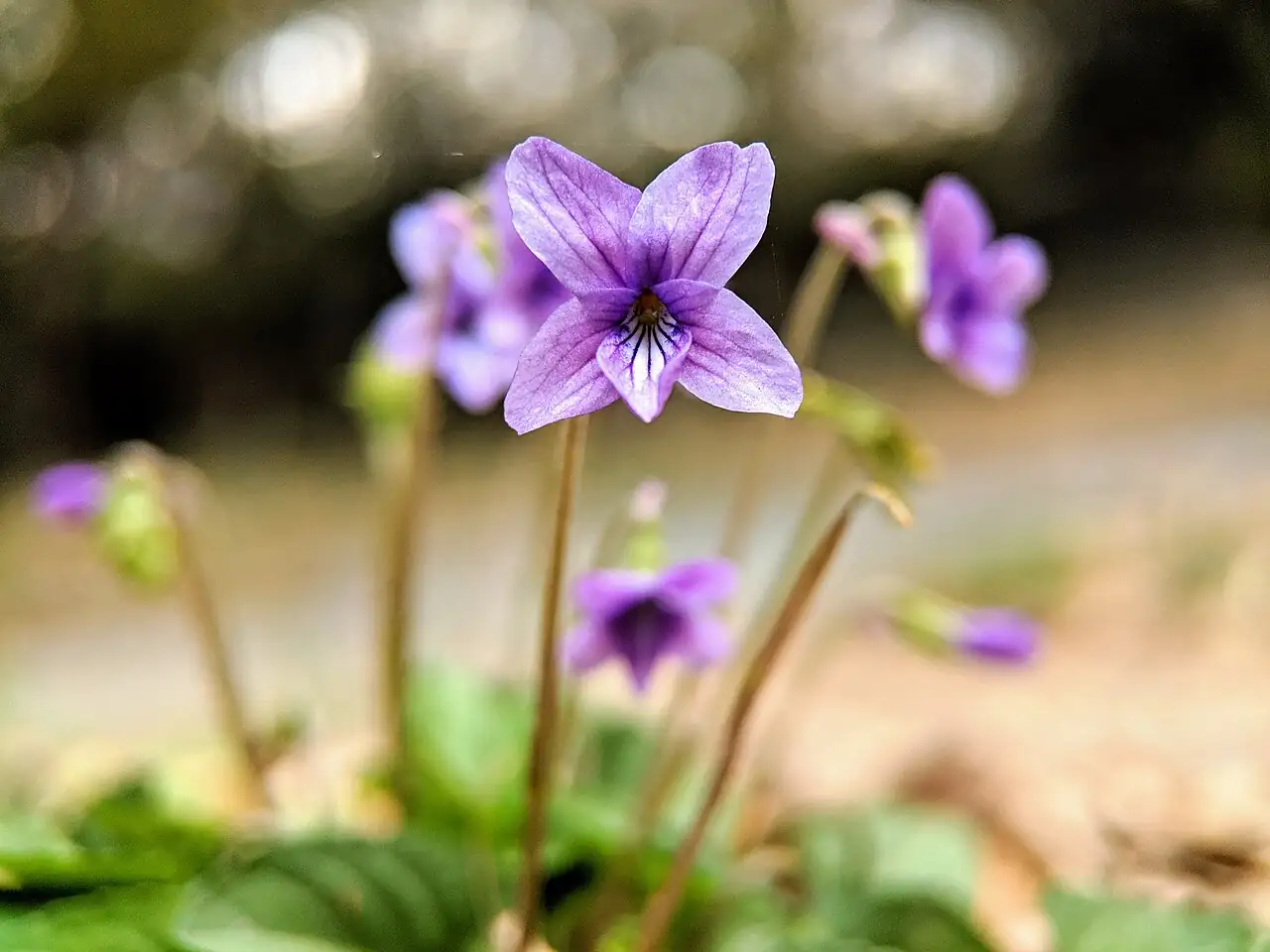
- Flower: Medium-sized violet flowers, usually purple-blue to pale lavender, rarely white. After flowering it forms an oblong, hairless capsule; seeds are pale yellow, about 1.8 mm (0.07 in) long.
- Flowering Season: Mid-to-late April through September
- Growth Habit: Stemless, clump-forming perennial herb that grows in basal rosettes and can spread into small colonies, especially in reliably moist sites.
Environment
Sunlight
Full sun to partial shade; tolerates shade, but flowers best with brighter light.
Temperature
Cold-hardy and frost-tolerant; once established it can handle winter cold to around -20°C (-4°F) depending on site and snow cover.
Humidity
Prefers evenly moist conditions and performs best where the soil doesn’t dry out for long periods.
Soil
Adaptable to many soil types (loam to sandy soils) as long as drainage is reasonable; avoid constantly waterlogged conditions.
Placement
Moist garden borders, woodland edges, under open shrubs, and naturalistic plantings; excellent as a low groundcover in lightly shaded areas.
Hardiness
Broadly adaptable and cold-hardy (roughly USDA Zone 4–9).
Care Guide
Difficulty
Easy—hardy, forgiving, and quick to establish. It can spread readily by seed when conditions suit it.
Buying Guide
Choose plants with fresh, green basal rosettes and firm (not mushy) crowns. Avoid sour-smelling, waterlogged pots. For faster groundcover, buy several small plants and space them to knit together.
Watering
Keep evenly moist, especially while establishing. Water when the top 1–2 cm (0.4–0.8 in) begins to dry. Avoid prolonged saturation, which can trigger crown or root rot.
Fertilization
Often unnecessary in average soil. If growth looks weak, feed lightly in spring with a balanced fertilizer at half strength; avoid heavy nitrogen, which can push leaves at the expense of flowers.
Pruning
Deadhead for a tidier look and fewer volunteer seedlings. Remove yellowing leaves to improve airflow and reduce pest issues.
Propagation
Very easy from seed (including self-seeding) and by dividing clumps in spring or early autumn. Leave some seed capsules to mature if you want it to spread naturally.
Repotting
In containers, repot or divide every 1–2 years in spring. Refresh the mix and ensure good drainage.
📅 Seasonal Care Calendar
Spring: resume regular watering, optional light feed, divide if crowded. Summer: keep evenly moist; deadhead if you want fewer seedlings. Autumn: let some seeds ripen for natural spread or tidy up; divide in early autumn where winters are mild. Winter: mostly dormant; protect container plants from repeated freeze–thaw cycles.
Pests, Diseases & Safety
Common Pests & Diseases
Usually trouble-free. In damp, crowded spots, watch for slugs/snails and occasional aphids. Poor drainage can cause crown/root rot—improve drainage and avoid keeping soil constantly saturated.
Toxicity
Not known to be toxic when used appropriately. Very young leaves/shoots have been eaten traditionally in some regions, but only consume if you are confident in identification and the plant is collected from clean, pesticide-free sites.
Culture & Symbolism
Symbolism: Like many violets, it’s often linked with modesty, resilience, and the gentle promise of spring.
History & Legends: A familiar wild violet across East Asia, appreciated both for its early-season cheer in the landscape and for its place in local seasonal foraging traditions.
Uses: Ornamental groundcover for borders and naturalistic plantings, offering early color and quick spring regrowth. Can naturalize by self-seeding into small colonies. Very young leaves have been used as a traditional wild green in some areas (with careful identification).
FAQ
When does it flower?
Typically from mid-to-late April through September, depending on climate and growing conditions.
How tall does it get?
Usually 4–14 cm (1.6–5.5 in) tall, and up to about 20 cm (7.9 in) when in fruit.
Where is it found and what habitats does it prefer?
It’s widespread across many regions of China, growing in fields, wasteland, grassy slopes, woodland edges, and scrub; in gardens it often forms small colonies in consistently moist spots.
What conditions help it look its best in a garden?
Give it consistent moisture, reasonable drainage, and full sun to partial shade (brighter light usually means more flowers).
Is it edible?
The very young leaves/shoots have been traditionally eaten in some places, but only eat it if you can identify it with certainty and it comes from a clean, chemical-free area.
Fun Facts
- It can green up early in spring and keep flowering for a long season, which makes it a great “quiet hero” plant in mixed plantings.
- In reliably moist places it may knit into small colonies, functioning like a living green carpet.
- A small starter patch can expand over time thanks to moderate self-seeding.


