

Plant Features
- Size: Typically 15–45 cm (6–18 in) tall with a spread of 30–90 cm (12–36 in). Many bedding types are about 23–30 cm (9–12 in) tall. Trailing/spreading cultivars can cascade 60–120 cm (24–48 in) and may spread 0.30–0.90 m (1–3 ft) or more with good conditions.
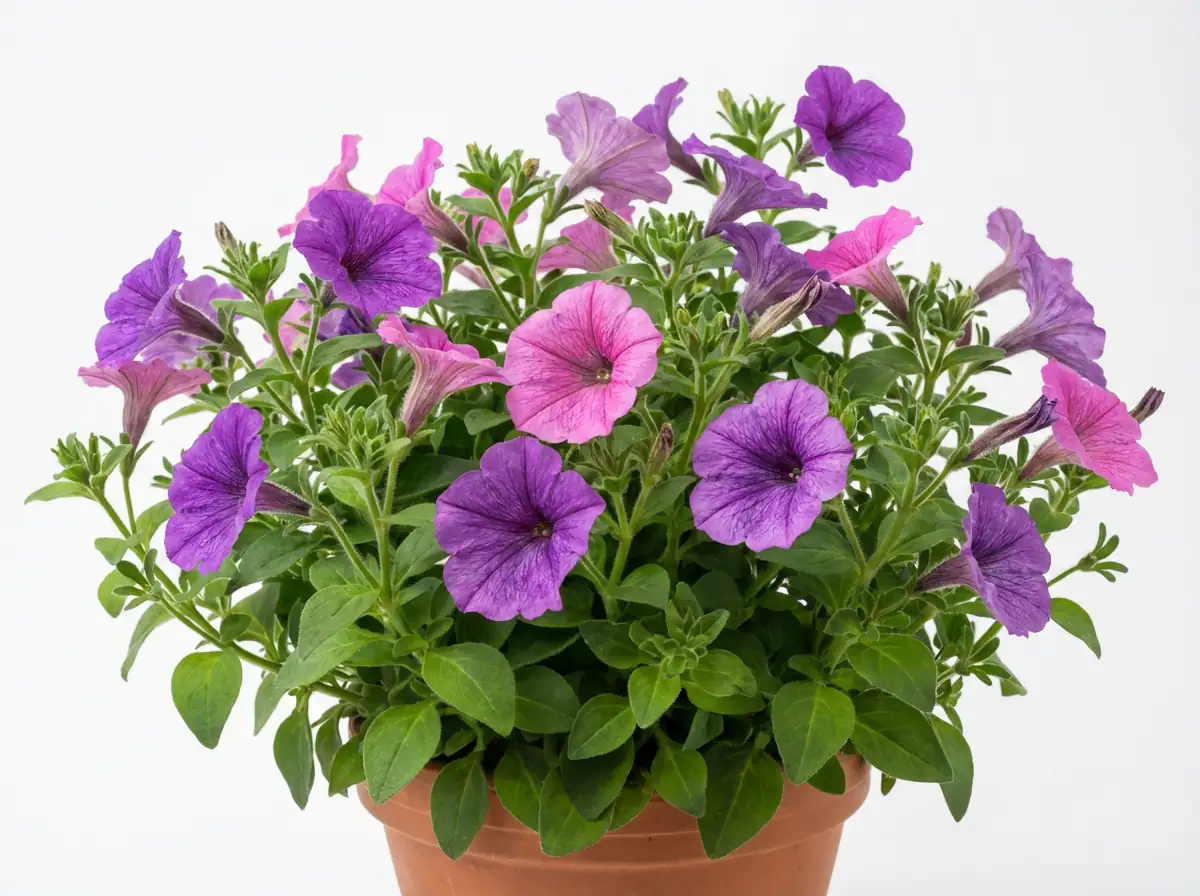
- Foliage: Leaves are soft and oval to elliptical, often slightly sticky to the touch, and sit on branching stems (leaf arrangement can appear alternate or opposite). Foliage is mid- to deep-green; plants can get leggy in low light or if kept too wet. In high-pH mixes or with hard water, iron deficiency may show up as pale or yellowing new growth (chlorosis).
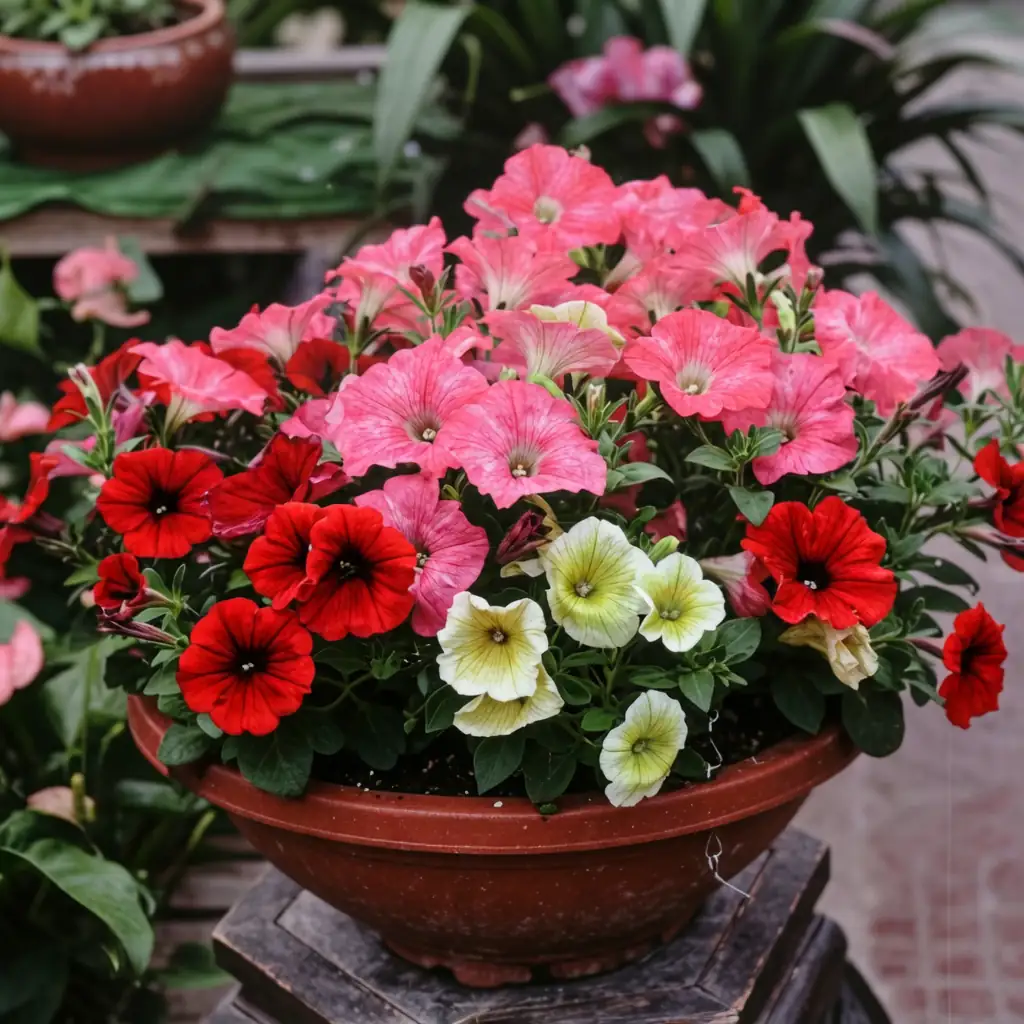
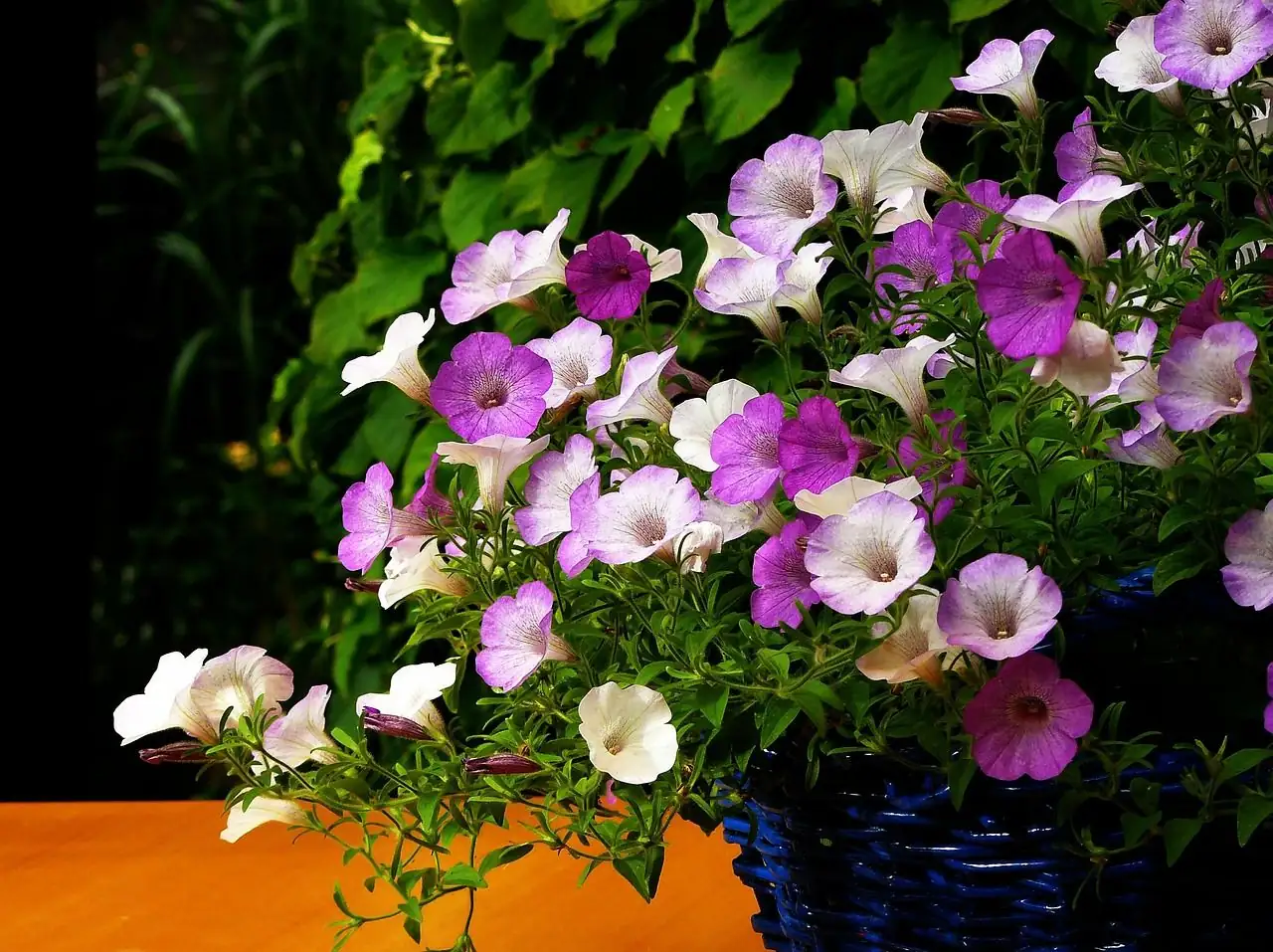
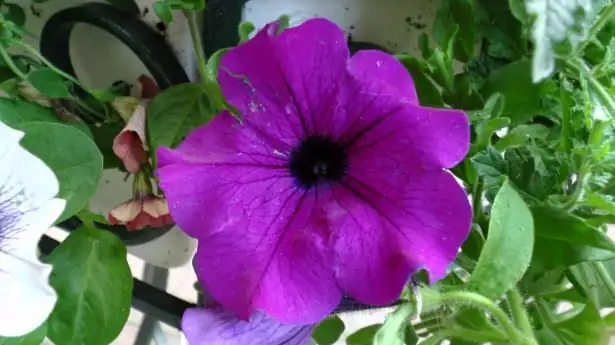
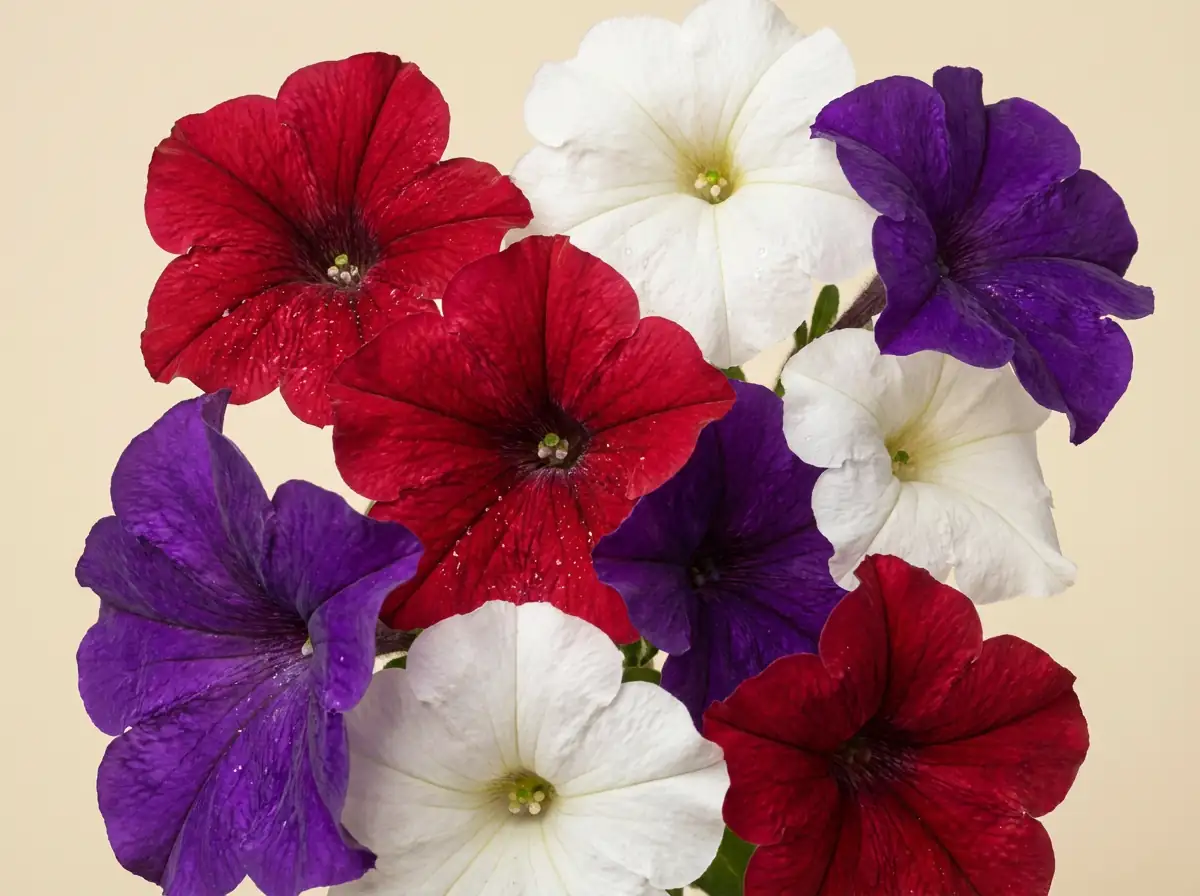
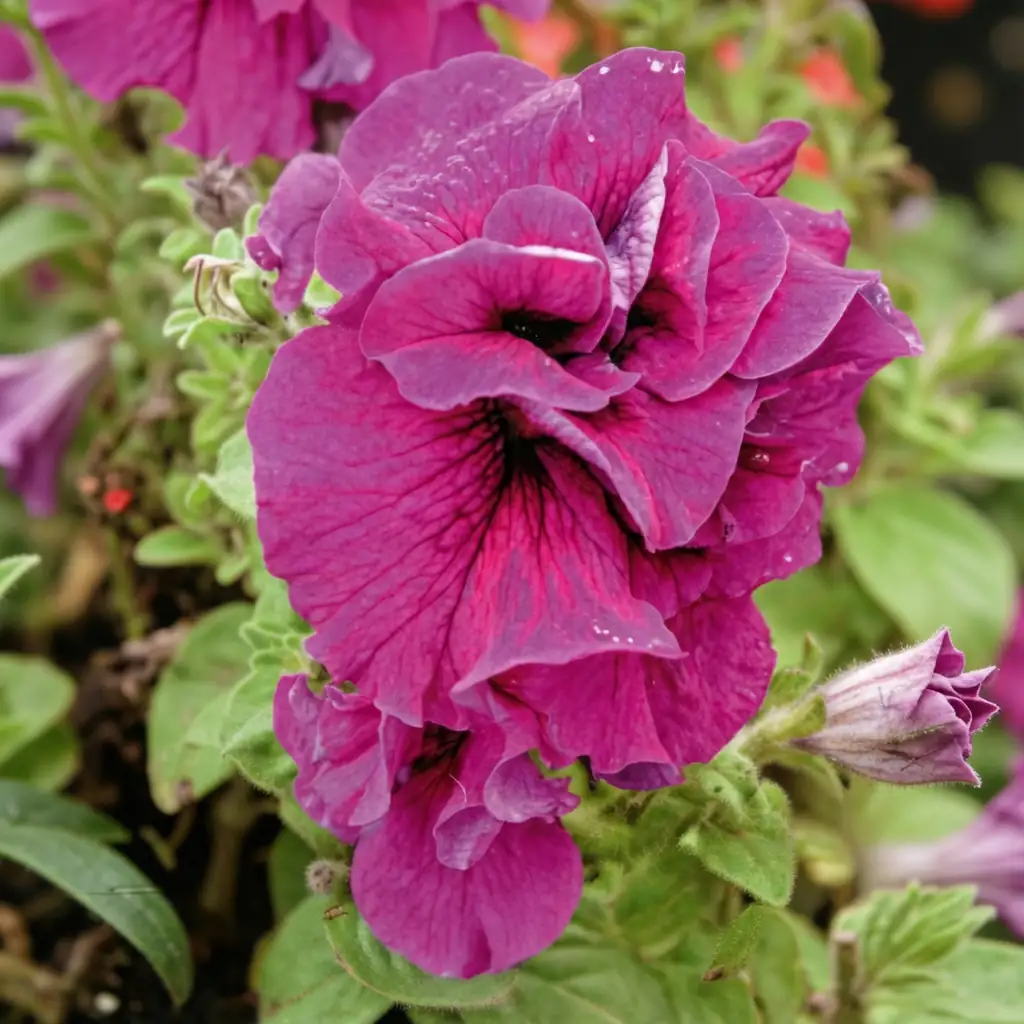
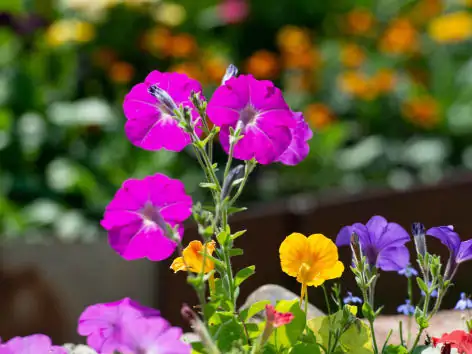
- Flower: Showy, trumpet-shaped blooms that may be single or double, from about 2.5–15 cm (1–6 in) across depending on cultivar. Petal edges can be smooth, wavy/ruffled, or fringed. Colors span white, pink, red, purple, and yellow, plus bicolors and patterns like stars, stripes, spotting, and veining. Trailing varieties are especially popular for baskets and window boxes.
- Flowering Season: Late spring/summer through fall; often blooms continuously until the first frost. In frost-free, protected conditions, flowering can continue much longer (sometimes nearly year-round).
- Growth Habit: Fast-growing and floriferous; habits range from upright and mounding to trailing/spreading (excellent as container spillers and informal groundcover).
Environment
Sunlight
Full sun for best flowering—aim for at least 6–8 hours of direct sun daily (5–6 hours is a workable minimum). Light shade is tolerated, but fewer flowers are produced. In very rainy periods, shelter helps protect blooms and reduces disease; avoid routinely wetting flowers and foliage.
Temperature
Best growth generally in mild warmth around 13–24°C (55–76°F), with many growers finding 13–18°C (55–64°F) especially comfortable for steady growth. Petunias handle summer heat well (up to about 35°C / 95°F) if watered appropriately. Growth slows below about 4°C (39°F). Brief light frost may be tolerated around -2°C (28°F), but plants are not reliably frost-hardy.
Humidity
Adaptable, but happiest with good airflow and a relatively dry canopy. Prolonged dampness and frequent rain increase the risk of gray mold and other issues.
Soil
Well-drained soil or potting mix is essential. Use a fertile, airy mix (often loam or quality potting mix amended with perlite/coarse sand for drainage). Avoid waterlogged conditions. A slightly acidic pH around 6.0–6.5 supports best performance and nutrient uptake. For containers: young plants often start in about a 10 cm (4 in) pot; small starts in baskets may begin in 12–15 cm (5–6 in) pots, with larger baskets producing fuller displays.
Placement
Sunny beds and borders, patio pots, window boxes, and hanging baskets. Outdoors: choose a bright, open spot with airflow; consider shelter from pounding rain. Indoors: only works well in very bright windows (south/east exposure) and is usually best treated as seasonal.
Hardiness
Tender perennial but usually grown as an annual. Most reliable outdoors year-round only in USDA Zones 10–11 (and similar frost-free climates).
Care Guide
Difficulty
Easy to Moderate. Petunias are beginner-friendly, but they look their best with strong sun, excellent drainage, regular feeding, and occasional tidying (pinching, deadheading, and trimming).
Buying Guide
Choose plants that look compact and well-branched (not hollow or sparse in the center), with healthy green leaves and plenty of buds. Avoid plants with widespread yellowing, mushy stems, or damaged petals. Check new growth and leaf undersides for aphids and other pests. After purchase, acclimate plants to stronger sun over a few days and protect from heavy rain if possible.
Watering
Water deeply, then allow the top layer of soil/mix to dry slightly before watering again—aim for evenly moist, never soggy. In garden beds, a thorough weekly soak is often enough; in containers (especially in heat and wind), watering may be needed daily. Try to water at the base rather than overhead to keep flowers and foliage drier and reduce disease. Poor drainage and constant wetness can cause root rot and floppy, leggy growth.
Fertilization
Petunias are hungry bloomers. Mix in a balanced fertilizer at planting, then feed regularly through the season—commonly every 2 weeks with a balanced fertilizer (e.g., 20-20-20) or a bloom-leaning formula during peak flowering. Spreading/trailing types are often heavier feeders and may appreciate weekly feeding in containers. If new leaves turn pale/yellow (especially in alkaline conditions), use an iron-containing fertilizer or iron chelate as needed.
Pruning
Pinch young plants when they’re about 10 cm (4 in) tall (or once established) to encourage branching. Deadhead spent blooms on older, large-flowered, or non-self-cleaning varieties to keep the plant tidy and flowering. If plants get long and leggy, don’t be afraid to shear them back by about 1/2 to 2/3—then water and feed to spark fresh growth and a strong new bloom flush.
Propagation
Seeds can be started indoors 10–12 weeks before the last frost. Surface-sow (do not cover—seeds need light), keep warm (about 13–18°C / 55–64°F), and expect germination in roughly ~10 days; many bloom about 11–12 weeks from sowing (doubles often 13–15 weeks). Many gardeners also propagate by cuttings: take healthy soft tip cuttings around 10 cm (4 in), remove lower leaves, and root in moist mix—often rooting in about ~2 weeks.
Repotting
Usually treated as an annual, but for container culture, pot up as roots fill the container to maintain vigor and flowering. Seedlings can be potted on once they have about 5–6 true leaves. Use a fresh, well-draining, fertile mix each step up.
📅 Seasonal Care Calendar
Spring: plant after the last frost, ease plants into full sun, and start a feeding routine. Summer: water more often (especially in pots), feed regularly, deadhead or shear back if plants get leggy, and provide airflow; shelter from prolonged heavy rain when possible. Fall: keep feeding and watering until cold slows growth; enjoy blooms until frost. Winter: in Zones 10–11, plants may continue; elsewhere, petunias are typically finished, though special plants can be overwintered indoors in very bright light (performance is often weaker than fresh spring plants).
Pests, Diseases & Safety
Common Pests & Diseases
Common pests include aphids, whiteflies, spider mites, thrips, plus slugs/snails outdoors. Disease issues are most often tied to damp conditions: gray mold (Botrytis), root rot, and occasional bacterial rots; virus-like mosaic symptoms can occur and are often spread by sap-sucking insects. Prevention: well-drained mix, avoid overhead watering, give good airflow, remove spent/rotting flowers promptly, and control insects early. Insecticidal soap can help with soft-bodied pests when used properly.
Toxicity
Generally considered low-toxicity to people and pets, though chewing/ingestion may cause mild stomach upset. Not intended for eating.
Culture & Symbolism
Symbolism: Petunias are often linked with comfort, calm, and the simple joy of summer color. Historically (especially in Victorian-era flower meanings), they could also carry a sharper message—associated with resentment or being upset after a disagreement—so they’re a fun reminder that even cheerful flowers can have complicated stories.
History & Legends: Modern garden petunias are the result of long breeding work based on South American Petunia species, notably white-flowered Petunia axillaris and purple-flowered plants historically treated as Petunia violacea. By the 1800s, breeders were already selecting for bigger blooms and double flowers; later breeding expanded the color range, patterns, and today’s popular trailing “spreading” forms for baskets and groundcover.
Uses: Mainly ornamental: a top pick for bedding color, borders, containers, window boxes, hanging baskets, balcony planters, and mass plantings for public and home displays.
FAQ
Why are my petunias not blooming much?
Almost always it’s light (too much shade). Aim for 6–8 hours of direct sun. Next check feeding—petunias are heavy bloomers and need regular fertilizer—then look at watering and drainage (soggy roots reduce flowers). A mid-season trim can also restart blooming if plants have gone leggy.
Do petunias come back every year?
In most climates, no—they’re treated as annuals because frost ends them. In frost-free areas (typically USDA Zones 10–11), they can behave like short-lived perennials, though they often look best when replanted fresh each season.
How often should I water petunias in pots?
Water thoroughly, then wait until the top layer dries slightly. In hot, sunny weather that can mean daily watering; in cooler weather it’s less frequent. Always prioritize drainage, and try not to soak the flowers and foliage.
My petunia leaves are yellowing—what’s going on?
If the newest leaves are paling first, it can be iron deficiency (common in alkaline mixes or with hard water). Switch to a slightly acidic, well-draining mix and use an iron-containing feed/iron chelate. If older leaves yellow and soil stays wet, suspect overwatering or root stress.
Fun Facts
- Petunia seeds are famously tiny—easy to lose on your fingertip, which is why they’re usually surface-sown.
- Many petunias release their fragrance most strongly in the evening, especially some older and white-flowered types.
- Trailing “spreading” petunias can make a surprisingly large carpet or cascade in one season with sun, food, and water.
- There are petunias in almost every color and pattern you can imagine—true blue is the one breeders still chase.


