Plant Features
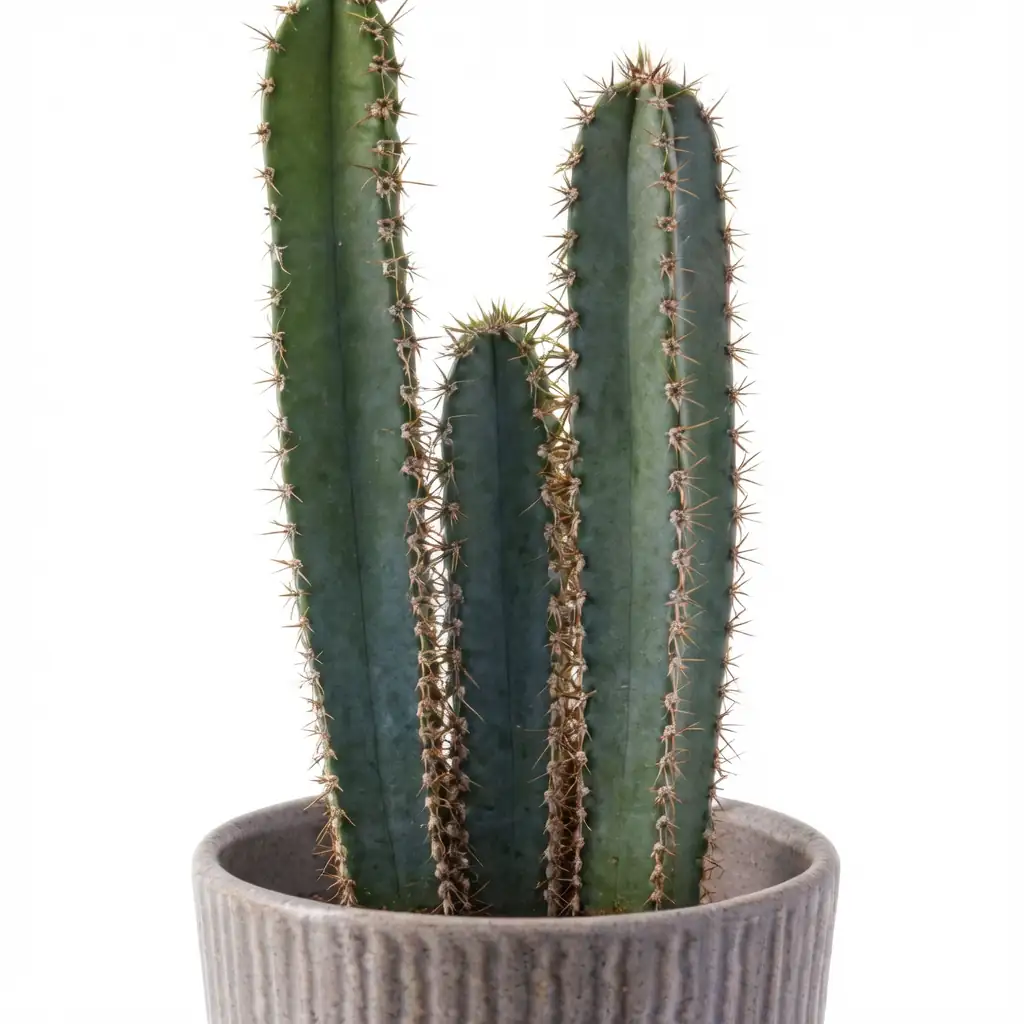
- Size: Typically up to about 90 × 15 cm (35 × 6 in) in pots; with age and ideal conditions it can grow much taller and thicker.
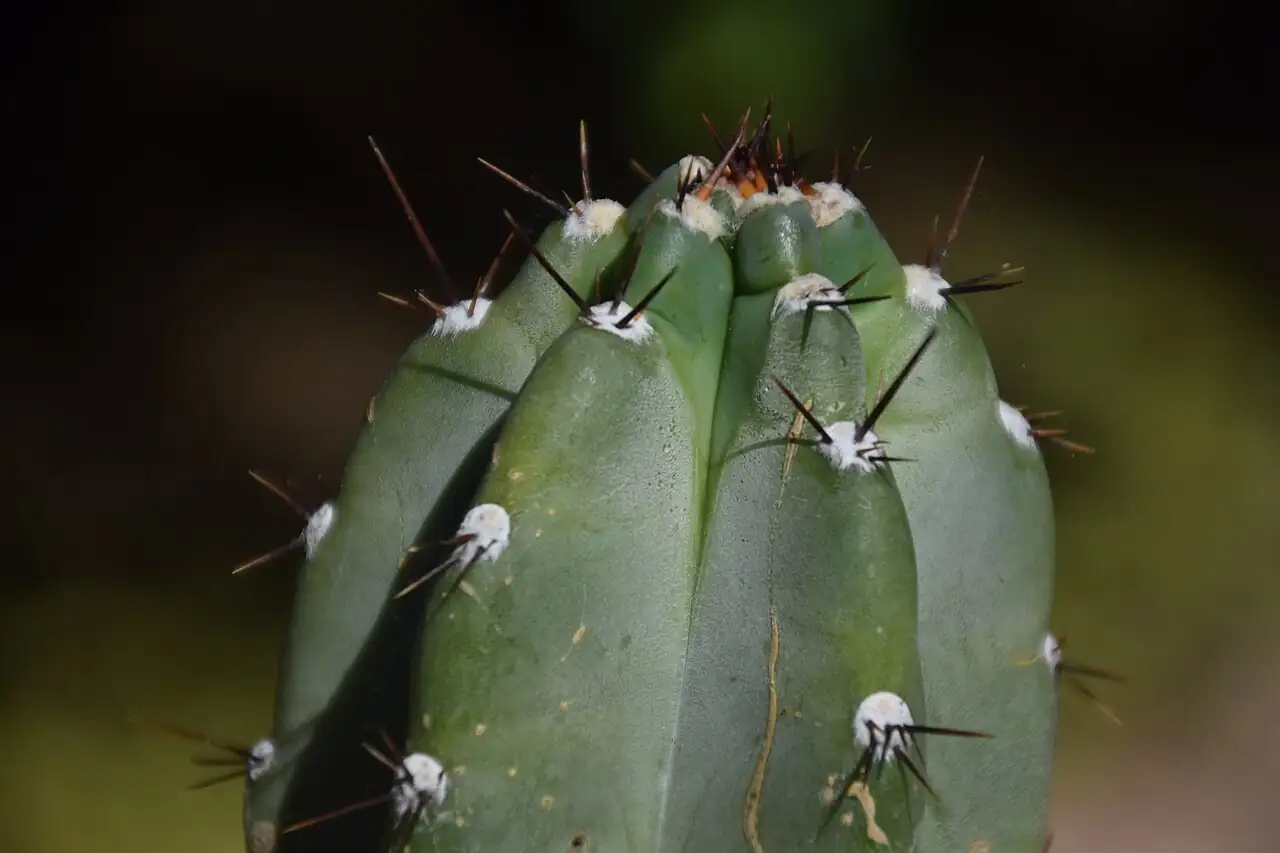
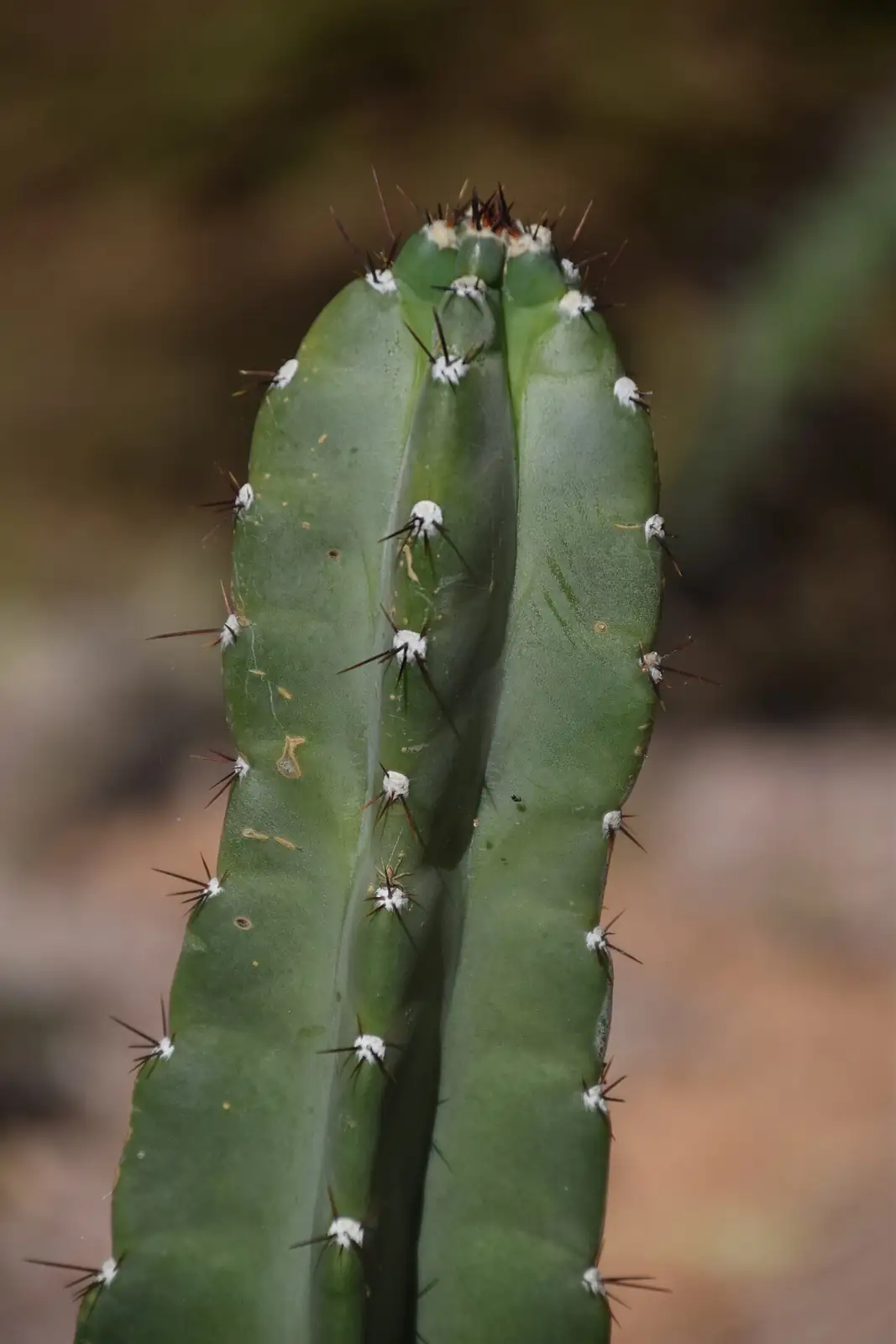
- Foliage: Leafless, ribbed, blue‑gray to gray‑green stems; areoles along the ribs carry clusters of brown spines.
- Flower: Large, fragrant blooms in white to pale pink, up to about 15 cm (6 in) across; usually open at night and close around dawn.
- Flowering Season: Summer
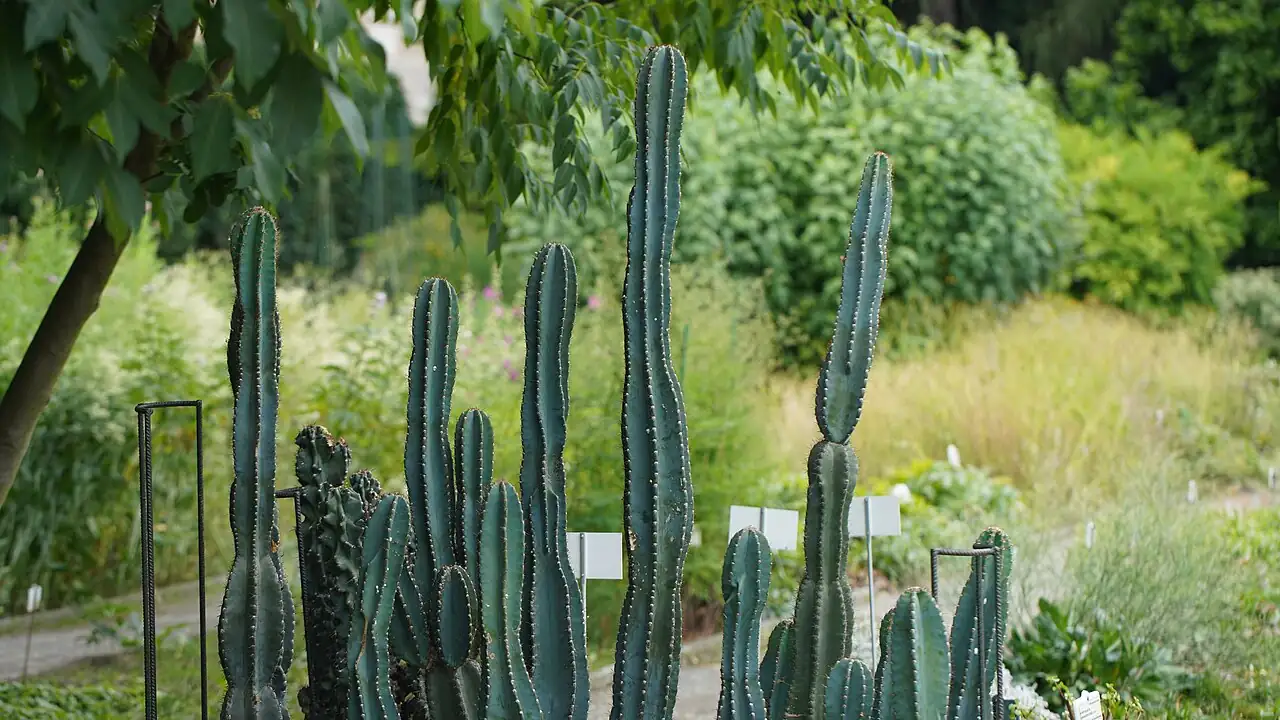
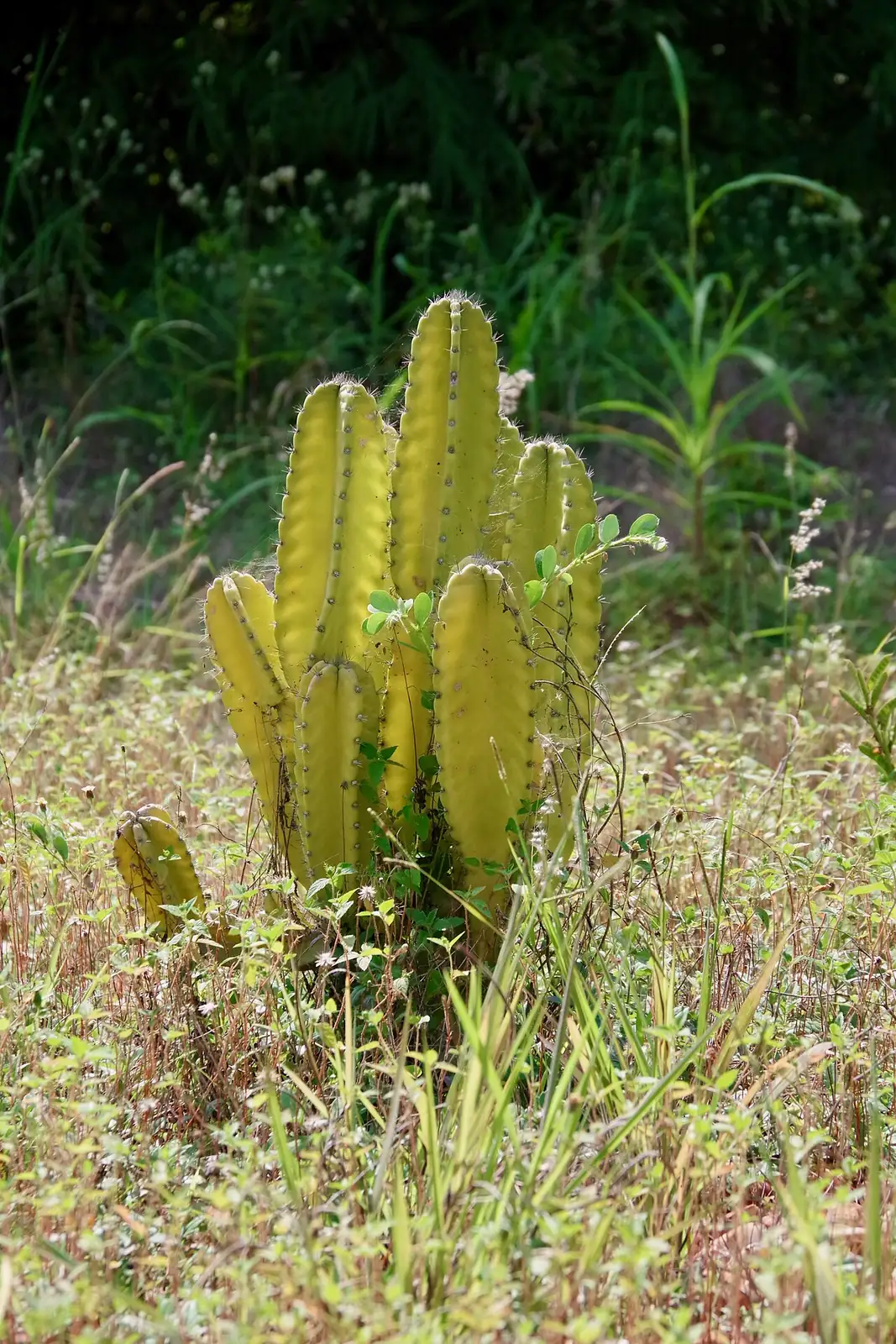
- Growth Habit: Upright, columnar, strongly vertical growth; often used at the back of displays for height and bold structure.
Environment
Sunlight
Full sun to very bright light. In extremely hot summers, a little light afternoon shade can help prevent sun scorch—especially for plants newly moved outdoors.
Temperature
10–32°C (50–90°F). In winter, keep cooler and much drier to encourage a natural resting period.
Humidity
Low to average indoor humidity; avoid persistently damp, stagnant air.
Soil
Very fast-draining cactus/succulent mix. A simple DIY blend is equal parts potting soil, coarse sand, and perlite (1:1:1).
Placement
Brightest window, sunroom, or greenhouse. Can go outdoors in warm months if acclimated gradually, then bring indoors before cold weather.
Hardiness
Not frost-tolerant; keep above about 5°C (41°F). In cold seasons, move to a cool, bright spot and keep dry.
Care Guide
Difficulty
Easy; most problems come from low light or overwatering rather than from the plant itself.
Buying Guide
Pick a plant with firm, evenly colored stems and no soft spots. Avoid obvious rot, heavy pest activity around areoles, or extensive corking if it looks unhealthy (some corking at the base can be normal with age).
Watering
During active growth, water when the top ~1 cm (0.4 in) of mix is dry, then soak thoroughly and let all excess drain. In winter rest, water very sparingly—often only 1–2 times total for the whole season, or just enough to prevent severe shriveling.
Fertilization
Feed in summer about once a month with a cactus/succulent fertilizer at label strength (or half-strength if growth is slow). Skip feeding during winter rest.
Pruning
Usually unnecessary. If any section is damaged or begins to rot, cut it away promptly with a clean blade; let the cut surface callus before keeping the plant dry and resuming normal care.
Propagation
Stem cuttings: take a healthy segment, allow it to callus for 7–14 days, then place into a dry, gritty cactus mix. Start light watering only after roots have formed.
Repotting
Use gloves or thick wrapping to protect from spines. A heavy pot helps prevent tipping; a common starting size is about 15–20 cm (6–8 in) wide (larger as it grows). Repot young plants yearly; mature plants about every 2 years, always using a fast-draining cactus mix.
📅 Seasonal Care Calendar
Summer (active growth/flowering): give very bright light, water when the surface dries, and fertilize monthly. Winter (rest): move to a cooler, bright place and reduce watering dramatically (often 1–2 times for the whole season).
Pests, Diseases & Safety
Common Pests & Diseases
May attract mealybugs, scale, and spider mites indoors. Root/stem rot is most often caused by overwatering or poor drainage. Prevent issues with strong light, good airflow, and a gritty mix; treat pests with insecticidal soap or horticultural oil when needed.
Toxicity
Not known to be highly toxic, but the spines can cause painful punctures. Keep out of reach of children and pets, and handle with gloves.
Culture & Symbolism
Symbolism: Often linked with resilience, protection, and endurance—fitting for a tough, drought-adapted cactus that stands tall through harsh conditions.
History & Legends: This South American columnar cactus has been traded for years in cultivation, and it’s commonly encountered under older or alternative names—especially the long-used trade name “Cereus peruvianus.”
Uses: Primarily grown as an ornamental, architectural houseplant or patio cactus. Where it flowers and sets fruit, it may also be grown for its edible “Peruvian apple” fruits.
FAQ
Why isn’t it flowering?
Flowering usually takes a mature plant plus lots of light (full sun/very bright exposure), warmth in the growing season, and a cooler, drier winter rest. Young plants often need years before they’re ready to bloom.
Can I keep it outdoors?
Yes during warm weather. Acclimate it gradually to stronger sun to avoid scorch, and bring it indoors before temperatures drop below about 5°C (41°F). Never expose it to frost.
How do I prevent it from tipping over?
Use a heavy, stable pot (often 15–20 cm / 6–8 in wide or larger as the plant grows) and a gritty, fast-draining mix. Avoid waterlogged soil, which can destabilize roots and make the plant top-heavy.
Fun Facts
- Its big, fragrant flowers are often nocturnal—opening at night and closing by morning.
- It’s frequently sold under older trade names (like “Cereus peruvianus”), so two “different” labels may actually refer to the same species.