Plant Features
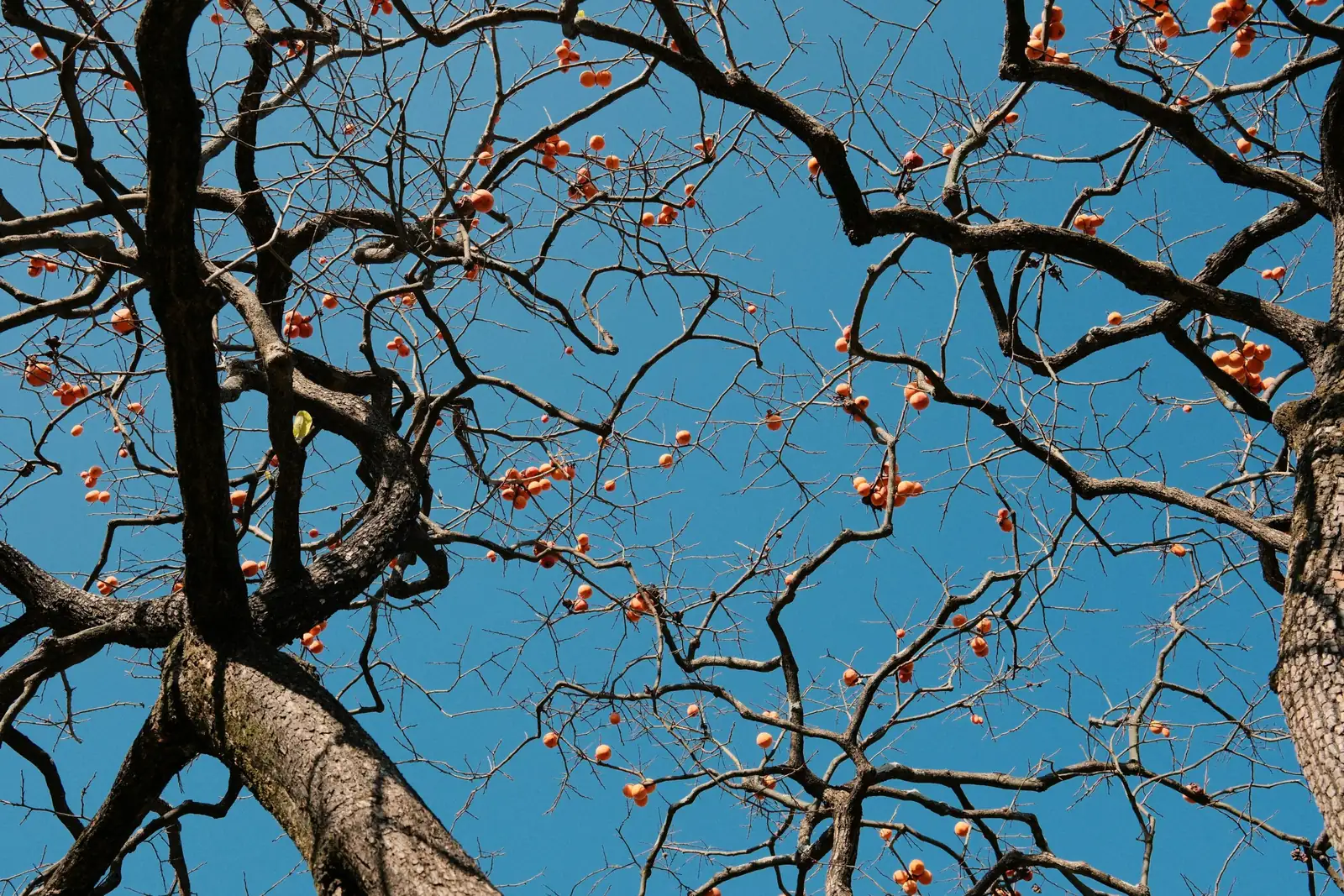
- Size: Typically 10 m+ (33 ft+) tall; crown spread varies by cultivar and pruning.
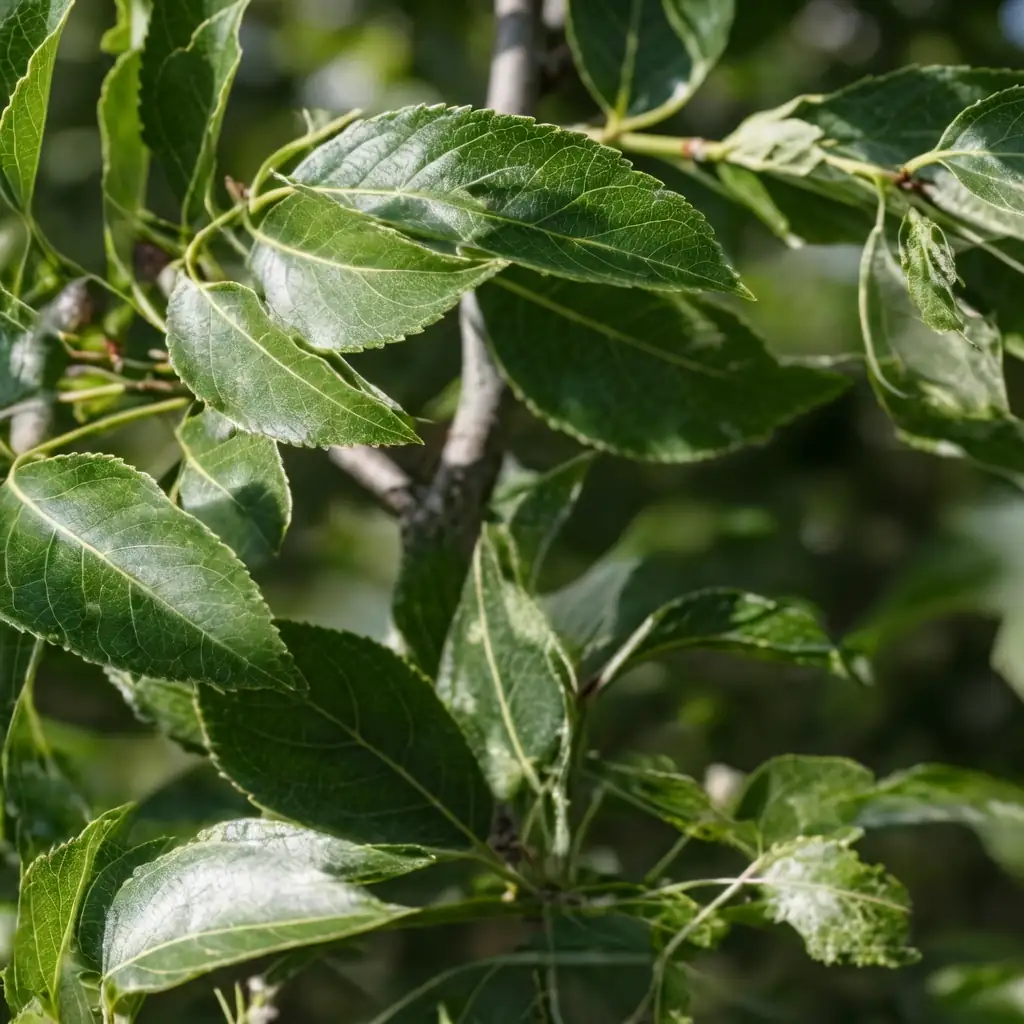
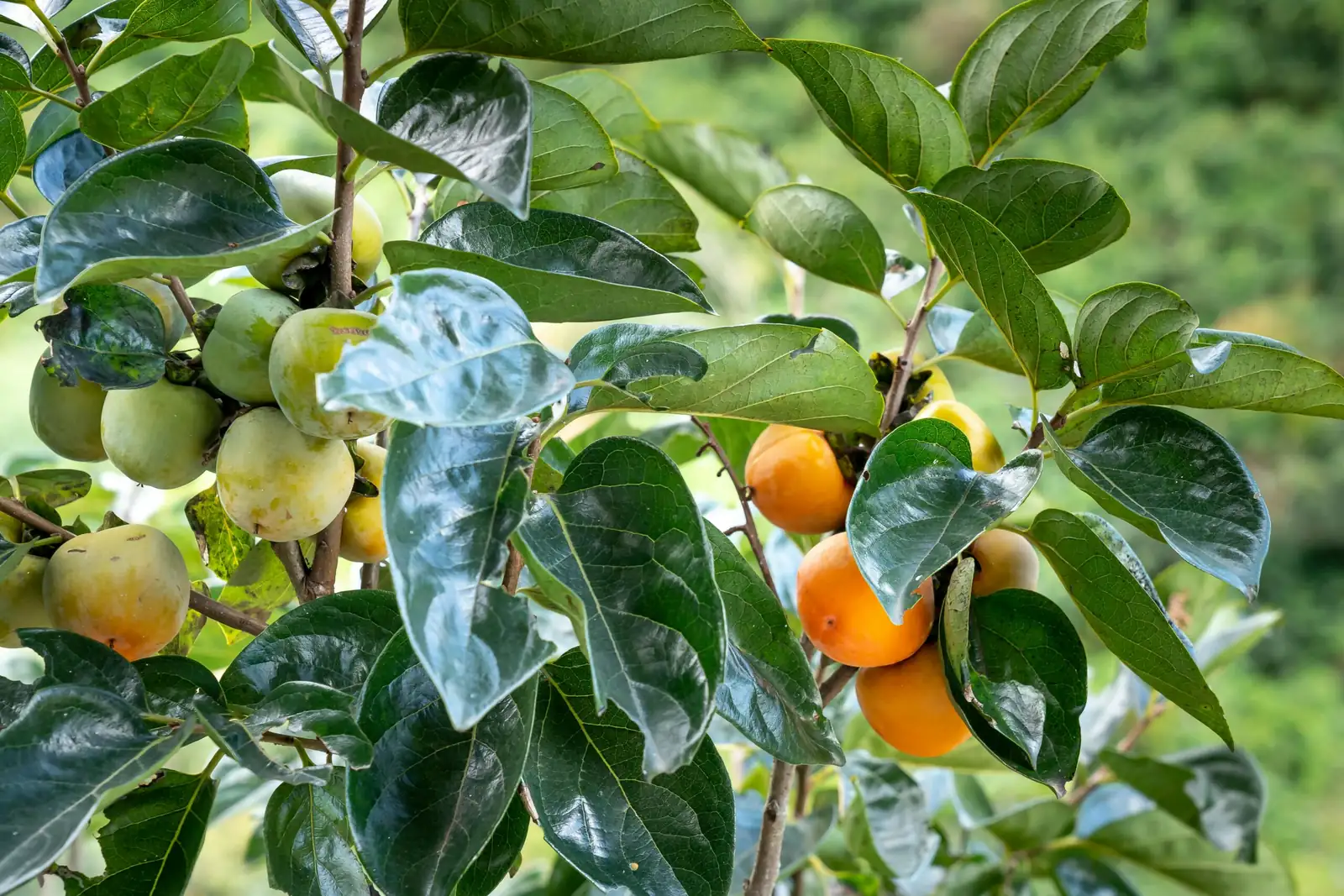
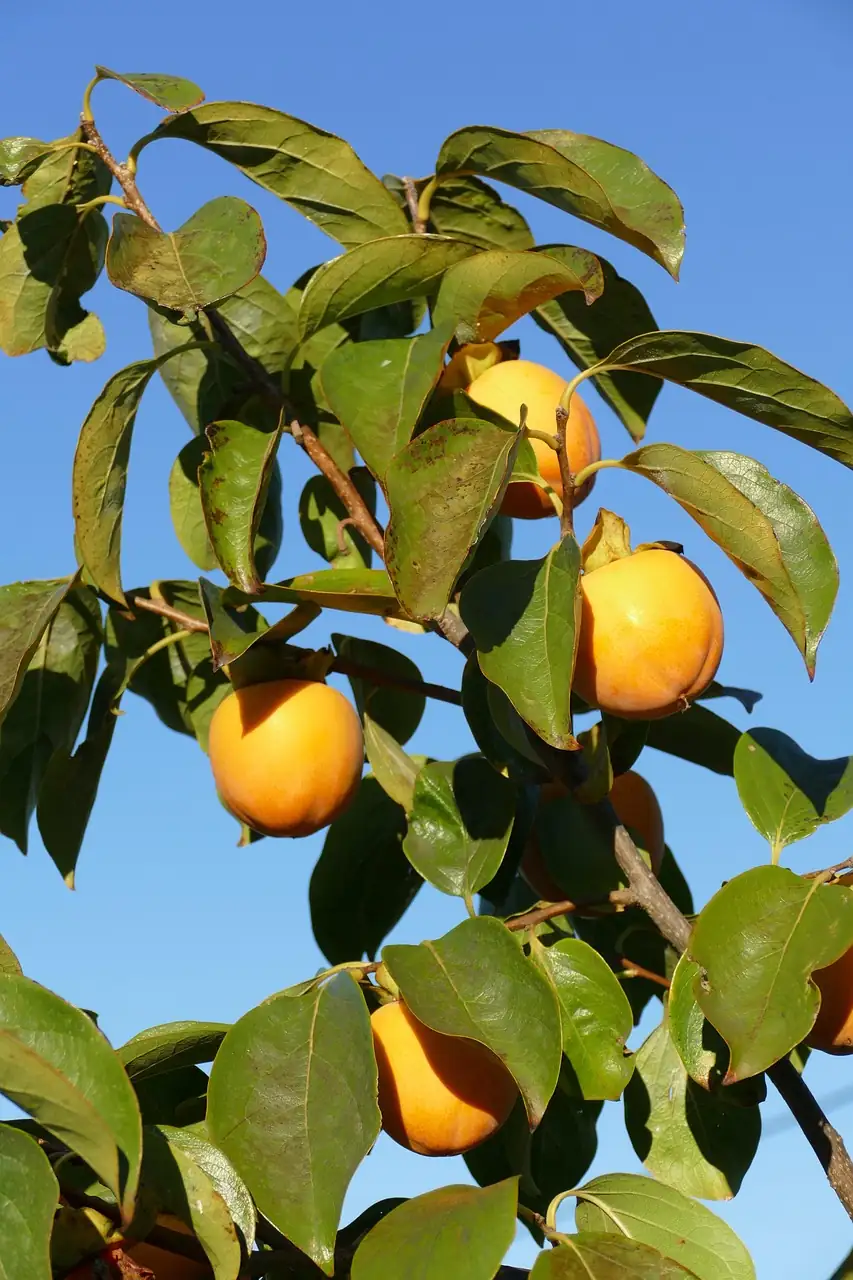
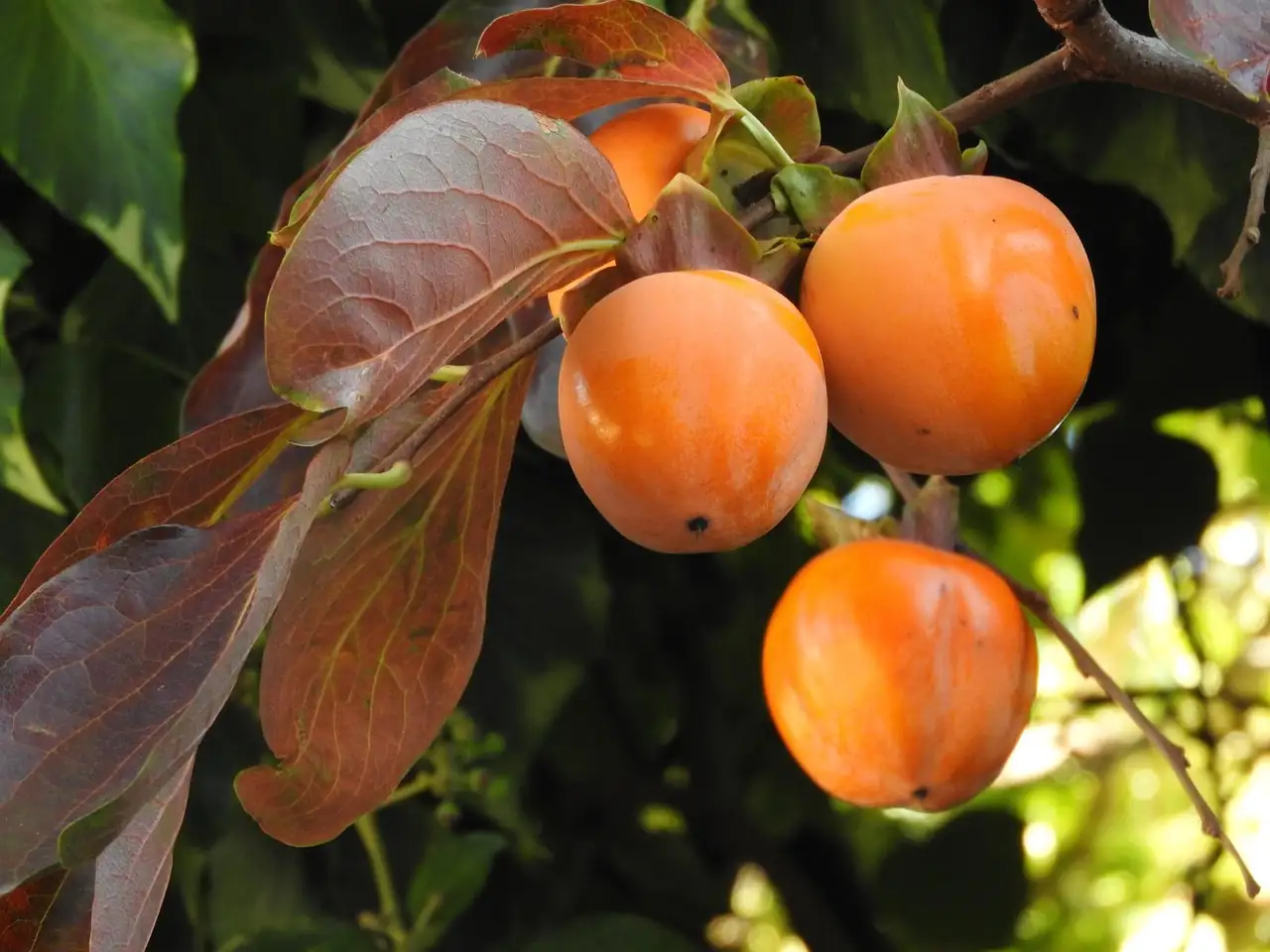
- Foliage: Large, slightly papery leaves, usually oval to elliptic, forming a dense canopy. In autumn the foliage often colors beautifully, and after frost it may shift into vivid reds that make the tree stand out in the late-season garden.
- Flower: Small, axillary flowers that are usually pale yellow to creamy and not particularly showy. Depending on the cultivar, trees may carry male and female flowers on separate plants or on the same plant, which can affect pollination and fruit set.
- Flowering Season: May–June (late spring to early summer)
- Growth Habit: A large, upright deciduous tree with a deep root system and a generally rounded crown; sun-loving and sturdy once established.
Environment
Sunlight
Full sun for best flowering, fruiting, and autumn color (at least 6+ hours daily).
Temperature
Prefers warm temperate climates; typically hardy to about -12 to -18°C (10 to 0°F) once established, though cold tolerance varies by cultivar and site conditions.
Humidity
Does well in moderate humidity. Likes even moisture while getting established and during fruit development, but resents prolonged waterlogging.
Soil
Best in deep, fertile, moisture-retentive yet well-drained soil, around neutral pH. Tolerates poorer soils and some drought once established, but is sensitive to saline conditions and strongly alkaline soils.
Placement
Outdoors in an open, sunny spot such as a garden, orchard, or park planting. Can handle mountain foothills, plains, and some sandy coastal sites when nutrients and irrigation are sufficient.
Hardiness
Commonly grown in USDA Zone 7–10 (approx.). Not tolerant of salty or strongly alkaline soils; young trees may need protection in harsher winters.
Care Guide
Difficulty
Moderate. Generally straightforward once established, but the best fruit quality comes from strong sun, sensible pruning, and steady moisture during flowering and fruit sizing.
Buying Guide
Choose a named cultivar that matches your climate and how you like to eat persimmons (astringent types are usually eaten very soft/fully ripe; non-astringent types can be eaten firm when mature). Look for a healthy graft union (if grafted), undamaged trunk, and a well-branched framework. If your variety benefits from or requires pollination, plan for a compatible pollinizer nearby.
Watering
Water deeply through the first 1–2 growing seasons to establish a strong root system. After that, water during extended dry spells—especially from flowering through fruit enlargement. Avoid constantly soggy soil; mulch helps stabilize moisture and reduces stress.
Fertilization
Feed in early spring with compost or a balanced, slow-release fertilizer. Don’t overdo nitrogen, which can push leafy growth at the expense of flowers and fruit. A soil test is the best way to fine-tune nutrients.
Pruning
Prune in late winter to early spring while dormant. Aim for an open canopy that lets light and air in: remove dead wood, crossing branches, and crowded growth. Thin overly vigorous shoots if needed; light summer pinching can help manage excessive growth on enthusiastic trees.
Propagation
Most commonly propagated by grafting or budding onto suitable rootstocks. Seed-grown plants are possible but won’t come true to type, so they’re mainly used for rootstocks or breeding.
Repotting
Not typically grown long-term in containers. If kept in a pot (usually while young), repot or up-pot every 1–2 years in early spring, using a well-drained, loam-based mix and keeping roots healthy and uncrowded.
📅 Seasonal Care Calendar
Spring: feed lightly; watch flowering and pollination. Summer: water during heat and drought; thin fruit if the crop is very heavy. Autumn: harvest as fruit colors and ripens; enjoy peak foliage color. Winter: prune while dormant; protect young trees from severe cold and sunscald where relevant.
Pests, Diseases & Safety
Common Pests & Diseases
May attract scale insects, mealybugs, aphids, and (in some regions) fruit flies; fungal leaf spots can appear in humid conditions. Prevention helps most: remove fallen leaves/fruit, prune for airflow, and use targeted horticultural oils or locally approved controls when necessary.
Toxicity
Generally considered non-toxic to people and pets. Unripe, very astringent fruit can irritate the mouth, and overeating unripe/astringent persimmons may cause digestive upset in some individuals.
Culture & Symbolism
Symbolism: Often linked with harvest time, abundance, longevity, and the quiet beauty of late autumn.
History & Legends: Persimmon has been cultivated in East Asia for centuries, valued both for fruit and for its ornamental presence. Over time, countless regional cultivars were selected for flavor, texture, astringency (or lack of it), ripening behavior, and improved cold tolerance.
Uses: Grown as a fruit tree and as an ornamental for its dense canopy and striking fall color. Fruits are eaten fresh or processed depending on cultivar and local traditions. The wood is also used in woodworking and furniture in some contexts.
FAQ
What is the scientific name of persimmon?
Diospyros kaki.
When does persimmon flower?
Typically May–June (late spring to early summer).
When does persimmon fruit ripen?
Usually September–October (autumn), depending on climate and cultivar.
How tall can a persimmon tree grow?
It commonly reaches 10 m+ (33 ft+) tall, though final size depends strongly on cultivar, pruning, and growing conditions.
What growing conditions does persimmon prefer?
Full sun, deep fertile well-drained soil, and steady moisture during establishment and fruit development. It tolerates some drought once established, but dislikes waterlogging and saline/strongly alkaline soils.
Where is persimmon native and where is it grown?
It is native to China (notably the Yangtze River basin) and is widely cultivated across China (including southward to Taiwan) and many other temperate regions worldwide.
What are the main ornamental and practical values of persimmon?
It combines edible fruit with strong landscape appeal—especially its late-season color—and it can also provide useful timber in some settings.
Fun Facts
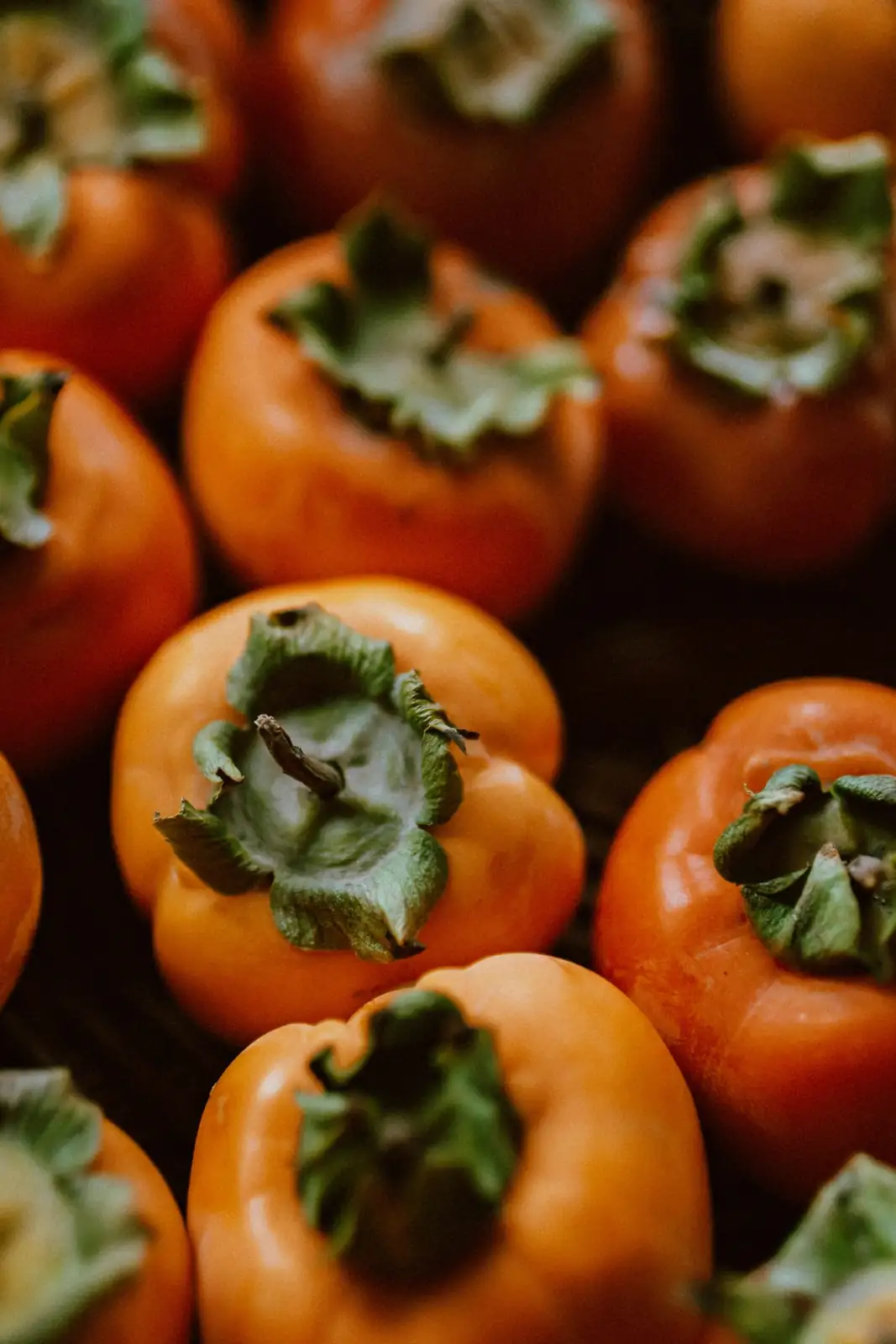
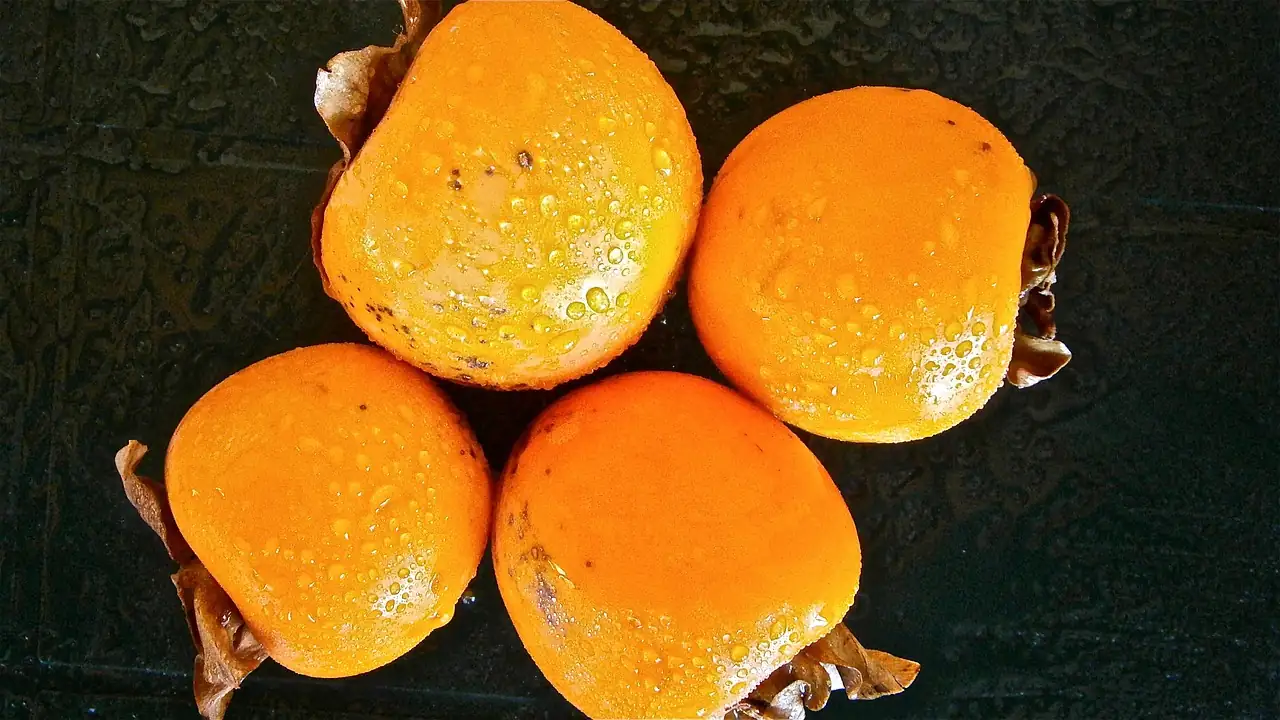
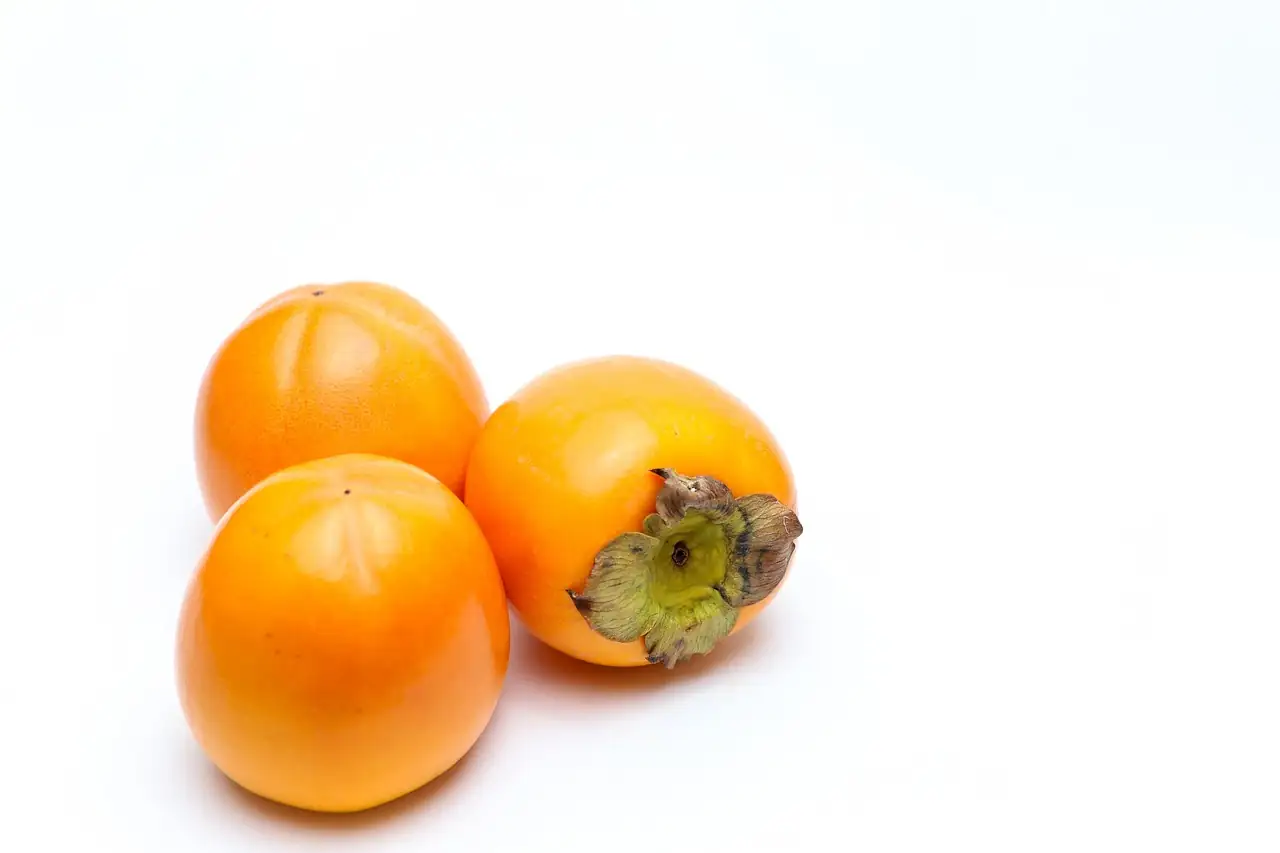
- Persimmon fruits can be round, flattened, square-ish, or egg-shaped—shape is largely cultivar-dependent.
- Many cultivars are mouth-puckeringly astringent when unripe, then become sweet and richly colored (orange to deep red) as they fully ripen and soften.
- Cool, frosty late-autumn weather can intensify red tones in the foliage, giving the tree a “second season” of interest after harvest.
- Persimmon is typically deep-rooted and, once established, can handle short dry periods better than many other fruit trees.
- Centuries of selection have created an enormous range of cultivars with different textures, sweetness levels, and ripening quirks.