

Plant Features
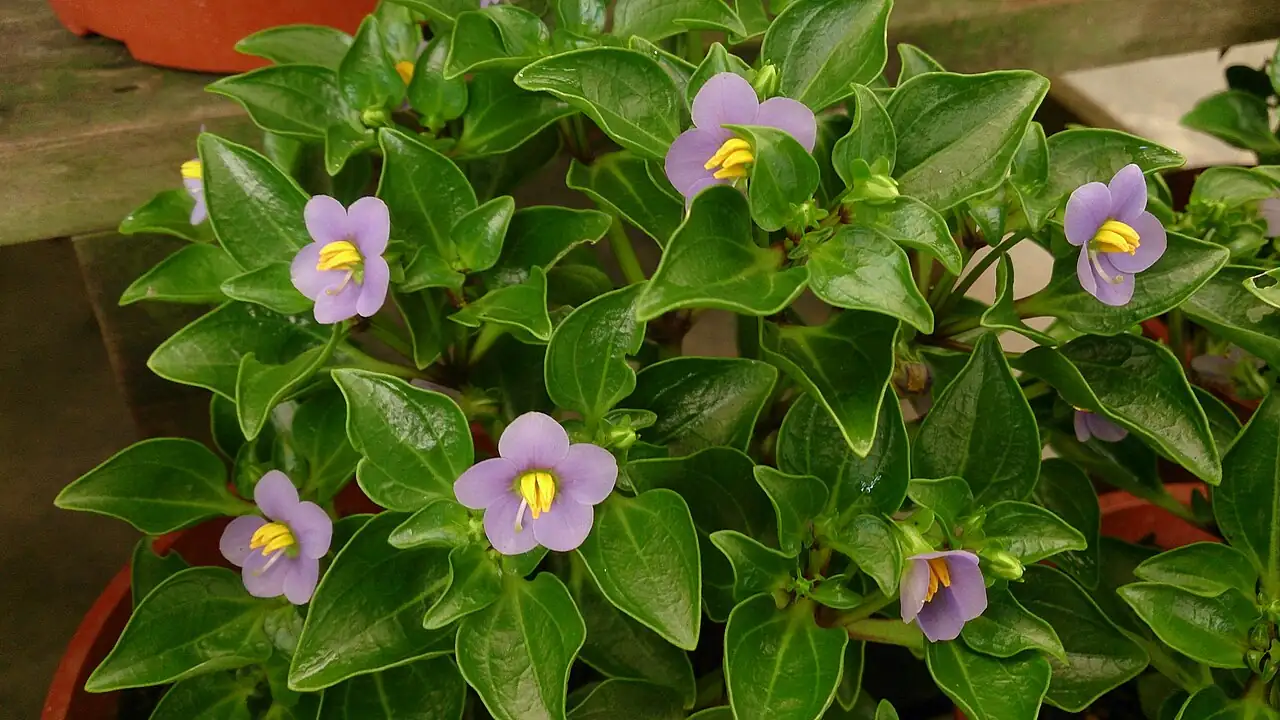
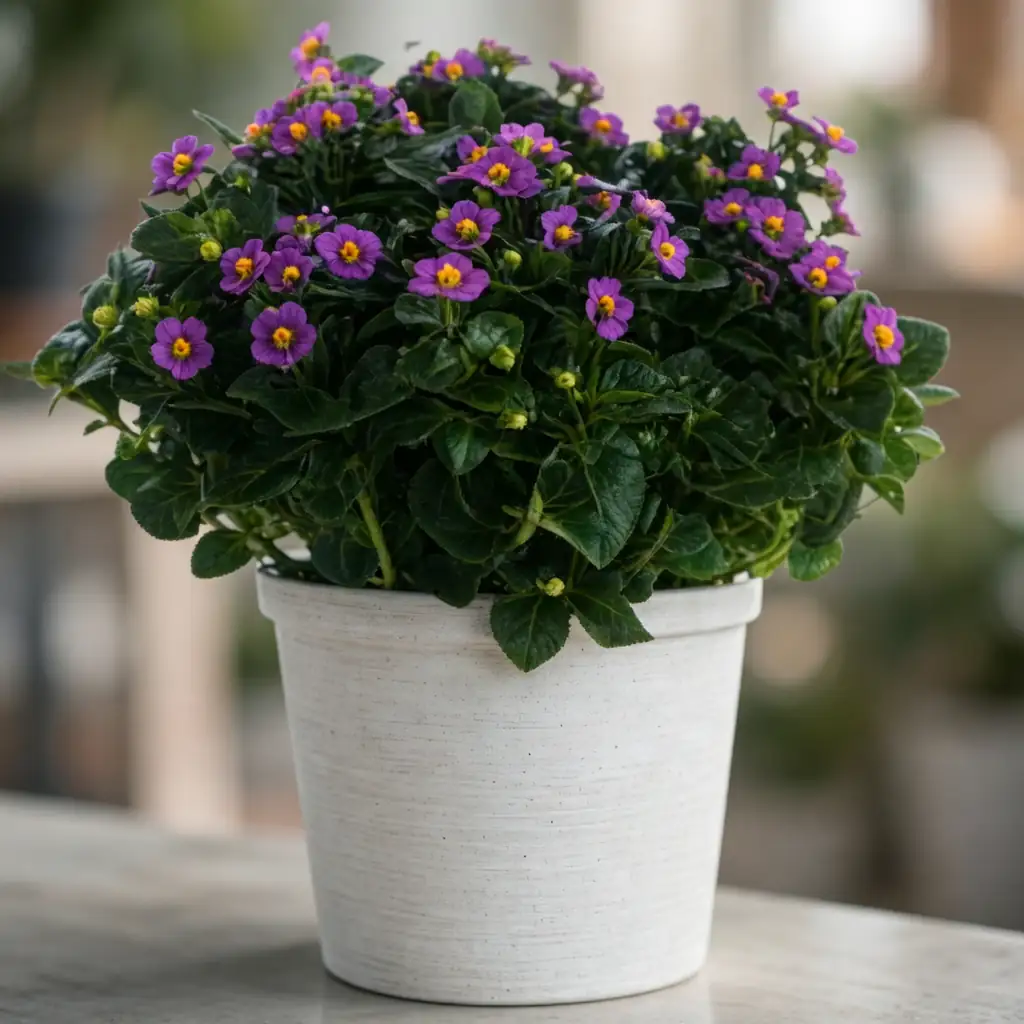
- Size: Typically 15–30 cm tall and wide (6–12 in), forming a dense, rounded mound.
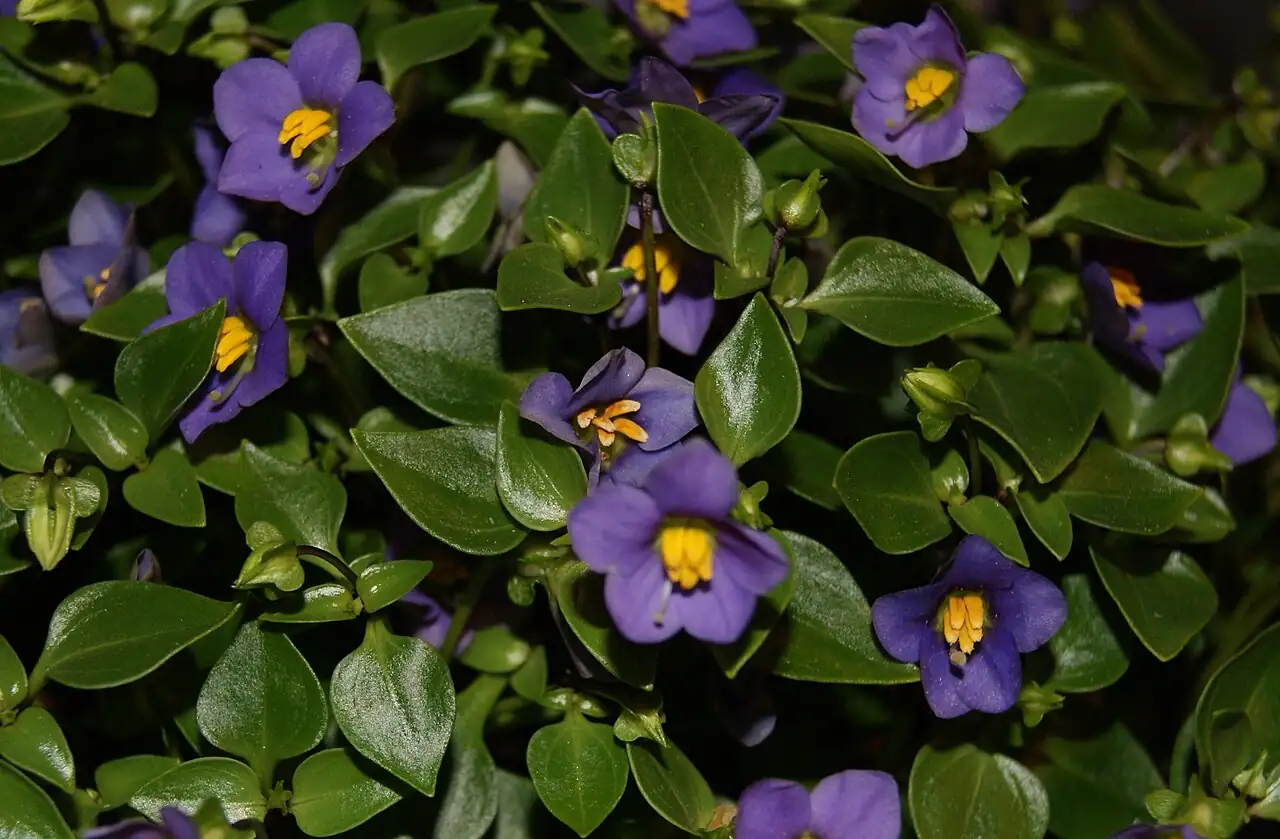
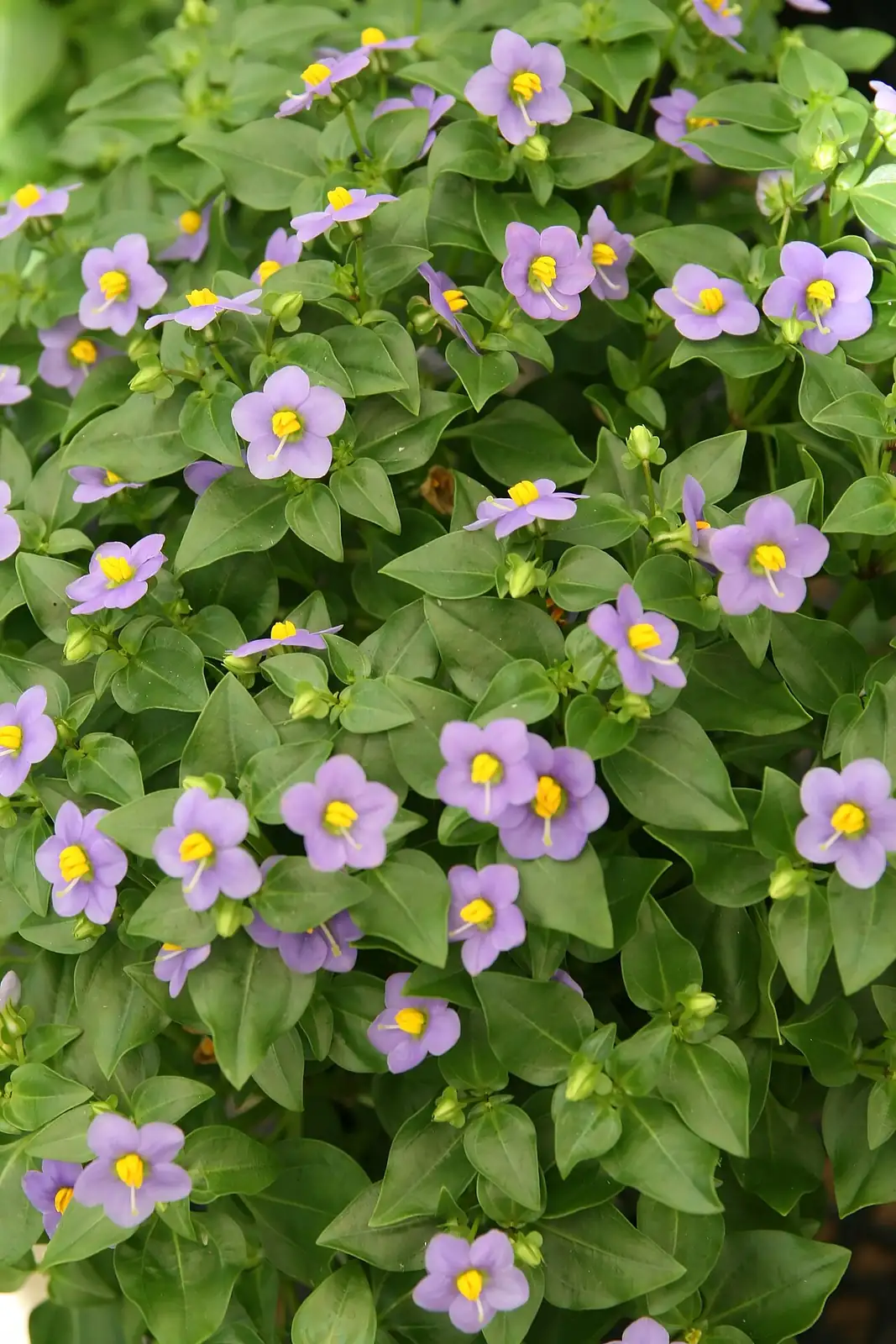
- Foliage: Opposite, oval to elliptic leaves that are dark green, glossy, and smooth-edged, creating a dense, cushion-like look.
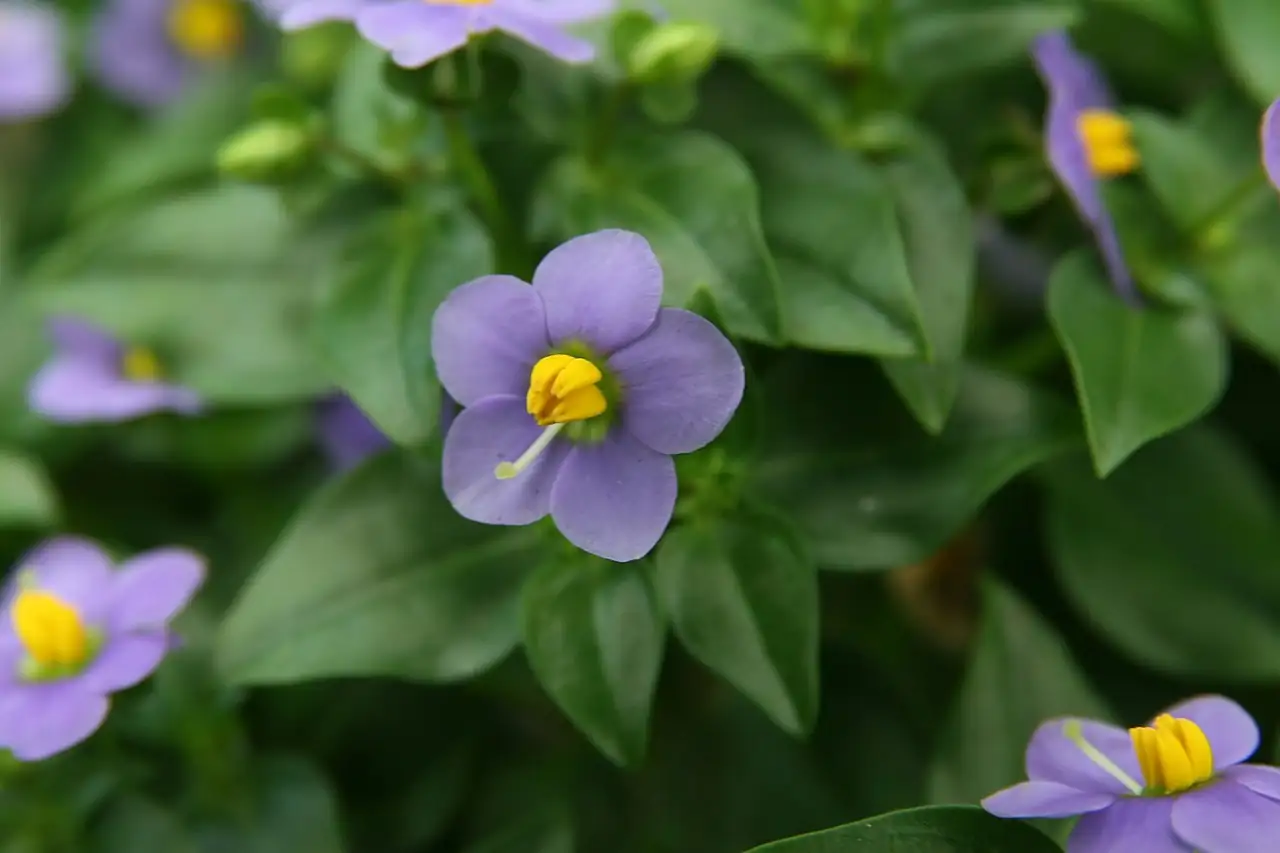
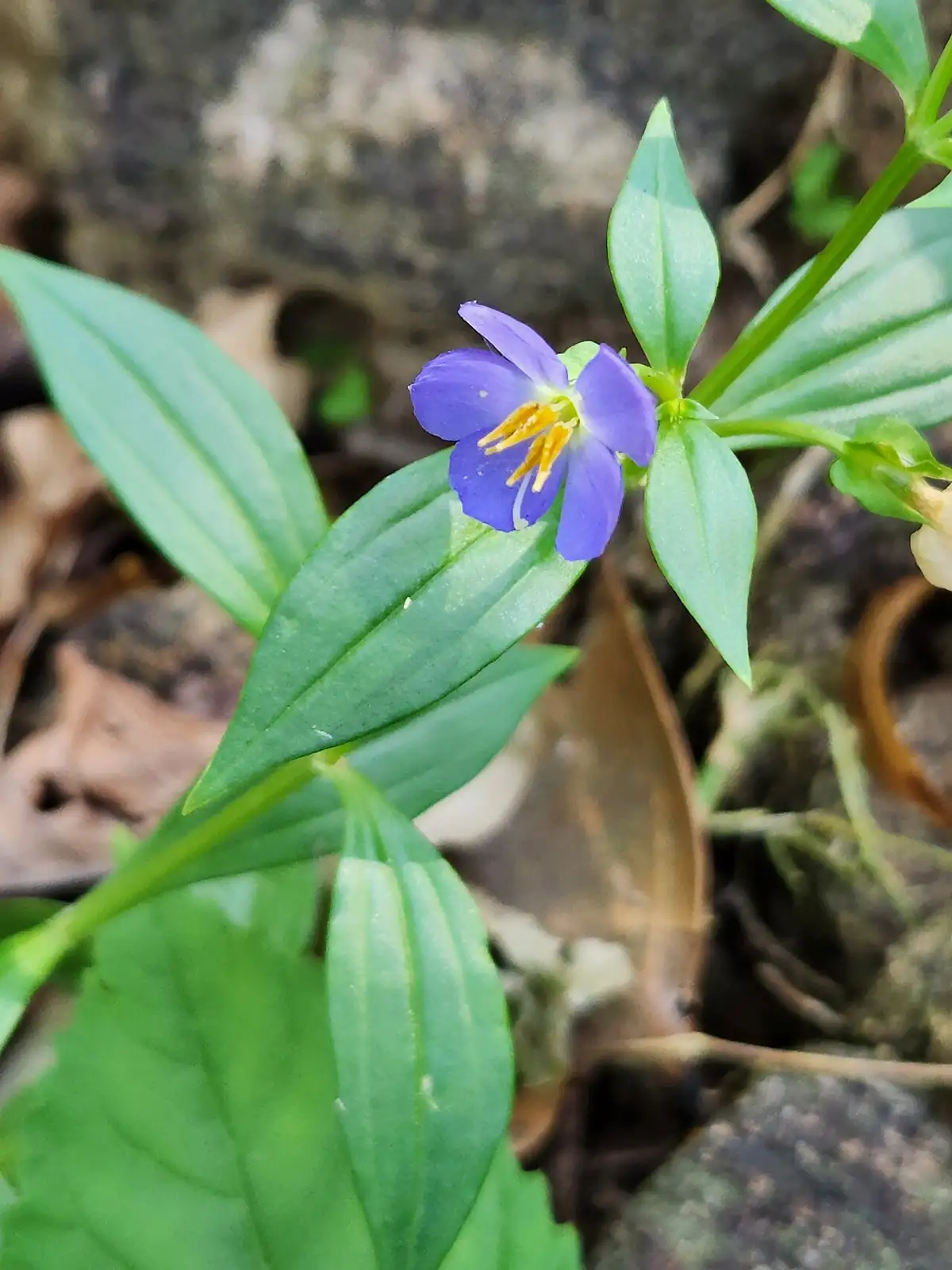
- Flower: Numerous small, five-petaled flowers in violet to lavender shades, each with prominent bright yellow anthers; blooms are often lightly fragrant.
- Flowering Season: Late winter through spring; can continue for several months if kept cool and brightly lit.
- Growth Habit: Compact, mound-forming herbaceous plant; usually kept as a short-lived perennial or seasonal pot plant.
Environment
Sunlight
Bright indirect light or gentle morning sun; protect from strong midday sun to prevent stress and short-lived blooms.
Temperature
Best in cool conditions: 15–21°C (59–70°F). Prolonged heat typically shortens the flowering period and overall lifespan.
Humidity
Moderate to high humidity; appreciates humid air indoors, especially during heating season.
Soil
Light, fertile, well-draining potting mix that still holds even moisture (moist but never soggy).
Placement
Indoors in a bright room near an east- or north-facing window; outdoors only in mild climates in bright shade or sheltered light.
Hardiness
Not frost tolerant; generally grown as a houseplant or as a seasonal outdoor plant only where conditions stay mild and frost-free.
Care Guide
Difficulty
Moderate; fairly easy in the right spot, but sensitive to heat, drought, and dry indoor air.
Buying Guide
Pick plants with lots of unopened buds (for a longer show), firm glossy leaves, and no yellowing or wilting. Avoid plants that look stretched, exhausted, or overly dry.
Watering
Keep soil evenly moist—never waterlogged, but also never bone-dry. Letting the root ball dry out can trigger rapid flower drop. Water gently and ensure excess water can drain away.
Fertilization
Feed every 2–3 weeks while flowering using a diluted balanced liquid fertilizer.
Pruning
Deadhead regularly by removing spent flowers to keep the plant tidy and encourage a longer bloom display.
Propagation
Most commonly grown from seed; vegetative propagation is uncommon for home growers.
Repotting
Usually not necessary because plants are often discarded after the main bloom period; only repot if severely root-bound and you want to extend its life.
📅 Seasonal Care Calendar
Late winter–spring: peak bloom—keep evenly moist, cool, and in bright indirect light. Summer: flowering fades and plants often decline in heat. Autumn–winter: commercial growers typically start new plants from seed for the next cool-season display.
Pests, Diseases & Safety
Common Pests & Diseases
May attract aphids, spider mites, and fungus gnats indoors. Overwatering or poor drainage can lead to root rot—use a well-draining mix and don’t let the pot sit in water.
Toxicity
Not known to be toxic to humans or pets.
Culture & Symbolism
Symbolism: Often linked with calmness, delicacy, and refined beauty—like a small, soothing burst of spring indoors.
History & Legends: Introduced to European horticulture in the 19th century, it became a beloved winter-to-spring flowering gift plant thanks to its compact shape and generous bloom.
Uses: Primarily ornamental: grown indoors (or on a sheltered patio in mild climates) for its colorful flowers and gentle fragrance.
FAQ
Is Persian violet an annual or perennial?
It’s a tender perennial botanically, but in everyday home growing it’s usually treated as a short-lived houseplant and replaced after flowering.
Why does it decline after flowering?
Heat and dry air are its biggest enemies. As temperatures rise, the plant often loses vigor and is notoriously difficult to rebloom well indoors.
Can it be grown outdoors?
Only in mild, frost-free climates and usually in bright shade or gentle light. For most people, it performs best indoors.
Fun Facts
- Those bright yellow anthers in the center of each flower are one of the easiest ways to recognize Persian violet.
- It’s frequently sold as a late-winter to early-spring gift plant because it stays small, looks tidy, and flowers generously.


