Plant Features
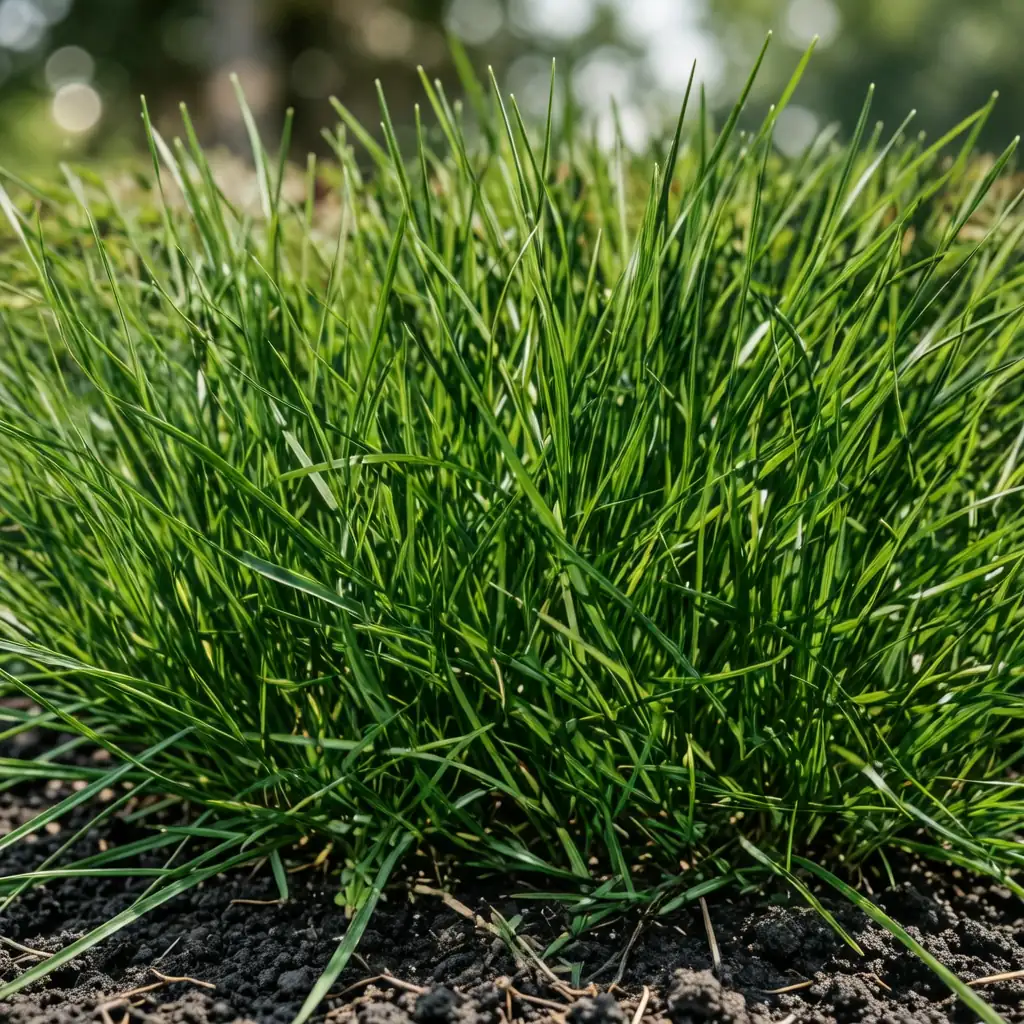
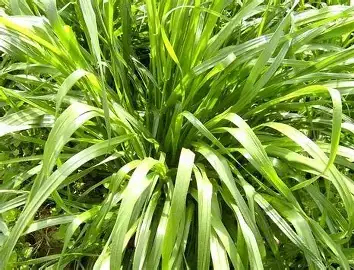
- Size: Typically about 30–90 cm (12–35 in) tall when unmown; kept much shorter under lawn mowing.
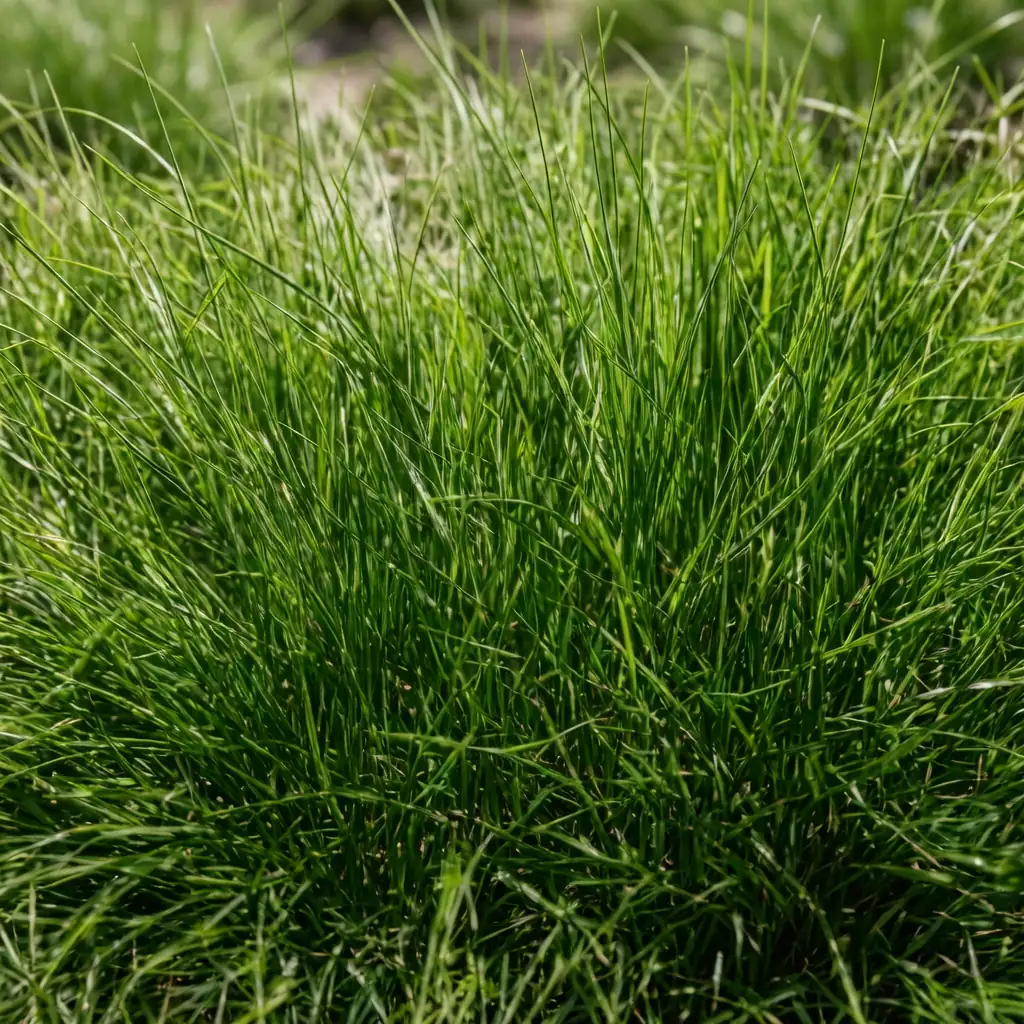
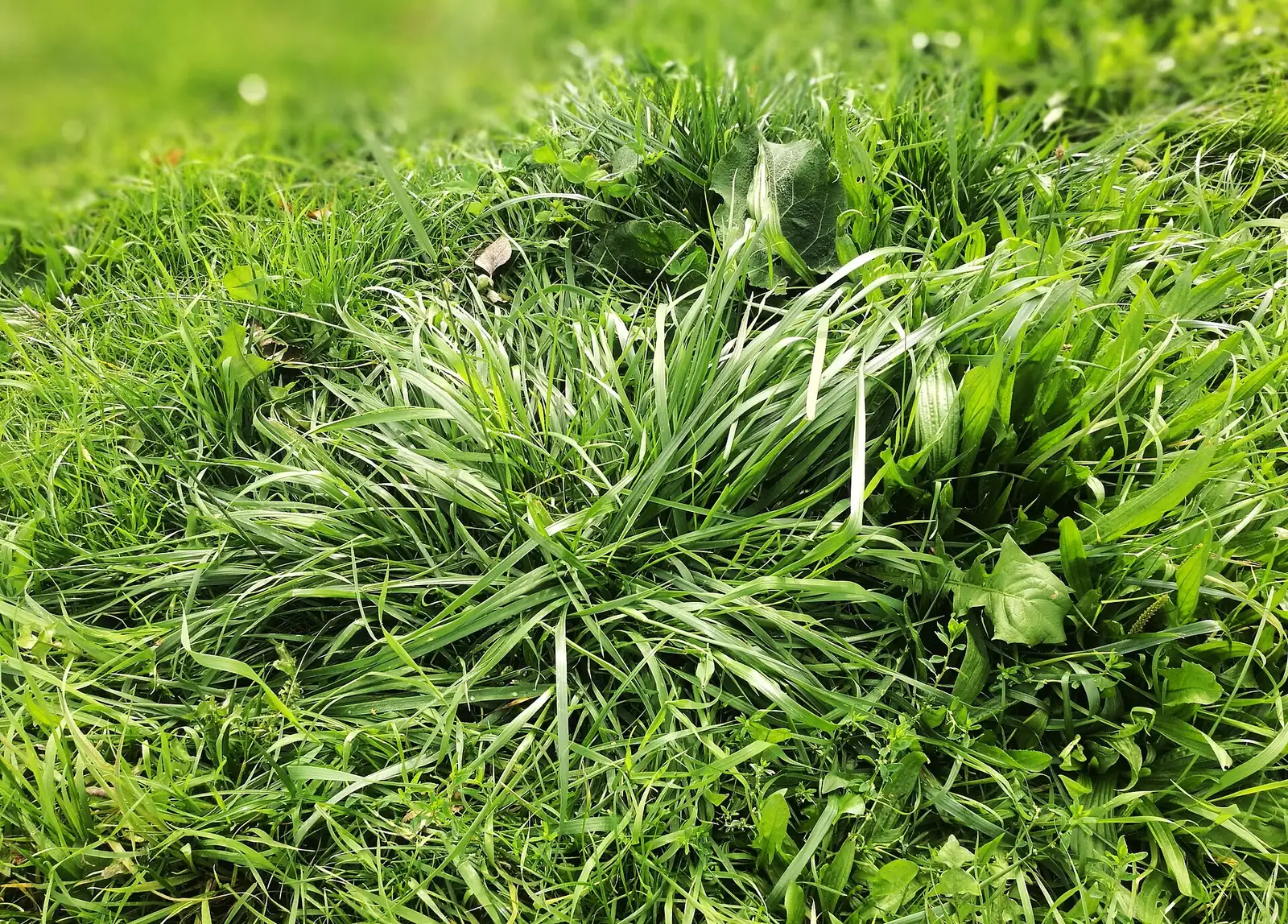
- Foliage: Narrow, soft-textured, bright- to medium-green blades; may feel slightly rough because of fine hairs.
- Flower: Upright, spike-like seedheads with small spikelets arranged along the stem; flowers are inconspicuous and wind-pollinated, followed by seed set.
- Flowering Season: May–July
- Growth Habit: Herbaceous perennial bunchgrass (tuft-forming) that thickens by producing new shoots (tillering), especially with good mowing and fertility.
Environment
Sunlight
Full sun to partial shade; densest, toughest turf usually develops in full sun.
Temperature
Best growth in cool conditions around 10–24°C (50–75°F). Prolonged heat above ~30°C (~86°F) can cause stress unless irrigation and good management are provided.
Humidity
Likes moderate to higher humidity and steady moisture. Once established it tolerates short dry spells, but extended drought can thin it out.
Soil
Adaptable, but happiest in fertile, well-drained loam that stays evenly moist. Often naturalizes in meadows, pastures, and moist roadside soils.
Placement
Outdoors—lawns, parks, sports fields, golf fairways, and as a component of cool-season turf mixes or for overseeding warm-season lawns.
Hardiness
USDA Zone 3–8 (sometimes maintained in Zone 9 with irrigation and heat-stress management).
Care Guide
Difficulty
Easy to moderate: very quick to establish, but it looks best with consistent mowing, timely watering in dry weather, and periodic feeding.
Buying Guide
Buy fresh, clearly labeled seed and match the type to your goal (turf-type cultivars for lawns/sports vs. forage types for pasture). Check the germination test date/rate and choose cultivars or blends suited to your climate and use.
Watering
For seeding, keep the top layer of soil consistently moist until germination and establishment. After that, water more deeply and less often to encourage deeper rooting; avoid frequent light watering. Scale back watering during cool or rainy seasons, and try not to keep foliage wet overnight to reduce disease.
Fertilization
Feed during active growth—commonly spring and autumn. Use a balanced turf fertilizer at label rates. Avoid heavy nitrogen during hot weather, which can increase stress and disease problems.
Pruning
Mow regularly. Typical lawn mowing height is about 3–6 cm (1.2–2.4 in). Follow the “one-third rule” (don’t remove more than about one-third of the blade at once). Golf fairways are cut lower with specialized management.
Propagation
Primarily by seed (sowing). Established turf also thickens naturally by tillering under good conditions.
Repotting
Not applicable—usually grown in the ground as turf.
📅 Seasonal Care Calendar
Spring: light feeding, repair thin patches, resume regular mowing. Summer: irrigate deeply during heat/drought; monitor for fungal issues. Autumn: prime time for seeding/overseeding and fertilizing. Winter: growth slows; avoid heavy traffic on frozen or waterlogged turf.
Pests, Diseases & Safety
Common Pests & Diseases
May develop turf diseases such as rust, leaf spot, red thread, and dollar spot—often encouraged by excess nitrogen, shade, poor airflow, or long periods of leaf wetness. Regional pests can include grubs and turf caterpillars. Reduce risk by mowing correctly, improving airflow, watering earlier in the day, and fertilizing responsibly.
Toxicity
Generally considered non-toxic to people and pets, though pollen can bother allergy sufferers. For livestock, some ryegrasses may host fungal endophytes that can cause issues depending on cultivar and management—this varies by seed source and intended use.
Culture & Symbolism
Symbolism: Often linked with resilience, renewal, and that satisfying “fresh green” look of a well-kept lawn.
History & Legends: Traditionally grown across Europe as pasture and hay. Over time, turf-type cultivars were selected for finer blades, denser growth, and improved wear tolerance—perfect for modern sports surfaces.
Uses: Turf for lawns, parks, sports fields, and golf fairways; also used as a forage grass in pastures and hay production, and widely used for overseeding because it establishes quickly.
FAQ
Is perennial ryegrass good for lawns?
Yes. It germinates quickly, forms a dense turf, and handles foot traffic well. It’s especially strong in cool-season climates, and it’s also popular for overseeding in warmer regions.
When is the best time to seed perennial ryegrass?
Early autumn is best in many temperate areas because soil is still warm but air is cooler. Spring is the next-best window. Avoid seeding in peak summer heat.
Fun Facts
- It’s among the fastest-establishing cool-season turfgrasses, which is why it’s so commonly used for overseeding.
- The flowers aren’t showy—what you notice is the upright, spike-like seedhead.
- When not mowed, it often turns up in meadows, pastures, and damp roadsides as a naturalized grass.
- In many temperate regions, flowering and seed set commonly happen from May to July.
- Compared with many other common lawn grasses, the blades are known for a relatively soft feel.