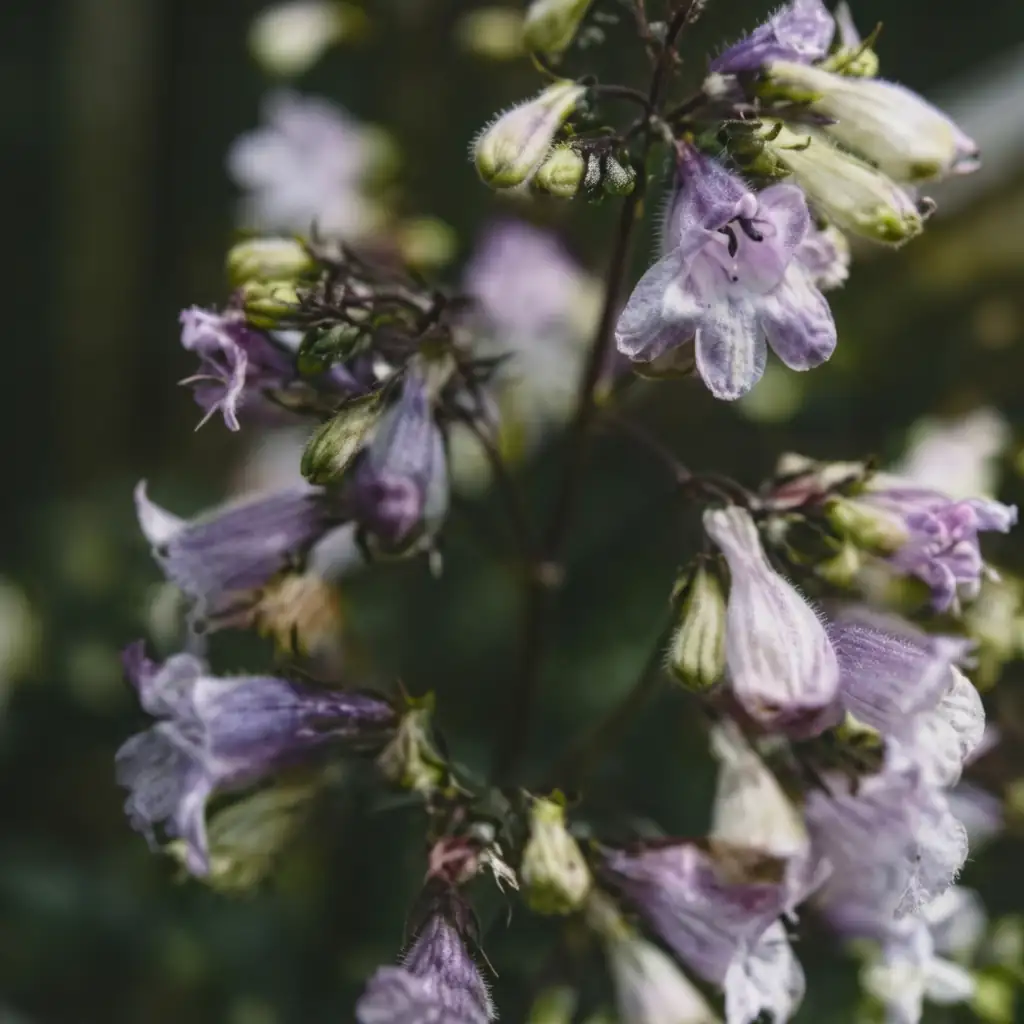
Plant Features
- Size: Typically about 50 cm (20 in) tall, forming upright clumps.
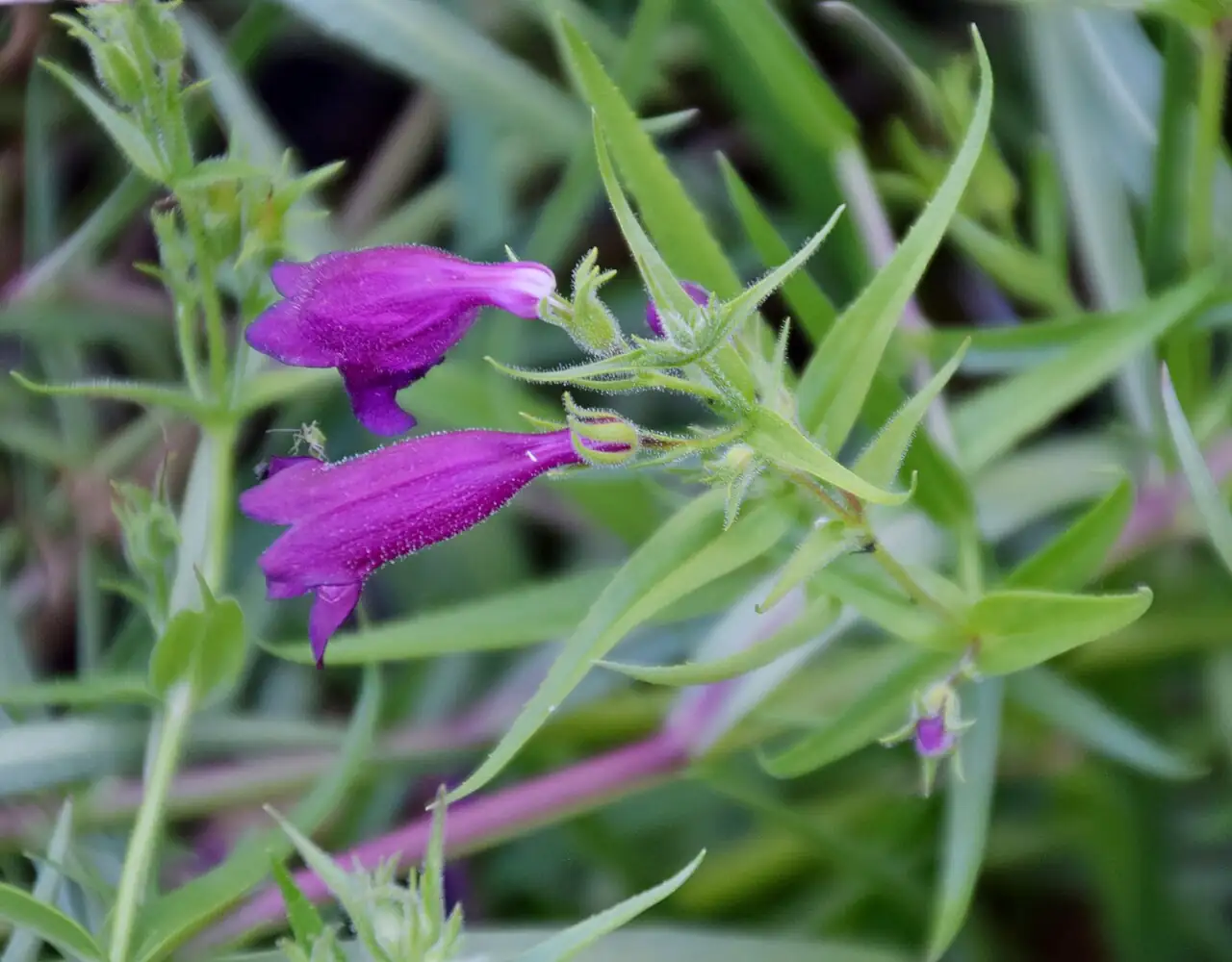
- Foliage: Leaves are narrow and lance-shaped, arranged alternately along the stems. Both stems and foliage are covered with soft hairs, giving the plant a gentle, velvety texture and a slightly softened look in the garden.
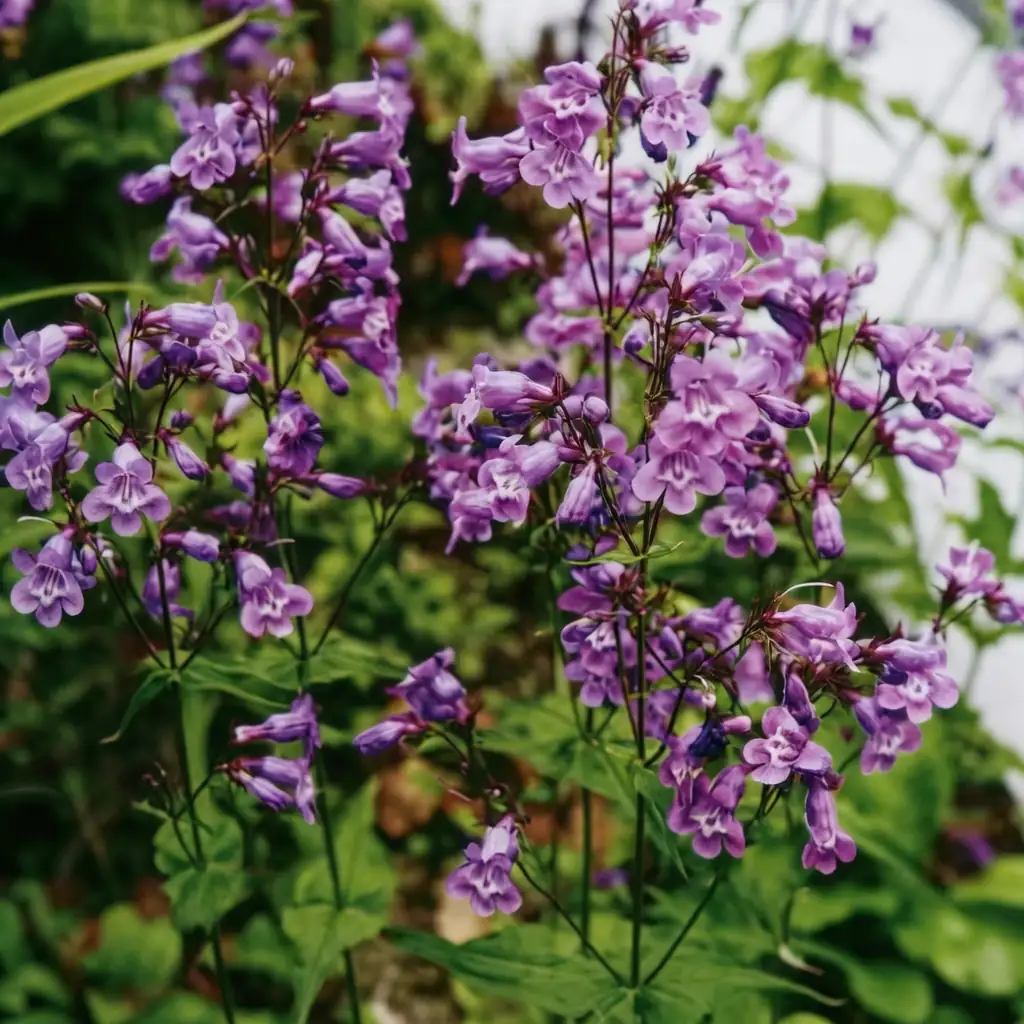
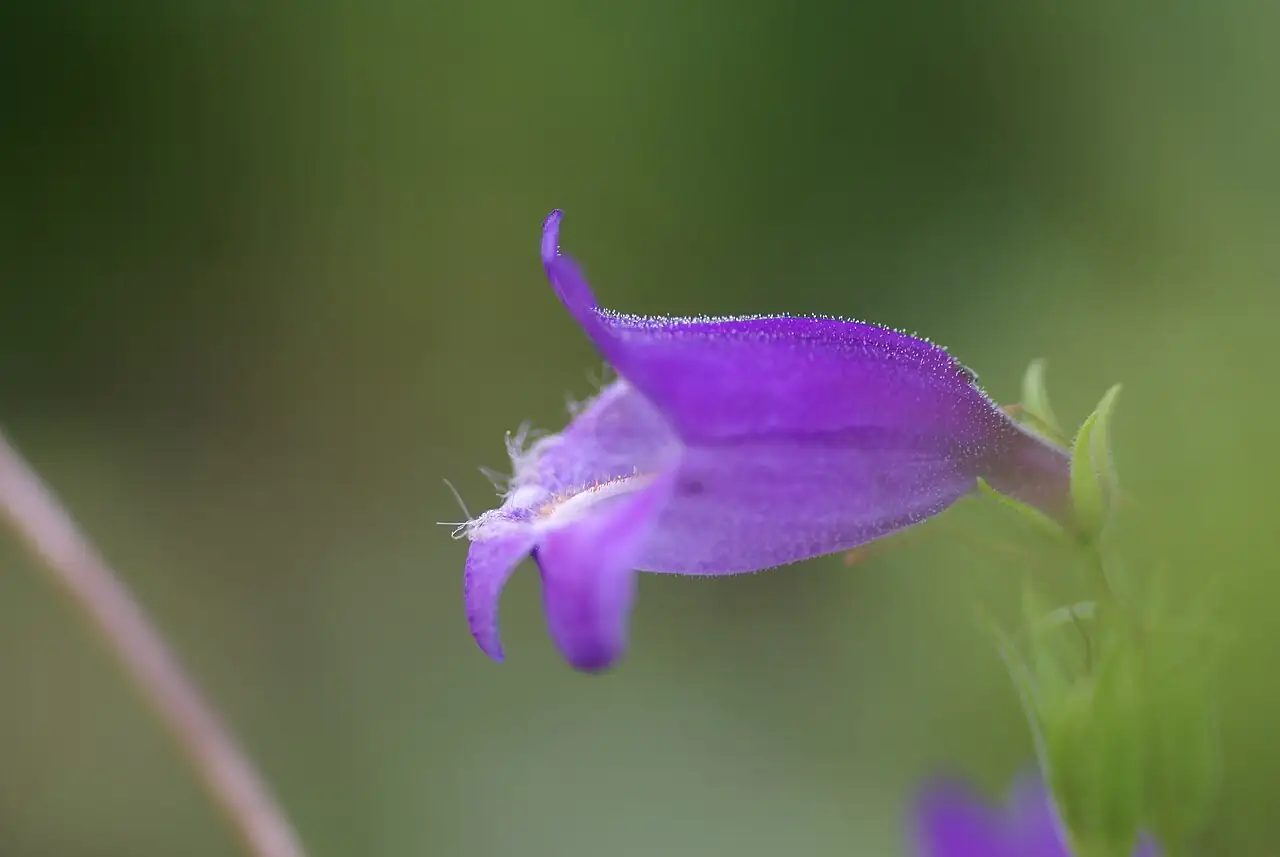
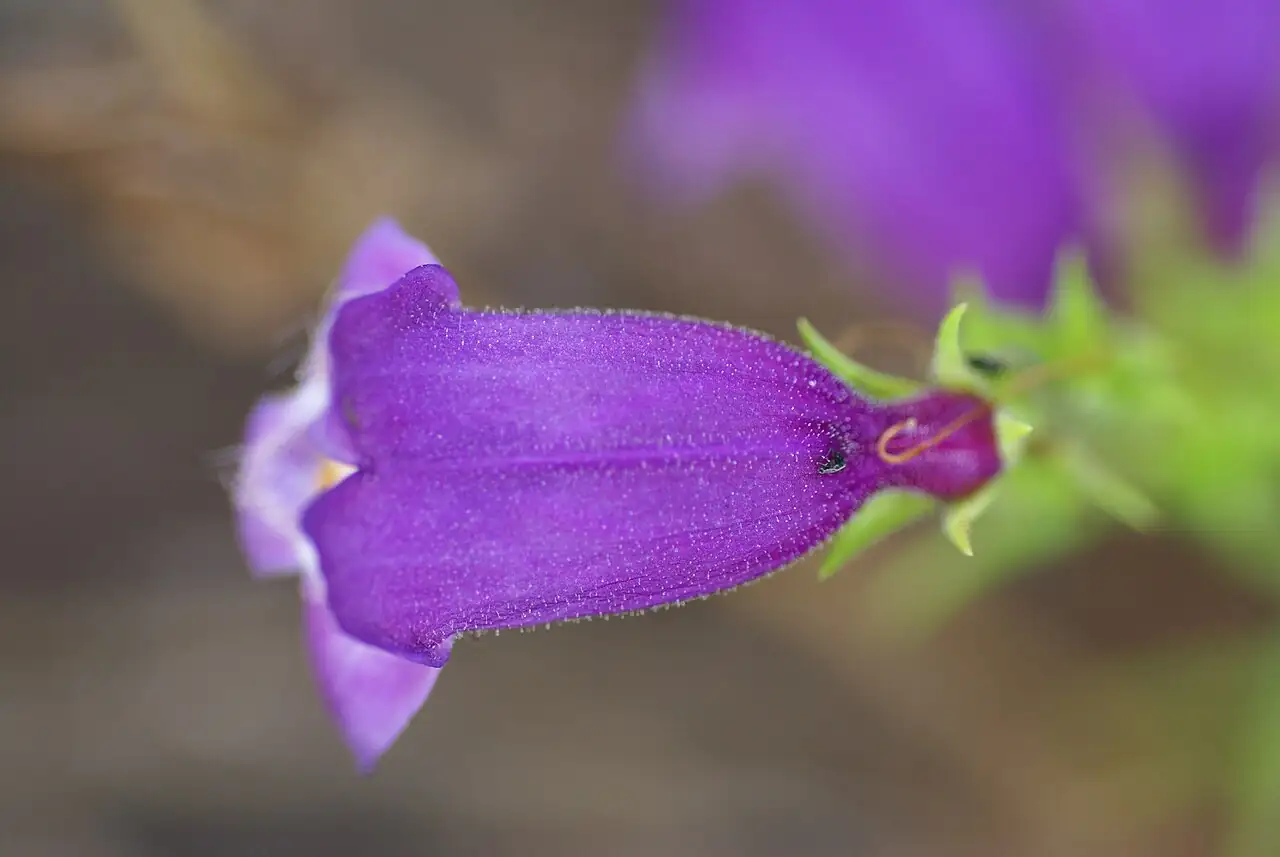
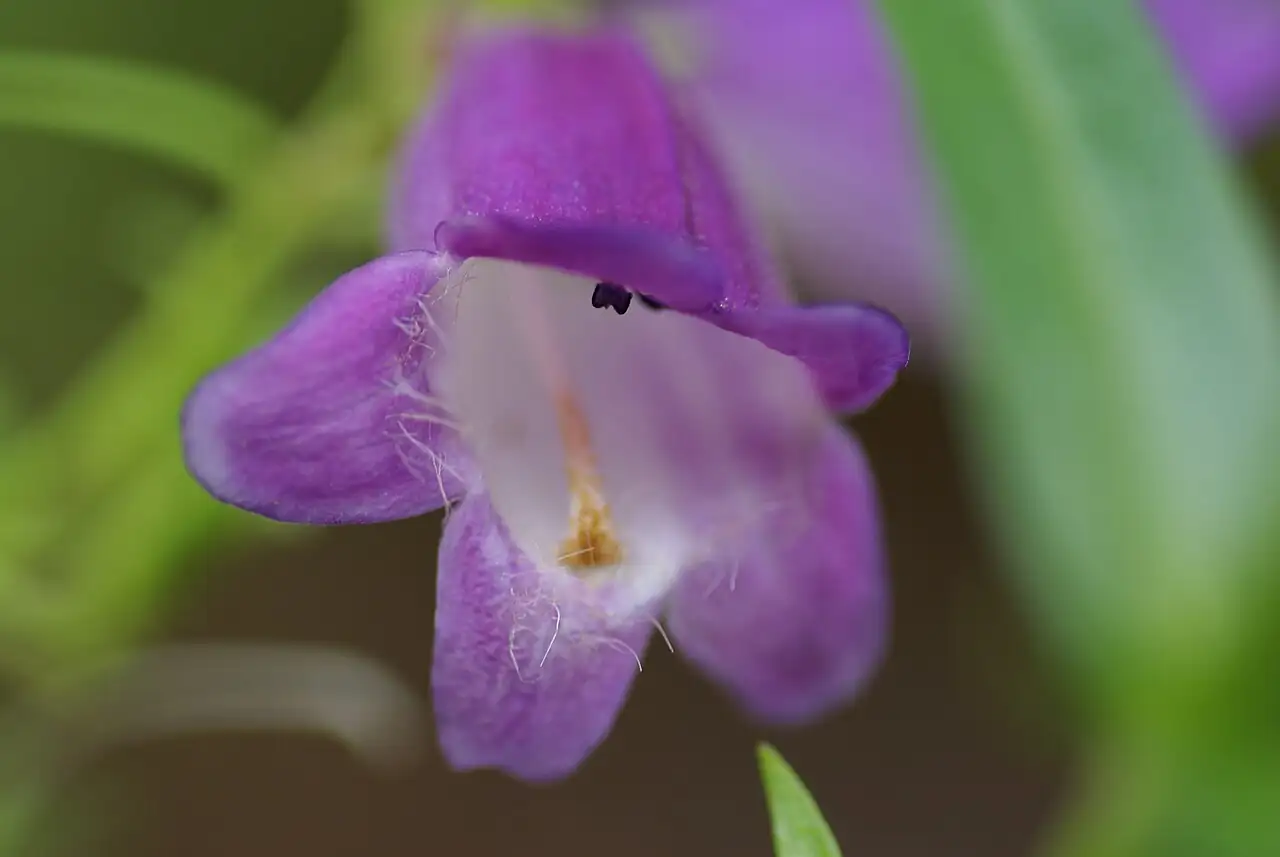
- Flower: Showy tubular, bell-like flowers carried singly or in small clusters (often 3–4). Blooms appear from leaf axils and towards the stem tips, forming terminal racemes or loose, airy panicles. Common colors include red, purple, and white.
- Flowering Season: May–October
- Growth Habit: Upright, clump-forming herbaceous perennial; frequently treated as an annual in cultivation.
Environment
Sunlight
Bright light; best in full sun to light shade. Aim for at least ~6 hours of sun in mild-summer regions; in hot climates, afternoon shade helps prevent stress.
Temperature
Prefers warm, mild conditions and can struggle in extreme summer heat. A comfortable range is about 15–25°C (59–77°F); provide extra shade and moisture during heat waves.
Humidity
Moderate humidity is ideal. Don’t let it sit bone-dry for long periods, but also avoid constantly wet conditions—steady, even moisture works best.
Soil
Loose, fertile, well-drained soil. A compost-amended loam is ideal; avoid heavy clay or any mix that stays waterlogged to reduce root-rot risk.
Placement
Great for flower beds, borders, mixed plantings, and containers. Also suitable as a cut flower for simple bouquets.
Hardiness
Often grown as an annual; where it overwinters successfully, roughly USDA Zone 7–10 (performance depends strongly on winter wetness and summer heat).
Care Guide
Difficulty
Moderate. It rewards you with lots of flowers when it gets strong light, consistent (but not soggy) moisture, and sharp drainage. Protect it from extreme heat and drought for best performance.
Buying Guide
Pick sturdy, stocky plants with fresh green leaves and no wilting. Skip plants with pale foliage, blackened stems, or pots that are either bone-dry or constantly waterlogged. Plants with visible buds provide the quickest color.
Watering
Keep soil evenly moist but never swampy. Water thoroughly when the top 2–3 cm (0.8–1.2 in) feels dry, then let excess drain away. Containers dry faster—check more often in warm weather. Avoid leaving water in saucers.
Fertilization
Feed lightly during active growth. Use a balanced liquid fertilizer at half strength every 2–4 weeks, or incorporate a slow-release fertilizer into the mix. Avoid heavy nitrogen feeding, which can push leafy growth at the expense of blooms.
Pruning
Deadhead spent flowers to extend the blooming season. After a main flush, trim lightly to encourage fresh spikes. Remove weak, damaged, or overcrowded stems to improve airflow.
Propagation
Usually grown from seed (sow late winter through spring). Softwood cuttings taken in spring to early summer can produce true-to-type plants.
Repotting
Repot container plants in spring into a fresh, well-draining mix. Choose a pot with drainage holes and step up one size—about 2–5 cm (1–2 in) wider.
📅 Seasonal Care Calendar
Spring: sow seeds or plant outdoors after frost; begin light feeding. Summer: keep evenly moist, ensure good airflow, give afternoon shade in hot climates, deadhead regularly. Autumn: continue deadheading; reduce feeding; collect seed if desired. Winter: in cold/wet regions, treat as an annual or protect crowns from excess winter wet.
Pests, Diseases & Safety
Common Pests & Diseases
Common issues include aphids and thrips on new growth, spider mites during hot, dry spells, and slugs/snails on tender young shoots. Root rot is the big risk in poorly drained soil—improve drainage, water thoughtfully, and avoid letting pots sit in water.
Toxicity
Not generally listed as toxic to people or pets. As with many ornamentals, chewing or ingestion can still cause mild stomach upset, so it’s best to discourage pets from nibbling.
Culture & Symbolism
Symbolism: Often linked with bright, upbeat garden energy—reliable summer color that keeps going for months.
History & Legends: Penstemon species have become beloved ornamentals worldwide. This Mexican-origin type is especially appreciated for its vivid tubular flowers and extended flowering season, making it a classic “pollinator-friendly” look in modern gardens.
Uses: Primarily ornamental for borders, beds, mixed plantings, and containers. The long stems and colorful blooms also work well for casual cut-flower arrangements.
FAQ
Why does my penstemon wilt even though it’s watered?
It can be heat stress from strong midday sun, especially in hot climates. Give afternoon shade and make sure the soil drains well—roots that stay too wet can also cause wilting.
How can I get more flowers?
Increase light, avoid high-nitrogen fertilizer, and deadhead regularly. Light trimming after a flush can encourage new flowering stems.
Fun Facts
- Native to Mexico but widely grown as an ornamental in many regions.
- Even though it’s naturally a perennial, gardeners often grow it as an annual for reliable performance.
- Soft hairs on the stems and leaves give the plant a velvety feel.
- Flowers often appear singly or in small clusters and can form airy spikes that look light and elegant in mixed plantings.
- The tubular blooms are especially attractive to pollinators like bees and hummingbirds where hummingbirds are present.