

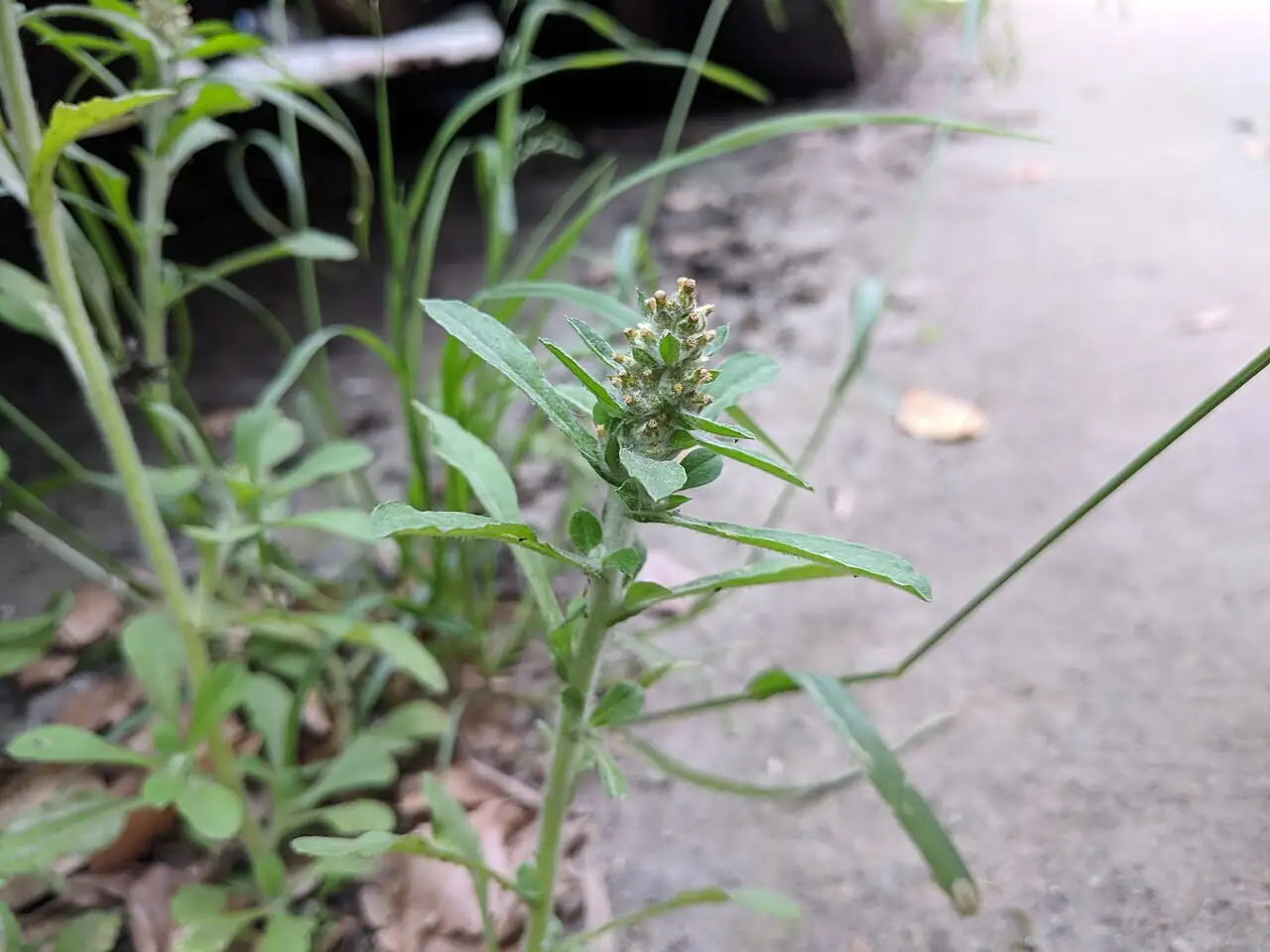
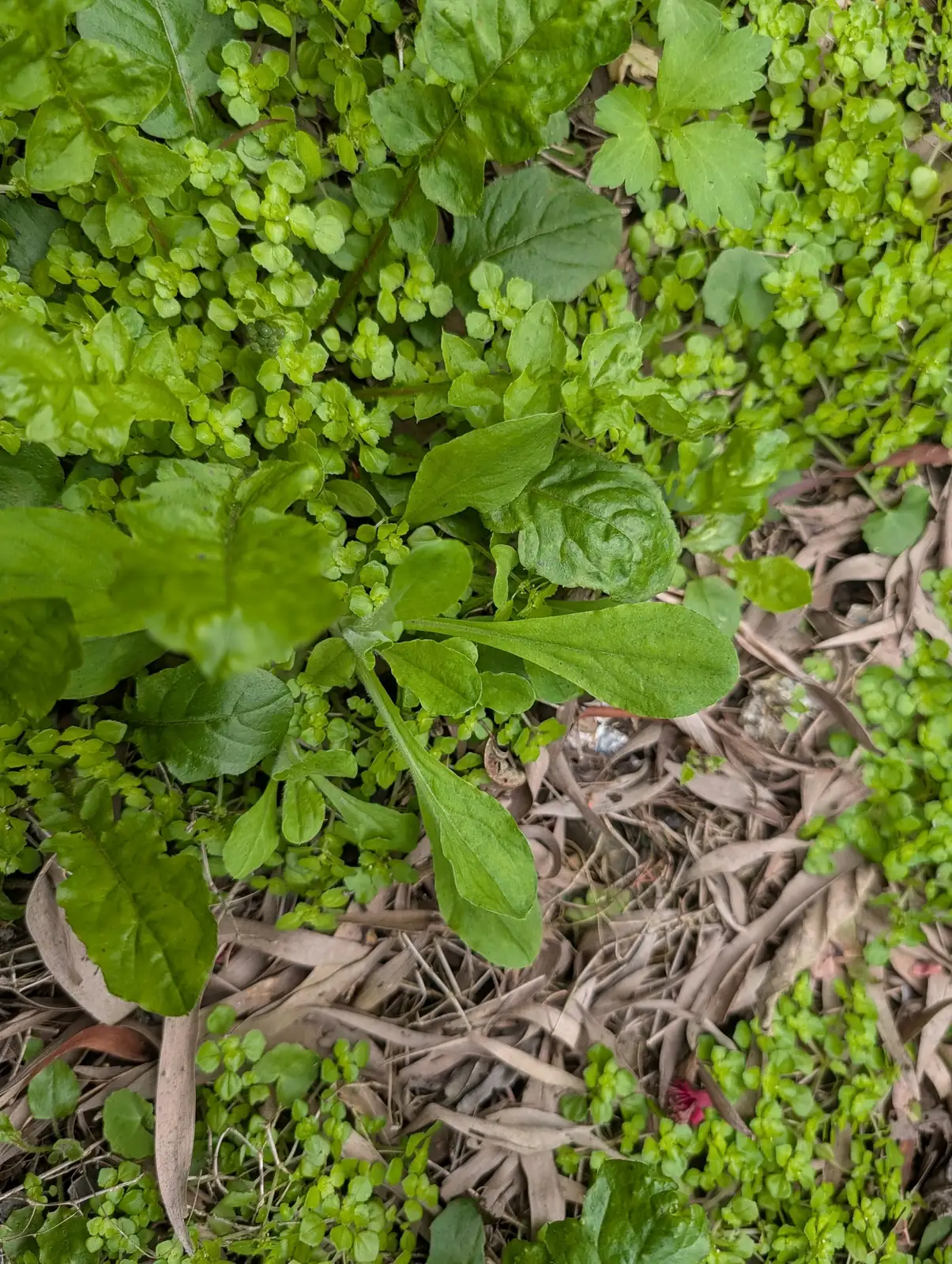
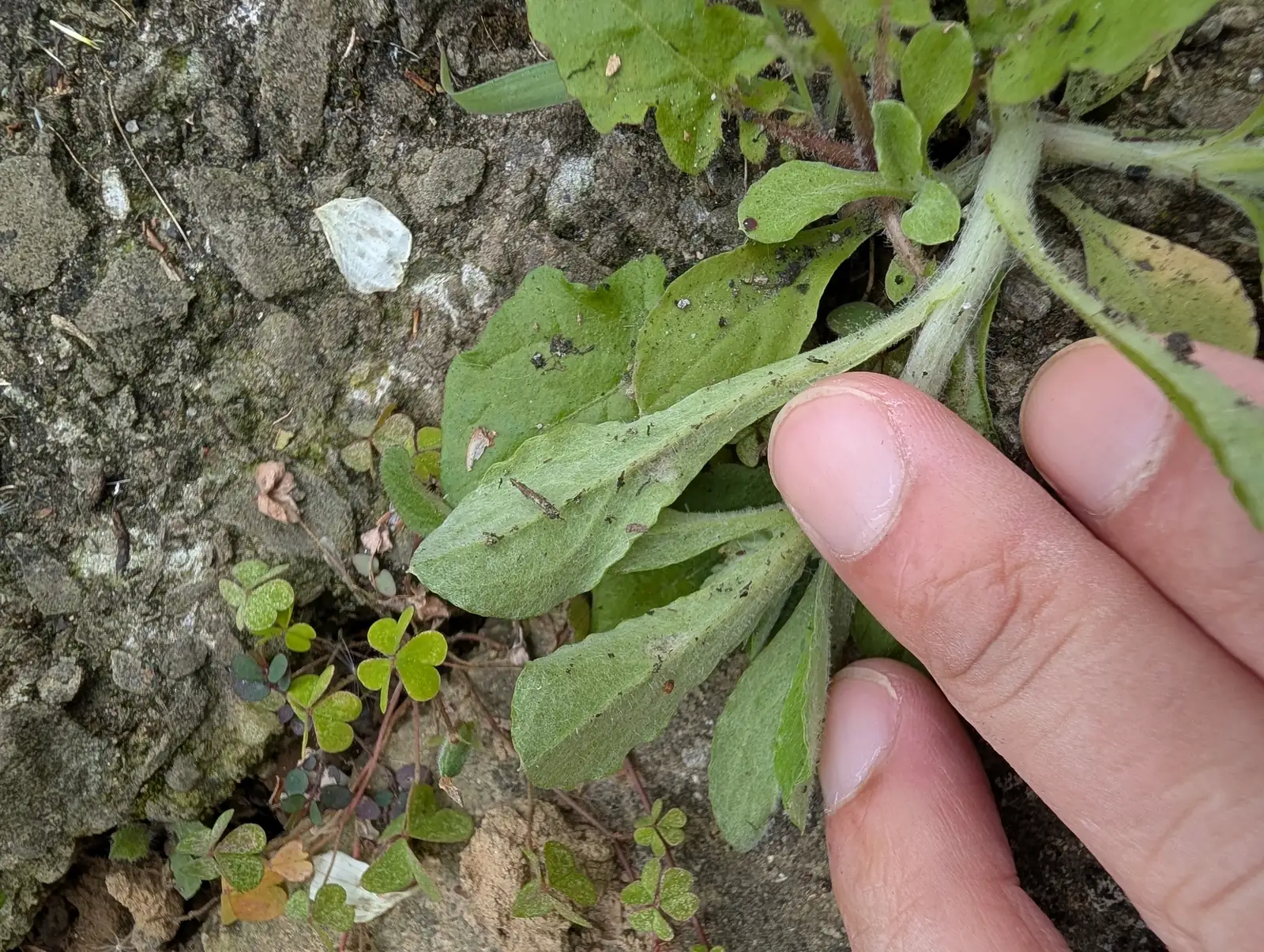
Plant Features
- Size: Typically 30–45 cm (12–18 in) tall; tends to form small, open clumps rather than a tight mound.
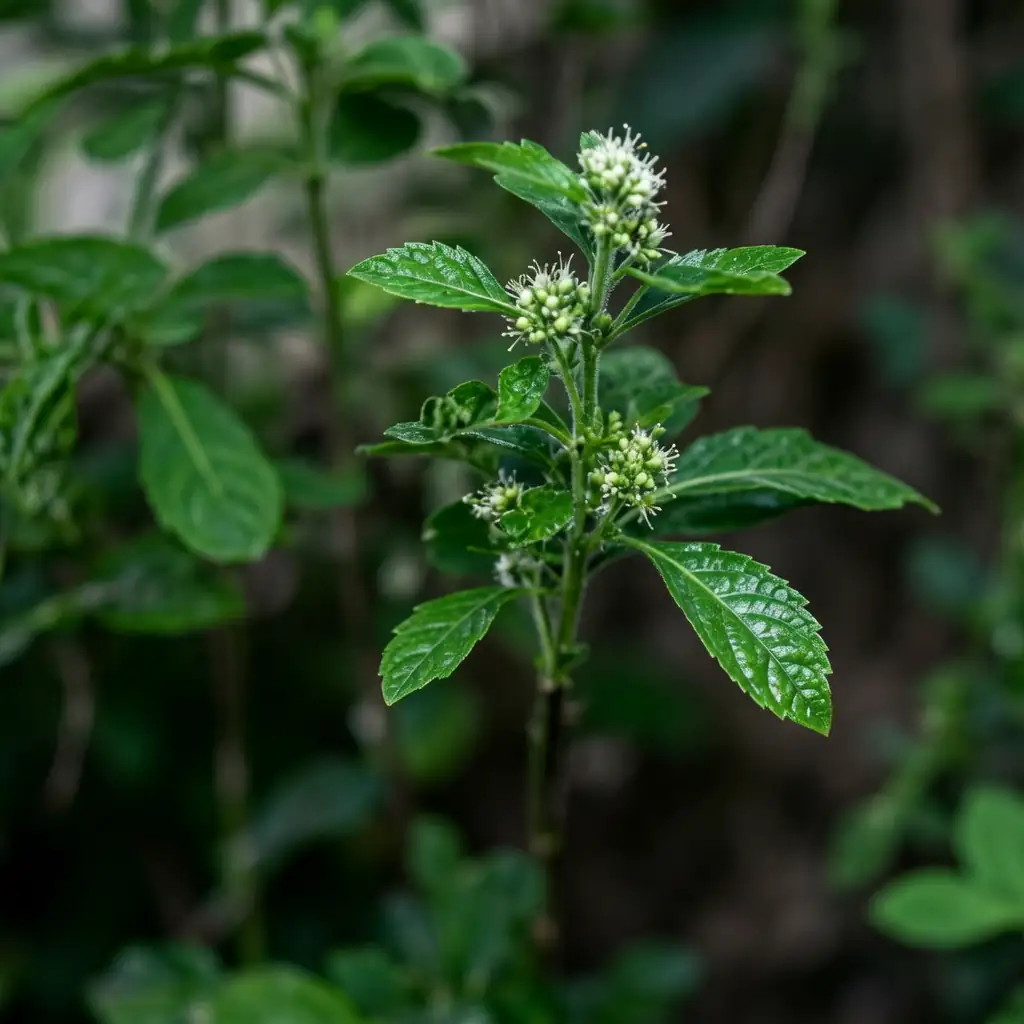
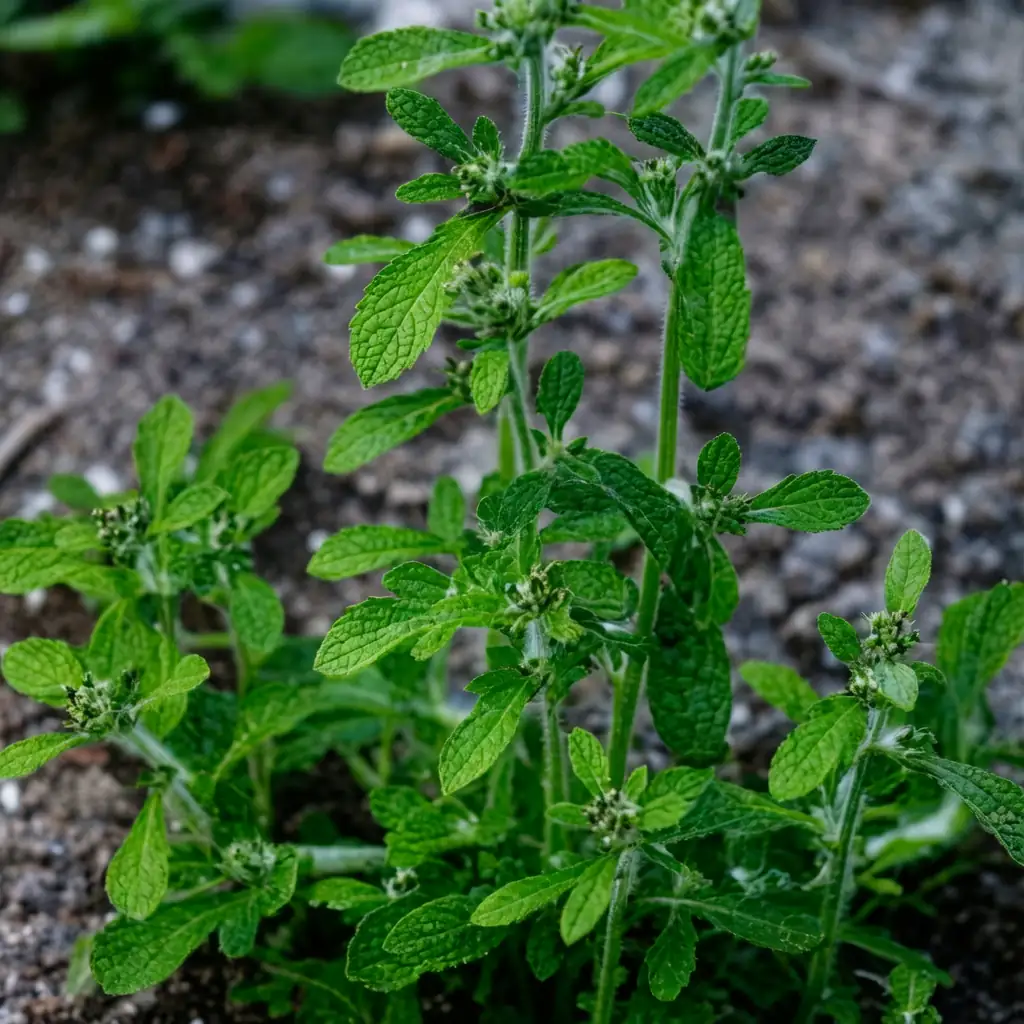
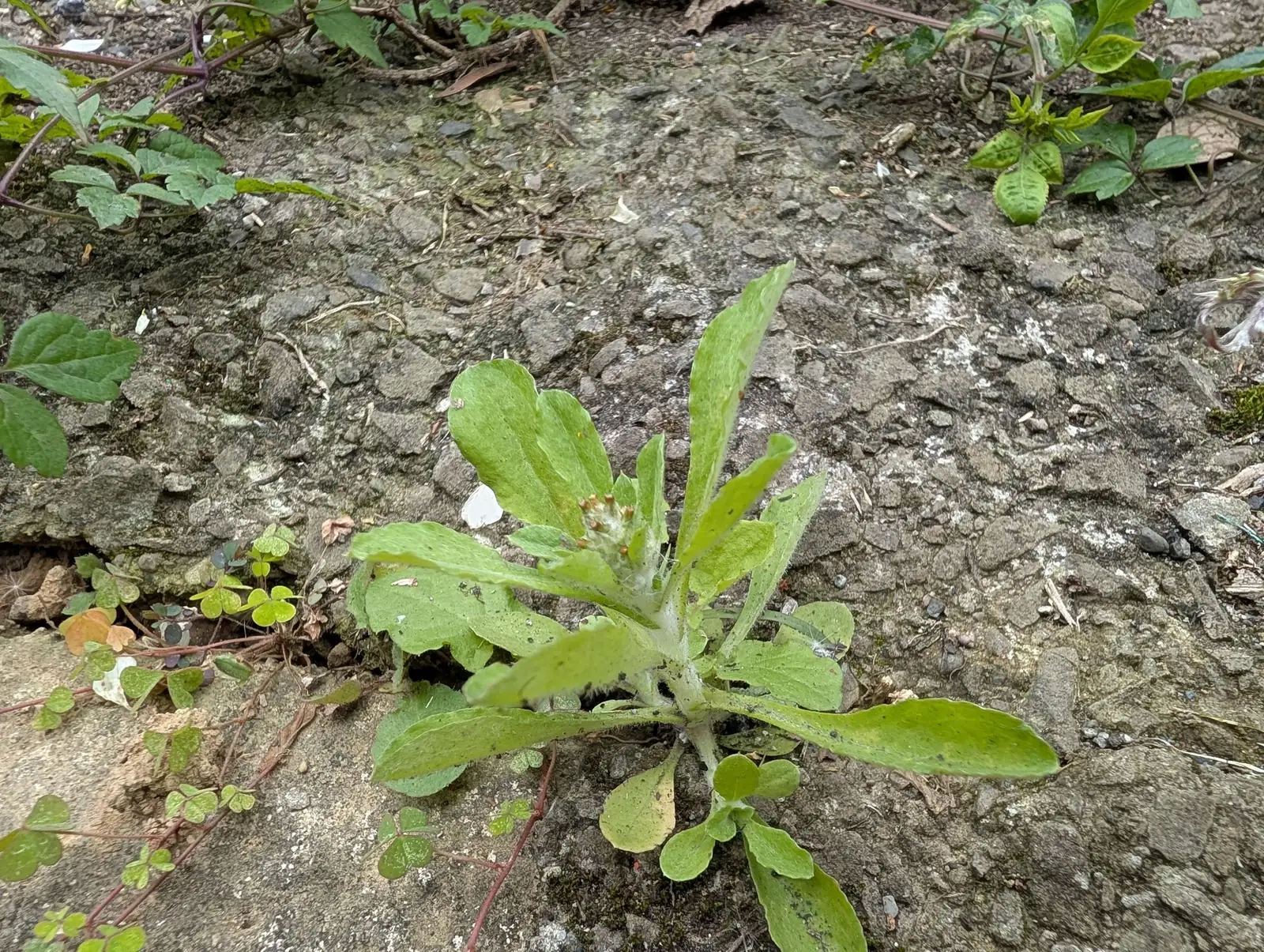
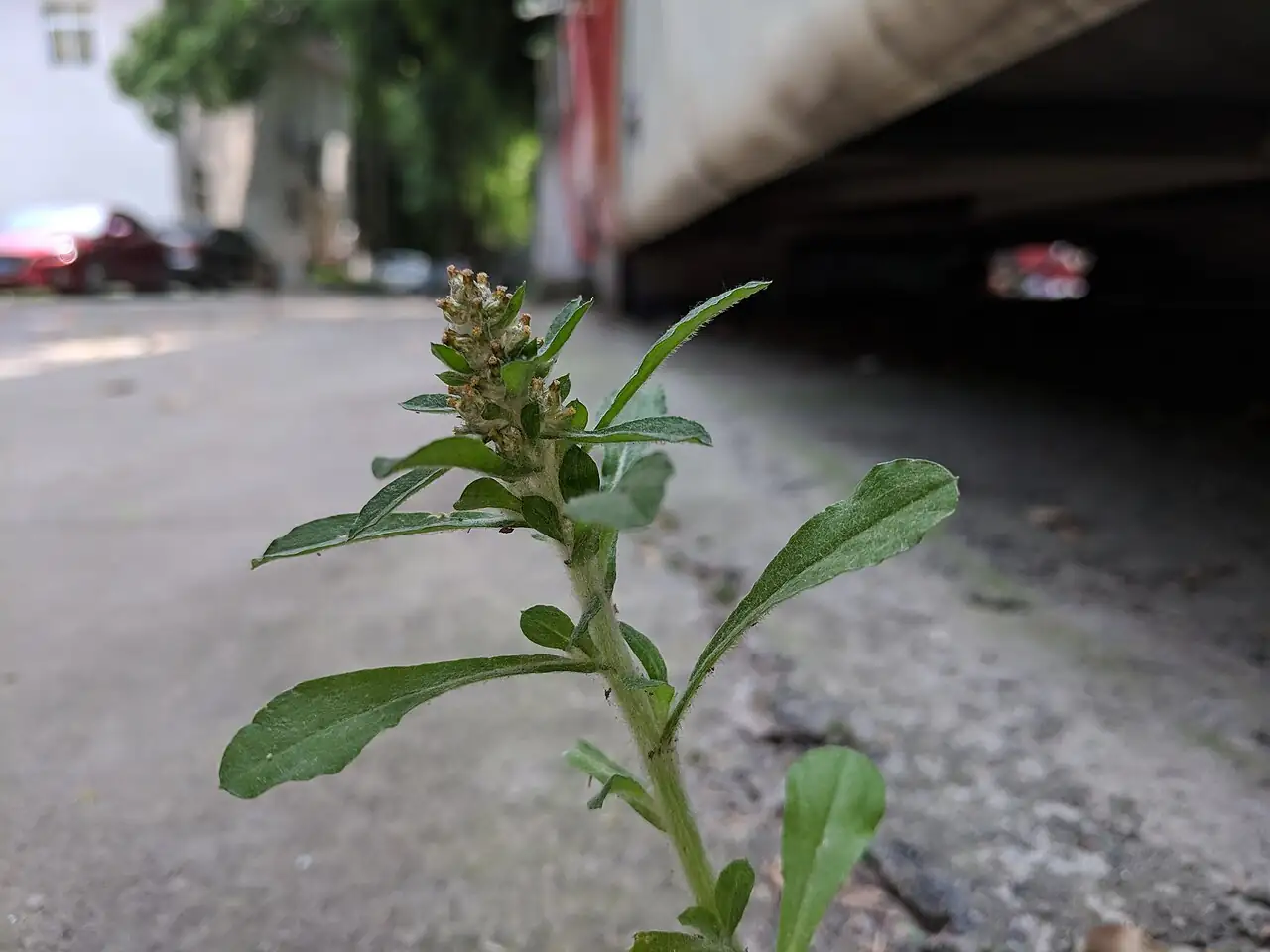
- Foliage: Stems are upright to ascending, slightly grooved, and densely wrapped in white, cottony/woolly hairs. Leaves vary with age and conditions, generally narrow to spoon-shaped, contributing to the plant’s soft, pale, slightly silvery look.
- Flower: Produces small composite flower heads (capitula) clustered near the tips; the overall effect is whitish, sometimes tinged pale pink to pinkish-purple, with a lightly woolly texture. After flowering, it forms oblong achenes (dry fruits) with fine, nipple-like bumps on the surface.
- Flowering Season: December to May (in mild-winter climates) / late winter to spring
- Growth Habit: Annual herb with an upright to ascending habit; readily self-seeds, especially in disturbed, open soil.
Environment
Sunlight
Full sun to partial shade; brighter light usually gives better flowering and a more compact, tidy plant.
Temperature
Prefers mild to warm conditions; a typical active growth range is about 10–30°C (50–86°F). Hard frosts usually end the plant’s season.
Humidity
Comfortable in average humidity and fairly tolerant of dry air once established.
Soil
Adaptable, but happiest in well-drained soil that’s lean to moderately fertile. Avoid constantly waterlogged conditions, which can reduce vigor and invite rot.
Placement
Best in naturalistic plantings—meadow edges, wildflower-style beds, roadside-style borders, and low-maintenance corners where a self-sowing, softly textured filler is welcome.
Hardiness
Not frost-hardy as a long-lived plant; often behaves as a cool-season annual in mild-winter regions and is typically killed by hard frost in colder climates.
Care Guide
Difficulty
Easy. A low-fuss annual that tolerates drought and poorer soils once it’s settled in.
Buying Guide
Choose seedlings that are sturdy (not flopped over), with clean-looking woolly stems and no mushy spots at the base. Because it self-seeds readily, starting with a small packet of seed or a few starter plants is usually enough.
Watering
Water regularly only during establishment. After that, water sparingly and let the top layer of soil dry between waterings; too much water or poor drainage can lead to weak growth and rot.
Fertilization
Usually not needed. In containers or extremely depleted soil, give a single light feeding of a balanced fertilizer at half strength during active growth.
Pruning
Not required. Deadhead if you want to curb self-seeding; otherwise, leave the heads to mature if you’d like it to return next season.
Propagation
Mostly by seed and very often by self-sowing. Sow on the soil surface and gently press in—don’t bury deeply (light helps many small seeds germinate).
Repotting
Generally unnecessary because it’s an annual. If growing in a pot, upsize early in growth and use a free-draining mix to prevent soggy roots.
📅 Seasonal Care Calendar
Late winter to spring: peak flowering and seed set. After seeds drop or plants start to decline, remove and compost for a tidier look—or leave a few to reseed naturally for next season.
Pests, Diseases & Safety
Common Pests & Diseases
Usually quite trouble-free. Prolonged wetness can cause damping-off in seedlings or stem/root rot; aphids may occasionally gather on tender new growth.
Toxicity
No widely cited, well-documented toxicity for people or pets is commonly reported for this species. Still, treat it like any wild or volunteer plant: avoid eating it, wash hands after handling if you’re sensitive, and discourage pets from chewing.
Culture & Symbolism
Symbolism: Often linked with resilience and persistence—an unbothered little plant that thrives in rough, disturbed places and comes back by self-seeding.
History & Legends: As part of the broader ‘cudweed’ group (woolly Asteraceae), it sits within a tradition of folk familiarity in various regions, though specific stories or legends tied uniquely to this species aren’t widely recorded.
Uses: Mainly ornamental in a naturalistic way: a soft-textured, silvery filler and informal groundcover for wildflower-style gardens and low-input landscapes, especially where you want plants that can handle neglect and reseed on their own.
FAQ
Will it spread aggressively?
It can self-seed freely wherever there’s open soil. To limit spread, remove flower heads before seeds mature, or keep soil covered with mulch and denser plantings.
Does it need rich soil to flower?
No—average to lean, well-drained soil is enough. Very rich soil can make it softer and leggier rather than better.
Fun Facts
- In mild-winter regions it can live its whole life cycle as a cool-season annual, flowering and setting seed in the cooler months.
- The white, woolly coating on stems helps reduce water loss—one reason it tolerates dry, exposed sites so well.
- Flowering and fruiting can overlap for months (often December through May) when conditions are right.
- Its fruits are oblong achenes with tiny bump-like projections you can see under magnification.
- It’s a classic ‘disturbance follower,’ commonly appearing along roadsides, field margins, and anywhere the soil has been recently opened.


