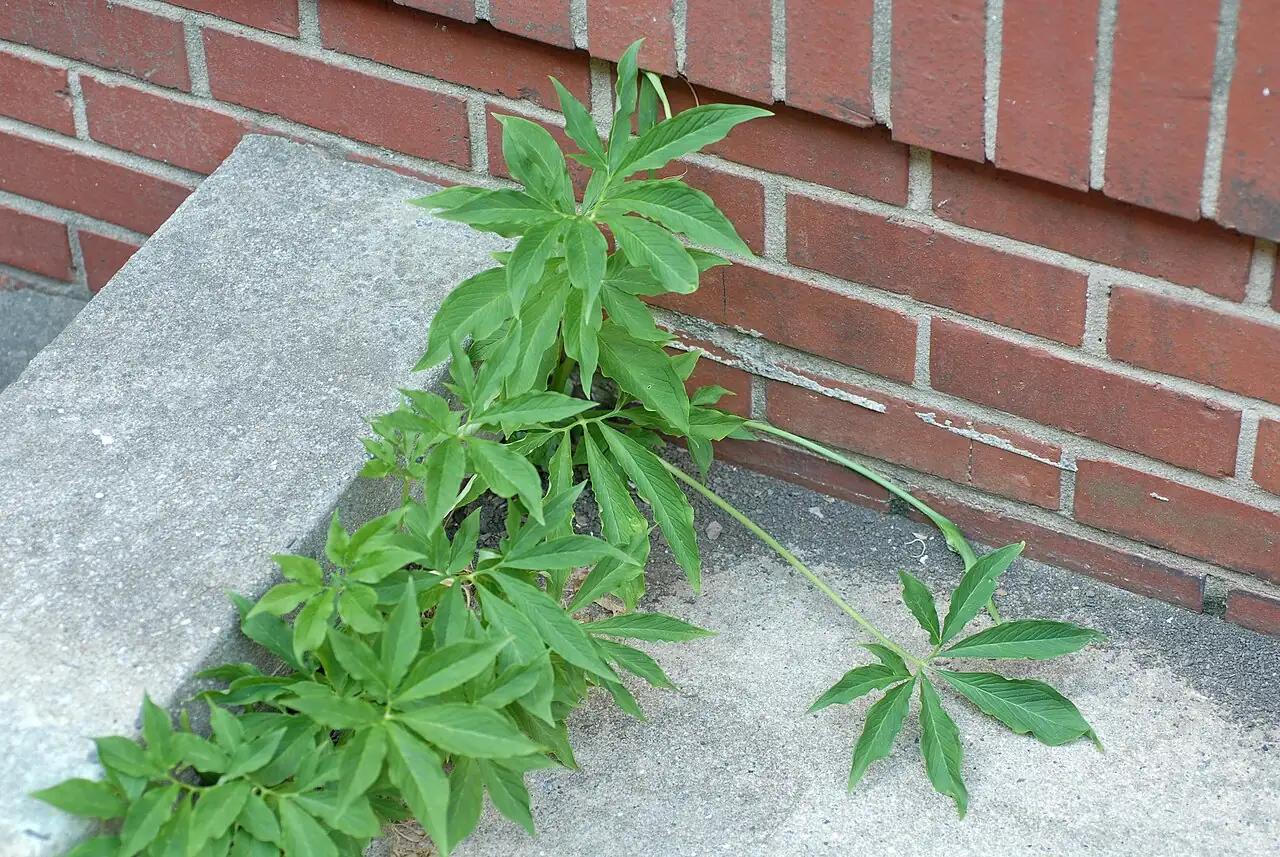
Plant Features
- Size: Leaf stalks typically 20–70 cm (8–28 in) long; usually 1–3 leaves per plant (sometimes more).
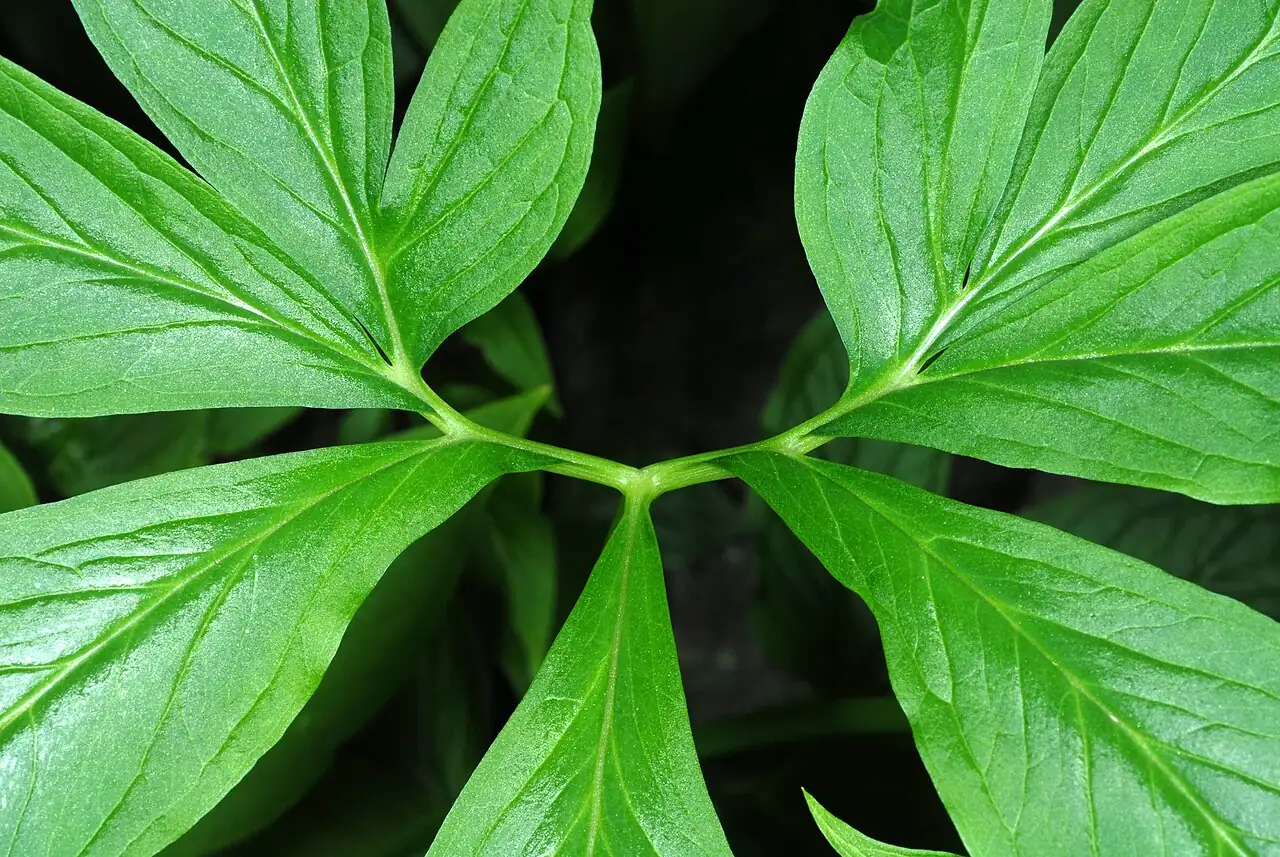
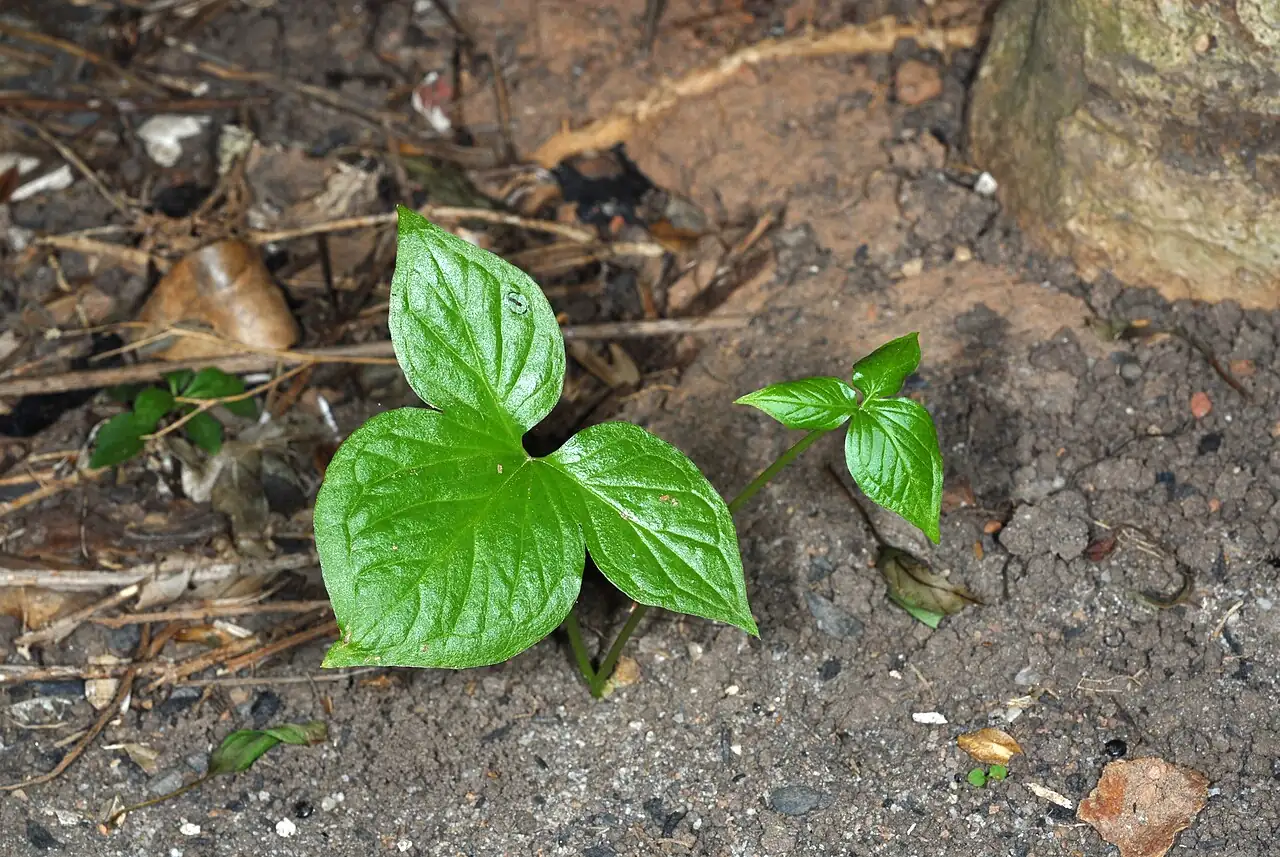
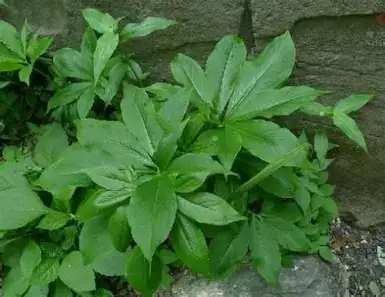
- Foliage: Leaves are distinctly pedate (bird-foot shaped), divided into 6–11 narrow, lance-shaped lobes with pointed tips and a gradually tapered base—an instantly recognizable “clawed” silhouette in the shade garden.
- Flower: Inflorescence is a fleshy, upright spadix held on a straight stalk and enclosed by a pale green hooded spathe (a discreet, sculptural aroid bloom).
- Flowering Season: June–July
- Growth Habit: Tuber-forming perennial herb with dense, fleshy roots; upright leaf stalks arise from a nearly round tuber and die back seasonally into dormancy.
Environment
Sunlight
Partial shade to full shade; avoid strong direct sun (especially midday).
Temperature
Prefers cool to mild conditions; roughly 10–25°C (50–77°F).
Humidity
Moderate to high humidity; performs best where moisture is steady and the site is sheltered from drying winds.
Soil
Moist but well-drained, humus-rich soil; woodland-style leaf mold or compost-amended loam is ideal. Good drainage is important to protect the tuber from rot.
Placement
Outdoors in shaded woodland beds, under trees, or on the north/east side of buildings; also suitable for a shaded container kept evenly moist (never swampy).
Hardiness
Generally cold-hardy in temperate regions; often treated as roughly USDA Zone 6–9. Protect from prolonged hard freezes and from waterlogged winter soil.
Care Guide
Difficulty
Moderate: quite straightforward in a cool, shady, evenly moist site, but it declines in hot sun or when the soil repeatedly dries out.
Buying Guide
Pick plants with crisp, unblemished leaves and no mushy spots at the crown. If buying tubers, choose firm, healthy tubers with no softness, mold, or sour smell (signs of rot).
Watering
During active growth, keep soil evenly moist; water when the top 2–3 cm (about 1 in) begins to dry. After the foliage dies back, reduce watering sharply—keep the tuber just barely moist and never sitting in soggy soil to prevent rot.
Fertilization
Feed lightly in spring to early summer: a balanced fertilizer at 1/4–1/2 strength every 4–6 weeks, or simply top-dress with compost. Avoid heavy feeding, which can encourage weak, sappy growth.
Pruning
Remove yellowing or damaged leaves as needed. After the season ends, cut back dead foliage at ground level.
Propagation
Best by dividing tubers during dormancy, or by separating and planting small offset tubers when present. Seed propagation is possible but slower and less common in cultivation.
Repotting
In containers, repot every 1–2 years in early spring, refreshing the mix and ensuring excellent drainage.
📅 Seasonal Care Calendar
Spring: resume watering as shoots emerge; begin light feeding; watch for slugs/snails. Summer: keep consistently moist and shaded; flowering typically occurs. Autumn: gradually reduce watering as growth slows. Winter: maintain cool conditions with minimal moisture; protect from waterlogging and severe freezes.
Pests, Diseases & Safety
Common Pests & Diseases
Tuber/root rot can occur in poorly drained or overwatered conditions (especially in winter). Slugs and snails may chew fresh growth; aphids may appear occasionally. Use freer-draining soil, avoid waterlogging, improve airflow, hand-pick slugs/snails, and treat aphids with insecticidal soap if necessary.
Toxicity
Contains calcium oxalate crystals typical of many aroids, which may irritate the mouth, throat, and skin if chewed or handled. Keep away from children and pets; wear gloves if you have sensitive skin.
Culture & Symbolism
Uses: Primarily ornamental—grown as a naturalistic woodland groundcover and for its striking “bird-foot” foliage plus its subtle, hooded aroid bloom.
FAQ
When does it flower?
Typically June–July.
When does it fruit?
Typically September–November.
Where does it grow naturally?
Across much of China, especially in woodland understory, shrub edges, grassy slopes, and disturbed or waste ground.
What growing conditions does it prefer?
Cool, moist conditions in shade to deep dappled light; it dislikes strong direct sun and waterlogged soil.
Fun Facts
- “Pedate” means the leaf spreads like a bird’s foot—exactly the look that earned it the Chinese name 狗爪半夏 (“dog-claw” pinellia).
- Its bloom is the classic aroid design: a spadix (spike) wrapped in a hooded spathe—subtle, but fascinating up close.
- The nearly round tuber acts like a little storage battery, helping the plant rest through seasonal dormancy.