Plant Features
- Size: Up to about 60 × 60 cm (24 × 24 in), depending on the hybrid and pot culture
- Foliage: Narrow, strap-like leaves arising from pseudobulbs; typically mid-green and held in upright to arching fans.
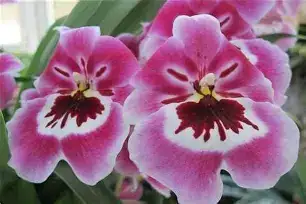
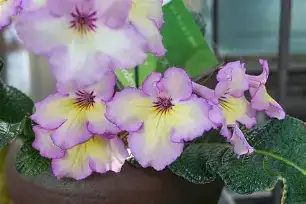
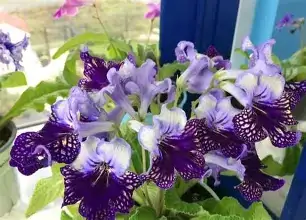
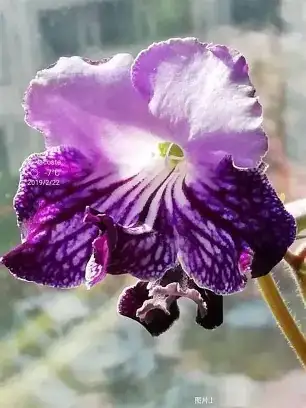
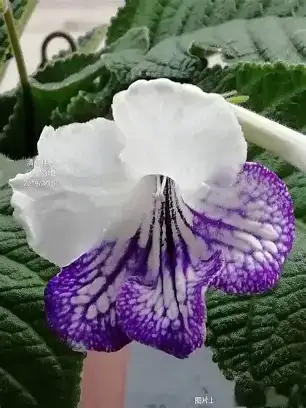
- Flower: Large, showy, often fragrant flowers with distinctive blotches and markings that can resemble a pansy face; colors vary widely by hybrid.
- Flowering Season: Typically spring or autumn/fall, depending on the hybrid and growing conditions
- Growth Habit: Compact, clump-forming (sympodial) orchid
Environment
Sunlight
Bright, filtered light or partial shade; avoid harsh direct midday sun. Keep away from strong drafts/airflow.
Temperature
12–27°C (54–81°F)
Humidity
High humidity preferred, ideally 60–80%
Soil
Use an orchid potting mix (chunky bark-based). A practical blend is aged bark + perlite + horticultural charcoal in a 6:1:1 ratio.
Placement
Summer: bright shade/filtered light. Winter: move closer to a bright window for more light. Avoid direct sun and cold or hot drafts.
Hardiness
Not frost-hardy; best grown indoors or in warm, humid greenhouse conditions (generally USDA Zone 11–12 if grown outdoors year-round).
Care Guide
Difficulty
Easy (for an orchid) when kept evenly moist with good airflow around the roots and high humidity.
Buying Guide
Choose plants with firm pseudobulbs, clean leaves, and active roots (silvery-white when dry, green when wet). Avoid plants with blackened bases, mushy bulbs, or a sour smell from the potting mix.
Watering
Summer: water from above daily or every 2 days using rainwater or distilled water, thoroughly soaking the medium, then let excess drain fully. Winter: reduce to about once every 2–3 weeks. To boost humidity, set the pot on a tray of moist pebbles and mist lightly every few days (avoid keeping the crown constantly wet).
Fertilization
Feed with an orchid fertilizer about every 2 weeks during active growth. Once a month, flush the pot thoroughly with plenty of rainwater or distilled water to prevent fertilizer-salt buildup.
Pruning
After flowering, remove the spent flower spike near its base using sterile scissors. Trim only dead or fully yellowed leaves; avoid cutting healthy green tissue.
Propagation
Best propagated by division when the plant has multiple pseudobulbs; divide into sections with at least 3–4 pseudobulbs each for reliable recovery.
Repotting
Pot in orchid mix (or the bark/perlite/charcoal 6:1:1 blend) in a clear pot about 15–20 cm (6–8 in) wide. Repot every spring, ideally as new root growth begins, and replace broken-down medium.
📅 Seasonal Care Calendar
Summer: provide partial shade; water frequently (every 1–2 days); use a pebble tray and mist every few days. Winter: water about every 2–3 weeks and move closer to a bright window. Monthly: flush with ample rainwater/distilled water to prevent salt buildup. Spring: repot annually.
Pests, Diseases & Safety
Common Pests & Diseases
Watch for spider mites (in dry air), mealybugs, scale, and aphids. Root rot can occur if the medium stays soggy or breaks down. Improve airflow, keep the mix airy, and treat pests with insecticidal soap or horticultural oil as appropriate.
Toxicity
Generally considered non-toxic to cats and dogs (orchids are widely listed as pet-safe). Still, prevent chewing, as ingestion may cause mild stomach upset.
Culture & Symbolism
Symbolism: Often associated with beauty, refinement, and affection; fragrant, showy blooms are commonly gifted as a sign of admiration.
History & Legends: Miltonia hybrids have been cultivated for generations in the orchid world thanks to their bold, “pansy-faced” flowers and frequent fragrance. Modern breeding has focused on plants that bloom well and adapt more happily to home conditions.
Uses: Primarily ornamental: grown as a flowering houseplant or greenhouse orchid and often given as a gift when in bloom.
FAQ
What temperature range is best?
Aim for 12–27°C (54–81°F). Try to avoid sudden hot/cold drafts.
What light does it need?
Bright, filtered light or partial shade. Give more shade in summer, and in winter move it closer to a bright window—without putting it in harsh midday sun.
How should I water it?
In summer, water daily or every 2 days with rainwater or distilled water, soaking the mix thoroughly and letting it drain completely. In winter, reduce to about once every 2–3 weeks. A pebble tray and light misting every few days can help keep humidity up (but don’t keep the crown constantly wet).
How do I fertilize and prevent salt buildup?
Use an orchid fertilizer about every 2 weeks during active growth, and flush the pot well once a month with plenty of rainwater or distilled water to wash out accumulated salts.
What potting mix and pot should I use?
Use a chunky orchid bark mix (or aged bark + perlite + horticultural charcoal in a 6:1:1 ratio) in a clear pot around 15–20 cm (6–8 in) wide so you can easily monitor roots and moisture.
When does it bloom?
Most often in spring or autumn/fall, though timing depends on the particular hybrid and growing conditions.
When should I repot?
Repot every spring, ideally right as new roots begin to grow, and replace any old medium that has started to break down.
Fun Facts
- The nickname “Pansy Orchid” comes from the bold, face-like markings that resemble pansy flowers.
- Clear pots are especially handy for Miltonia hybrids because you can quickly check root health and moisture levels.
- Low-mineral water (rainwater or distilled) can help reduce leaf-tip burn and fertilizer-salt stress in many orchids.