

Plant Features
- Size: Typically 1–5 m (3–16 ft); occasionally up to 9 m (30 ft) when trained or in ideal conditions.
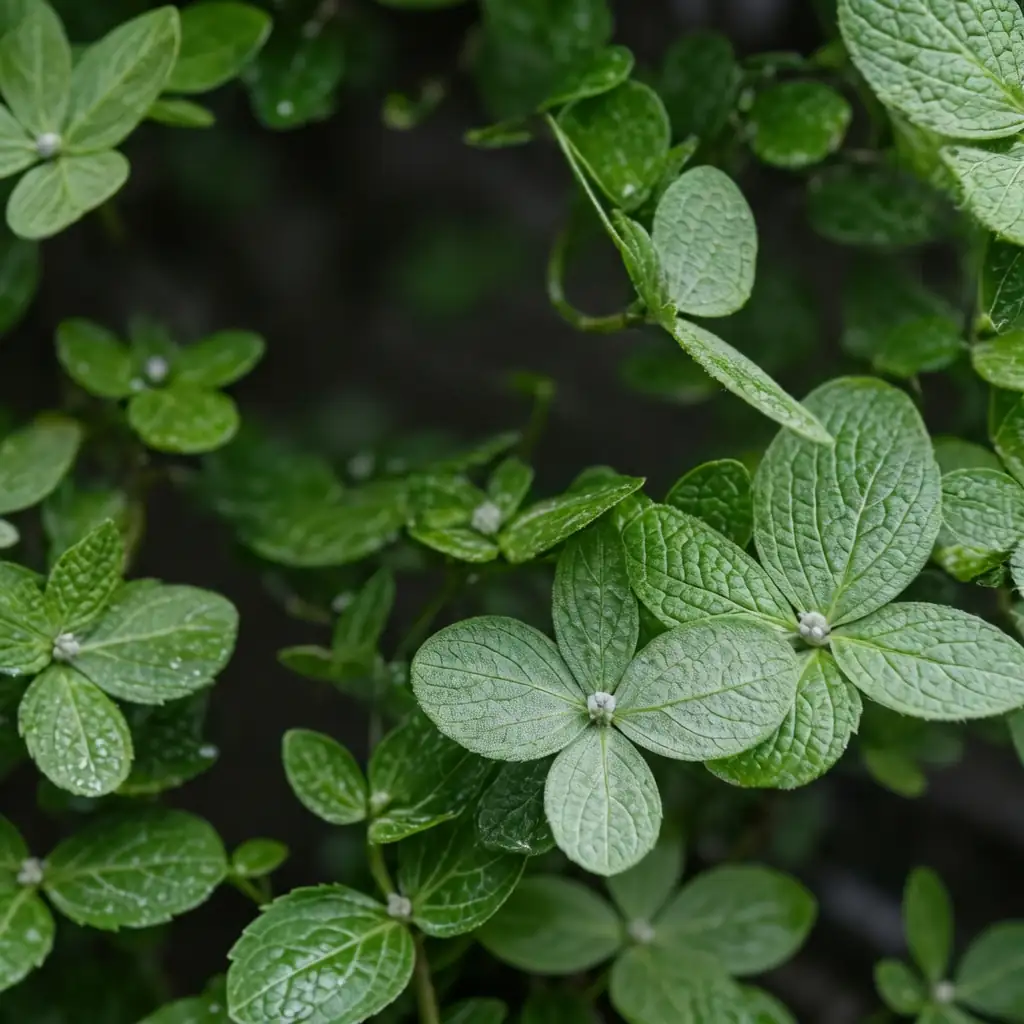
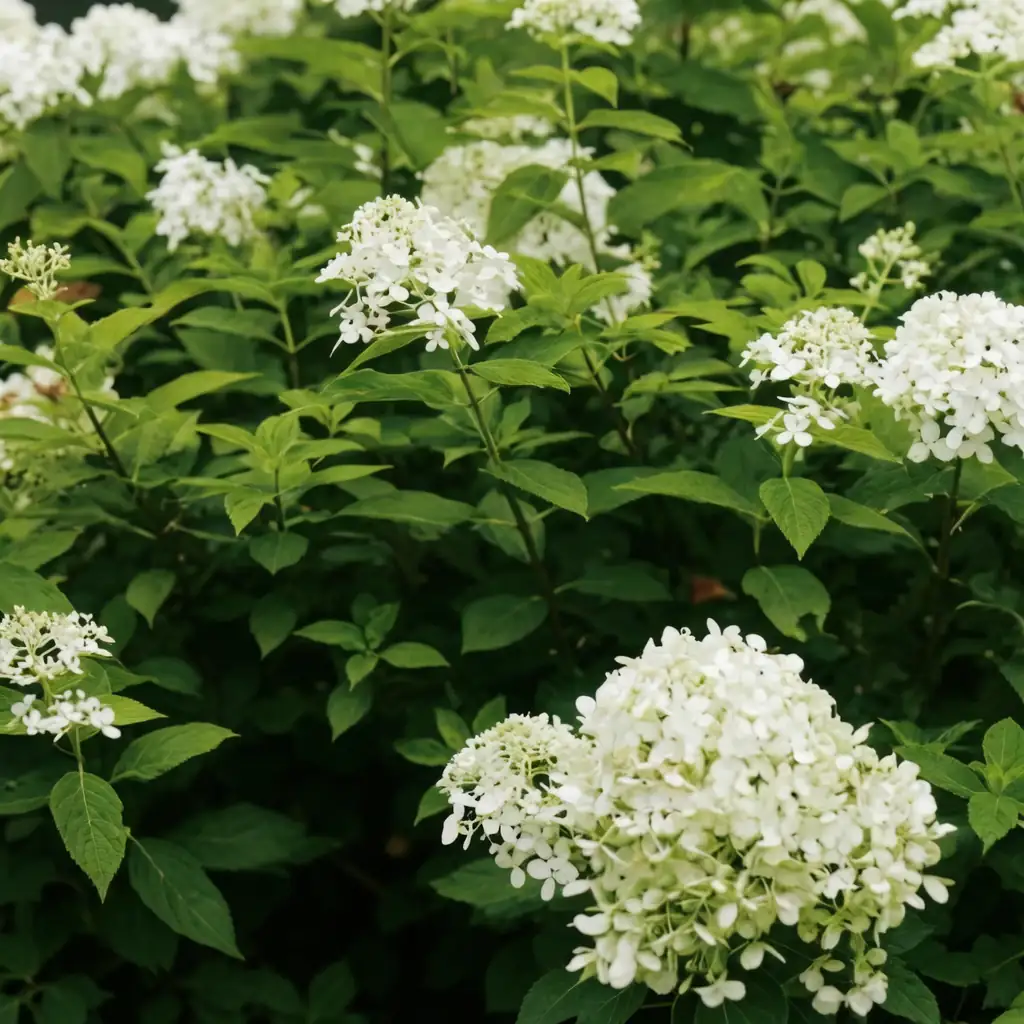
- Foliage: A woody shrub with dark reddish-brown to gray-brown stems. Young shoots may be lightly hairy but become smoother with age. Leaves are papery in texture, usually arranged opposite each other (sometimes in whorls of three), and are oval to elliptic.
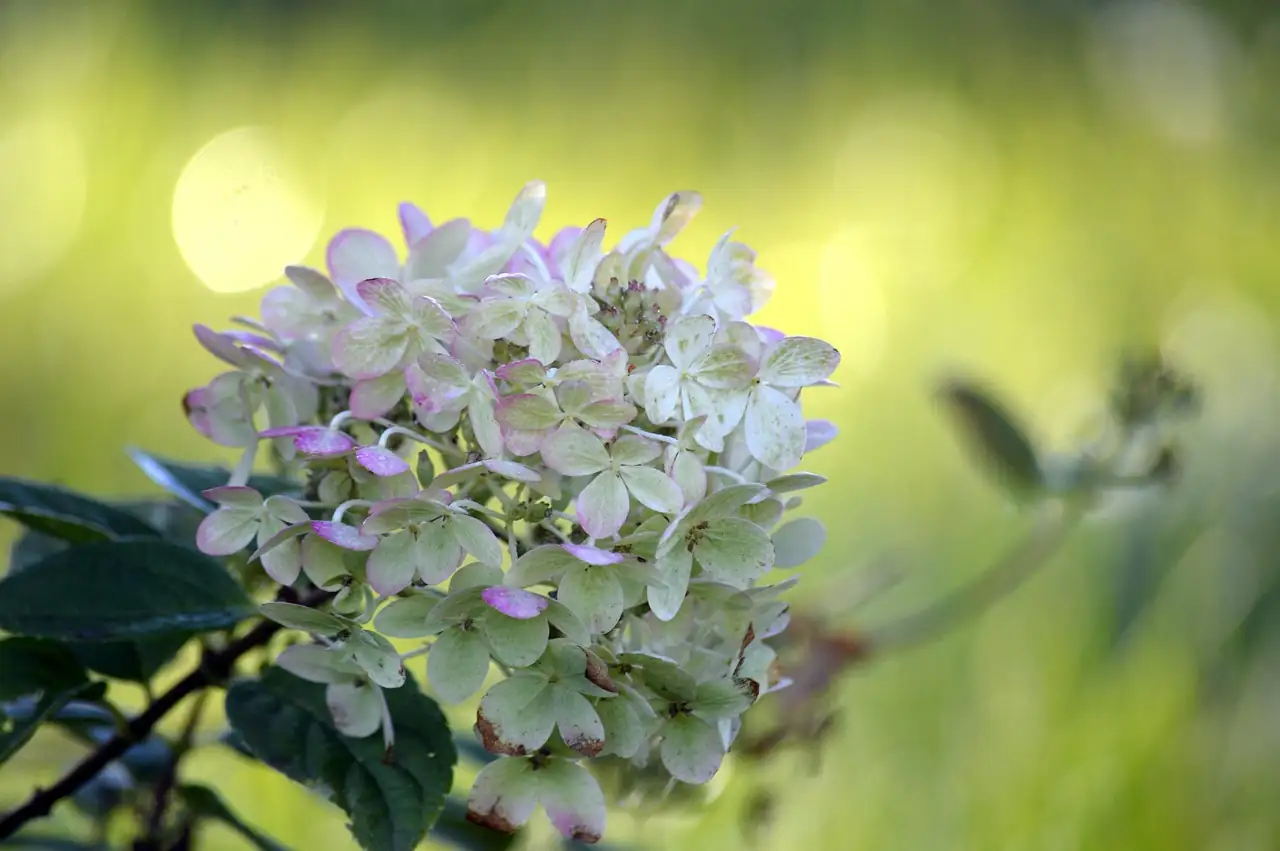
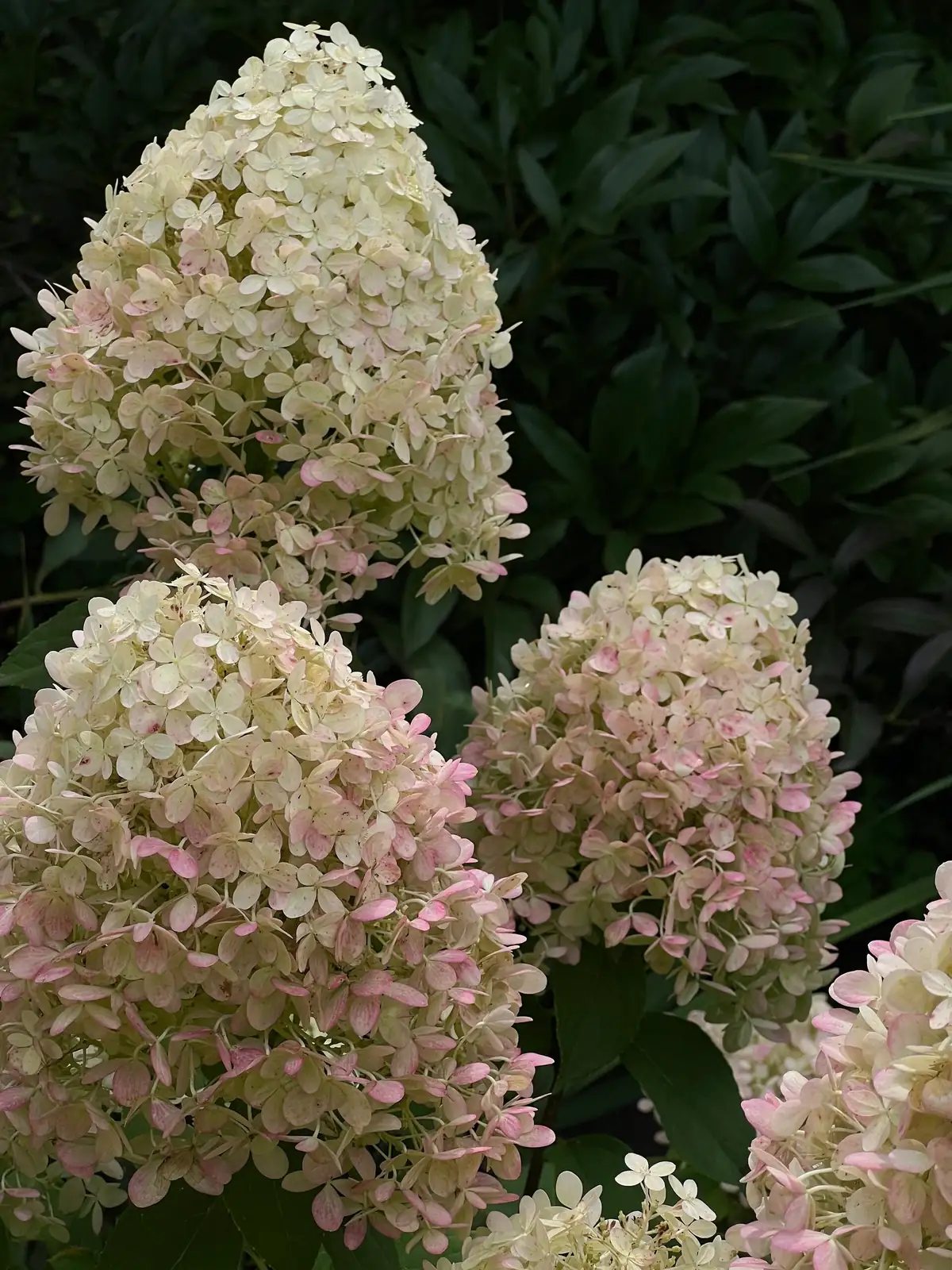
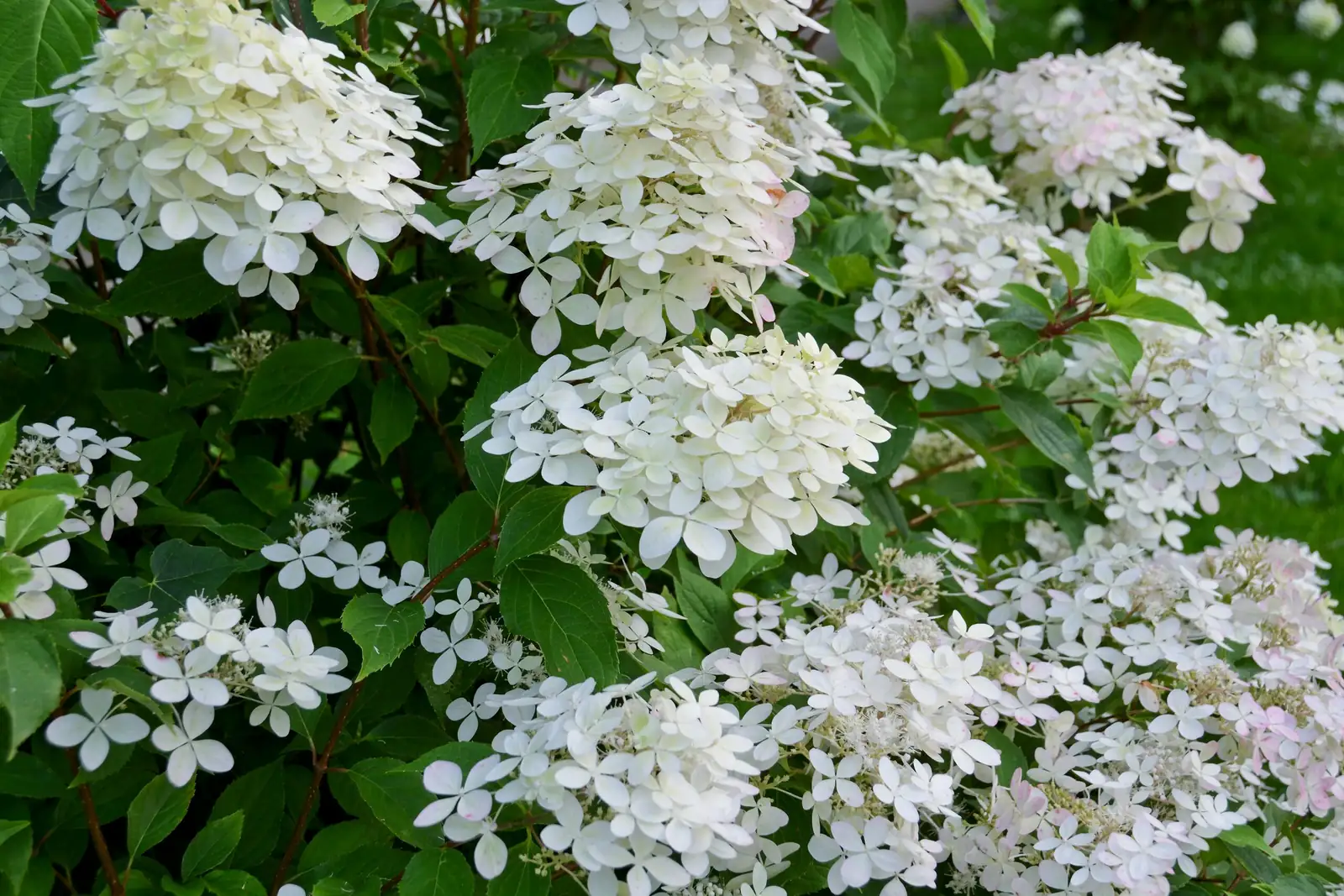
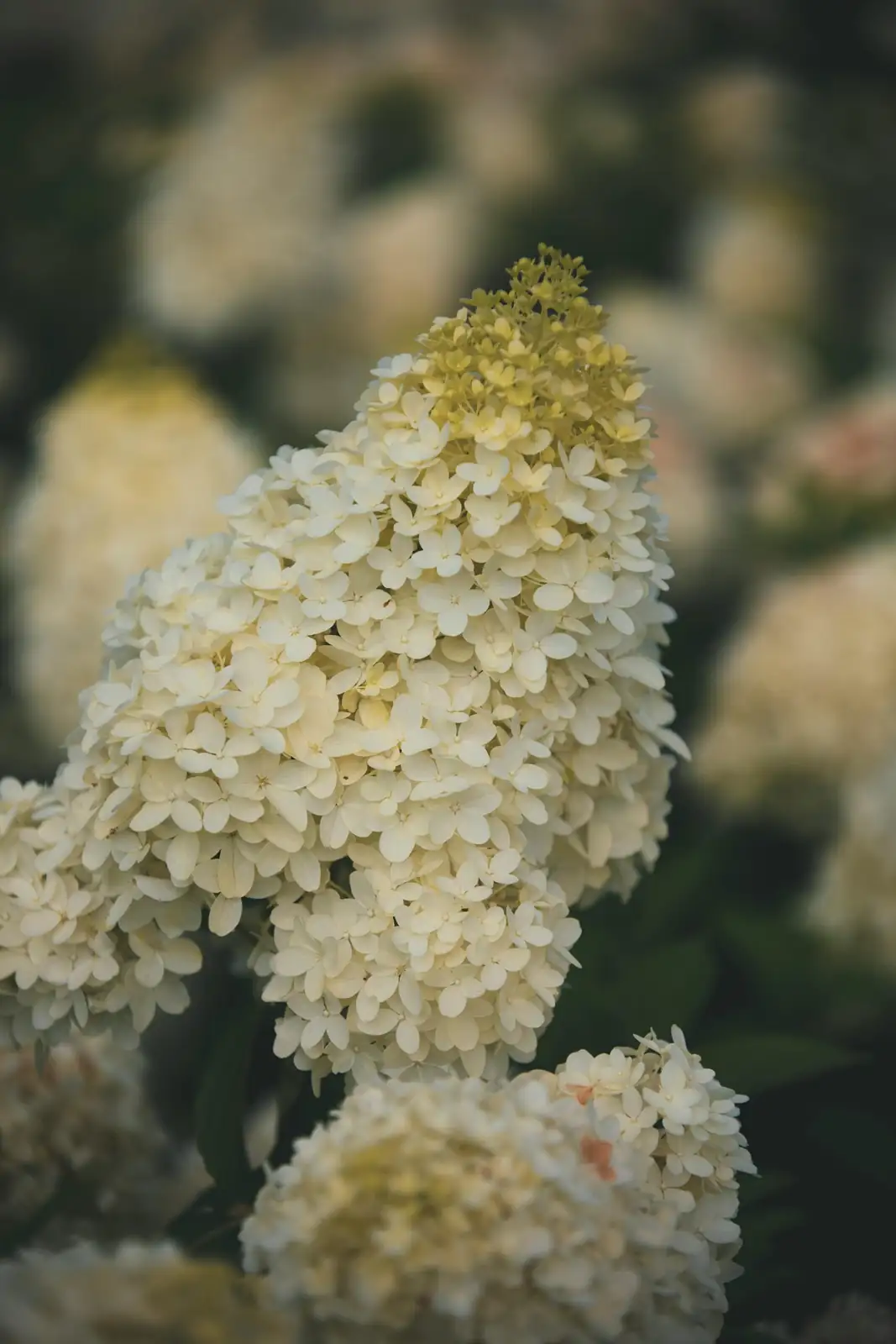
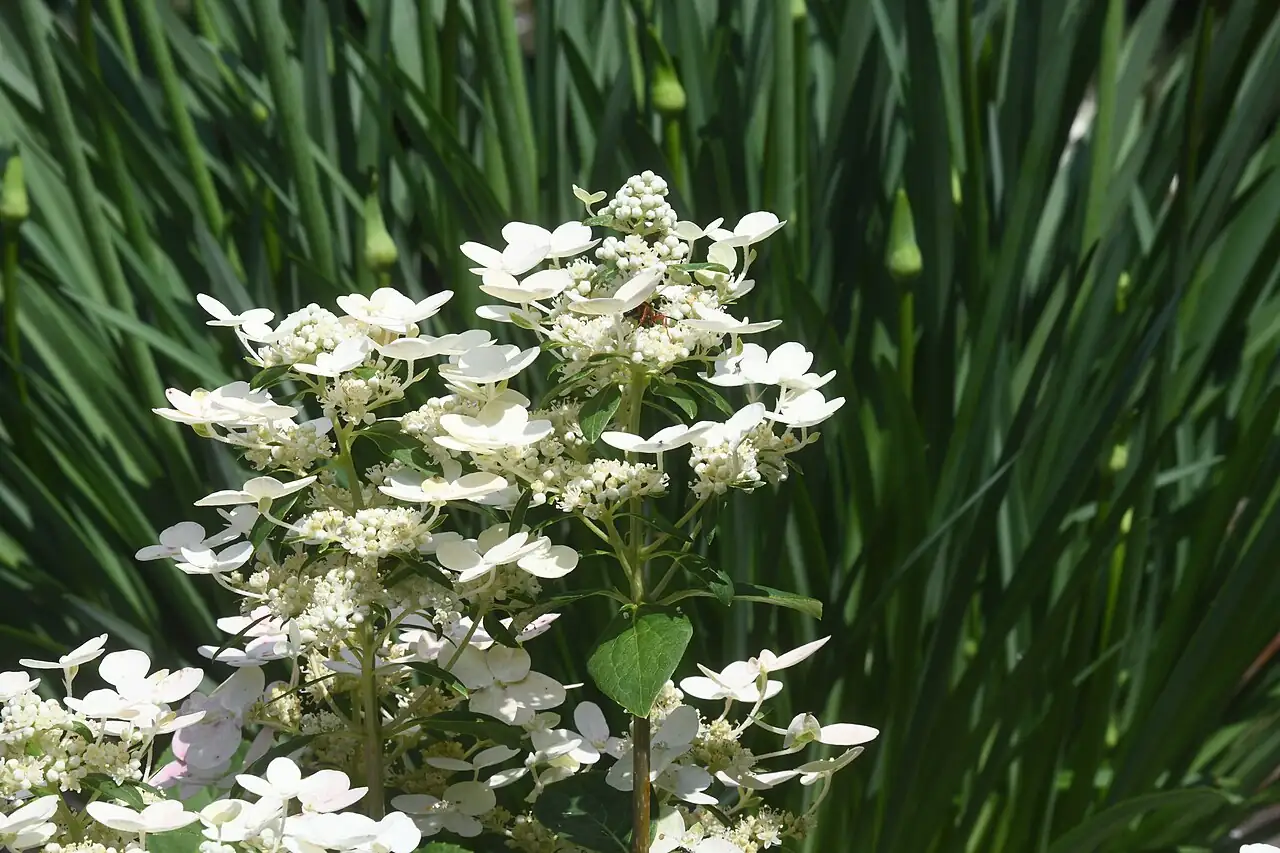
- Flower: Produces large, upright, cone-shaped (panicle) flower clusters. Tiny fertile flowers sit among showier sterile florets (especially in many garden cultivars), creating that classic “big, foamy cone” look. After flowering, it forms oval capsules containing brown, flattened, distinctly veined seeds.
- Flowering Season: July–August (mid to late summer)
- Growth Habit: Upright, branching deciduous shrub; can also be trained as a small tree. Young growth may be slightly hairy and becomes mostly hairless as it matures.
Environment
Sunlight
Full sun to partial shade. For the fullest flowering, give bright light—often 6+ hours/day where summers aren’t extreme. In very hot regions, afternoon shade reduces stress.
Temperature
Cool-temperate tolerant and reliably winter-hardy. Best growth is often around 10–25°C (50–77°F). For plants in pots, protect roots from prolonged severe freezes below about -20°C (-4°F).
Humidity
Average outdoor humidity is fine. It appreciates steady moisture during hot, dry spells, especially in sun.
Soil
Moist but well-drained soil is ideal, with rich loam being a favorite. It tolerates slightly acidic to neutral pH as long as drainage is good (avoid waterlogged ground).
Placement
Great for mixed borders, woodland edges, along paths, near water features, or against fences/walls. Also does very well in large containers on patios, balconies, and rooftops.
Hardiness
USDA Zone 3–8. Cold-hardy; in the hottest, most humid climates it benefits from afternoon shade and consistent moisture.
Care Guide
Difficulty
Easy to moderate: generally forgiving once established, but it looks its best with consistent summer watering and a once-a-year prune.
Buying Guide
Pick plants with several healthy stems and firm, clean leaves. Avoid pots with tightly circling roots (root-bound) and plants showing wilted new growth. If buying in bloom, choose one with a mix of open and still-opening florets to extend the show.
Watering
Water deeply after planting and keep evenly moist through the first growing season. Once established, water when the top 2–5 cm (1–2 in) of soil feels dry. Container plants dry faster and may need watering 2–4 times per week in hot weather. Don’t let it sit in soggy soil.
Fertilization
Feed in spring with compost or a balanced slow-release fertilizer (e.g., 10-10-10). If growth is weak, add a light second feeding in early summer. Avoid heavy nitrogen late in the season so new growth can harden off before winter.
Pruning
Blooms on new wood, so pruning won’t sacrifice next summer’s flowers. Prune in late winter to early spring: remove dead or weak stems, then shorten last year’s growth to shape the plant and encourage larger panicles. For a tree form, gradually select a main trunk and remove lower shoots over time.
Propagation
Softwood cuttings in late spring to early summer, or semi-hardwood cuttings in midsummer. Layering is also effective. Seed is possible, but it won’t come true for named cultivars.
Repotting
For container plants, repot every 2–3 years in early spring, moving up about 2–5 cm (1–2 in) in pot width. If not repotting, refresh the top layer of potting mix annually.
📅 Seasonal Care Calendar
Spring: prune, feed, and refresh mulch. Summer: keep watering steady; deadhead if you like (optional). Autumn: stop feeding and enjoy the fading, often color-shifting panicles. Winter: protect container plants from severe freezes and drying winds; do major pruning in late winter/early spring.
Pests, Diseases & Safety
Common Pests & Diseases
Watch for aphids, scale, and (in hot, dry weather) spider mites, plus occasional leaf spots. Improve airflow, avoid wetting foliage late in the day, and remove badly affected leaves. Use horticultural soap or oil if infestations build up.
Toxicity
Toxic if ingested: hydrangeas contain compounds that can cause vomiting, diarrhea, and lethargy in people and pets. Keep cuttings and fallen plant parts away from children and animals.
Culture & Symbolism
Symbolism: Often linked with gratitude and heartfelt emotion; hydrangeas are also commonly seen as symbols of abundance thanks to their big, generous flower heads.
History & Legends: Grown in temperate gardens for centuries, this species became especially popular in Europe and North America because it’s hardy, reliable, and flowers strongly in summer—traits that helped inspire many modern garden selections.
Uses: Mainly ornamental: a standout for mixed borders, hedging, woodland-edge plantings, and large containers. The big panicles are excellent for fresh-cut arrangements and also dry beautifully for long-lasting décor.
FAQ
Does panicle hydrangea need shade like other hydrangeas?
Not always. Panicle hydrangea is more sun-tolerant than bigleaf hydrangea and often blooms best in full sun to partial shade. In very hot climates, give it afternoon shade and consistent moisture.
When should I prune Hydrangea paniculata?
Late winter to early spring is ideal. It flowers on new wood, so pruning then won’t remove the coming season’s blooms.
Fun Facts
- Those dramatic cone-shaped flower clusters can be huge, making it one of the boldest hydrangeas for summer impact.
- Because it blooms on new growth, it’s far more forgiving of winter pruning than hydrangeas that bloom on old wood.
- After flowering, it forms small capsules filled with brown, flattened seeds that look distinctly veined.


