

Plant Features
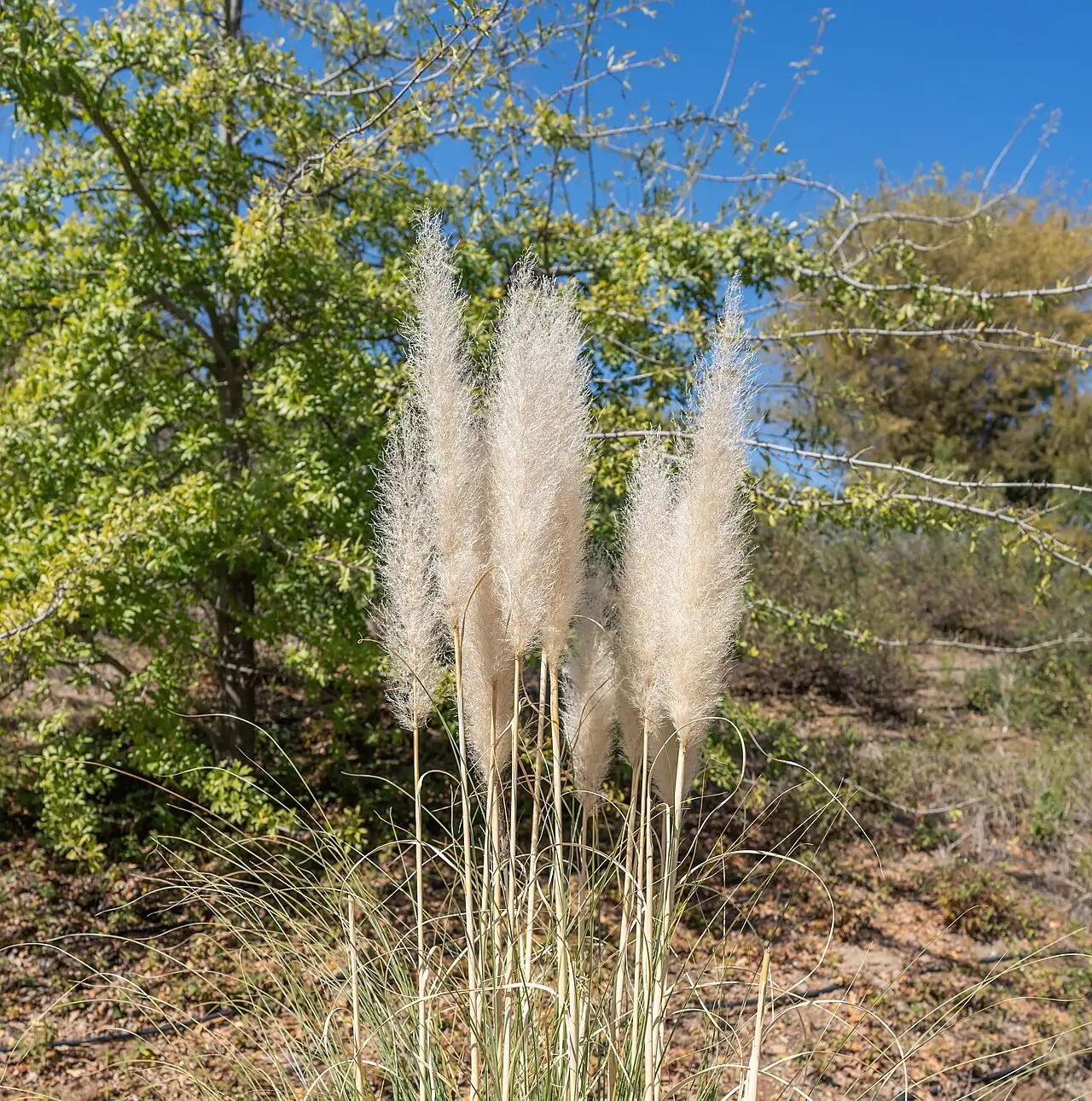
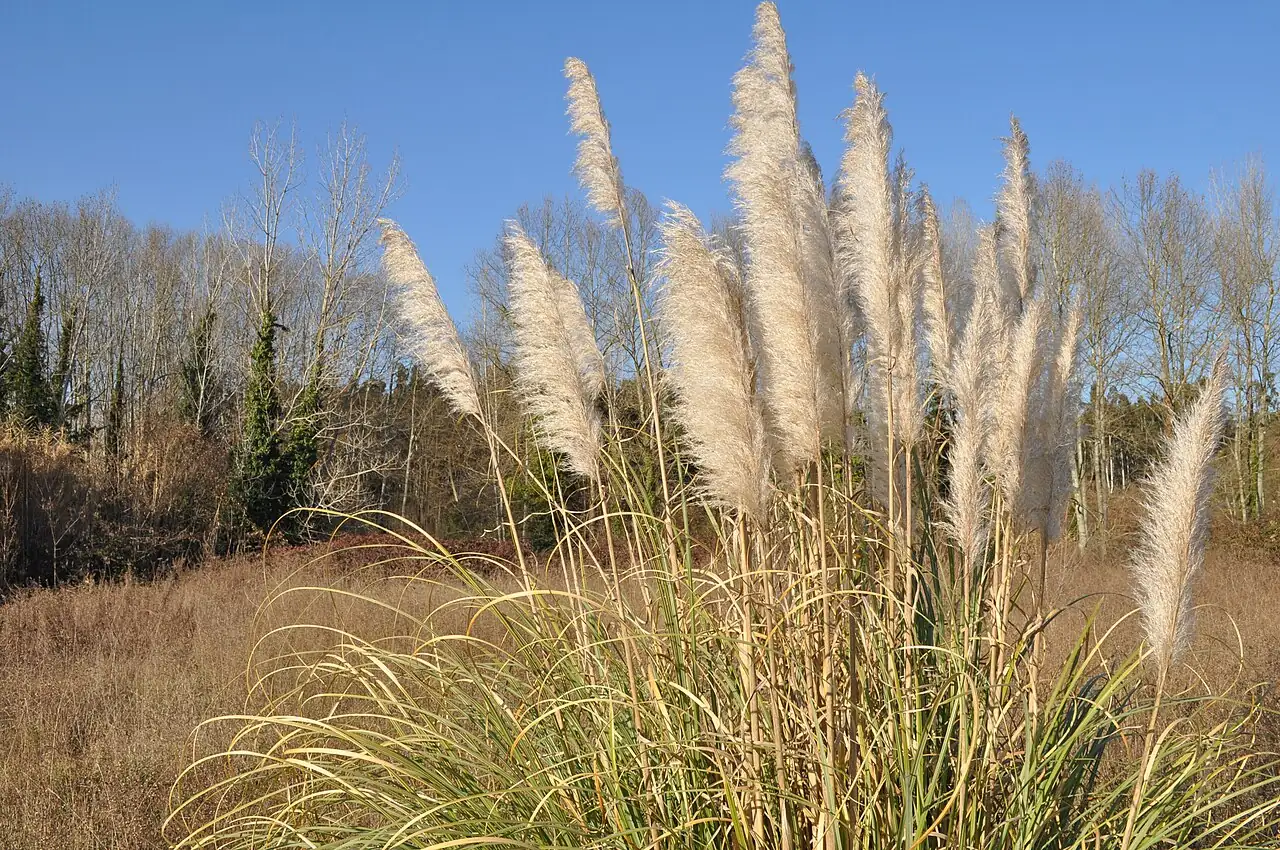
- Size: Typically 2–3 m (6.6–9.8 ft) tall, with a spread often around 1.5–2.5 m (4.9–8.2 ft) in good conditions.
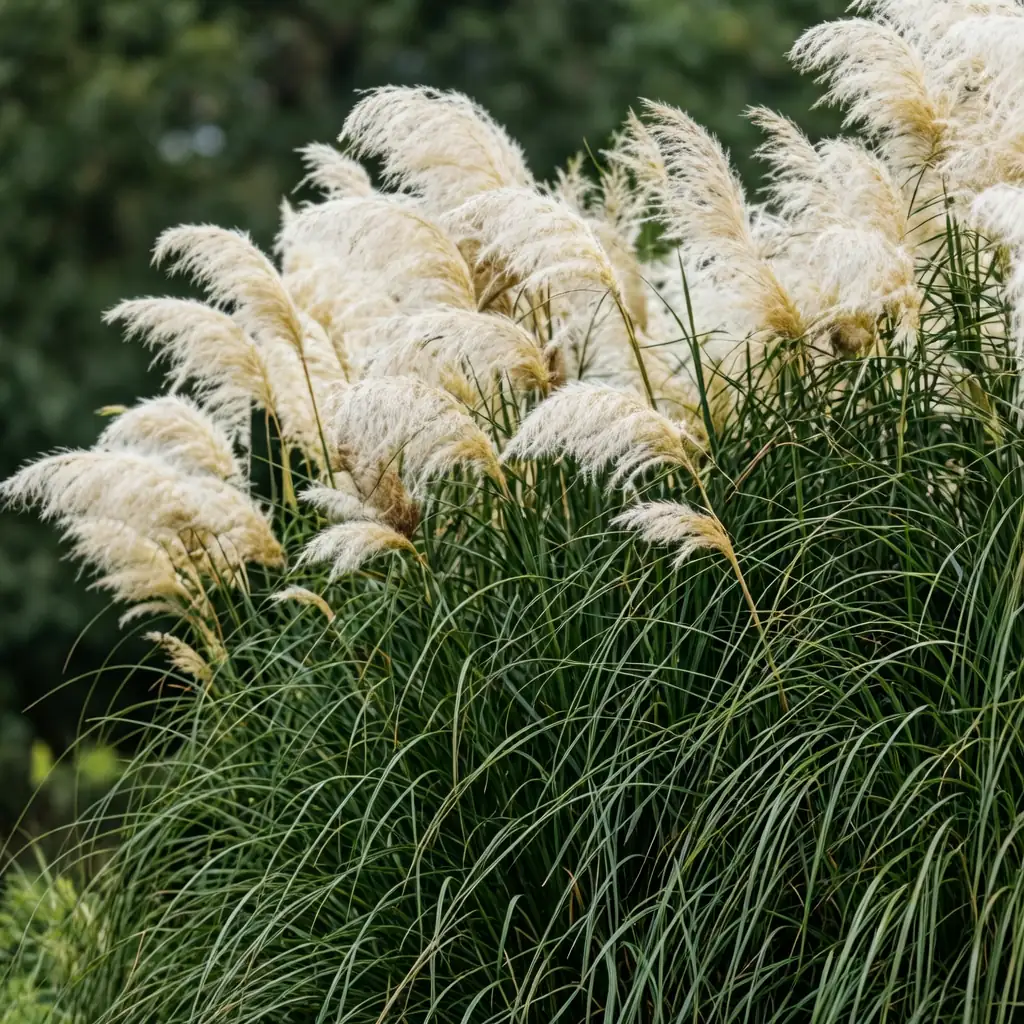
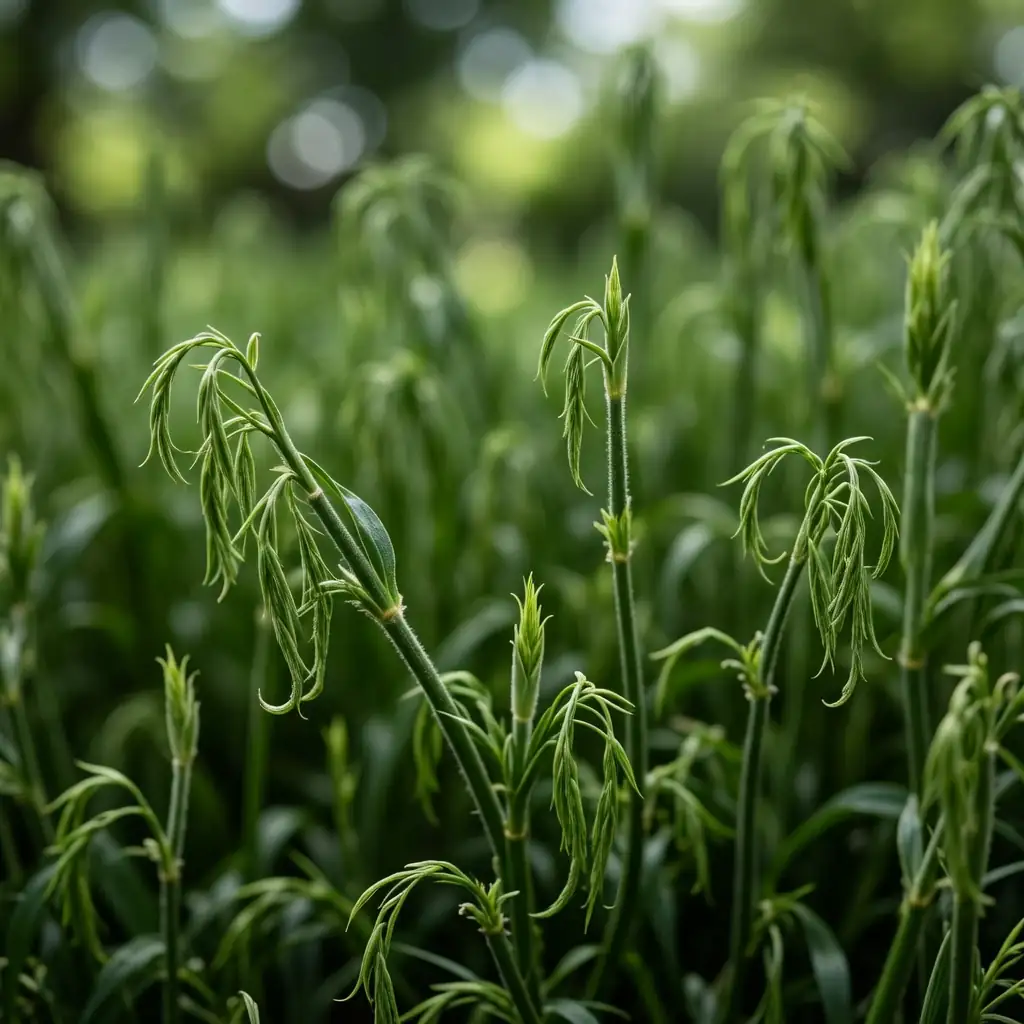
- Foliage: Forms dense basal tussocks of long, narrow, arching leaves. The blades have fine serrated margins that can feel like a knife edge; the surface is slightly rough and may be a bit hairy.
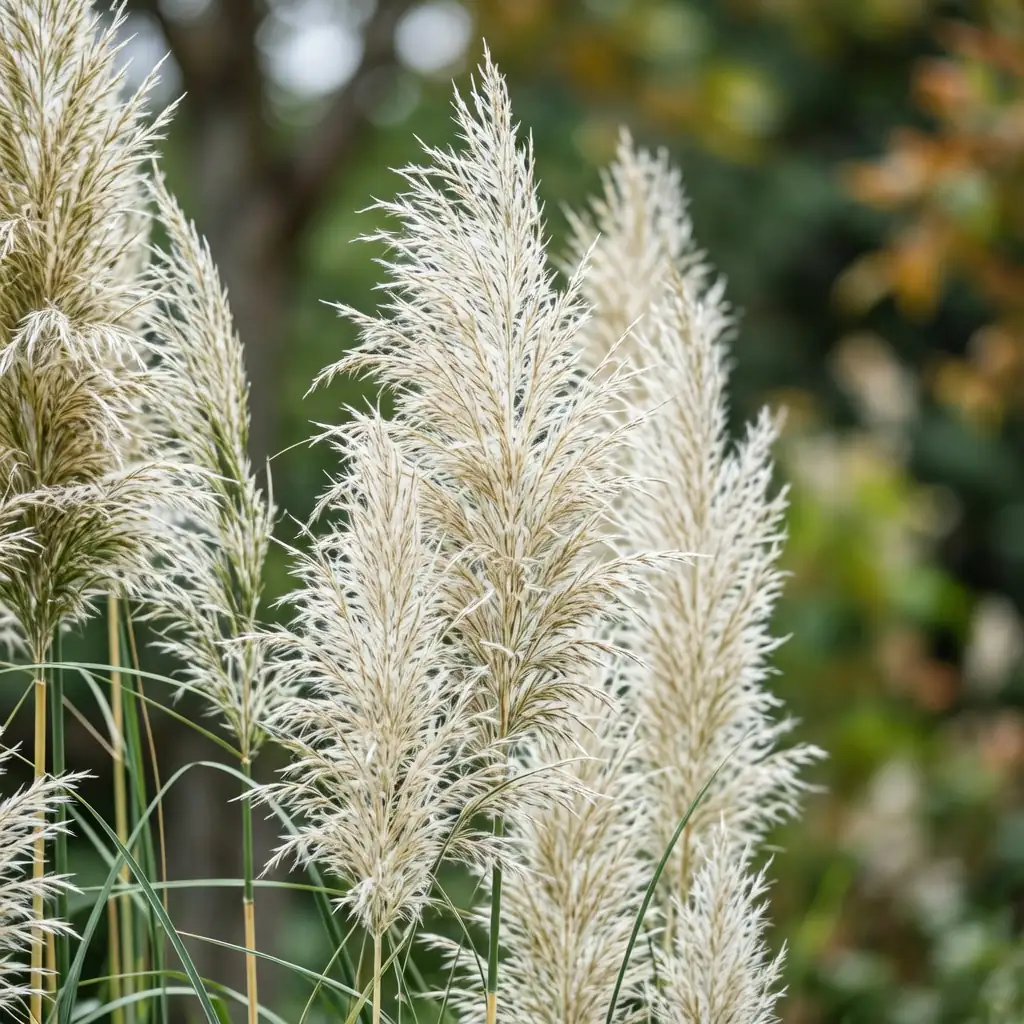
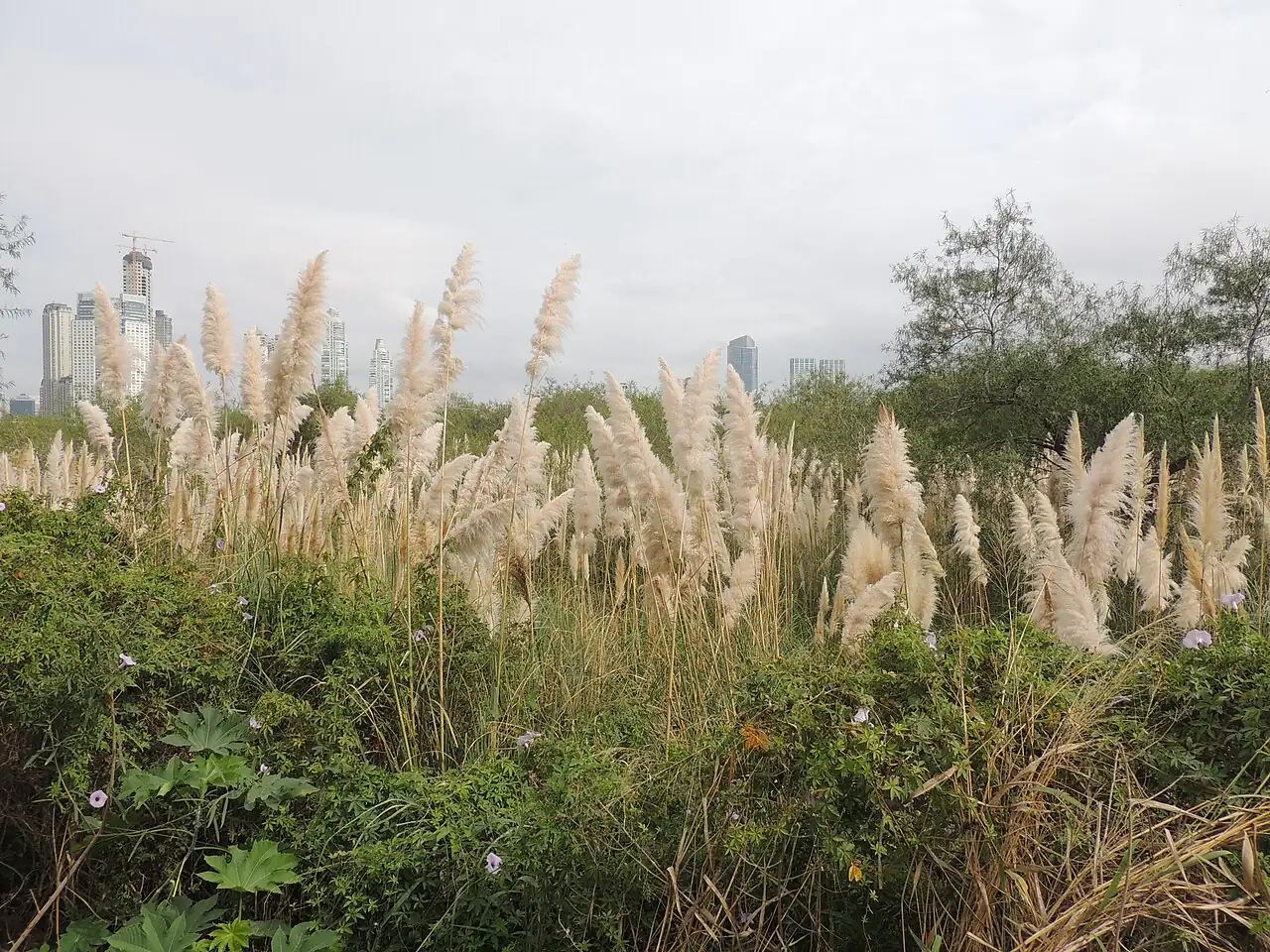
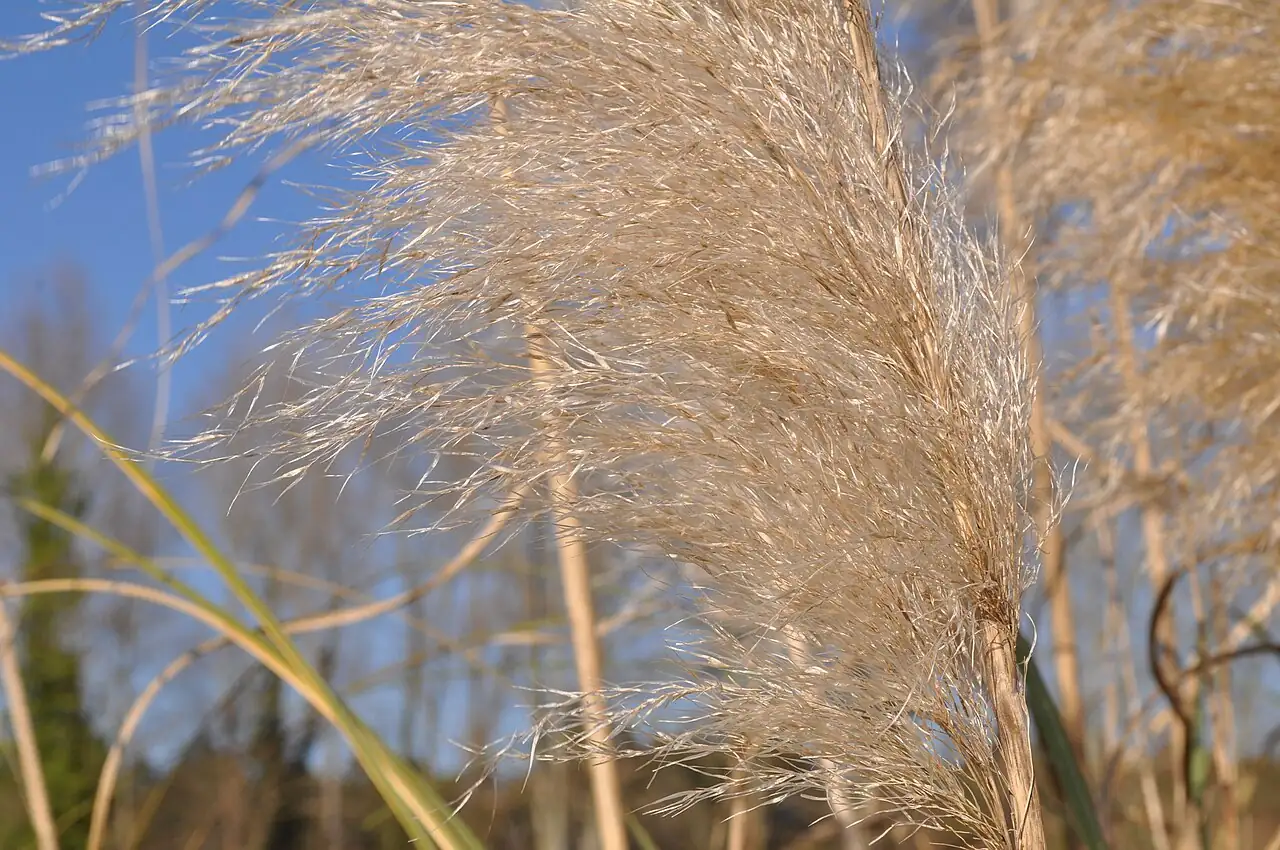
- Flower: Produces large, plume-like panicles held above the foliage, usually a showy silvery white. Plants are typically dioecious (male and female flowers on separate plants). The plumes dry well and can persist on the plant for months.
- Flowering Season: Late summer to early autumn (often July–September); seed heads remain ornamental through autumn and winter.
- Growth Habit: Tall, perennial, clump-forming ornamental grass with a strong upright presence and arching foliage.
Environment
Sunlight
Full sun for best growth and flowering; tolerates light shade.
Temperature
Prefers warm summers but is fairly cold-tolerant once established; best growth around 15–30°C (59–86°F).
Humidity
Adaptable; prefers evenly moist conditions, but tolerates a range of humidity levels if the soil drains well.
Soil
Adaptable to many soil types (sand to loam) as long as drainage is reasonable; best in moderately fertile, well-drained soil. Avoid waterlogged winter soils.
Placement
Best outdoors in gardens, parks, and spacious landscapes. Site it in an open, sunny spot with room to spread, and keep it away from narrow paths or play areas because the leaf edges can cut.
Hardiness
Generally hardy in USDA Zones 7–10 (approx. -17 to -1°C / 1 to 30°F minimums depending on cultivar and conditions); avoid prolonged hard freezes and waterlogged winter soils.
Care Guide
Difficulty
Easy in the right place: it’s tolerant of many soils and reasonably cold-hardy, but it needs sun and space. Handle with care—leaf margins are very sharp.
Buying Guide
Pick a vigorous plant with firm, healthy green growth at the base and no signs of rot. If your area restricts pampas grass due to invasiveness, choose sterile or non-invasive cultivars when available and follow local guidance.
Watering
Water regularly during establishment (the first growing season). Once established, it’s fairly drought-tolerant—water during prolonged dry spells, but avoid constantly wet, poorly drained conditions.
Fertilization
Usually needs little feeding. In spring, top-dress with compost or use a light, balanced slow-release fertilizer if growth looks weak. Avoid heavy nitrogen, which can lead to overly soft, floppy growth.
Pruning
In late winter to early spring, cut back old foliage and spent plumes before new growth starts. Wear gloves, long sleeves, and eye protection to avoid cuts and irritation from dry material.
Propagation
Best propagated by dividing large clumps in spring (or early autumn in mild climates). Seed propagation is possible but can be variable and is discouraged where the plant is invasive.
Repotting
Mostly grown in the ground. For container plants, move up a pot size when root-bound—typically every 1–2 years—using a free-draining mix and a stable, heavy container (it can get top-heavy).
📅 Seasonal Care Calendar
Spring: tidy, divide if needed, and feed lightly. Summer: keep in full sun; water during drought. Autumn: enjoy peak plume season. Winter: leave plumes for structure; cut back in late winter/early spring.
Pests, Diseases & Safety
Common Pests & Diseases
Generally trouble-free. The main risk is crown rot in poorly drained soil, especially in winter. Occasional leaf spotting can occur; improve airflow and avoid wet, stagnant conditions.
Toxicity
Not known to be poisonous, but the leaf edges can cause painful cuts. Plumes and dried leaves may irritate skin, eyes, or airways in sensitive people—use protection when cutting back or arranging dried stems.
Culture & Symbolism
Symbolism: Often linked with abundance, openness, and dramatic natural beauty. In design, it signals bold structure and a “big landscape” feel; dried plumes are a popular decorative accent.
History & Legends: Native to southern South America, pampas grass became globally popular as an ornamental and has been widely planted in parks and gardens, including in several Chinese cities. In some regions it has escaped cultivation, which is why it’s sometimes regulated.
Uses: Mainly ornamental—used as a striking specimen, backdrop, or informal screen in large plantings. The plumes are also used fresh or dried in floral and home décor arrangements.
FAQ
When does it flower?
It typically blooms in late summer to early autumn (often July–September), and the plumes can remain attractive into autumn and winter.
When are the seed heads most noticeable?
They’re usually most prominent from late summer through autumn and often persist into winter—roughly August–November in many climates.
How tall does it get?
Commonly about 2–3 m (6.6–9.8 ft) tall in bloom, depending on growing conditions and cultivar.
Where is it native to?
Southern South America—especially Argentina, Uruguay, southern Brazil, and Chile.
What growing conditions does it like?
Full sun, a warm growing season, and reasonably well-drained soil. Once established, it’s adaptable and not very picky.
What is it mainly used for in gardens?
For strong architectural impact and long seasonal interest—big plumes, a bold silhouette, and use as a specimen, background, or informal screen in spacious landscapes.
Fun Facts
- Pampas grass is typically dioecious—male and female flowers occur on separate plants.
- The feathery plumes can look good for months and are prized for dried arrangements.
- In some regions it can escape cultivation and become invasive, so local planting rules may apply.


