

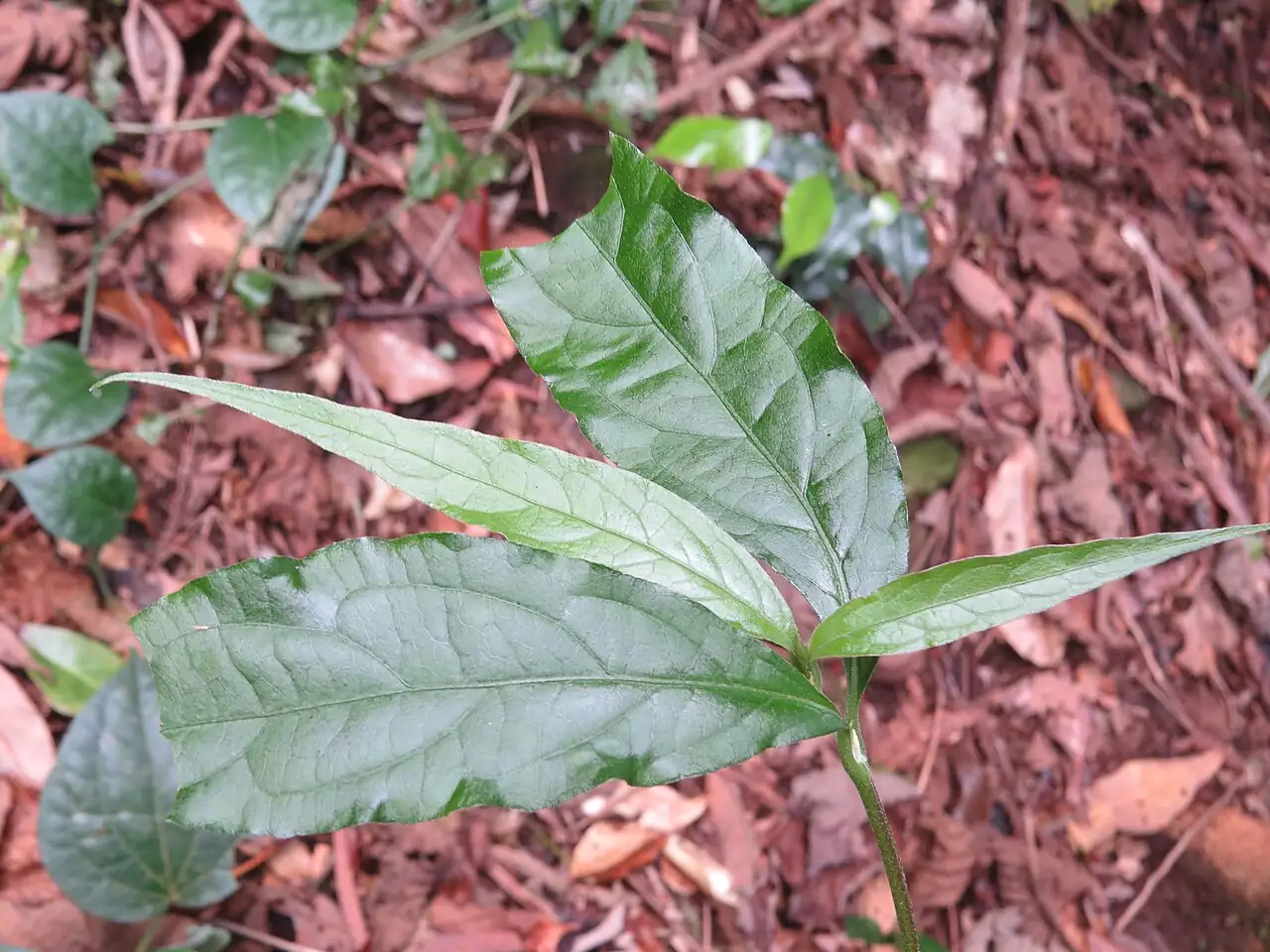
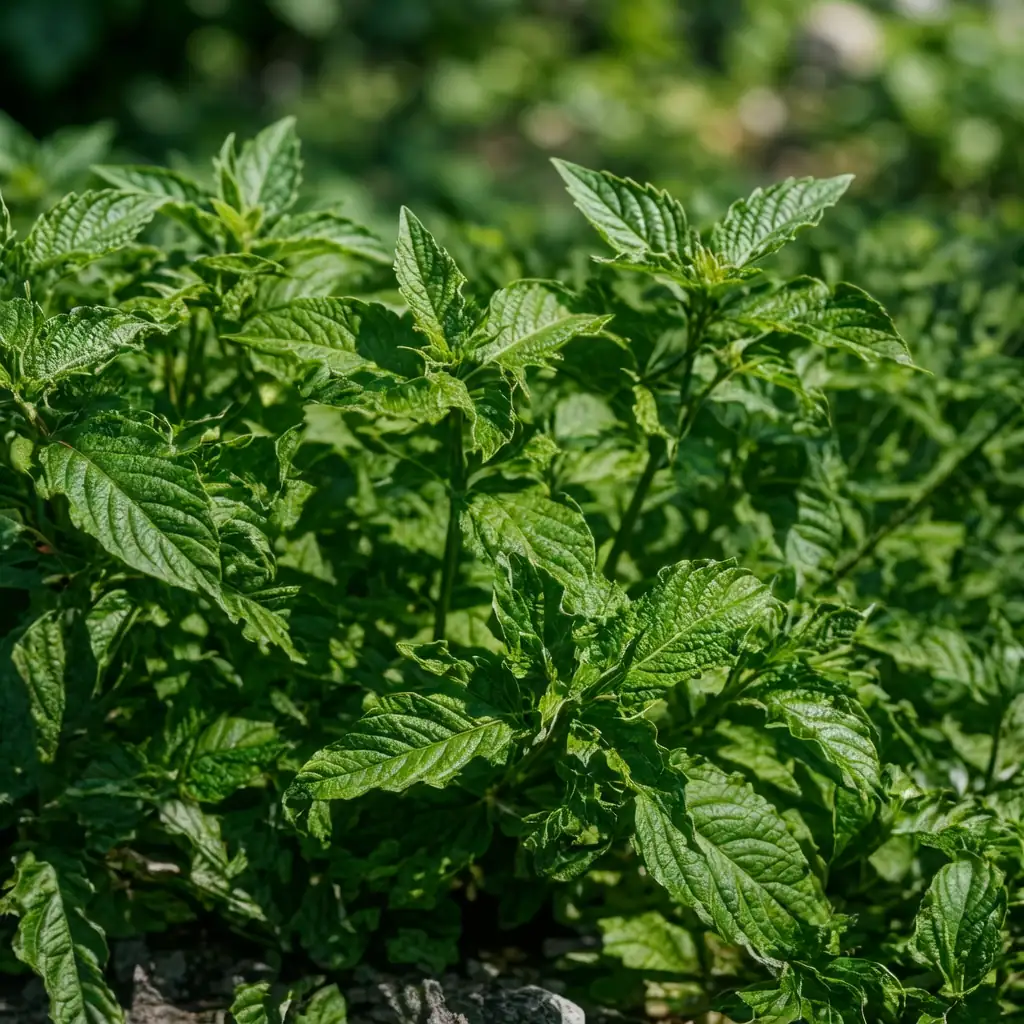
Plant Features
- Size: Typically 30–100 cm (12–39 in) tall; spread varies with site conditions and competition.
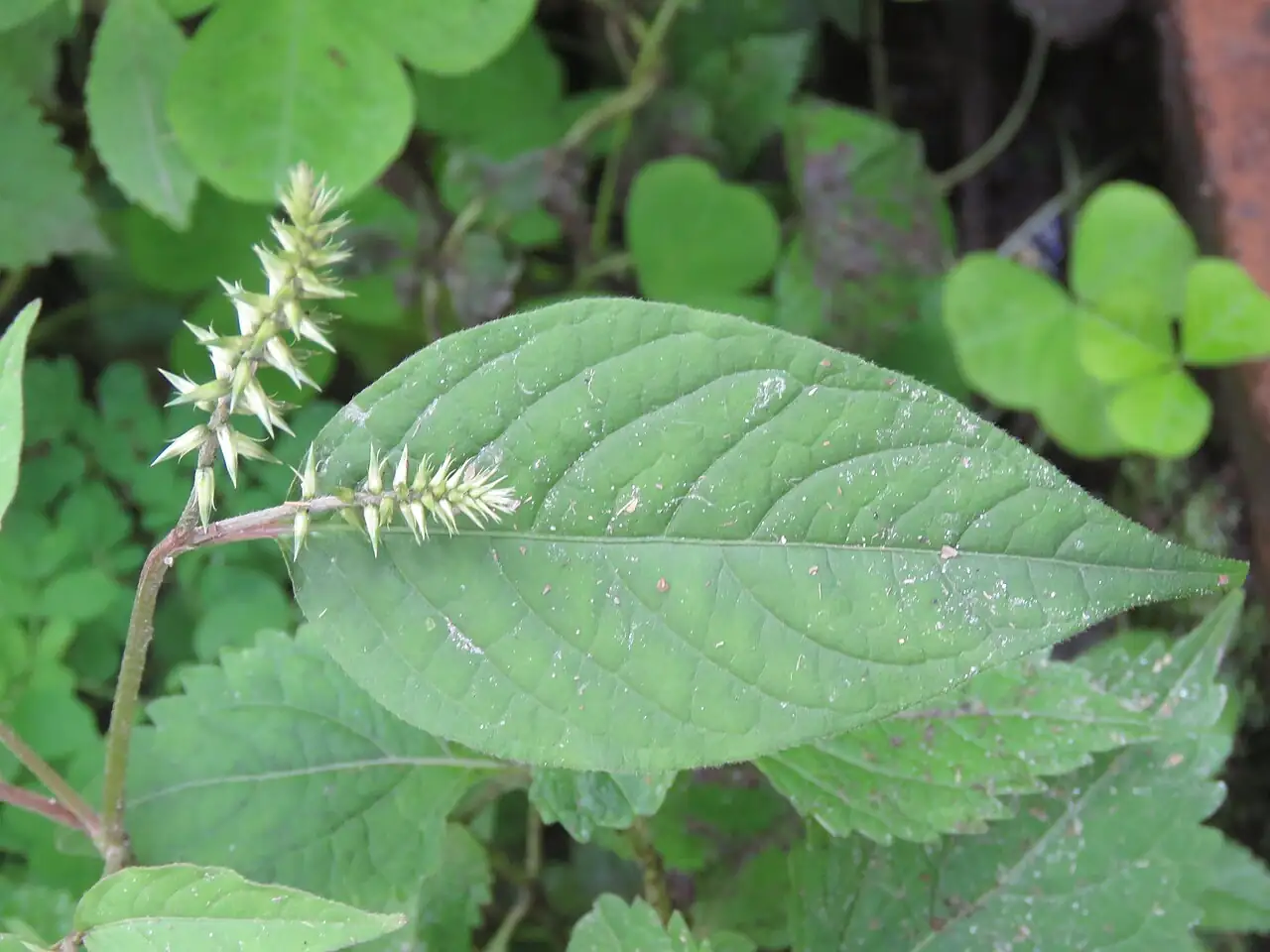
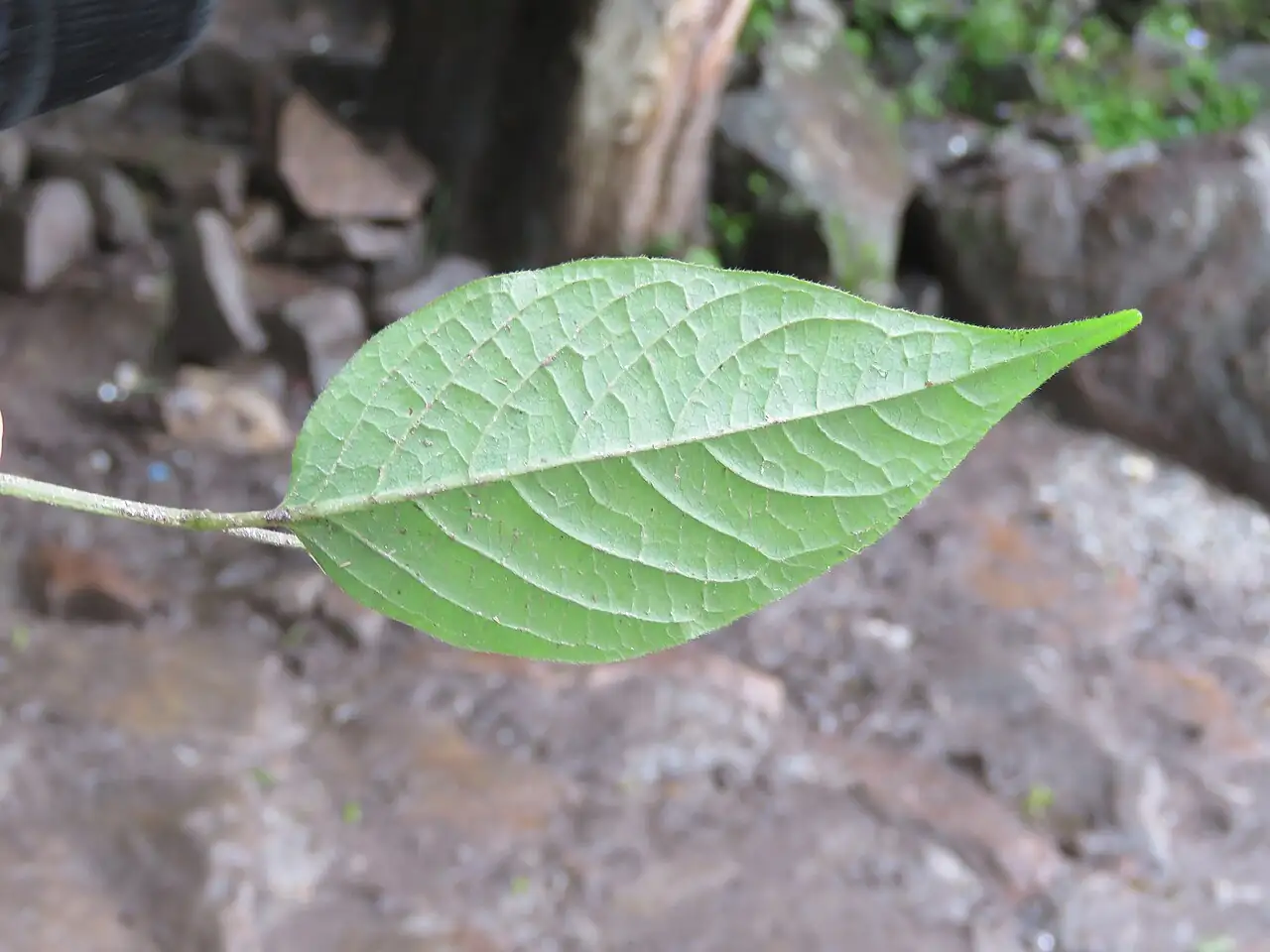
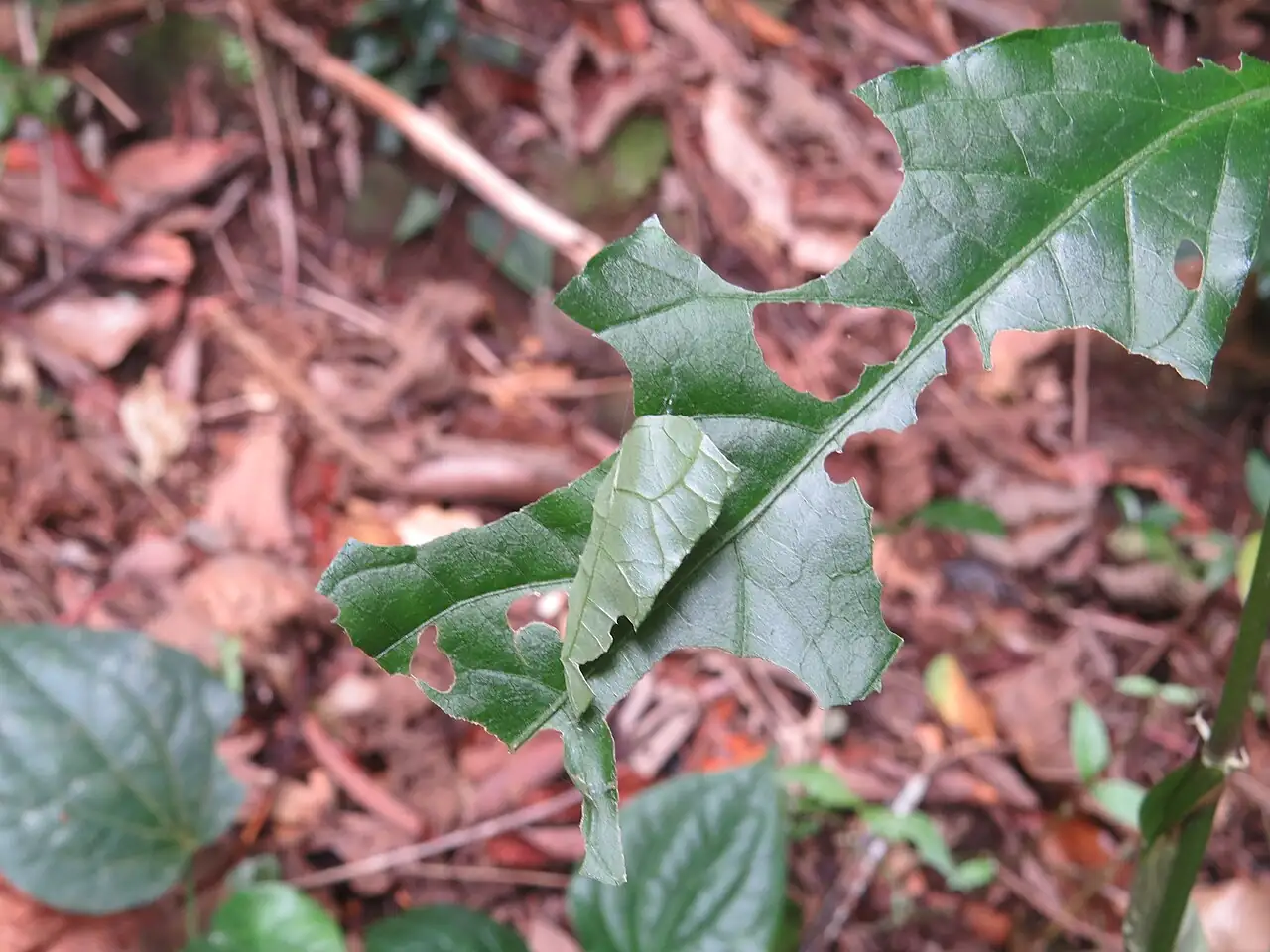
- Foliage: Leaves are oval to elliptic. Stems are distinctly angled and often look four-sided. The root system is notably deep, with cylindrical roots that are pale yellow-brown.
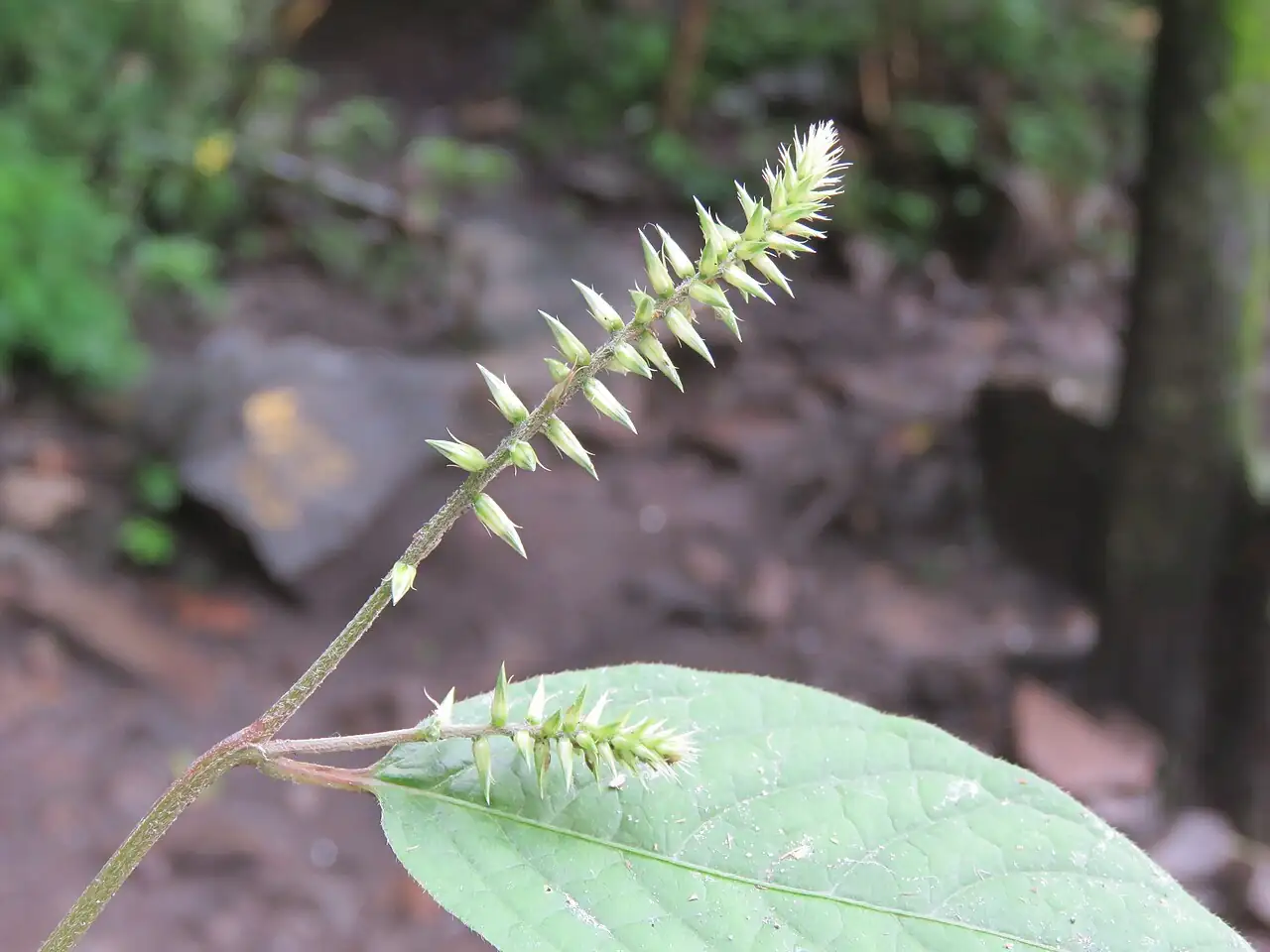
- Flower: Many tiny flowers are tightly packed along slender, spike-like inflorescences borne at stem tips and in leaf axils. The main flower stalk is softly white-hairy. After flowering, it forms short, rounded capsules that are yellow-brown and smooth, containing short-rounded, yellow-brown seeds.
- Flowering Season: July–September
- Growth Habit: Deep-rooted, upright perennial herb; often forms clumps and can behave like a weedy groundcover in natural habitats.
Environment
Sunlight
Partial shade to sun; happiest in bright, filtered light similar to woodland edges and lightly wooded slopes.
Temperature
Warm-growing. Best around 18–30°C (64–86°F) in active growth; protect from frost and especially from temperatures below 0°C (32°F).
Humidity
Average humidity is fine; generally prefers conditions that are not constantly humid or wet, especially around the roots.
Soil
Well-drained soil is key. Loam or sandy loam with good aeration works well; avoid waterlogged sites to prevent root problems.
Placement
Outdoors in a warm, well-drained spot such as a naturalistic bed, slope, or woodland-edge planting. In cooler climates, place in a sheltered microclimate or grow seasonally where winter frost and winter-wet can be avoided.
Hardiness
Not frost-hardy; roughly suited to USDA Zone 9–11 unless given winter protection.
Care Guide
Difficulty
Moderate. Tough once established thanks to its deep roots, but it can struggle with prolonged cold and persistently wet soil.
Buying Guide
Look for firm, upright stems and clean, unspotted leaves. Avoid plants in sour-smelling or soggy pots (often a drainage issue). If purchasing specifically for the medicinal root, verify correct identification and reputable sourcing.
Watering
Water regularly while establishing. After that, let the top layer of soil dry between waterings. Don’t keep the soil constantly wet—excess moisture can weaken the plant and encourage root issues. In containers, always ensure free drainage.
Fertilization
Usually light feeding is enough. For ornamental growth, apply a balanced fertilizer at half strength in spring and again in mid-summer. In reasonably fertile garden soil, it often needs little to no extra fertilizer.
Pruning
Deadhead spent flower spikes to keep the plant tidy and reduce self-seeding. Cut back dead stems after fruiting or at the end of the growing season.
Propagation
Mostly grown from seed. Capsules typically mature September–October; collect when ripe and sow fresh, or store dry for later sowing. Division can work for older clumps, but the deep root makes lifting and splitting more challenging.
Repotting
If grown in a container, repot in spring into a deeper pot to accommodate the long root system. Use a free-draining mix and minimize root disturbance.
📅 Seasonal Care Calendar
July–September: flowering. September–October: fruiting and seed maturity. Outside the growing season, keep on the drier side and protect from cold—avoid winter wet and any frost exposure.
Pests, Diseases & Safety
Common Pests & Diseases
No species-specific problems were noted in the source. In gardens, watch for aphids on tender new growth and root rot in poorly drained or overwatered soil. Good airflow and sharp drainage are the best prevention.
Toxicity
No definitive toxicity details were provided. Although the root is used in traditional herbal medicine, don’t assume it’s automatically safe for casual ingestion. Keep plants and harvested material away from children and pets unless guided by a qualified professional.
Culture & Symbolism
Uses: Grown ornamentally in naturalistic plantings and sometimes functions as a groundcover in the wild. The root is widely used in traditional herbal medicine.
Fun Facts
- Its deep root helps it handle relatively dry periods once established.
- It often prefers the “in-between” habitats—forest edges and wooded slopes—rather than fully exposed open ground.
- Flowering typically runs from July to September, followed by seed set around September to October.
- It has a broad native range across East and Southeast Asia and is also reported from parts of Africa.


