

Plant Features
- Size:35–90 cm (14–35 in) tall; flowering stems typically 20–70 cm (8–28 in) long
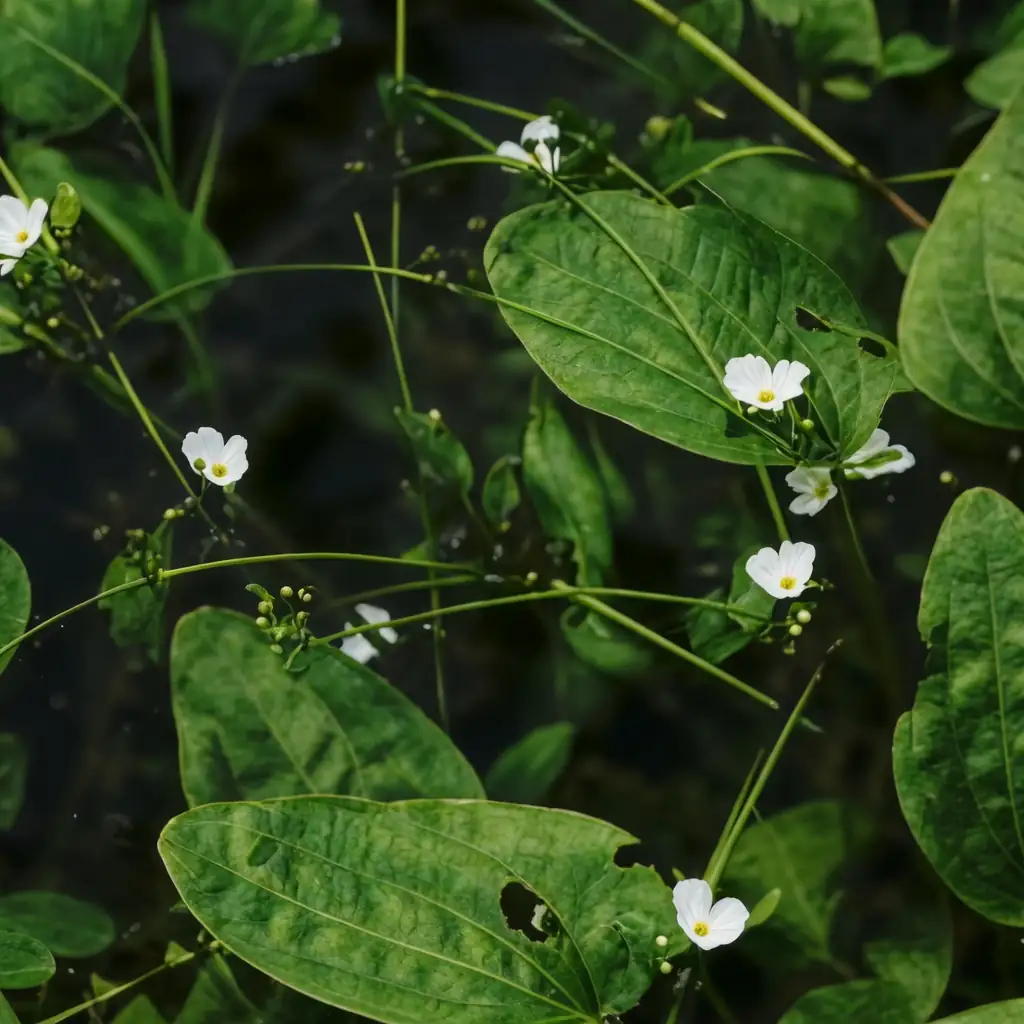
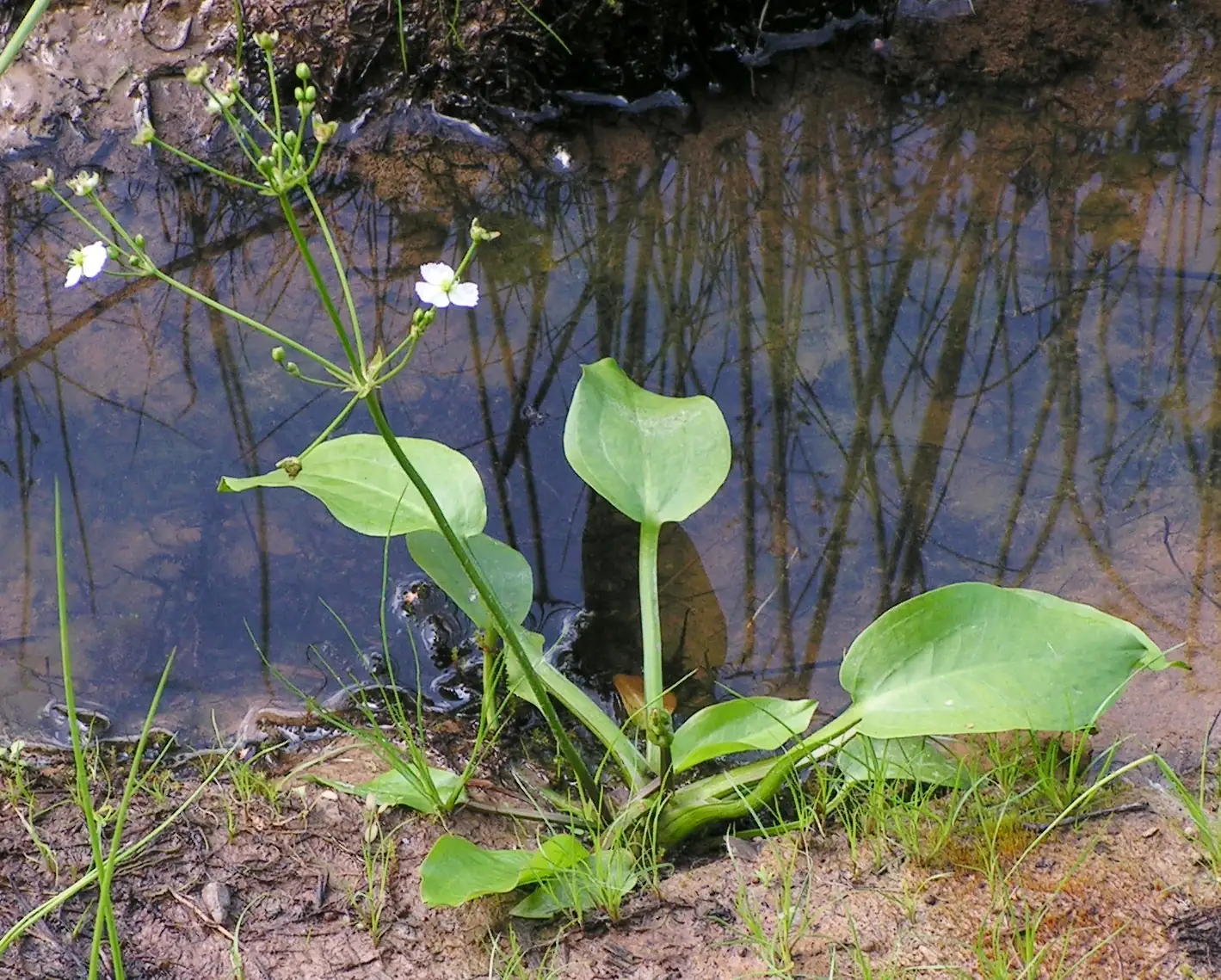
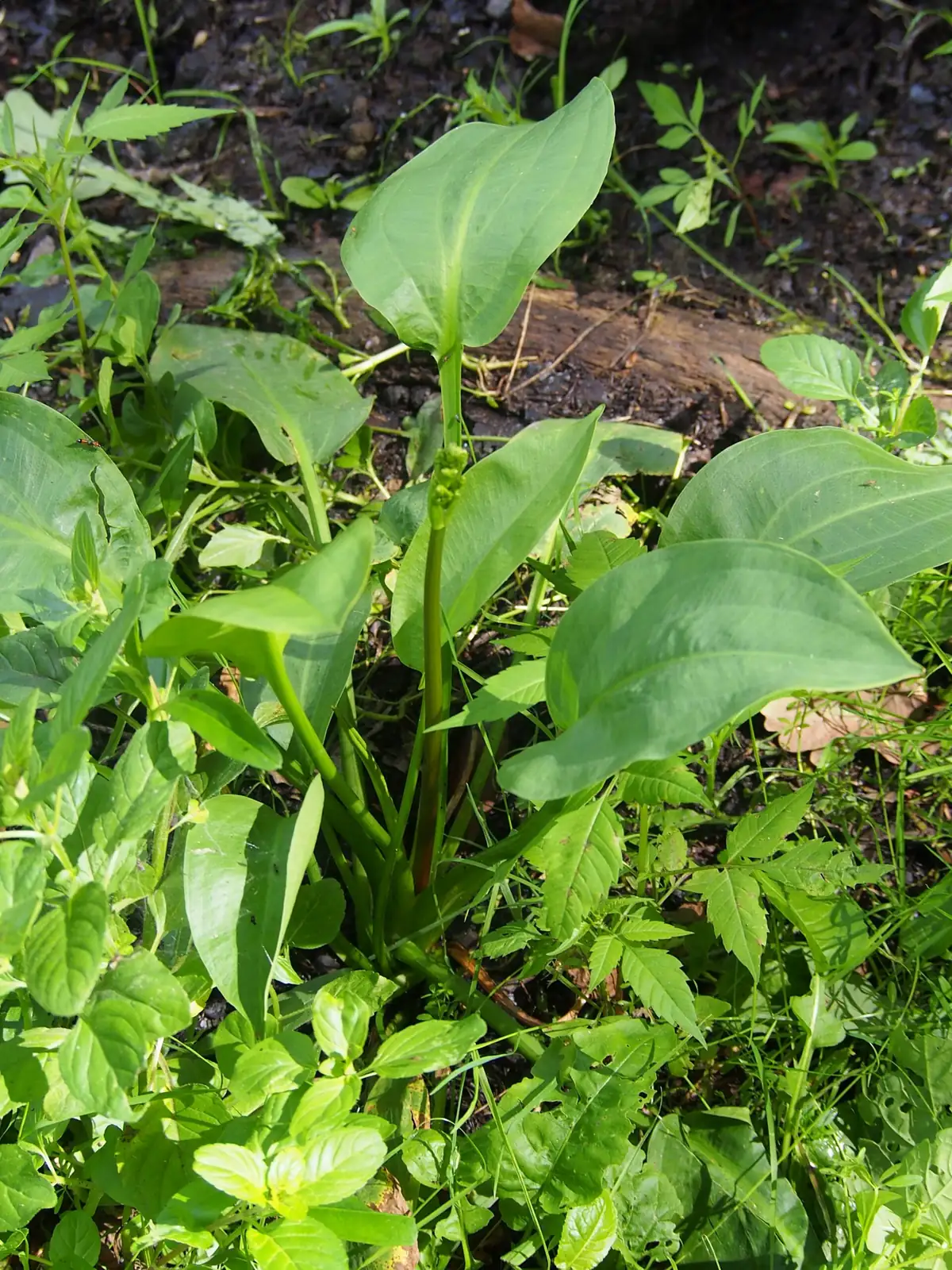
- Foliage: Produces numerous emergent leaves held above the water on thick, sturdy petioles that widen toward the base. Leaf blades are broadly lance-shaped to oval with a pointed tip and a rounded to shallow heart-shaped base, usually showing 5–7 prominent veins. Margins can look thin and slightly translucent.
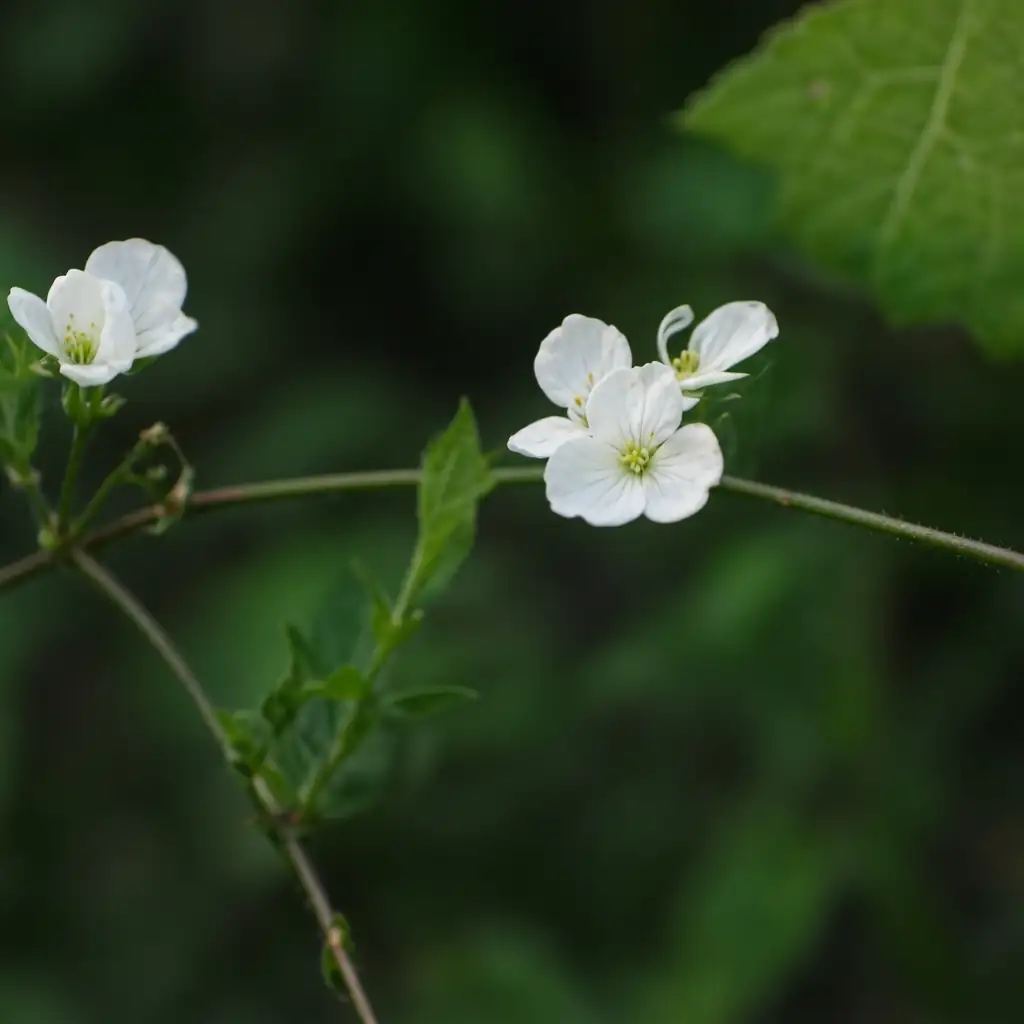
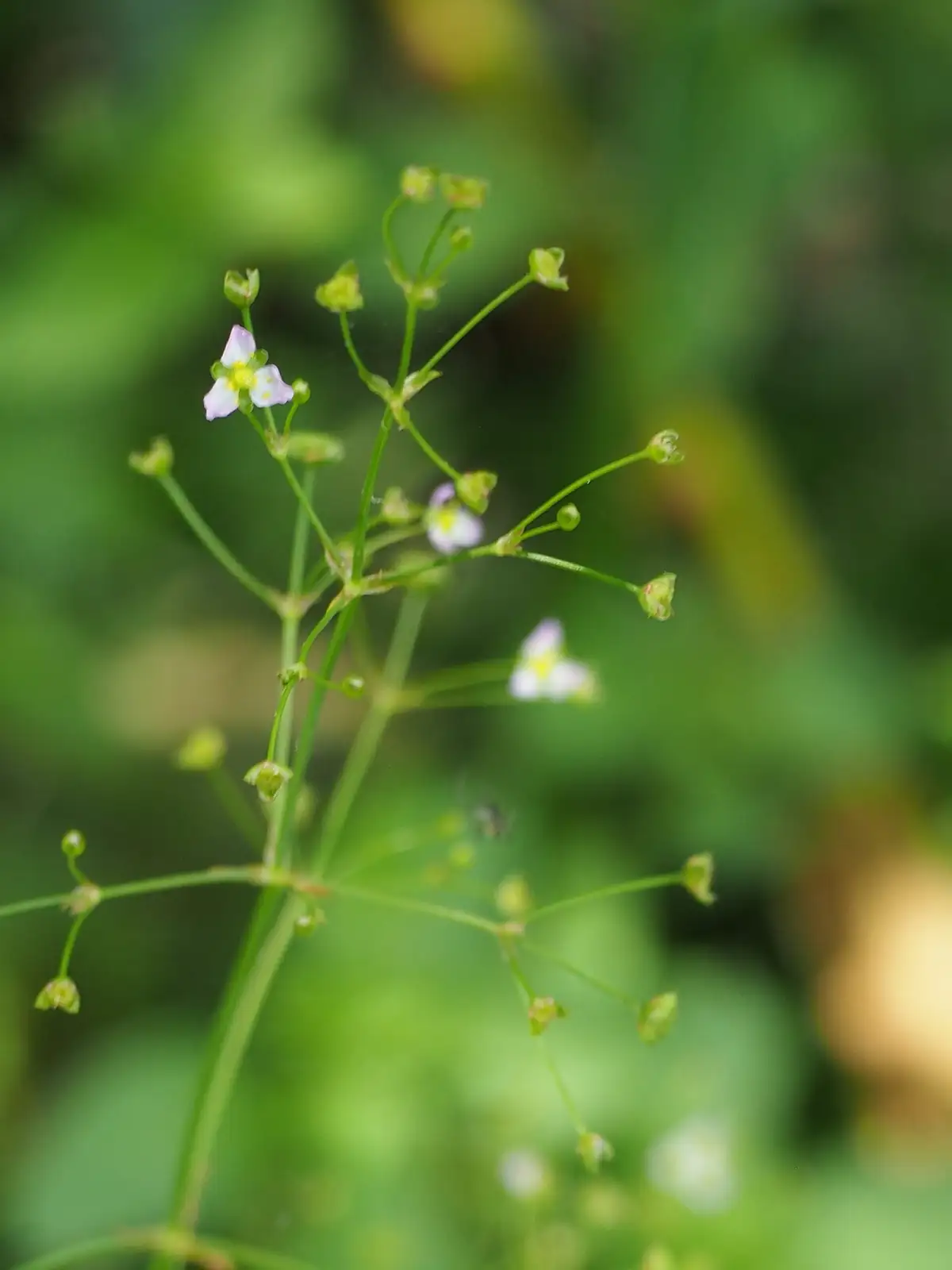
- Flower: Tall, branched inflorescences carry many small flowers. The rounded inner segments (petal-like) are larger than the outer segments and are typically white to pale pink, sometimes with a faint greenish tinge and subtly wavy edges. Anthers are yellow-green to yellow. After flowering, seeds ripen to a distinctive purple-red.
- Flowering Season: May–September
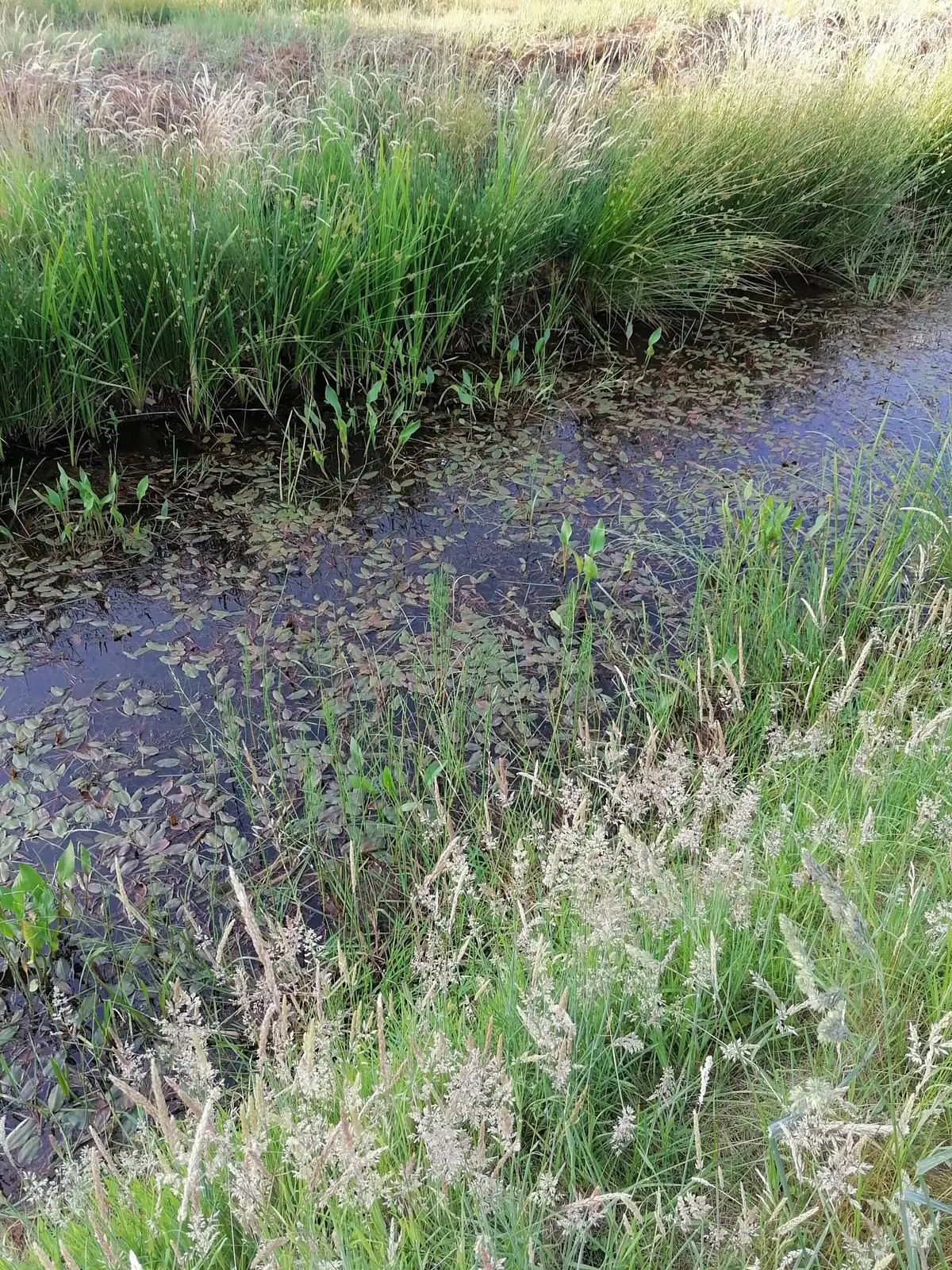
- Growth Habit: Perennial emergent aquatic/marsh plant—rooted in mud with leaves and flower stalks rising above shallow water.
Environment
Sunlight
Full sun to light shade; flowers best in full sun.
Temperature
Prefers warm conditions; most active growth in 18–30°C (64–86°F). In colder climates it dies back in winter and returns from underground parts when temperatures rise.
Humidity
High moisture required; thrives in saturated soil or shallow standing water.
Soil
Heavy, nutrient-rich mud or silty loam; tolerates poorly drained soils as long as roots stay wet.
Placement
Pond margins, bog gardens, and shallow shelves of water gardens; ideal for shallow-water features.
Hardiness
Generally suitable for USDA Zone 5–10 (varies with winter severity and whether crowns are protected by water/soil).
Care Guide
Difficulty
Easy—so long as it never dries out. Best grown as a pond-marginal rather than a typical houseplant.
Buying Guide
Pick plants with firm, fresh-looking leaves and a solid, healthy crown/rhizome. Avoid any with mushy bases or a sour smell (often early rot). For pond planting, choose vigorous clumps suited to marginal shelves.
Watering
Keep continuously wet. Grow in saturated soil, or place the pot so the crown sits just above the soil surface while the container stands in shallow water. Never let the medium dry out.
Fertilization
If grown in pond baskets with limited nutrients, use slow-release aquatic fertilizer tablets during the growing season per label directions. Avoid heavy feeding in natural ponds to help prevent algae problems.
Pruning
Remove yellowing or damaged leaves at the base. After flowering, cut back spent stalks for a neat look, or leave them to ripen seed if you’d like gentle self-seeding.
Propagation
Divide mature clumps in spring or early summer. It can also be grown from seed: collect ripe purple-red seeds and sow onto wet mud, keeping consistently wet until seedlings establish.
Repotting
Repot or divide every 1–2 years, or whenever it becomes crowded. Use a heavy loam/mud-based mix in a pond basket to prevent floating; top-dress with gravel if needed to reduce disturbance.
📅 Seasonal Care Calendar
Spring: divide/repot and begin feeding if needed. Summer: maintain water level; tidy spent stalks if desired. Autumn: reduce feeding and clean up. Winter: allow dormancy; protect crowns with wet soil/water and avoid containers freezing solid.
Pests, Diseases & Safety
Common Pests & Diseases
Usually trouble-free. Aphids may appear on flower stems, and snails/slugs can chew leaves. Crown/root rot can occur if plants sit in stagnant, foul conditions—improve water quality and remove affected tissue.
Toxicity
Not commonly listed as toxic to people or pets, but it’s still best not to ingest ornamental pond plants and to follow local guidance if animals have access.
Culture & Symbolism
Symbolism: Often linked with the peaceful feeling of still water and the natural beauty of wetlands in water-garden design.
History & Legends: A familiar wetland plant across East Asia, and a classic representative of pond-marginal plantings in traditional horticulture.
Uses: Mainly ornamental—used to soften pond edges, fill bog gardens, and add vertical texture and airy summer flowers to shallow-water landscapes.
FAQ
How deep can Oriental water plantain be planted?
Keep it shallow. It does best in saturated mud or with only a little water above the soil—about 0–10 cm (0–4 in) over the soil surface—then adjust based on how your pond shelf and climate behave.
Why is it not flowering well?
Lack of sun is the usual culprit. Move it to a brighter spot (full sun is best), keep moisture constant, and provide moderate nutrition during active growth if it’s in a low-nutrient basket.
Fun Facts
- It’s widespread across China and naturally grows along lakeshores, ponds, marshes, and other waterlogged places.
- Its flower stalks can rise well above the leaves, typically 20–70 cm (8–28 in) long, creating an airy, floating look.
- Leaves often show 5–7 strong veins and sit on thick petioles that broaden toward the base.
- Seeds ripen to a distinctive purple-red, and flowers may appear white, pale pink, or occasionally slightly greenish.


