


Plant Features
- Size: Typically about 60 × 60 cm (24 × 24 in) in a pot or hanging basket, depending on age and training.
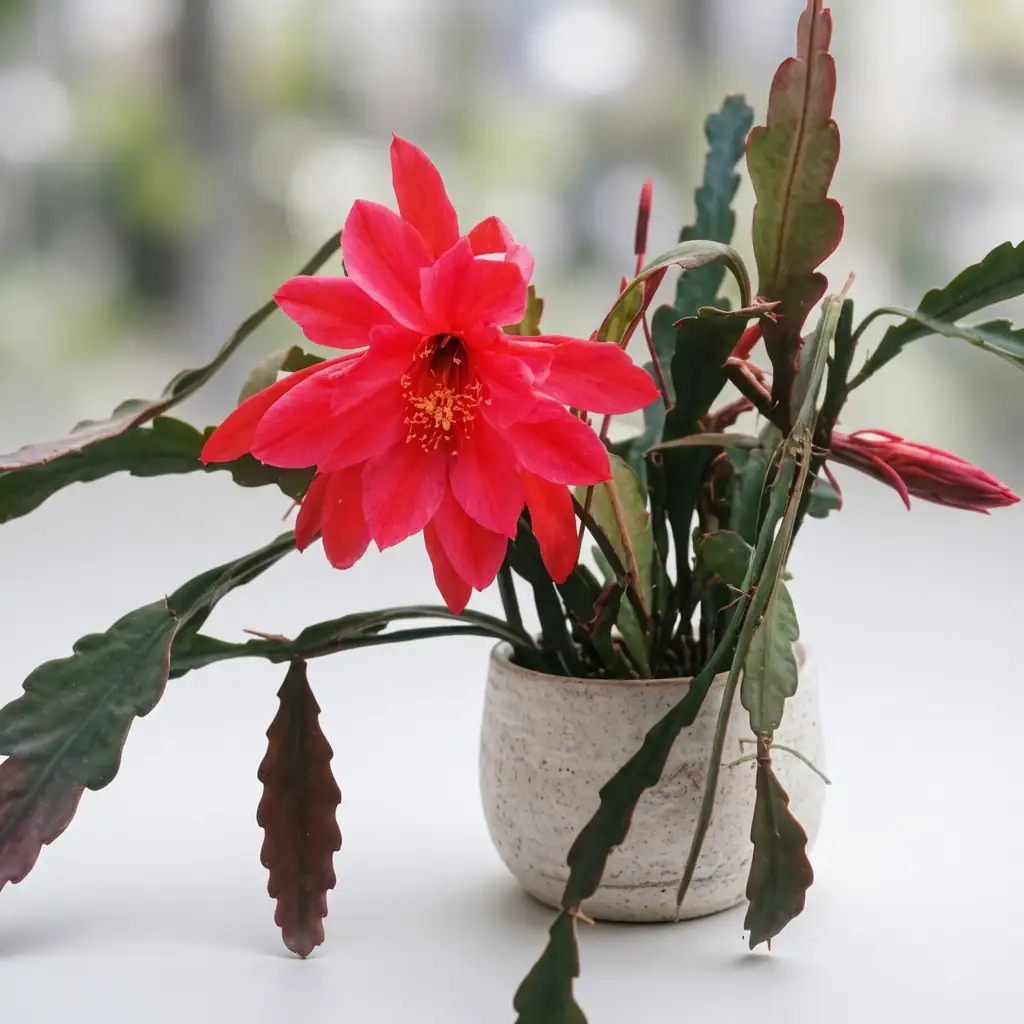
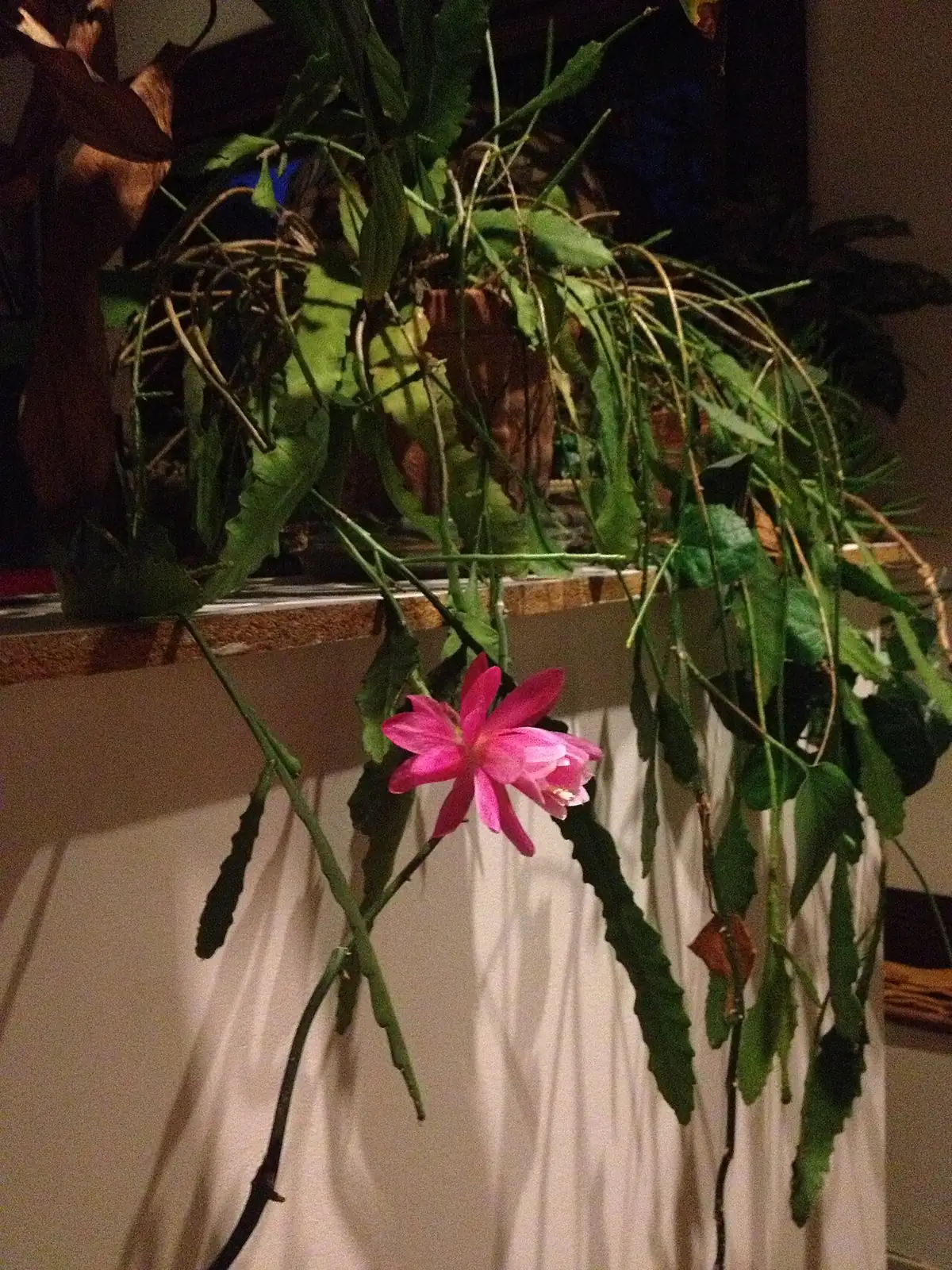
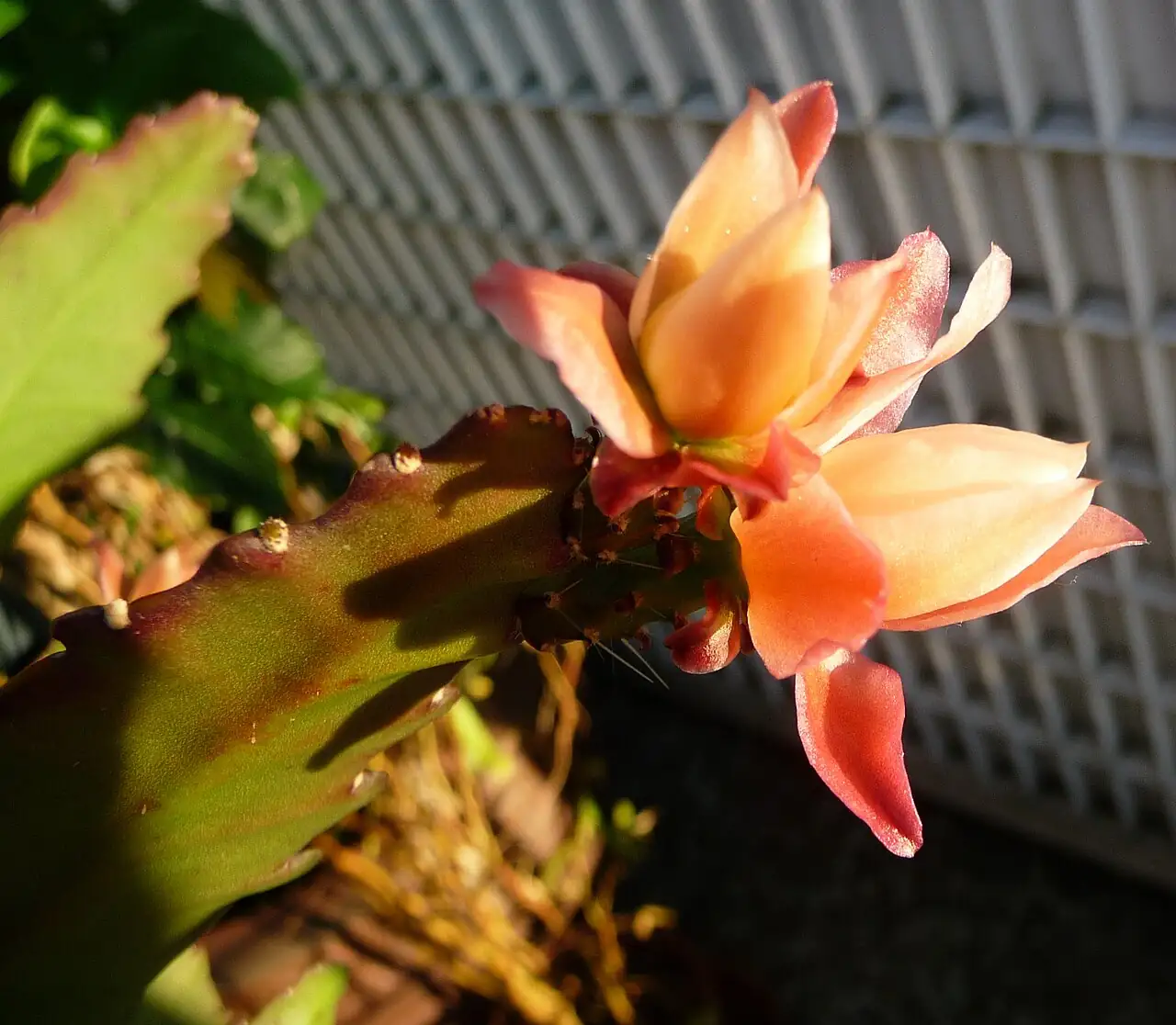
- Foliage: Flattened, thin, strap-like green stems (cladodes) with rounded, toothed/scalloped margins; stems naturally arch and trail as they lengthen.
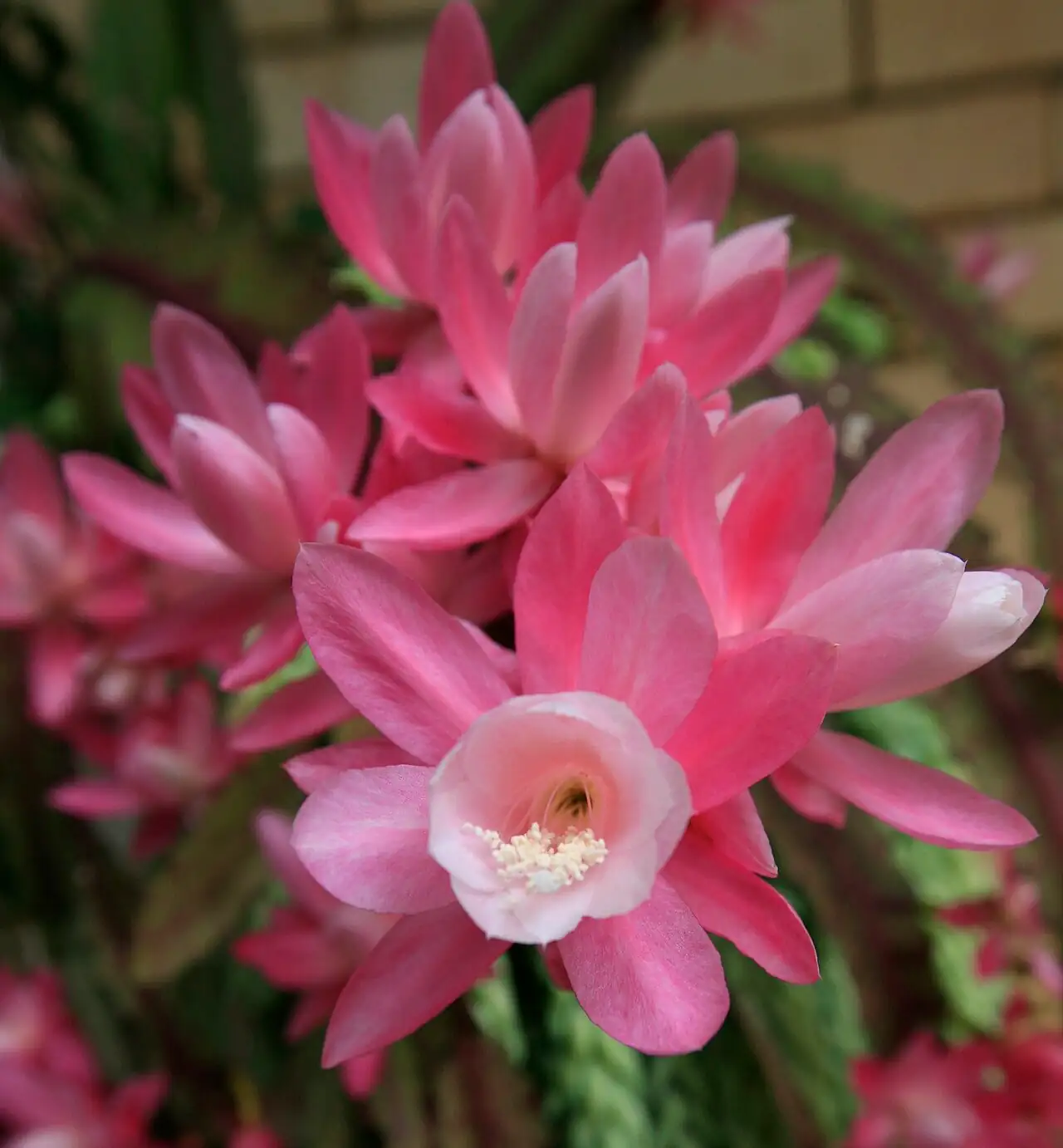
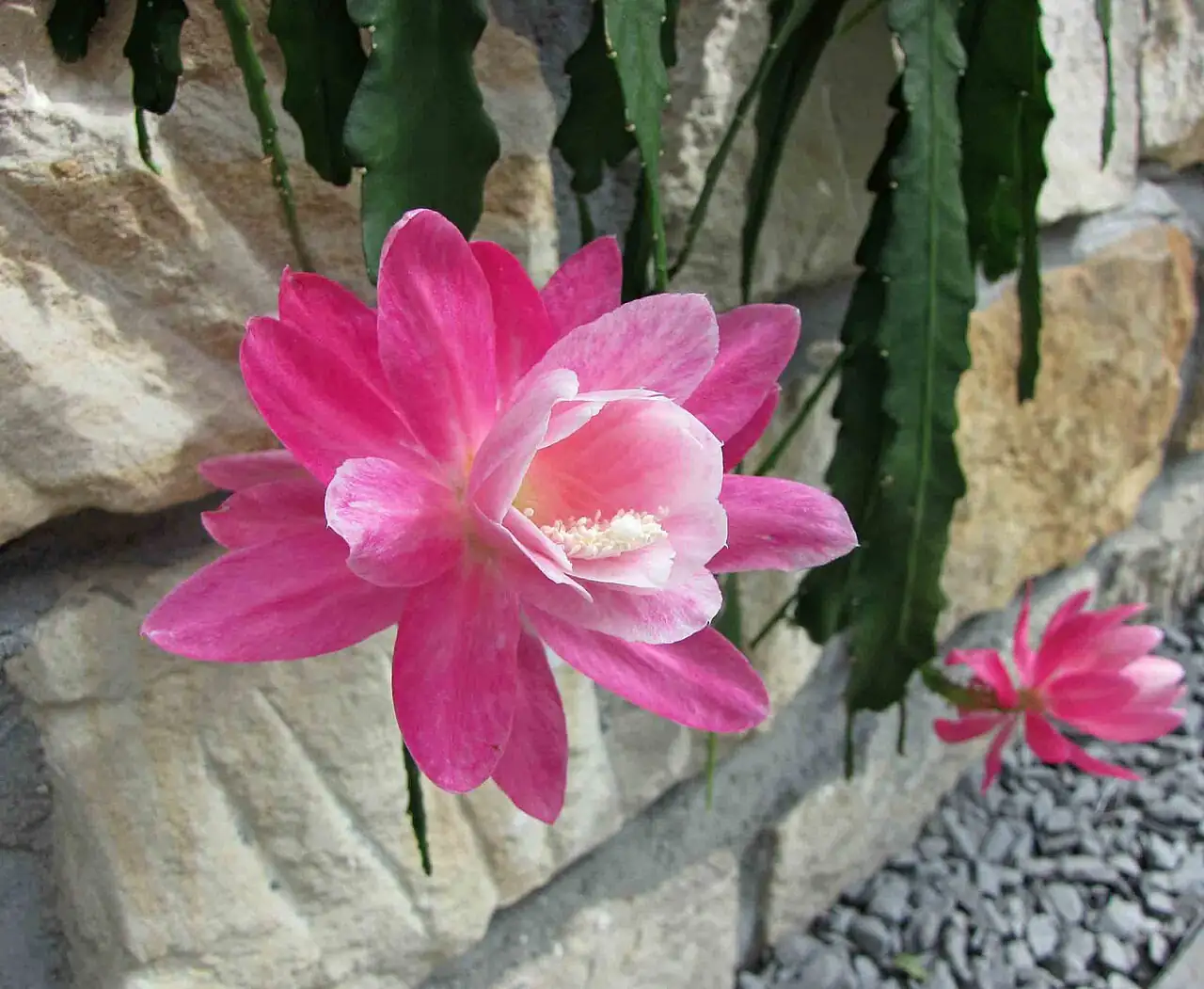
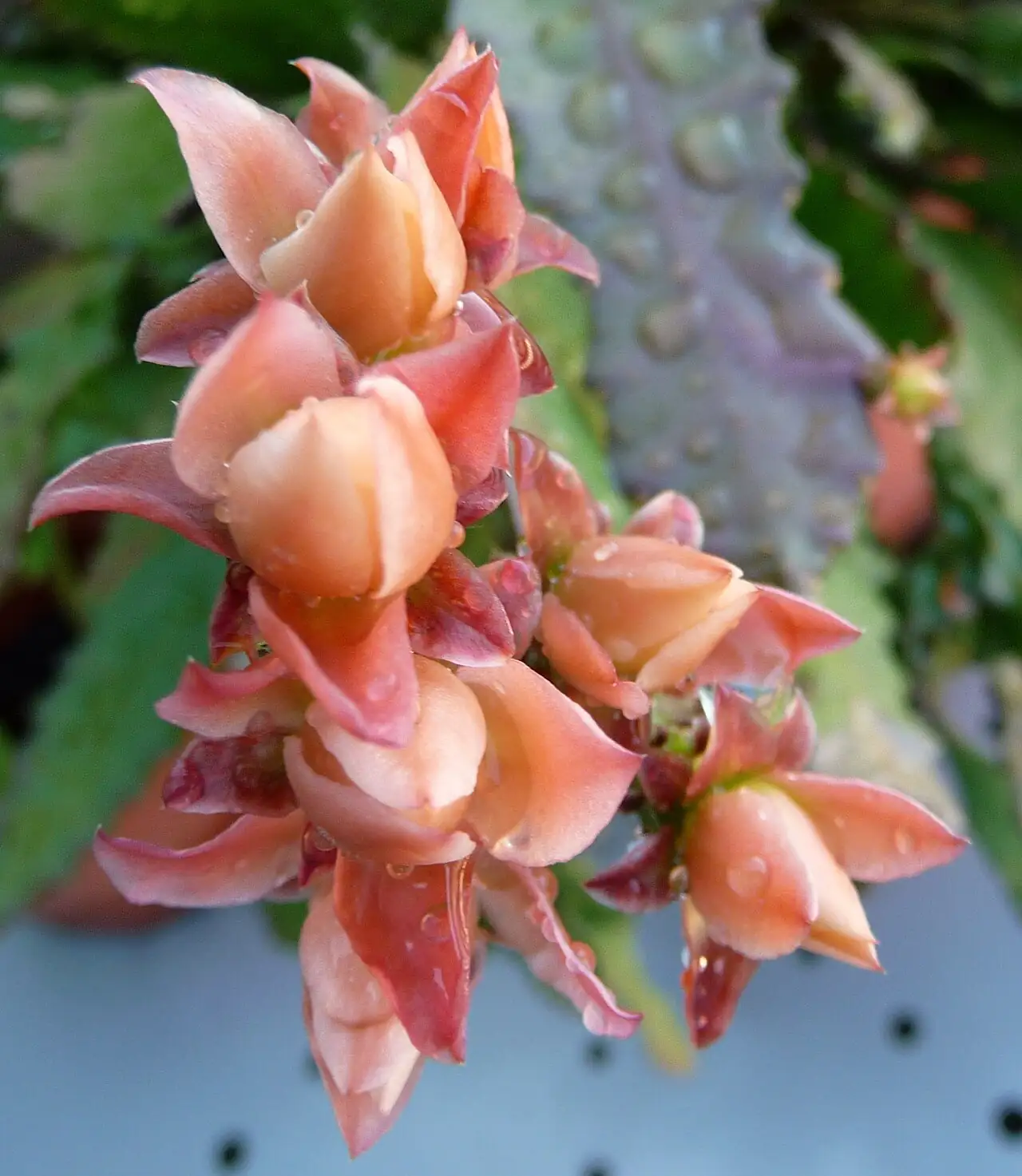
- Flower: Large, dramatic, funnel-shaped flowers that form along the stem margins; commonly red to pink in cultivation, and frequently seen in ornamental selections and hybrids.
- Flowering Season: Spring (often late spring; timing varies with light and a cooler winter rest).
- Growth Habit: Epiphytic and trailing/arching—naturally grows on trees or rocks in warm forests, making it especially well-suited to hanging baskets.
Environment
Sunlight
Bright, filtered light to partial sun. An east window or a few hours of gentle morning sun is ideal; avoid harsh midday sun behind glass.
Temperature
Active growth: 16–24°C (61–75°F) by day. Cooler nights around 4–12°C (39–54°F) can help bud formation. Preferred overall range is about 4–24°C (39–75°F); protect from frost.
Humidity
Moderate humidity. In hot, dry conditions, occasional light misting (preferably with rainwater or distilled water) can help—avoid leaving the plant wet late in the day.
Soil
Use an airy epiphytic cactus mix (orchid-bark style). A practical DIY blend is potting mix plus sharp sand at about 4:1 by volume, or use a commercial epiphytic/orchid cactus mix. Ensure fast drainage and good airflow around roots. Young plants often do well in a small pot/basket around 10 cm (4 in).
Placement
Best in a hanging basket in a bright room. Spring–autumn: bright light/partial sun. Winter: move to a cooler, shadier spot for a rest period, then return to brighter conditions in spring.
Hardiness
Not frost-hardy. Outdoors year-round only in very mild climates (roughly USDA Zone 10–11); elsewhere, overwinter indoors or in a frost-free shelter.
Care Guide
Difficulty
Easy—especially if you provide bright light, a loose airy mix, and a cooler, slightly drier winter rest to encourage flowering.
Buying Guide
Choose plants with firm, evenly green stems and no mushy spots, blackened areas, or shriveling. Check stem joints and crevices for mealybugs/scale. A slightly snug pot is fine (even beneficial), but avoid plants sitting in soggy, compacted soil.
Watering
Spring to early autumn: water regularly, letting the surface of the mix dry slightly before watering again. Winter: keep just barely moist—never wet or waterlogged. In very hot summers, occasional light misting with rainwater or distilled water can be helpful.
Fertilization
Spring through summer: feed every 2 weeks with a high-potassium fertilizer at 1/2 strength (a bloom formula works well). Reduce or stop feeding in autumn and winter.
Pruning
Pruning is usually minimal. Trim awkwardly long or damaged stems to shape the plant or encourage branching; let cut ends dry and callus before exposing to heavier watering.
Propagation
Most easily propagated from stem cuttings. Take a healthy segment, allow the cut end to dry/callus for several days, then place into a lightly moist, airy cactus/epiphyte mix. Keep in bright, indirect light until rooted. (Seed is possible but much slower.)
Repotting
Avoid frequent repotting—this cactus often blooms best when slightly root-bound. Repot only when clearly necessary (e.g., mix has broken down or roots are overcrowded), and go up only one pot size.
📅 Seasonal Care Calendar
Spring–autumn: keep in bright light/partial sun; aim for 16–24°C (61–75°F). If possible, provide cooler nights around 4–12°C (39–54°F). Winter: move to a cooler, shadier room and water sparingly; return to brighter conditions in spring to restart growth and flowering.
Pests, Diseases & Safety
Common Pests & Diseases
Common pests include mealybugs, scale insects, and spider mites (especially in dry indoor air). Overwatering or a dense, slow-draining mix can cause root/stem rot—use a fast, airy substrate and don’t let the pot sit wet.
Toxicity
Generally considered low-toxicity, but the sap can irritate sensitive skin, and chewing may cause mild stomach upset. Keep out of reach of pets and small children.
Culture & Symbolism
Symbolism: Often associated with dramatic beauty and the reward of patience—because it tends to flower best after a proper winter rest and when slightly root-bound.
History & Legends: Common names like “Queen of the Night” are sometimes used loosely for several night-blooming cacti; orchid cactus is best known as a beloved houseplant passed between growers as easy-to-root cuttings and prized for its showy seasonal bloom.
Uses: Ornamental houseplant, especially for hanging baskets—grown for cascading stems and spectacular spring flowers.
FAQ
What light does it need?
Give bright, filtered light to partial sun. From spring through autumn, a few hours of gentle morning sun is ideal; avoid harsh midday sun behind glass.
What temperatures does it prefer?
It grows best at 16–24°C (61–75°F) in the day, and cooler nights around 4–12°C (39–54°F) can help trigger buds. Keep it frost-free; overall comfort range is about 4–24°C (39–75°F).
How should I water it?
Water regularly from spring to early autumn when the surface of the mix dries slightly. In winter, keep it only barely moist. In hot summers, occasional misting with rainwater or distilled water can help.
When and how should I fertilize?
Feed in spring through summer every 2 weeks with a high-potassium fertilizer at half strength. Reduce or stop feeding in the cooler, darker months.
Do I need to repot it?
Not often. Orchid cactus typically blooms best when slightly root-bound, so repot only when necessary and only step up one pot size.
Fun Facts
- Unlike desert cacti, orchid cacti are epiphytes—adapted to grow in trees in warm, humid forests.
- A cooler, drier winter rest is one of the most effective ways to encourage spring flowering indoors.


