Plant Features
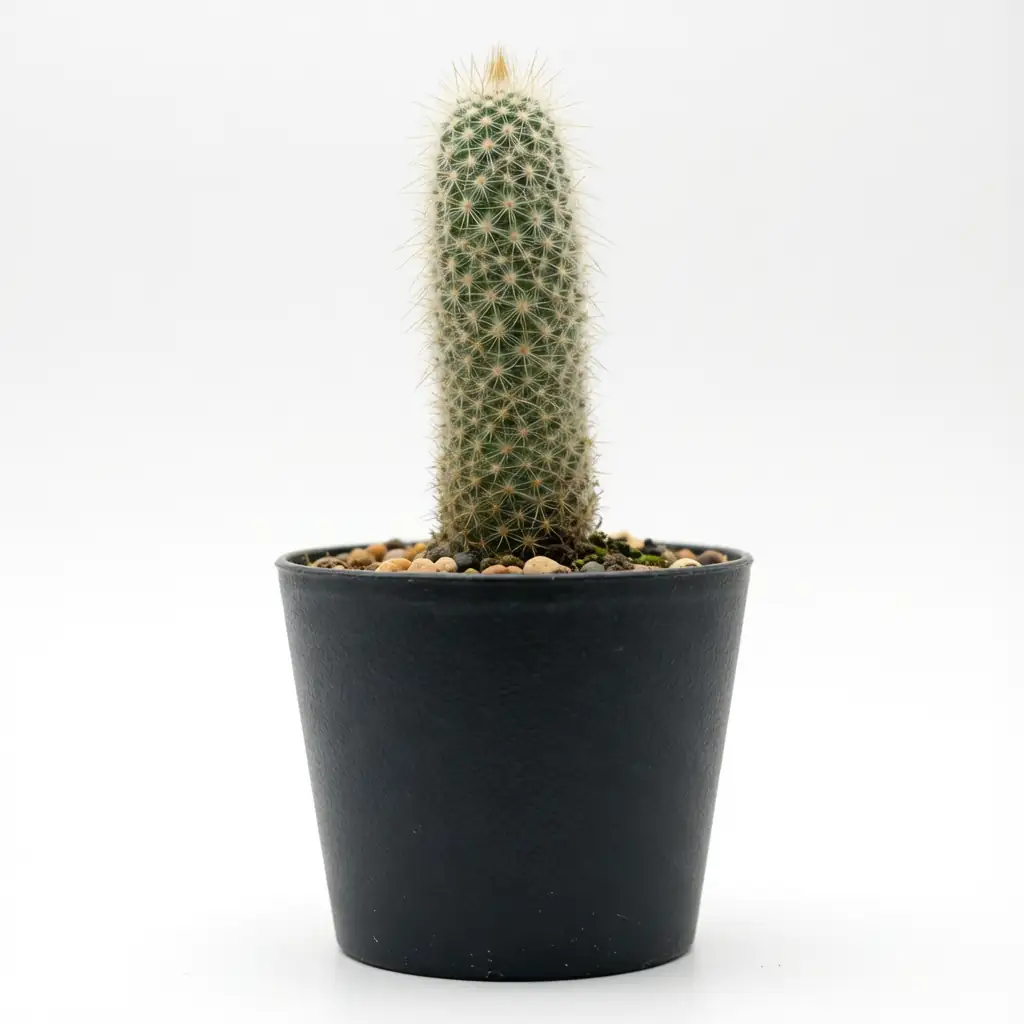
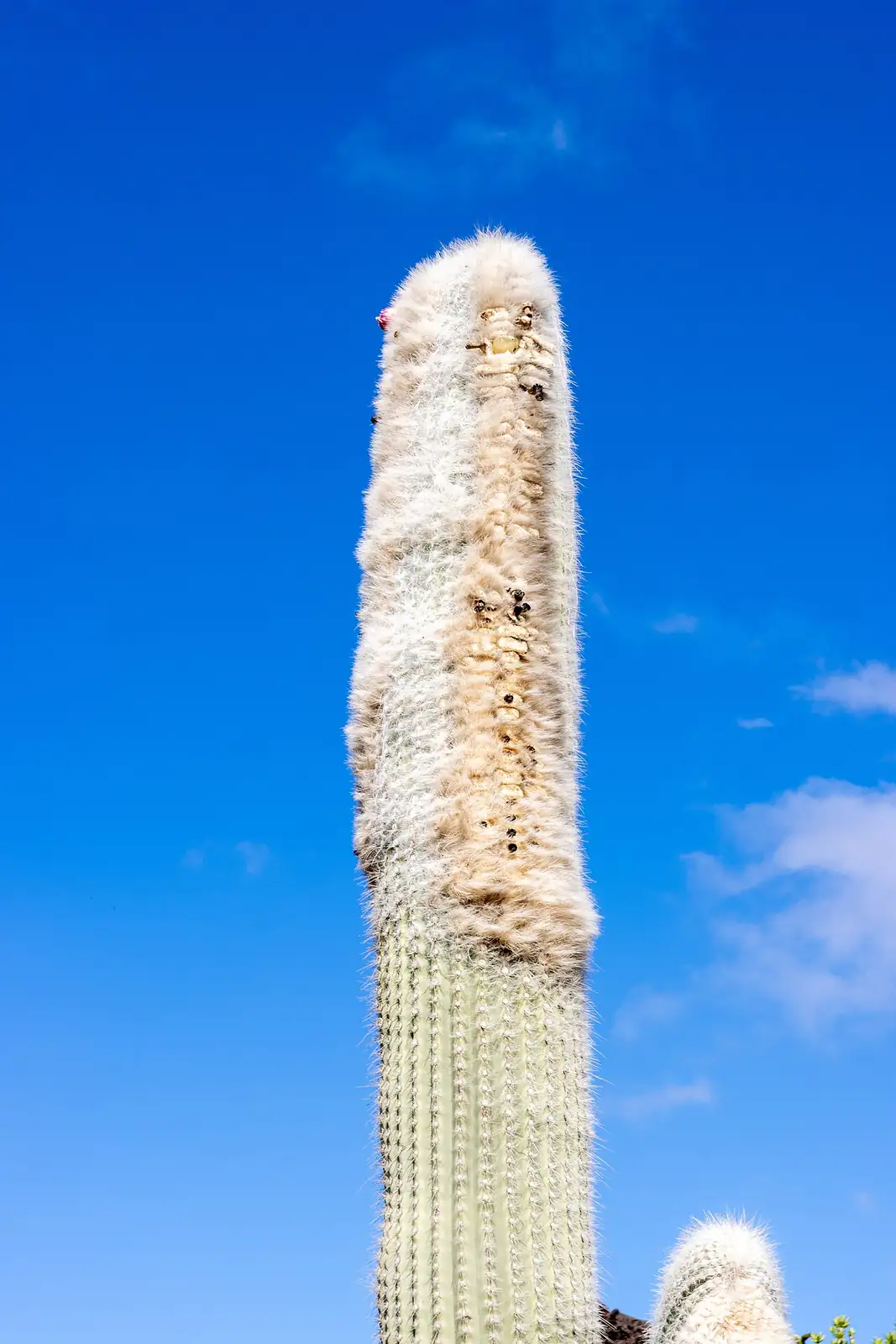
- Size: About 30 × 10 cm (12 × 4 in) for a typical container-grown plant; can become much taller with age in ideal greenhouse or outdoor conditions.
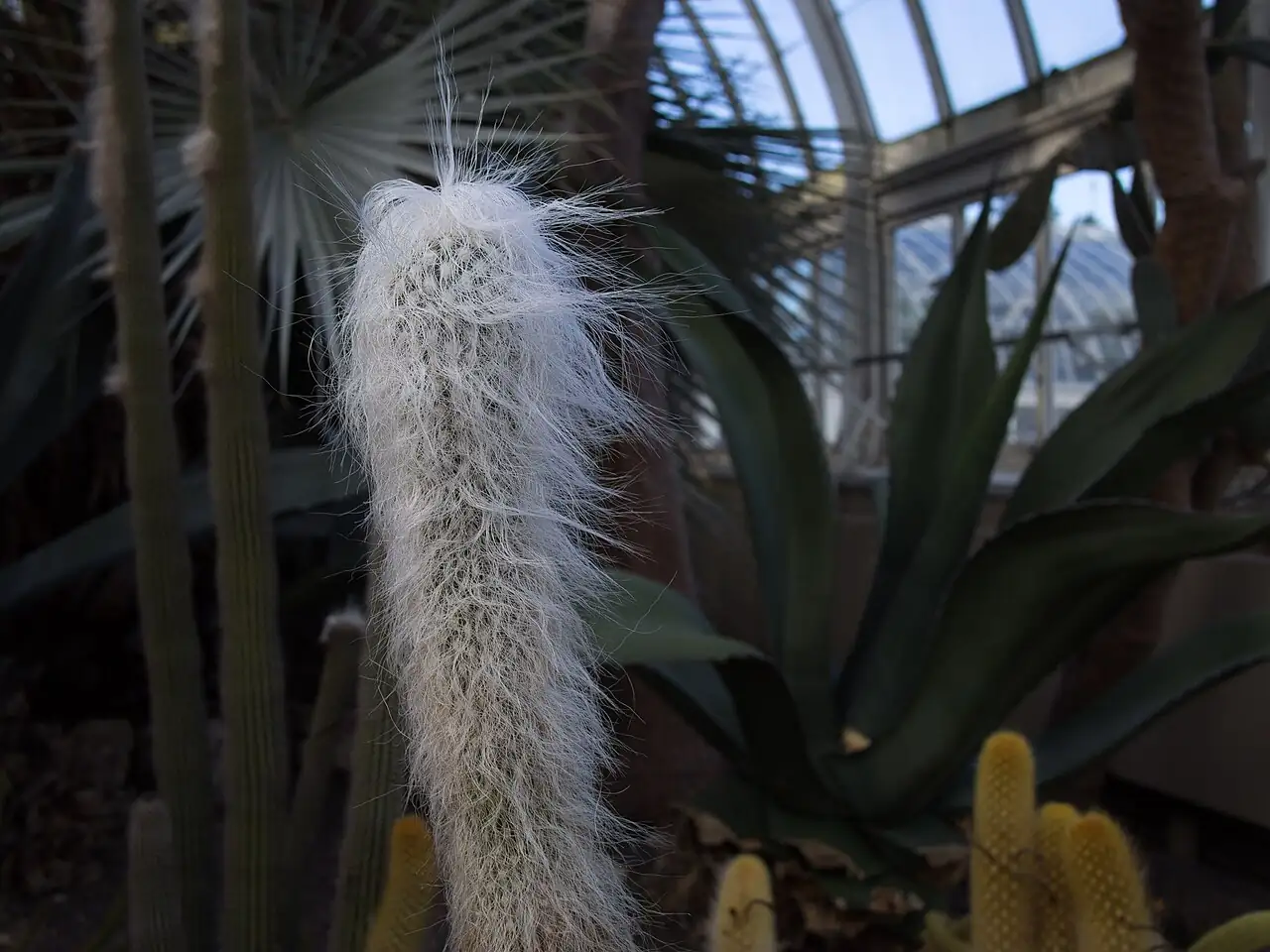
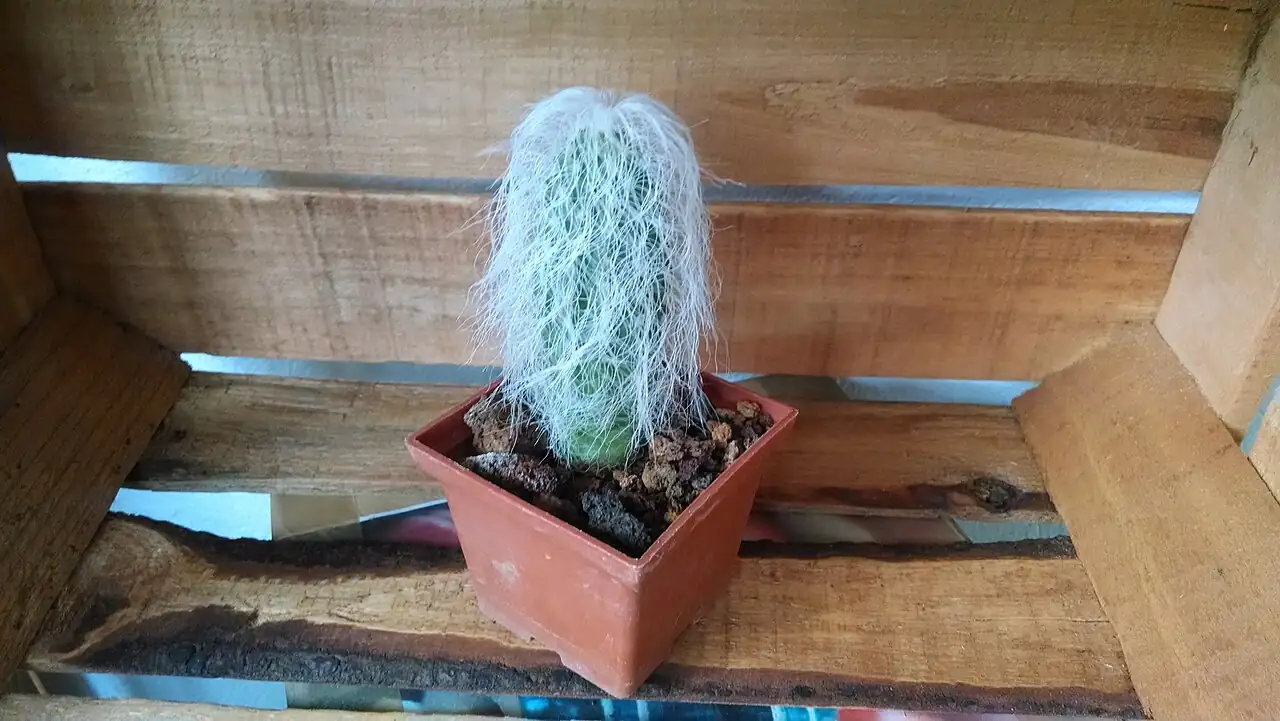
- Foliage: No true leaves. The upright stems are densely wrapped in long, fine, white hairs (especially on younger growth), giving the plant a soft-looking silver-white appearance—though hidden spines may still be present beneath the “wool.”
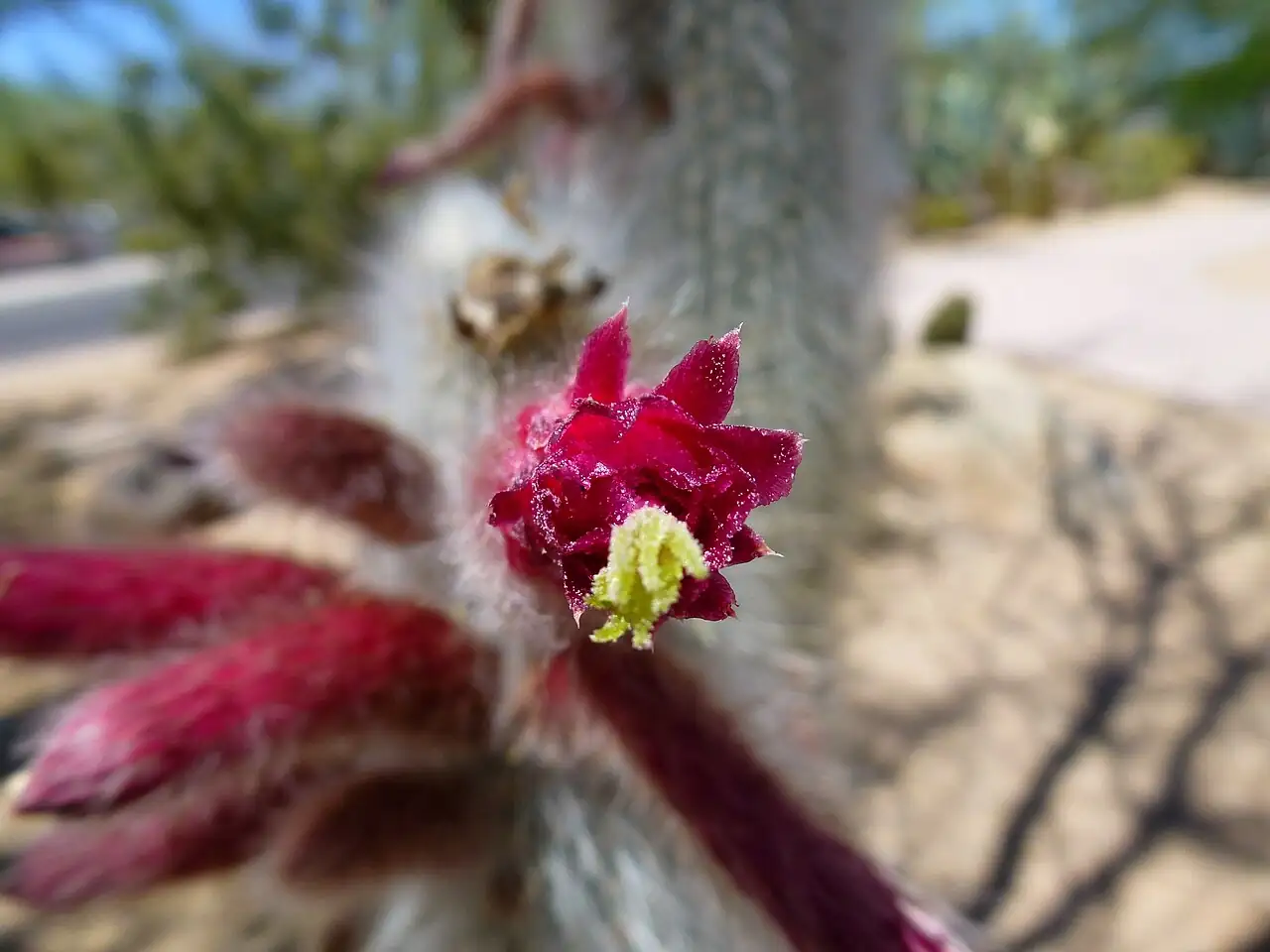
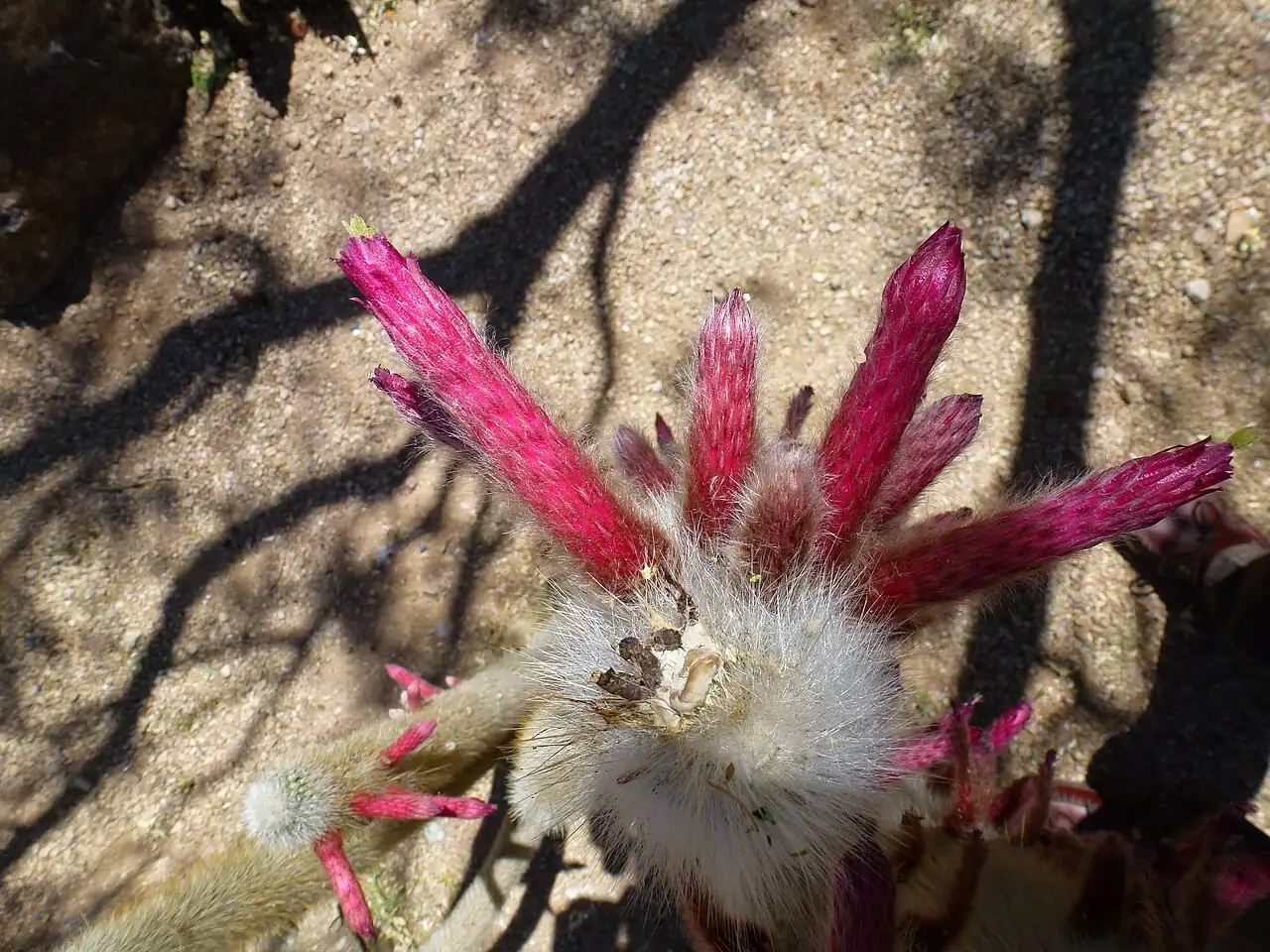
- Flower: Flowers may appear in red, yellow, or white, but flowering is rare in cultivation, particularly indoors and in pots.
- Flowering Season: Typically summer in habitat; in containers it is sporadic and uncommon.
- Growth Habit: Upright, columnar, usually unbranched stems; may clump from the base as it matures.
Environment
Sunlight
Full sun for best growth and dense hair. In very hot summers, provide bright light with light afternoon shade to prevent sun scorch, especially if the plant has recently been moved outdoors.
Temperature
10–32°C (50–90°F). Keep it drier in winter and protect from frost; aim to keep it above about 5°C (41°F).
Humidity
Prefers low humidity with good airflow. Try to keep the white hairs dry when possible to reduce pest and fungal issues.
Soil
Very fast-draining cactus mix. A good DIY option is equal parts potting soil, coarse sand, and perlite/pumice for sharp drainage.
Placement
Brightest window, sunroom, or greenhouse. Can summer outdoors in full sun once acclimated; in winter, move to a cool, very bright place.
Hardiness
Not frost-hardy; outdoors year-round only in warm, frost-free climates (roughly USDA Zone 10–11).
Care Guide
Difficulty
Easy, as long as it gets strong light and the soil dries quickly—overwatering is the main way it’s accidentally harmed.
Buying Guide
Handle with protective gloves—spines can hide under the hair. Choose a plant that is firm, upright, and free of soft spots (especially near the base). Look for clean, dry hairs rather than damp or matted patches. Start it in a small pot around 10 cm (4 in) wide with a gritty cactus mix, give strong light, and overwinter in a cool, bright spot.
Watering
Water thoroughly, then wait until the top 1–2 cm (0.4–0.8 in) of mix is completely dry before watering again. In winter, reduce drastically to just 1–2 waterings for the entire season (or none if kept cool), since cold + wet soil can quickly lead to rot.
Fertilization
Feed once a month in spring and summer with a cactus fertilizer (full strength per label or slightly diluted). Stop feeding in fall and winter.
Pruning
Usually unnecessary. Only remove damaged or rotting tissue with a sterile blade; allow cuts to callus fully before resuming watering.
Propagation
Most commonly grown from seed. Older clumps may occasionally produce basal offsets that can be separated; allow cut surfaces to callus, then pot into dry, gritty mix.
Repotting
Repot young plants each spring; mature plants about every 2 years. Use a fast-draining cactus mix and only move up to a slightly larger pot to avoid excess wet soil around the roots.
📅 Seasonal Care Calendar
Spring: repot young plants; restart monthly feeding. Summer: give full sun, but provide light afternoon shade in extreme heat; water only after the mix dries. Fall: taper feeding and watering. Winter: keep cool and very bright; water only 1–2 times total (or not at all if kept cool).
Pests, Diseases & Safety
Common Pests & Diseases
The biggest threat is rot from overwatering or heavy, slow-draining soil. Watch for mealybugs (including root mealybugs), scale, and spider mites. Treat early with insecticidal soap or horticultural oil and improve airflow. Keeping the hairs dry helps discourage pests and fungal problems.
Toxicity
Not known to be poisonous, but it can injure skin through hidden spines and cause irritation. Keep out of reach of children and pets, and handle with gloves.
Culture & Symbolism
Symbolism: Often linked with longevity, resilience, and quiet wisdom—thanks to its “old man” look and slow, steady growth.
History & Legends: A much-loved Mexican columnar cactus in cultivation, famous for its woolly hairs. In the wild those hairs function like a built-in sunshade, helping protect the stem from harsh desert sunlight.
Uses: Primarily ornamental—ideal for bright indoor windows, patios, and conservatories where its unusual texture and silhouette can be admired up close.
FAQ
How often should I water it?
Water when the top 1–2 cm (0.4–0.8 in) of soil is completely dry. In winter, cut back to only 1–2 waterings for the whole season (or none if kept cool).
How much light does it need?
Full sun is best. In very hot summers, provide bright light with light afternoon shade to prevent sun scorch, especially after moving it outdoors.
When and how often should I fertilize?
Feed once a month in spring and summer with a cactus fertilizer, then stop fertilizing in fall and winter.
What pot and soil should I use?
Use a fast-draining cactus mix, or a DIY blend of equal parts potting soil, coarse sand, and perlite/pumice. A small pot around 10 cm (4 in) wide is great for young plants.
When should I repot?
Repot young plants every spring; repot mature plants about every 2 years, stepping up pot size only slightly.
Fun Facts
- Those long white hairs work like a natural parasol, helping shield the cactus from intense sun in its native habitat.
- It’s slow-growing in pots, but with time (and strong light) it can become a dramatic, tall column—especially in greenhouse conditions.
- Even though it looks dramatic and delicate, it’s often easier than many leafy houseplants—just keep it bright and don’t overwater.