Plant Features
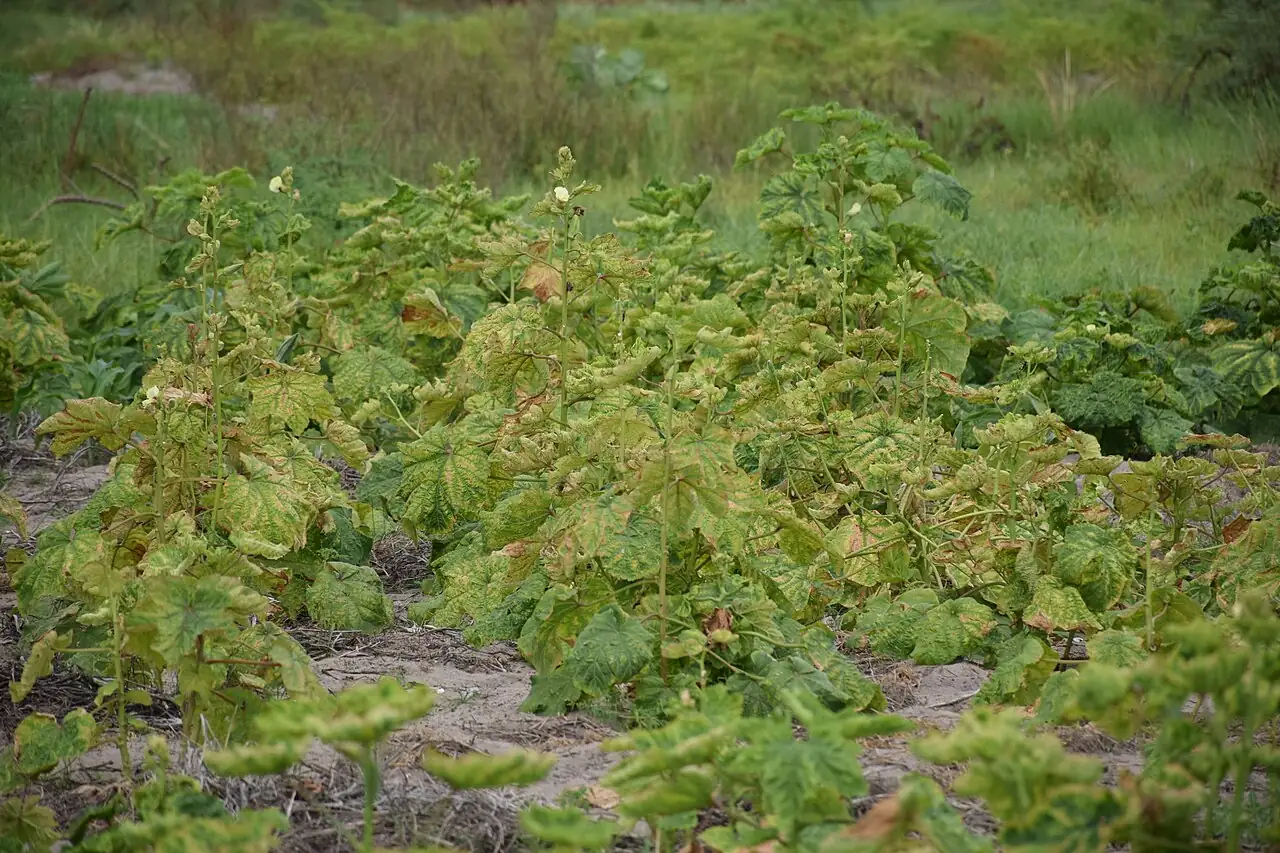
- Size: Typically 1.5–2 m (4.9–6.6 ft) tall; spread about 0.6–1 m (2–3.3 ft) depending on cultivar and spacing.
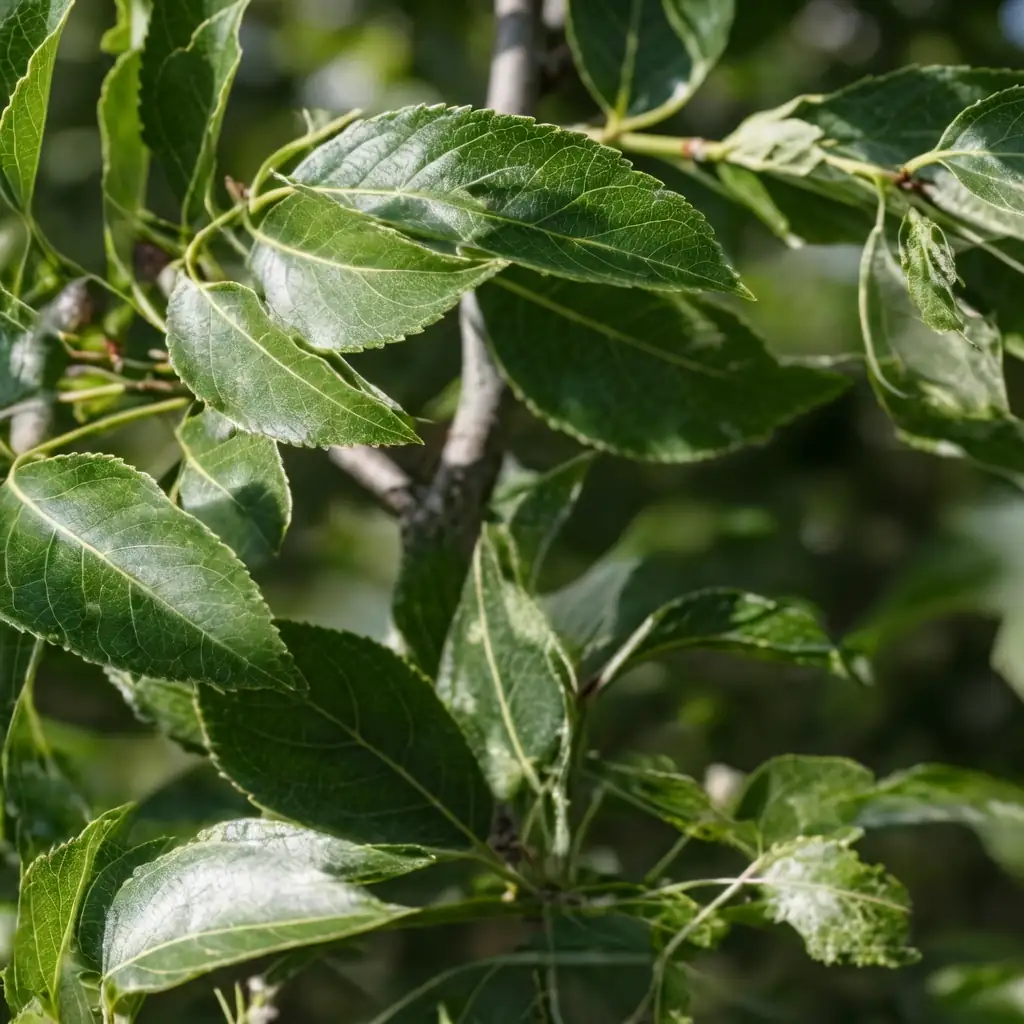
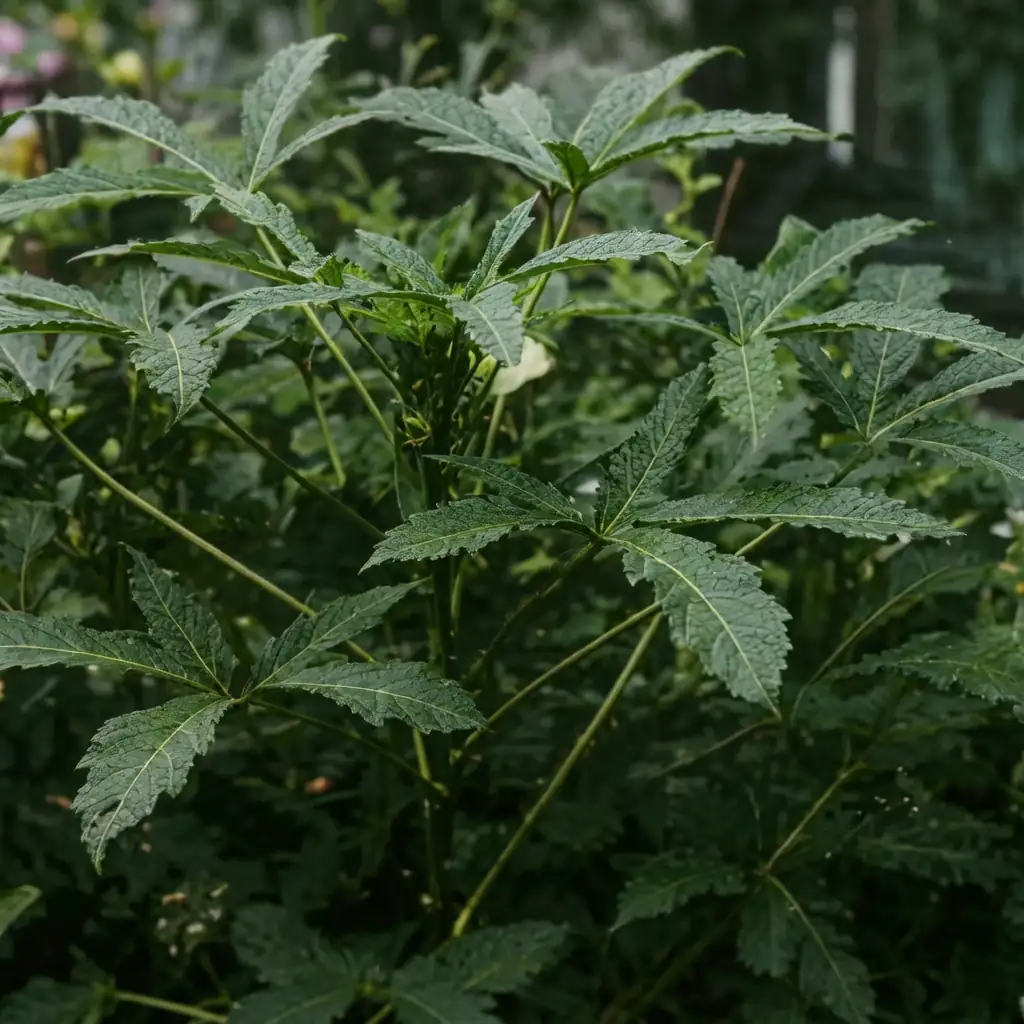
- Foliage: Large, palmately lobed leaves (lobes can be broad to narrow) with a rough, bristly texture; linear stipules may be present at the leaf base.
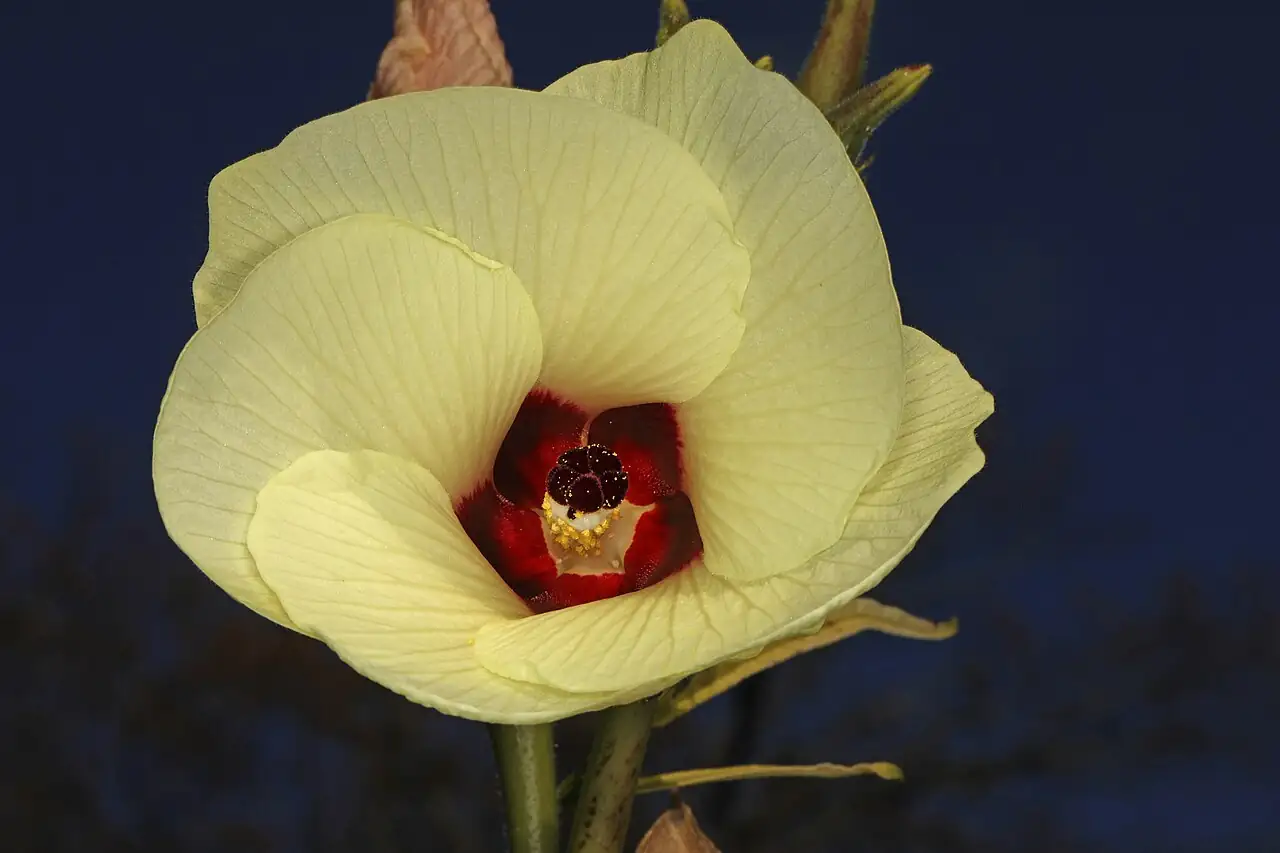
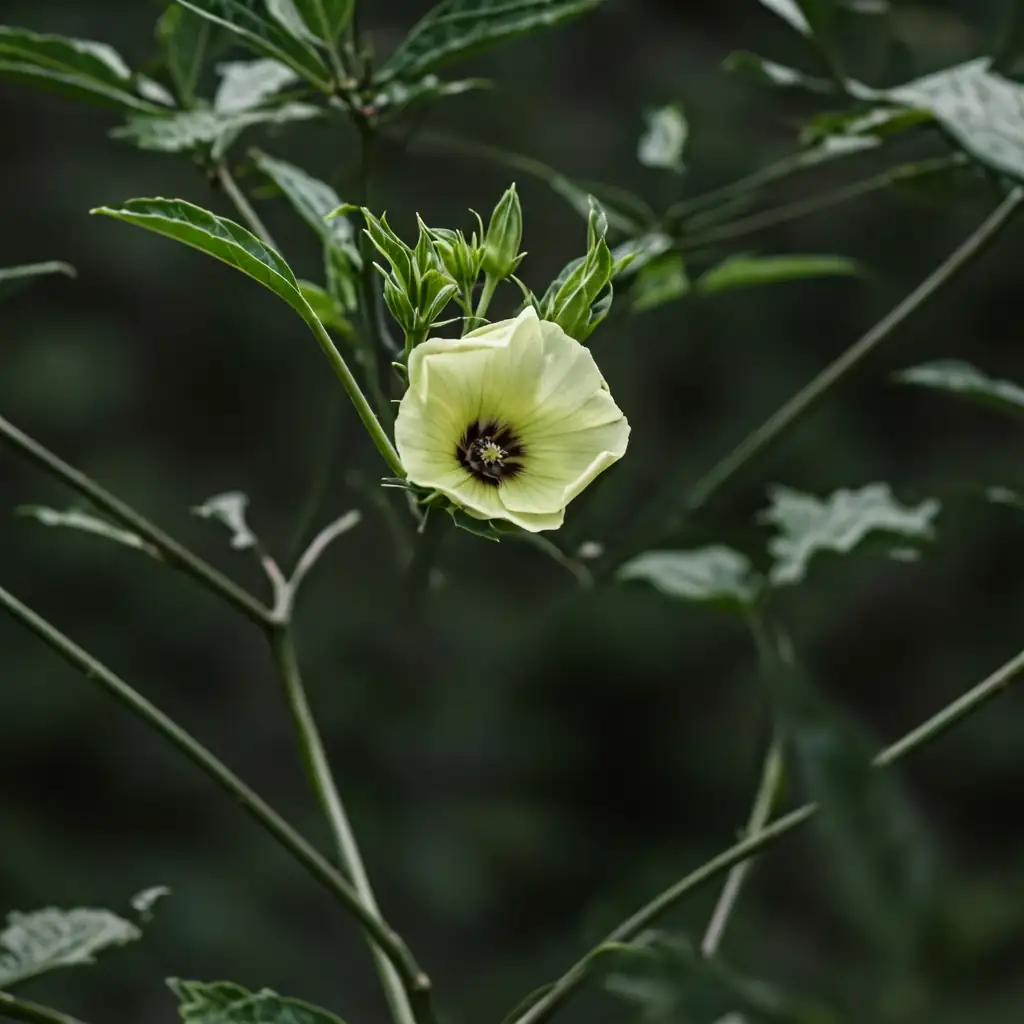
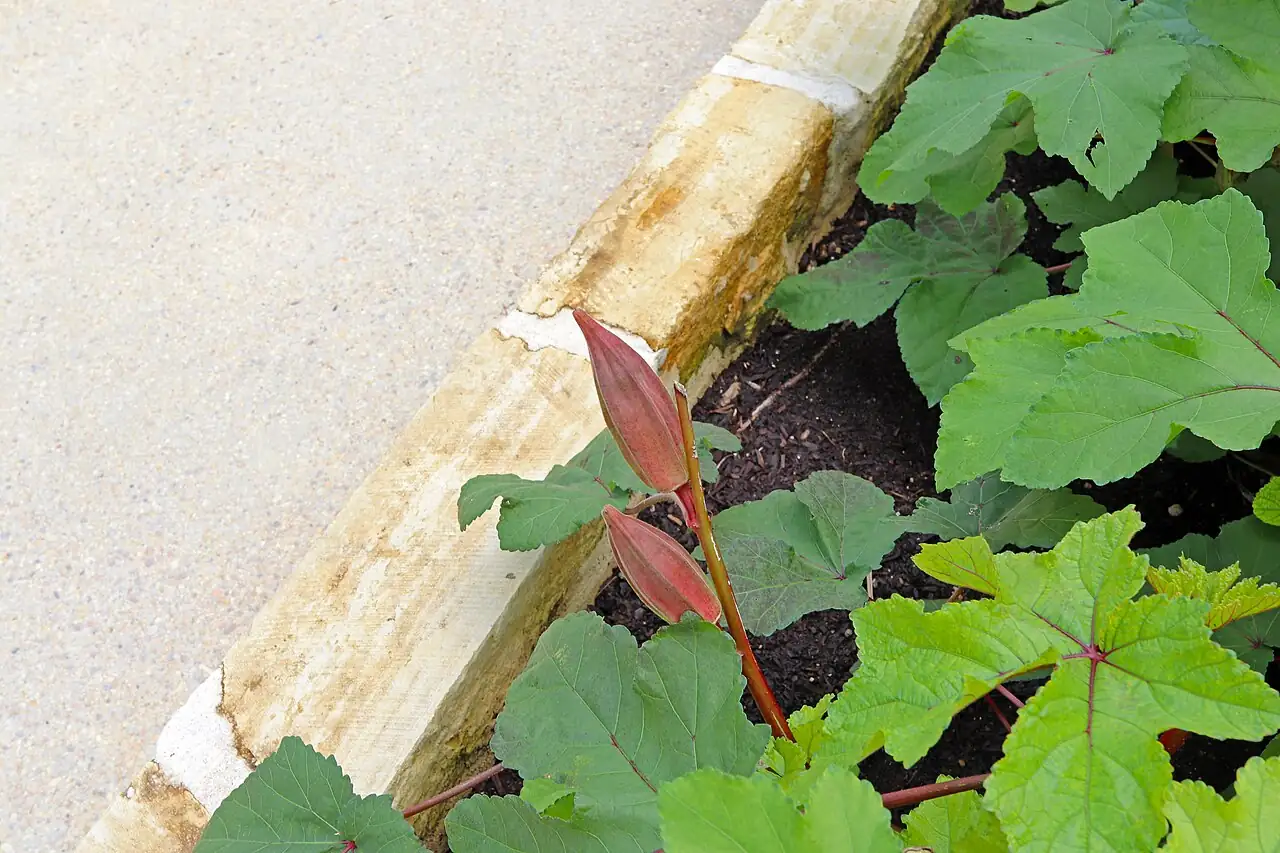
- Flower: Solitary flowers form in the leaf axils. Blooms are funnel- to bell-shaped and hibiscus-like, often yellow with a purple or maroon throat; flowers are followed by elongated, ridged pods.
- Flowering Season: May–September (May–Sep)
- Growth Habit: Fast-growing, upright annual herb with cylindrical, sometimes prickly stems. Thrives in heat and long bright days; fairly tolerant of drought and humidity once established, but sensitive to waterlogging.
Environment
Sunlight
Full sun, ideally 6–8+ hours of direct light per day; more sun usually means better flowering and pod set.
Temperature
Best growth around 20–35°C (68–95°F). Cold sensitive—protect from temperatures below about 10°C (50°F) and avoid frost entirely.
Humidity
Adaptable to both dry and humid climates, as long as roots aren’t kept in wet, stagnant conditions.
Soil
Deep, fertile, well-drained loam or sandy loam. Mix in organic matter for steady growth, but prioritize drainage to prevent root problems.
Placement
Best outdoors in a warm, sunny, sheltered spot (vegetable bed, raised bed, or a large container with excellent drainage). Indoors is possible only with very bright light and sustained warmth.
Hardiness
Frost-tender annual; can behave like a short-lived perennial only where winters are frost-free (roughly USDA Zone 10–12).
Care Guide
Difficulty
Moderate: very straightforward in hot, sunny summers, but can be frustrating in cool, cloudy climates. Success hinges on warmth, strong sun, and well-drained soil.
Buying Guide
Buy fresh seed from a reputable source, or pick stocky seedlings with thick stems and healthy green leaves. Avoid plants that are pot-bound or show signs of rot or collapse at the base. If your goal is eating quality, choose cultivars known for tender pods in your region.
Watering
Water deeply, then allow the top layer of soil to dry slightly before watering again. Once established, okra tolerates short dry spells, but it yields best with even moisture. Never keep soil soggy—poor drainage leads to stress and root rot.
Fertilization
Before planting, enrich soil with compost or a balanced base fertilizer. During active growth and flowering, feed about every 2–4 weeks with a balanced vegetable fertilizer. Don’t overdo nitrogen, which can produce lush leaves at the expense of flowers and pods.
Pruning
Usually unnecessary. Remove yellowing lower leaves to improve airflow and reduce disease pressure. In very long growing seasons, light tip-pruning of overly tall plants can encourage branching, but avoid heavy pruning that slows production.
Propagation
Primarily by seed. Sow after the last frost when the soil is warm. For quicker sprouting, soak seeds 8–12 hours before sowing. Plant 1–2 cm (0.4–0.8 in) deep. If starting in pots, transplant carefully—okra dislikes root disturbance.
Repotting
In containers, use a large pot—about 20–40 L (5–10 gal)—with excellent drainage from the start. Repot only if truly needed, and do it gently early in growth to minimize root shock.
📅 Seasonal Care Calendar
In warm conditions, flowering runs roughly May–September (May–Sep), with pods harvested continuously through summer. Letting pods mature for seed typically happens later—often stretching into early autumn, and in warm climates seed/pod maturity may extend about September–December (Sep–Dec).
Pests, Diseases & Safety
Common Pests & Diseases
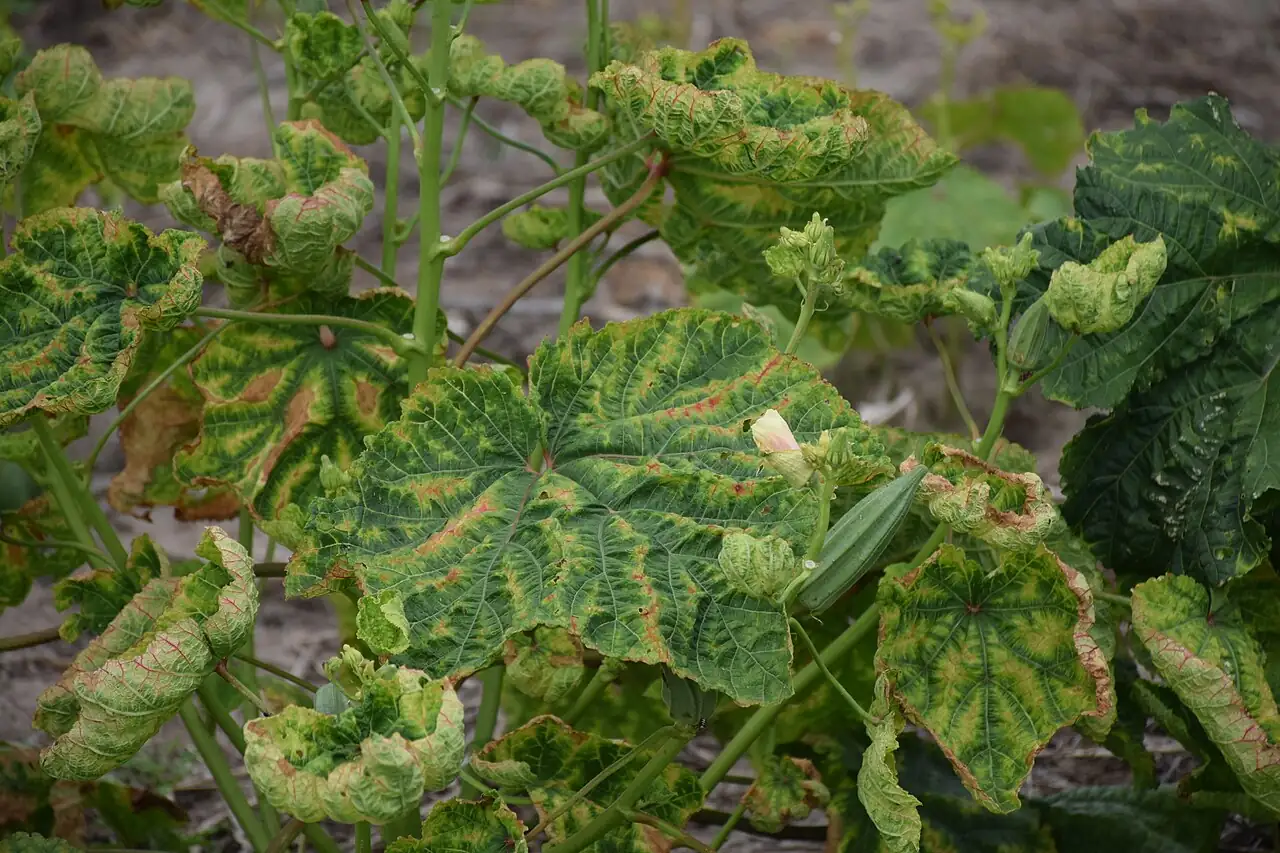
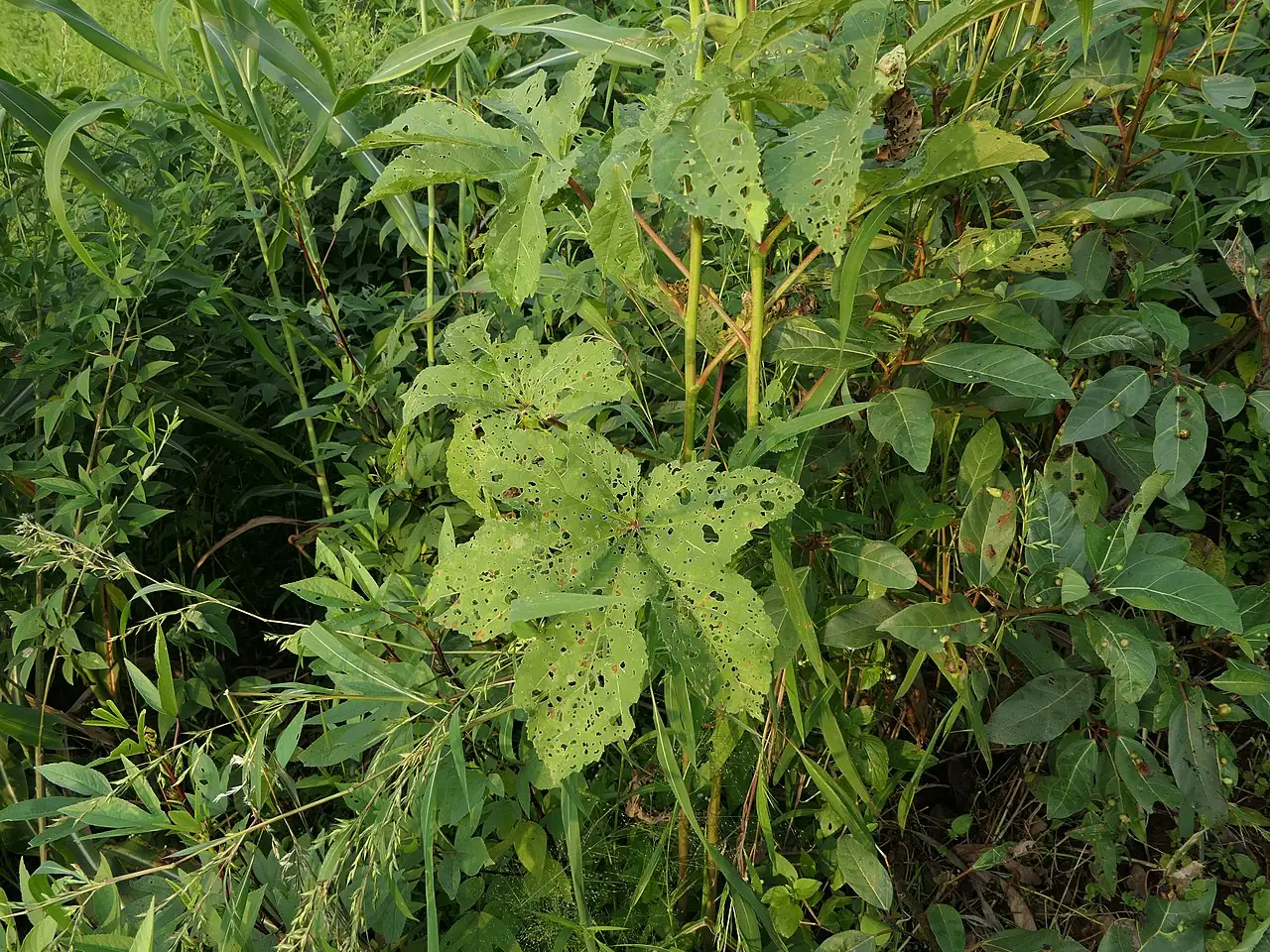
Watch for aphids, whiteflies, spider mites, flea beetles, and caterpillars. Common diseases include powdery mildew, leaf spots, and root rots—especially when spacing is tight or soil stays wet. Use crop rotation, give plants good airflow, and avoid overhead watering late in the day.
Toxicity
Generally non-toxic to people and pets. However, the bristly hairs on stems and pods can irritate sensitive skin—gloves can make harvesting more comfortable.
Culture & Symbolism
Symbolism: Often linked with abundance and nourishment, since a healthy plant can produce pods steadily over a long season.
History & Legends: Cultivated for centuries, okra spread widely along trade routes and became deeply rooted in African, Middle Eastern, South Asian, and Southern U.S. cooking—especially famous for its role in gumbo and for naturally thickening soups and stews.
Uses: Grown mainly as a vegetable for its young, tender pods (stir-fried, stewed, pickled, grilled, or added to soups where it acts as a natural thickener). It’s also planted ornamentally for its large, hibiscus-like flowers and dramatic, upright form, and it’s an important crop in many warm regions.
FAQ
Why are my okra flowers dropping without forming pods?
This is usually stress: temperatures that are too cool, not enough sun, or uneven watering. Keep okra in full sun, provide steady moisture without waterlogging, and prioritize warmth—okra sets pods best in heat.
How do I harvest okra so it stays tender?
Harvest pods young—often around 5–10 cm (2–4 in) long, depending on the cultivar—and pick every 1–2 days at peak production. Pods left too long become tough and fibrous quickly.
Fun Facts
- Okra blooms look remarkably like hibiscus flowers—big, showy, and often yellow with a dark center.
- In hot weather, okra can flower and fruit for a long stretch, producing pods continuously with frequent picking.
- Okra is sometimes nicknamed the “king of vegetables” in popular writing because it can be highly productive and economically important.