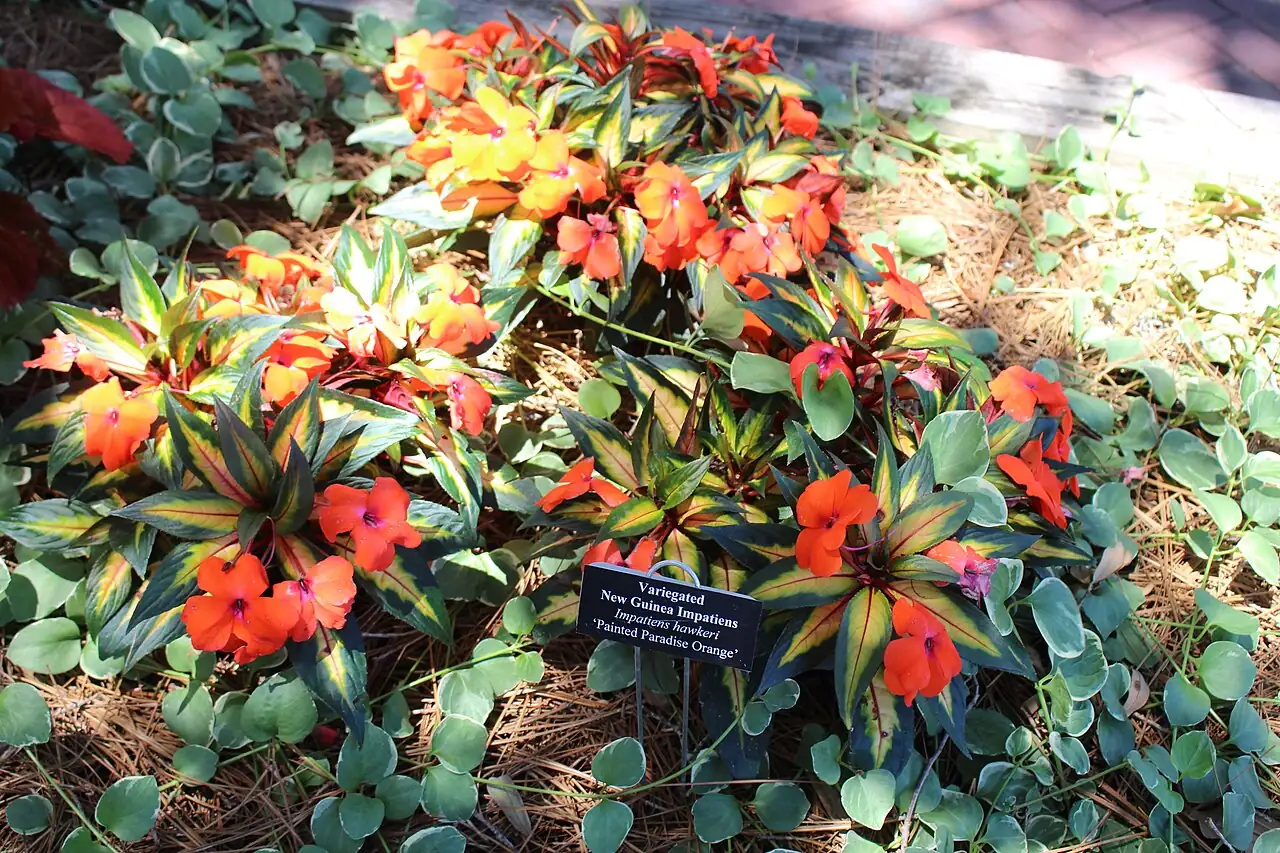
Plant Features
- Size: Typically about 20 × 30 cm (8 × 12 in) (height × spread).
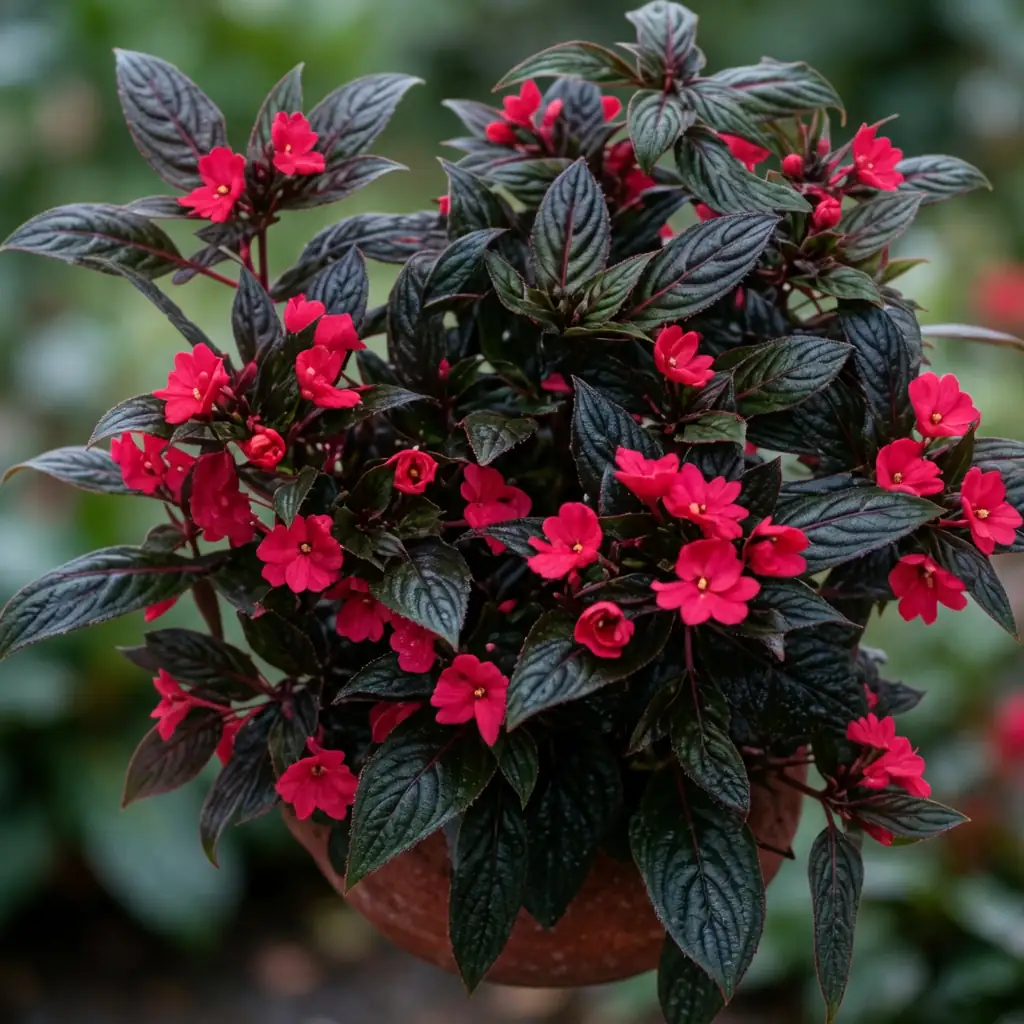
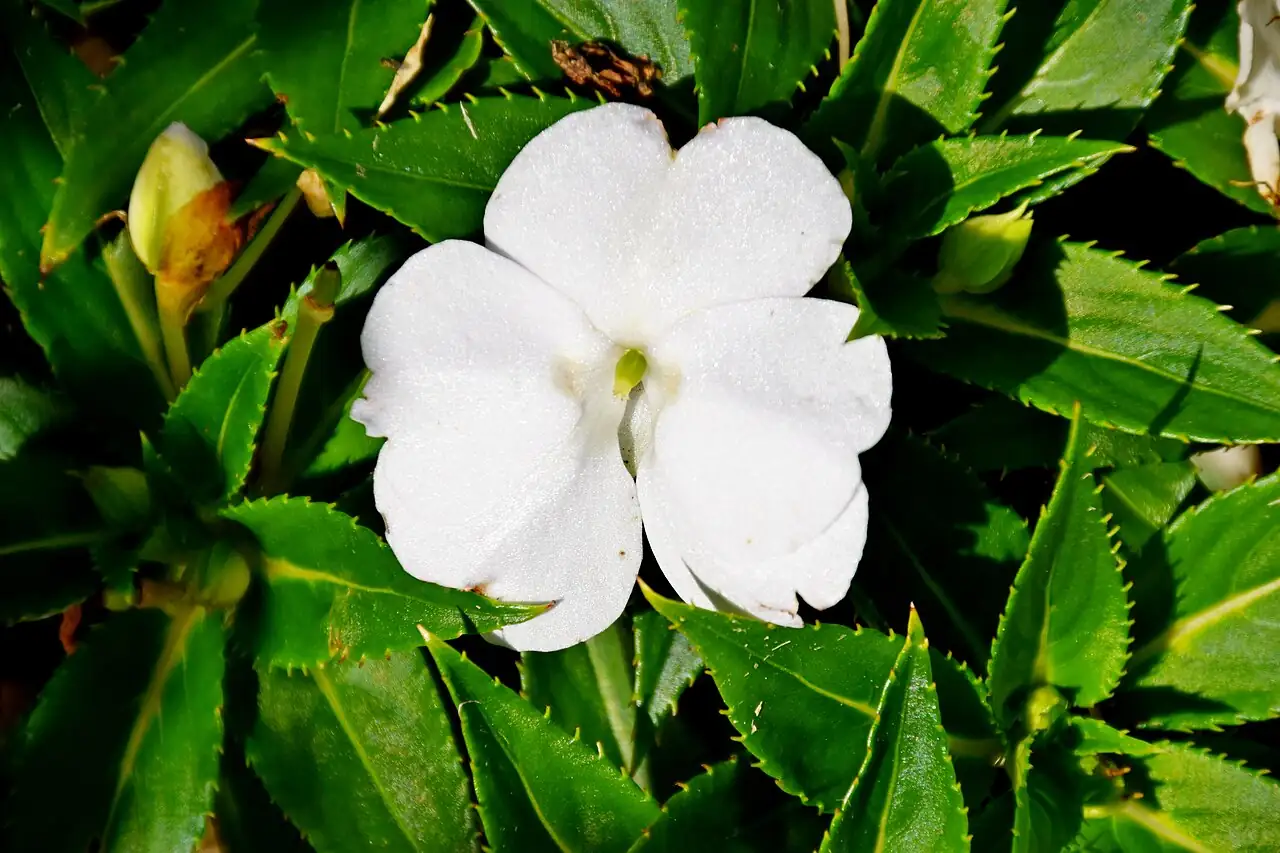
- Foliage: Lush, dense leaves that form an attractive mound; usually deep green, sometimes with a bronzy flush (and occasionally variegated in some cultivars).
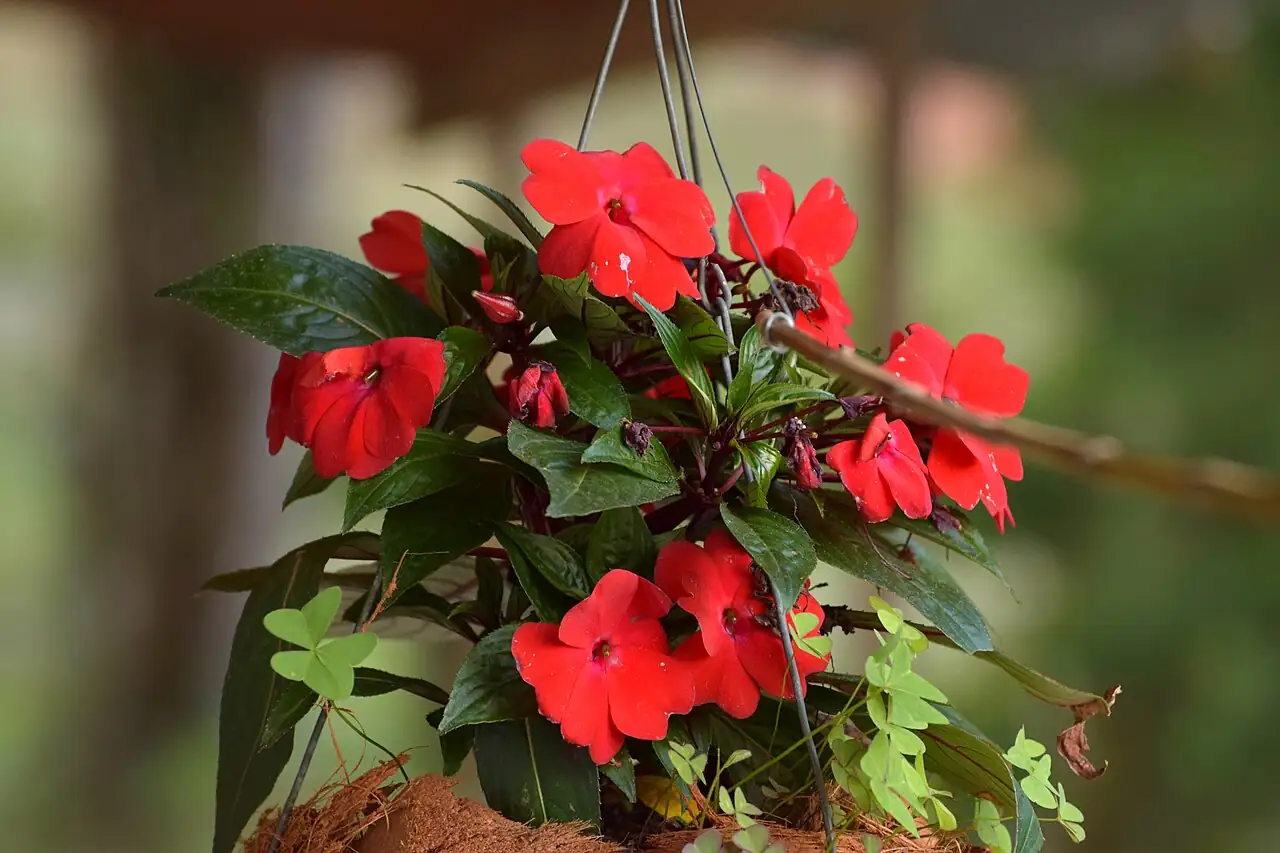
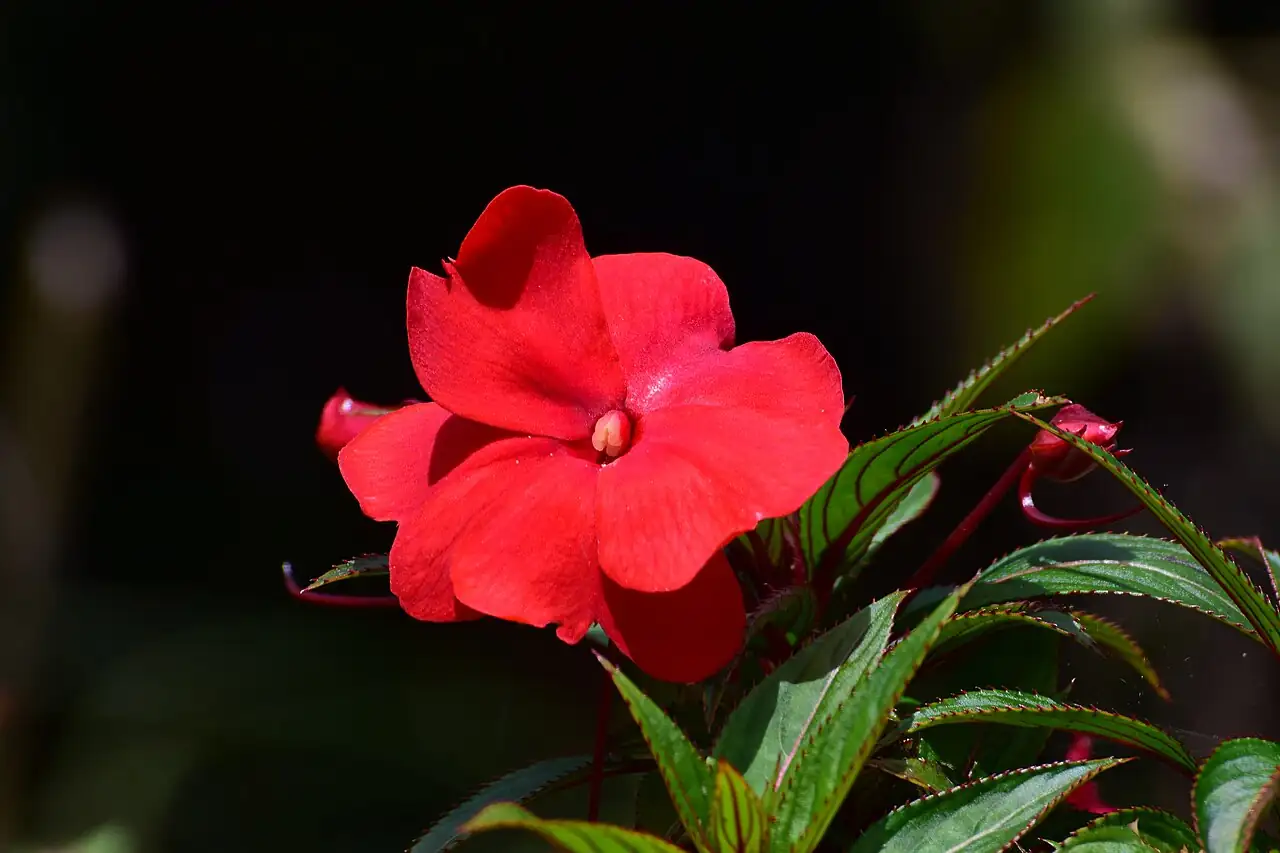
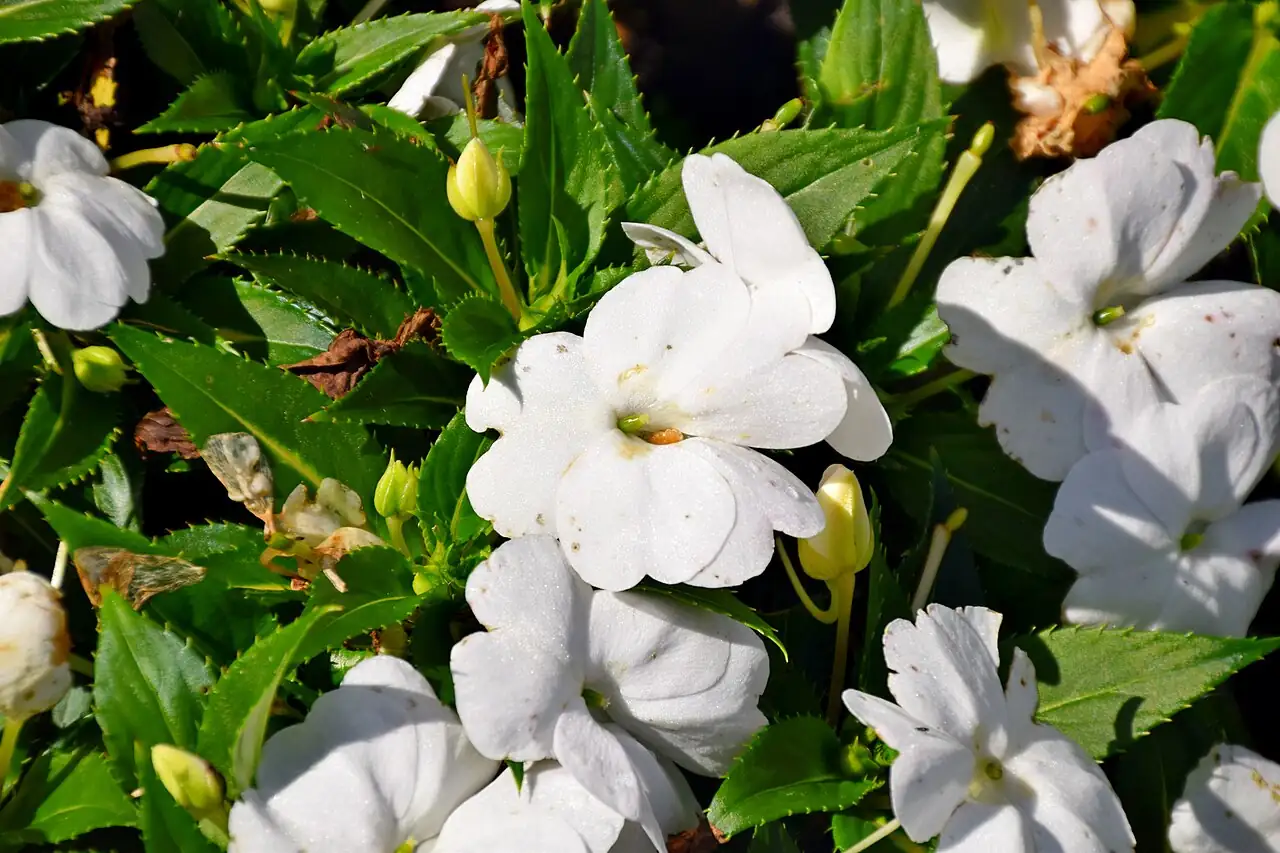
- Flower: Prolific, rounded flowers in shades of pink, pale lavender, red, white, and orange, often held just above the foliage for a neat, colorful display.
- Flowering Season: Late spring through autumn (often longer indoors with strong light).
- Growth Habit: Compact, bushy, mounded habit; commonly used as a bedding plant or container plant.
Environment
Sunlight
Partial sun to partial shade; happiest in bright, filtered light with protection from strong midday/afternoon sun (gentle morning sun is usually fine).
Temperature
16–24°C (61–75°F) ideal; protect from chills and frost. Try to keep above about 10°C (50°F).
Humidity
Moderate humidity; prefers air that isn’t overly dry and benefits from steady moisture without being constantly wet.
Soil
Fertile, well-draining all-purpose potting mix. Keep evenly moist but never waterlogged; good drainage is key to preventing root problems.
Placement
Outdoors in summer in bright shade/part shade; indoors in a bright spot out of harsh direct sun (near an east window, or set back from a south/west window).
Hardiness
Tender perennial, often grown as an annual outdoors. USDA Zone 10–12; not frost-tolerant.
Care Guide
Difficulty
Easy overall: keep moisture consistent, avoid cold snaps, and tidy spent blooms/dead growth to keep it flowering freely.
Buying Guide
Choose compact, sturdy plants with unspotted, healthy leaves and plenty of buds (not just open flowers). You can also start from seed in spring, or take cuttings in autumn to overwinter your favorite variety.
Watering
Spring to autumn: water to keep the mix evenly moist (think “damp sponge,” not soggy). Winter/low light: let the top of the mix dry slightly before watering again. Never leave the pot standing in water.
Fertilization
Spring to autumn: feed every 2 weeks with a high-potassium bloom fertilizer at label rates to support continuous flowering.
Pruning
Pinch or trim back leggy stems if needed, and remove spent flowers plus any dead/weak growth anytime—this keeps plants bushy and blooming longer.
Propagation
Stem cuttings in autumn are an easy way to overwinter plants and clone a favorite cultivar; seed can be sown in spring (though many named hybrids won’t come true from seed).
Repotting
Pot into a medium container about 12.5–15 cm (5–6 in) wide using a well-draining all-purpose mix. They often bloom well slightly pot-bound—avoid oversized pots that stay wet too long.
📅 Seasonal Care Calendar
Spring–autumn: bright light, even moisture, feed every 2 weeks, and deadhead/tidy regularly. Autumn: take cuttings to overwinter indoors. Winter: reduce watering, keep warm and bright. Spring: sow seed or buy fresh plants and start feeding again once growth picks up.
Pests, Diseases & Safety
Common Pests & Diseases
Watch for aphids, spider mites, thrips, whiteflies, and mealybugs (especially indoors). Constantly wet soil can cause root rot, and crowded/humid, poorly ventilated conditions can encourage botrytis (gray mold). Improve airflow, avoid wetting foliage late in the day, and treat outbreaks early with insecticidal soap or horticultural oil.
Toxicity
Generally considered non-toxic to people and pets, though chewing or ingestion may still cause mild stomach upset in sensitive animals.
Culture & Symbolism
Symbolism: Often linked with bright cheer and dependable, long-lasting color—especially for those trickier shady spots.
History & Legends: Bred from Impatiens species native to New Guinea, New Guinea impatiens has been developed into many modern hybrids valued for larger blooms, handsome foliage, and stronger performance in warm-season containers compared with traditional bedding impatiens.
Uses: Ornamental: patio pots, window boxes, hanging baskets, and part-shade beds/borders; also a colorful flowering houseplant in bright, indirect light.
FAQ
Can New Guinea impatiens take full sun?
It tolerates gentle morning sun, but strong midday/afternoon sun often scorches leaves and can reduce flowering. Bright shade or filtered light is usually best.
Why are the leaves turning yellow?
Common causes include overwatering/poor drainage, cold stress, or nutrient imbalance. Use a well-draining mix, avoid soggy pots, keep temperatures above about 10°C (50°F), and feed lightly during active growth.
Should I let it dry out between waterings?
Not completely. It performs best with consistently moist (not soggy) soil. In winter or low light, let only the top surface dry slightly before watering again.
Fun Facts
- It’s prized for giving you both: showy flowers and decorative foliage that can be green, bronze, or even variegated depending on the cultivar.
- Many modern cultivars are bred for better heat tolerance and strong performance in containers.