Plant Features
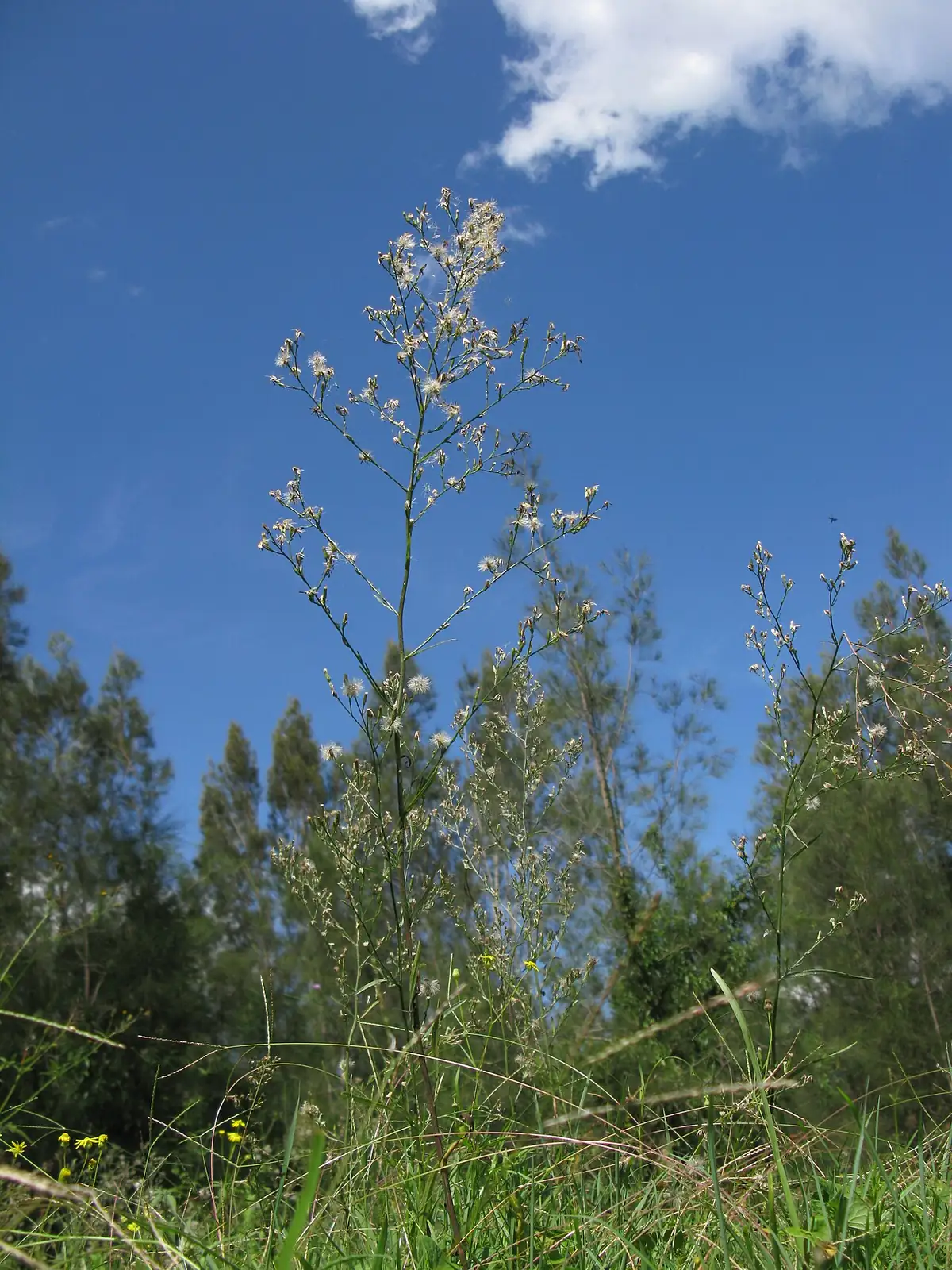
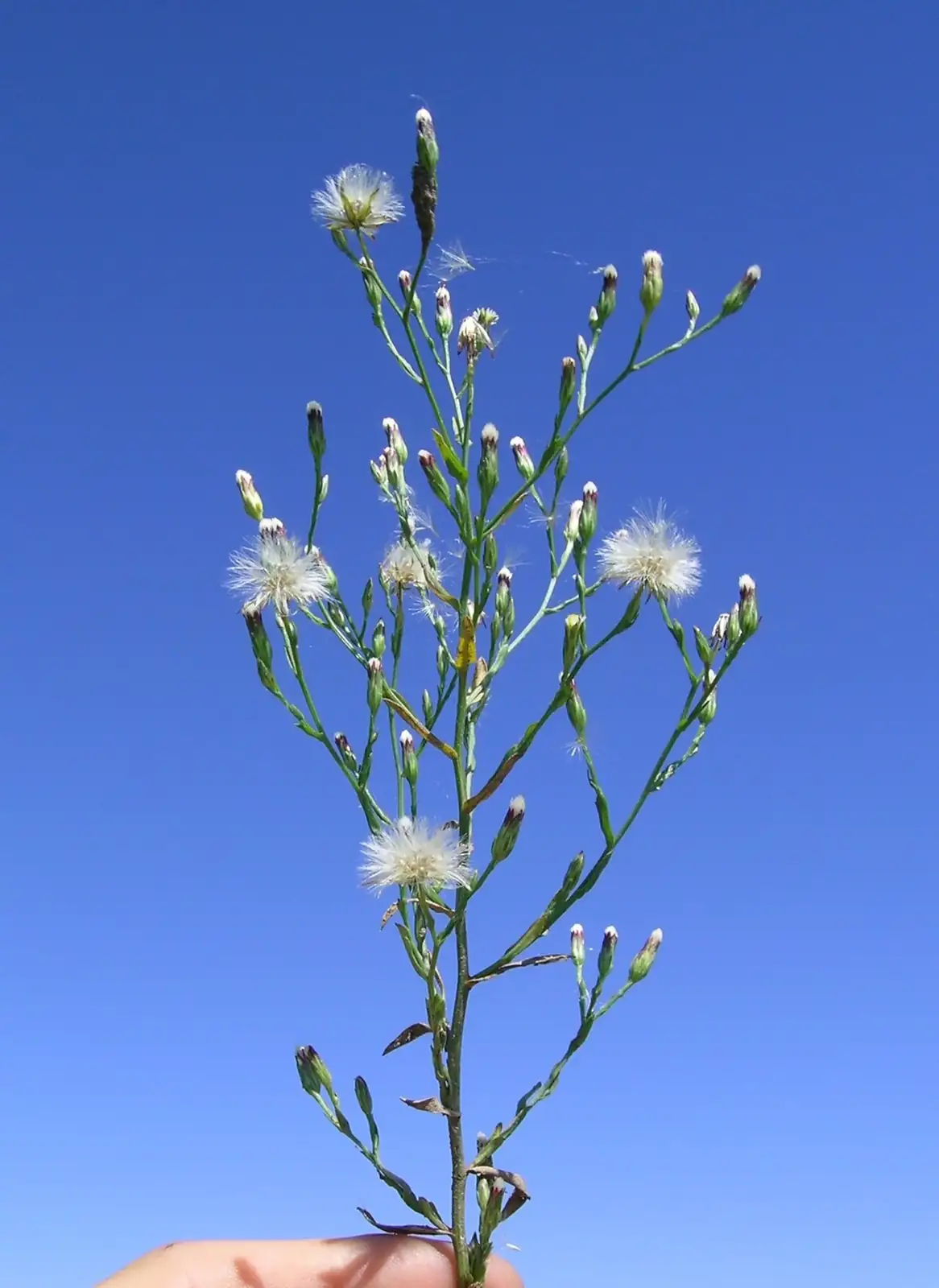
- Size: Height about 8–150 cm (3–59 in); typically forms a slender, upright clump rather than a broad mound.
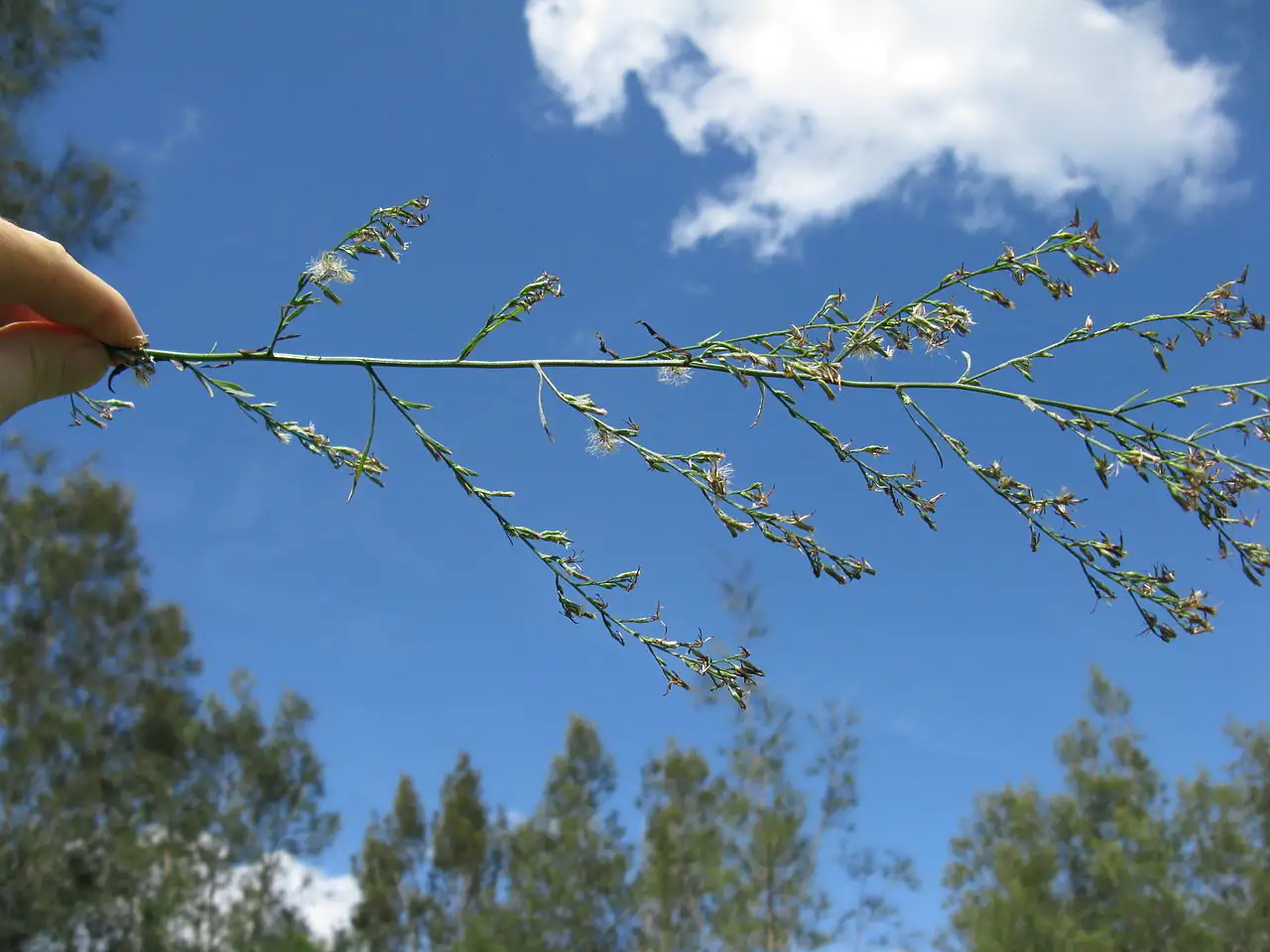
- Foliage: Leaves are very narrow—linear to narrowly lance-shaped—creating a fine-textured, airy look along the stem.
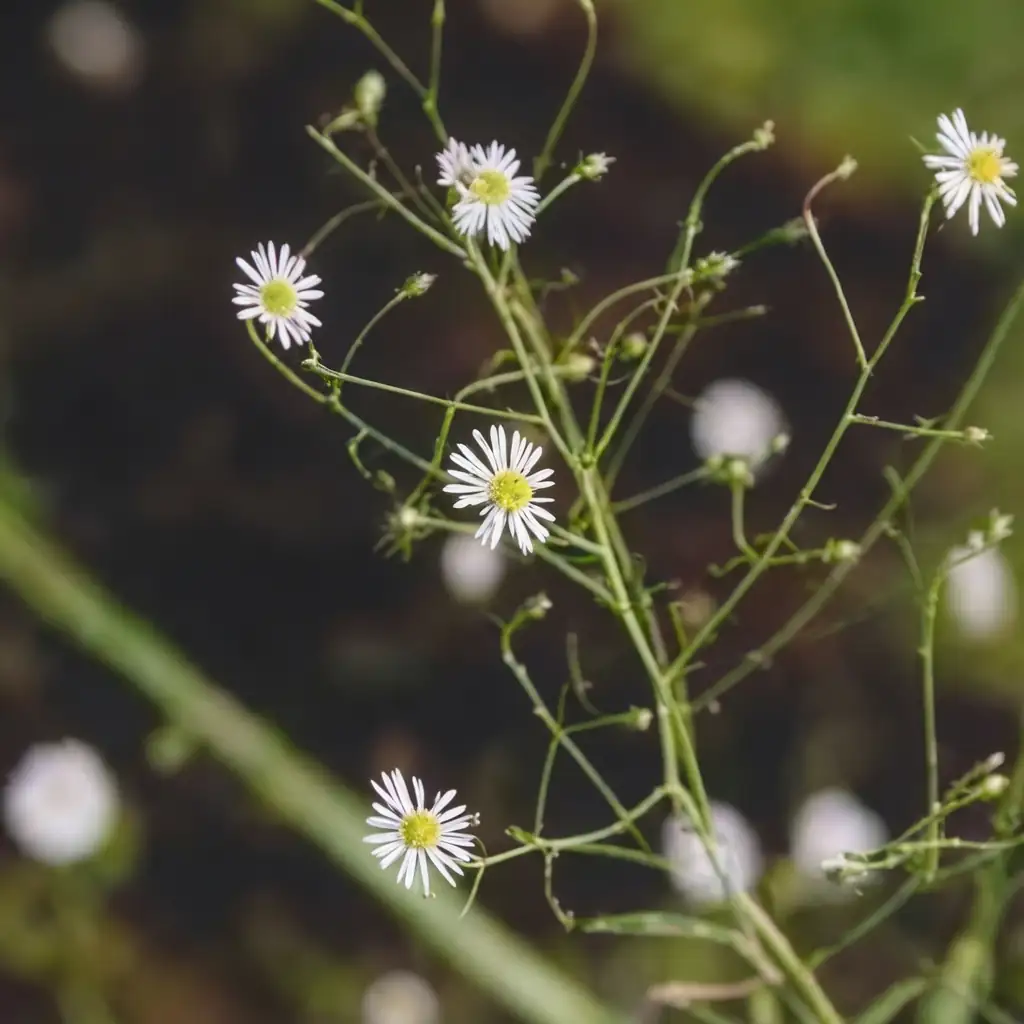
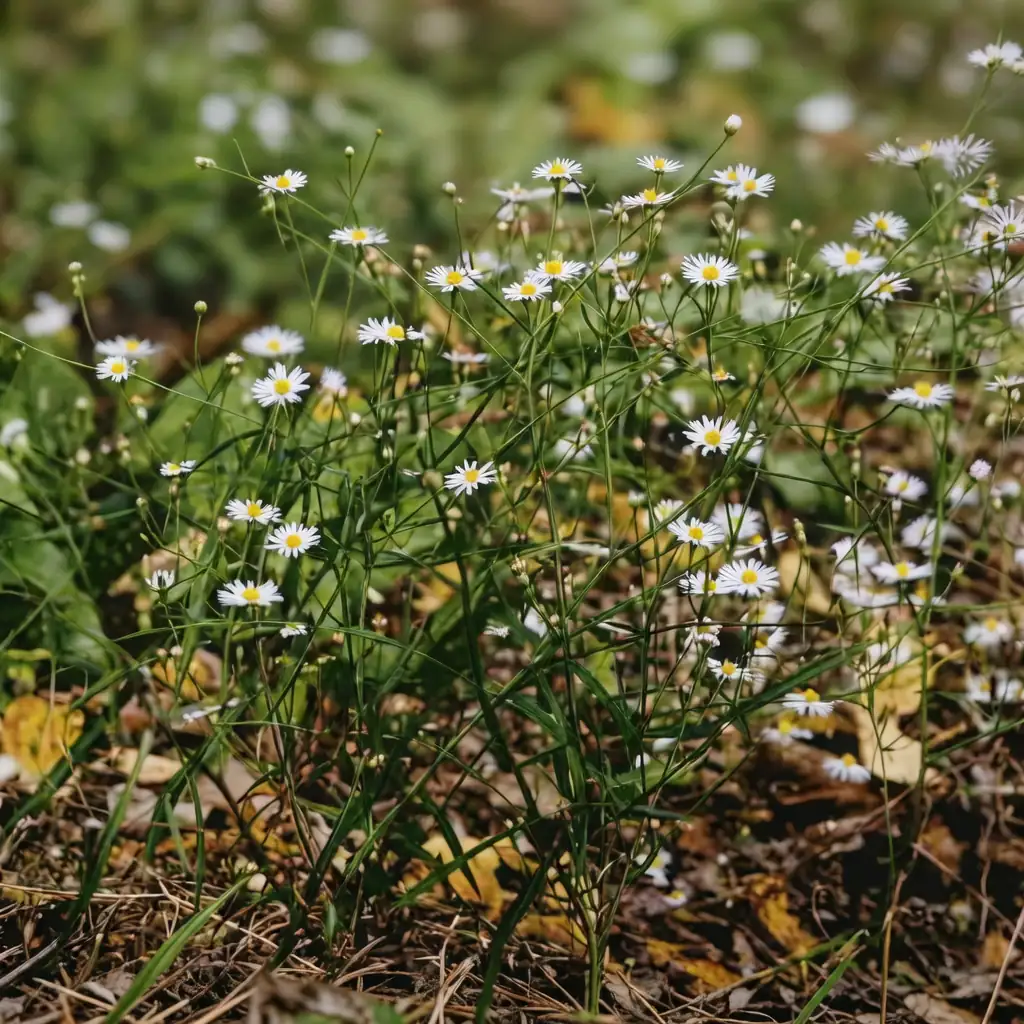
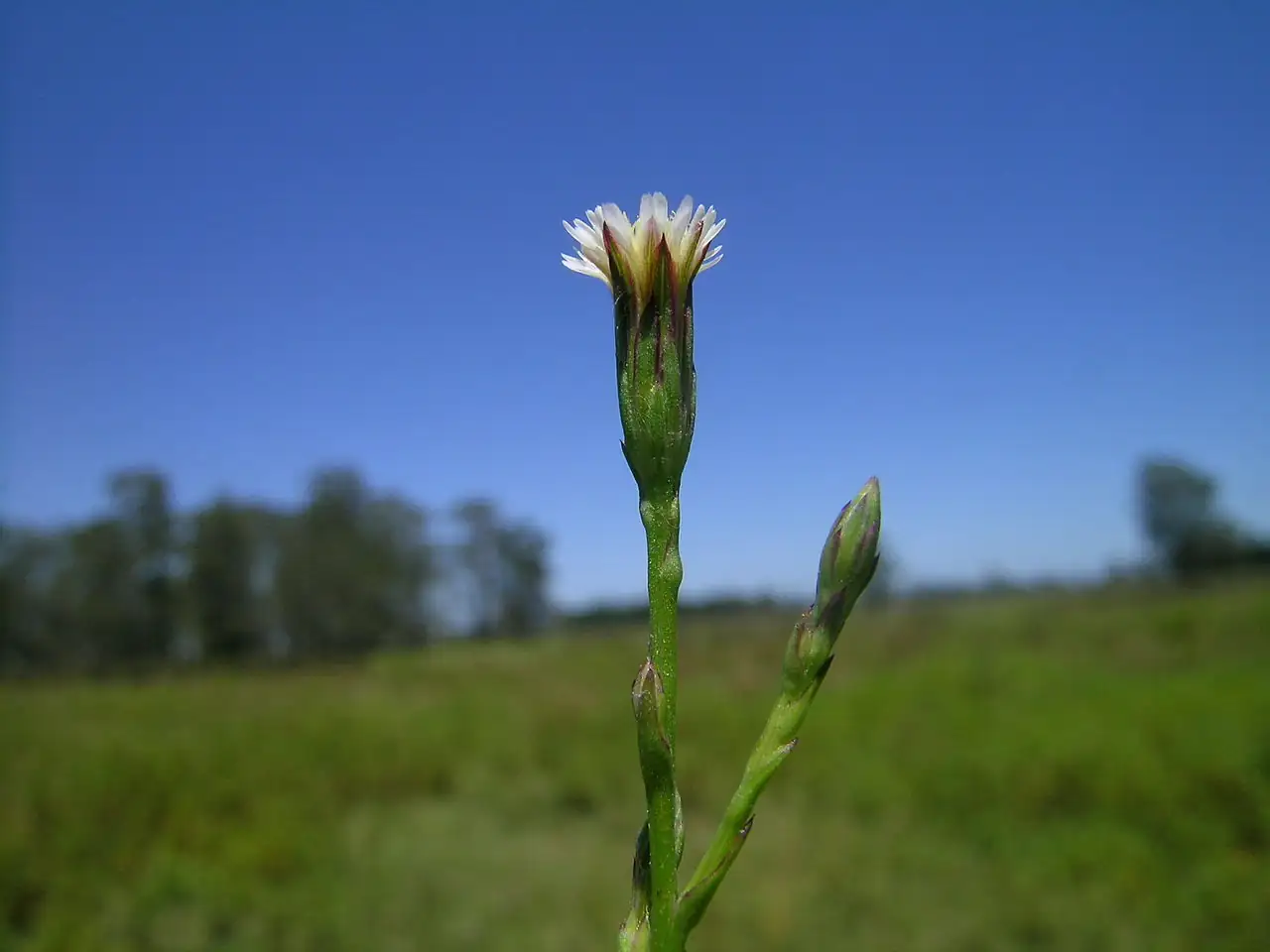
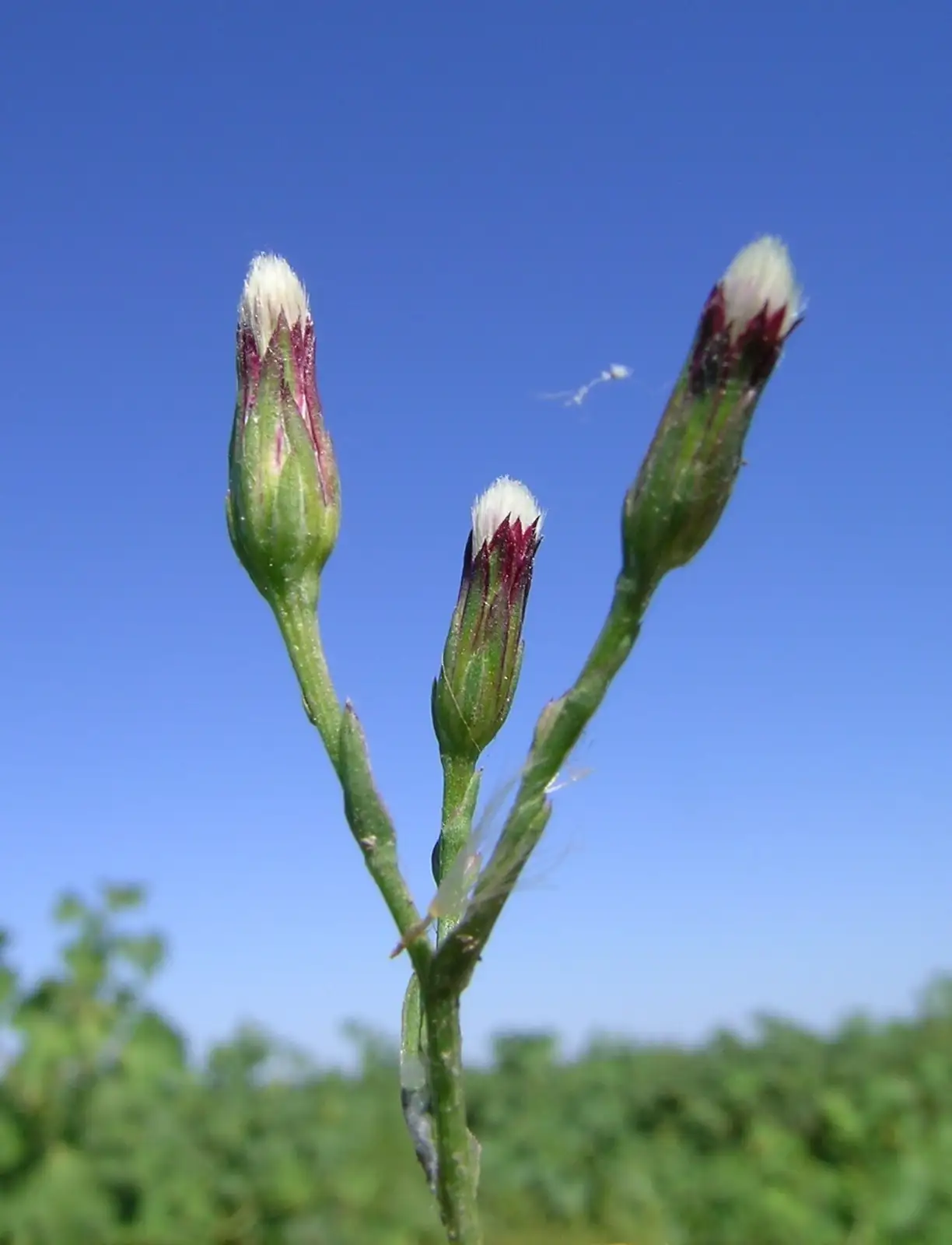
- Flower: Produces abundant small, daisy-like flower heads in clusters. Ray florets are narrow and may be pale pink, red, purplish-red, magenta, or purple; the center is made of tubular disc florets.
- Flowering Season: Year-round in frost-free climates; otherwise mainly summer to fall.
- Growth Habit: An upright annual herb, usually with a single main stem; smooth and hairless overall.
Environment
Sunlight
Partial shade to full sun; flowering is typically heaviest in brighter light.
Temperature
Prefers mild to warm conditions; frost sensitive. Active growth is often best around 15–30°C (59–86°F).
Humidity
Enjoys consistent moisture; performs well in more humid, regularly moist conditions when airflow is decent.
Soil
Adaptable, but happiest in moist, well-drained soil. Commonly appears in places like grassy banks, ditches, roadsides, scrub edges, slopes, and other disturbed ground.
Placement
Naturalistic borders, meadow plantings, rain-garden edges, and informal beds—anywhere you’d like a relaxed wildflower effect and don’t mind a bit of self-seeding.
Hardiness
Frost tender; treated as an annual where winters freeze. Commonly handled as USDA Zones 2–11 as an annual, but avoid hard freezes.
Care Guide
Difficulty
Easy—especially if you can keep the soil evenly moist and let it grow in a relaxed, informal style.
Buying Guide
Look for firm, upright stems and fresh green foliage. Skip plants that are badly stretched from low light, or pots that smell sour and stay waterlogged.
Watering
Keep soil consistently moist, especially while the plant is establishing. Water when the top 2–3 cm (about 1 in) begins to dry, and avoid prolonged dry-outs.
Fertilization
Usually needs little feeding in the ground. In poor soil or containers, use a balanced fertilizer at a diluted strength every 4–6 weeks during the growing season.
Pruning
Light deadheading keeps it tidy and may encourage more blooms. If plants become lanky, pinch young growth early to promote branching.
Propagation
Mostly by seed. Let some flower heads mature for self-sowing, or collect dry seed and sow on the soil surface in spring.
Repotting
Not typically repotted because it’s an annual. If container-grown and rootbound, shift to a slightly larger pot with a moisture-retentive but well-draining mix.
📅 Seasonal Care Calendar
Spring: sow or plant out after frost risk passes. Summer: keep evenly moist; optional light feeding. Fall: allow some seed set for self-sowing; cut back after decline. Winter: may continue flowering in frost-free areas; elsewhere it dies back.
Pests, Diseases & Safety
Common Pests & Diseases
Usually trouble-free. In crowded, humid conditions, watch for powdery mildew and leaf spot; aphids can appear on tender growth. Improve airflow and avoid late-day overhead watering to reduce disease pressure.
Toxicity
No well-documented toxicity for typical household exposure. As with many members of the daisy family, sensitive people may get mild skin irritation; discourage pets from chewing large amounts of any ornamental plant.
Culture & Symbolism
Symbolism: Often linked with resilience and a free-spirited “wildflower meadow” vibe in gardens.
History & Legends: A North American aster that readily shows up in disturbed habitats and has become naturalized in some regions outside its native range.
Uses: Ornamental wildflower for naturalistic groundcover effects, meadow-style planting, rain-garden edges, and informal landscapes where long bloom and a relaxed look are welcome.
FAQ
When does it flower?
It can bloom for a long stretch. In frost-free areas it may flower nearly year-round; in colder climates it usually blooms from summer into fall.
When does it set seed?
Seed often develops over an extended period and can overlap with flowering; in warm climates it may set seed through much of the year.
Where is it native to?
North America.
Where is it found in China?
It has been recorded in several provinces, including Jiangsu, Zhejiang, Jiangxi, Hubei, Hunan, Sichuan, and Guizhou.
What growing conditions does it like?
Moist soil and partial shade to sun. It tolerates some shade, but generally flowers best with more light.
What is it best used for?
Meadow-like, naturalistic planting where it can give a soft groundcover effect and an intentionally “wild” look.
Fun Facts
- Although native to North America, it has been recorded growing in multiple provinces in China.
- Its height can vary dramatically—about 8–150 cm (3–59 in)—depending on moisture, competition, and site conditions.
- Ray florets can range in color from pale pink through red and magenta to purple.
- In mild, frost-free climates it can keep blooming for an exceptionally long season.