

Plant Features
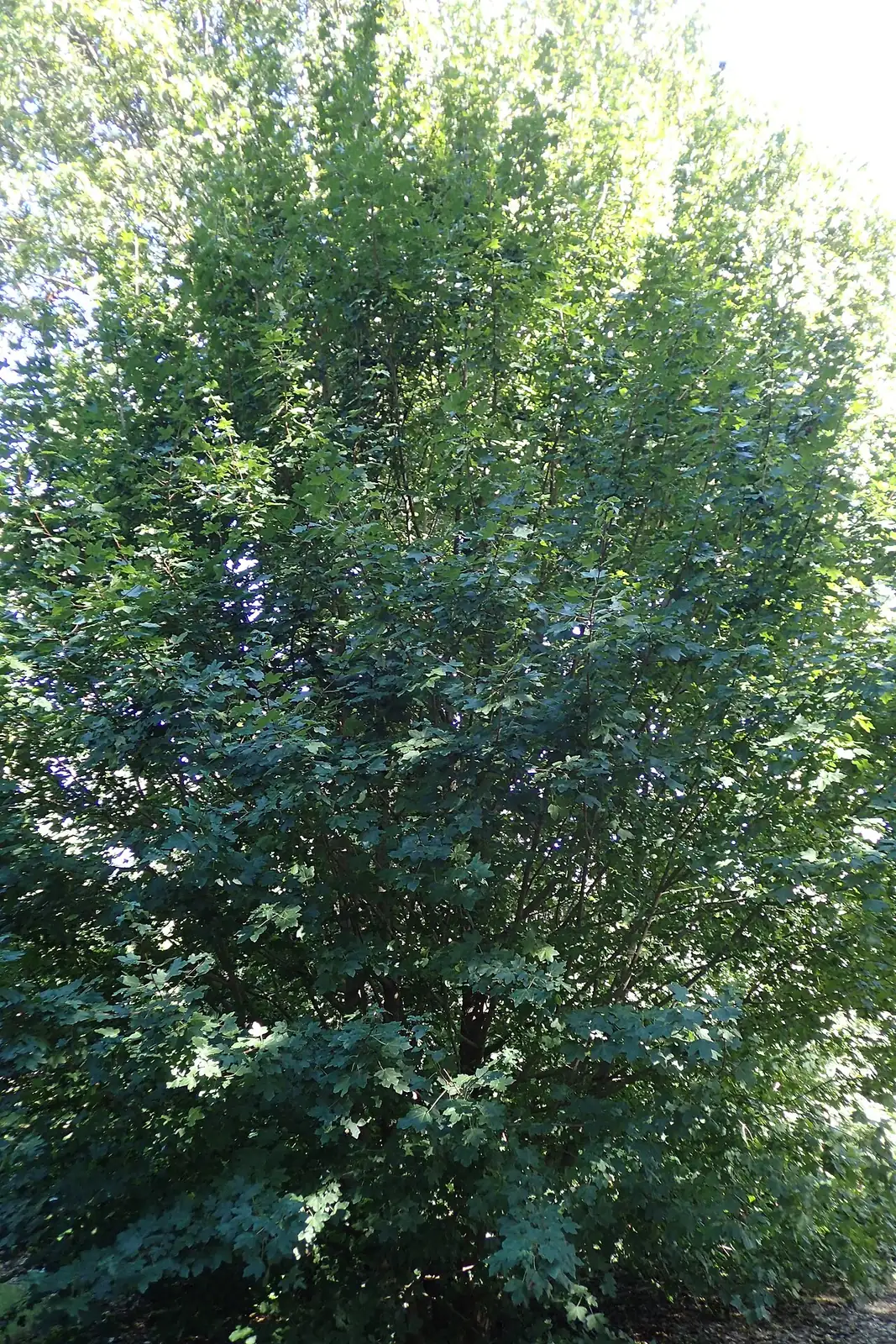
- Size: Typically up to about 5 m (16 ft) tall.
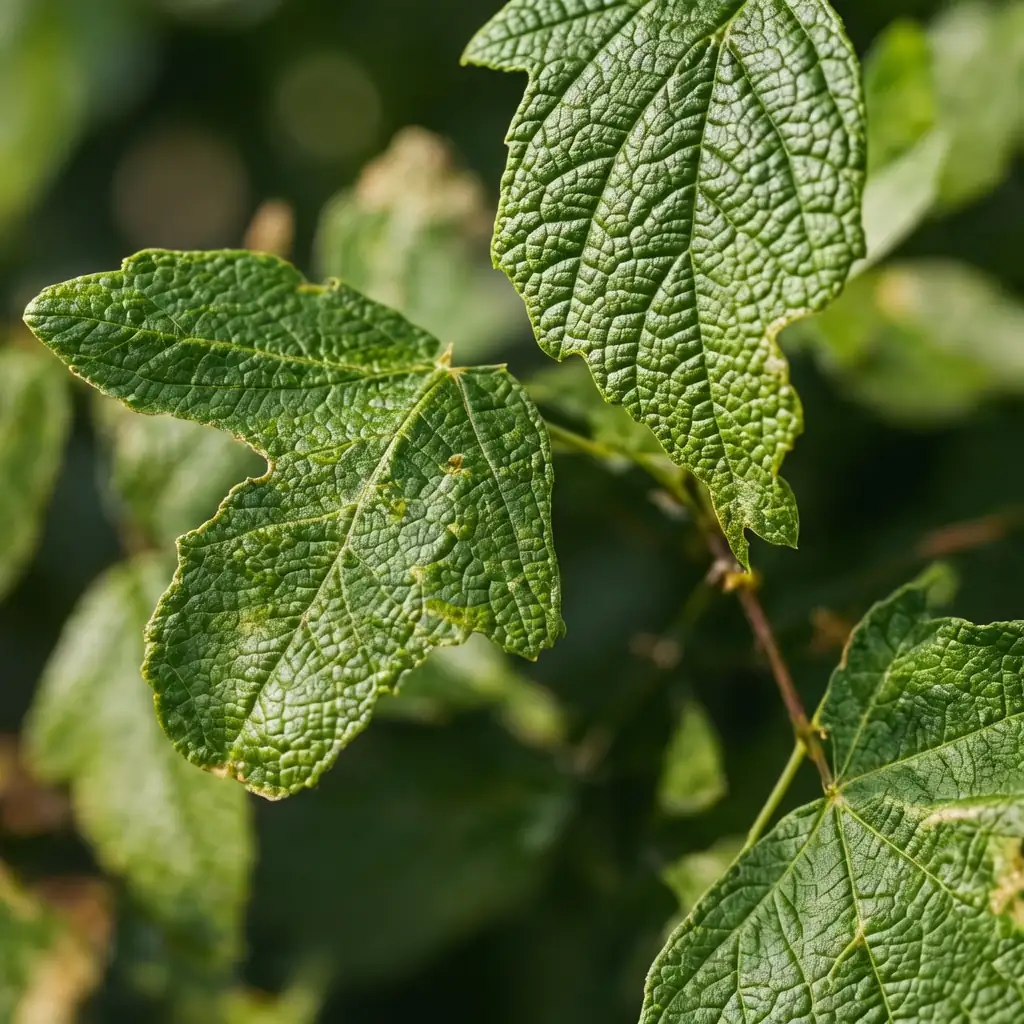
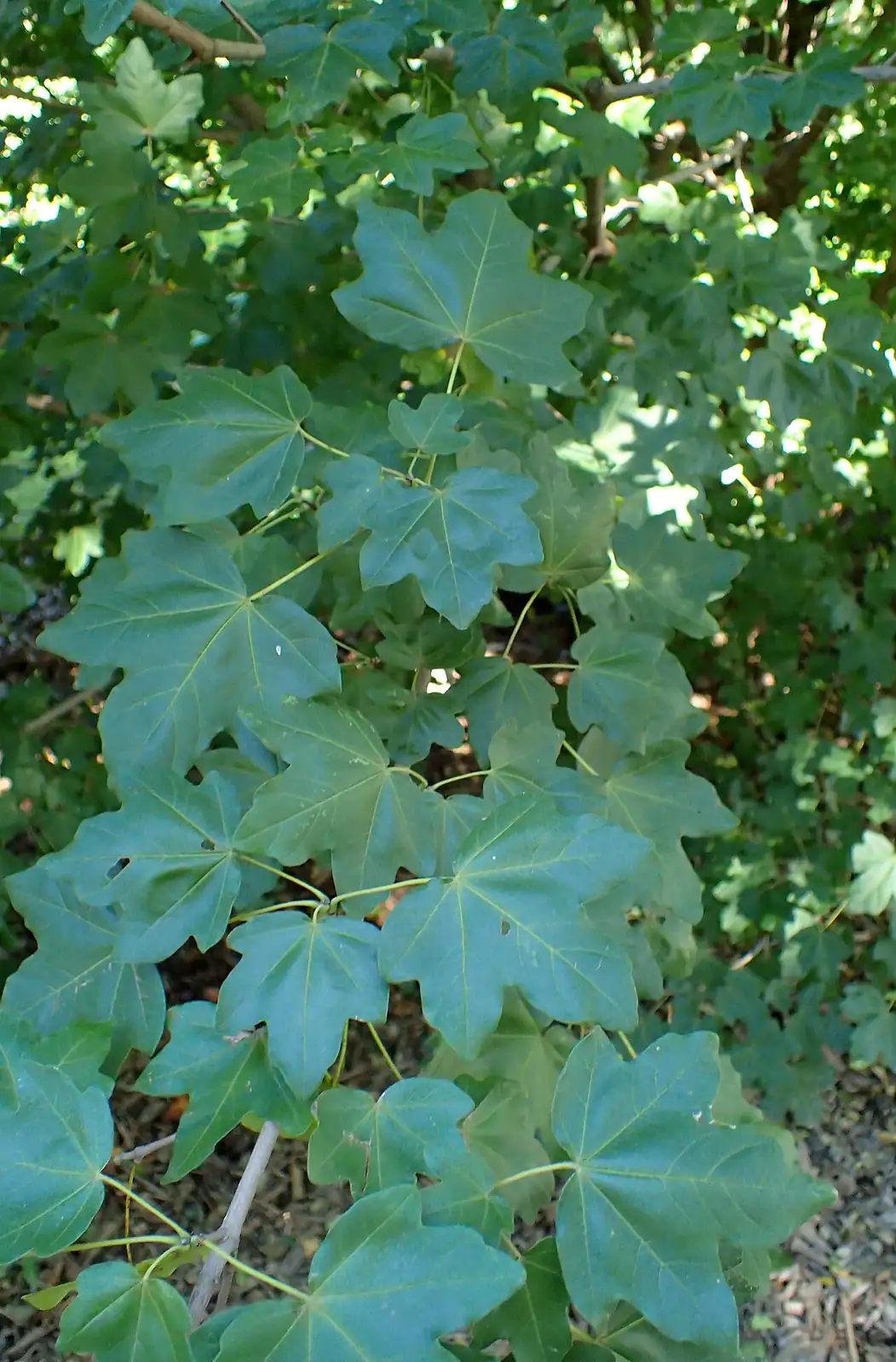
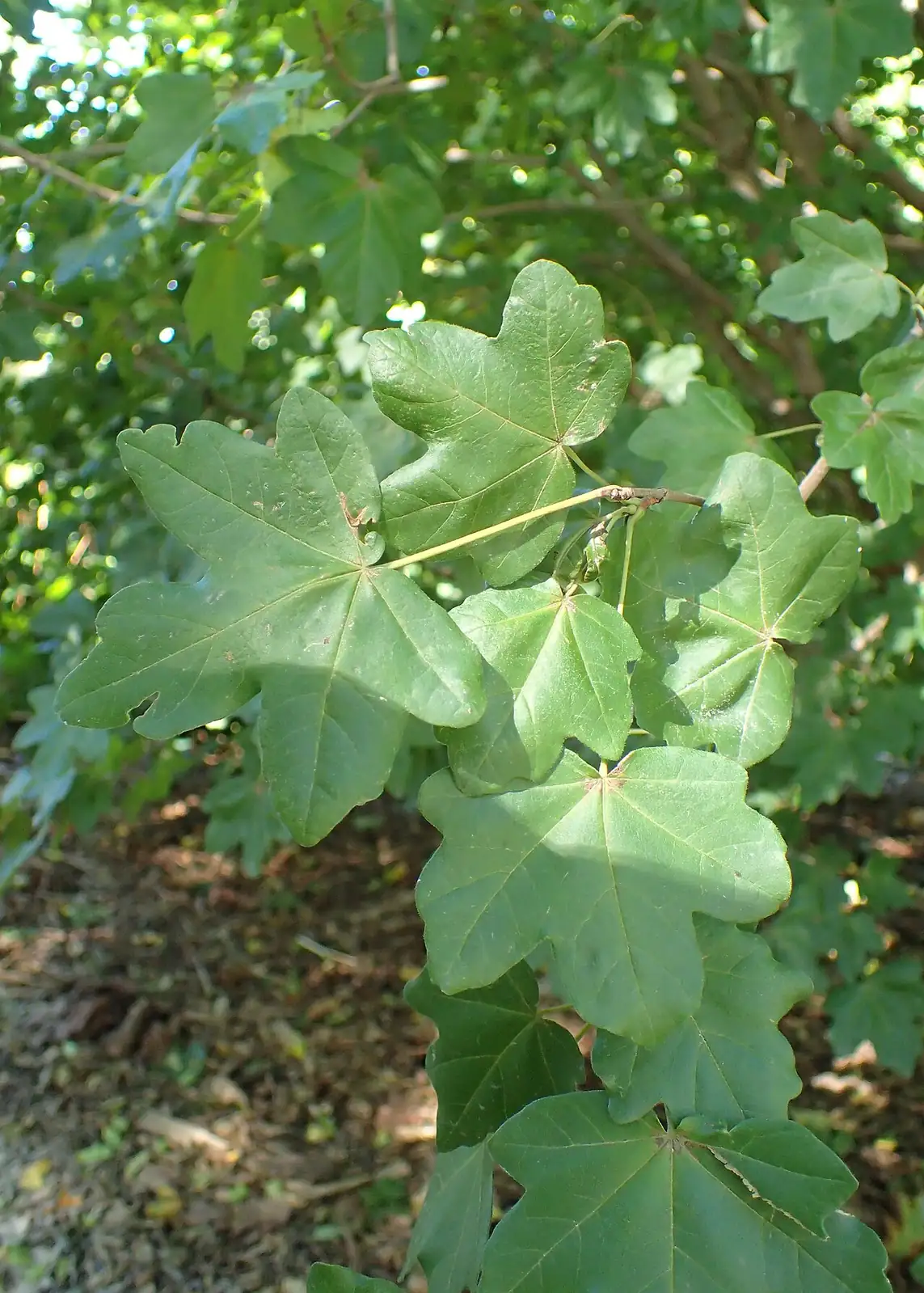
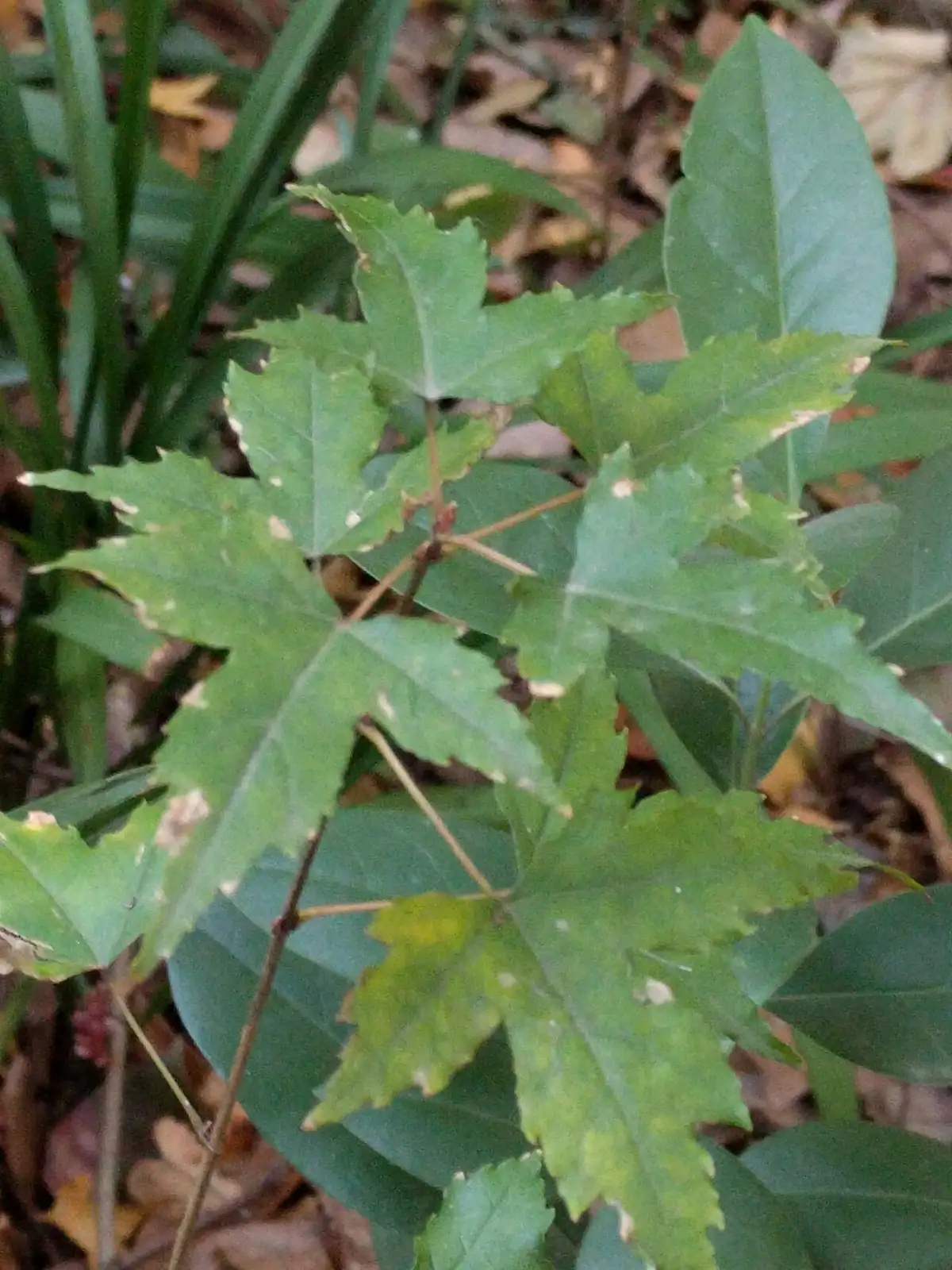
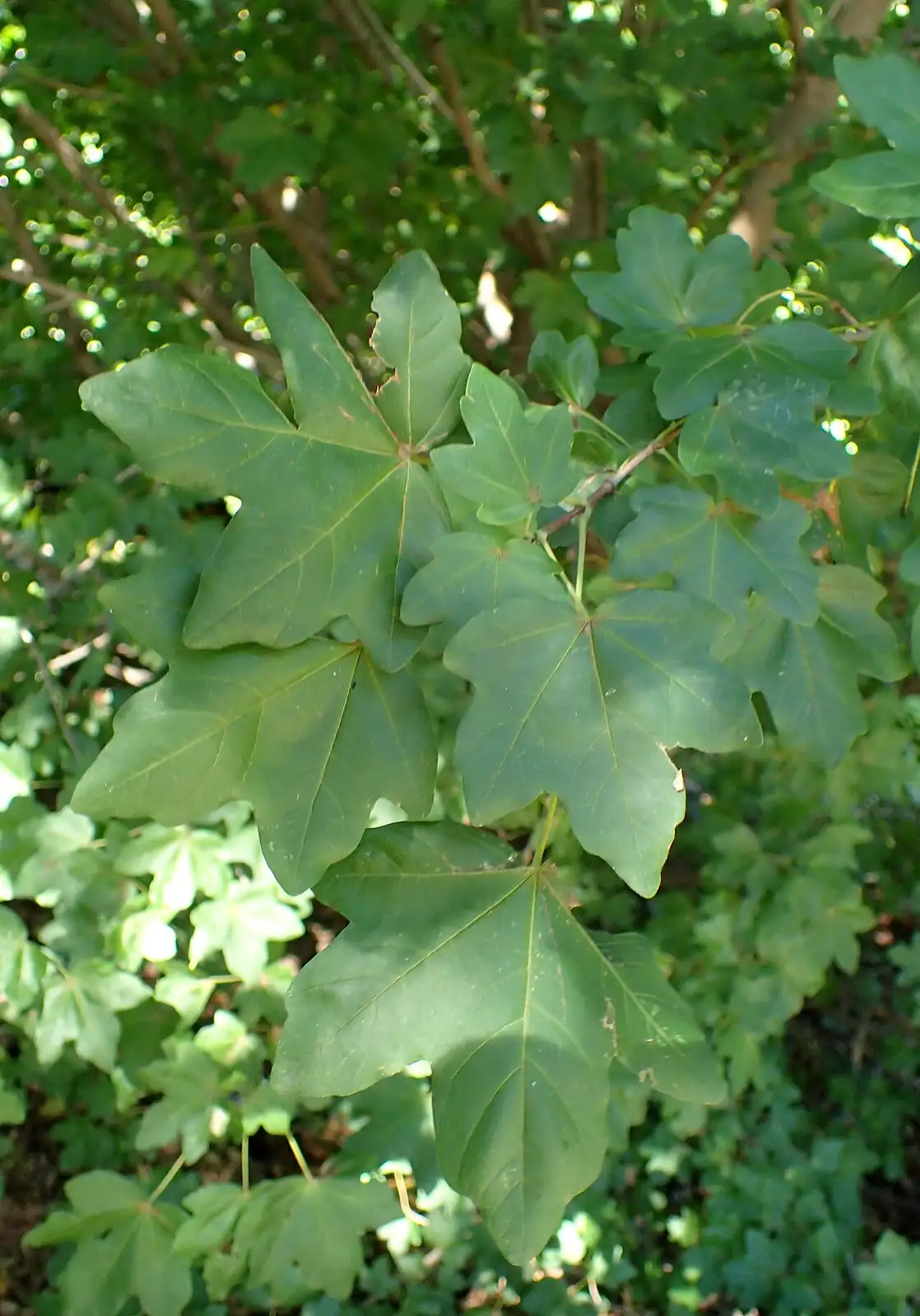
- Foliage: Leaves are papery with a nearly straight (truncate) base and deeply 3 lobes. The lobes are notably long and narrow, and together with the petiole they can form a distinctive cross-like outline. Foliage often reddens in autumn, especially in cool conditions.
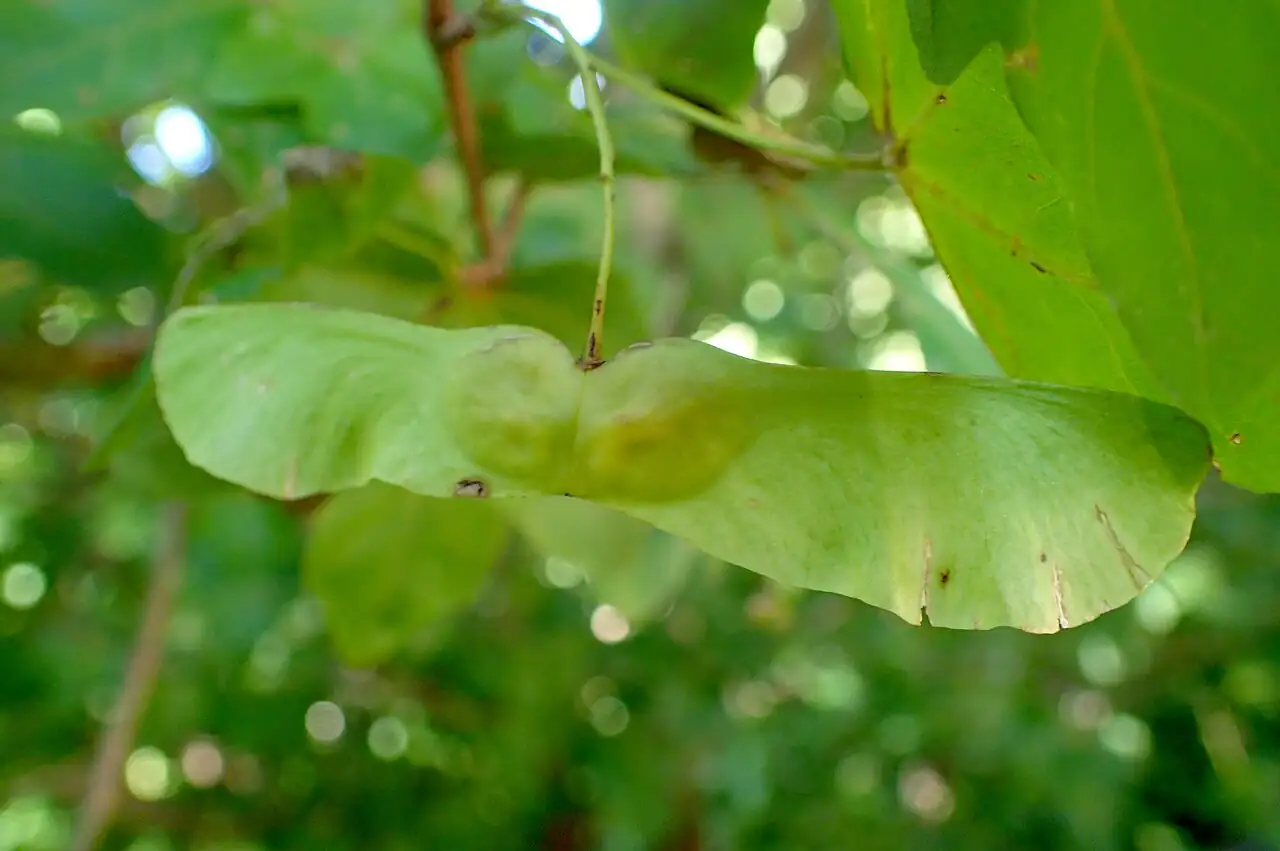
- Flower: Small, subtle flowers appear in corymbs (flat-topped clusters). After flowering, it forms the classic maple fruit: paired winged samaras, with the wings spreading at an obtuse angle to nearly a right angle.
- Flowering Season: April
- Growth Habit: Deciduous small tree that naturally favors shady, moist mountain habitats; well-suited to woodland edges and sheltered garden positions.
Environment
Sunlight
Partial shade to shade; handles low light better than many maples. In warmer areas, dappled shade helps prevent scorch.
Temperature
Temperate plant; happiest with cool to mild summers and cold winters. A practical growing-season range is about 5–25°C (41–77°F).
Humidity
Enjoys consistently moist air and soil; generally comfortable in higher humidity and dampish landscapes (so long as drainage is good).
Soil
Moist, humus-rich, well-drained soil (woodland-style soils are ideal). Avoid prolonged drought, and also avoid stagnant, waterlogged conditions that can trigger root trouble.
Placement
A great ornamental foliage tree for lightly shaded gardens, woodland borders, and naturally moist spots such as near swales (without standing water).
Hardiness
Likely around USDA Zone 5–8 (approx. -29 to -7°C (-20 to 20°F)), depending on local provenance and site conditions.
Care Guide
Difficulty
Moderate: easy-going when its key needs are met (even moisture + some shade), but it can struggle in hot, dry, exposed sites.
Buying Guide
Pick a plant with healthy buds, intact bark, and no dieback. Avoid dried-out rootballs. For container plants, check for circling roots and avoid pots that smell sour or look persistently waterlogged.
Watering
Water deeply after planting and keep evenly moist while it establishes. Once established, water during dry spells—aim for consistently moist soil rather than cycles of drought and flooding. Mulch helps conserve moisture and protects shallow roots.
Fertilization
In spring, feed lightly with compost or a balanced slow-release fertilizer. Avoid heavy nitrogen, which can push soft, weak growth.
Pruning
Keep pruning light: remove dead, damaged, or crossing branches. If major cuts are needed, mid- to late summer is generally better for maples to reduce sap bleeding (avoid late winter to early spring pruning).
Propagation
Most often grown from seed (sown fresh or after cold stratification). Selected plants may be grafted onto compatible Acer rootstocks by specialists.
Repotting
If grown in a container while young, pot up when roots fill the container. Use a moisture-retentive yet free-draining mix, and don’t let the pot dry out completely.
📅 Seasonal Care Calendar
Flowers in April; fruits (samaras) mature around September.
Pests, Diseases & Safety
Common Pests & Diseases
Watch for aphids, scale insects, and caterpillars, especially on tender new growth. In poorly drained or stagnant wet soils, root problems can develop. Keep conditions evenly moist but well-drained, and reduce stress from drought and heat.
Toxicity
Not generally considered toxic to people. Still, it’s not an edible plant; discourage pets from chewing leaves or twigs.
Culture & Symbolism
Symbolism: Like many maples, it’s closely associated with seasonal change and the beauty of autumn color.
History & Legends: A Chinese endemic maple mainly appreciated for garden and collection value—especially its distinctive leaf shape—rather than for widely recorded folklore.
Uses: Primarily an ornamental foliage tree for woodland-style landscapes and shaded gardens. The narrow, three-lobed leaves provide a refined texture through the season, and the plant can offer attractive red fall tones in good conditions.
FAQ
Does Narrow-lobed Maple need full sun to color well in autumn?
Not necessarily. It can color nicely in partial shade, particularly in cooler climates. In hot regions, giving it some shade often improves leaf quality and helps prevent scorch, which can make fall color look tired.
What is the biggest care challenge with this maple?
Keeping moisture consistent. It dislikes drying out, especially in heat or wind. Humus-rich soil plus mulch and timely watering during dry spells makes the biggest difference.
Fun Facts
- It is endemic to China.
- It is a botanical variety of Acer pilosum.
- The three narrow leaf lobes plus the petiole can create a distinctive cross-like outline.
- Leaves may turn red in autumn.
- The paired winged seeds (samaras) have wings set at an obtuse angle to nearly a right angle.


