Plant Features
- Size: Typically 0.3–1 m (1–3.3 ft) tall as a shrub; occasionally grown or trained as a small tree reaching about 2–3 m (6.6–9.8 ft).
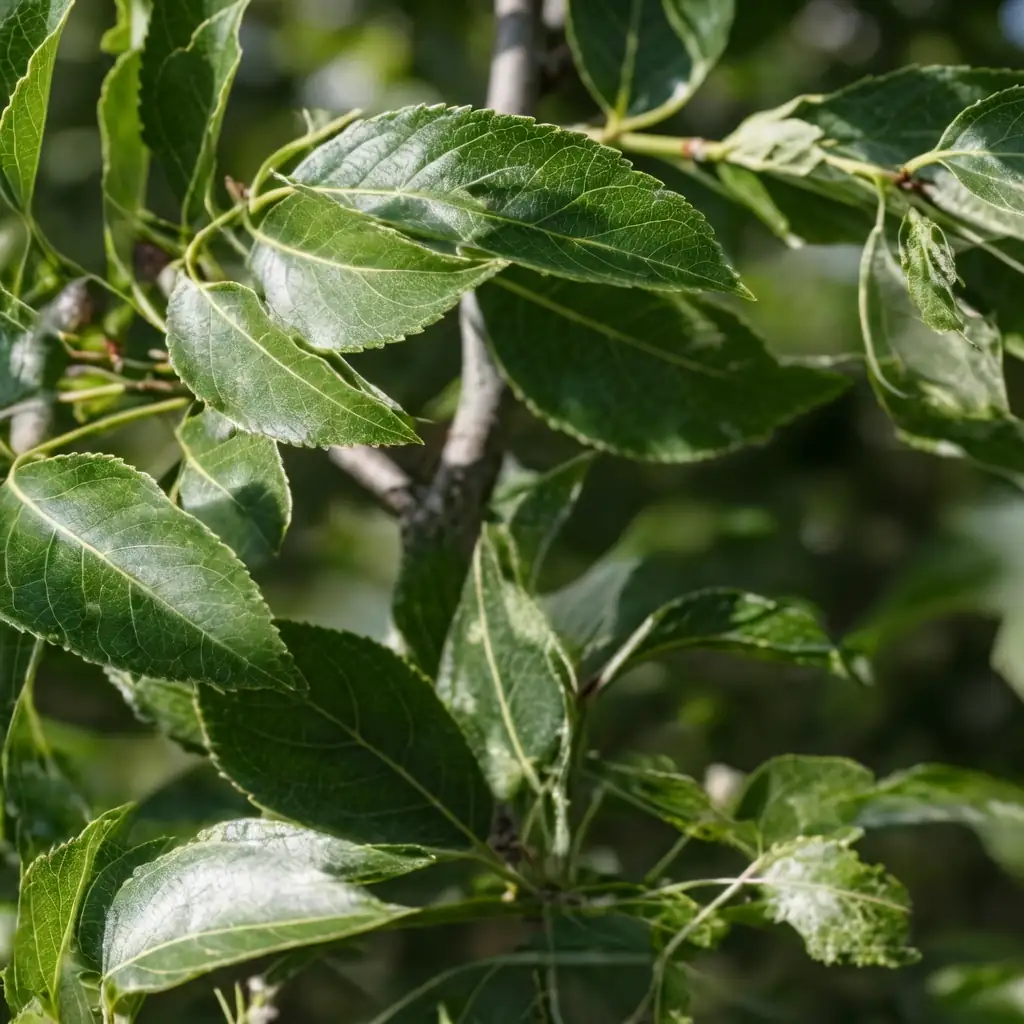
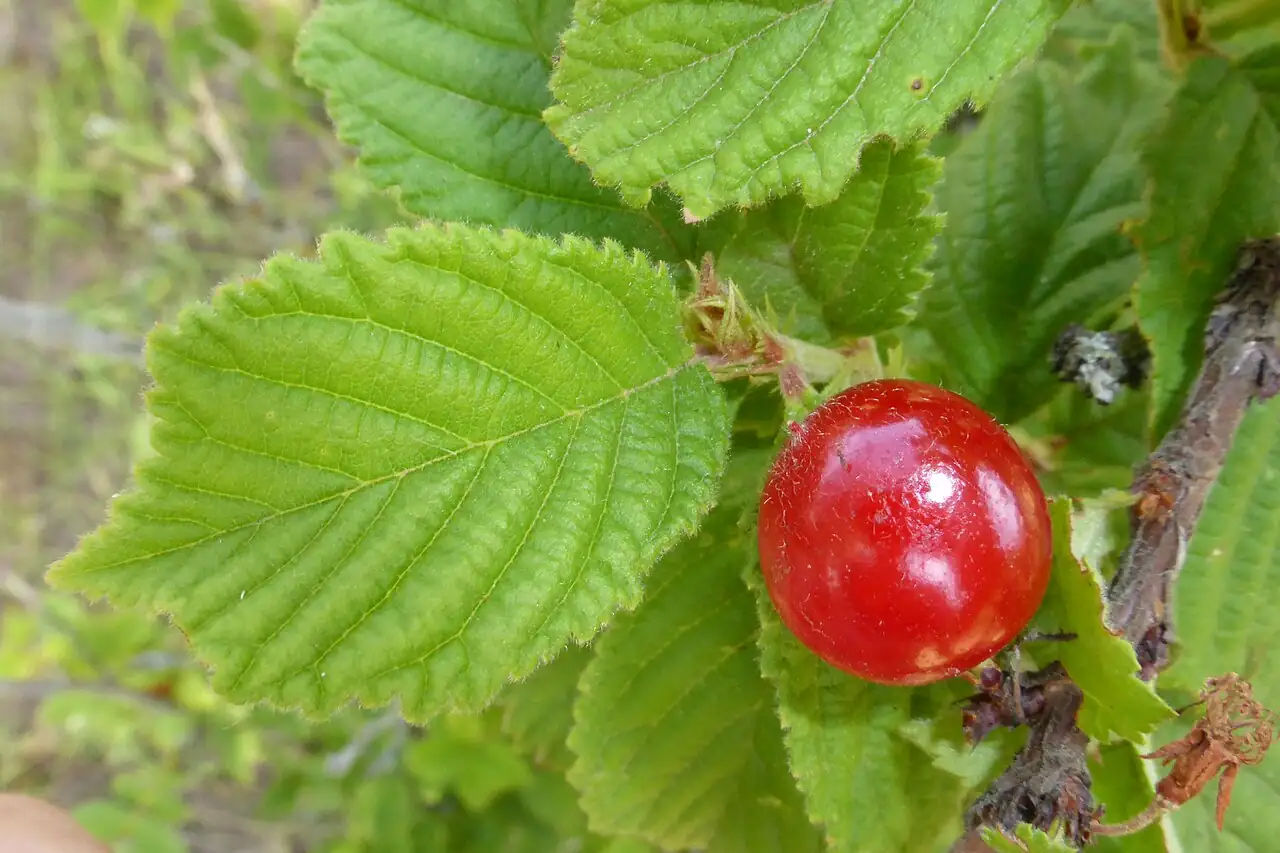
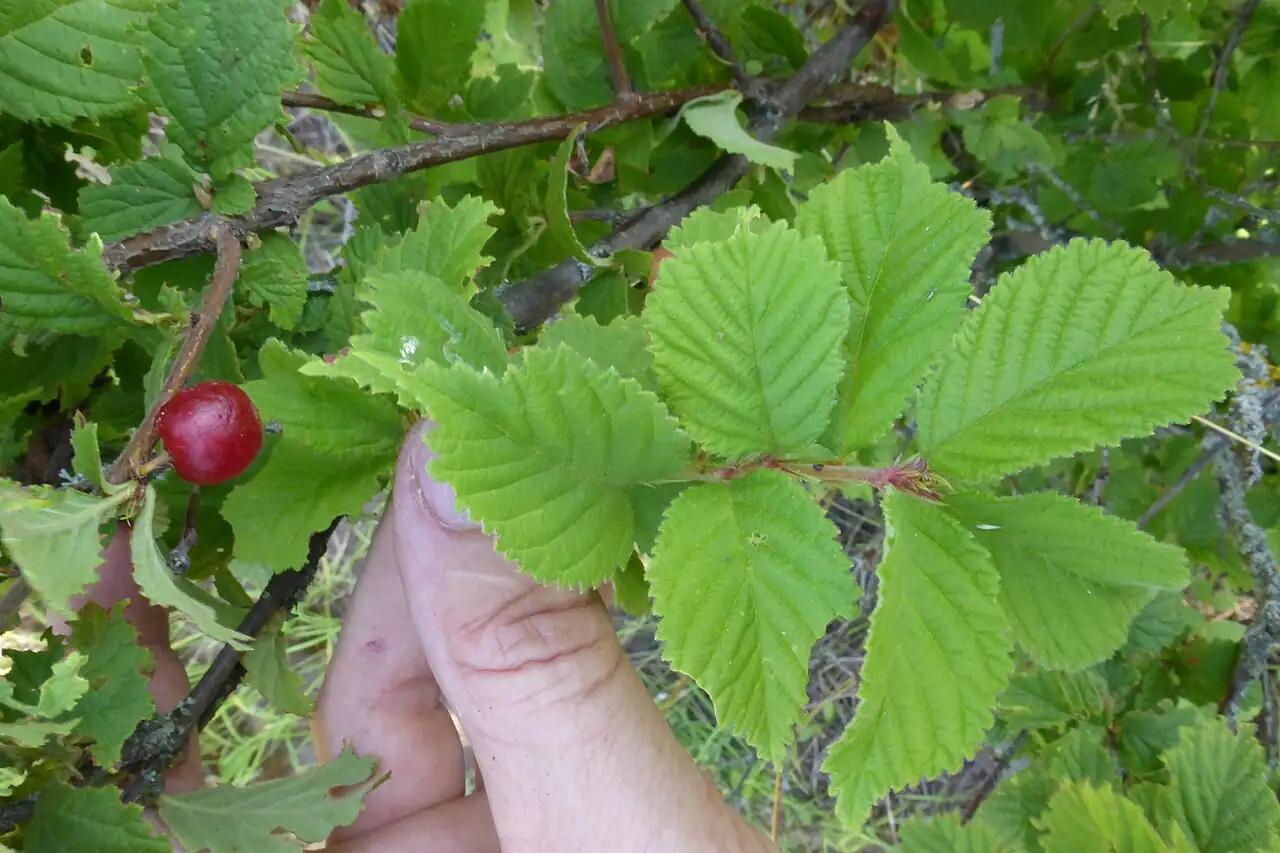
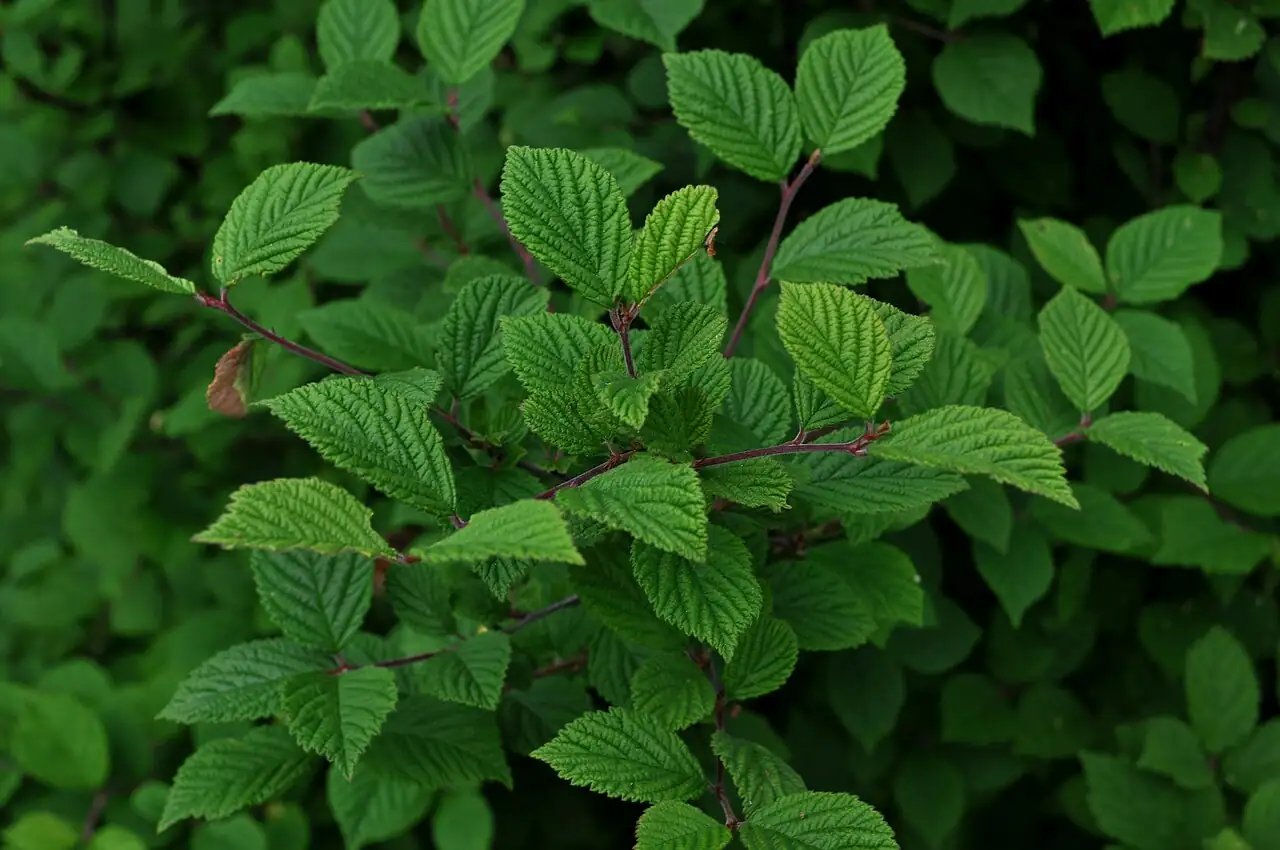
- Foliage: Leaves are oval to elliptic with pointed tips and toothed edges. The upper surface is dark green with sparse soft hairs, while the underside is gray-green. Young twigs are purplish-brown to gray-brown, and the winter buds are egg-shaped and may be slightly hairy.
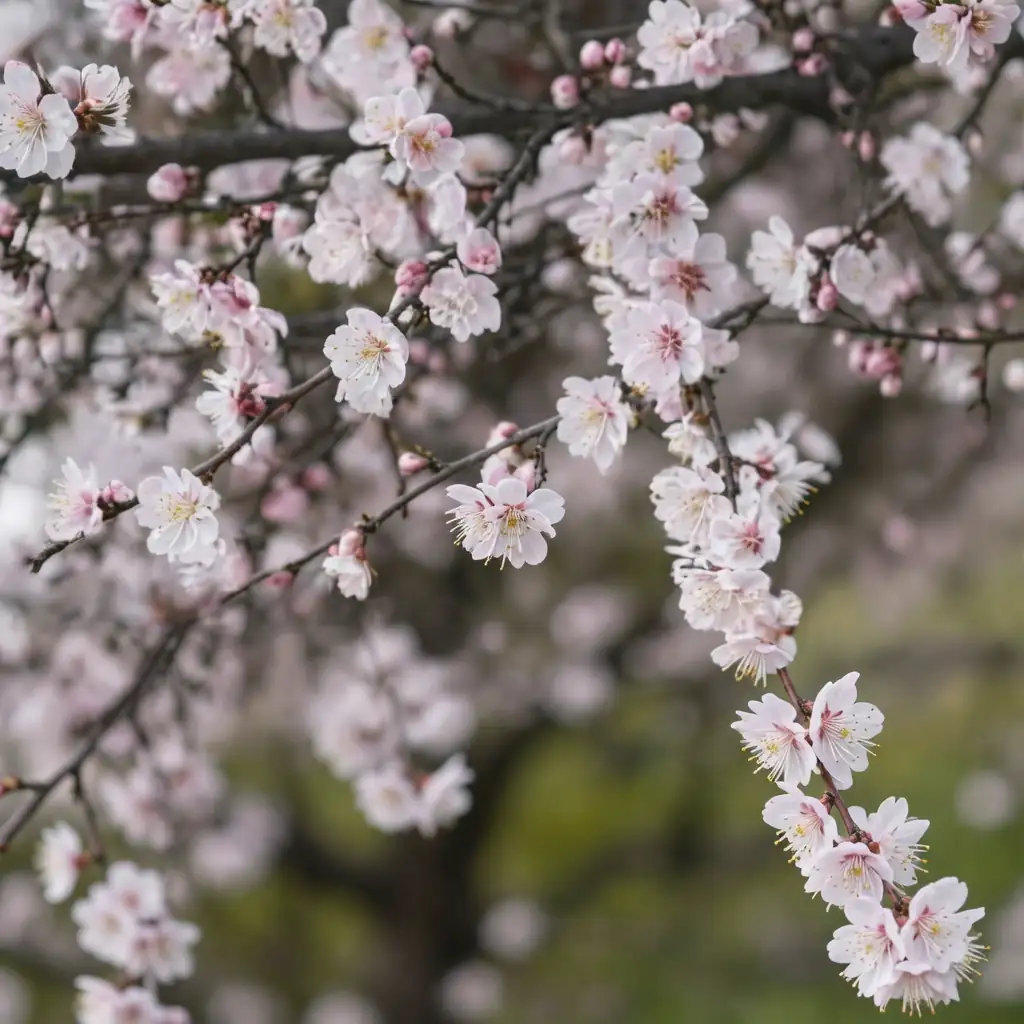
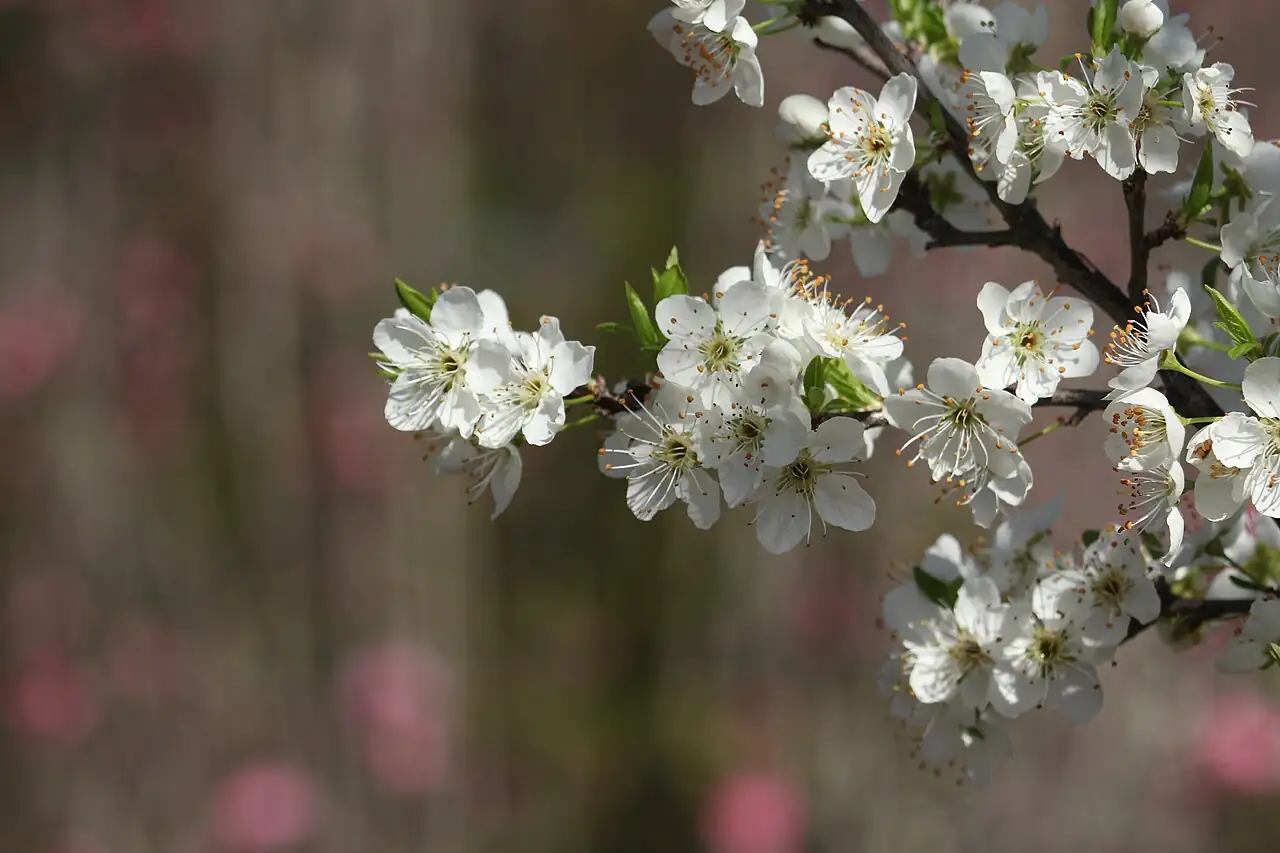
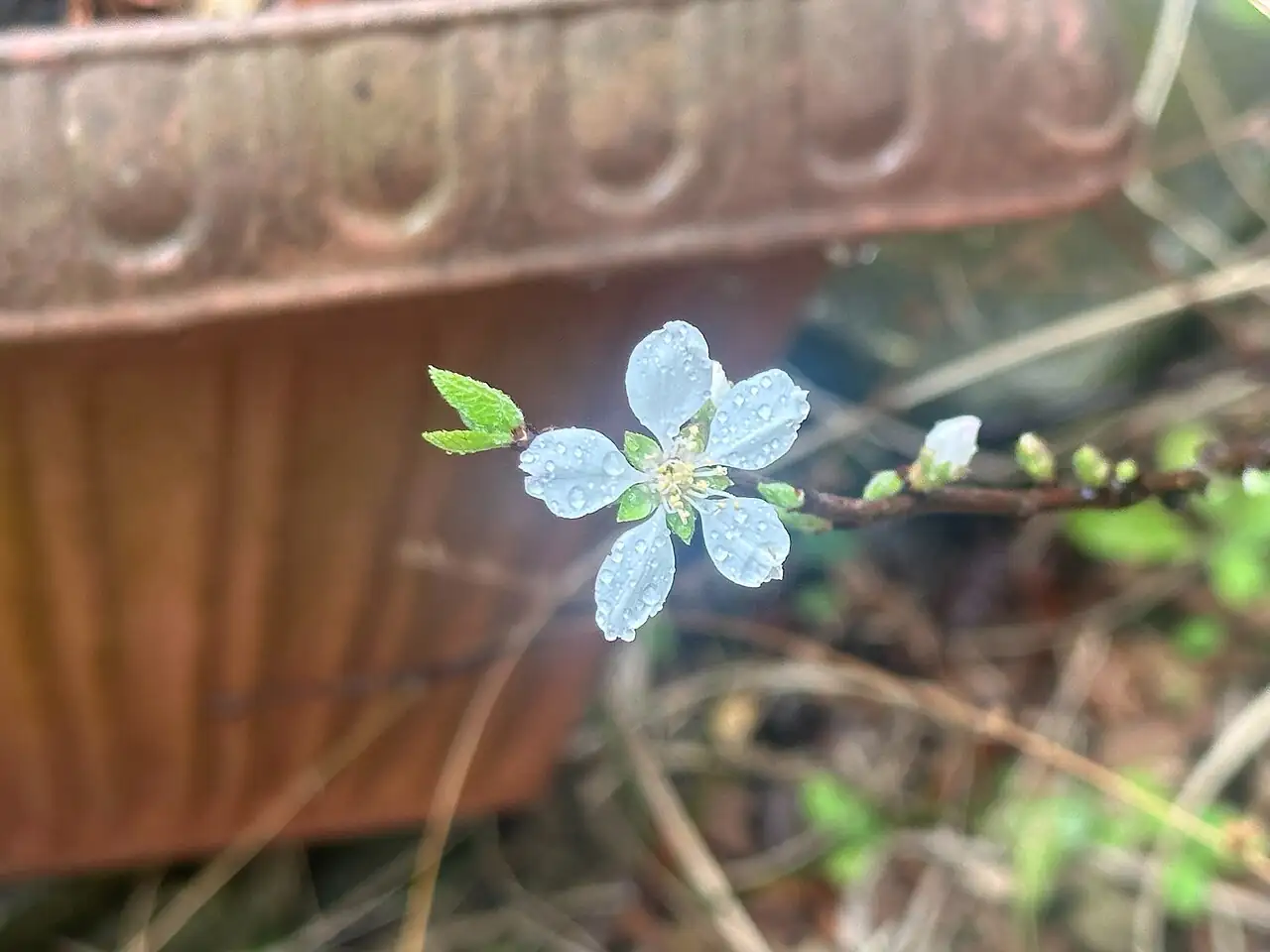
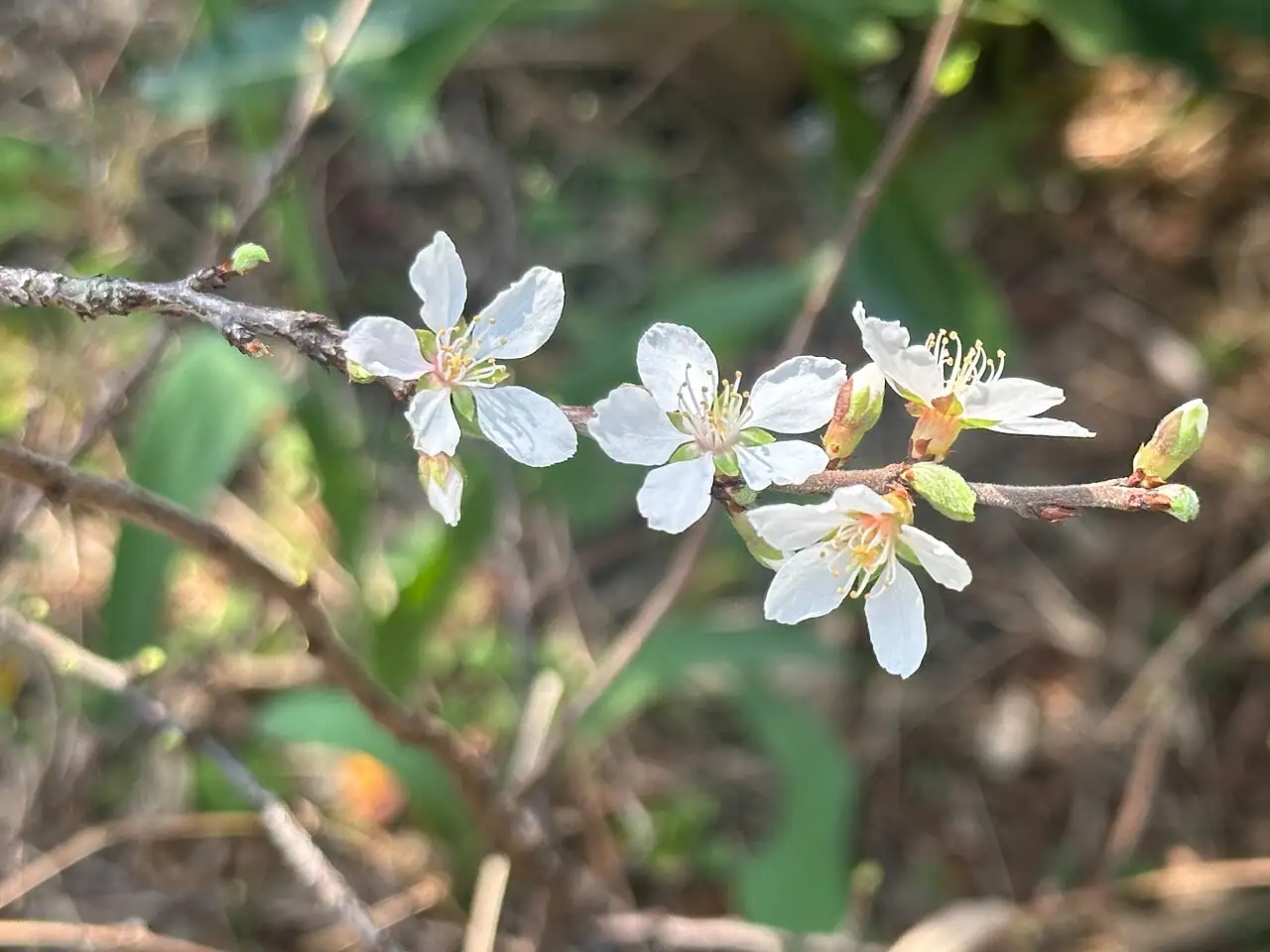
- Flower: Flowers appear singly or in pairs and open alongside the emerging leaves. Petals range from white to pale pink. After bloom, the plant sets nearly spherical, bright red drupes (stone fruits).
- Flowering Season: April–May
- Growth Habit: Deciduous shrub (sometimes a small tree) with a preference for sun and warmth. Grows best with steady moisture in fertile, well-drained soil; performs poorly if stressed by drought, waterlogging, strong wind, or saline/alkaline conditions.
Environment
Sunlight
Full sun to light shade; for the best flowering and fruiting, give it full sun.
Temperature
Best in cool-temperate climates; well-suited to regions with an average annual temperature around 10–12°C (50–54°F).
Humidity
Likes evenly moist conditions; avoid long dry periods.
Soil
Fertile, well-drained soil that stays consistently moist. Sensitive to salinity and alkalinity; ideal soil pH is about 5.6–7.0.
Placement
Sunny, sheltered garden spot with good drainage—excellent for courtyards, parks, and ornamental/edible hedgerows or edges of woodland-style plantings.
Hardiness
Cold-hardy, but not tolerant of drought, waterlogging, or strong winds. Choose a sheltered site and avoid heavy, poorly drained soils.
Care Guide
Difficulty
Moderate. It’s quite hardy in cold, but it’s picky about extremes—avoid drought, soggy soil, strong wind, and salty/alkaline conditions. If you can provide sun, decent soil, and consistent moisture, it rewards you with flowers and fruit.
Buying Guide
Select plants with firm, healthy stems and no signs of dieback. Avoid pots with bone-dry rootballs or leaves showing salt stress (scorching, weak growth). For bare-root plants, look for a well-branched, undamaged root system and plump, healthy buds.
Watering
Water regularly while establishing and during dry spells so the soil stays evenly moist. Don’t let it dry out completely, but also never leave the roots sitting in water—good drainage is essential.
Fertilization
In early spring, top-dress with compost or use a balanced slow-release fertilizer. If soil is poor, a light feeding after flowering can help fruit development. Avoid excessive nitrogen, which can cause soft growth that’s more vulnerable to wind and problems.
Pruning
Prune after flowering or after harvest to keep an open, airy framework. Remove dead or damaged branches, thin crossing growth, and periodically renew older stems to encourage productive new fruiting wood.
Propagation
Propagate by seed, softwood or semi-hardwood cuttings, or layering. Seedlings may vary from the parent plant; cuttings and layering are better for keeping a particularly good fruiting or flowering form.
Repotting
If container-grown, repot every 2–3 years (or once rootbound) in early spring into a slightly larger pot. Use a fertile, free-draining mix and avoid alkaline media; ensure strong drainage.
📅 Seasonal Care Calendar
Spring: fertilize, keep moisture steady, enjoy the blossoms. Late spring–summer: water through dry spells and harvest ripe red fruits. After flowering/harvest: prune for shape and airflow. Autumn: mulch with compost to improve soil fertility and moisture retention. Winter: protect container plants from harsh, drying winds.
Pests, Diseases & Safety
Common Pests & Diseases
Can get typical Prunus troubles such as aphids, scale insects, caterpillars, and fungal leaf spots. Prevent issues with good airflow (thoughtful pruning), avoiding overhead watering, and cleaning up fallen leaves and fruit.
Toxicity
Ripe fruit flesh is generally eaten, but the pits/seeds contain cyanogenic compounds typical of many Prunus species. Don’t let children or pets chew or consume large quantities of crushed pits or seeds.
Culture & Symbolism
Symbolism: Often linked with spring renewal and a cozy kind of abundance—pretty blossoms followed by a practical little harvest.
History & Legends: A long-cultivated plant in parts of China, appreciated for its early bloom and its ability to provide reliable fruit in suitable climates, making it both a decorative and useful courtyard shrub.
Uses: Grown ornamentally for spring flowers and for its early-summer fruit. Fruits are eaten fresh or processed into preserves, canned fruit, syrups, and fruit wine. Kernels have been used in traditional medicine, and kernel oil has been extracted and compared to almond-like oils in processing uses.
Fun Facts
- It’s one of those rare garden plants that looks great in bloom and still earns its keep at harvest time.
- The fruits are drupes (stone fruits), like cherries and plums—so they’re not true berries.
- Soil and water quality matter: it’s notably sensitive to saline/alkaline conditions.
- In the right climate, it can be a surprisingly productive fruiting shrub despite its compact size.
- Its kernels have historically been used for oil extraction, sometimes compared to almond-type oils.