

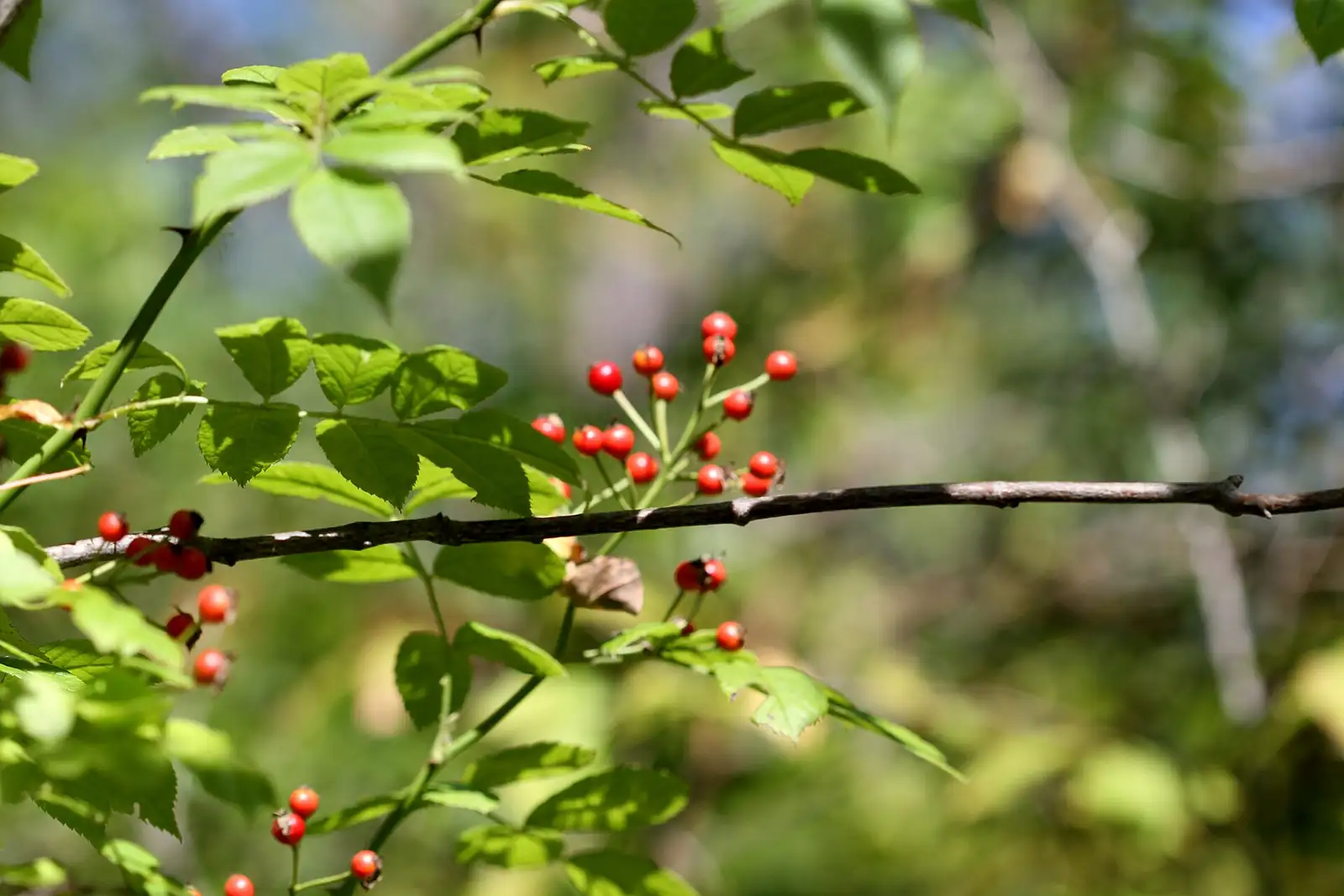
Plant Features
- Size: Vigorous, deciduous scrambling/climbing shrub; typically about 2–5 m (6.6–16.4 ft) tall with support and can spread several meters.
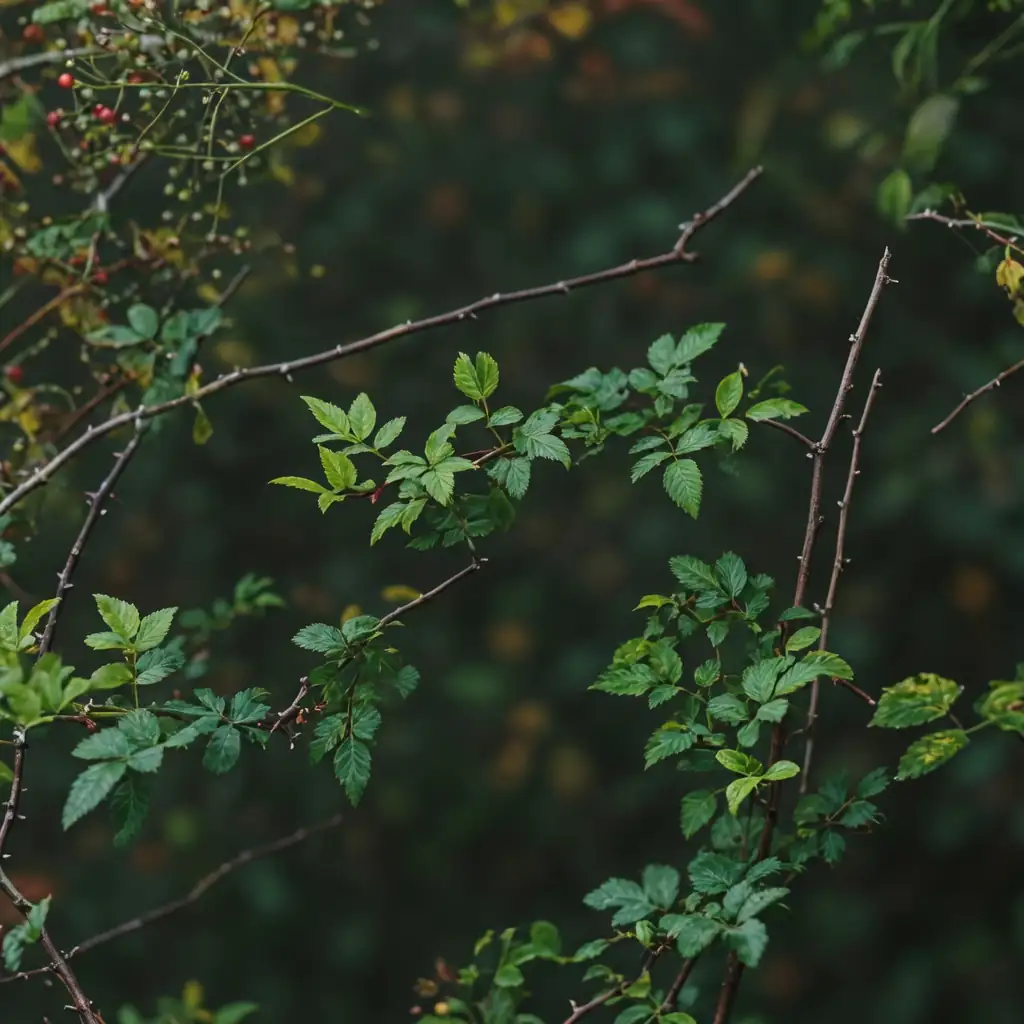
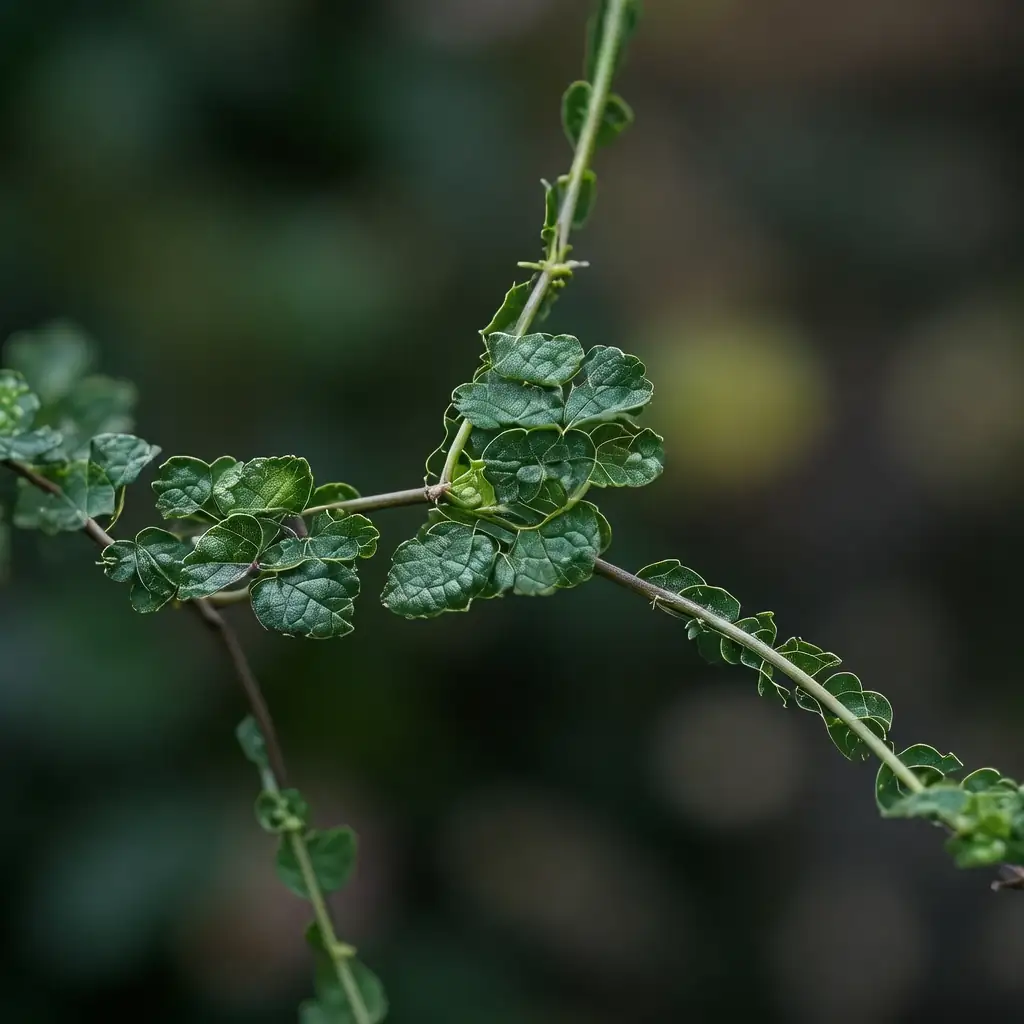
- Foliage: Long, slender, arching canes lined with many prickles. Leaves are pinnate with 5–9 small leaflets; the leaflets are oval to obovate with sharp serrations and often have fine hairs on both surfaces.
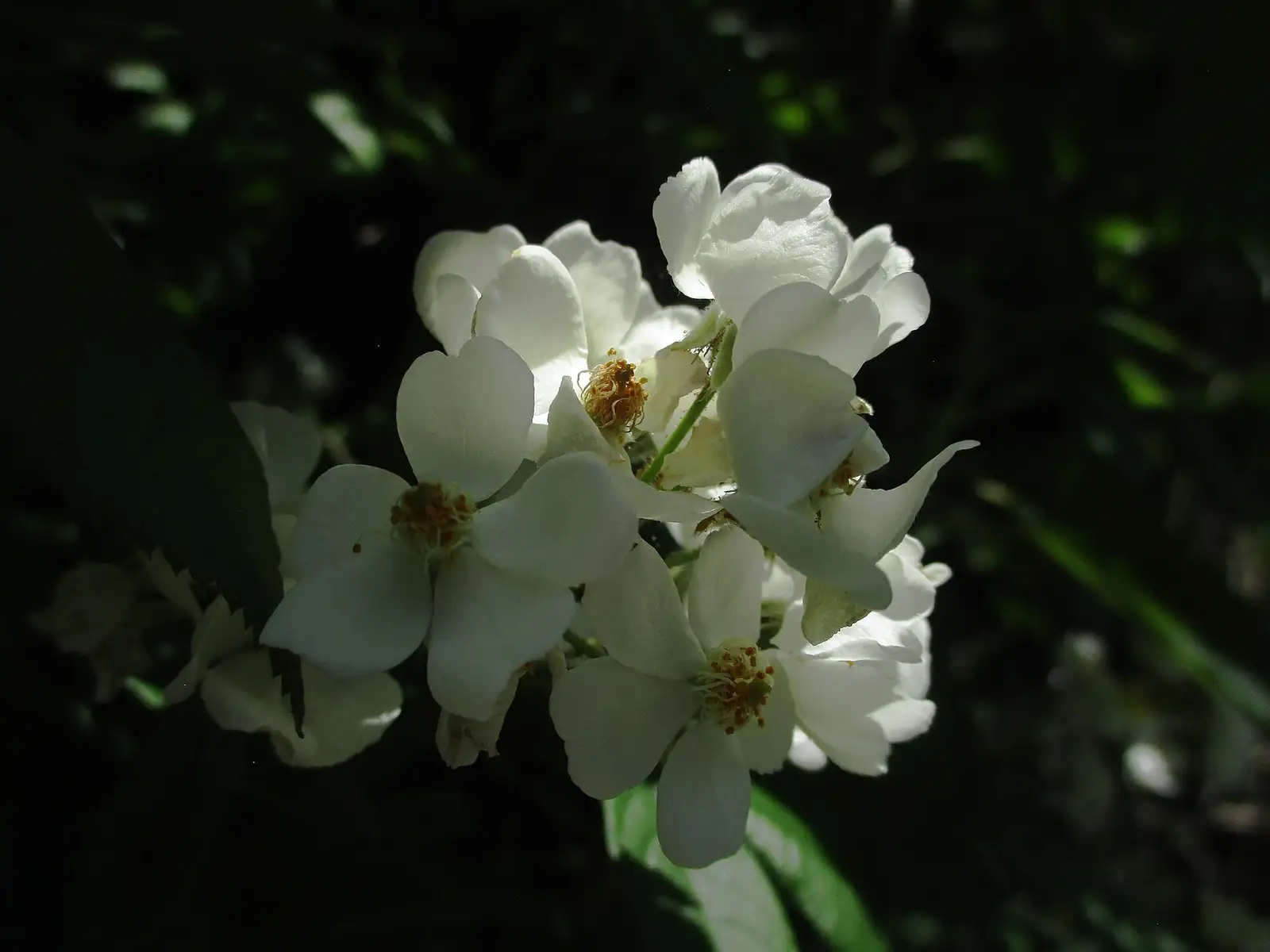
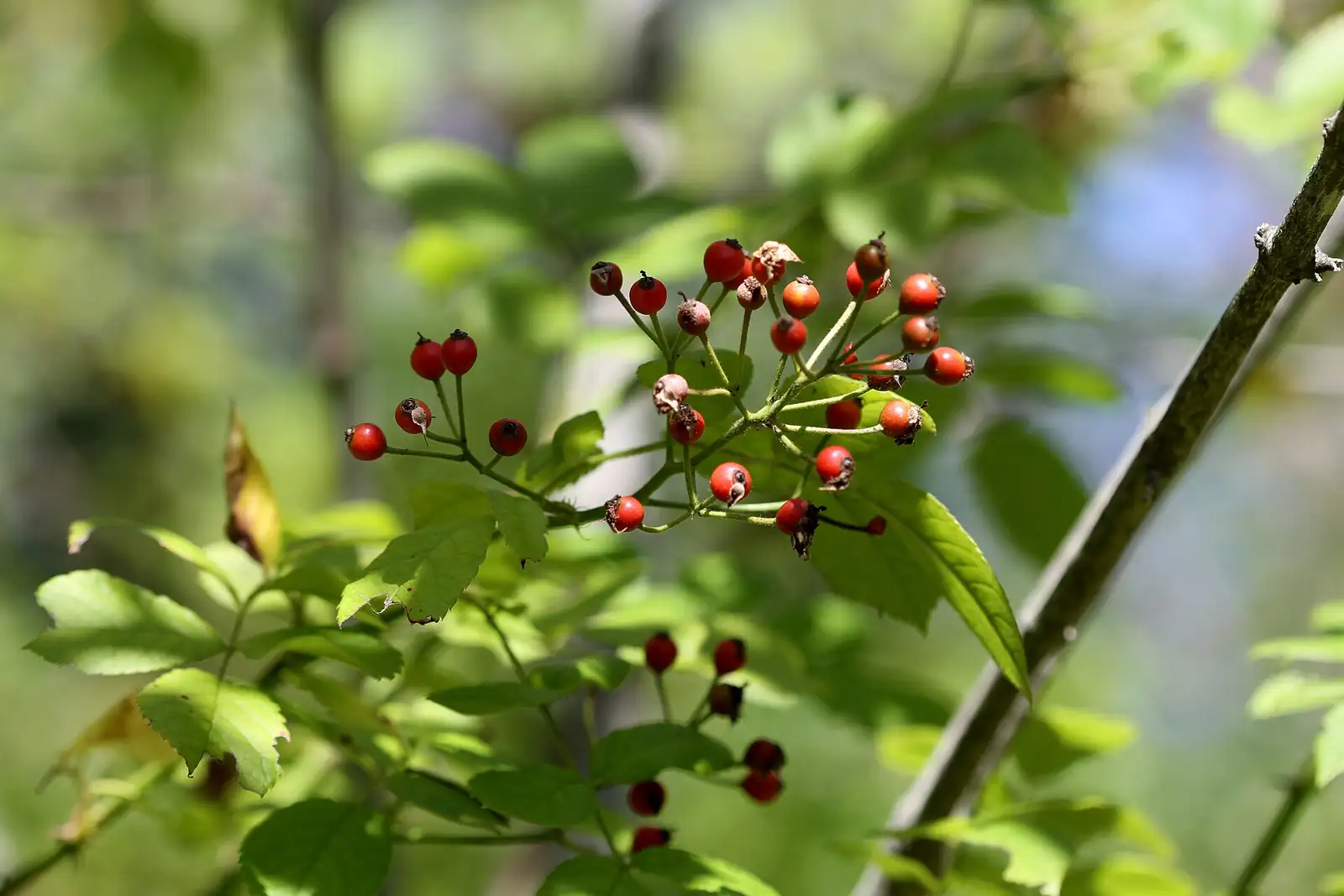
- Flower: Produces large, branched clusters at shoot tips (often described as panicles/corymbs) with many small, single, fragrant flowers—most commonly white, sometimes pale to deeper pink. After flowering, it forms small, round hips that ripen to a dark red.
- Flowering Season: May–July
- Growth Habit: Fast-growing, vigorous, deciduous climbing/scrambling shrub with a strong suckering habit; very tolerant of hard pruning and generally tolerant of urban conditions.
Environment
Sunlight
Full sun to partial shade; flowers best in full sun.
Temperature
Cold-hardy and suited to cool-temperate climates; tolerates winter frost, roughly down to about -25°C to -15°C (-13°F to 5°F) depending on local conditions.
Humidity
Adaptable; tolerates humid conditions as long as airflow is good.
Soil
Highly adaptable and not fussy; grows in a wide range of soils (even poorer ground) but performs best in moderately fertile, well-drained soil.
Placement
Outdoors on fences, pergolas, arches, walls, and trellises; also works as a flowering hedge/living screen and for slopes or bank plantings where spreading can be managed.
Hardiness
USDA Zone 4–9 (approximate; local performance varies).
Care Guide
Difficulty
Easy: extremely vigorous and adaptable; tolerates cold, brief drought, wet periods, lower fertility soils, and heavy pruning, and is generally resilient in urban settings.
Buying Guide
Choose plants with firm, green canes and healthy buds. Avoid blackened canes, severe dieback, or badly rootbound pots. For bare-root plants, look for a well-developed root system and multiple sound canes.
Watering
Water regularly during establishment (the first growing season). Once established, water deeply during prolonged dry spells rather than frequent light watering. Avoid constantly waterlogged soil.
Fertilization
Usually needs only light feeding. Apply a balanced rose fertilizer in spring; on very poor soils, a second light feed in early summer can help. Avoid high-nitrogen feeding late in the season, which can trigger soft growth before winter.
Pruning
Prune in late winter to early spring (or prune right after flowering if mainly shaping). Remove dead, weak, and crossing canes and thin crowded growth. Because it suckers strongly, remove unwanted basal shoots to prevent spreading.
Propagation
Easy to propagate from suckers (lift and replant rooted shoots) and from semi-ripe cuttings in summer. Also widely used as a rootstock for grafting cultivated roses.
Repotting
Most often grown in the ground. In containers, repot every 1–2 years into a larger pot with fresh, well-drained mix, ideally in early spring.
📅 Seasonal Care Calendar
Blooms May–July; hips develop and ripen around September–October. Main pruning is late winter–early spring. Deadhead after flowering if you prefer to prevent hip formation.
Pests, Diseases & Safety
Common Pests & Diseases
May encounter typical rose issues: aphids, spider mites, scale, powdery mildew, black spot, and rust. Improve airflow, avoid late-day overhead watering, remove infected leaves, and use horticultural soap/oil or appropriate fungicides when needed.
Toxicity
Generally considered non-toxic to people and pets, but the prickles can puncture skin. Hips/seeds may cause mild stomach upset if eaten in large quantities.
Culture & Symbolism
Symbolism: Often associated with wild beauty, resilience, and natural protection—like many roses, it can also carry the broader symbolism of love and guardianship.
History & Legends: Long valued across East Asia as both a wild ornamental and a practical hedging plant. In horticulture it became especially important as a vigorous, reliable rootstock for grafting garden roses.
Uses: A hardworking ornamental for vertical greening (walls, arches, pergolas), flowering hedges, privacy screens, and stabilizing slopes/banks—plus a widely used rootstock for grafted roses.
FAQ
When does it flower?
Most often from May to July, with the heaviest display in late spring.
When do the hips ripen?
Typically around September to October, turning a dark red as they mature.
Where does it grow naturally?
It’s native to eastern Asia (including China, Korea, and Japan) and is commonly found along roadsides, field margins, and shrubby hillsides.
What growing conditions does it prefer?
It’s very adaptable, but full sun and reasonably well-drained soil give the best growth and flowering; it also tolerates partial shade and a range of soil types.
What is it used for in gardens?
It’s popular for hedging/screening, training over structures for a waterfall of bloom, and as rootstock for many grafted roses.
Fun Facts
- Its blooms often appear in huge, cloud-like sprays made up of many small, fragrant single flowers.
- The small, round hips ripen to dark red in autumn.
- It suckers readily—great for vigorous coverage, but it can spread if you don’t keep an eye on it.
- Its toughness and pruning tolerance are big reasons it has been widely used in landscaping and as rose rootstock.


