

Plant Features
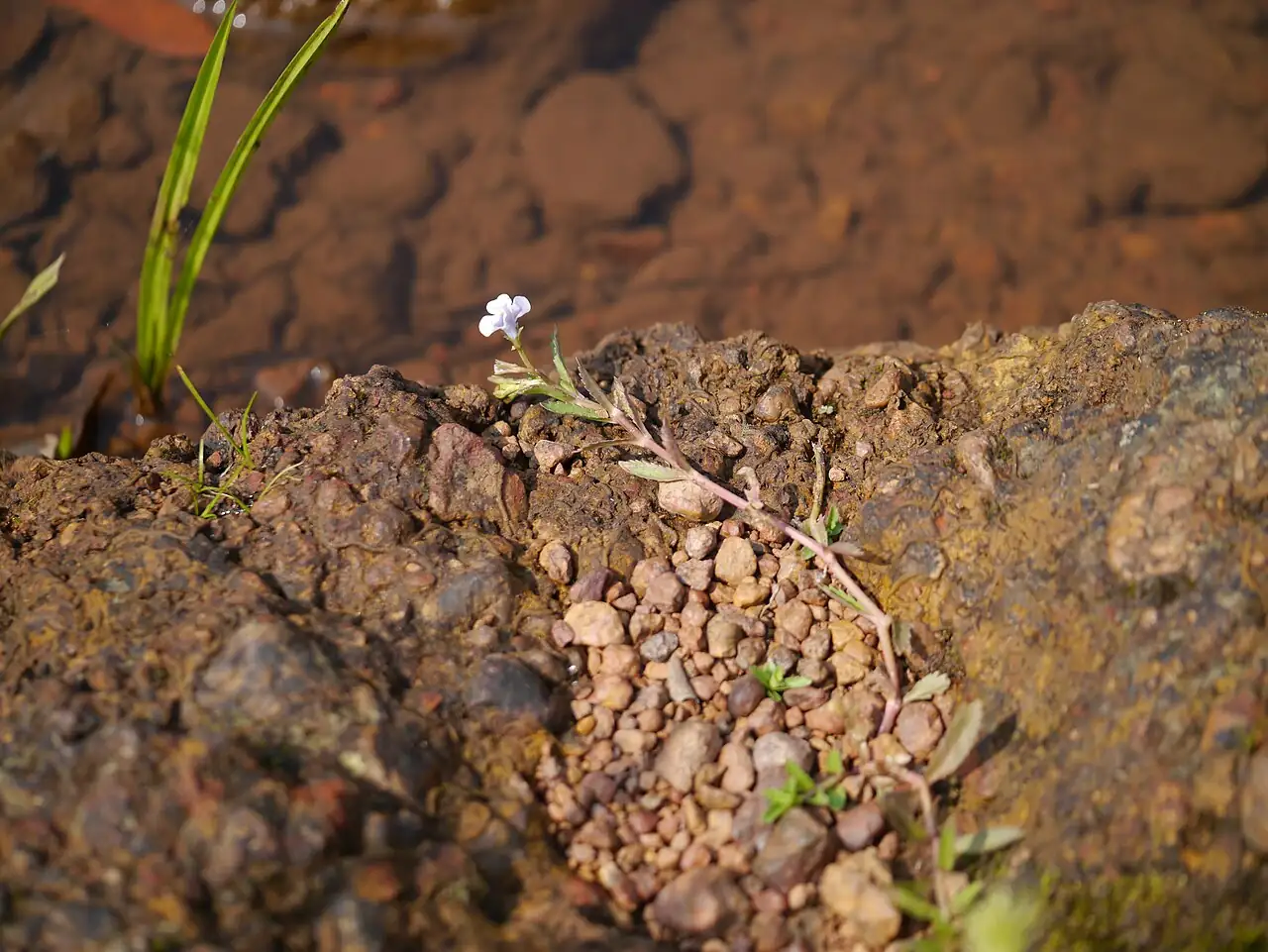
- Size: Up to about 30 cm (12 in) tall; spreads outward by creeping stems that root at the nodes, forming a low mat.
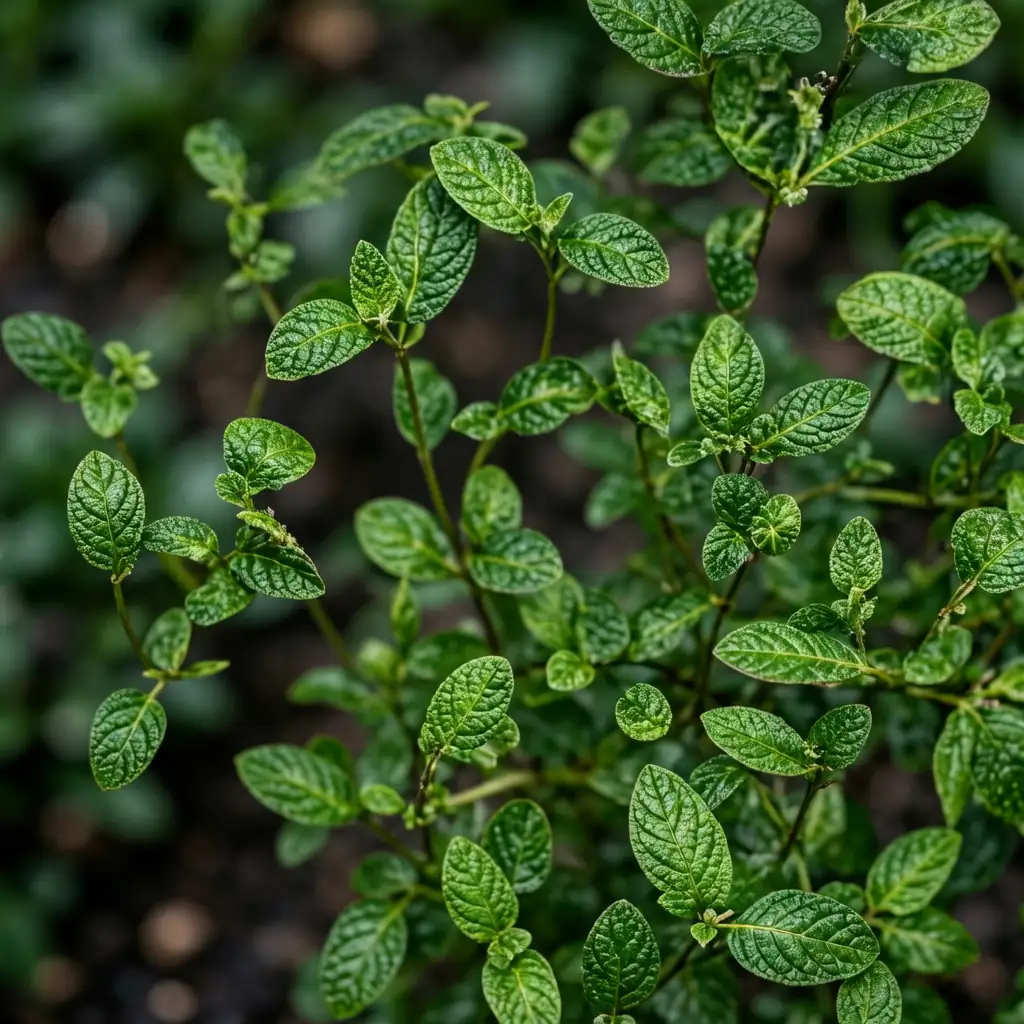
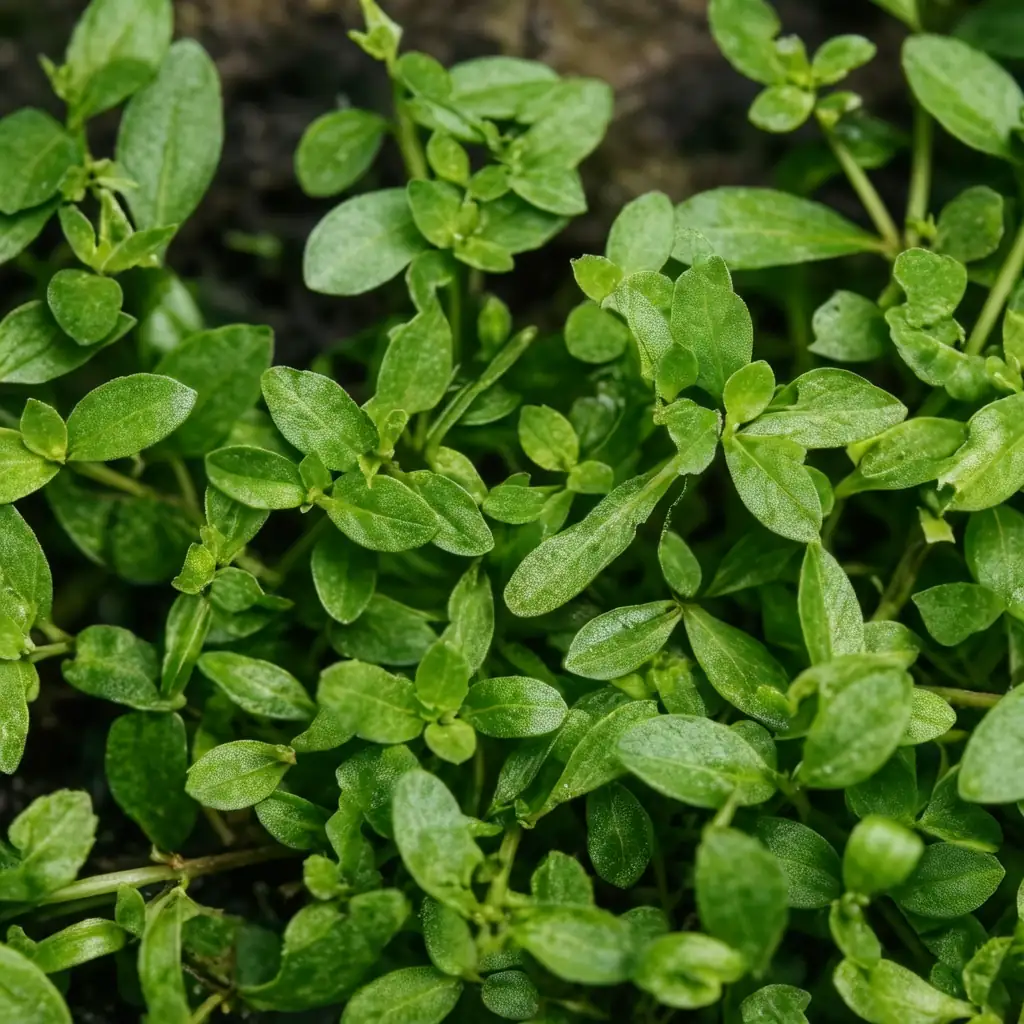
- Foliage: Small, simple green leaves carried on grooved stems; overall fine-textured and mat-forming as the stems sprawl and root where they contact the ground.
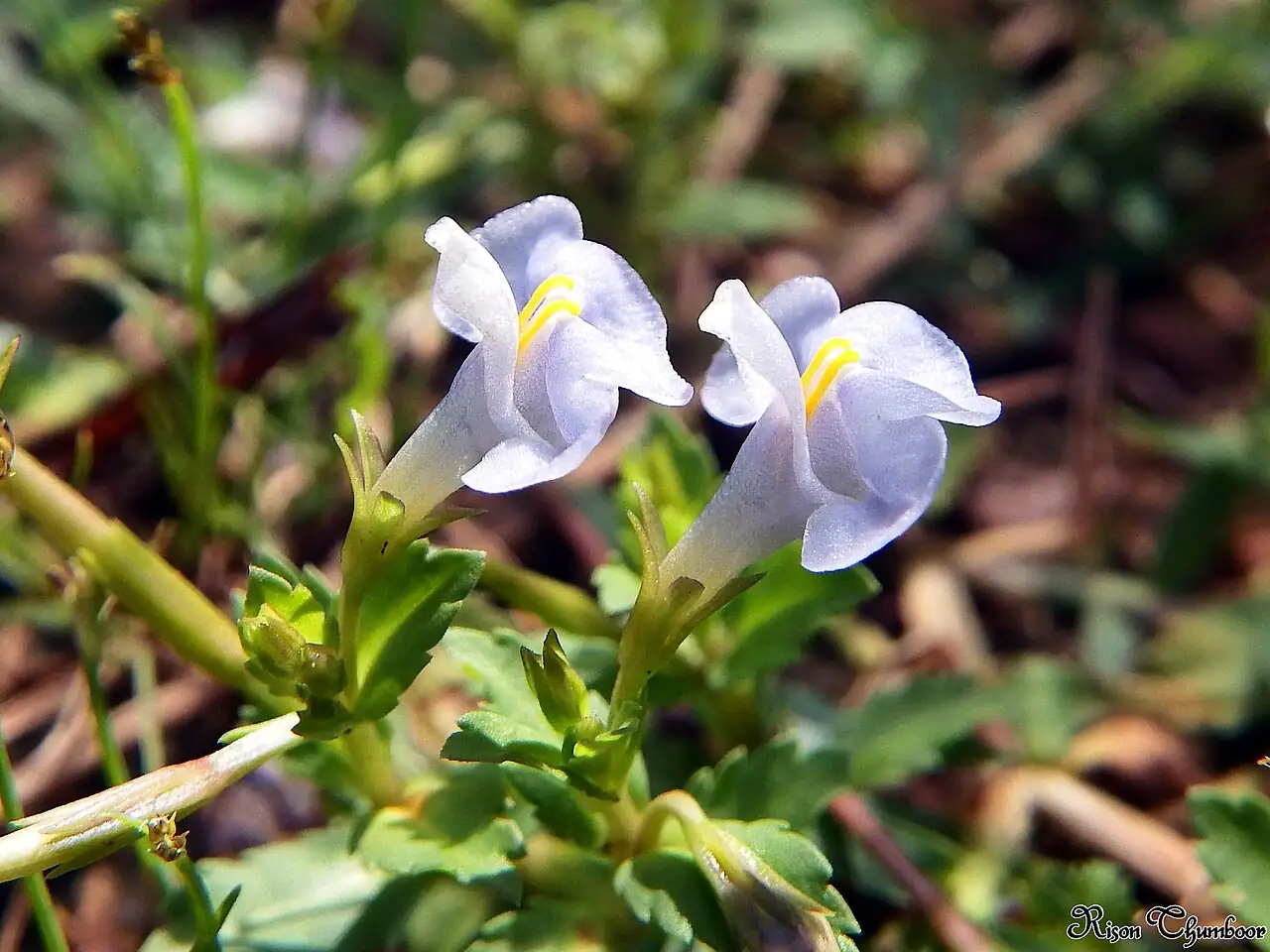
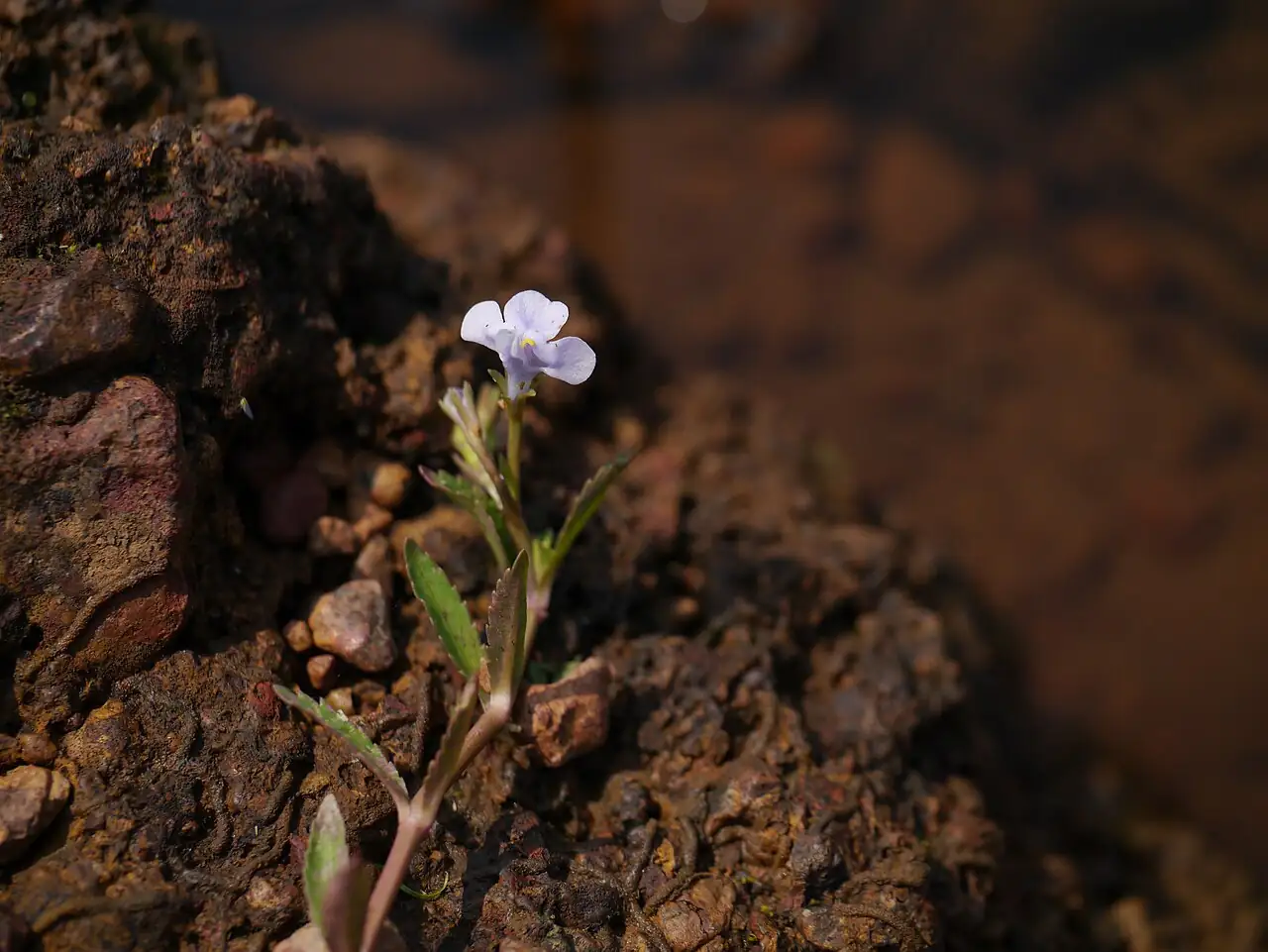
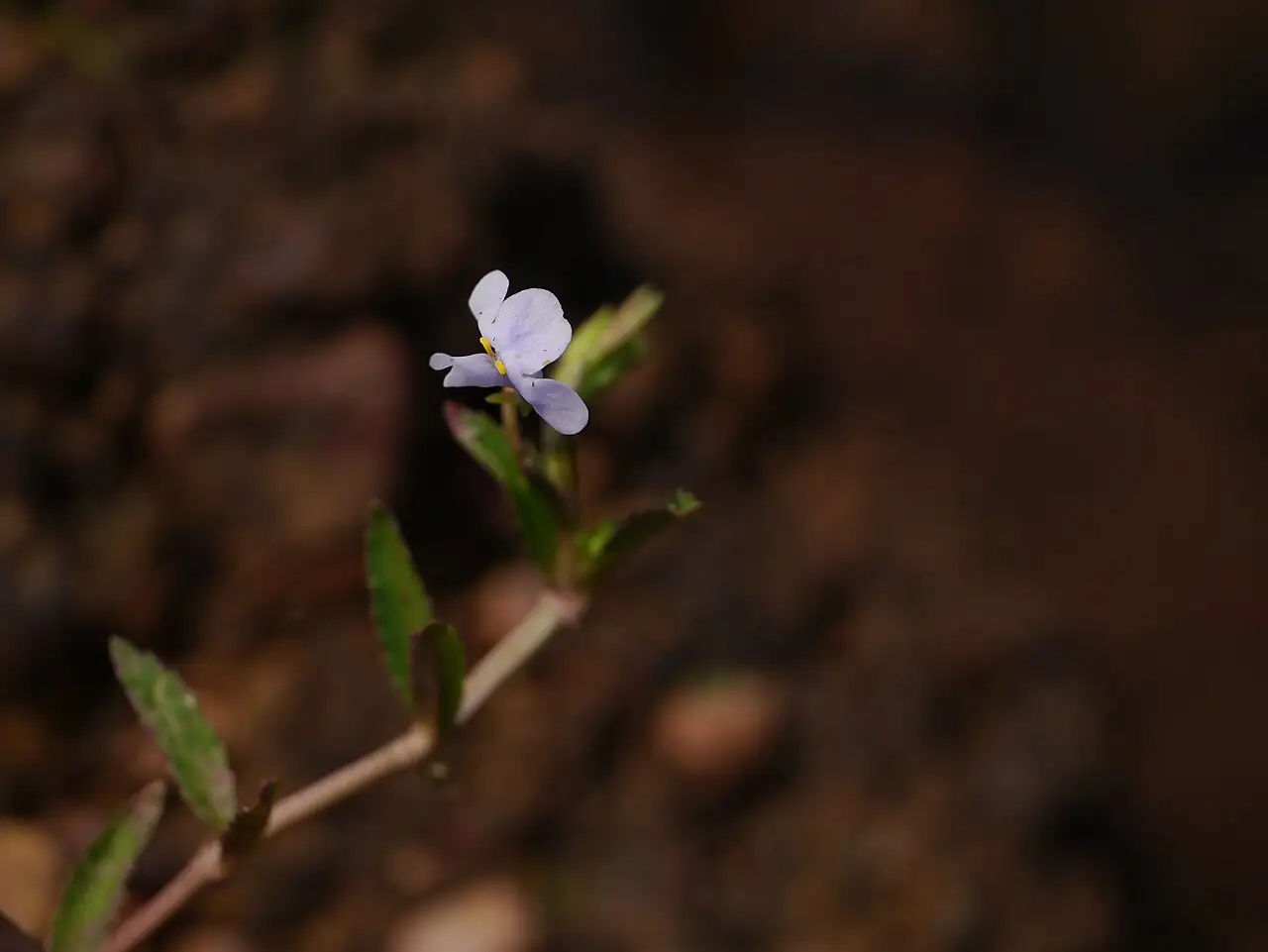
- Flower: Tiny, delicate flowers with a bell-shaped calyx divided into 5 deep, narrow, lance-like lobes with short bristly hairs. The corolla is tubular and two-lipped, about 1 cm (0.4 in) long: the upper lip is 2-lobed and the lower lip is 3-lobed. Flower color is commonly purple, bicolored purple-and-white, or white.
- Flowering Season: Spring to autumn (spring to fall).
- Growth Habit: Annual herb; initially slightly upright, later much-branched with a creeping base. Lower nodes readily root, creating a spreading groundcover.
Environment
Sunlight
Bright shade to partial sun; happiest with gentle morning sun and protection from harsh afternoon sun.
Temperature
Prefers mild to warm conditions, about 15–30°C (59–86°F). Not frost-tolerant.
Humidity
Enjoys high humidity and consistently moist air/soil conditions.
Soil
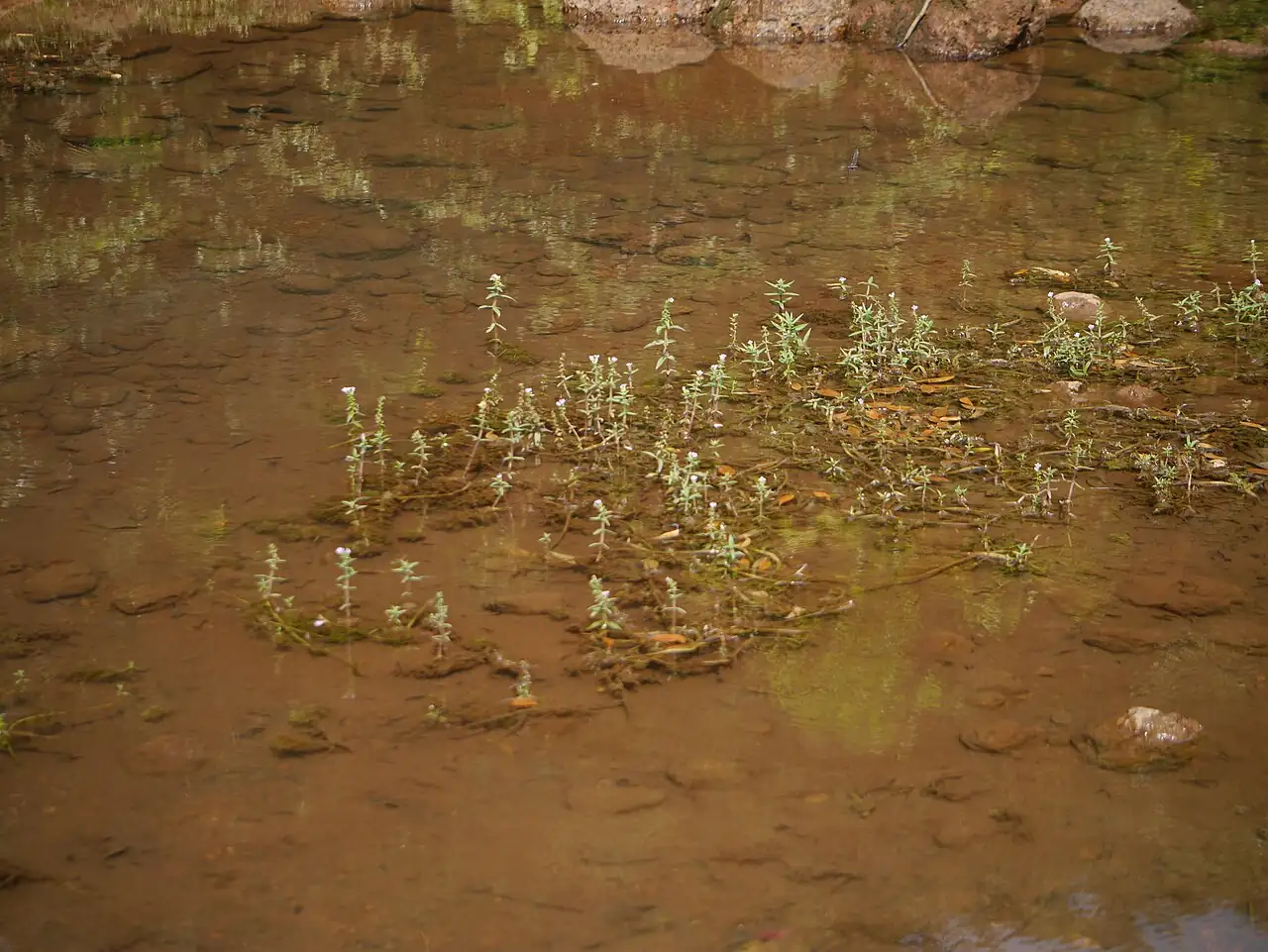
Moist to wet, fertile soil. Naturally thrives at the edges of paddies, ditches, ponds, and wet grassland. Keep evenly moist and do not allow the soil to dry out; in pots, use a mix that stays moist but still has some air space.
Placement
Great for pond margins, bog gardens, damp woodland edges, and other reliably moist landscape pockets; also does well in consistently wet containers (especially wide pots that allow it to spread).
Hardiness
Not frost-hardy; best treated as a warm-season annual (set outdoors after the last frost).
Care Guide
Difficulty
Easy to moderate: very straightforward if moisture is steady, but it declines quickly if it dries out.
Buying Guide
Pick plants with fresh green growth and perky stems (no wilting). Avoid pots that are bone-dry. Plants showing active rooting at nodes and visible buds usually establish fastest.
Watering
Keep continuously moist to wet. In containers, water often enough that the mix never dries—during hot weather that can mean daily watering. Avoid stagnant, sour conditions by using a moisture-retentive yet airy mix and providing decent airflow.
Fertilization
Light feeder. In containers, feed with a half-strength balanced fertilizer every 2–4 weeks during active growth. In the ground, compost-rich soil is often enough.
Pruning
Optional but helpful: pinch tips early for more branching and a denser mat. Trim back leggy growth to encourage fresh, compact regrowth.
Propagation
Propagates by seed and by stem cuttings. Creeping stems that have rooted at nodes can be pegged down and then divided once established; soft cuttings root readily in consistently moist media.
Repotting
For container plants, pot up in spring to early summer as growth accelerates. Choose a wider pot to support its spreading habit, and refresh/loosen the top layer if the mix compacts.
📅 Seasonal Care Calendar
Spring: sow seed or set out plants after frost; keep evenly moist. Summer: maintain constant moisture; pinch/trim for density; peak flowering. Autumn: flowering often continues in mild weather; collect seed if desired. Winter: typically dies back as an annual—clear and re-sow next season.
Pests, Diseases & Safety
Common Pests & Diseases
Usually trouble-free. In overly stagnant, constantly wet conditions (especially in pots), stems can rot—improve airflow and avoid anaerobic/sour potting mix. Occasionally aphids or minor chewing insects may appear on tender tips; rinse off or treat with insecticidal soap if needed.
Toxicity
No well-documented toxicity to people or pets. Still, avoid intentional ingestion and supervise pets around any wild or ornamental plants.
Culture & Symbolism
Symbolism: Often associated with a relaxed “wild meadow” vibe—small but cheerful flowers thriving where many plants struggle: wet, muddy ground.
History & Legends: No widely recorded legends in English-language references; it’s mainly known as a modest but pretty wet-ground wildflower in East Asia.
Uses: Primarily ornamental: a naturalistic seasonal groundcover for consistently moist, lightly shaded areas, especially along wet edges (ponds, ditches, bog gardens) for summer-to-autumn color.
FAQ
Why did my Mudflower wilt so suddenly?
It’s extremely sensitive to drying out. Check the root zone—if the soil dried even briefly, rehydrate thoroughly and keep it consistently moist from then on.
Can Mudflower grow in standing water?
It tolerates very wet, waterlogged margins, but in containers it performs best in a moisture-retentive mix that still has air space—avoid stagnant, sour conditions.
Fun Facts
- It can ‘walk’ across wet soil by creeping stems that root at the nodes, turning one plant into a little living mat.
- The flowers are tiny—about 1 cm (0.4 in)—but show up in multiple color forms: purple, purple-and-white, or white.
- Its calyx is a standout detail: bell-shaped and deeply divided into five narrow lobes with short bristly hairs.
- In nature, it’s a familiar sight along rice paddies and wet grasslands in eastern and southern China.


