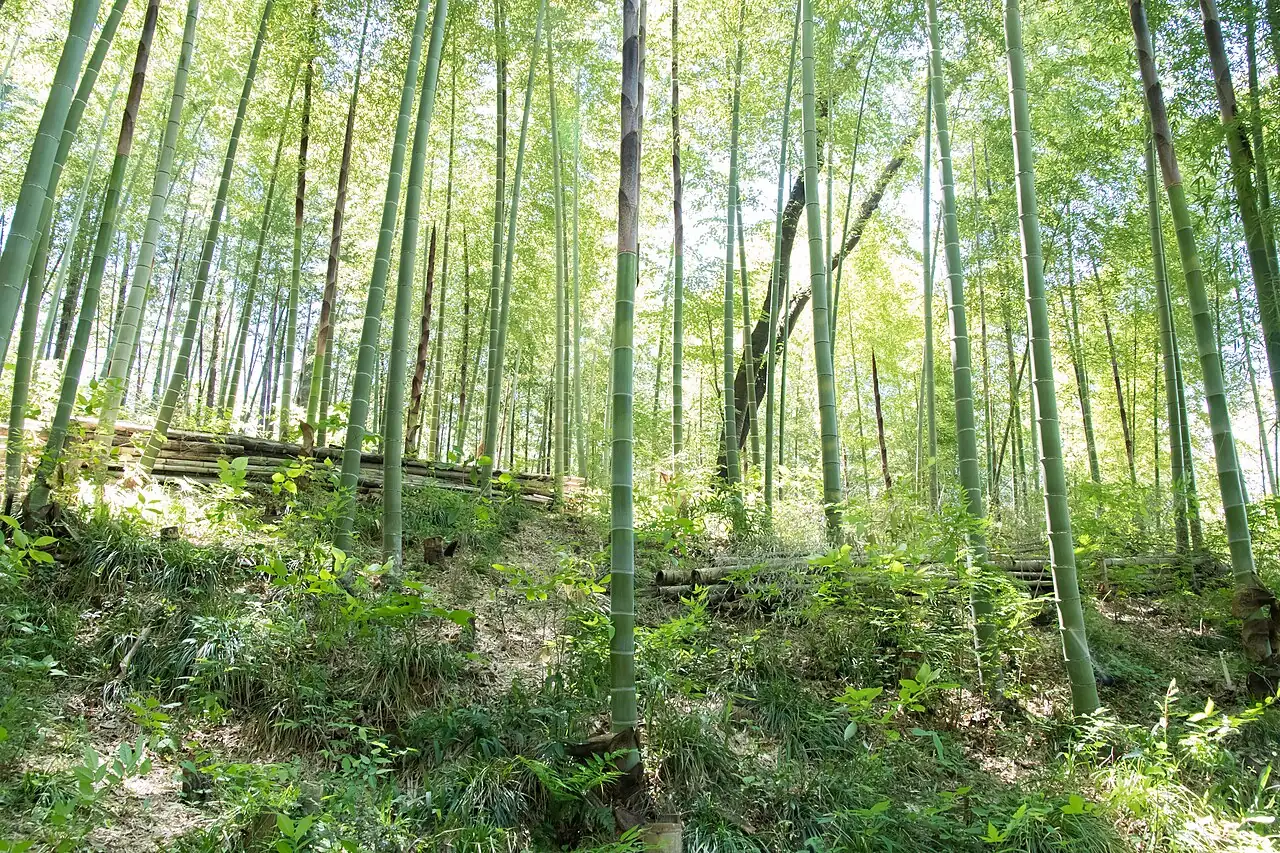
Plant Features
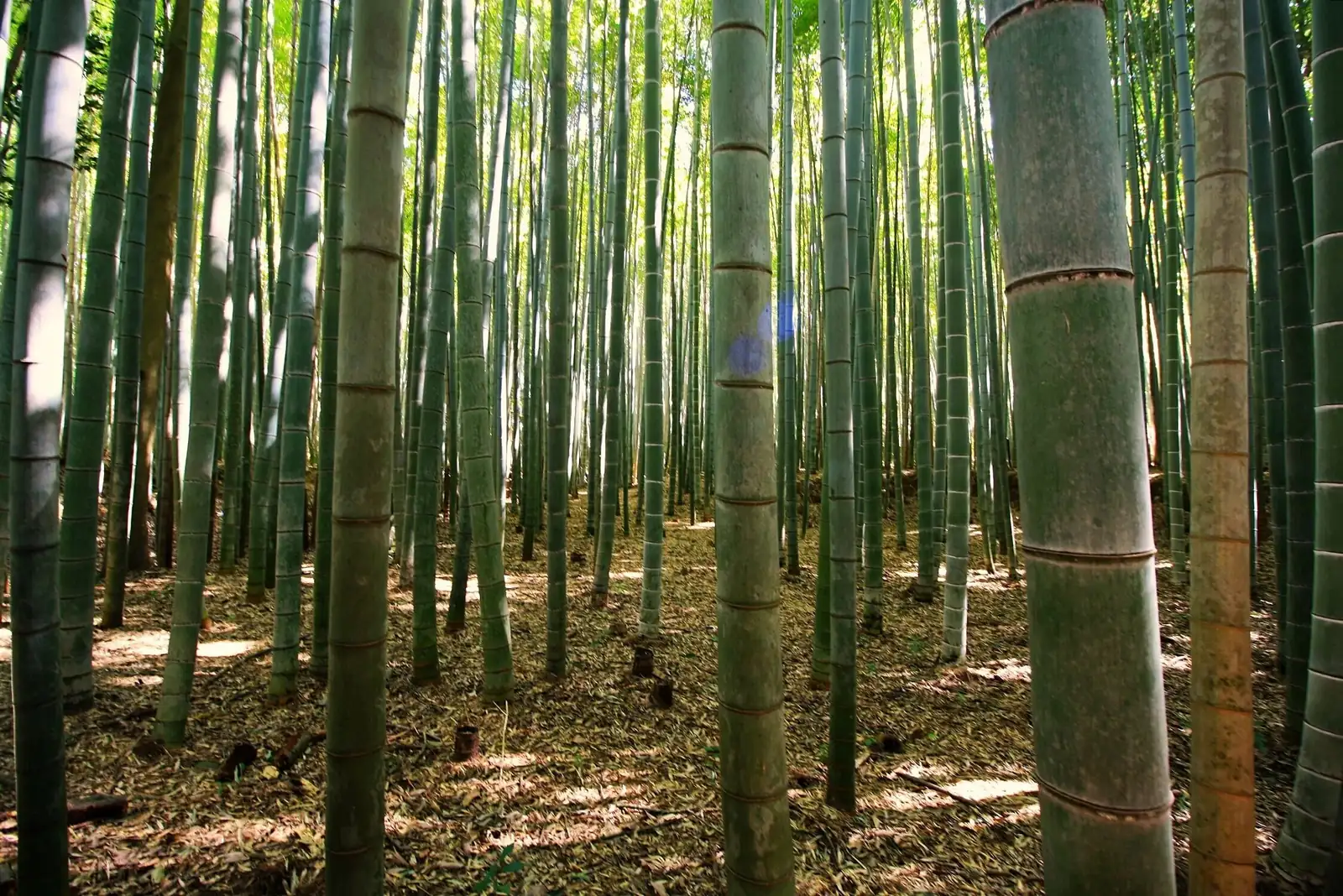
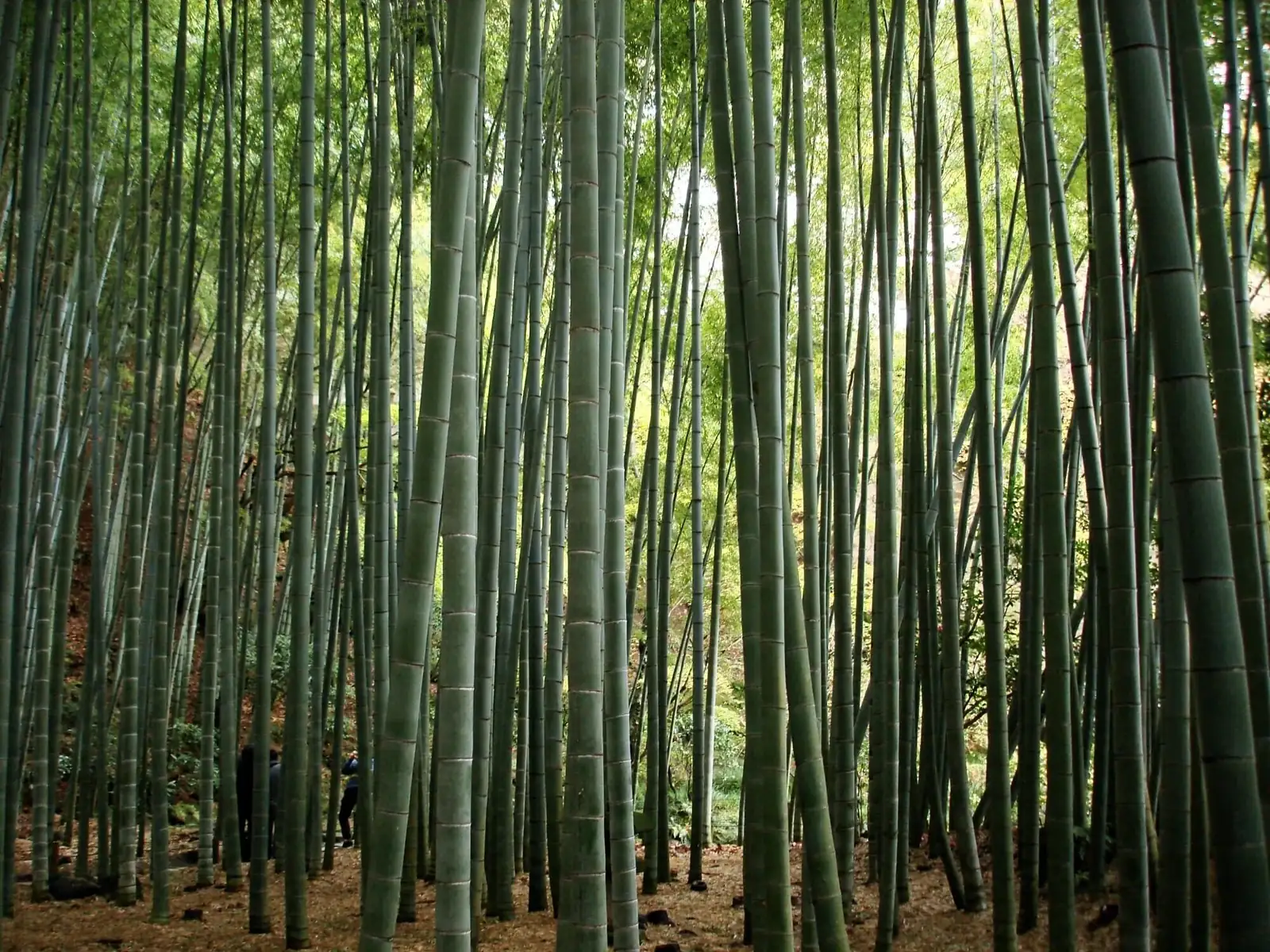
- Size: Culms up to about 20 m (66 ft) tall; culm diameter about 12–20 cm (4.7–7.9 in) or thicker in good conditions.
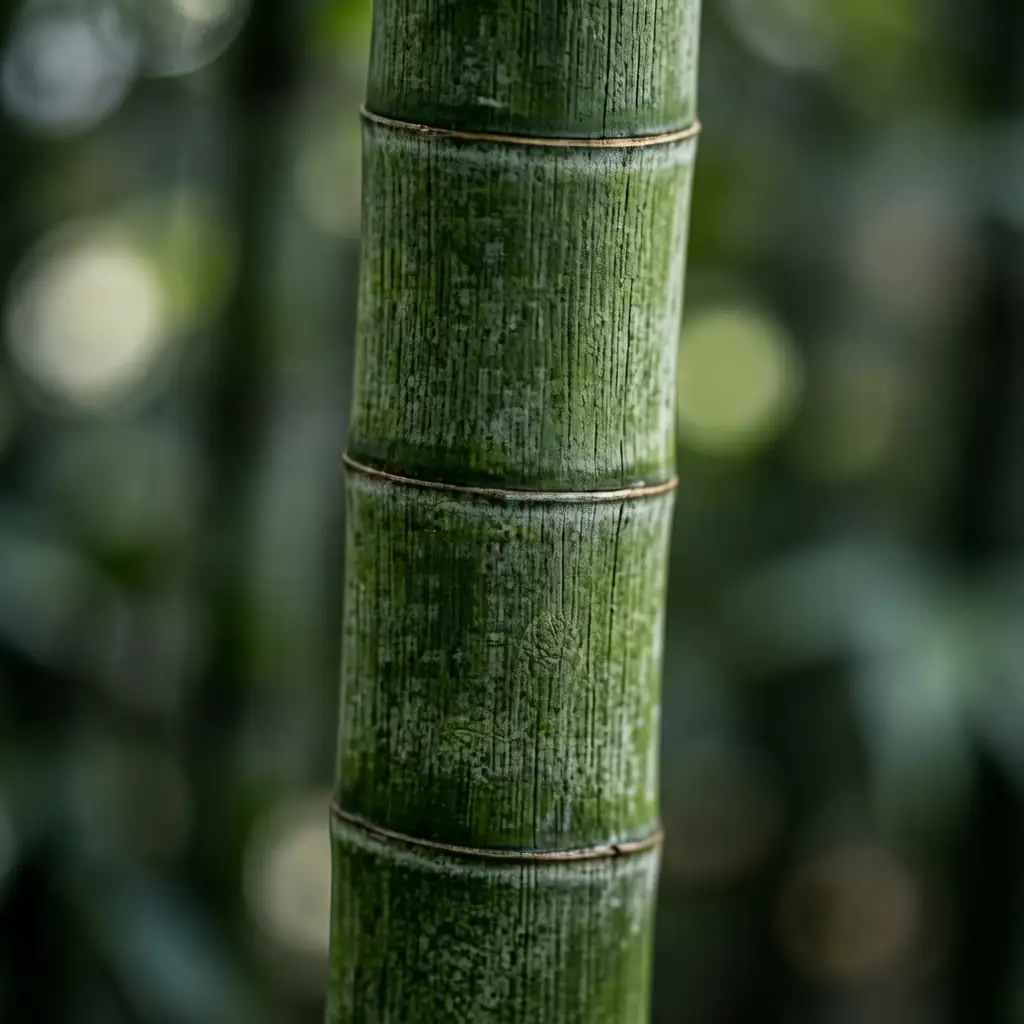
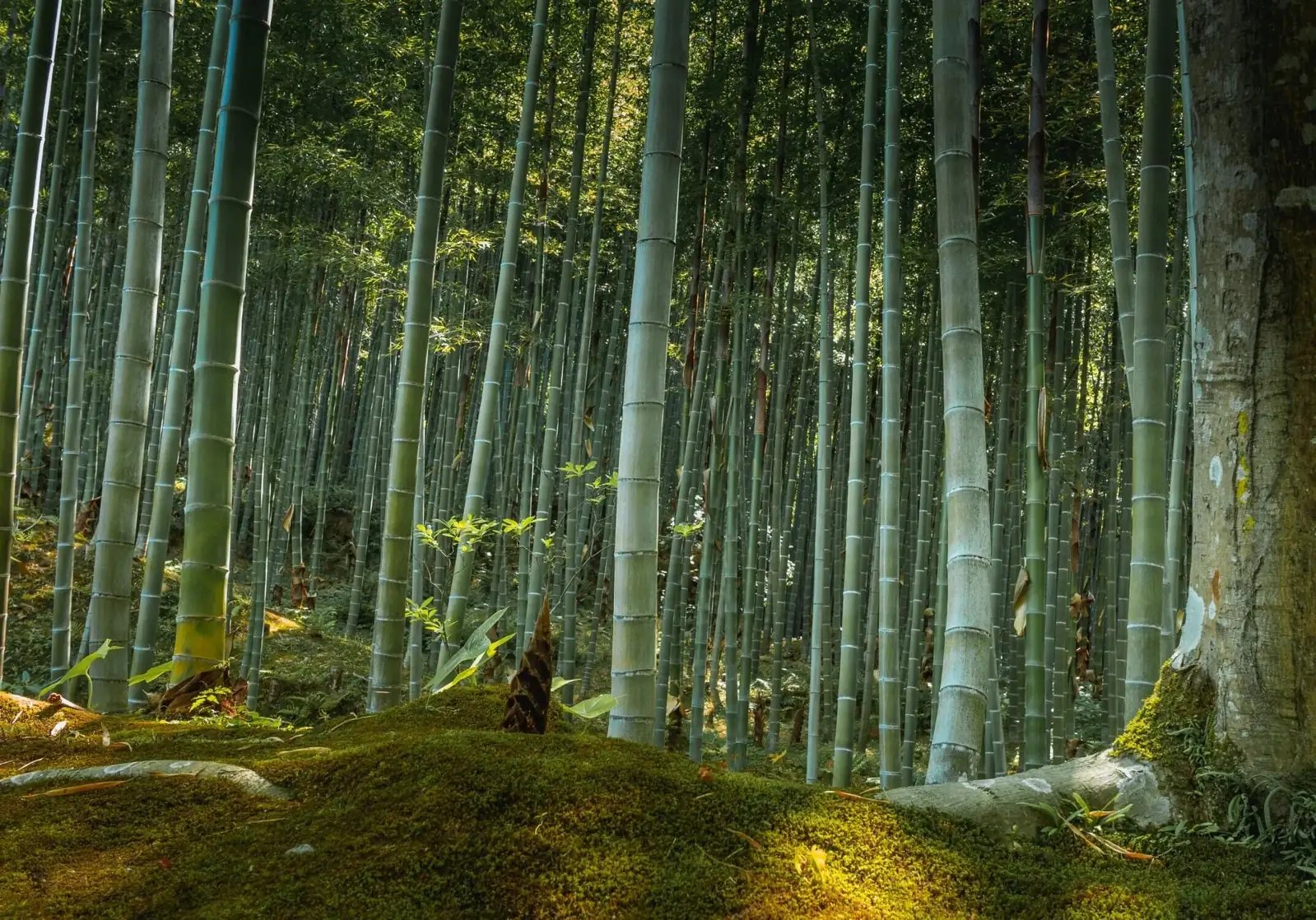
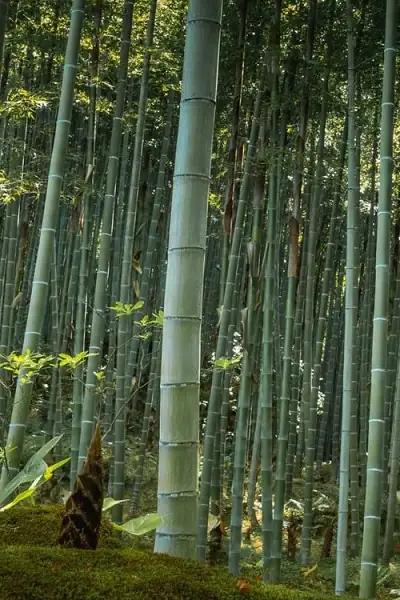
- Foliage: New culms emerge green with a pale, powdery bloom and fine hairs, giving them a slightly frosted look. With age they shift to grey-green, often showing powdery deposits beneath the nodes; culm ridges can appear yellowish. The culm sheaths may have dense dark spotting and stiff brown hairs, and their sheath blades are triangular to lance-shaped—starting upright, then bending back (reflexed). Small branches commonly carry 2–3 leaves, creating a full, elegant canopy.
- Flower: Flowering is rarely seen in cultivation and may happen only during irregular, sometimes mass-flowering events typical of many bamboos. When it does flower, it produces subtle, grass-like bamboo inflorescences rather than showy blooms.
- Flowering Season: May–August (when flowering occurs)
- Growth Habit: Tall, upright, tree-like bamboo that forms colonies and spreads via running rhizomes (often requiring management or containment).
Environment
Sunlight
Full sun to partial shade; best growth in bright light, but it tolerates some shade.
Temperature
Prefers a cool, moist climate; tolerates down to about -15°C (5°F). Cold tolerance is better when soil moisture is adequate and plants are sheltered from drying winds.
Humidity
Prefers humid conditions and consistently moist air/soil; struggles more in hot, dry situations unless irrigated.
Soil
Fertile, consistently moist but well-drained soil; prefers acidic conditions. Avoid waterlogged sites.
Placement
Best outdoors in landscapes—ideal for screens, windbreaks, and woodland-style groves. Not a good fit for small indoor spaces due to its height and running spread.
Hardiness
Cold-hardy to about -15°C (5°F) in sheltered, well-watered conditions; protect from desiccating winter winds in colder areas.
Care Guide
Difficulty
Moderate (outdoors): generally easy once established, but it needs space, regular moisture, and often rhizome containment to prevent unwanted spread.
Buying Guide
Pick plants with firm, undamaged culms and healthy green leaves. If planting in a garden, buy from a supplier who can advise on your local climate and on containment options (such as root barriers).
Watering
Water deeply during establishment and whenever the weather turns dry. Aim for evenly moist soil—never constantly soggy. Consistent moisture in summer supports strong growth, and good soil moisture going into winter can noticeably improve cold tolerance.
Fertilization
Feed in spring and early summer using a balanced slow-release fertilizer or well-rotted compost/organic matter. In colder climates, avoid heavy nitrogen late in the season to reduce tender growth heading into winter.
Pruning
Remove dead, weak, or overcrowded culms at ground level to improve airflow and keep the grove looking clean and graceful. Thin selectively to maintain an attractive structure and reduce congestion.
Propagation
Most commonly propagated by rhizome division (with a section of rhizome and an attached culm) in spring or early autumn. Choose divisions with viable buds and roots, and keep them well-watered until established.
Repotting
Usually grown in the ground. If grown in containers, expect vigorous rhizomes—repot and/or divide every 1–2 years once the pot fills, using a large container and refreshing the growing medium.
📅 Seasonal Care Calendar
Shoot season: typically April (varies by region). Flowering (when it happens): May–August, though flowering is rare and irregular. Summer: water generously during dry spells. Winter: keep soil from drying out and shelter from harsh, drying winds for better cold resilience.
Pests, Diseases & Safety
Common Pests & Diseases
Generally robust. Watch for aphids, scale insects, and spider mites (especially in hot, dry conditions), plus occasional leaf spot. Prevent problems by avoiding drought stress and improving airflow; treat infestations with horticultural soap or oil when needed.
Toxicity
Not considered poisonous to people or pets in typical use. However, like many grasses, leaves can be abrasive—discourage pets from chewing large amounts.
Culture & Symbolism
Symbolism: Like bamboo in general, Moso bamboo is tied to ideas of resilience, integrity, and steady growth in East Asian culture. Because it’s also a major timber bamboo, it often carries an added sense of strength, practicality, and usefulness.
History & Legends: Long cultivated in China for both edible shoots and timber, Moso bamboo has supported rural livelihoods for generations and is deeply woven into traditional bamboo crafts and everyday tools.
Uses: Ornamental: planted as screens, windbreaks, and immersive groves. Practical: an important economic bamboo used for poles, building materials, and many bamboo goods. Culinary: young shoots are harvested and eaten in season.
FAQ
When is the shoot season?
Typically around April, depending on local climate and elevation.
When does it flower?
If it flowers, it’s usually noted from May to August, but flowering is irregular and can be very rare in cultivation.
How tall can Moso bamboo grow?
Under good conditions, culms can reach about 20 m (66 ft) tall.
What soil does it prefer?
Fertile, consistently moist but well-drained soil, ideally on the acidic side; avoid waterlogging.
How cold-hardy is it?
Around -15°C (5°F), especially when well-watered and protected from drying winter winds.
Fun Facts
- Moso bamboo is one of the most widely grown and economically important bamboos in China.
- Its culms can reach about 20 m (66 ft) tall and roughly 12–20 cm (4.7–7.9 in) in diameter—sometimes thicker in excellent conditions.
- Moist soil doesn’t just boost growth—it can also improve winter cold tolerance.
- New culms often look slightly frosted from a pale, powdery bloom; older culms turn grey-green with powdery deposits near the nodes.
- Because it spreads by running rhizomes, many gardeners use barriers or manage it as a contained grove.