

Plant Features
- Size: Typically 15–20 m (49–66 ft) tall in the landscape; forms upright colonies via running rhizomes.
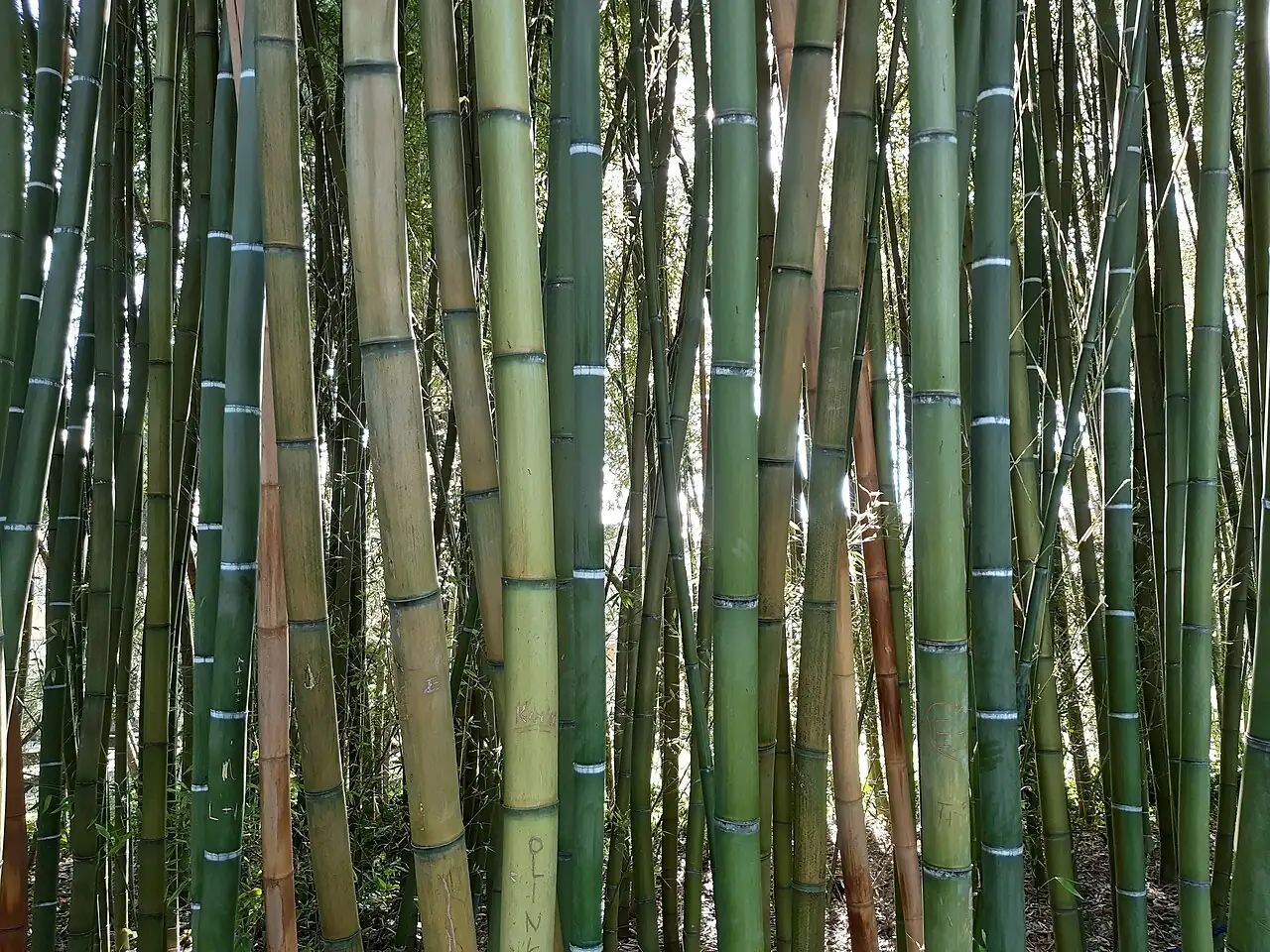
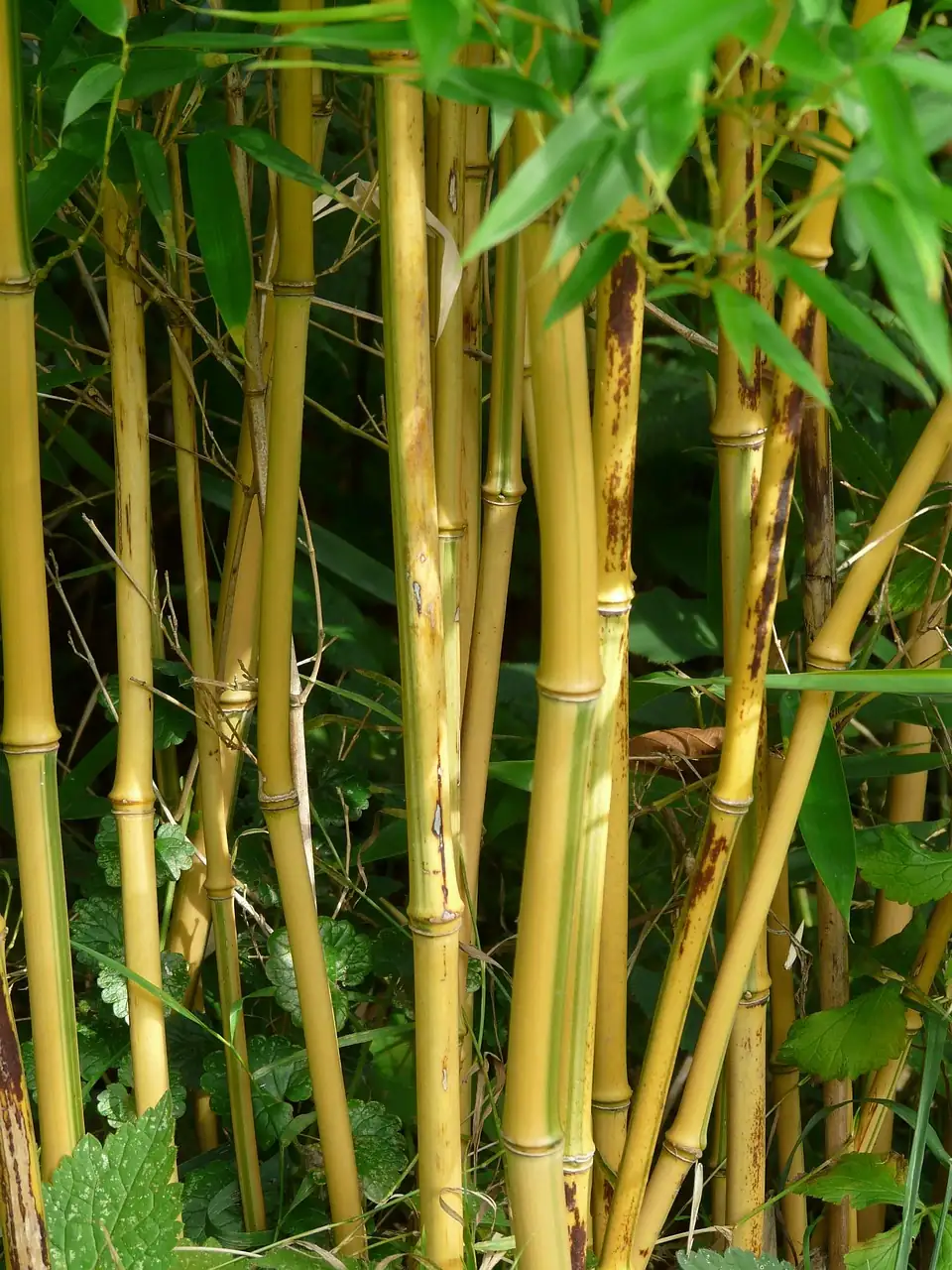
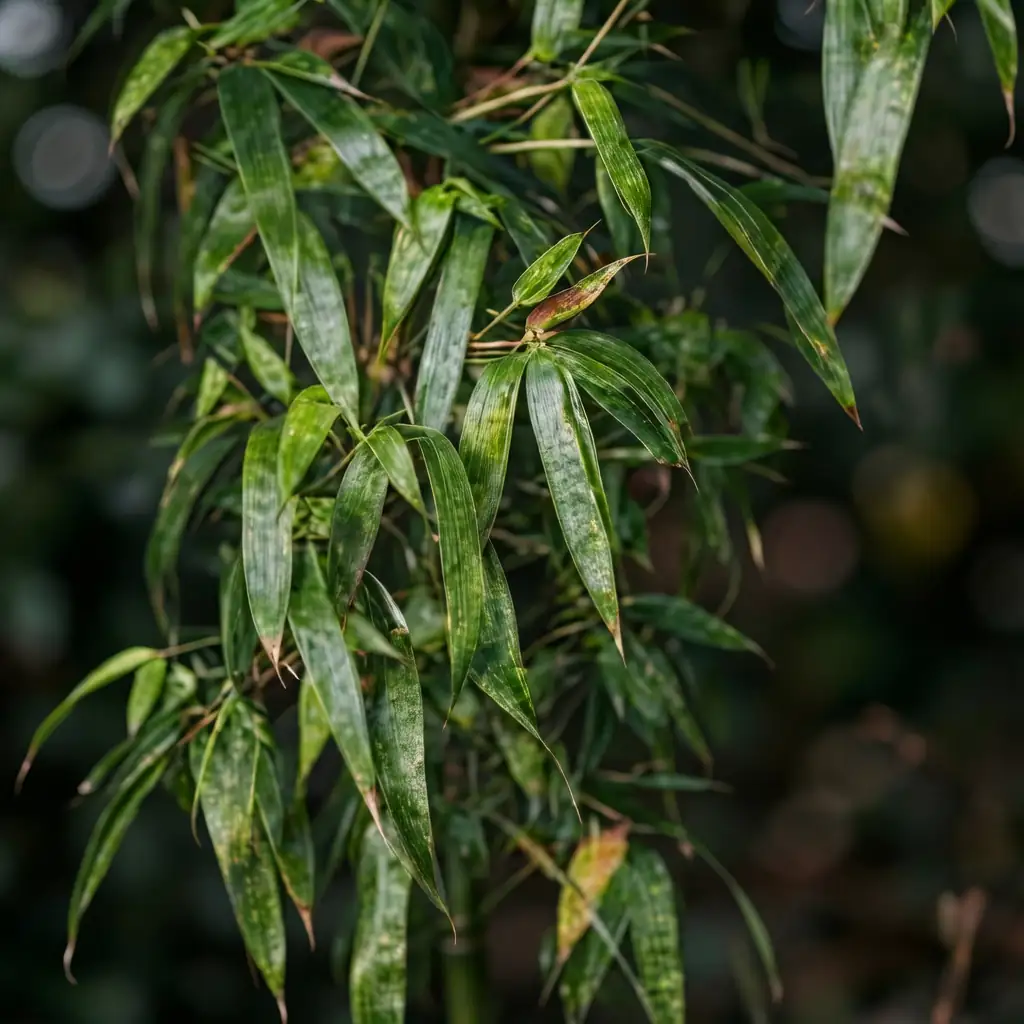
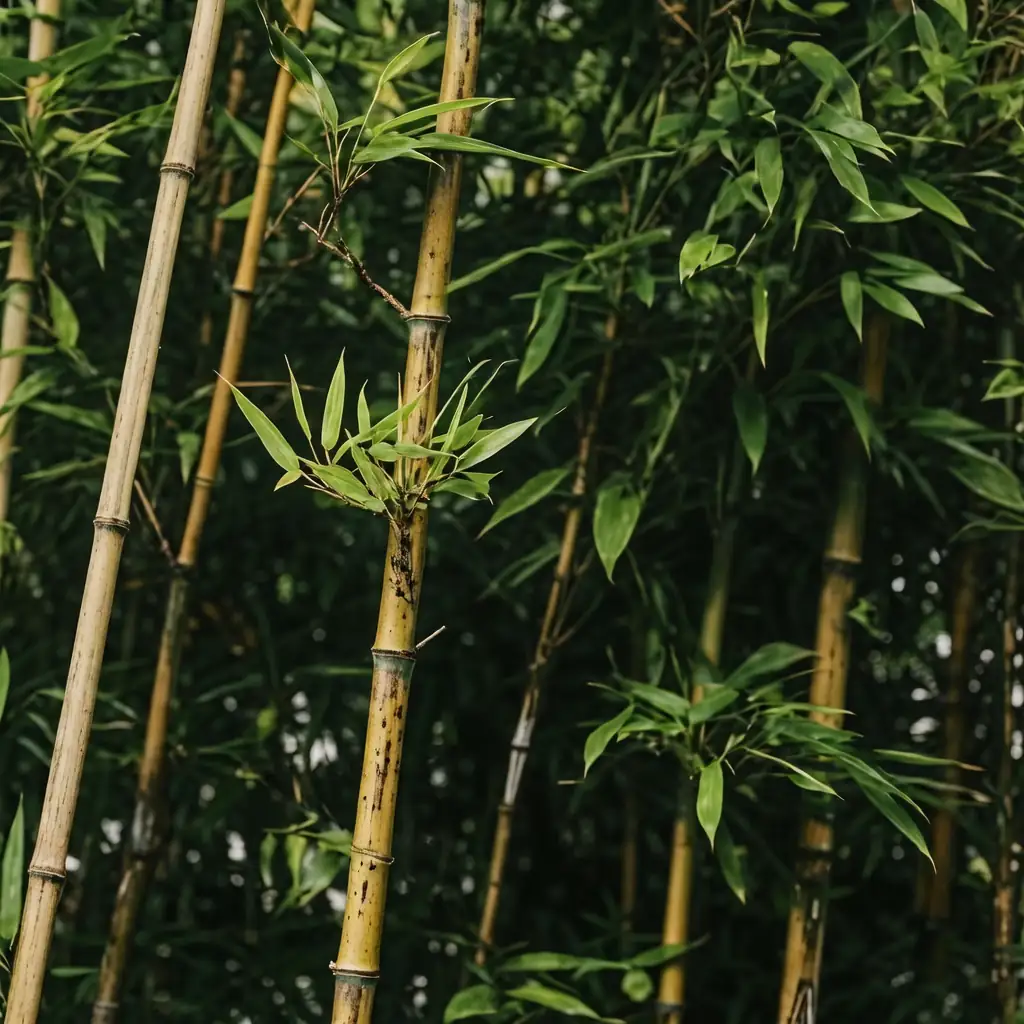
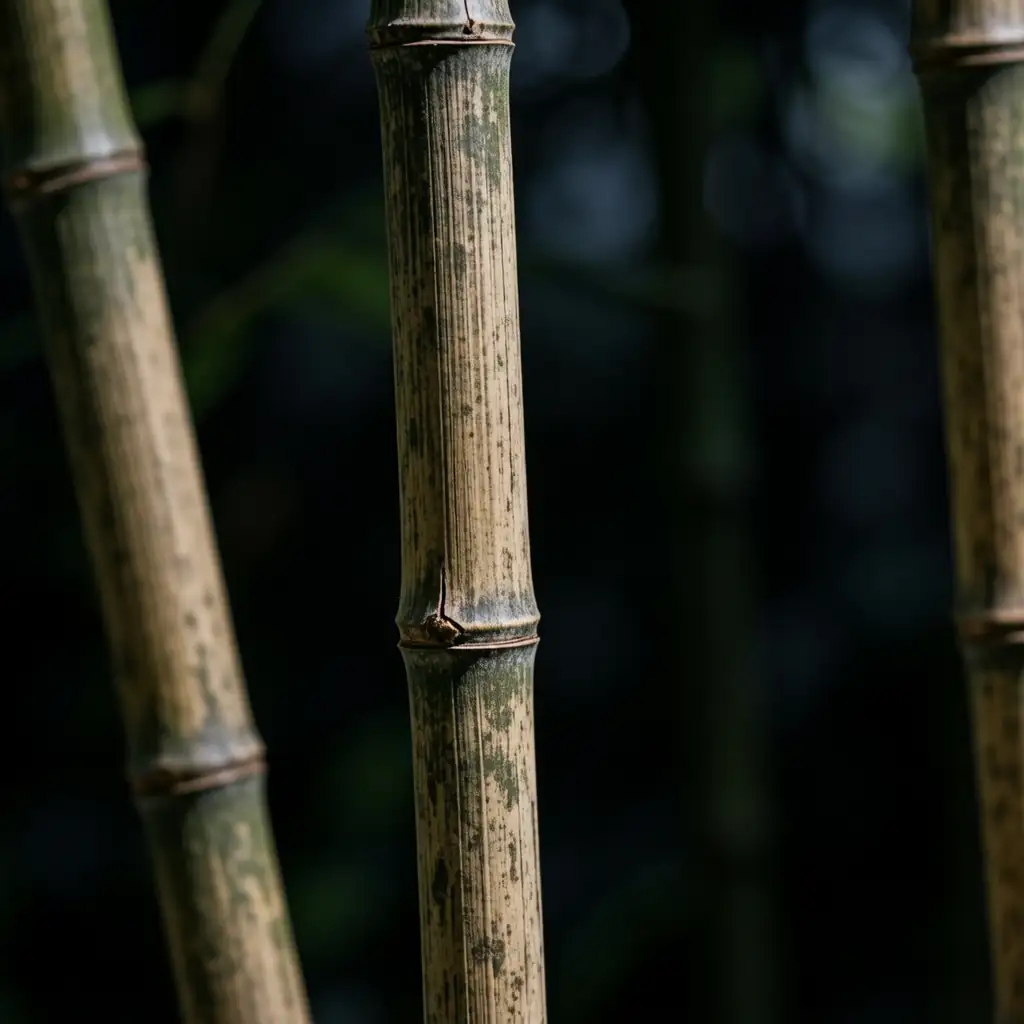
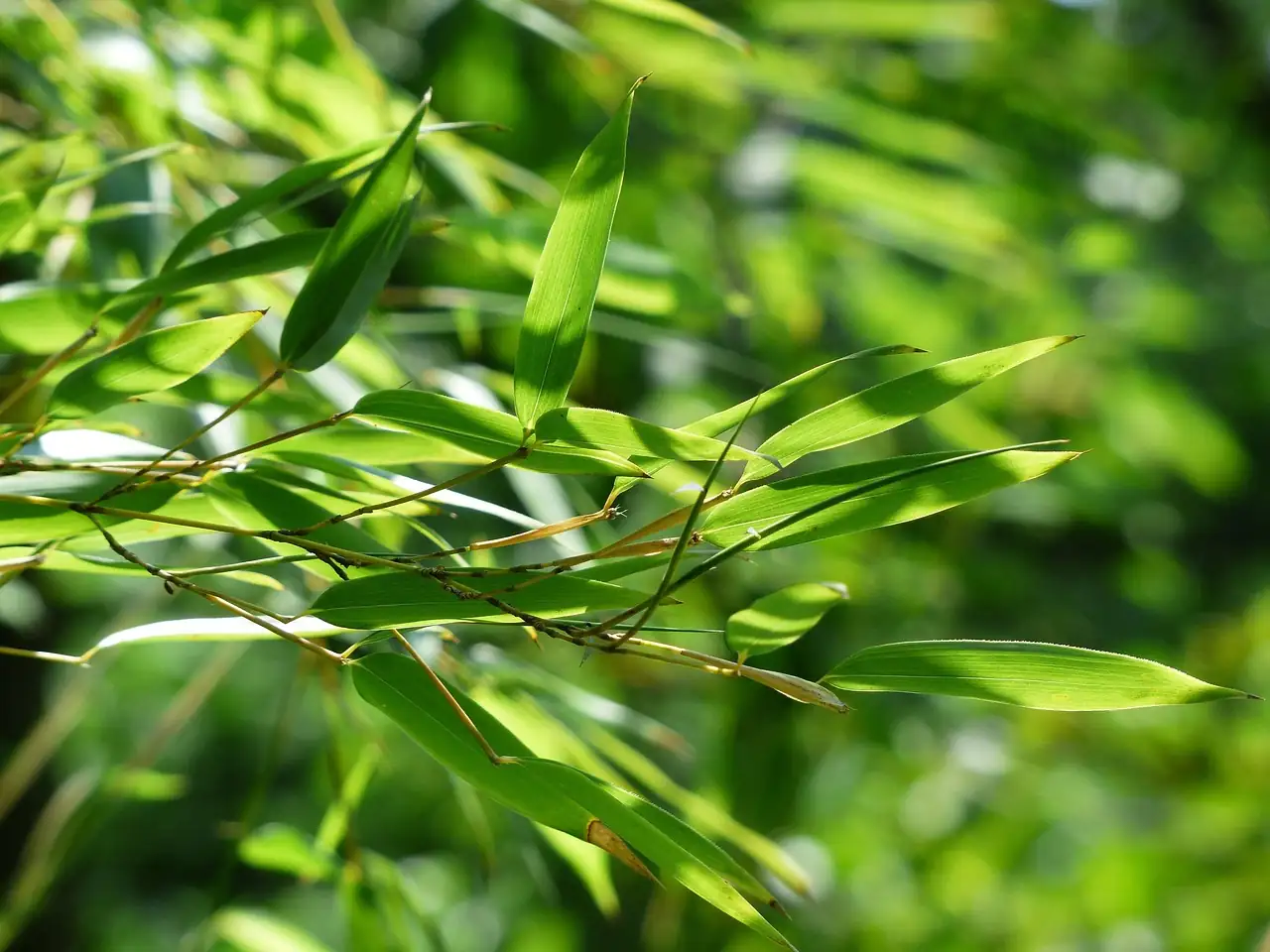
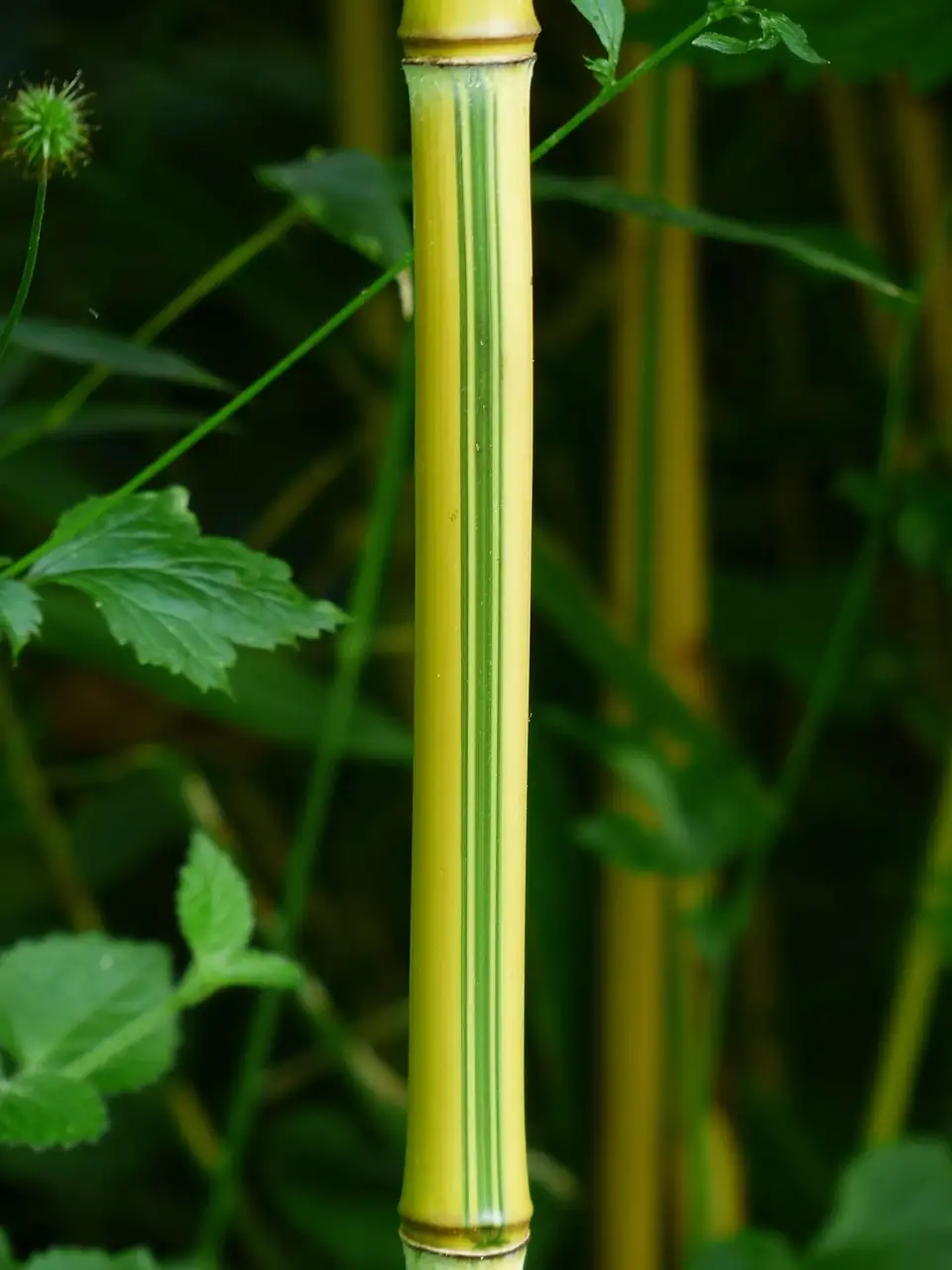
- Foliage: Culms are green to yellow-green and commonly show purplish-brown to light-brown speckling or blotches. New shoots emerge wrapped in tough, leathery sheaths; sheath auricles are often purplish-brown, and the sheath blade can be strikingly banded (green center with purplish sides and yellowish margins). Leaves are narrow, lance-shaped, and arranged in airy sprays along branching side shoots.
- Flower: Flowering is rare and unpredictable. When it does flower, it produces grass-like spikelets clustered along slender flowering branches.
- Flowering Season: Irregular; flowering is rare and not reliably seasonal in cultivation.
- Growth Habit: Tall, upright, fast-growing running bamboo (rhizomatous). Best with warmth, sun, fertile soil, and steady moisture; dislikes strong, drying winds and struggles in severe cold.
Environment
Sunlight
Full sun to light shade; strongest, densest culms typically develop in full sun.
Temperature
Prefers warm conditions; best growth around 18–30°C (64–86°F). Protect from hard freezes and cold, drying winds.
Humidity
Moderate to high humidity; performs best with consistently moist air and soil and will suffer if kept dry for long periods.
Soil
Loose, fertile, moisture-retentive yet well-drained sandy loam; improve with organic matter. Avoid waterlogged ground.
Placement
Outdoors as a grove, specimen planting, privacy screen, or hedge. Use a rhizome barrier (or regular rhizome pruning) where spread is a concern.
Hardiness
Best in USDA Zones 7–10; not reliably hardy in very cold or windy sites (especially where hard freezes occur).
Care Guide
Difficulty
Moderate (outdoors). Easy when given sun, warmth, fertility, and steady moisture, but it needs management because it’s a running bamboo and can struggle in cold, exposed, or droughty sites.
Buying Guide
Pick plants with firm, healthy culms and fresh green leaves. Avoid severely root-bound pots with tightly circling rhizomes unless you can up-pot immediately. For small gardens, plan containment (like a rhizome barrier) before planting.
Watering
Keep evenly moist—especially during shoot emergence and hot weather. Water deeply rather than lightly; let the top few centimeters of soil dry slightly between waterings, but don’t allow the root zone to dry out.
Fertilization
Feed in spring and early summer with compost, composted manure, or a balanced fertilizer; bamboos respond especially well to nitrogen. Mulch annually with compost to support moisture retention and fertility.
Pruning
Remove weak, damaged, or overcrowded culms at ground level to improve airflow and showcase the best spotted canes. Avoid topping unless you’re deliberately controlling height.
Propagation
Primarily by dividing rhizomes (ideally with at least one healthy culm and active buds) in spring or early autumn. Seed is uncommon because flowering is rare.
Repotting
Can be grown in containers when young, but becomes challenging as it matures. Repot every 1–2 years into a larger container, or root-prune and refresh soil; use heavy pots and ensure excellent drainage.
📅 Seasonal Care Calendar
Mulch in late winter to early spring; feed in spring; water generously through summer; thin culms after the main growth flush. Edible shoot season is typically May–July (May–July) in suitable climates.
Pests, Diseases & Safety
Common Pests & Diseases
Generally resilient. Possible issues include aphids, spider mites (especially in hot, dry conditions), scale insects, and leaf spot. Reduce stress with steady moisture, keep good airflow, and rinse foliage if mites appear.
Toxicity
Not considered poisonous to people or pets. Young shoots are edible when properly prepared. Foliage may cause mild irritation if chewed in large amounts, and culm/leaf edges can be sharp.
Culture & Symbolism
Symbolism: A classic symbol of resilience, integrity, and graceful strength—qualities long associated with bamboo in East Asian culture.
History & Legends: Often celebrated in classical stories and poetry for its refined grove-forming presence and distinctive mottled culms.
Uses: Ornamental screening and grove plantings; a valued timber bamboo used for construction, crafts, and garden structures. Shoots may be harvested seasonally where climates allow.
FAQ
Why does my bamboo have spots on the canes?
With Phyllostachys bambusoides, mottling can be completely normal and is part of its ornamental charm. If spotting looks mushy, sunken, or rapidly expanding, check drainage, physical damage, and overall plant stress.
Will it spread aggressively?
Yes—this is a running bamboo that spreads via rhizomes. Install a rhizome barrier and/or do regular edging and rhizome pruning to keep it in bounds.
Fun Facts
- Its culms often develop purplish-brown to light-brown spotting, which is why it’s popularly called “spotted bamboo.”
- New shoot sheaths can be surprisingly colorful, with green, purple, and yellow banding.
- In good conditions, it’s both a showpiece landscape bamboo and a serious timber bamboo.
- Shoot season is often around May–July (May–July), depending on local climate.


