Plant Features
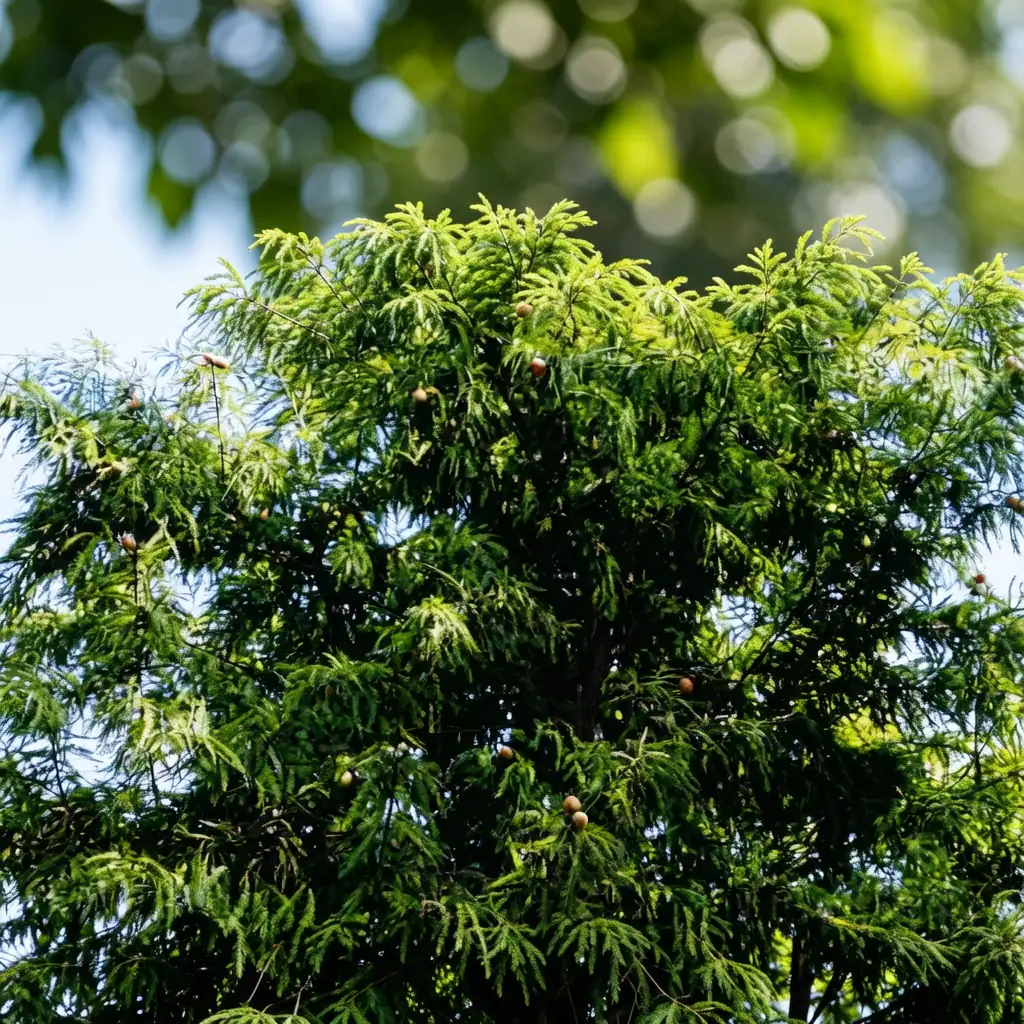
- Size: Up to about 50 m (164 ft) tall; mature trees typically develop a broad, rounded to wide-conical crown.
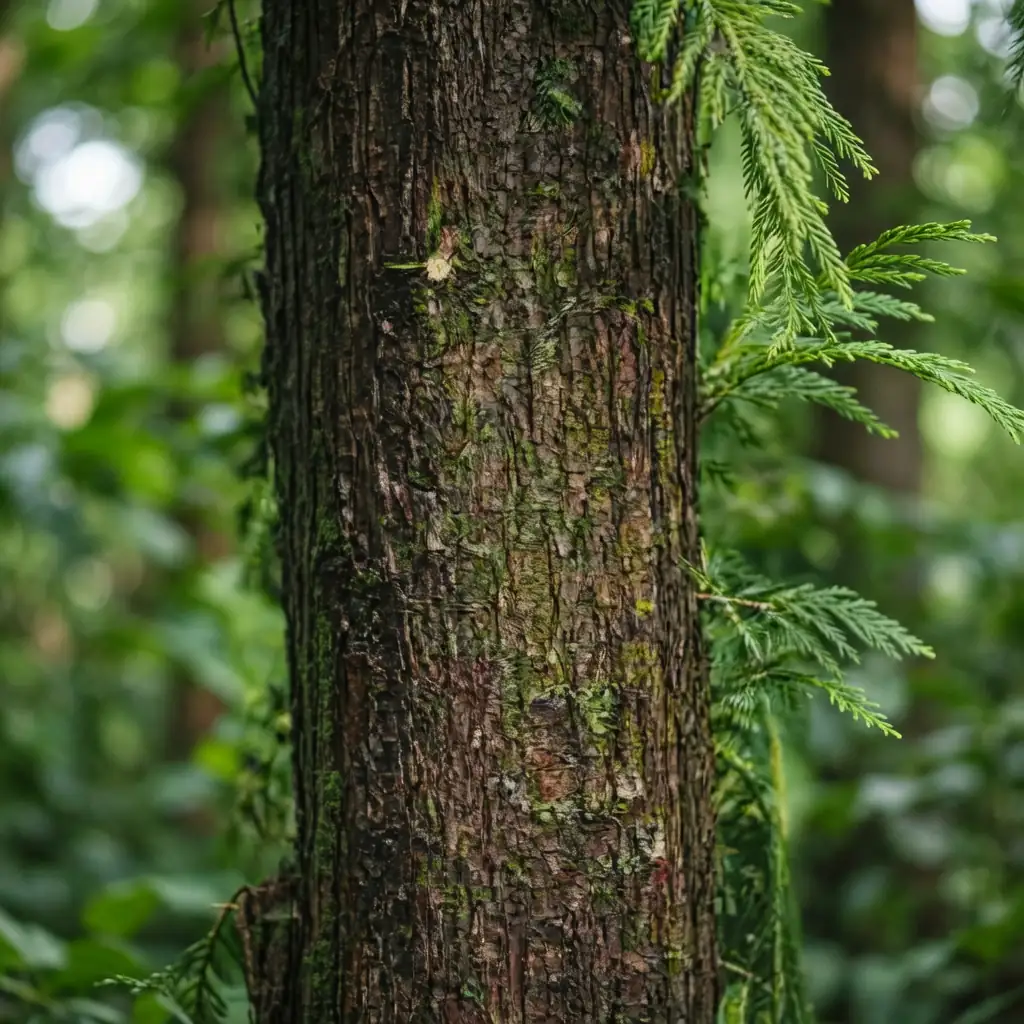
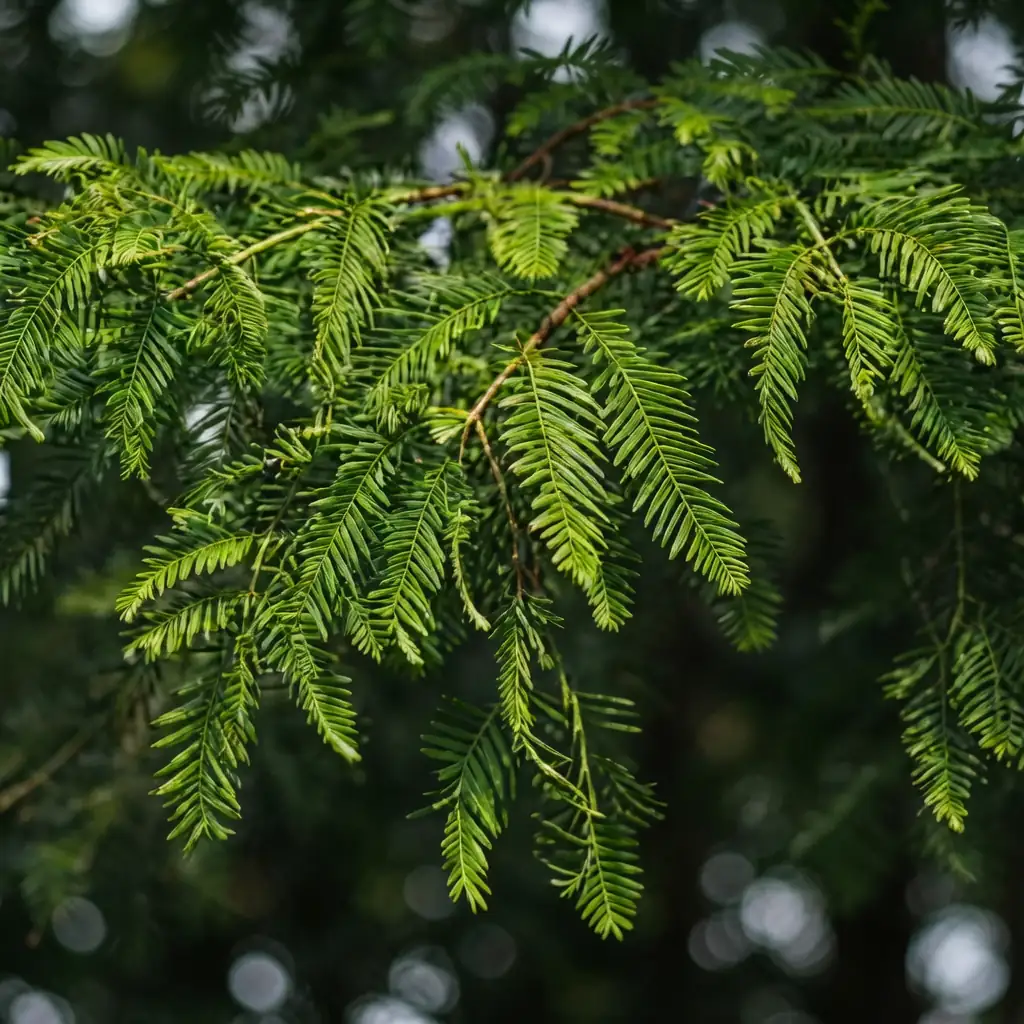
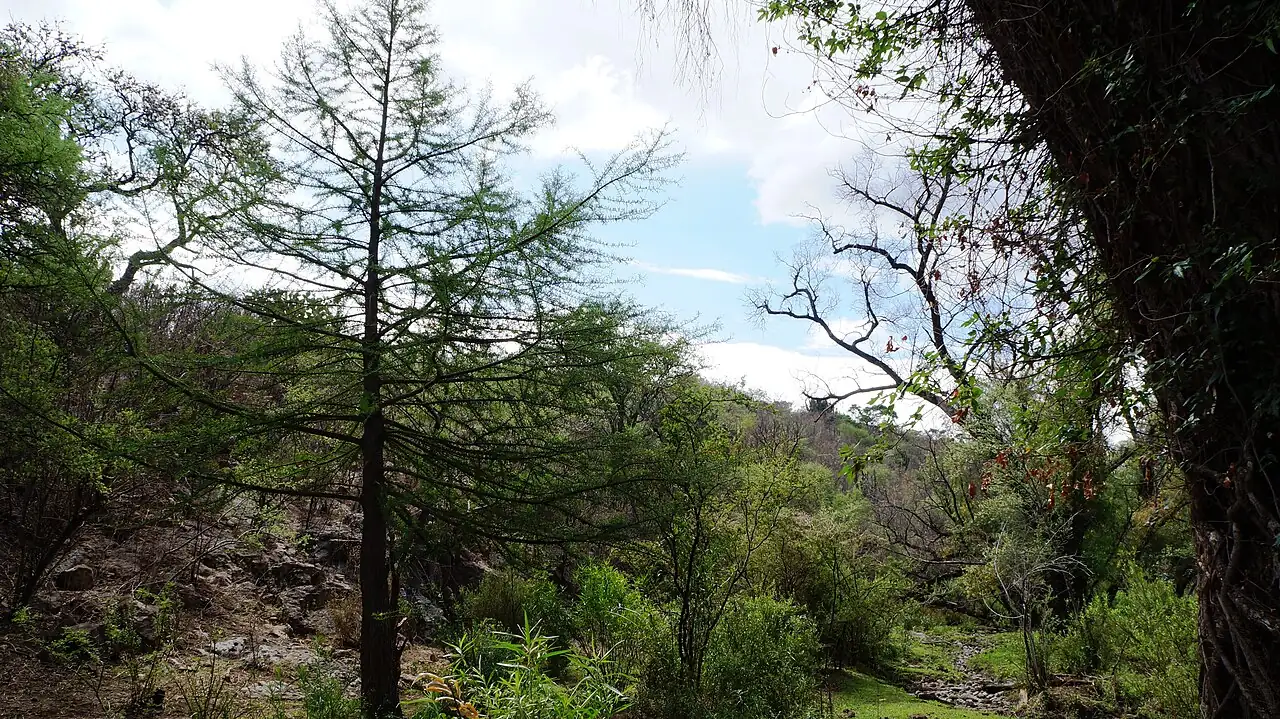
- Foliage: Soft, narrow, linear leaves (needles) that are flattened and closely set in two ranks along the shoots, often lying in a single plane for a distinctly feather-like texture; leaves become shorter toward shoot tips.
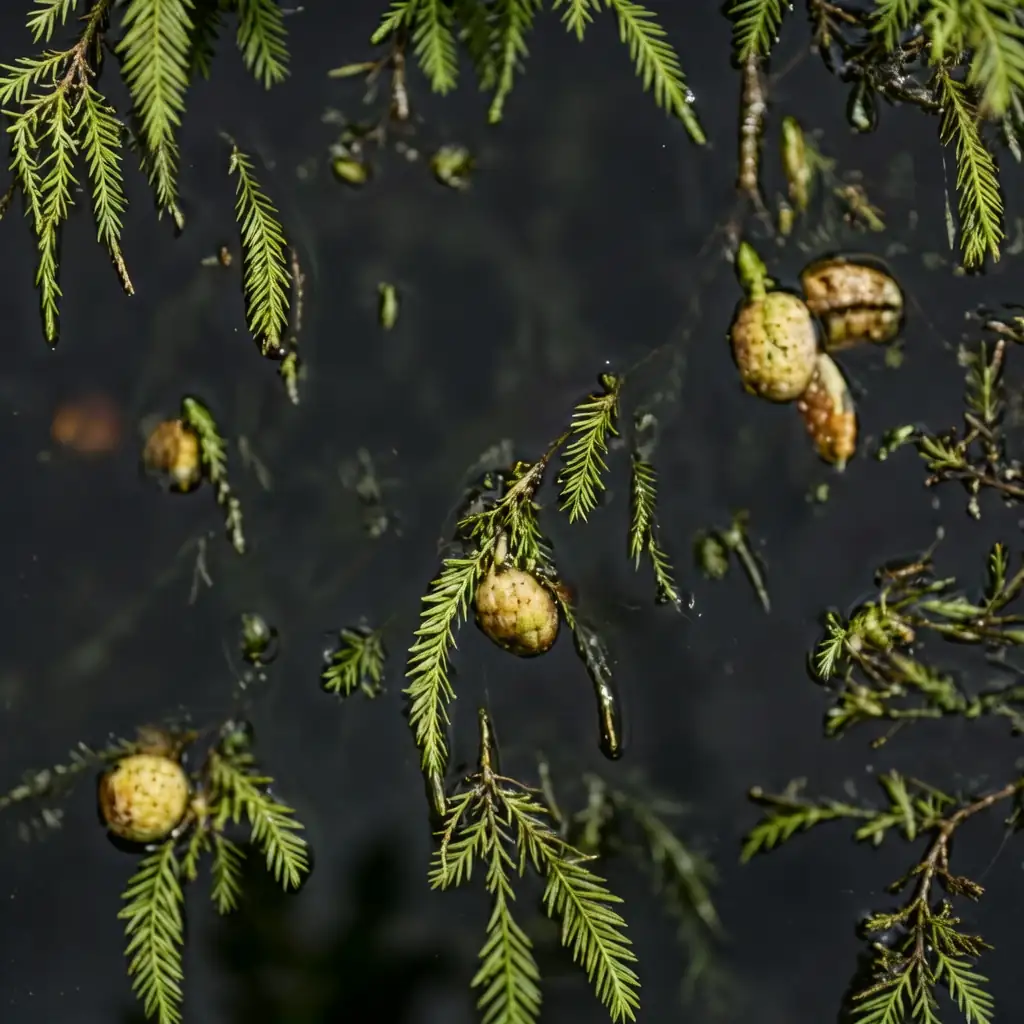
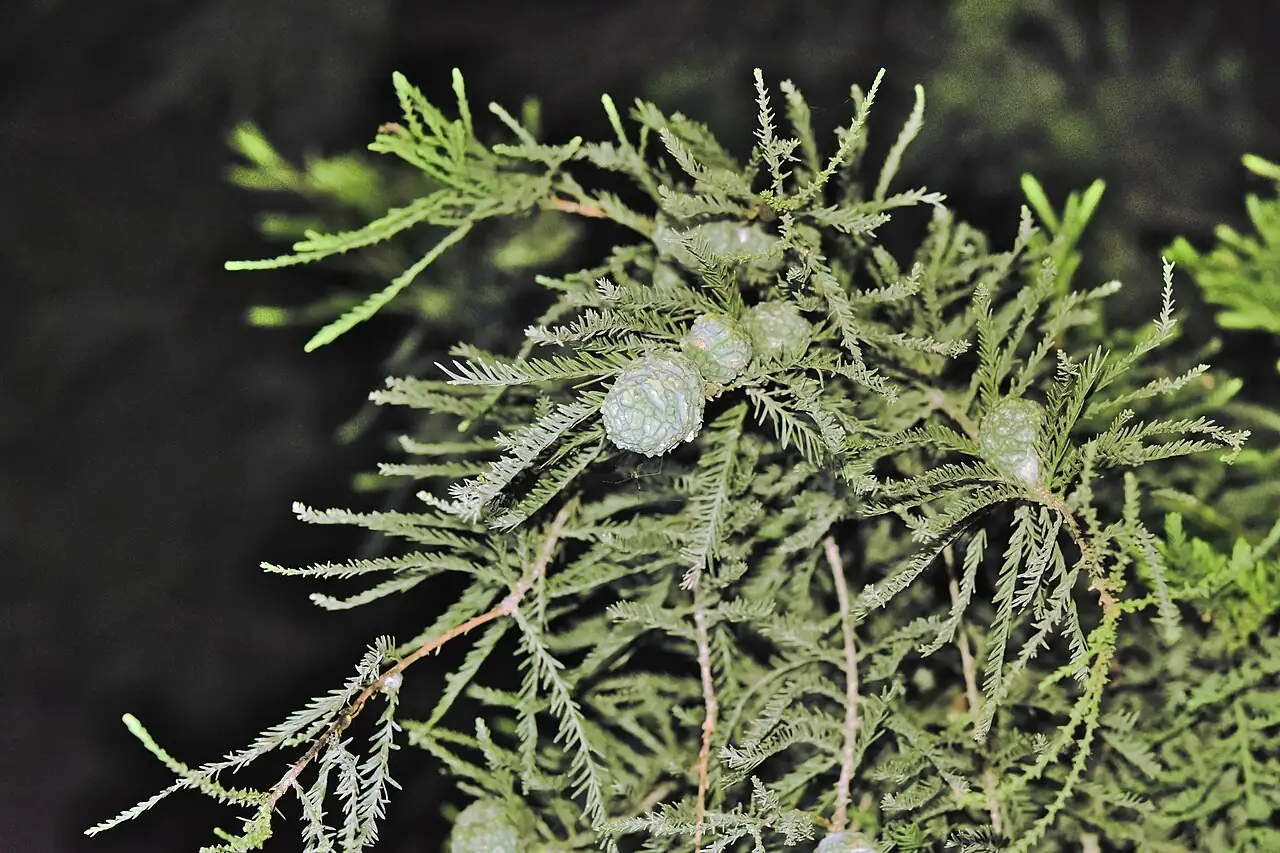
- Flower: Male pollen cones are small, egg-shaped, nearly stalkless, and arranged in clustered sprays; seed cones are also egg-shaped and develop after pollination.
- Flowering Season: March–April (Mar–Apr)
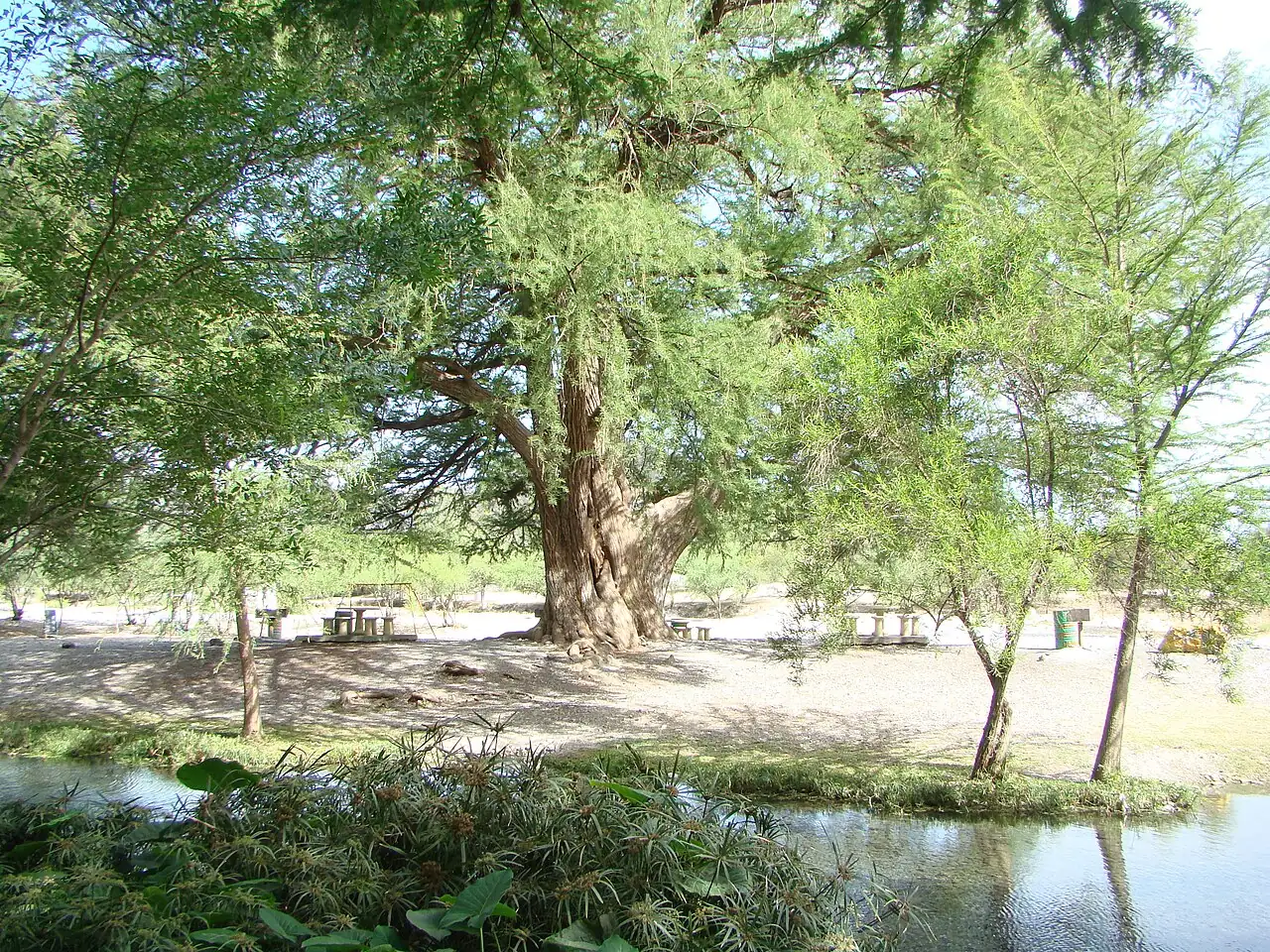
- Growth Habit: A large semi-evergreen to evergreen tree with a strongly tapered trunk and conspicuously swollen, buttressed base. Bark splits and peels in long strips. Branches spread horizontally, and the fine branchlets often droop slightly on older trees.
Environment
Sunlight
Full sun to light shade; best growth and a fuller crown in full sun.
Temperature
Prefers warm, humid conditions; a practical growing range is roughly 10–30°C (50–86°F). Established trees can tolerate brief dips below 0°C (32°F), but prolonged hard freezes are risky.
Humidity
Likes moist air and consistently moist sites; naturally suited to riversides and seasonally flooded landscapes.
Soil
Highly adaptable. Thrives in deep, moisture-retentive loam, but tolerates wet soils, periodic flooding, and—once established—can also handle poorer, drier, or alkaline soils.
Placement
An outdoor, large-scale landscape tree for parks, large gardens, lakesides, riverbanks, and other water-edge plantings; also useful in low-lying humid regions for greening, shelterbelts, and restoration planting.
Hardiness
Approx. USDA Zone 8–11; not reliably hardy in regions with long, severe freezes.
Care Guide
Difficulty
Easy (in the ground) where there’s enough space; notably forgiving of wet feet and variable soils once established.
Buying Guide
Look for a straight central leader, evenly spaced main branches, and a trunk free of major wounds. Avoid severely pot-bound plants; prioritize stock with a healthy, fibrous root system. Water deeply after planting to settle soil around roots.
Watering
Keep evenly moist during the first 1–2 growing seasons. After establishment, it tolerates seasonal flooding and can grow beside shallow water for long periods. It also copes with drier spells, but grows best with consistent moisture.
Fertilization
Usually little feeding is needed in the landscape. If growth is weak, use a balanced slow-release fertilizer in spring; avoid heavy nitrogen late in the season.
Pruning
Prune in late winter to early spring to remove dead, damaged, or crossing branches and to develop a clear trunk for park or street use. Avoid heavy pruning on mature specimens.
Propagation
Most commonly grown from seed; selected forms may be propagated by cuttings under controlled conditions.
Repotting
Not suitable as a long-term container tree. If started in a pot when young, step up one pot size in spring and plant out before it becomes root-bound.
📅 Seasonal Care Calendar
Pollen cones appear March–April (Mar–Apr). Cones typically mature around October (Oct). Mulch to conserve soil moisture and protect roots, and provide extra watering through the first 1–2 seasons for strong establishment.
Pests, Diseases & Safety
Common Pests & Diseases
Generally tough. Watch for bagworms and scale insects, and occasional needle blight. Root issues can occur if the tree is stressed or soil is chronically compacted—maintain vigor with good establishment watering and protect the root zone from heavy traffic.
Toxicity
No well-documented toxicity to people or pets. Still, cones and foliage aren’t meant to be eaten.
Culture & Symbolism
Symbolism: Often seen as a symbol of longevity and resilience—fitting for a tree capable of great age and thriving along waterways.
History & Legends: Closely tied to Mexico’s culturally important monumental trees known as “ahuehuete,” celebrated for their size, age, and presence in historic landscapes.
Uses: A tall, handsome, fast-growing tree for parks and large properties, and a strong choice for riverside greening and restoration. Commonly planted for water-edge scenery, erosion control, soil stabilization, and watershed protection. In parts of eastern China it may remain green longer than related Taxodium species, extending its ornamental season.
FAQ
Can Montezuma cypress grow in standing water?
Yes. It’s very tolerant of waterlogged soils and can live beside shallow water for long periods. Young trees still establish best with steady moisture and enough oxygen around the roots (avoid burying the root flare).
Is it deciduous like bald cypress?
It depends on climate. It can be semi-evergreen to evergreen in warmer regions, while in cooler areas it may drop more foliage seasonally.
Fun Facts
- “Ahuehuete” is a widely used traditional name for this species in Mexico, where some specimens are famous for extreme age and massive trunks.
- It’s unusually flexible for a large conifer: happy in wet ground, yet capable of handling dry, poor, or alkaline soils once established.
- Mature trees often develop a dramatic buttressed base that looks especially striking near water.