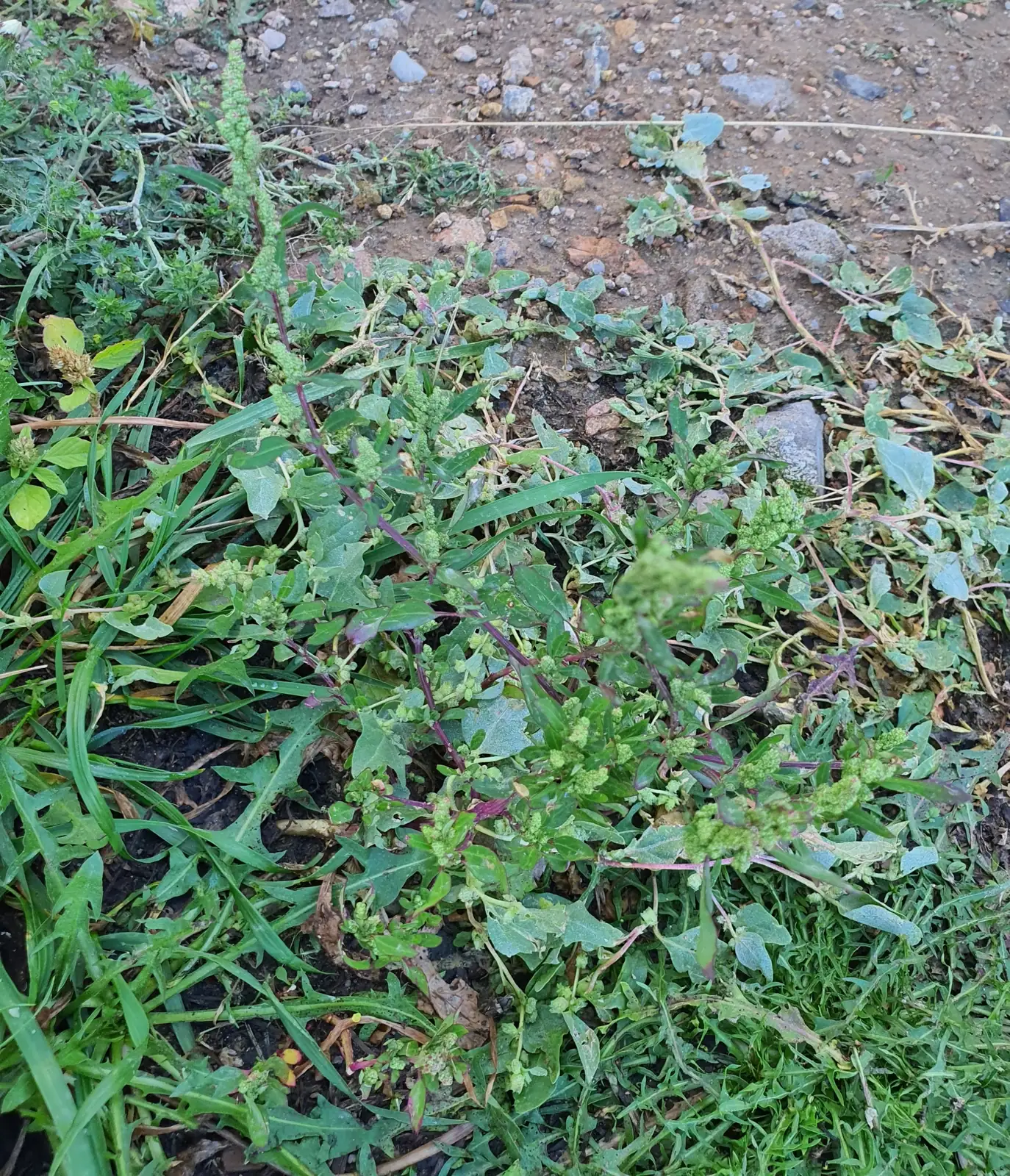
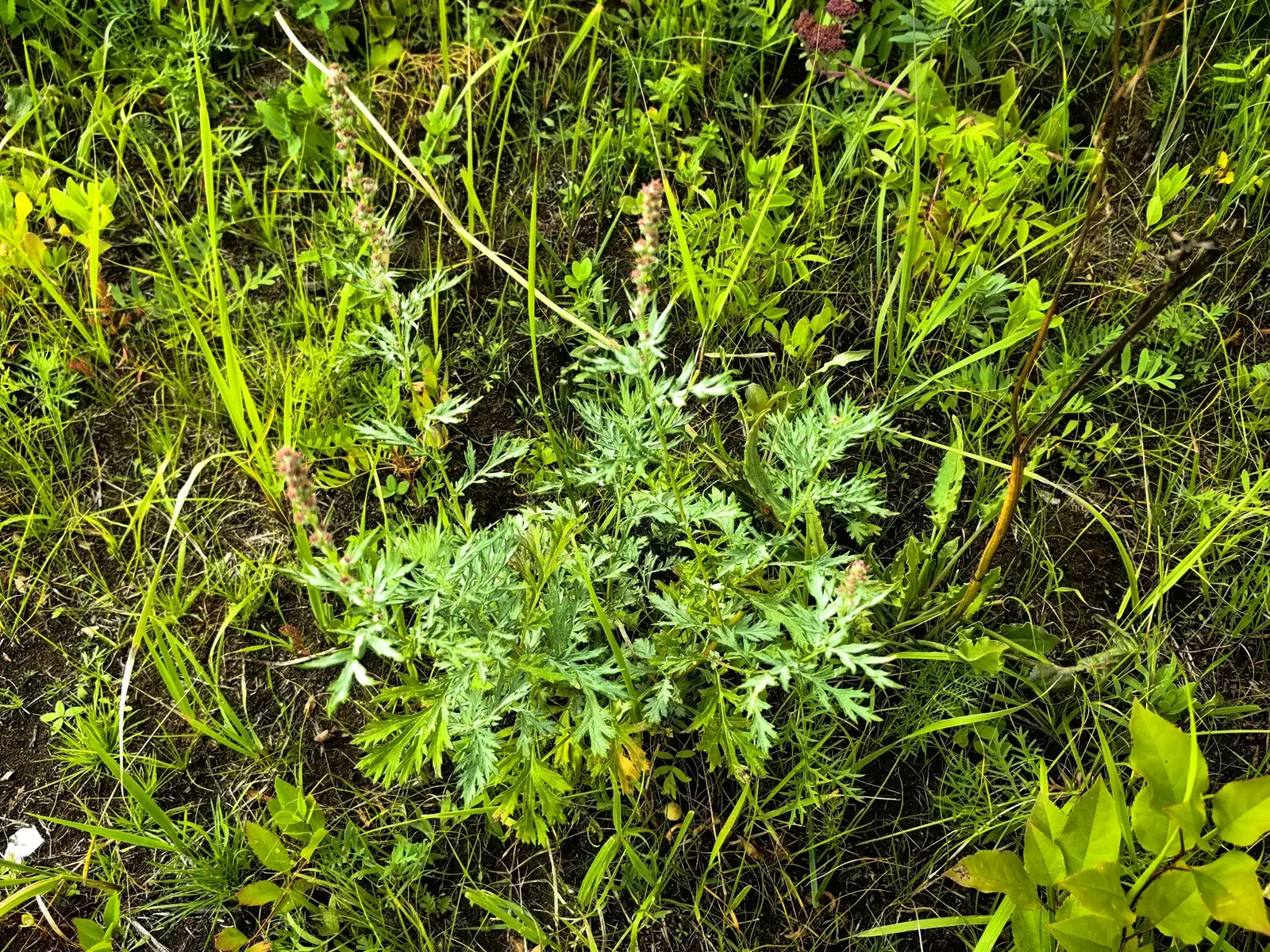
Plant Features
- Size:40–120 cm (16–47 in) tall; an upright, clump-forming perennial herb.
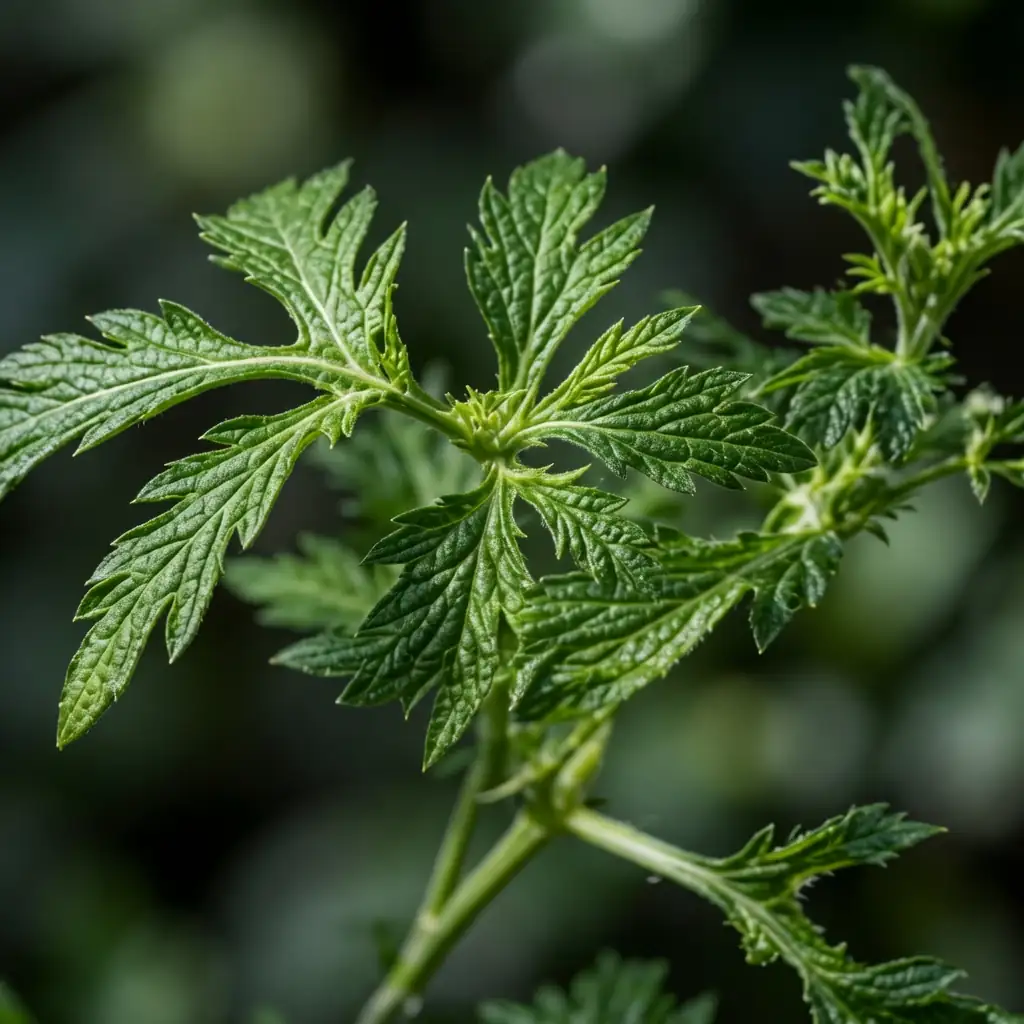
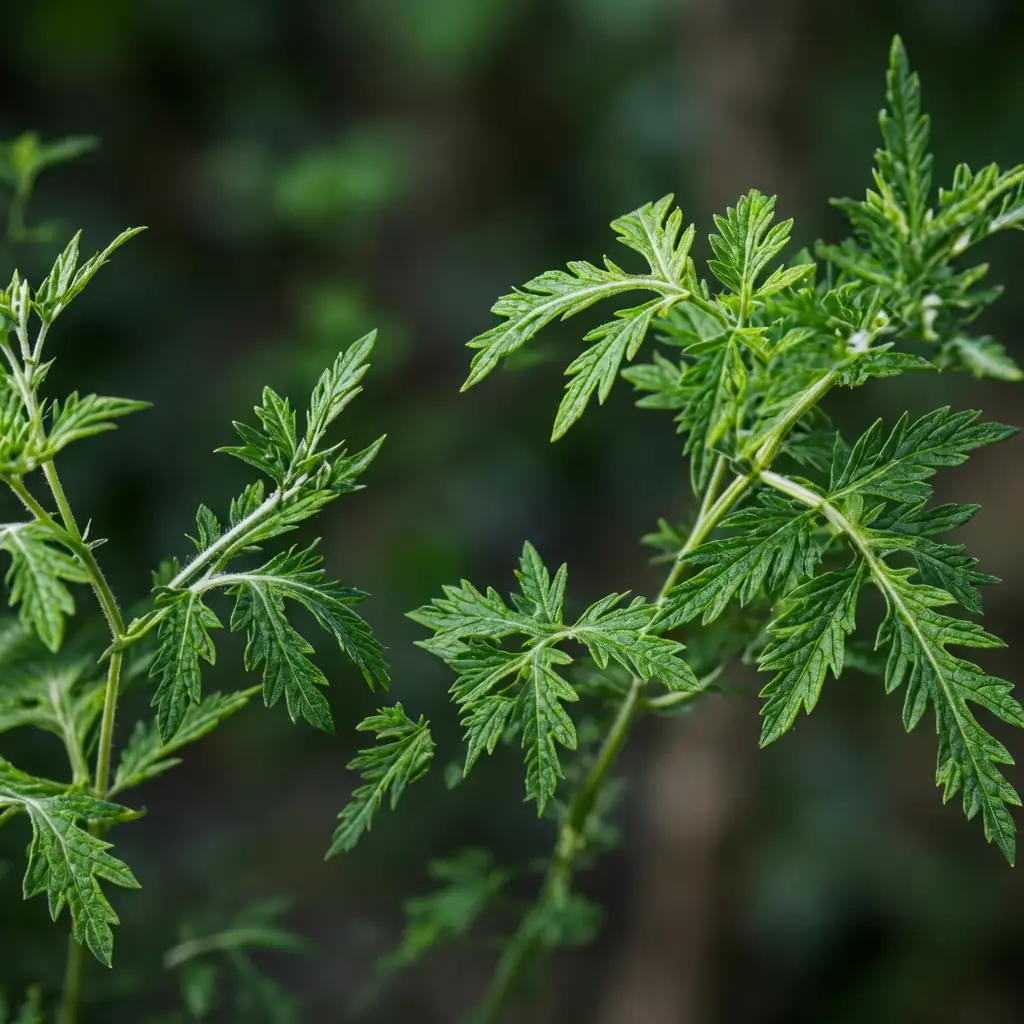
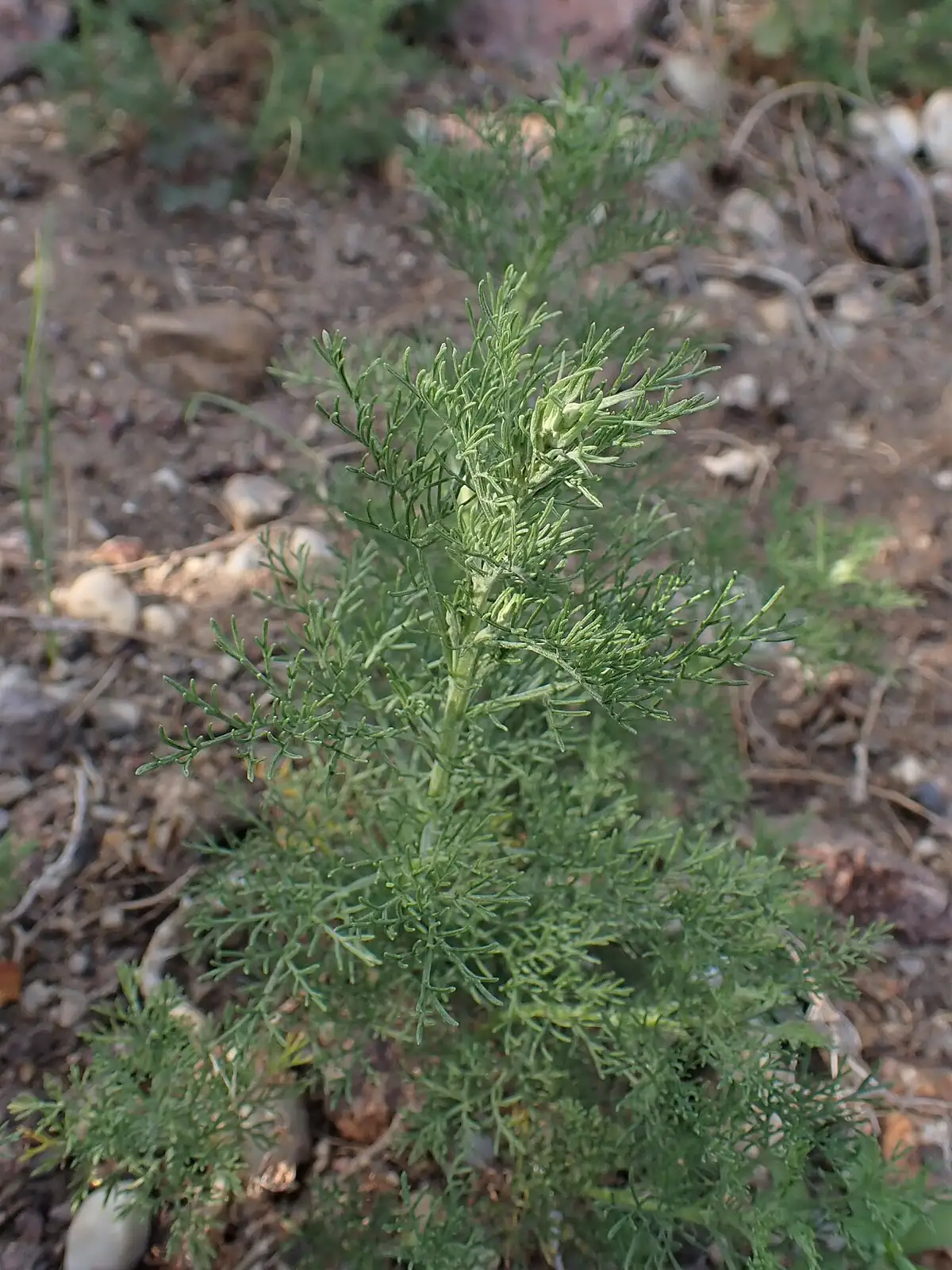
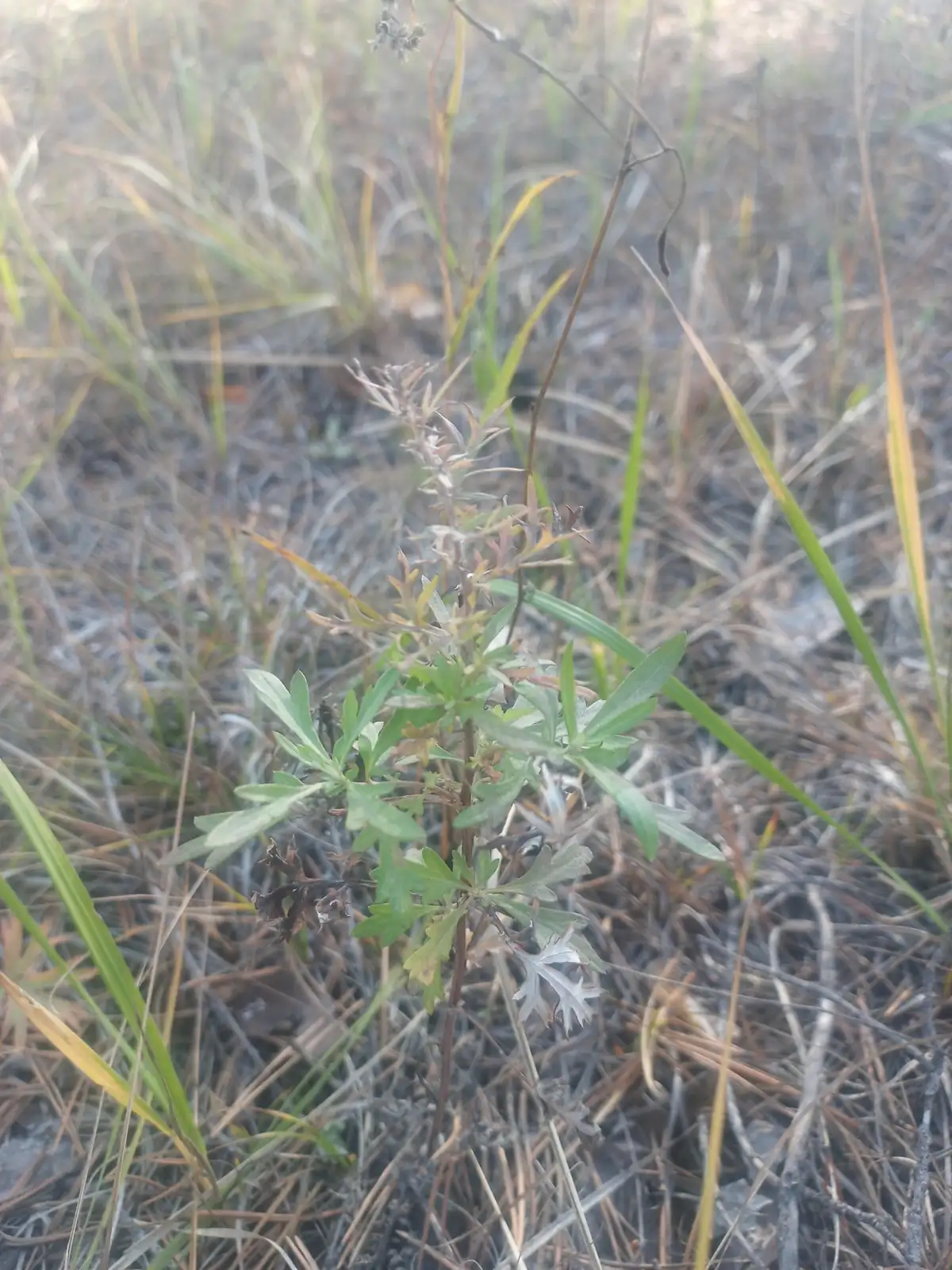
- Foliage: Leaves are papery and deeply pinnately divided into narrow lance-shaped to linear lobes, giving the plant a fine, feathery texture. Leaves are essentially sessile (with little to no noticeable leaf stalk).
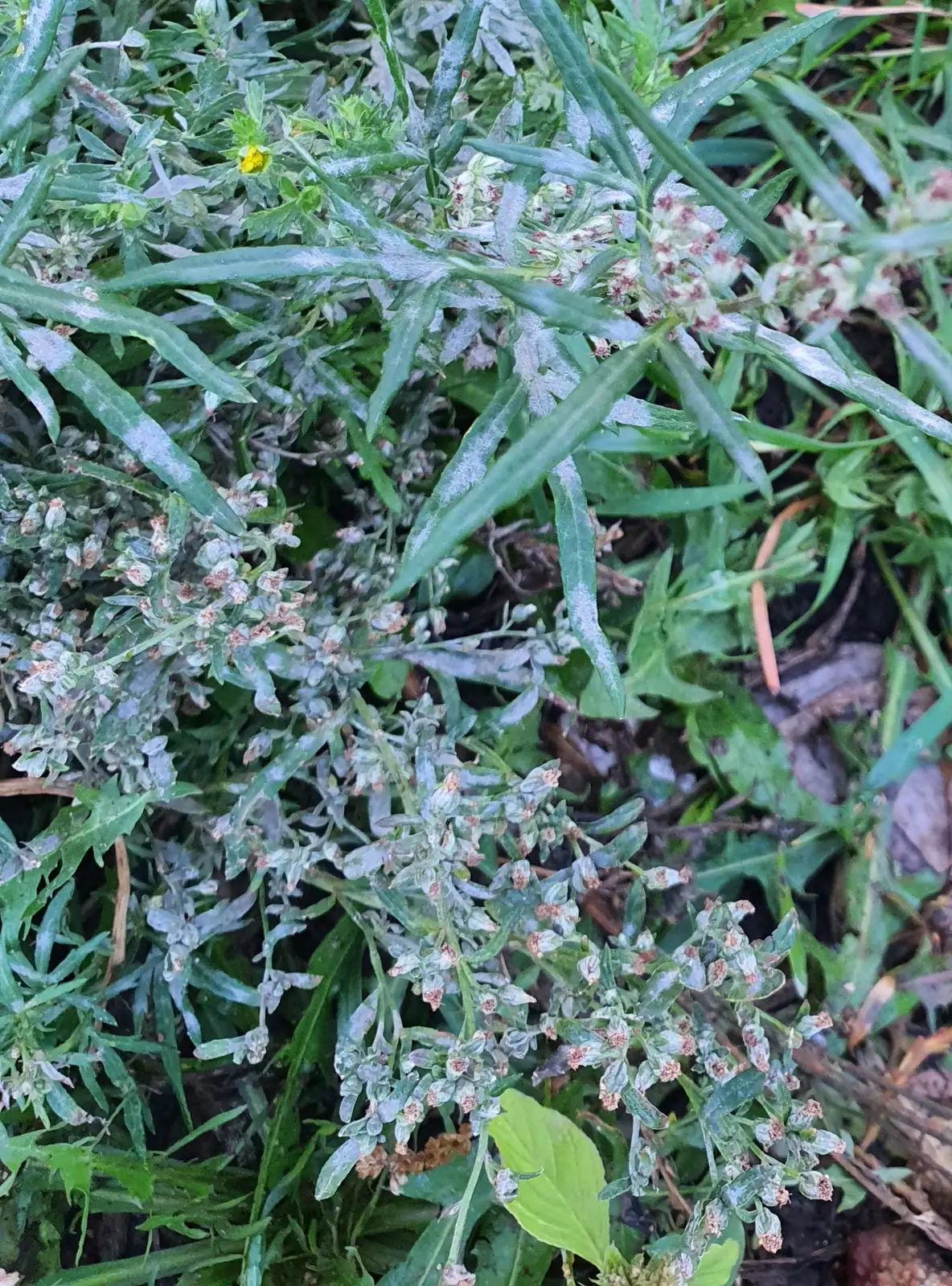
- Flower: Produces numerous small composite flower heads with narrow bracts; the overlapping involucre bracts sit like shingles. Florets are bisexual and tubular; the corolla can show tiny yellow glandular dots and a purplish-red tint toward the tip. After flowering, it forms small dry fruits (achenes) that are oblong to inversely egg-shaped.
- Flowering Season: August–October
- Growth Habit: Upright, clump-forming perennial herb
Environment
Sunlight
Full sun to light shade; brighter light generally improves flowering and brings out the strongest aroma.
Temperature
Cool-temperate tolerant; typical active growth around 10–25°C (50–77°F).
Humidity
Prefers consistently moist conditions; handles average outdoor humidity well when soil moisture is steady.
Soil
Adaptable and tolerant of lean/poor soils. Best in well-drained soil that can stay evenly moist; avoid waterlogged sites to prevent rot.
Placement
Outdoors in sunny borders, naturalistic/wildlife-friendly plantings, slopes, and near pond/stream edges. Also suitable for roadside or restoration-style areas where soil fertility is low.
Hardiness
Cold-hardy temperate perennial (approx. USDA Zone 3–8); generally not bothered by cold winters once established.
Care Guide
Difficulty
Easy outdoors once established. The main success factors are keeping it from drying out too severely during growth while also avoiding soggy, stagnant soil.
Buying Guide
Pick plants with fresh, strongly aromatic foliage and firm, upright stems. Avoid plants sitting in sour-smelling, waterlogged mix, or those with widespread yellowing and blackened lower stems (possible stress or rot).
Watering
Keep soil evenly moist during active growth. Water deeply when the top 2–5 cm (1–2 in) dries out, then let excess drain away. Reduce watering in cooler seasons and never leave the plant in prolonged waterlogging.
Fertilization
Usually needs little feeding. If growth is weak, use a balanced fertilizer at a diluted rate once in spring and again in early summer. Avoid heavy nitrogen, which can cause floppy growth and reduce fragrance.
Pruning
Remove dead stems after flowering or in late winter/early spring before new growth starts. Light trimming during the season can keep clumps neat and encourage bushier growth.
Propagation
Divide established clumps in spring or early autumn. Can also be grown from seed when available: sow on the surface or cover very lightly, and keep consistently moist until germination.
Repotting
If grown in containers, repot every 1–2 years in spring into a slightly larger pot with a free-draining mix. Divide at repotting if the plant is root-bound.
📅 Seasonal Care Calendar
Spring: cut back old stems; divide if crowded. Summer: keep moisture steady; optional light feeding. Late summer–autumn (Aug–Oct): flowering and fruiting; deadhead only for tidiness. Winter: dormant; avoid keeping soil constantly wet.
Pests, Diseases & Safety
Common Pests & Diseases
Generally resilient. Aphids and spider mites may appear in hot, dry weather; improve airflow and rinse or treat with insecticidal soap as needed. Root/stem rot can occur in waterlogged soil—prioritize drainage and avoid overwatering.
Toxicity
Like many Artemisia, it may irritate skin or trigger allergies in sensitive people. Not a good chew-plant for pets; ingestion may cause mild gastrointestinal upset. Contact a veterinarian if a pet eats a significant amount.
Culture & Symbolism
Symbolism: Often linked with resilience and a sense of protection—common themes for wormwoods and mugworts thanks to their strong scent and rugged nature.
History & Legends: This species doesn’t have widely recorded legends of its own, but it belongs to a famously useful aromatic group (Artemisia) long appreciated for its fragrant oils and practical applications.
Uses: Collected as a source of aromatic essential oil for industrial/chemical use. It has also been used as a raw material for fiber and papermaking in some regions.
FAQ
When does Mongolian wormwood flower?
It typically flowers (and often fruits) from August to October.
Does it need rich soil to grow well?
No—this plant tolerates lean, poor soils surprisingly well. Just make sure the soil drains and isn’t kept waterlogged.
Where does it grow naturally?
It’s native across northern and central China and also occurs in Mongolia, Japan, and Siberian Russia—often on slopes, in shrublands, along roadsides, and near rivers and lakes.
Fun Facts
- It commonly flowers and sets seed in the same late-season window (August to October).
- Its natural range stretches across a broad sweep of East Asia, including parts of China, Mongolia, Japan, and Siberian Russia.
- The plant can be processed to obtain aromatic oil used for industrial applications.
- In some places it has also been used as a fiber/papermaking raw material.
- The finely divided, narrow leaf segments are a classic “wormwood look,” giving the plant a delicate, lacy texture.